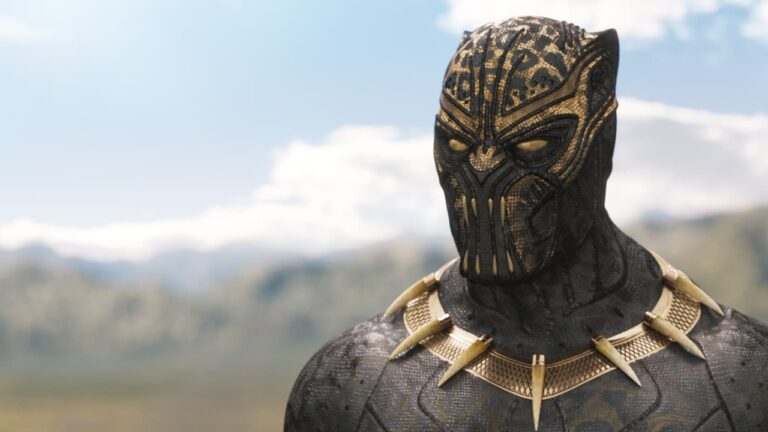
As Marvel fanatics, we know characters who have shades of grey. We can’t love them, but equally we can’t hate them either. And Erik Killmonger is one of those characters who walks into the story and immediately makes everyone rethink what a real villain even looks like. In comics as well as the hit ‘Black Panther‘ movie, he is the antagonist.
But once we hear where he comes from and what shaped him, the whole conversation gets a lot heavier for everyone. He is born N’Jadaka, meaning that he has been raised far from the comfort and tradition of Wakanda. He was molded by loss, exile, and a childhood that was ripped apart before he even had a chance to choose who he wanted to be.
His Anger Isn’t Aimless; It’s Built From Witnessing Real-World Injustice
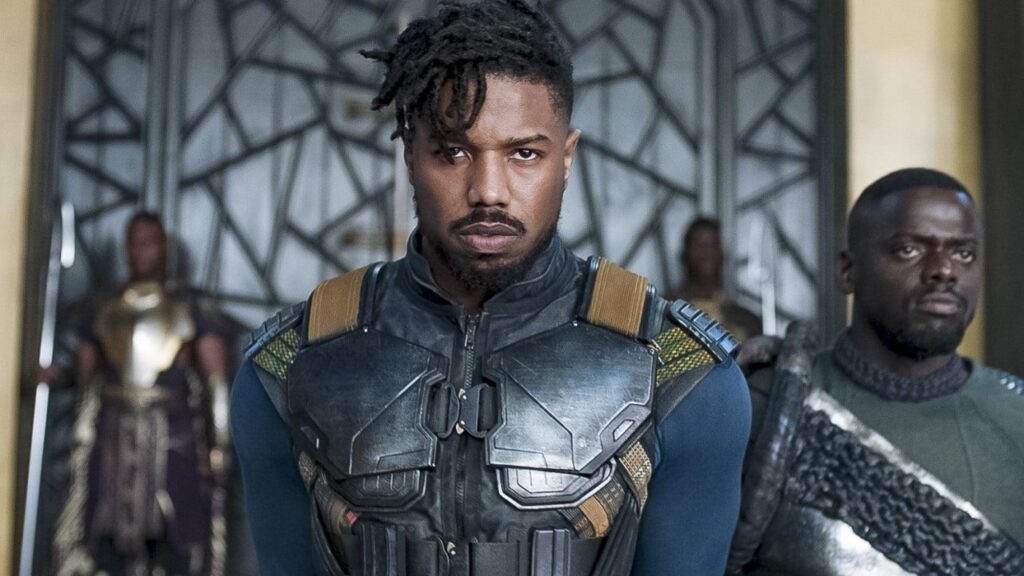
As fans, we know that in the comics, he is taken away after his parents are killed during an attack by Klaue’s men. In the film, we follow young Erik in Oakland, left behind after his father, Prince N’Jobu, is killed for trying to use Wakandan technology to help oppressed communities worldwide. Either way, he grows up watching the world’s pain up close, wondering why a nation as powerful as Wakanda chooses to stay silent despite knowing what was going wrong. By the time he becomes Erik Stevens, the Killmonger that was feared by U.S. black-ops units. We see him as he grows sharper, deadlier, and absolutely sure the world needs someone willing to burn the old systems down.
As audiences we know that Killmonger isn’t just strong. He is terrifyingly smart and intelligent. In Comics or in the MCU, he is a top-tier strategist with degrees stacked higher than T’Challa’s throne and the combat skills to back up every bold move he makes. When we see him returning to Wakanda, he isn’t coming home for closure. He came after the throne that he believed was rightfully his. And he earns his shot, like literally by taking on T’Challa in ritual combat and winning. His rise forces Wakanda to face a truth it spent generations avoiding, that by staying hidden, it doesn’t stop suffering outside their borders.
But we know that he is not a simple “conquer the world” villain guy. The anger powering him comes from a genuine place. He carries generations of injustice on his back and believes Wakanda should be leading a global uprising, not watching from behind its borders. It’s exactly why he is one of the MCU’s most memorable antagonists. He is dangerous because he makes sense to every one of us.
You may also like: Silco Of ‘Arcane’ Was A Villain With A Vision, Which Made Him A Complicated Character
His Conflict Pushes T’Challa Into Becoming a Better, Bolder King
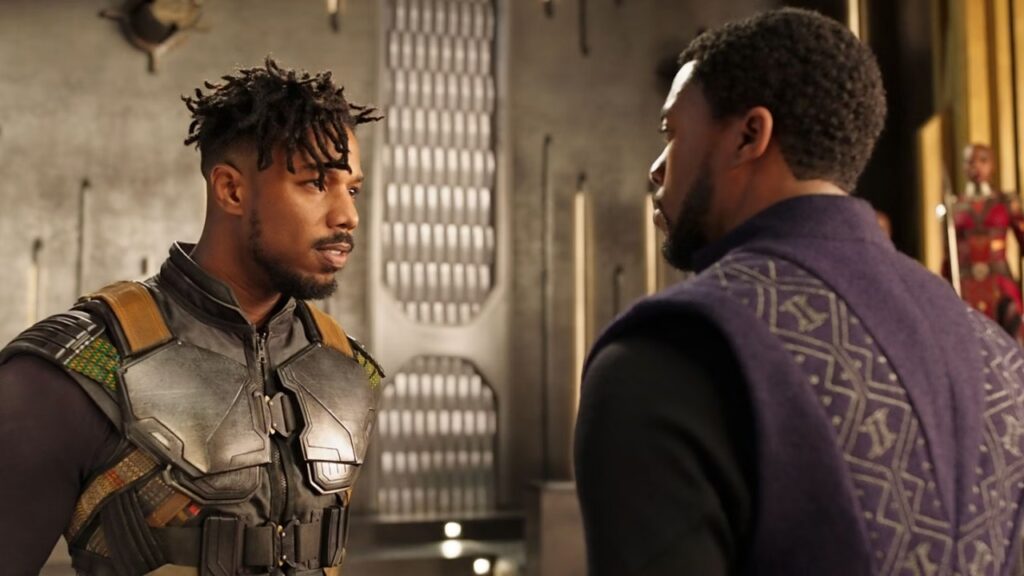
As fans we get to see how the film gives us the most widely known version. In reality, Killmonger’s comic history stretches much further and gets even more intense. He studies at MIT, survives betrayals, fights crime lords, joins mercenary crews, rises, falls, and rises again. At one point, he even manages to defeat T’Challa and become the Black Panther himself, only to face the harsh truth that the heart-shaped herb, the source of the Panther’s powers, rejects anyone outside the royal bloodline. And the interesting fact is, even death doesn’t seem to stop him. We see how the comics revive him more than once, and each return makes him more dangerous than before.
We see how across all versions, the common thread always stays the same. Killmonger refuses to let Wakanda hide from the world. He challenges their traditions, exposes their blind spots, and pushes T’Challa to become a different kind of king. And Michael B. Jordan’s performance in the MCU cements that legacy by giving us a villain who isn’t just scary but heartbreakingly human.
Read more: Akaza’s Backstory Explains The Complexity Of Good And Evil In ‘Demon Slayer’