I saw many documentaries in the past couple of years, but only a few of them stayed with me—those are the documentaries that remain within your mind days after viewing something, subliminally changing the way you think of art, power, and mankind. They are never the type of films where answers are easily obtained. The following are the five documentaries that everyone should see, ranked from five to one.
5. Art for everybody (2023)
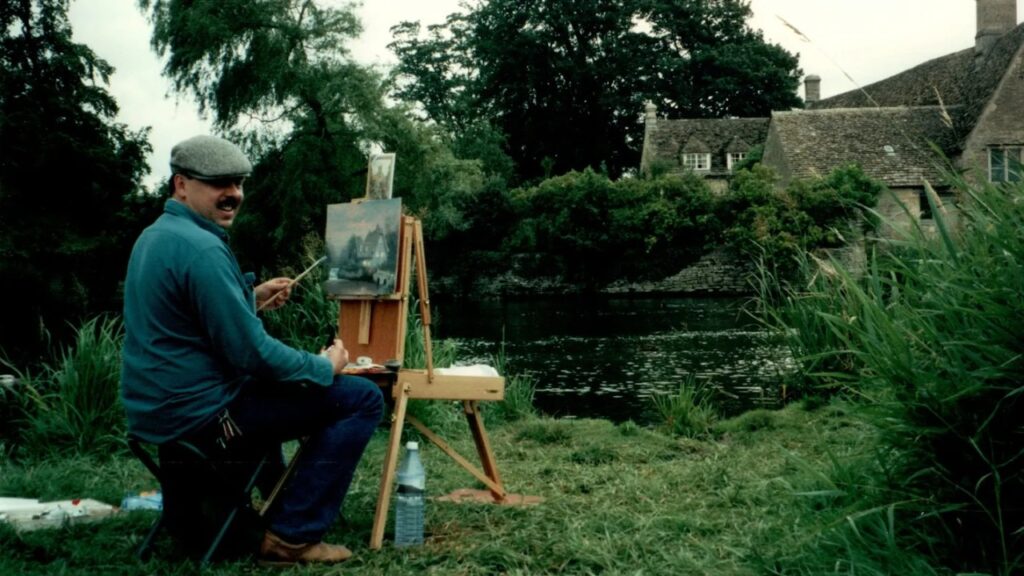
Thomas Kinkade was once the most commercially successful painter in America, known for his radiant cottages and heavenly lighting, but largely ridiculed for it as kitsch. However, this documentary about him never falls into the trap of mythologizing him for the audience or reducing him to the narrative of kitsch, either. It is the subtlety of this documentary that makes Art for Everybody so engrossing; it chooses to understand the true spirituality that Kinkade had, while also showing the true toll that it took on him. His alcoholism, repression, and private works that bordered on the grotesque challenged the tranquil picture that Kinkade had painted for millions.
4. Come See Me In the Good Light (2025)
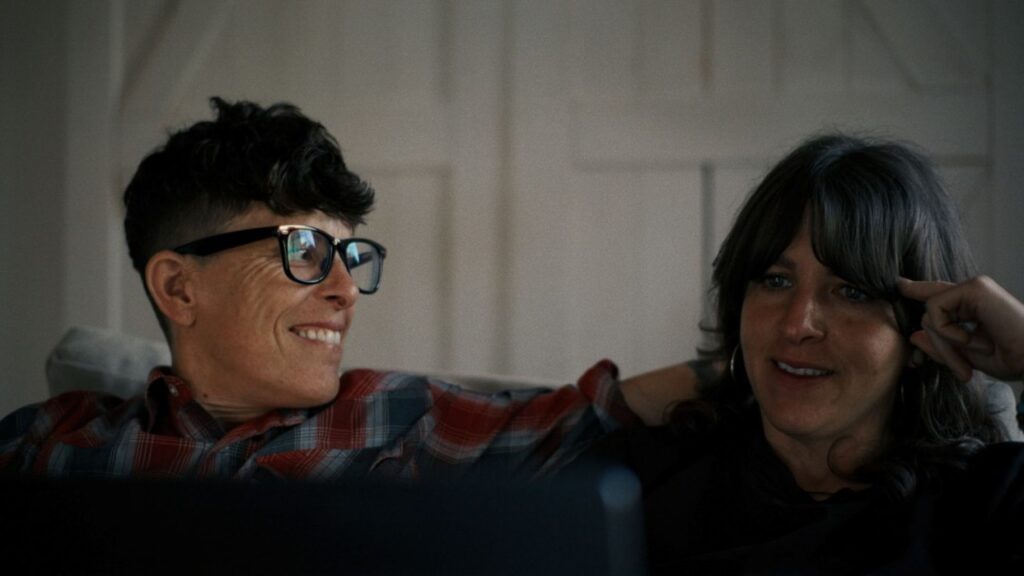
This is, without question, one of the most emotionally generous movies of the year. Filmmaker Ryan White documents the reaction of poets Andrea Gibson and Megan Falley to an incurable form of cancer in such a loving and accessible way. Poetry is not the flourish on top; it is the method itself for survival. That is not the only powerful line from the movie, which is more about what happens when words stop meaning anything, and how poetry can temper such suffering without erasing it.
3. One to One: John & Yoko (2024)
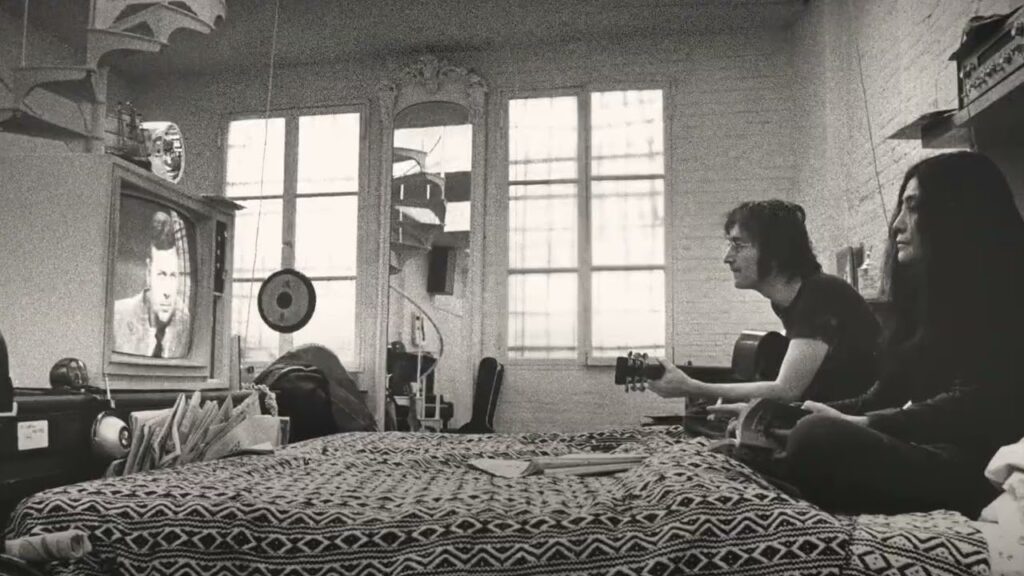
Macdonald’s documentary is a thrilling, up-close experience with John Lennon, his wife Yoko, and his early New York years. Organized in the style of channel-surfing across the early 1970s, this documentary reveals Lennon in all his contradictions. The Madison Square Garden performances are merely markers in this documentary, though they drive it. To witness such a live, conflicted, and searching Lennon is simply exhilarating.
2. Orwell: 2 + 2 = 5 (2025)
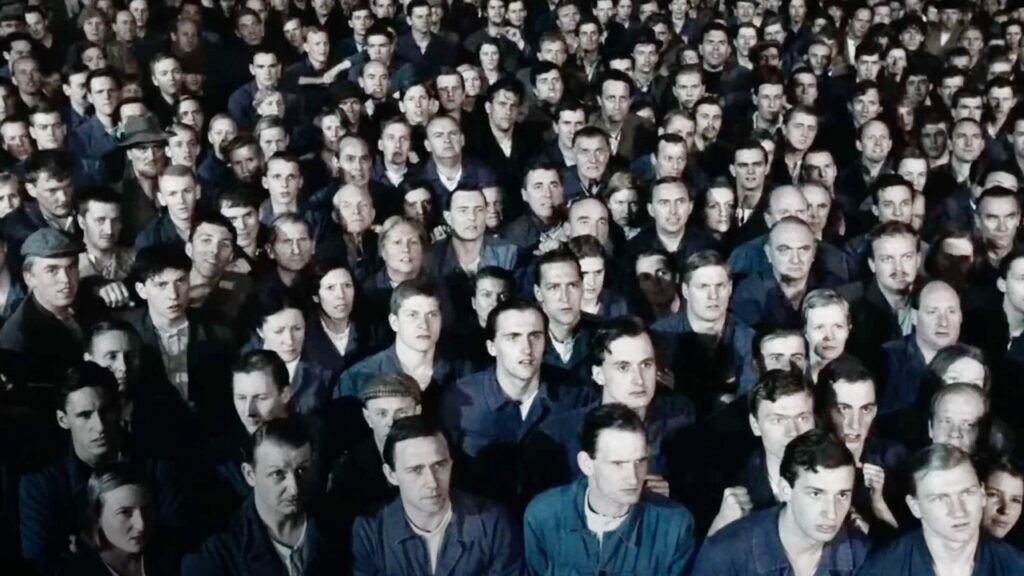
Raoul Peck’s contemplations on the matter of George Orwell might not scale the same heights as I Am Not Your Negro, but they definitely have renewed contemporary relevance. The documentary illustrates the continued importance of Orwell’s messages about totalitarian regimes, even when it wobbles slightly over the psychoanalytic genius present in 1984.
1. Riefenstahl (2024)
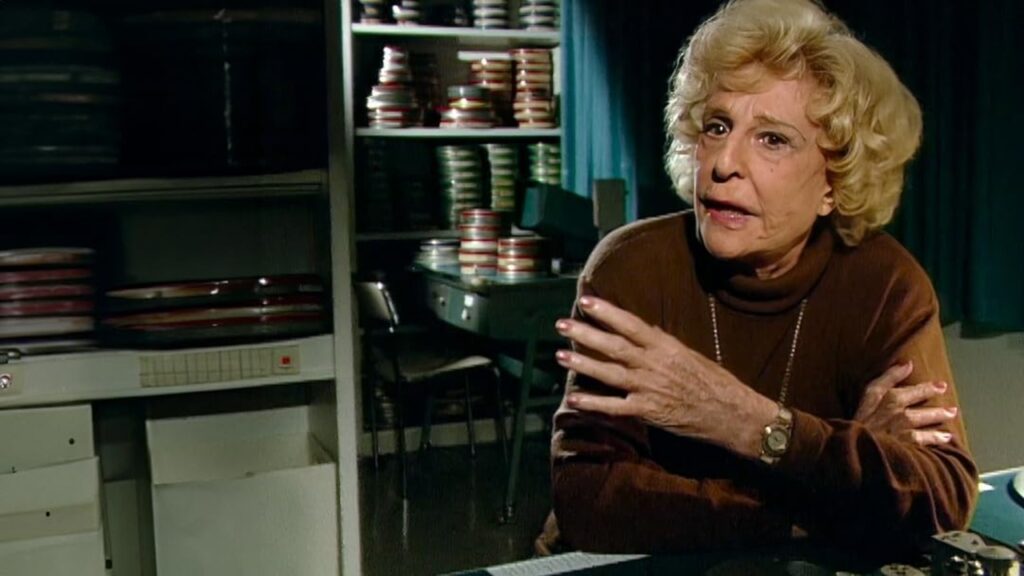
The year’s most shocking nonfiction film. With extraordinary access to the archives of Leni Riefenstahl, this film takes up one of cinema’s most troubling questions: Is artistic greatness possible independent of guilt? The evidence of her ties to both Hitler and the 1940s German regime is incriminating, but this film defies simple decoding. Following the lead of critic Susan Sontag, this film becomes a part of the crime.