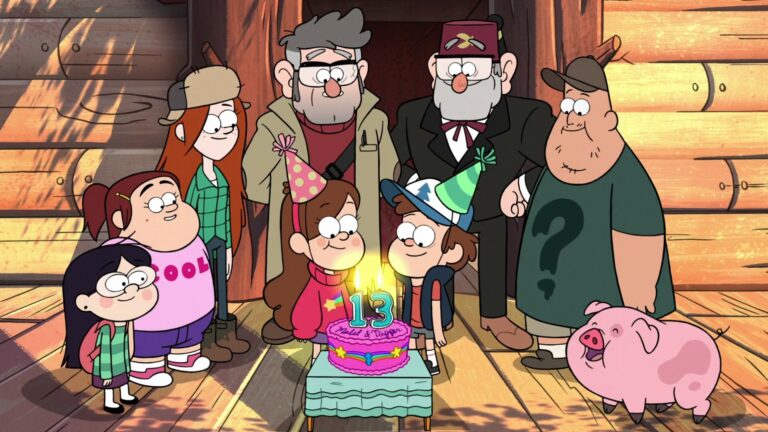
It is evident that they have some confusion or misunderstanding when an anonymous character suddenly pops up during the climax. The same thing happened with Dipper Pines when he first met Uncle Ford, who is the author of the Journals from the popular Disney show, Gravity Falls.
We need to really understand, when people call Grunkle Ford “evil,” it usually comes from a huge misunderstanding of the kind of character he actually is. Alex Hirsch, who is the creator of Gravity Falls, never wanted to paint him as a villain, but instead, he shows us someone who is brilliant, insecure about having six fingers, and deeply shaped by guilt.
His Obsession With Knowledge Consumes His Judgment
Eventually, we come across that Ford’s past is messy, his decisions are complicated, and his flaws have definitely caused severe damage. But you need to understand that everything he does is rooted in fear, curiosity, and a fierce desire to protect the people he loves.
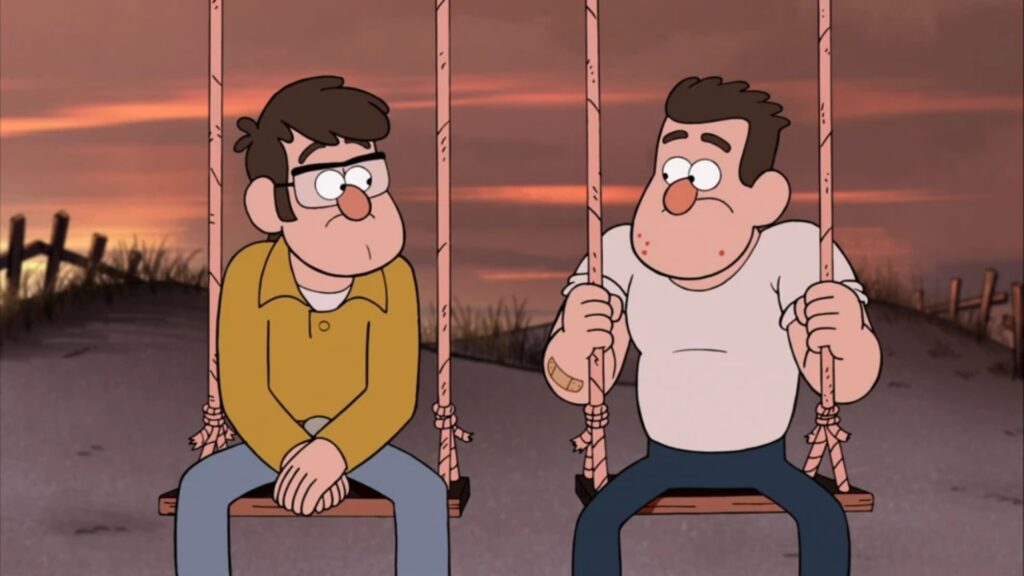
Of course, there are cracks in his character, which we need to understand, starting with his lifelong insecurities. Ford is a genius, but he is also someone who never felt seen or accepted outside of his intellect. That pride and the fear of never living up to his potential are fed by his anger at what Stan did to him at a young age.
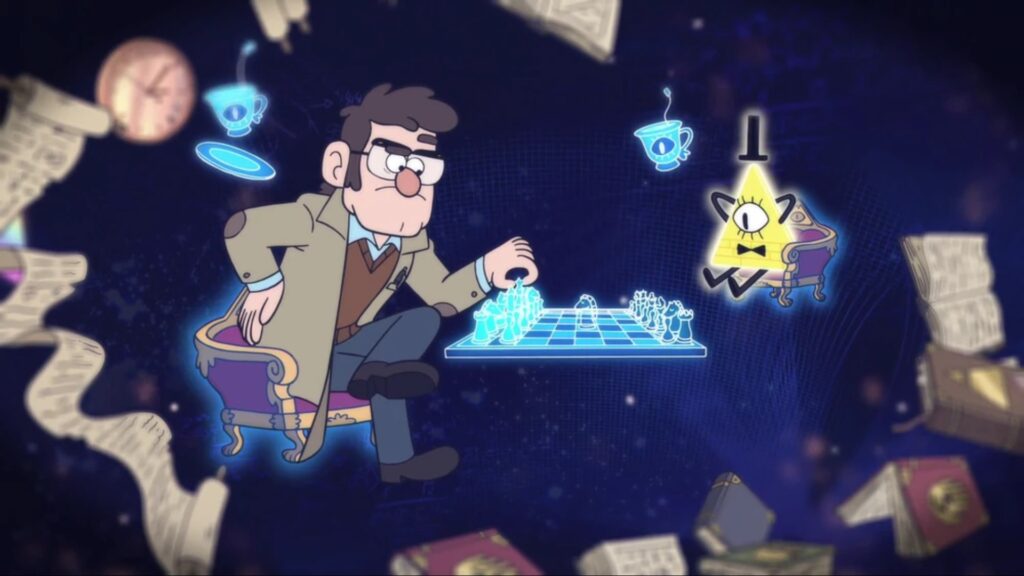
That fear that was filled with utter curiosity pushed him toward choices that spiraled into disaster. Those same insecurities left him vulnerable to Bill Cipher, who flattered Ford’s brilliance and slid effortlessly into his trust. We realize how, under Bill’s influence, Ford absorbed knowledge about interdimensional phenomena and became obsessed with uncovering the secrets of Gravity Falls. That obsession fueled the creation of the interdimensional gateway beneath his home, a project that felt like the pinnacle of his research but eventually became the biggest regret of his life.
His partnership with Bill went from mentorship to a sense of worship, because we see how Ford filled his workspace with triangular symbols, modeled rooms around Bill’s form, and treated him as a cosmic guide rather than a threat. When Fiddleford was dragged through the portal during a test run and returned raving about “a beast with one eye,” the illusion cracked.
The Portal’s Danger Becomes Ford’s Greatest Burden
Ford began to realize he had been manipulated, but by then, it was already too late. He had already built something dangerous enough to destabilize reality, and Fiddleford’s horror with immediate departure only intensified Ford’s guilt, yet Ford pushed forward alone, convinced he had to finish what he started.
But despite everything, all these mistakes that he has made were out of foolishness. Ford’s heart stays aligned with good, and his love for his family is genuine, even if he struggles to express it. He spends thirty years fighting to undo the damage he caused, and when Bill finally returns, Ford is one of the first to throw himself into danger to stop him.
So yes, it is already established that Ford isn’t evil; he is just a human like us. Yes, he is more Brilliant than all of us, but he is also flawed and burdened. But ultimately committed to making things right, because his story proves that redemption doesn’t erase the past, but it does show who someone chooses to become after facing it.
Related Posts
10 Gravity Falls Characters Who Are Way Darker Than They Seem