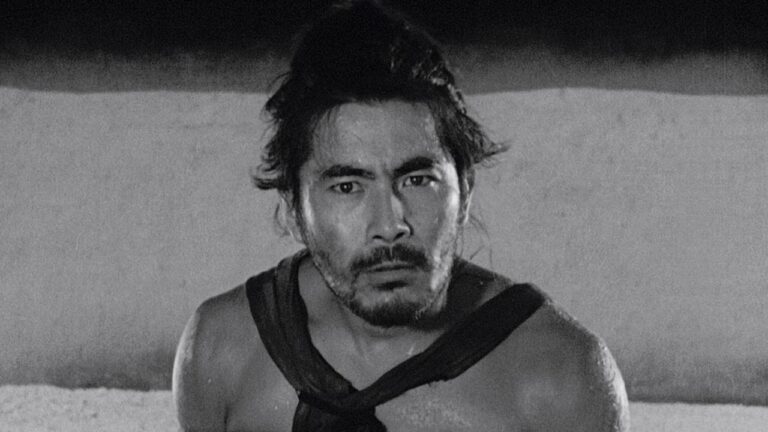
Released in 1950, Rashomon was a turning point not only in Japanese cinema but in the world of cinema in general. Director Akira Kurosawa‘s version of the stories of Ryûnsuke Akutagawa was a quiet introduction to Japan that exploded across the world. Rashomon burst onto the international screen when it won the Golden Lion award at the Venice Film Festival, the first Japanese film to gain extensive acclaim abroad, and changed the way stories could be told in films.
Rashomon, Kurosawa’s 1929 silent classic, takes place in Heian Kyoto and concerns itself with a destructive act: a murder that takes place in a forest, where a samurai loses his life. It is, of course, nothing special as a dramatic premise, but as a storytelling exercise, it becomes very interesting.
The Japanese people and their stories are known to the world through a series of literary classics, some of which include “The Tale of Genji,” and “The Pillow Book.”
One crime, multiple truths
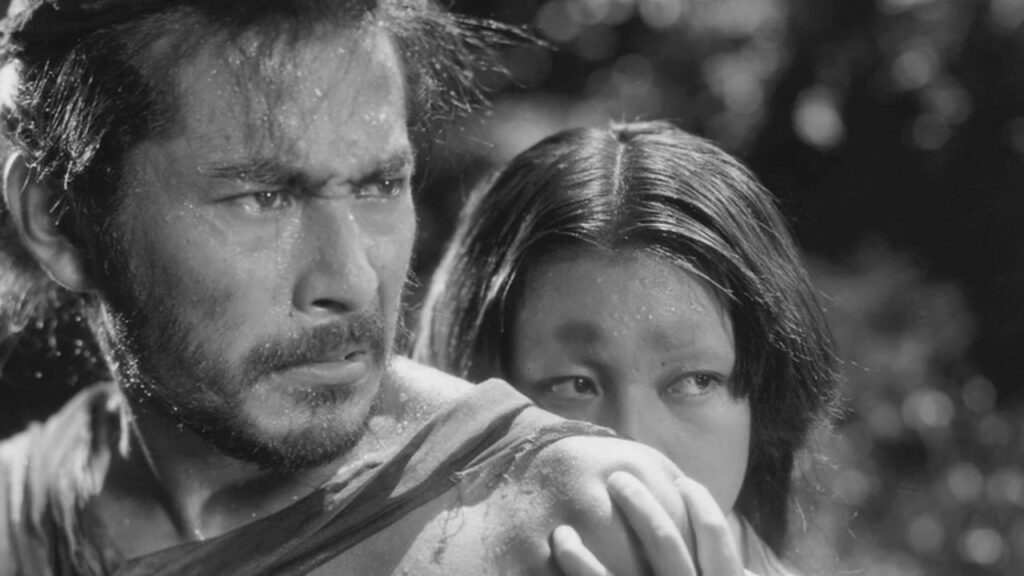
This takes place under the decrepit Rashōmon gate, where a woodcutter and a Buddhist priest describe their perplexity to a worldly commoner amidst a torrential downpour. The viewer is treated to no less than four different descriptions of the same crime: first through Tajōmaru, a bandit; secondly through the wife of the samurai; thirdly through her husband via a medium; and finally through the woodcutter. Each narrative has far more to do with the character than with the crime.
But it is Toshiro Mifune’s “feral” acting in the film, which makes his character, Tajōmaru, exude a raw energy. Machiko Kyō also imbues the character of the wife with “emotional volatility.” The moral complexity introduced by Masayuki Mori’s “samurai, speaking from beyond the grave, further deepens the film’s complexity. Kurosawa puts his viewers in a position where he neither validates nor authorizes any of these versions.
Innovation which transformed the language of films
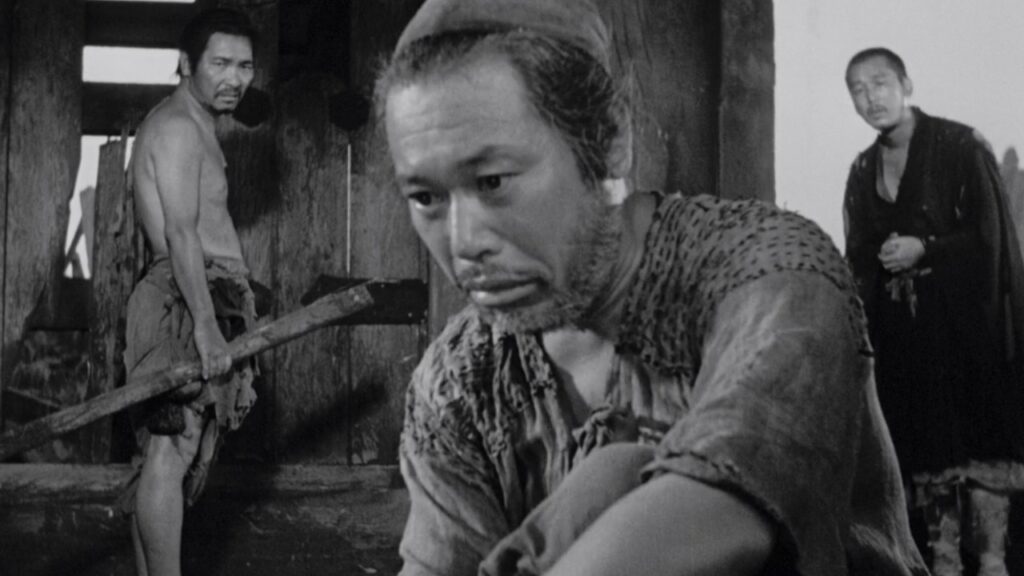
Visually, Rashomon was every bit as revolutionary. Kurosawa and his cinematographer, Kazuo Miyagawa, defied convention by filming directly into the sun and through lenses obscured by shifting patterns of light, which rendered the subjective uncertainty on screen. Even the woods seem dizzying, a labyrinth of darkness and sunlight.
The final moments of the film offer hope with caution. This is seen when the woodcutter decides to help the abandoned baby, and the rain ceases to fall. The film shows that while truth is difficult to attain, there is hope for empathy to exist. Today, more than seventy years after its production, Rashomon is remembered for its classic status, but most significantly, its portrayal of reality, shaped by both weaknesses and facts, is more relevant than ever.