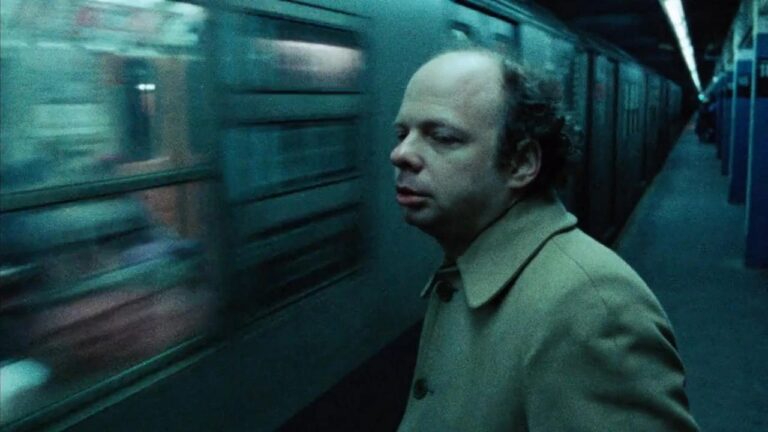
Louis Malle‘s My Dinner with Andre is a film that subverts every conceivable trope of cinematic narrative. It has no story in the classical sense of the word, no drama, and no visualization. It is merely a recording of a conversation between two men sitting at a table in a Manhattan restaurant. And yet, more than four decades after its initial release, it stands as one of the greatest American films ever produced, not despite its lack of conformity to common notions of what a film should be, but because of it—a quiet treatise on living.
The movie presents a conflict of philosophies between two worldviews, which are represented by André Gregory and Wallace Shawn as versions of themselves. Wally, a struggling playwright, is a reluctant participant at the dinner, having avoided Andre for several years. He is exhausted, pragmatic, and worried about finances, having come to terms with the realities of being a grown man. Andre, on the other hand, had given up his career as a playwright after a midlife crisis and had been traveling around the world looking for enlightenment. The encounter between these two is no reunion but a confrontation of assumptions of contemporary life.
Theater, experience, and the fear of comfort
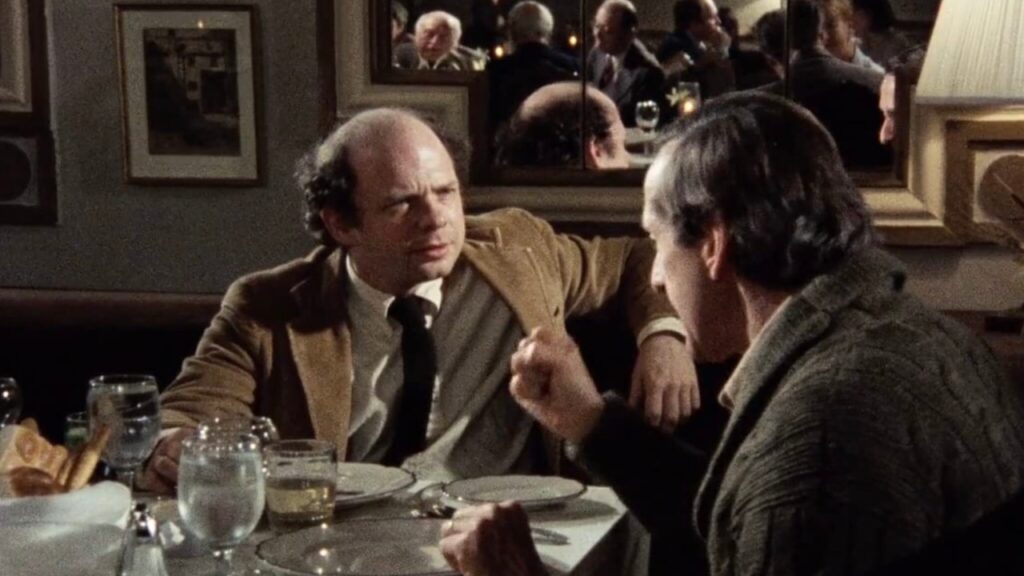
As the meal progresses at Café des Artistes, Andre is the center of conversation, sharing his outlandish adventures: directing experimental theater projects among Polish forest peasants with Jerzy Grotowski, a trip inspired by The Little Prince crossing the Sahara, encounters at the Findhorn community in Scotland, and the elaborate Halloween ceremony in Montauk, which entailed people being buried alive. These adventures are, for Andre, acts of necessary disruption—to shake himself loose from the sleepwalking trance he sees everyone else enduring as a result of their everyday lives and all the conveniences that come with it.
It’s a relentless march towards increasing sleep and decreasing consciousness and awareness that comes with the loss. Through the development of technologies that permit increased sleep and reduce awareness that comes from greater interaction and connection with nature and the universe, he sees everyone moving towards and trapped within because he believes that all humans live within a dreamworld existence that is not really alive but rather asleep and dreaming.
Wally listens incredulously and increasingly defiantly. Though he recognizes the dehumanizing effects of modernization, he rejects the elitist undertones that seem to accompany these ideas. Most people, after all, cannot simply walk away from their lives in order to seek salvation. There is a certain beauty and utility to simple pleasures: a warm apartment, a good meal, an electric blanket, and a cup of coffee. For Wally, these are the signs of survival, while for Andre, they are the earmarks of compromise.
What makes My Dinner with Andre so enduring is that it never comes down in favor of a winner. This film never chooses to posit the spiritual understanding of Andre and rejects the humanist ideals of Wally. Rather, it allows both of these worlds to exist in tension with and in contrast to each other. By the time that the restaurant is empty and the men have parted ways amicably, something important has occurred. A quiet revelation takes place during Wally’s ride home in the taxi. In a world characterized by noise, urgency, and distractions of every sort, My Dinner with Andre stands as a poignant message about how conversation itself—a listening and often awkward and very human act—is sometimes a revolutionary activity.