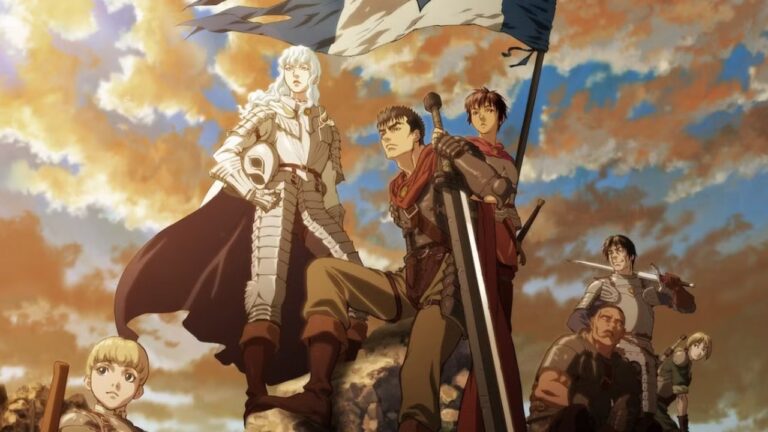
There are a handful of fictional characters that make an impact on people, and Guts from Kentaro Miura’s ‘Berserk‘ is one of them, you just can’t forget about him. Even if you have only dipped your toes into the universe, you instantly understand why fans talk about him like he is in a league of his own.
Ever since his debut in 1989’s “The Black Swordsman,” he has been known as this intimidating wanderer with a sword that is twice his size and a past even heavier than those blades. But honestly, when people talk about Guts, it is never about his violence or rage. There’s always something deeper simmering underneath his personality, for which audiences as well as fans respect him and acknowledge him.
A Warrior Built From Trauma, Rage, and a Humanity He Refuses to Lose
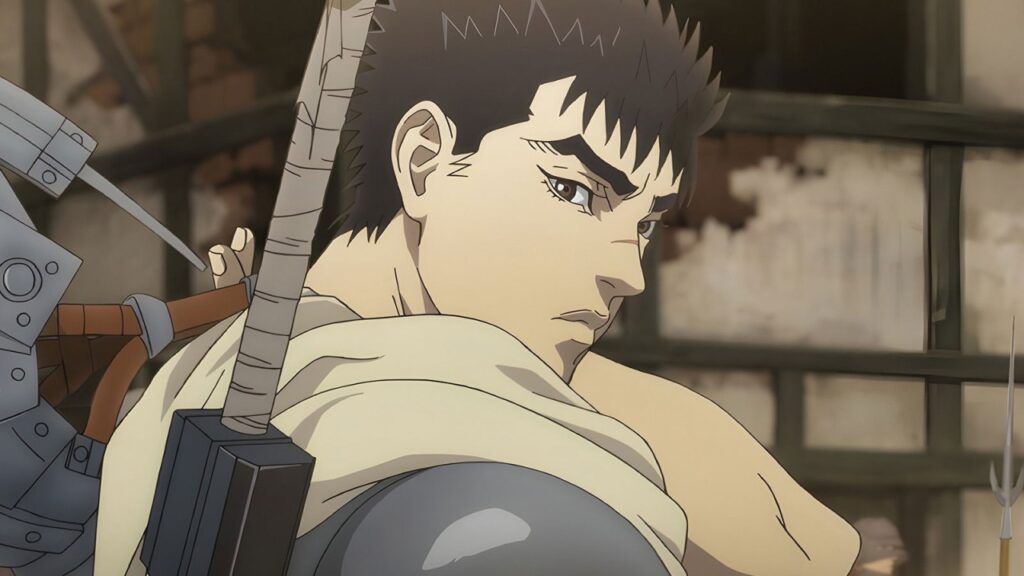
Audiences and fans often state that when you look past all the bloodshed and the battlefield grit, you will find a character that is shaped by some of the harshest trauma in manga history.
Even though sometimes it seems like Guts is just fighting monsters, but it is important to acknowledge that he is also fighting his own destiny, fate, and every cosmic force that insists his life is written on some wall.
And honestly, watching him push back again and again is exactly why people connect with him on such an emotional level. Fans love to unpack how Berserk constantly puts him against impossible odds, as he refuses to break apart. That stubbornness inside him is honestly what makes him unforgettable and more humane.
Even though fans and audiences acknowledge Miura’s groundbreaking work when it comes to giving his characters depth, it should be noted that he didn’t pull Guts’s character out of thin air like he did with others.
It is honestly commendable that Guts’s entire personality was borrowed from inspiration everywhere. We see a part of him from Mad Max’s lone wanderer, some from Conan the Barbarian’s physicality, and Rutger Hauer’s intense performances. We can see all of those influences stitched into his personality closely if you watched these characters and understood them up close.
And that is just the cream layer, because even his gear has a story that only hardcore fans know. The famous Dragon Slayer sword is a mix of shōnen exaggeration with Miura wanting a weapon that looks too heavy to swing… yet somehow perfect in Guts’ hands.
And his mechanical prosthetic arm? We can almost see the tribute to Hyakkimaru from Dororo. And that famously complicated relationship with Griffith? Well, Miura accepted that he drew inspiration from his own high school friendships, which is probably why their bond feels painfully real to us.
Over the years, we have also witnessed how Guts has been brought to life by some incredible voice actors, each giving him a slightly different heartbeat. Nobutoshi Canna defined him for viewers in the classic 1997 anime, while Hiroaki Iwanaga captured a grittier, wearier Guts in the film trilogy and 2016 series.
The Warrior Who Redefined an Entire Archetype Across Generations
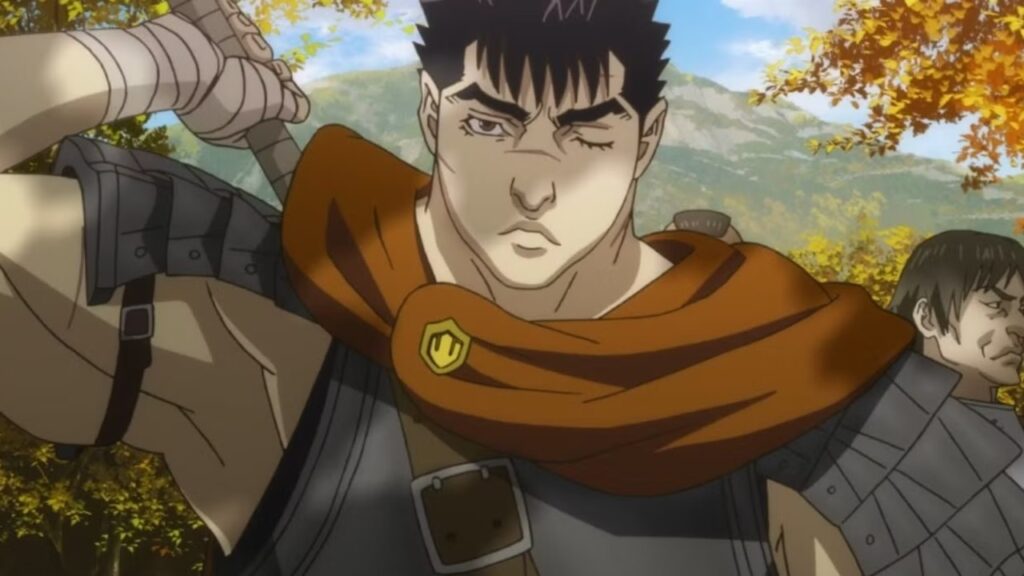
English fans swear by Marc Diraison for the older adaptations, and Kaiji Tang earned a ton of praise for portraying Guts with this deeply wounded intensity. Each version adds a new shade to Guts’ personality, letting different generations discover him in their own way.
And honestly, Guts’ influence doesn’t stop at manga and anime, because we need to acknowledge that his fingerprints are all over modern pop culture. Video games like Dragon’s Dogma literally have armor sets inspired by him and Griffith.
Creators of Final Fantasy VII and Bleach have openly acknowledged that characters like Cloud and Ichigo were shaped by Berserk’s design philosophy and emotional storytelling. In simple terms, Guts practically defined the modern “tragic swordsman” archetype, and everyone has been borrowing pieces of him for decades now.
Ask any Berserk lover why Guts matters, and you will hear variations of the same thing, having the same conclusion that he is one of the deepest, most emotionally layered protagonists ever written. His journey starts from a cold, isolated anti-hero to someone desperately trying to take back control of his life.
That hits incredibly hard, as reviewers constantly point out how Berserk uses Guts’ story to explore everything from revenge to friendship to healing, all through a lens that feels brutal and beautiful at the same time. Even though he is fictional, people like us root for him like he is real and he exists.
Because at the end of the day, when you think about it, Guts isn’t just a swordsman. He is a symbol of survival, which is messy, painful, and powerful, and that’s why he stays with us.
Related Posts
Mary’s New Boyfriend In ‘Georgie & Mandy’s First Marriage’ Feels Like A Familiar Face
Is Bart Simpson Truly Bad Or Just Brilliant in His Own Wild Way?
Nurse Ratched Shows How Power Can Break People Without Ever Getting Loud