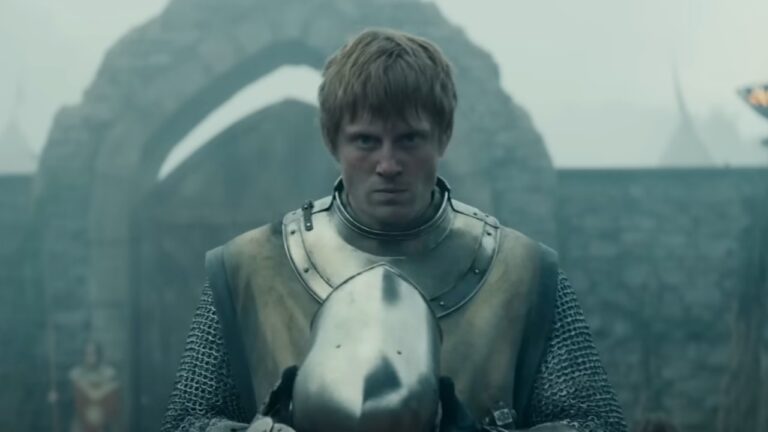
As HBO gears up for the launch of its next show, A Knight of the Seven Kingdoms, in 2026, viewers are looking back at the complex world that George R.R. Martin has created in order to answer a single burning question: What does “hedge knight” mean, exactly?
However, the term that so frequently drips with disdain within the walls of the Red Keep is much more complex than a mere jest. It is a life of freedom, of poverty, and of relentless striving for knighthood. If one wishes to understand Ser Duncan the Tall, one first has to comprehend the rigid social and economic order of Westeros.
The equality of the vow & the cost of chivalry
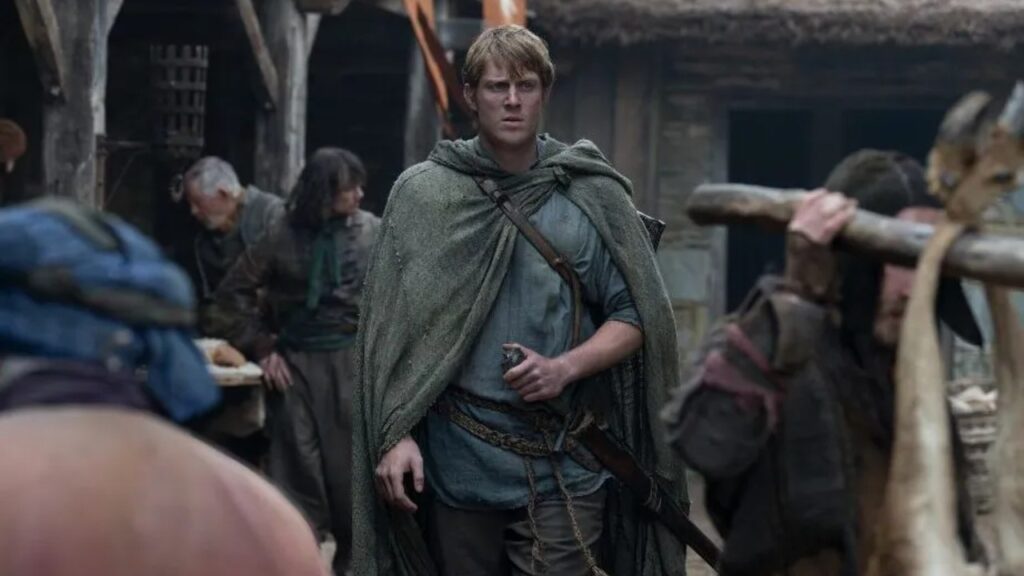
In technical terms, there are no “classes” of knighthood either. The man may be anointed in the Great Sept or in a rain-soaked field by a dying knight; in either case, his knightly oath shall remain unchanged, too. After that first moment when he kneels and rises as “Sir” for the first time in his life, he becomes part of the nobility of the feudal class.
However, within the stratified society of the Seven Kingdoms, the title of knight does not automatically convey luxury or even access to shelter over one’s head. Indeed, as the saying goes, “Any knight can make a knight,” but not all of them have access to a benefactor to fund them.
The price for becoming a knight is high. If a knight is to retain the appearance and functionality that goes with his station, he will need:
- Armor and Weapons: A suit of armor can cost more than a commoner earns in a whole year.
- Horses: Three or more are required—a destrier for fighting, a rounsey for traveling, and a stot for carrying cargo.
- Retinue: Even the lowliest knight has a squire in his retinue to take care of equipment and lend a hand in battle.
For “Landed Knights” such as Ser Gregor Clegane, such expenses are met through the revenues of their keeps. “Household Knights” depend on the hospitality of their lord while, in return, receiving military service. However, money and support are actually luxuries that hedge knights do not get much of.
The origin of “hedge knight” comes from the literal truth of their existence. These men have neither the gold to stay at an inn nor the patronage of a lord to provide them shelter, and thus they live under the protection of nothing but a hedge. These are the soldiers who freelance throughout the realm of the Seven Kingdoms and from tournament to tournament.
In these “tourneys,” the stakes are high indeed. Defeat can mean the loss of one’s financial and social status for good, for winning a jousting match may bring one wealth and fame; failing to win may mean the loss of one’s suit of armor and one’s horse.
“A hedge knight is the lowest of the knights, but sometimes can be the best of them,” notes lore expert Robert of Indeedgeek. “What the world values is not necessarily what we value. A title can be bought or inherited, but the ‘true’ knight is found in the actions of the man wandering the road.”
Although characters such as Sansa Stark may at first consider all knights to be models of excellence in goodness, the hedge knight code is certainly a nuanced one. While men such as Ser Duncan embody the code through actions that portray them as heroes who would stand up for the downtrodden in the face of poverty and danger, others would use the title to intimidate the small folk before departing down the Kingsroad. With A Knight of the Seven Kingdoms bringing the wandering knights to HBO in 2026, viewers will discover that being a hedge knight is not simply a title but a trial of one’s integrity in which the only reward is the clear sky above and the soil at one’s feet.