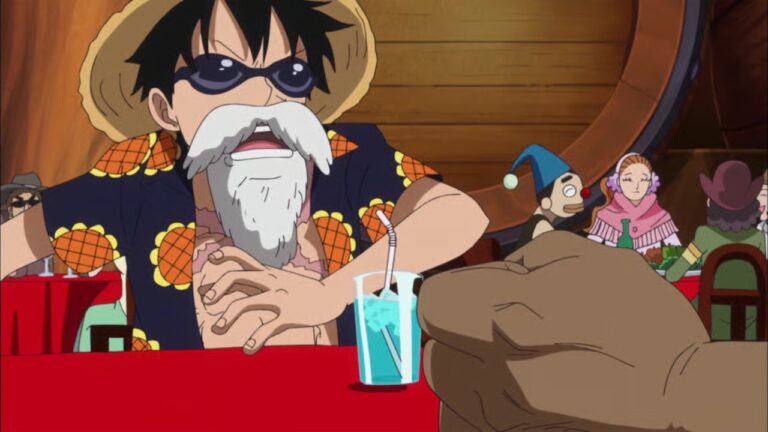
Dressrosa is among the most ambitious story arcs in ‘One Piece,’ as it takes up a large chunk of the narrative and encompasses several characters, events, and revelations. The arc is based on the manga series of the same name by Eiichiro Oda and features beloved characters such as Monkey D. Luffy, Trafalgar D. Water Law, Donquixote Doflamingo, and the gladiator Rebecca. This arc is remembered for many ‘One Piece’ fan-favorite moments. Nevertheless, it is also well-known for its problematic pacing, which has been extensively debated among fans and critics.
Multiple Storylines, Flashbacks, and Prolonged Battles Made Fans Lose Patience with Dressrosa Arc
One of the most interesting things about Dressrosa is the sheer length of this arc. This story takes up over a hundred chapters and numerous episodes, making it one of the longest arcs in all of One Piece.
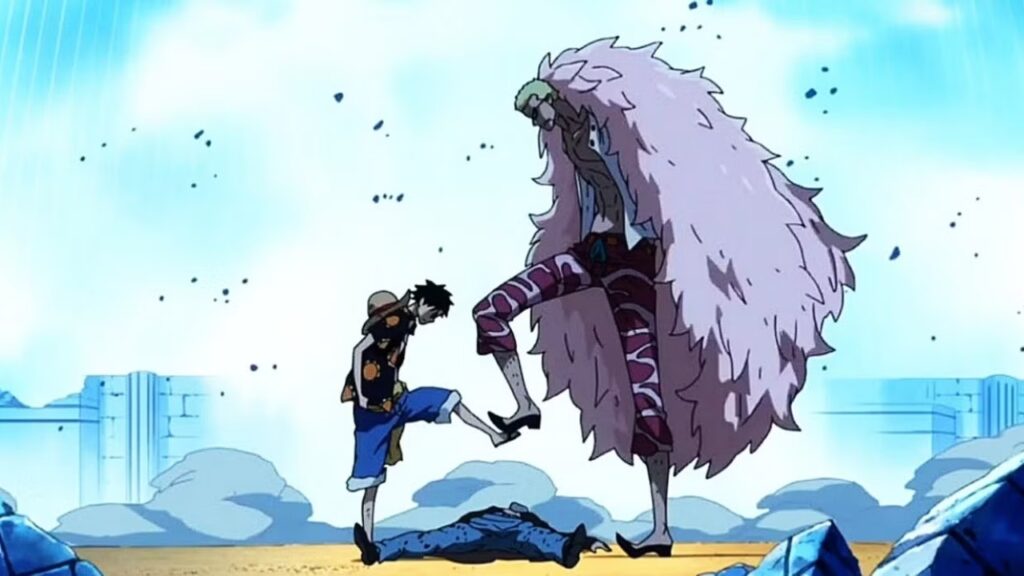
The arc is filled with various subplots that happen at the same time. The main storyline is Luffy vs. Doflamingo. However, there are other storylines that happen simultaneously, such as the gladiator match between Rebecca and Kyros, the SMILE factory storyline related to Trafalgar Law’s revenge, and various side quests of the Straw Hats. While each of these has its own importance and helps add depth to the world, it can sometimes feel disjointed when frequently switching between the storylines. A point where urgency is required is interrupted by excursions into other people’s storylines, which are entertaining in their own right but can sometimes diminish the feeling of urgency associated with the main storyline.
Side Adventures and Their Influence on One Piece Story Progression

The use of flashbacks is important within the Dressrosa arc, adding depth to the Donquixote Family and the history of characters such as Rebecca and Kyros. Flashbacks are an important mechanism for creating motivation and empathy but serve to slow the pace of the story. When flashbacks are prolonged and there are several concurrent storylines, it establishes a rhythm that sees the progress of the story in fits and starts. This means that important story elements, such as Doflamingo’s or Law’s plans, are regularly delayed. The fights themselves also influence the pacing. Luffy’s fight with Doflamingo and other fights such as Law vs. Doflamingo and the role of Sabo are extended to focus on strategy, abilities, and character development. Each instance in a fight is explained in detail, and an attack is even teased with anticipation. Though this method makes the scenes more dramatic, it may at times slow down the fight scenes. For those who are following the story, sometimes the tension could give way to a feeling of waiting. Side stories involving smaller characters also contribute to the length of the storyline. The Straw Hat members, for instance, tend to go on a detour that separates them from the main storyline. Such instances provide information about their skills and characters, but they also tend to prolong the storyline. The narrative with various subplots, extensive flashbacks, and lengthy battles is complex and detailed but not well-paced. Despite these issues, the story in Dressrosa is still interesting. There are major developments in the world of One Piece that help shed light on important characters and convey the consequences of taking on Doflamingo.