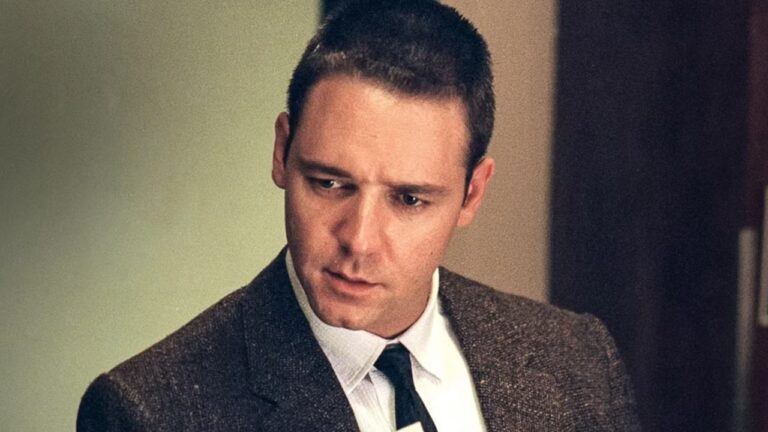
No matter how good an anime or movie is, there will always be some sort of controversy that will lead to an issue, which obviously comes with unnecessary viewer censorship, or in the worst-case scenario, it gets banned. And for all the assumptions that were once surrounding the global hit anime Psycho-Pass, what led to its ban in China, and the real inspiration behind it is far more surprising. Given the heavy censorship debates and the belief that it must have drawn from classic dystopian novels or games, we are here to talk about everything about it.
The series is famously known for its sharp animation and its ruthless execution of the consequences of corruption, morality, and the human mind. And whatever everyone says about it, the anime has actually drawn influence from a $126 million Russell Crowe movie. While the anime carved out its own legacy as a disturbing portrait of societal control amongst its fans and audiences, the roots eventually reach back to a crime drama that set the tone for its worldview.
A “Perfect System” with terrifying cracks
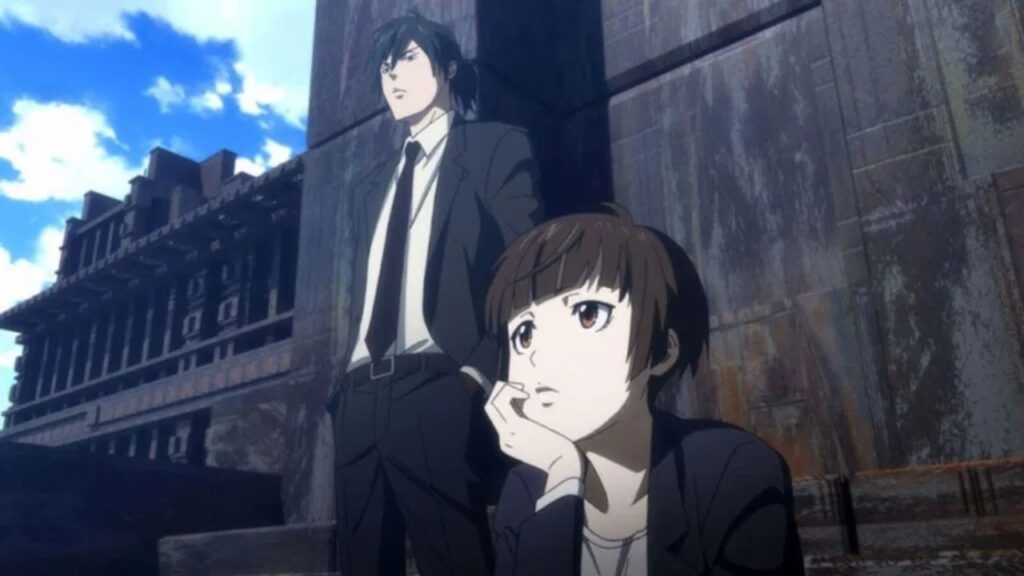
Before discussing the connection thoroughly, it’s worth remembering that the landscape Psycho-Pass entered. The show didn’t hold back in exposing the aftermath and mess lurking beneath a so-called perfect system.
It operated on the belief that a controlled mind is still a dangerous mind, and in its exploration of violence and psychology, it pushed boundaries that ultimately got it banned in China.
Yet the ban didn’t diminish its status amongst its fans and audiences, and if anything, it only solidified the show’s reputation as an unsettling masterpiece.
And because of its storyline and portrayal, the famous Hollywood actor Russell Crowe’s name often appears alongside characters defined by intelligence, cynicism, and a distrust of systems.
If you know, then you must have seen a visible trait in the movie A Beautiful Mind, and how he is in general when it comes to political commentary off-screen. He has never shied himself away from criticizing U.S. policies or the Australian government’s treatment of immigrants, and that same energy poured into roles where he confronted corruption head-on.
When trust in authority crumbles on both screens
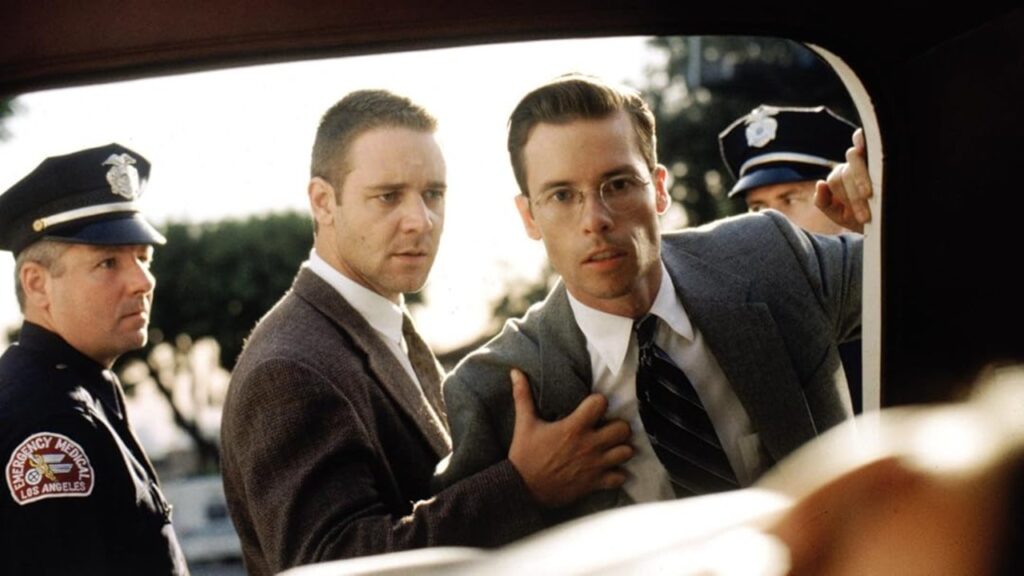
But when it comes to Psycho-Pass, it wasn’t just a State of Play or any of his public stances that left the biggest mark. According to producer George Wada, the inspiration came from L.A. Confidential, the neo-noir classic where Crowe navigates through a web of crime, power, and moral rot.
To audiences and fans, the parallels make sense, as both L.A. Confidential and Psycho-Pass have a world-building story that quickly dissolves your trust in authority and its powerful execution. Gen Urobuchi’s script leaned into that tension, forcing characters to confront a world where morality bends to the will of the Sibyl System.
Akane Tsunemori’s trauma, Kagari’s death to protect Sibyl’s darkest secrets, and the violence inflicted on characters like Chika all serve as harsh reminders of how justice collapses when manipulated by an unchecked power.
Both of the works examine the cost of order and the kind of darkness that grows when humans surrender their choices to the systems meant to protect them.