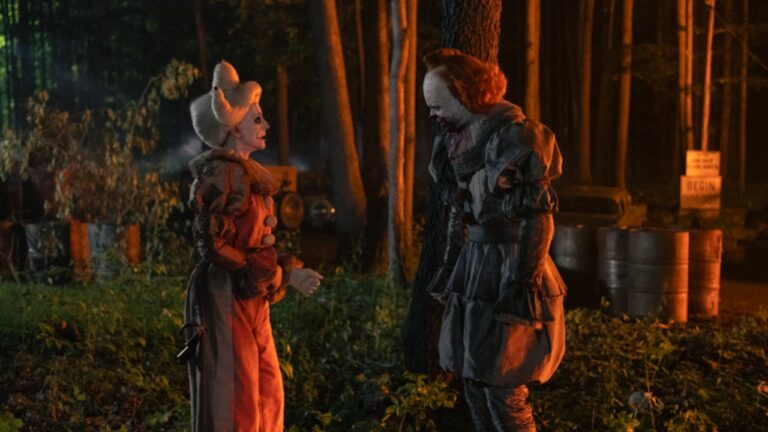
One of the most loved works of the world-famous author Stephen King, It has provided us with a frightening world of Pennywise the clown, but has also left us with some unanswered questions. One of the strangest mysteries within all generations of fans who have read and experienced the story is the name that Pennywise slurs when it first meets Georgie Denbrough: Bob Gray. It seems completely innocent and even forgettable, which is why it’s so chilling. It is only with the HBO series It: Welcome to Derry that the name assumes meaning, significance, and tragedy.
However, Bob Gray is not given a full explanation in King’s novel. Pennywise gives his own introduction as “Mr. Bob Gray, also known as Pennywise the Dancing Clown.” The story comes back to it in the creepy Mrs. Kersh scene, where Pennywise talks about Bob Gray being her father once, but even this statement is laced with trickery. It leaves the readers in a state of confusion about whether Bob Gray existed in reality or was just another face of the monster.
A predator drawn to weakness
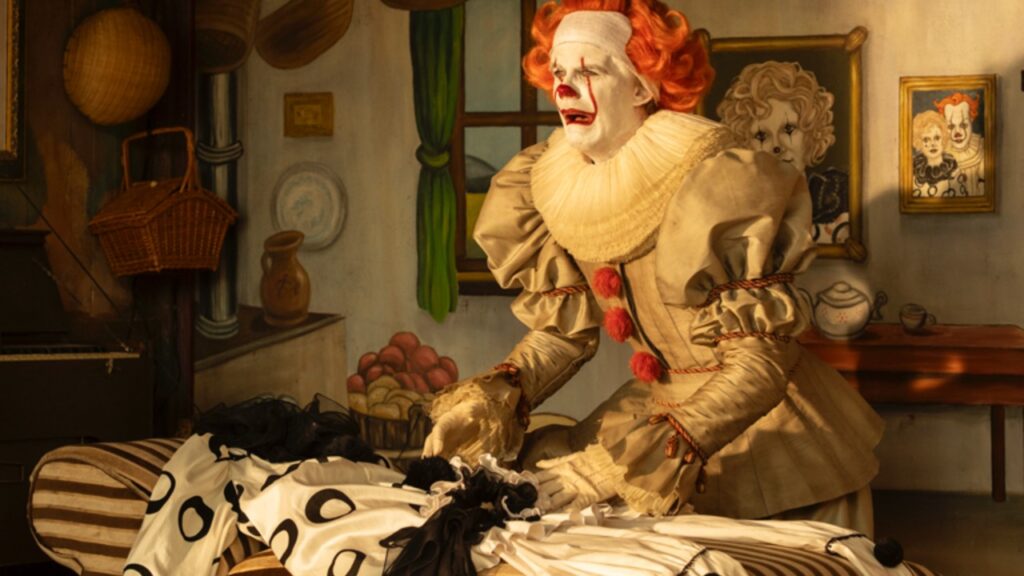
Andy Muschietti, the man behind It, It: Chapter Two, and now Welcome to Derry, felt that mystery was too enticing to be resisted. It takes a whole seven episodes for “The Black Spot” to finally pull open the drawer that King had left shut.
In the series’ take, Bob Gray was a flesh-and-blood man, a real clown whose life had fallen apart well before Pennywise swiped his face. The consequence is that Pennywise is no longer strictly a cosmic horror villain but one who feeds on human calamity as much as fear.
The series introduces Bob Gray as a disgraced carnival performer from the early 1900s, mourning the loss of his wife and descending into alcoholism while traveling with his young daughter, Ingrid. He’s no monster at this point, but rather a broken man who holds on to the hope that his luck will eventually change.
But Derry has a way of devouring people whole. Pennywise watches Bob, notes how easily children are drawn to him, and eventually devours him, both figuratively and literally.
A child waiting for someone who isn’t coming back
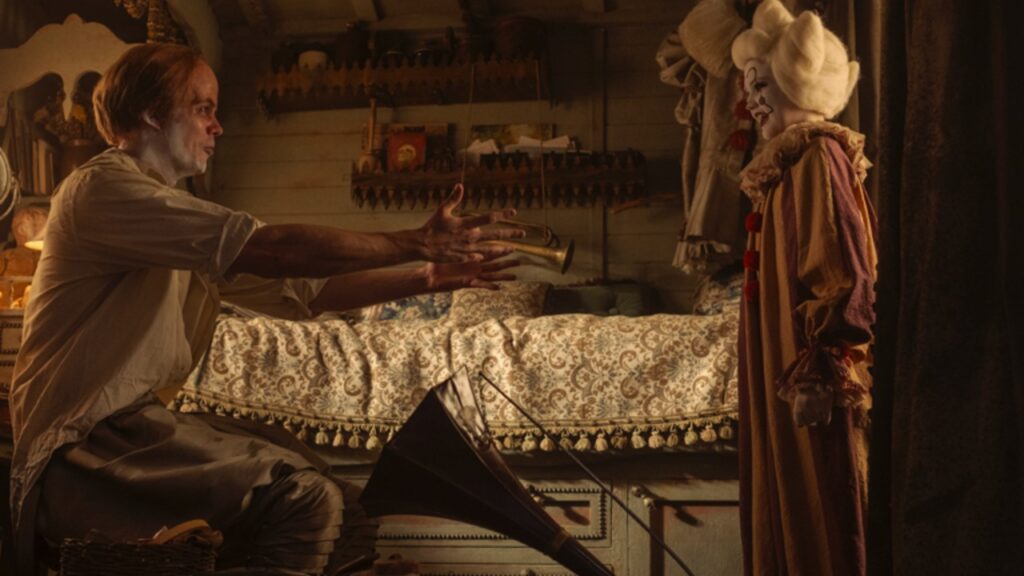
This loss has a ripple effect. Ingrid is left traumatized by her father’s disappearance, only to run into Pennywise again when she mistakes the monster for her father. Her loyalty also translates to a level of horror because it demonstrates that It kills and preserves simultaneously.
The clown façade of Pennywise is no longer simply a clever disguise but a plagiarized act of grief and failure. Welcome to Derry introduces flesh in the places of shadows that King had left, by grounding Bob Gray in tragedy. Pennywise is still the ancient evil, but in its most iconic form, it has become irrevocably linked with the destroyed human life, which makes the horror feel closer and sadder.