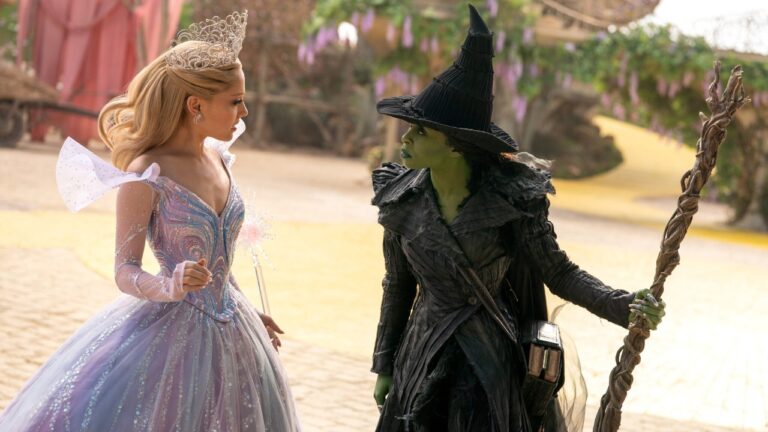
None of us ever thought a Broadway story would receive such a huge reception and praise when adapted for a full-blown franchise. We already expected that it would be a good year for Wicked, as they had a remarkable run from stage to screen, and with Wicked: For Good closing the chapter on Elphaba and Glinda’s journey, a new conversation has sparked amongst all of us. Do we really need another Oz sequel?
As we see and think about it deeply, the idea of Wicked Three sounds tempting at first, especially for fans who have grown attached to these characters, but expanding the story any further risks undoing exactly what made the saga resonate in the first place.
Elphaba and Glinda’s bond finally lands where it was always destined to
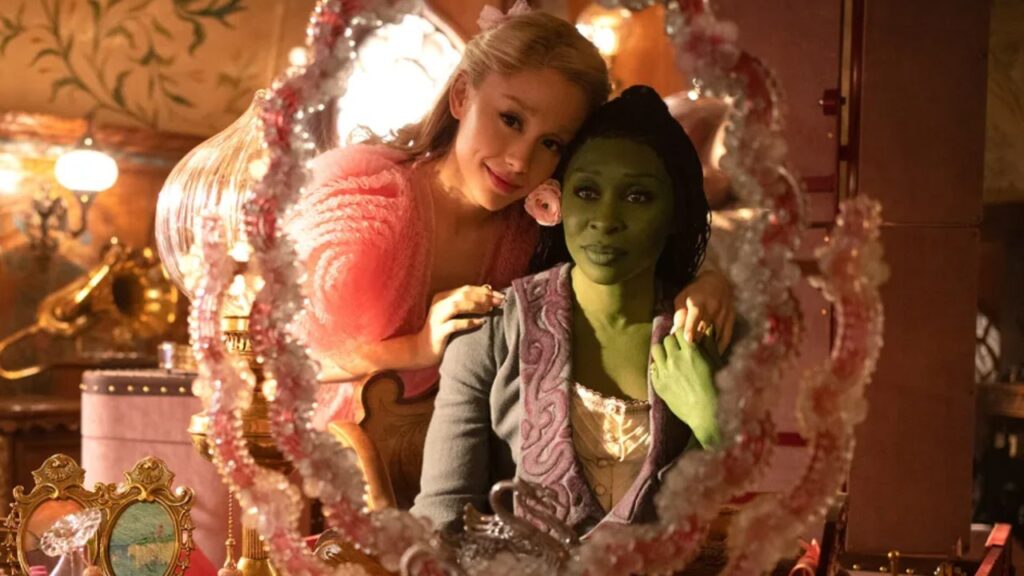
The truth is that Wicked was never created for a sprawling cinematic universe, and we need to understand that from the moment the adaptation was announced, the creative vision centered on telling one complete narrative across two films.
No more, no less, and that structure shaped everything from pacing and character arcs to the emotional beats that define the entire experience for all of its fans and audiences.
And with the Wicked For Good movie, the entire experience of the relationship between the ‘Good and Evil’ brings us to a full circle. The film resolves the relationship between Elphaba and Glinda, ties up the questions left open by the first movie, and delivers the emotional closure that we were waiting for.
Whether the audiences adored the execution or felt the sequel struggled with pacing and tone, the main story is already complete, and every fragment of their lives has been explained, which gave the first movie justice.
Stretching the narrative beyond its natural ending wouldn’t strengthen the message about identity, friendship, and sacrifice because it would only dilute it further. When a story thrives on intimacy and a carefully balanced tone, expansion becomes a risk rather than an opportunity that we, as viewers and fans, should understand.
Wicked has already reached the ending it was meant to have
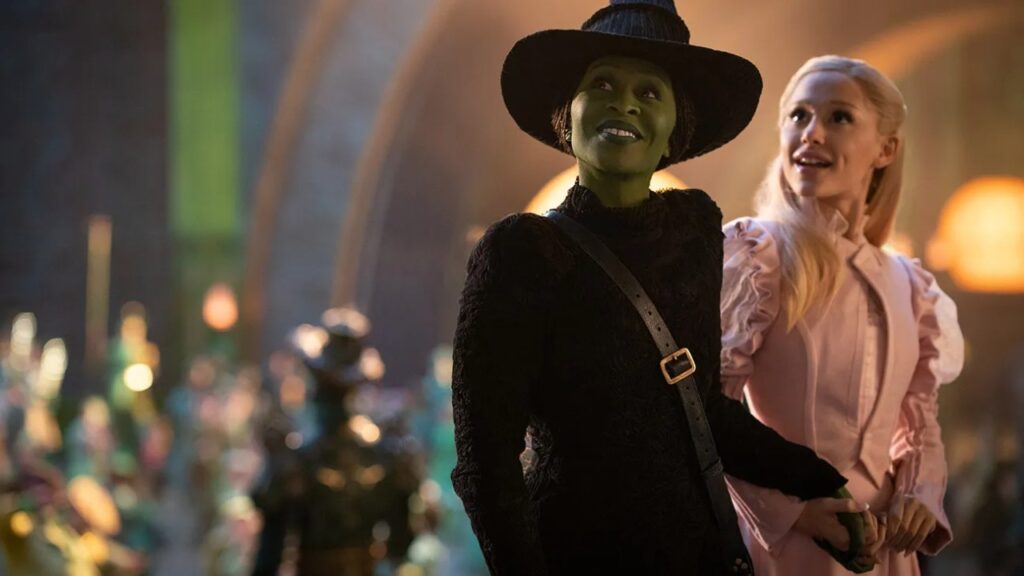
There is also the issue of tone and lore, and if you have read the Wicked novels, then you also know that the musical takes very different approaches to Oz. The films lean into the musical’s accessible, emotionally driven storytelling.
Trying to merge later books, darker themes, or new prequel material into the film universe would introduce contradictions that neither long-time fans nor newcomers would fully entertain or enjoy.
Even the idea of exploring Glinda’s early life works better in theory than in practice, because it would pull apart the very origin moments that make her growth meaningful. And with Wicked For Good receiving mixed reactions around pacing and character depth, adding another sequel wouldn’t fix those concerns, because it would magnify them unnecessarily.
Studios often feel pressure to expand any successful franchise, but not every world benefits from that kind of growth, and Wicked is a character-focused story that survives on specificity, not scale. More movies would only clutter what is already a complete emotional arc. Sometimes the strongest creative choice is knowing when to let a story stand on its own, and Wicked has already reached the ending it deserves.