

Fifteen years into this massive Walking Dead universe, the end of the world finally reaches the world map as the creators take us to London and serve up a vision that is as shocking as it is spectacular. The season 3 premiere of ‘The Walking Dead: Daryl Dixon’ takes us beyond the familiar American landscapes of the series to a place where Daryl and Carol are taken from Folkestone, deep into a London that is almost completely cleaned of all life. Every street and monument is in shambles with the occasional jump scares of reanimated zombies.
The destruction of London City in season 3 appears to be carefully planned to emphasize the survival experiences in a densely populated urban area, not to mention the chilling element of Danny Boyle’s 2002 dystopian film classic, 28 Days Later. However, in this instance, this London is more than just a setting. The emptiness of the city serves to emphasize the isolation of Julian Chamberlain, who describes himself as the last Englishman, and his presence serves to emphasize the cost of the outbreak in human lives. Julian is a complex character who pushes Daryl, Carol, and us to deal with the psychological and physical trauma of surviving in a world that has been destroyed by the undead.
Isolation, Collapse, and the Fragile Ethics of Survival

The destroyed cityscape is shown by the creator, Daniel Percival, and its scale and aftermath are emphasized. It is also stated that the city of London has a population of ten million, which is now reduced to complete silence. The tension is built, and we are shown a visually devastating image. Although the previous seasons presented a picture that could suggest the UK might have coped better with the virus, the devastation in London changes all assumptions and disregards them all.
Season 3 also explores the aspects of isolation and human choice. The closed Channel Tunnel, which is meant to safeguard the UK, actually heightens the feeling of being trapped and desperate, and this is one of the important elements that drive the conflict and put the characters in difficult moral choices. The relationship between humans and walkers again reveals the theme of ethics in survival because society’s norms disintegrate rapidly when it comes to issues of survival.
Daryl and Carol Navigate a London Broken by Survival and Silence
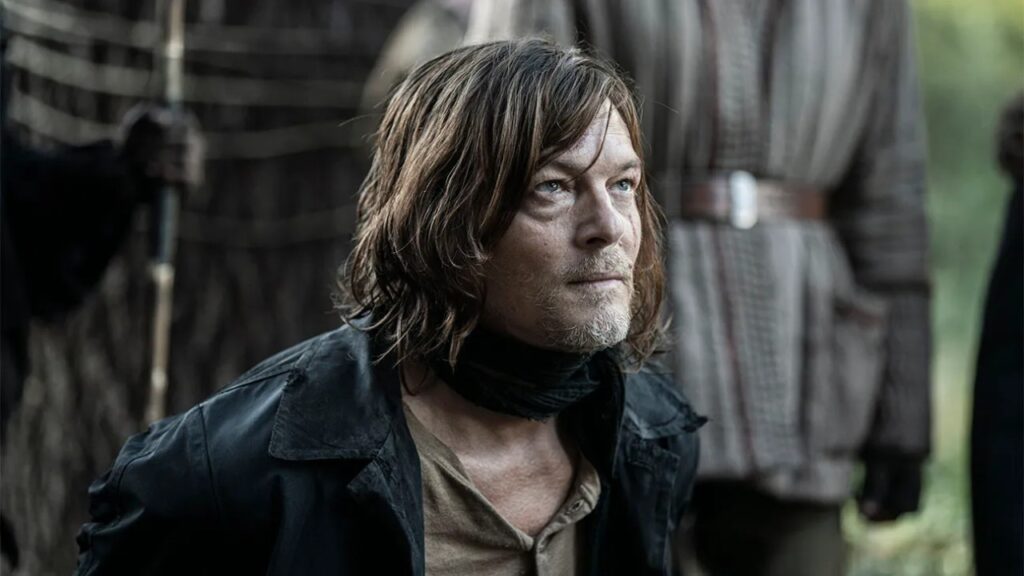
This new London that Daryl and Carol find themselves in can serve as a prism through which the audience might view the themes of resiliency, vulnerability, and the repercussions of isolation. The narrative reflects the vulnerability that exists in the collective, the struggle to find one’s way through a world that now operates in the presence of the undead. Known icons of London destroyed in the apocalypse raise the stakes. Through the setting of London, season 3 broadens the franchise’s scope in terms of its geographical reach and storyline, emphasizing that the end of the world is for everyone and that it has global ramifications. The landmarks of London lie in ruins, giving us glimpses of how survival, separation, and the human condition shake. As the new season of The Walking Dead progresses, the setting of London as a location and a character is sure to throw light on new aspects of tension and drama.