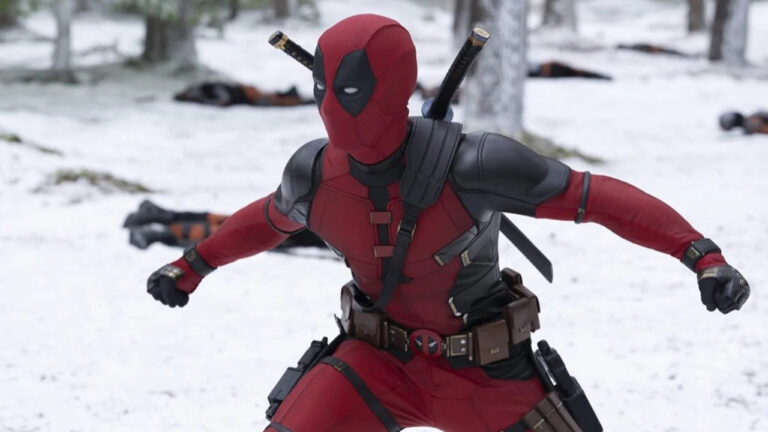
The film Deadpool & Wolverine featured a viral scene of Deadpool performing NSYNC’s “Bye Bye Bye” routine, which gained massive online traction and racked up millions of views. However, the dance sequence has now become a bone of contention, as choreographer Darrin Henson has sued Sony Music Entertainment for the alleged unlicensed use of his choreography in the film and the popular video game Fortnite.
“Bye Bye Bye” choreography used without consent? Lawsuit explained
In the lawsuit filed by Henson, he claims that he is the sole owner of the choreography for NSYNC’s “Bye Bye Bye,” which he created in 1999. He argues that he never signed a “work for hire” agreement, so the rights were never transferred to Sony or anyone else. Despite that, Sony is accused of licensing the dance as if they owned it.
Apart from Henson’s dance routine being used in Deadpool & Wolverine, the dance was also turned into an in-game emote in Fortnite. The choreographer claims in the lawsuit that this was also done without his knowledge or approval.
The lawsuit claims that the film used the choreography in such a way that it is “detached from its original author, and now this dance is primarily associated with a character from the movie, rather than its original origin.”
Henson argues that Sony has the music rights to “Bye Bye Bye,” but the choreography itself is separate intellectual property, with the music company having no legal authority to license the dance moves. The creator of the routine alleges that he has been denied the profits earned from licensing the choreography.
Safe to say, he seeks a court ruling declaring him the exclusive owner of the dance and giving him recognition for his work, which he claims has been used without credit or payment. Furthermore, he would like to be duly compensated for his share of the profits earned from the “unlicensed” use of his choreography.
Notably, Marvel Studios and Epic Games, the parties responsible for using the choreographer’s dance sequences in their creative works, have not been listed as defendants in the lawsuit. This case could have big implications for dance copyright in entertainment and gaming, based on how the court rules in the matter.