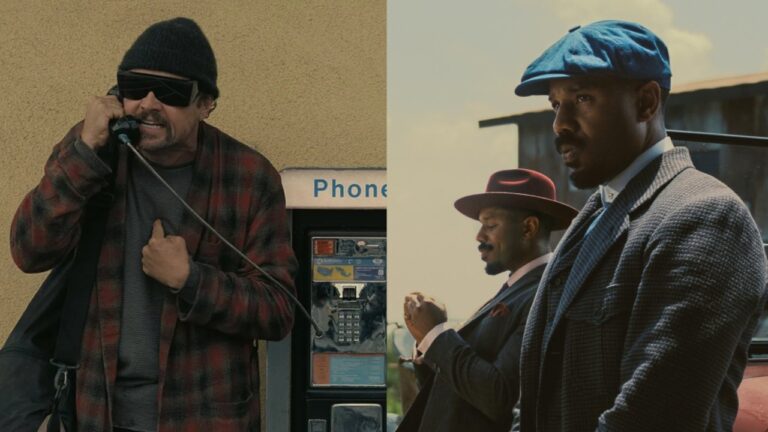
The current challenge for Warner Bros. is arguably one of the toughest balancing acts of any studio during any Oscar season: a studio that is actively campaigning two Best Picture contenders at the same time, each of which has a massive awards budget. The Warner Bros. Oscar campaign for Sinners and One Battle After Another reportedly has a budget of between $14 million and $16 million for each of the films. The similarity of the budgets is no accident. In the highly politicized environment of the current awards season, any perception of favoring one film over another could lead to backlash from filmmakers, their representatives, and voters.
Ryan Coogler’s Sinners, a vampire film that no one saw coming with its unprecedented 16 nominations, has turned what was a one-horse race into a two-horse competition. And Paul Thomas Anderson’s One Battle After Another has been the top contender of choice for the critics’ groups, garnering an unprecedented 35 top honors, something only a handful of films have been able to achieve, including Schindler’s List and The Social Network.
Executives call the dual campaign a celebration and pressure cooker
With both films being legitimate contenders for Best Picture honors, Warner Bros. is treading a tightrope to ensure that both films get an equal shot at the top prize while remaining utterly neutral. “No matter how ‘cool’ your filmmakers are, they notice what one person gets, and another doesn’t. This business runs on relationships. Even when your ‘contender’ isn’t really a contender, you keep pushing until the race says otherwise.“
“You can’t pick a horse,” an awards strategist told Variety. “The entire studio has to walk an incredibly fine line.” The work is also said to be “being Switzerland in real time,” especially during televised shows when audience reaction is monitored.
Intra-studio conflict is a rare phenomenon. Other examples of studios running simultaneous campaigns include the 2017 campaigns for Searchlight Pictures’ “Three Billboards Outside Ebbing, Missouri” and eventual winner “The Shape of Water.” Another example is Paramount Pictures’ simultaneous campaigns for “The Godfather Part II” and “Chinatown,” which date back many years.
The difference with 2026 is the financial aspect. A modern-day Oscar campaign is akin to a political race. For Warner Bros., the simultaneous campaign has been a celebration and a pressure cooker, especially with rumors of a sale to Netflix.
As an executive said, “It’s like throwing yourself the world’s best going-away party.”