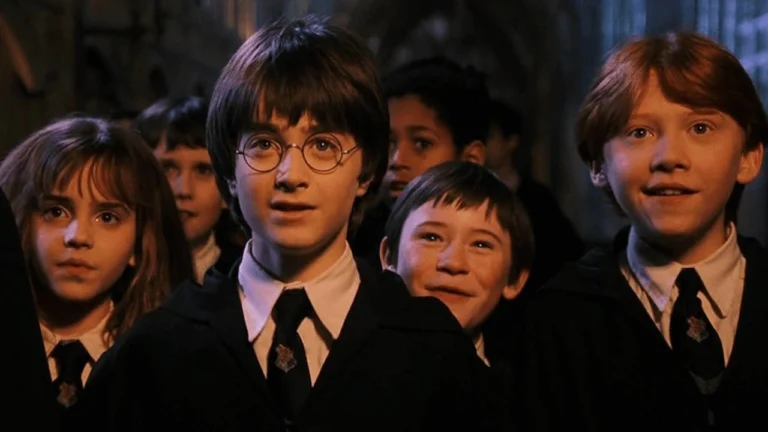
It has been well over two decades since ‘Harry Potter and the Philosopher’s Stone‘ initially enchanted the big screen, and the wizarding world that it has come to represent has been a defining feature of a whole generation of fans. Beginning with Quidditch matches hanging high in the sky and the eternal struggle between good and evil, the series has etched itself into popular culture. However, its longevity is not simply rooted in spectacle. Rather, the series is full of nuances that are reserved for only the keenest-eyed of Potter fans. Such details, hidden throughout sets, props, and dialogue, serve not only as Easter eggs but also help to further the plot and delight the most dedicated of fans.
The true magic of Harry Potter is often hidden in plain sight. Easter eggs, with their sly nods, background information, and suggestions of destiny, infuse every return to these beloved books with a newfound significance. Some Easter eggs are fan favorites, ingrained into the mythology. Others quietly await the notice of a discerning reader. These all serve as a reminder that not only is the magic of Hogwarts spelled, but it is made.
The Story in the Details: How Small Signs Lead to Big Revelations
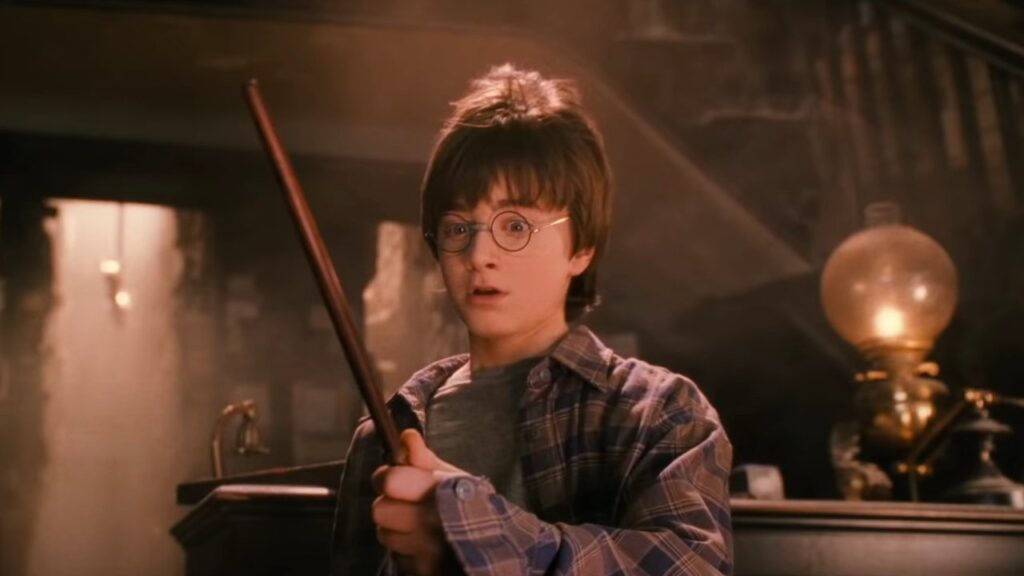
The big revelations are what even the casual fan will always remember. The Deathly Hallows symbol, for example, did not just come out of nowhere. This is something that is visually referenced through carvings and set dressing long before the audience sees it themselves, which is a subtle nod to the eventual power it will wield in the story. And then, of course, there is the revelation that Harry himself was a Horcrux. It looked like it came out of nowhere at first, but upon further reflection, all of Harry’s Parseltongue abilities, the pain of the scar, and his connection to Voldemort had been there the entire time because the story had been quietly telling us the truth the entire time.
Dumbledore, of course, was never short on symbolism either. The phoenix Patronus, the phoenix symbols throughout his office, and Fawkes’ constant presence by his side all reflected his character as a symbol of rebirth. And how could one forget the Golden Snitch Dumbledore gives Harry, inscribed with the message “I open at the close”? This small token harbored one of the most poignant moments in the series, repurposing itself from a Quidditch charm into a symbol of sacrifice and bravery. Easter eggs manage to fly under the radar of even the most astute fans. Take, for instance, the rattling cabinet from Chamber of Secrets that Harry locates when he hides out in Borgin & Burkes. It seemed merely insignificant at the time, but it later resurfaced as the Vanishing Cabinet Malfoy used to bring Death Eaters into Hogwarts.
What appears to be straightforward pride in the House is, in fact, something even more deeply personal. While McGonagall’s encouragement of Harry to play Quidditch seems to be that of a Head of House wanting to bring glory to Gryffindor, it becomes clear that Rowling intended McGonagall to have had some experience as a Quidditch player herself, one whose own ambitions in the sport were ended by injury. This changes the dynamic of her enthusiasm for Harry’s flying abilities, which is no longer simply about tactics or inter-House competition. It is the knowledge of her own talent she once had, an opportunity to develop it in someone else, and perhaps even a means of reliving her own glory days vicariously through him.
Every Detail Matters: The Emotional Power of Potter’s Easter Eggs
The very props in Harry Potter have layers of depth. The Black family tapestry plots the lineage of the wizarding world with stars of Sirius, Bellatrix, Regulus, and Andromeda, named for their predestined fate. The Knight Bus license plate contains a secret message that refers to Rowling’s birthday and Voldemort’s anagram, which represented Tom Marvolo Riddle (I Am Lord Voldemort), so the author had to get creative about its translation across various languages. In French, Tom Elvis Jedusor became the Dark Lord, giving the character a shockingly rockstar-quality moniker.
One of the most moving Easter eggs is from Snape’s very first lines to Harry. In the first potions class, he asks for “asphodel and wormwood.” This is just a passing potions conversation to most readers. However, in the language of flowers, asphodel represents death, and wormwood represents bitter absence, which was right there in plain sight because it was a coded representation of Snape’s sorrow for Lily.
Easter eggs are more than just interesting trivia, because they are the framework by which Harry Potter feels so real. The world that J.K. Rowling and the movie adaptors created was one in which every detail, big or small, was intended to be meaningful. A piece of furniture in the corner, a flower in a question mark, a number on a license plate – all are potentially significant down the line. But for us, this is what keeps the story alive. Every time we read or re-watch it, there is something new to discover. This, in the end, is the strength of the hidden magic of Harry Potter. The series exists on two different planes: one is the epic struggle between light and dark, and the other is the subtle story told through Easter eggs. The child will find amusement in the mayhem of the Knight Bus, while the adult will spot the wink in its license plate numbers. The young reader will gloss over the enigmatic potions of Snape, but the adult will discern the sadness there.