Top-Rated World War II Movies According To Critics And Audiences
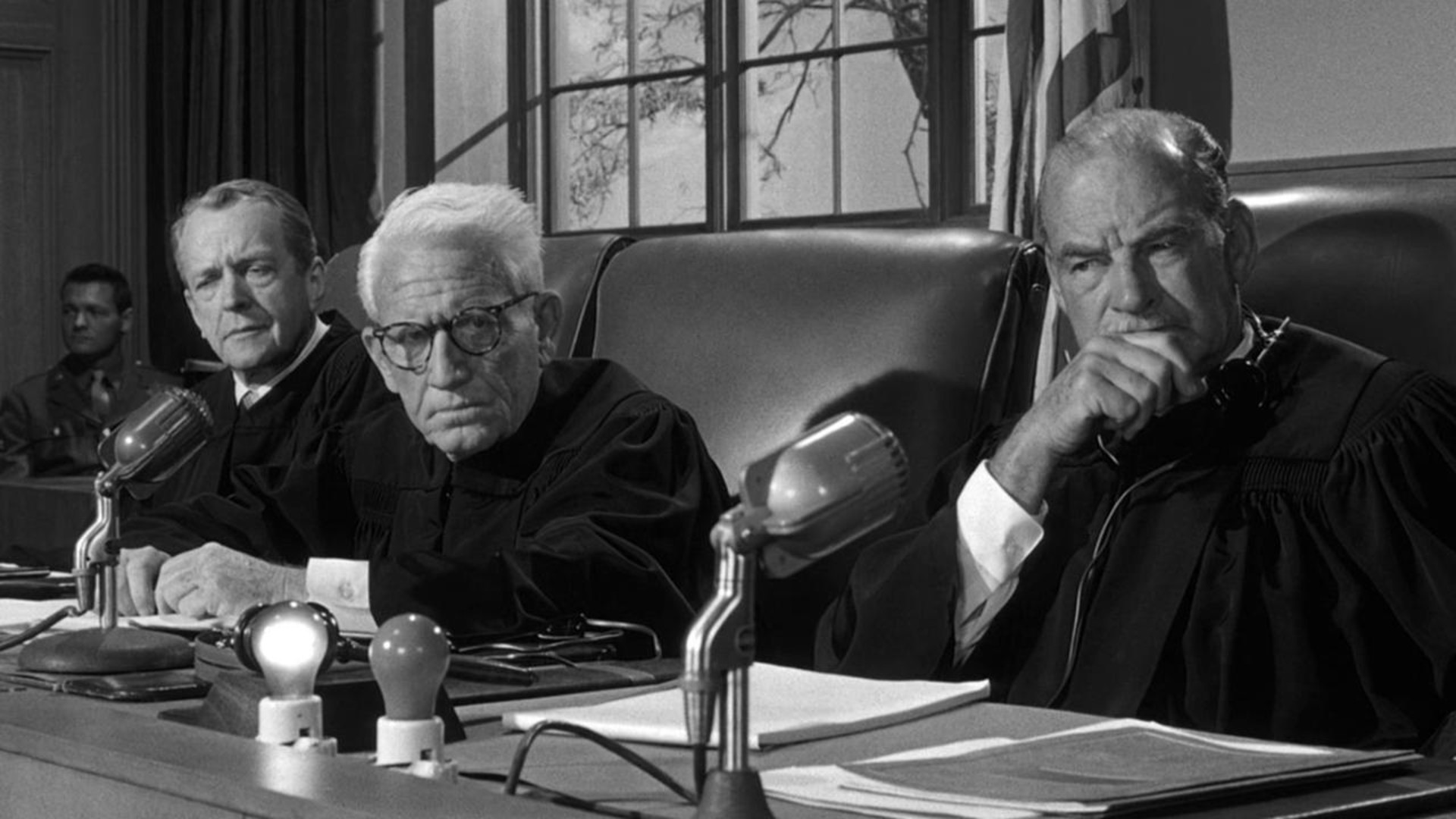
10. Judgment at Nuremberg (1961)
Judgment at Nuremberg focuses on the 1947 trial of German judges and prosecutors responsible for Nazi crimes. The film examines legal and moral accountability for complicity in genocide. Featuring an ensemble cast including Spencer Tracy, Burt Lancaster, and Maximilian Schell, it emphasizes courtroom deliberation and ethical questioning. Its exploration of justice, guilt, and collective responsibility is profound and enduring. The film is widely regarded as a seminal courtroom and historical drama.
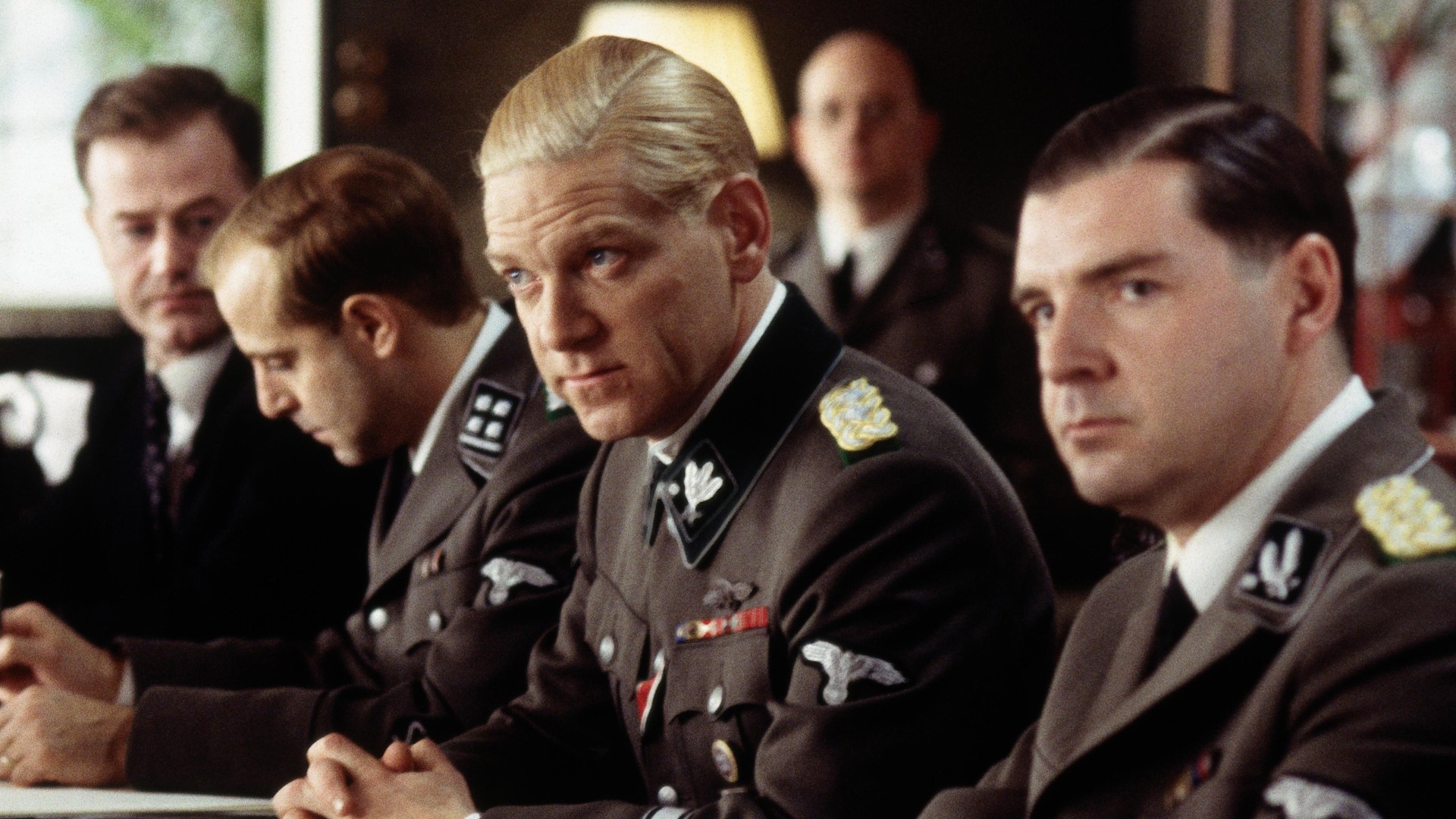
9. Conspiracy (2001)
Conspiracy is an HBO film dramatizing the 1942 Wannsee Conference, where Nazi officials formalized the Final Solution. The film relies on dialogue and performance rather than graphic imagery, creating a chilling study of bureaucratic complicity. Kenneth Branagh and Stanley Tucci deliver critically acclaimed portrayals of real historical figures. The film emphasizes the systemic organization of genocide and the moral detachment of perpetrators. It is regarded as a vital historical dramatization.
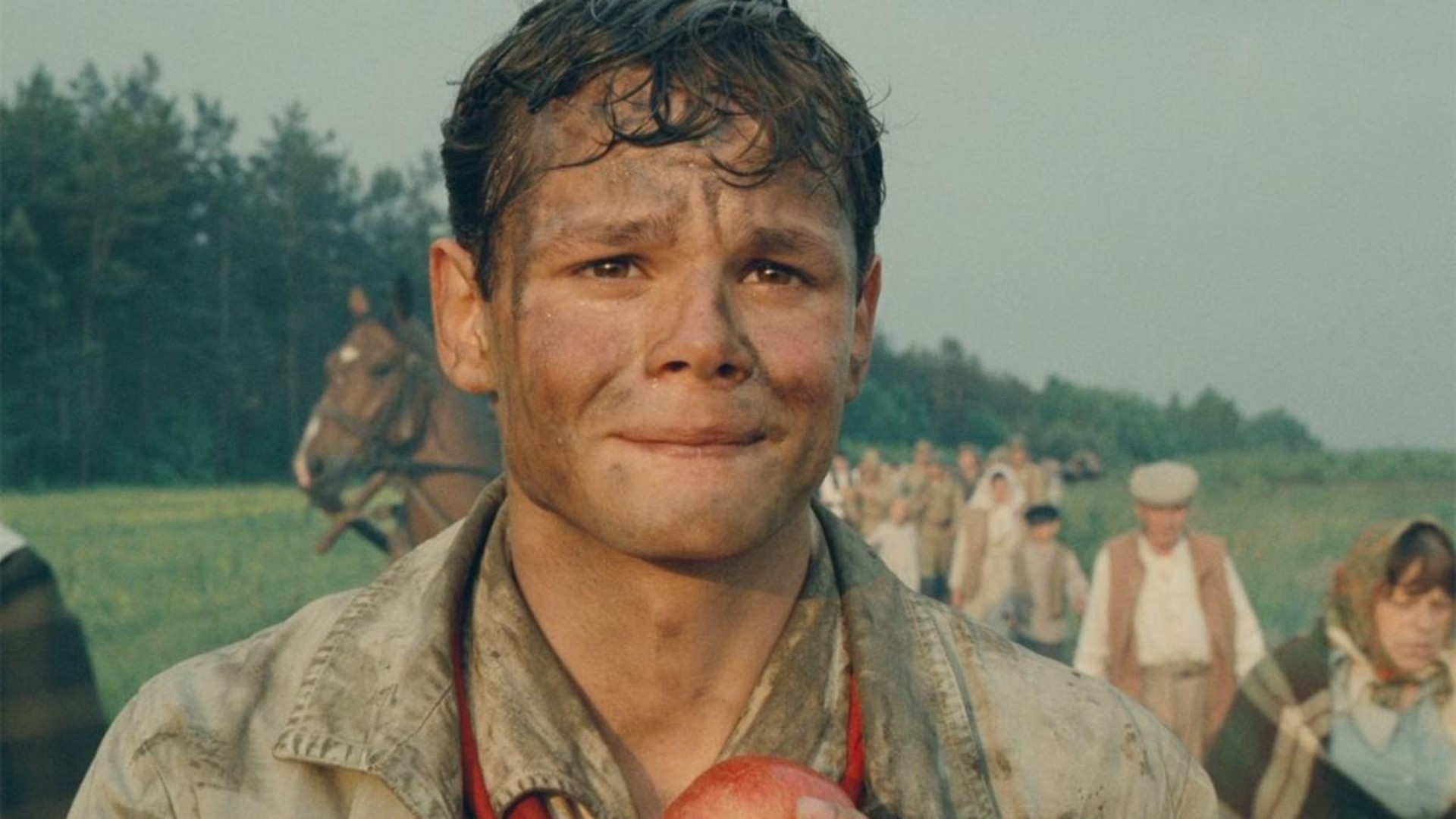
8. Europa Europa (1990)
Europa Europa is based on the true story of Solomon Perel, a Jewish teenager who survives by masquerading as a member of the Hitler Youth. The film explores identity, deception, and survival under extreme circumstances. Its darkly ironic tone and narrative tension reflect individuals' impossible moral choices. The film was widely acclaimed for its storytelling and historical insight. It won the Academy Award for Best Adapted Screenplay nomination.
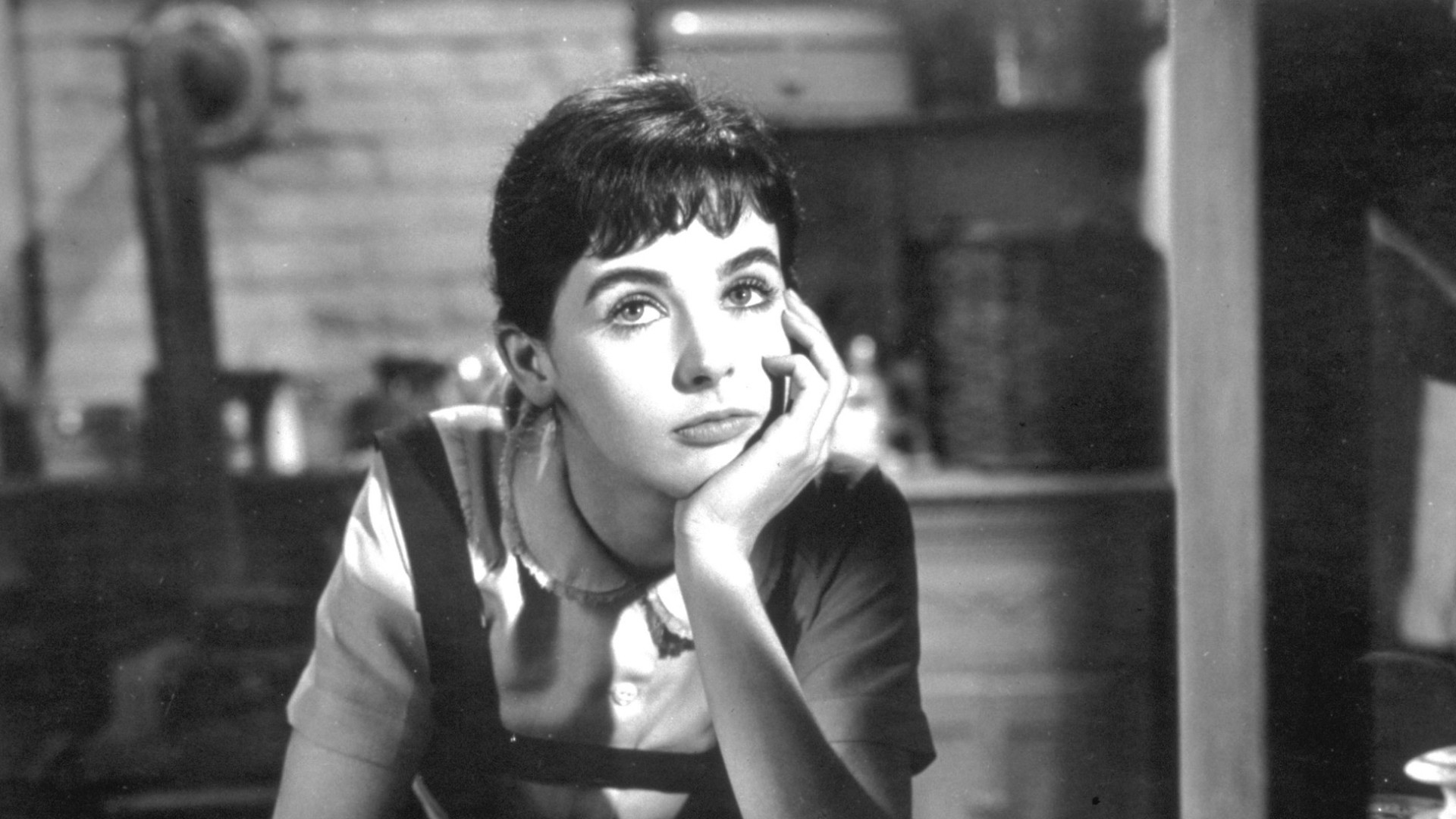
7. The Diary of Anne Frank (1959)
Based on Anne Frank’s diary, this film depicts the two years she and her family spent hiding in Amsterdam from Nazi persecution. The movie conveys the tension and fear of living under constant threat while maintaining the diary’s reflective and intimate tone. Its performances, especially Millie Perkins as Anne, capture innocence and resilience. The film remains an essential adaptation for understanding the personal perspective of WW2 victims. Its historical and educational value is widely recognized.
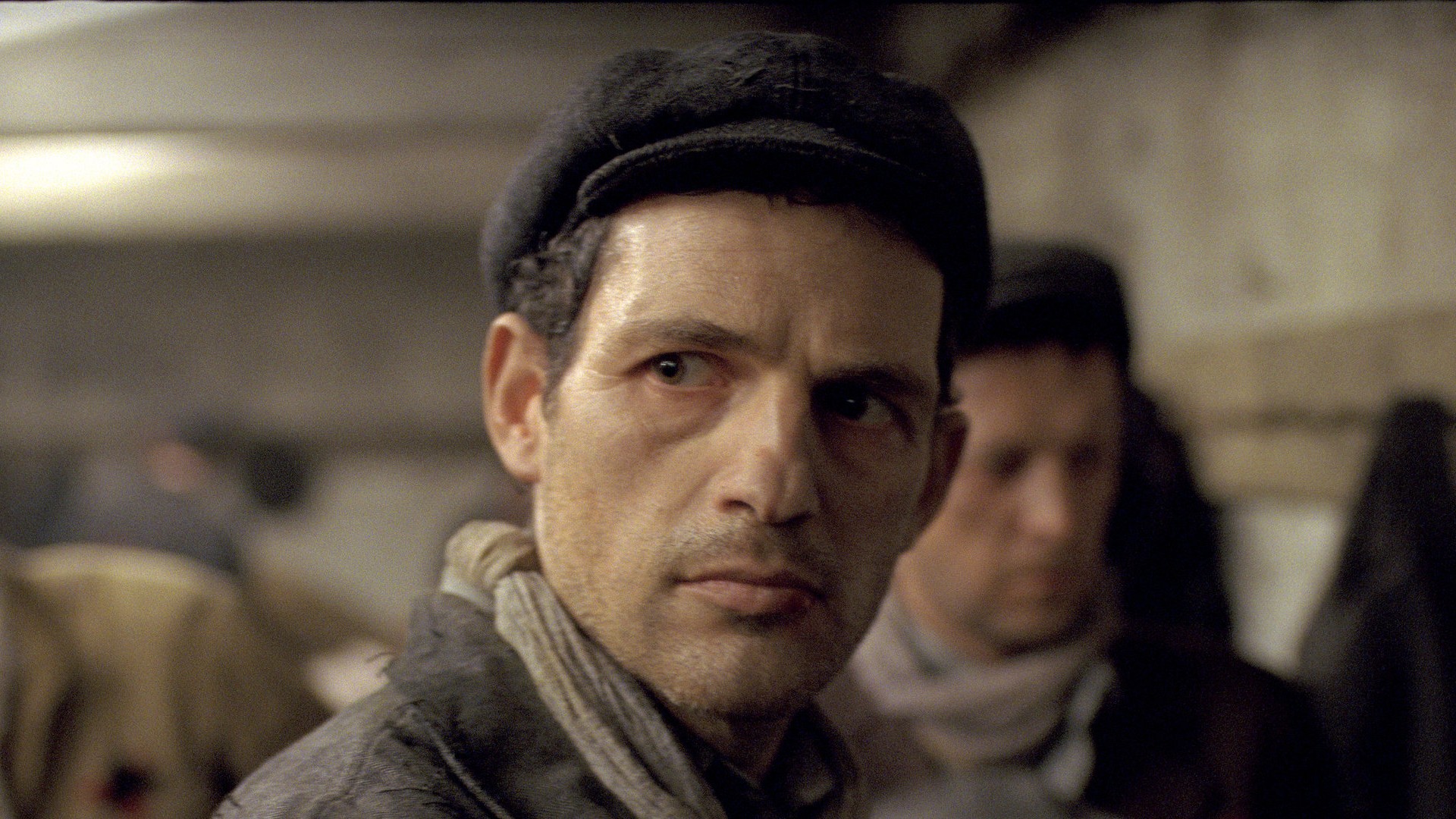
6. Son of Saul (2015)
This Hungarian film provides a claustrophobic, immersive depiction of Auschwitz, following Saul Ausländer, a Jewish prisoner forced to assist with the genocide. Saul attempts to give a proper burial to a boy he believes is his son. Shot with tight framing and long takes, the film emphasizes immediacy and moral urgency. It won the Academy Award for Best Foreign Language Film. Critics praise its stylistic innovation and ethical focus in portraying atrocities on human experiences.
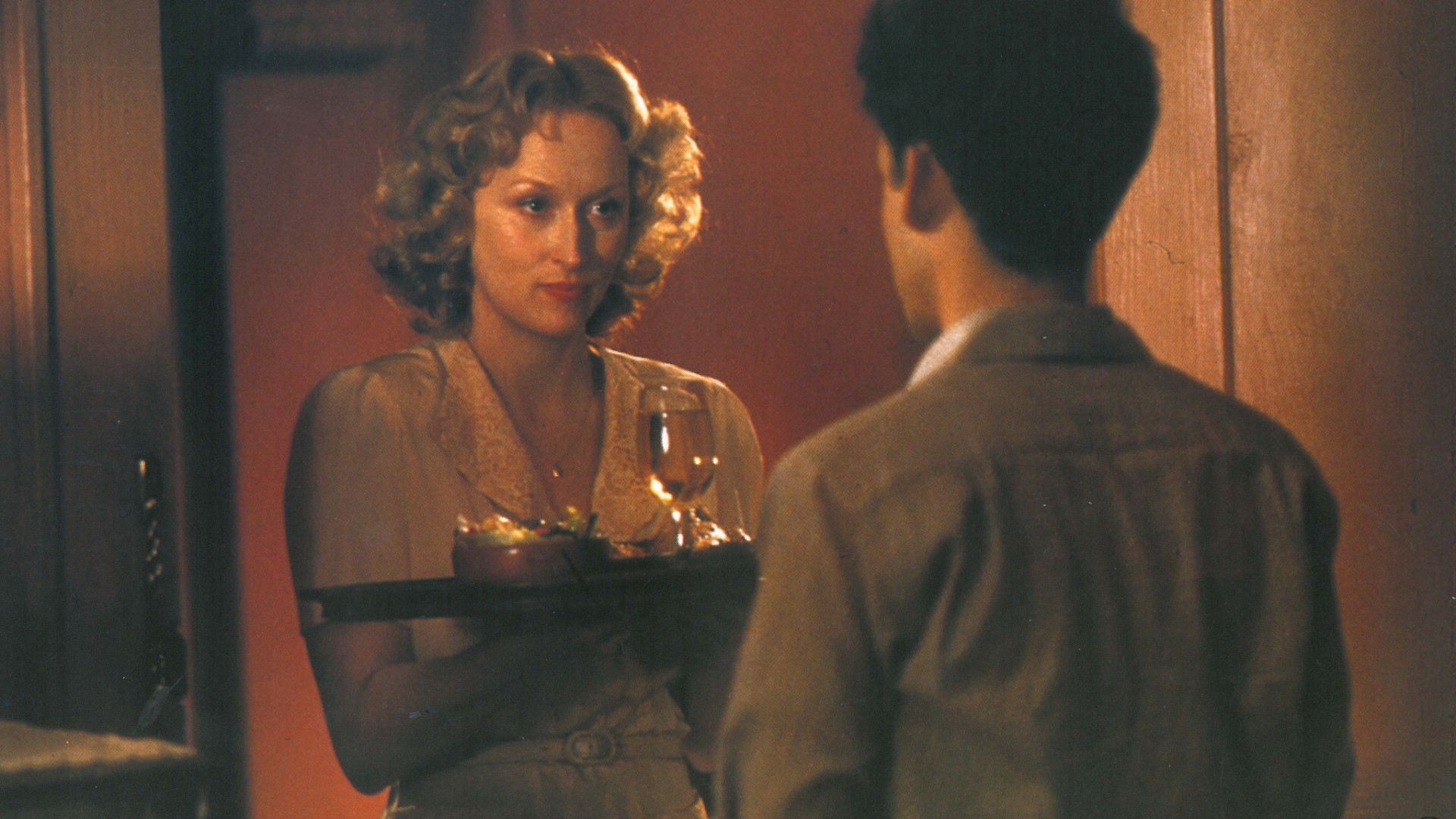
5. Sophie’s Choice (1982)
Sophie’s Choice, set post-World War II, explores the psychological trauma endured by Sophie, a Polish Catholic survivor of Auschwitz. The narrative focuses on her relationships and the devastating choices imposed on her by the Nazis. Meryl Streep received the Academy Award for Best Actress for her nuanced performance. The film emphasizes personal memory and guilt alongside historical atrocity. It is regarded as a profound study of trauma and moral consequence.
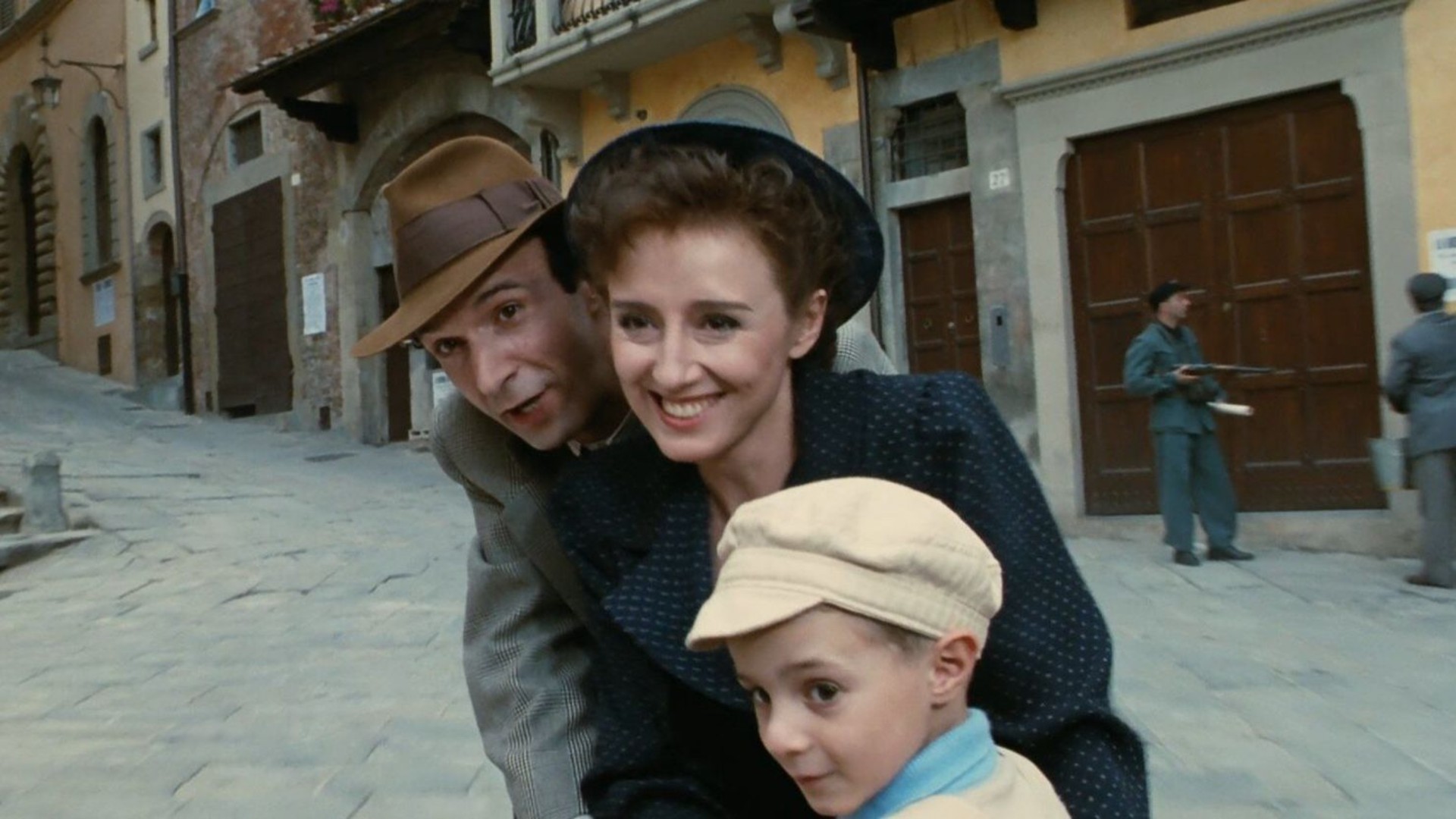
4. Life Is Beautiful (1997)
Roberto Benigni’s Life Is Beautiful balances humor and tragedy, depicting an Italian Jewish father who shields his son from the reality of a concentration camp. Benigni won Best Actor at the Academy Awards, and the film won Best Foreign Language Film. Its narrative demonstrates human resilience, hope, and a parent's protective instincts under extreme circumstances. The film’s levity and harrowing subject matter make it emotionally complex. It remains a highly influential drama in international cinema.
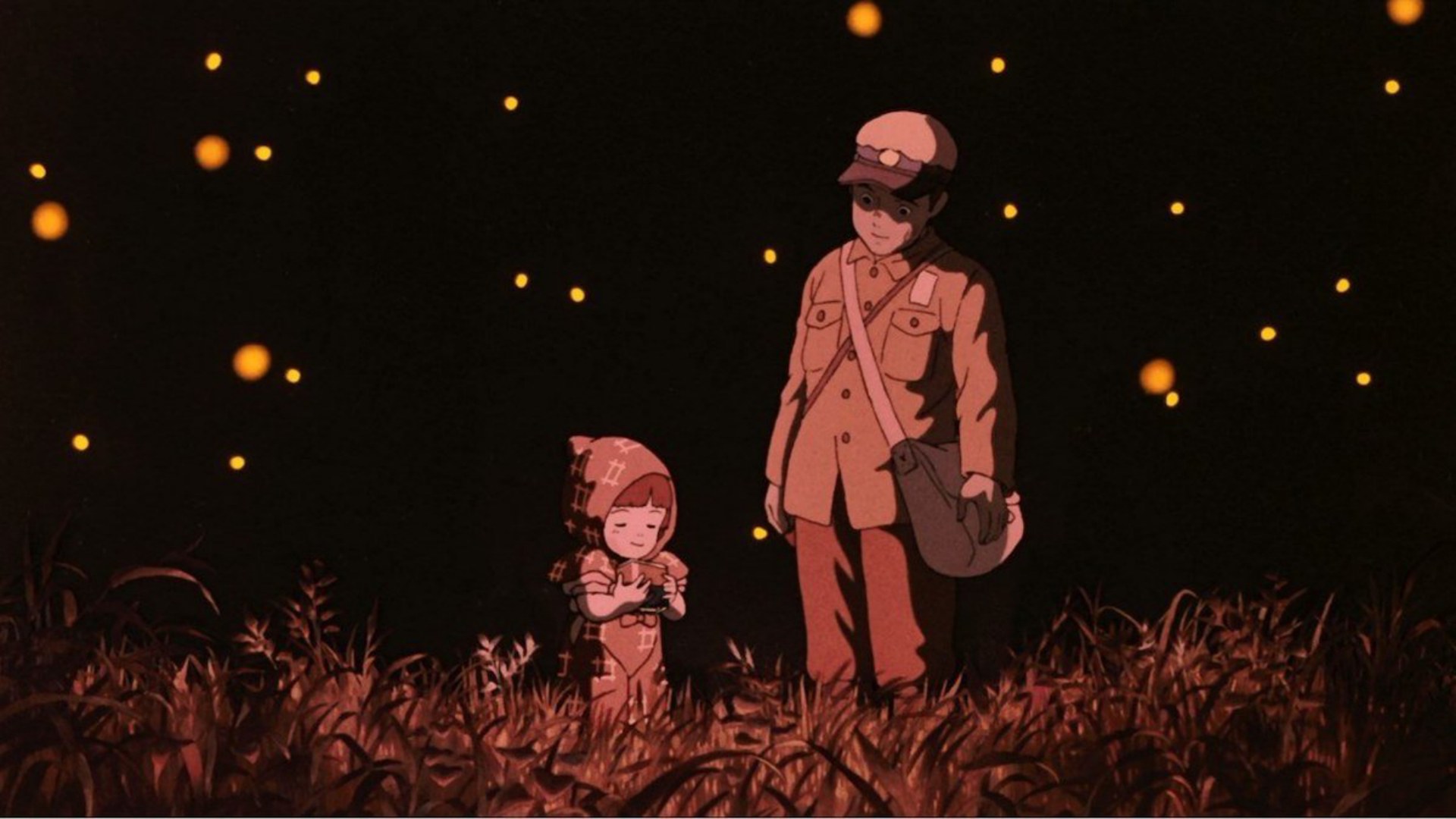
3. Grave of the Fireflies (1988)
Grave of the Fireflies tells the harrowing story of Seita and his younger sister Setsuko, siblings struggling to survive in Japan during World War II. Following the destruction of their home and loss of their mother, they face starvation, social indifference, and the brutal realities of wartime society. The film explores themes of innocence, family bonds, and the devastating human cost of conflict. Critics have praised its emotional depth and unflinching portrayal of suffering, often calling it one of the most powerful anti-war films ever made.
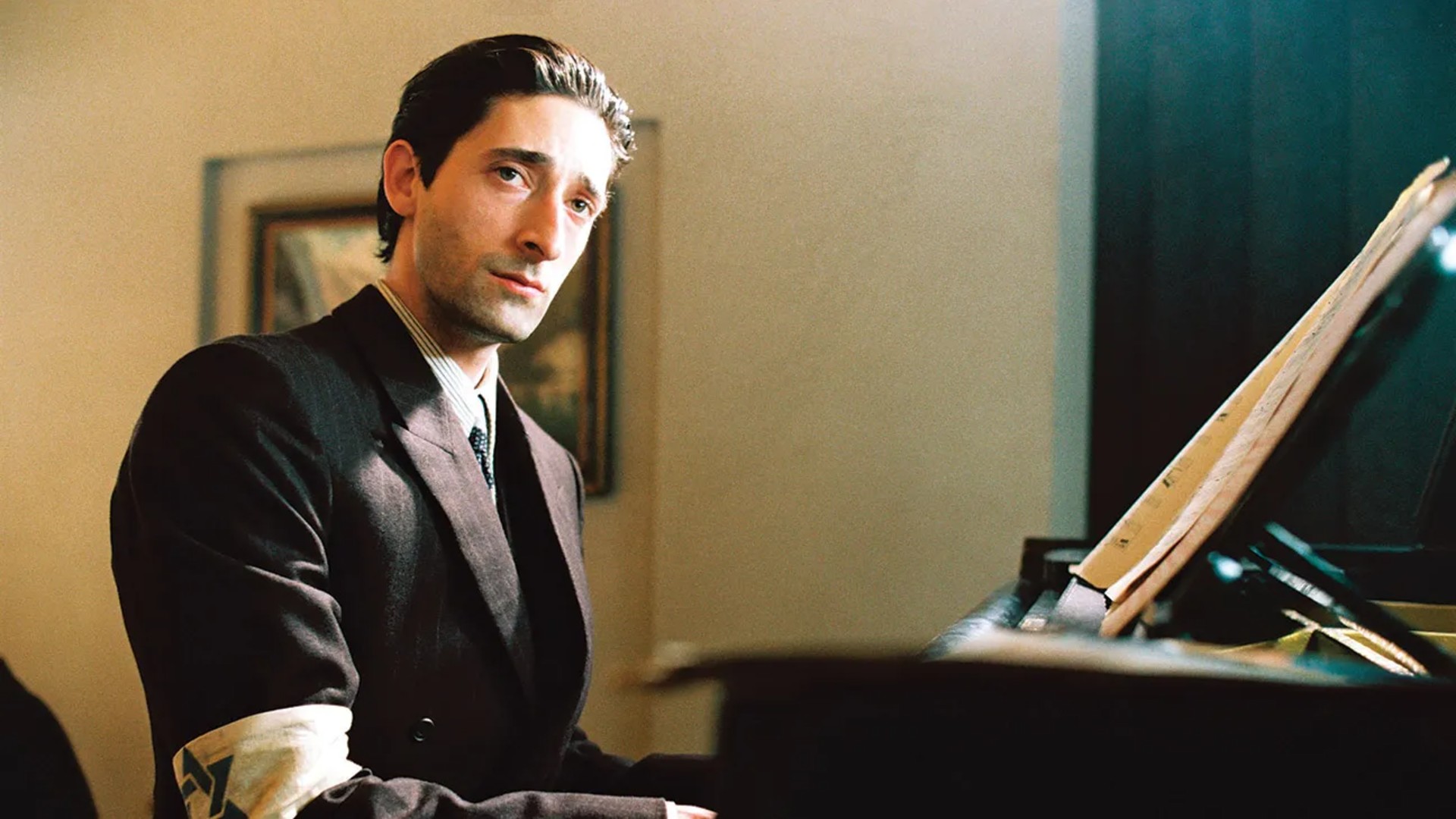
2. The Pianist (2002)
Roman Polanski’s The Pianist is an adaptation of Władysław Szpilman’s autobiography, chronicling his survival during the Warsaw Ghetto period. Adrien Brody won an Academy Award for Best Actor for his haunting portrayal. The film captures the devastation of wartime Poland with stark realism, combining intimate personal struggle with the broader horrors of the atrocities. Cinematography and sound design heighten the immersive and tragic atmosphere. It is celebrated for both historical fidelity and emotional impact.
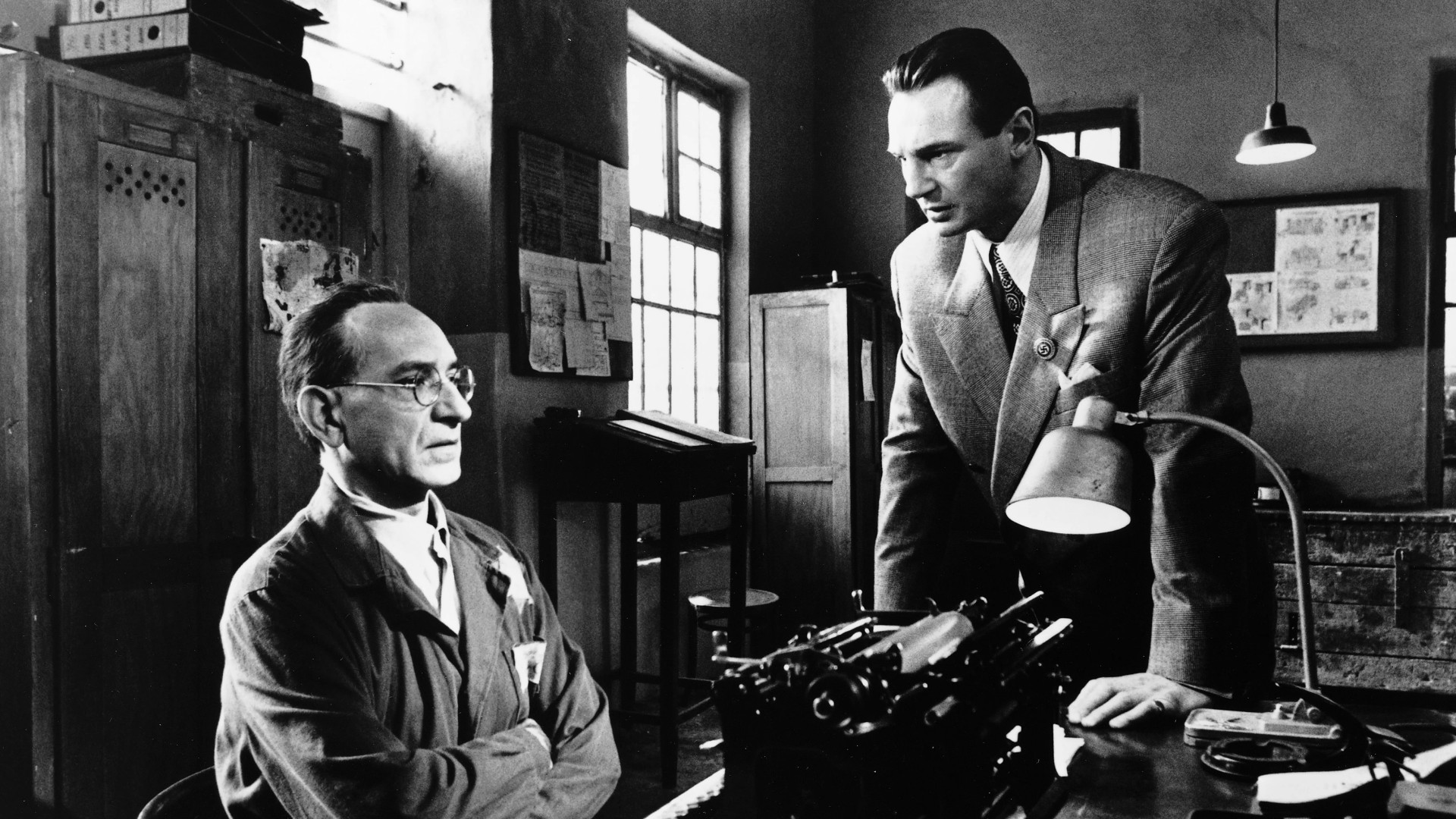
1. Schindler's List (1993)
Directed by Steven Spielberg, Schindler’s List tells the true story of Oskar Schindler, a German industrialist who saved over a thousand Jewish lives by employing them in his factories. Mainly filmed in black-and-white, it emphasizes historical realism and emotional gravity. The performances, particularly by Liam Neeson and Ralph Fiennes, are widely praised. The film won seven Academy Awards, including Best Picture and Best Director. It remains a benchmark for cinema and historical storytelling.