My Watchlist Favorites: 10 Best Gangster Films
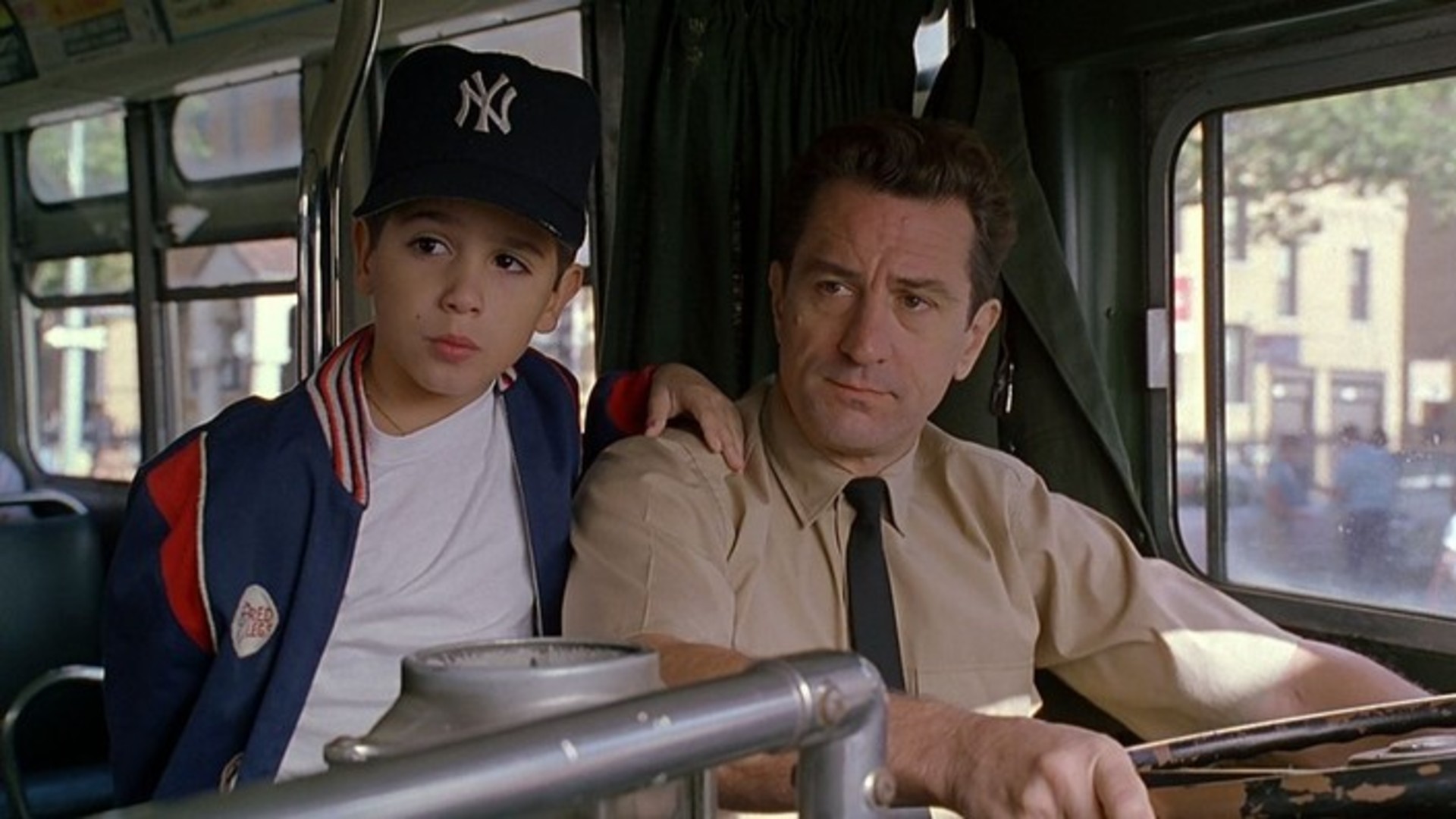
10. A Bronx Tale (1993)
This is a coming-of-age story for the protagonists, as it revolves around the power of influence and not crime. The movie pits the influence of the charismatic mob boss against the hard-working father figure. The choices one makes are emphasized over the path of destiny.
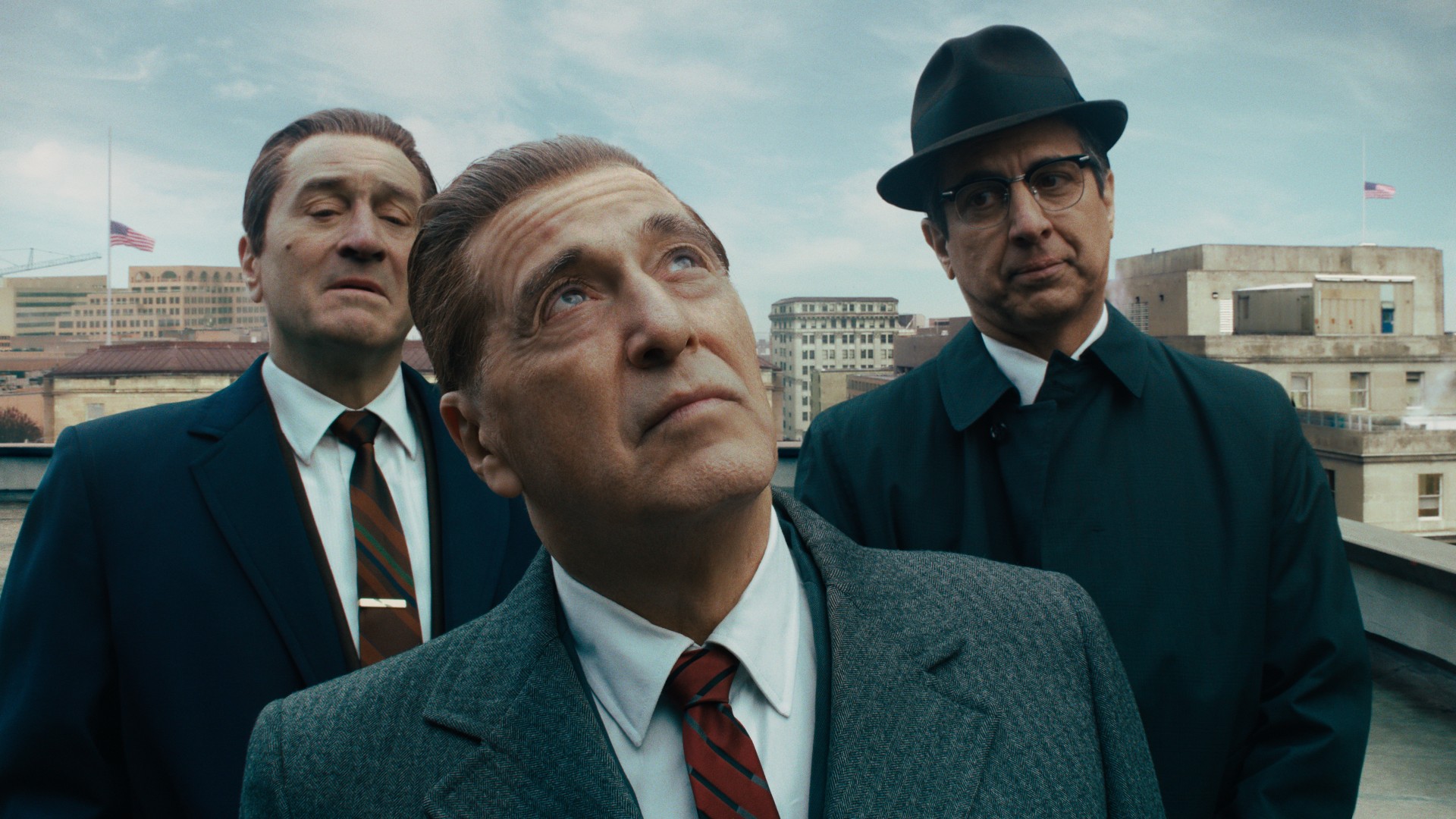
9. The Irishman (2019)
Scorsese returns to the same genre with a sense of detachment and reflection. This is not a movie about entertainment but about the decay of friendships, family, and meaning. Violence in this movie is almost matter-of-fact and empty. Ultimately, the matter of power is seen as of little significance in comparison to the reality of loneliness.
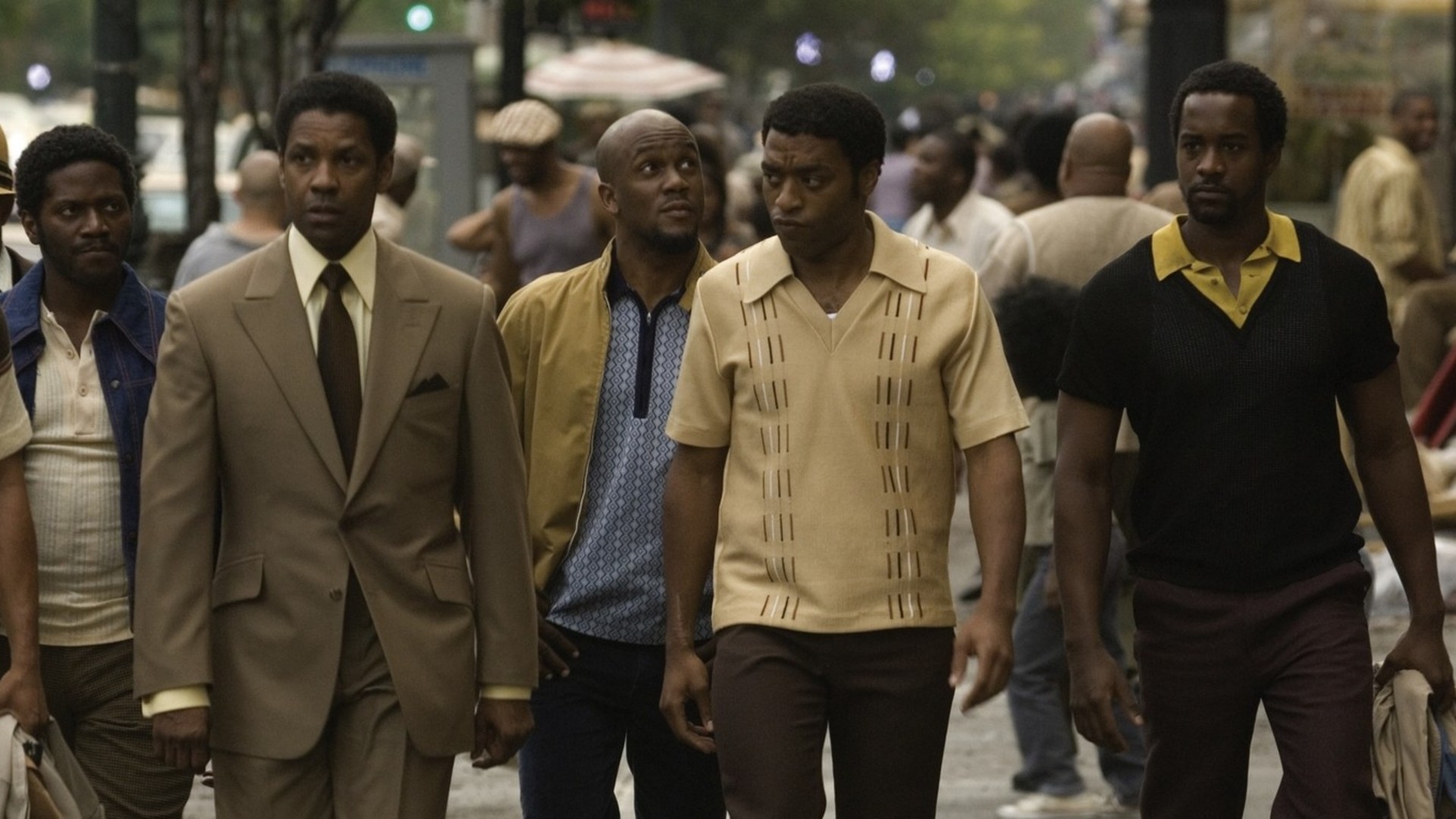
8. American Gangster (2007)
Organized crime in Ridley Scott’s movie appears through the element of efficiency and order. The character of Frank Lucas lacks the glamour of gangsterism, exhibiting a businesslike approach. The movie juxtaposes the life of a gangster with that of a lawman fighting corruption. It is a gangster movie based on a system, not an individual.
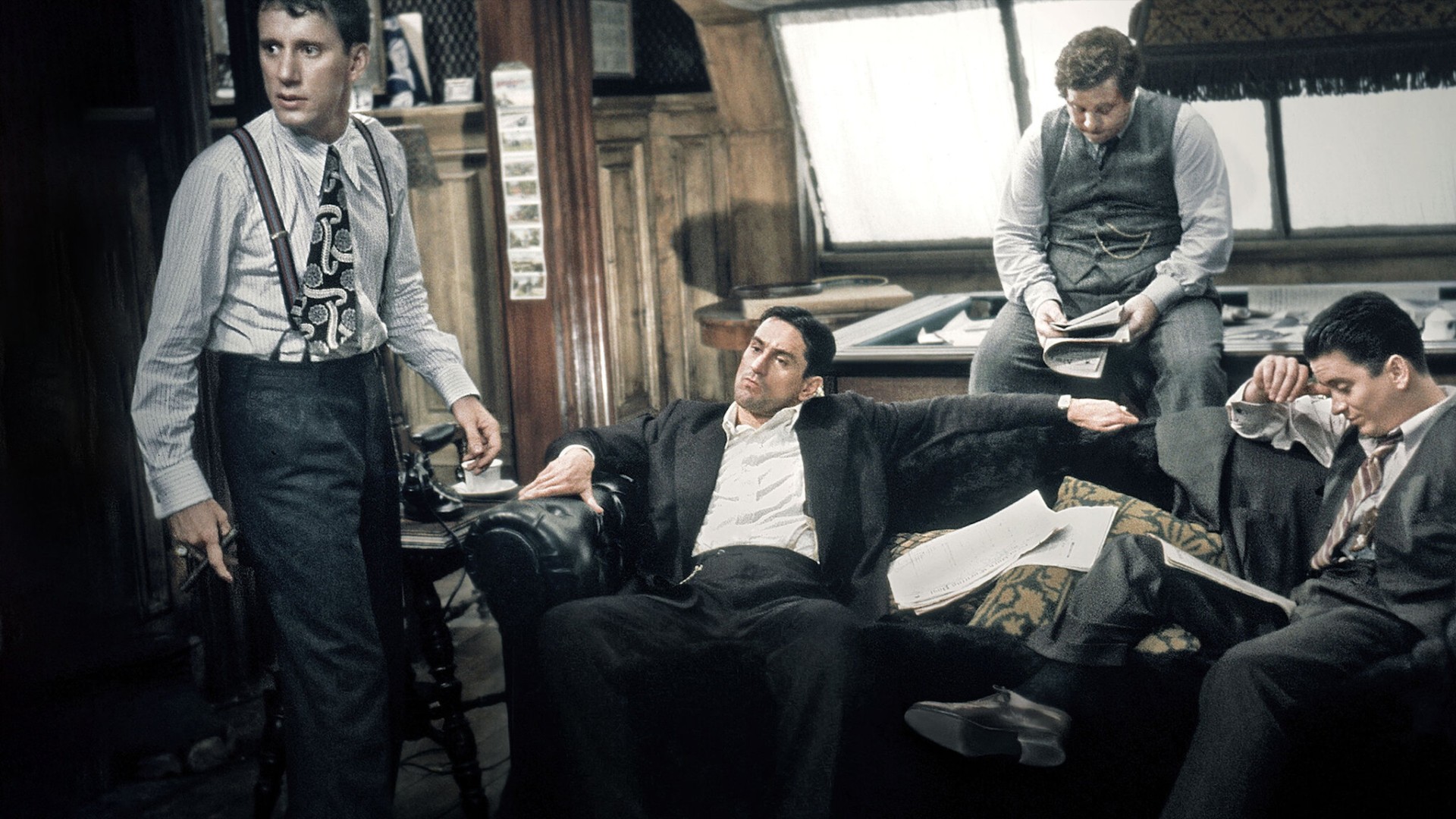
7. Once Upon a Time in America (1984)
In Leone’s last film, crime is experienced in a remembered rather than a lived situation. The non-linear narrative functions as a representation of how guilt and nostalgia can obscure reality. Violence is present yet secondary to loss and regret. It is more about the aftermath of power than power itself.

6. The Departed (2006)
This movie is more about the psychological effects of living an undercover life as opposed to the mafia itself. Scorsese’s use of parallel lives illustrates the effect of deceit in dissolving identity. This is not a gangster film based on tradition or tension. It’s about survival.
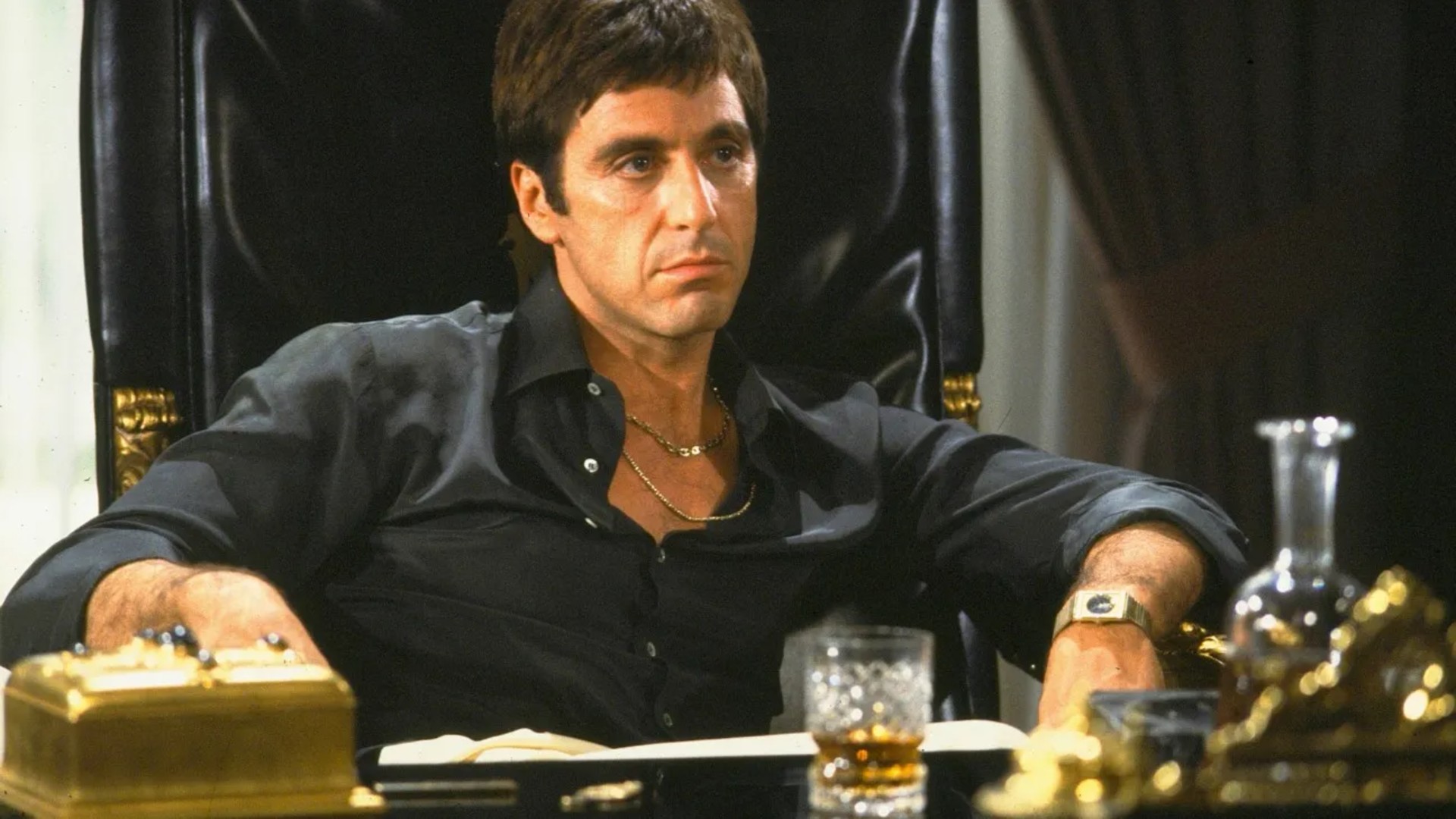
5. Scarface (1983)
Rather than being viewed as an ideal to which one aspires, Scarface is an exploration of excess and self-destruction. Tony Montana's success is based on impulse and pride rather than planning. The cultural phenomenon subsequent to Scarface has tended to muddy the underlying point.
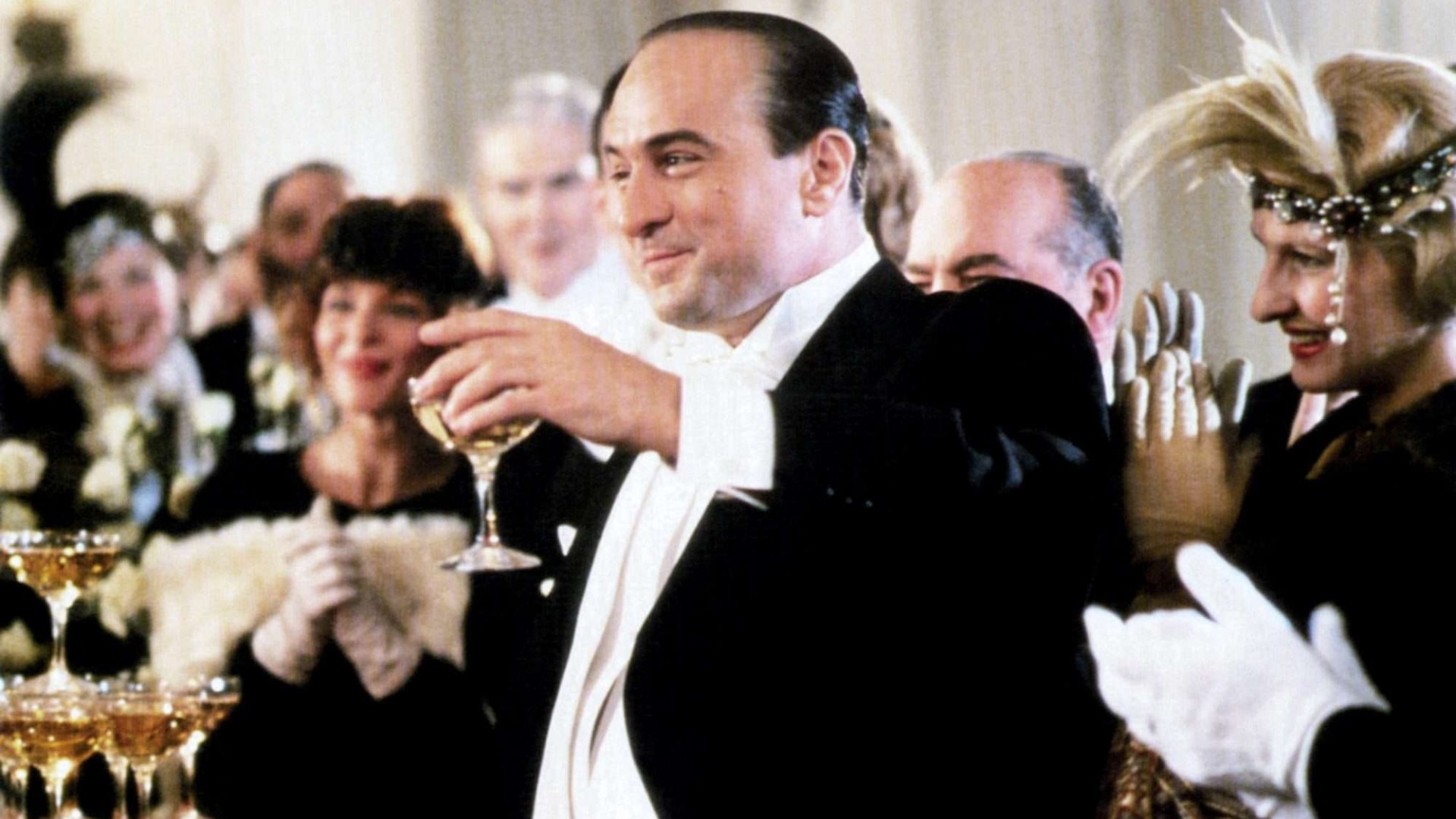
4. The Untouchables (1987)
De Palma’s vision of Prohibition-era Chicago is stylish and intentional. The movie distills history but presents a strong moral dichotomy between the law and corruption. Eliot Ness, played by Costner, symbolizes ideals, while Al Capone, portrayed by Pacino, is overstated but will be remembered. This is more of a contemporary gangland story than a biographical drama.
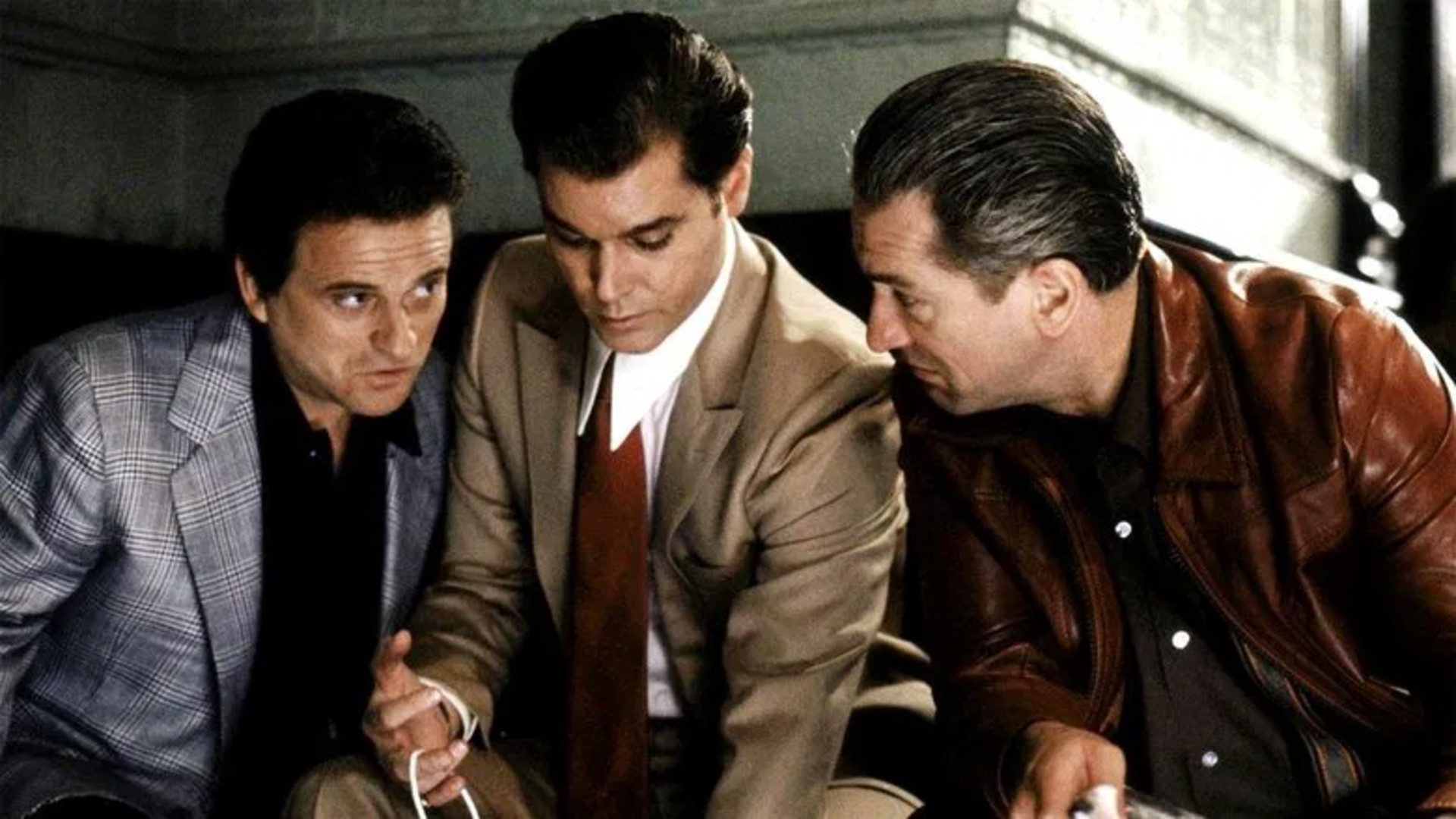
3. Goodfellas (1990)
Martin Scorsese tears away the romance and finds organized crime to be routine, chaotic, and ultimately self-destructive. The pulse of the film echoes Hill’s obsession with status and acceptance. The resonance lies in how quickly Hill’s paradise slips into paranoia. “Goodfellas” feels immediate because it’s based on real behavior, not legend.
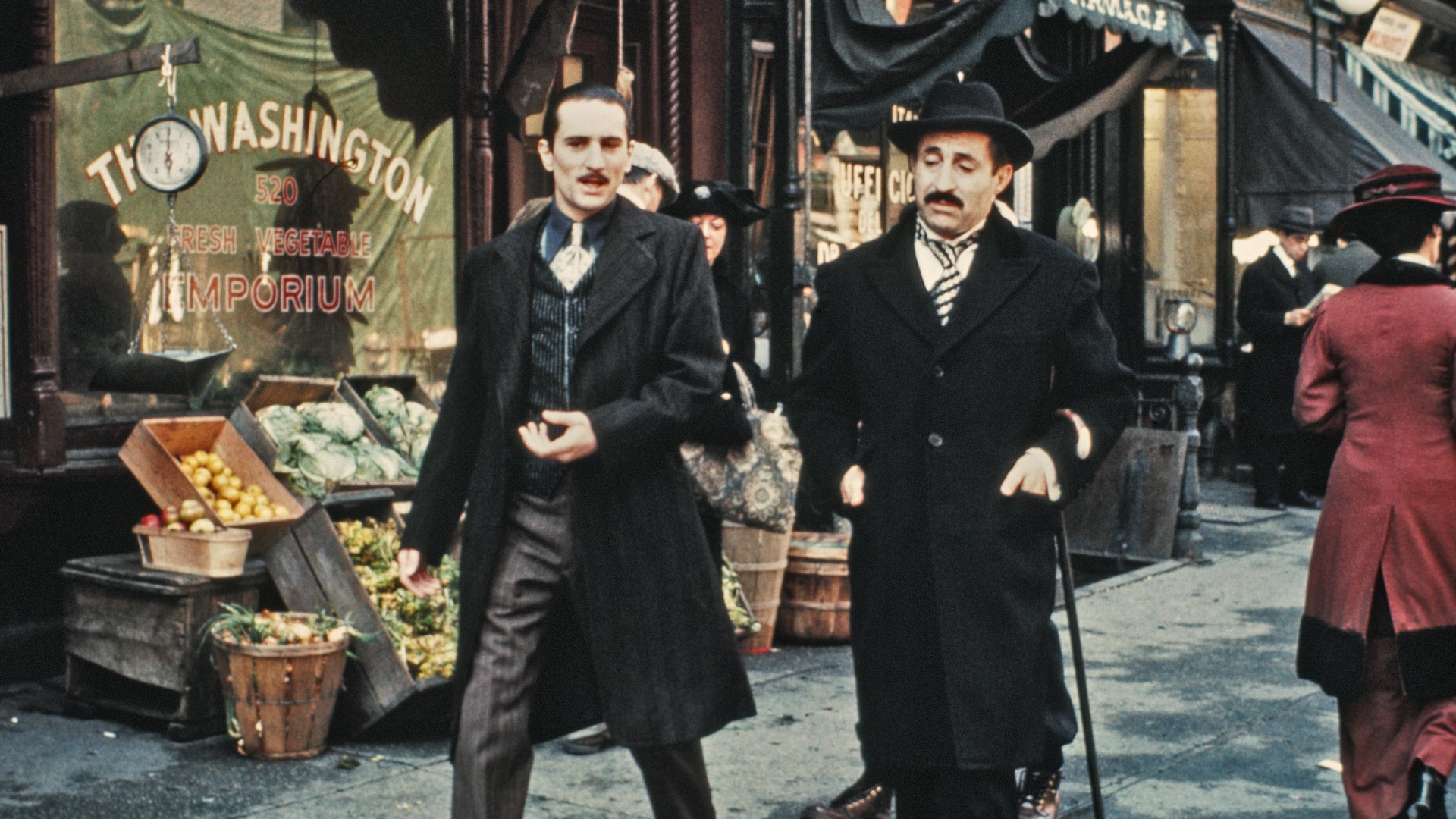
2. The Godfather Part II (1974)
Generally regarded as the equal or successor to the original, Part II expands the Corleone saga in two ways, contrasting the cold manner in which Michael does business with the way that Vito built his empire as a struggling immigrant. It is a gangster movie that knows the consequences of its actions.
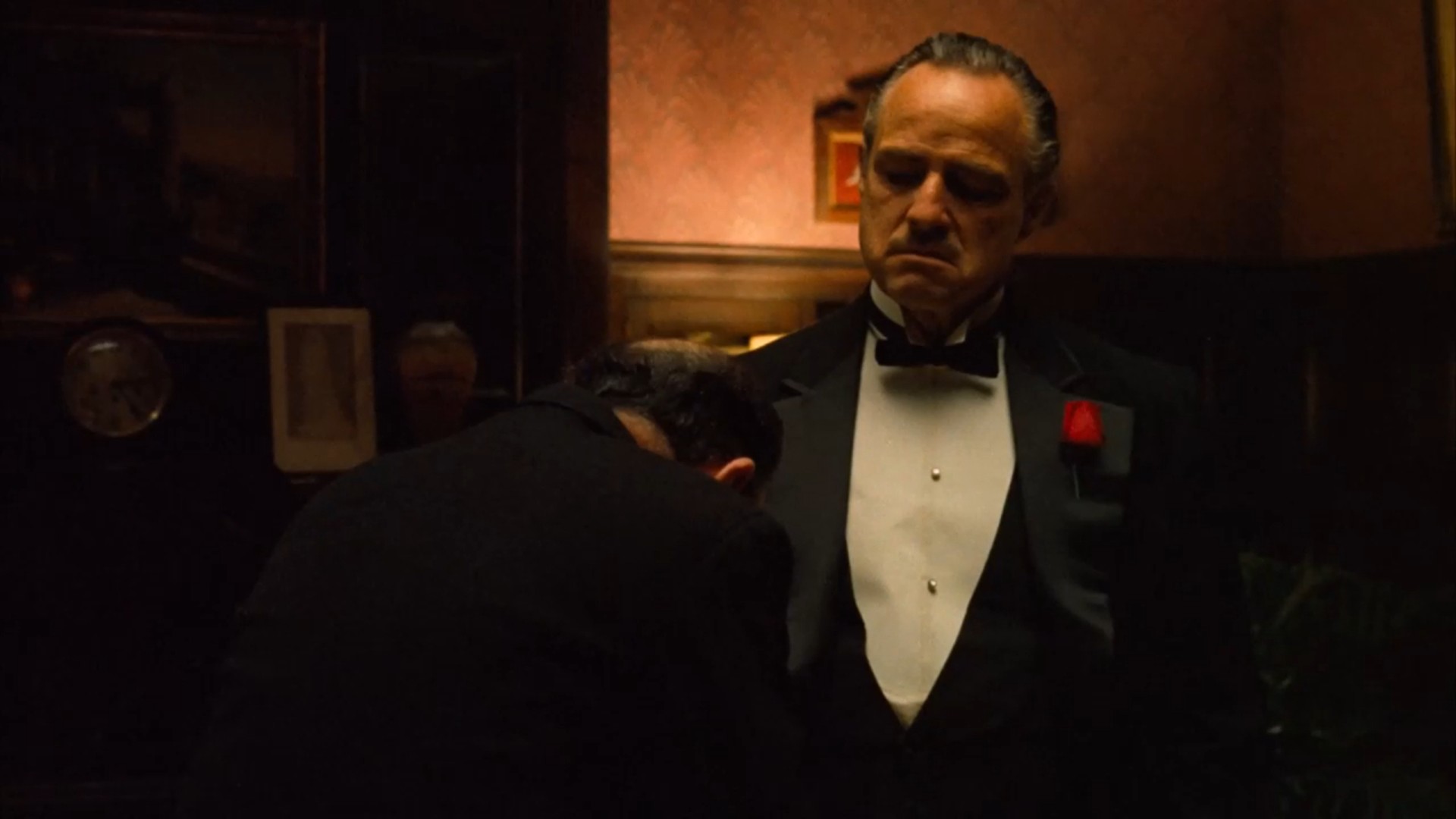
1. The Godfather (1972)
The Godfather is a Francis Ford Coppola movie, which not only renewed the gangster movie genre but also lent it emotional depth. The film looks at organized crime not as a spectacle but as a means of addressing family, loyalty, and the use of power. The Corleone character, Michael, transitions well from being a reluctant outsider to a calculating leader.