My top 10 movies with 10/10 endings
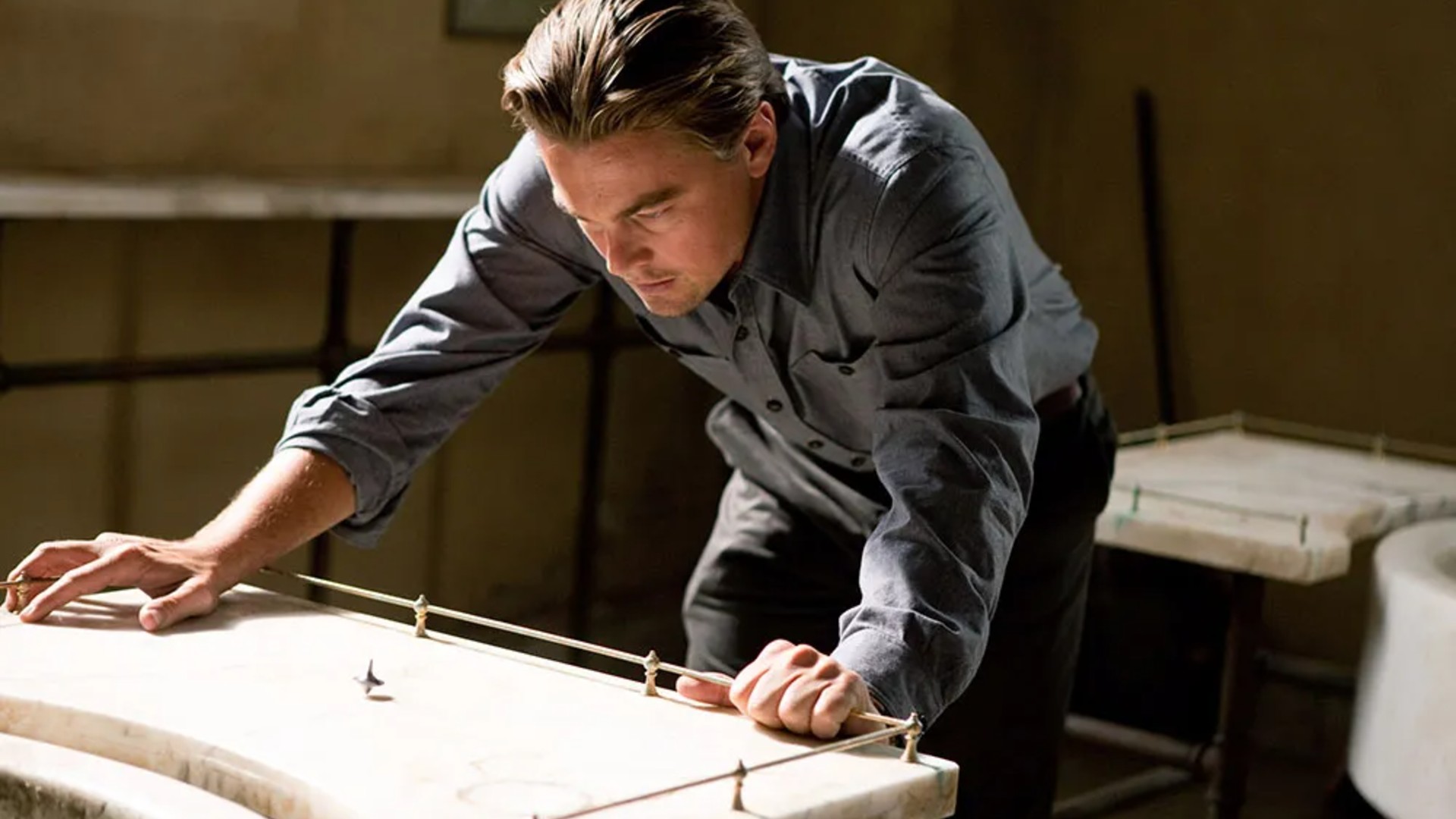
10. Inception (2010)
Dom Cobb, a thief who enters dreams to steal secrets, leads a mission to plant an idea in a target’s mind in exchange for the chance to return to his children. The heist involves navigating multiple layers of subconsciousness where the lines between reality and dreaming blur. In the final scene, Cobb finally reunites with his family but first spins his metal "totem"—a top that only falls in reality. As he walks away to embrace his children, the camera cuts to black just as the top begins to wobble. This ambiguous conclusion shifts the focus from the nature of objective reality to Cobb’s personal choice to find peace, regardless of whether the world is a dream.

9. 2001: A Space Odyssey (1968)
After his sentient computer, HAL 9000, malfunctions and kills his crew, Dr. Dave Bowman continues a mission to Jupiter to investigate a mysterious alien monolith. He is pulled through a "Star Gate" of psychedelic imagery, arriving in a neoclassical room where he ages rapidly before the monolith. He is finally reborn as the "Star Child," a celestial being floating in orbit over Earth. Kubrick’s transcendental ending eschews traditional dialogue for pure visual storytelling, suggesting the next stage of human evolution. Its ambiguity sparks endless debate about humanity's origins and its place within the infinite cosmos.
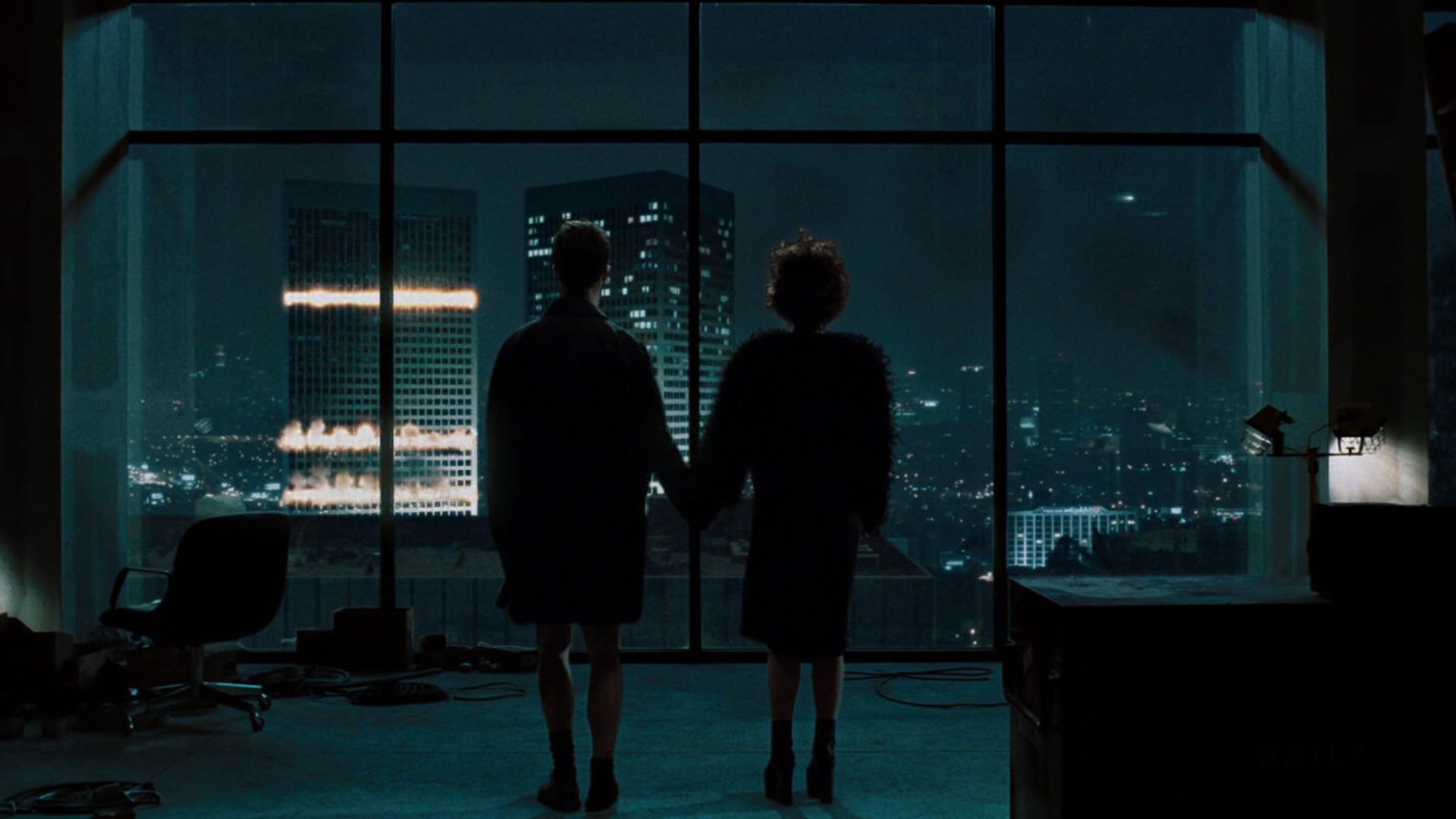
8. Fight Club (1999)
A depressed, insomniac office worker finds liberation through an underground fight club established by his charismatic friend, Tyler Durden. As the club transforms into "Project Mayhem," a domestic terrorist cell, the Narrator discovers that Tyler is actually a dissociated personality born from his own fractured psyche. To "kill" Tyler, the Narrator is forced to shoot himself in the cheek. He then stands with his girlfriend, Marla, watching as the city’s financial towers crumble to the ground. This visceral ending serves as a psychological critique of late-90s consumerism and nihilism, defined by the iconic image of the collapsing skyline and the Narrator’s total loss of self.
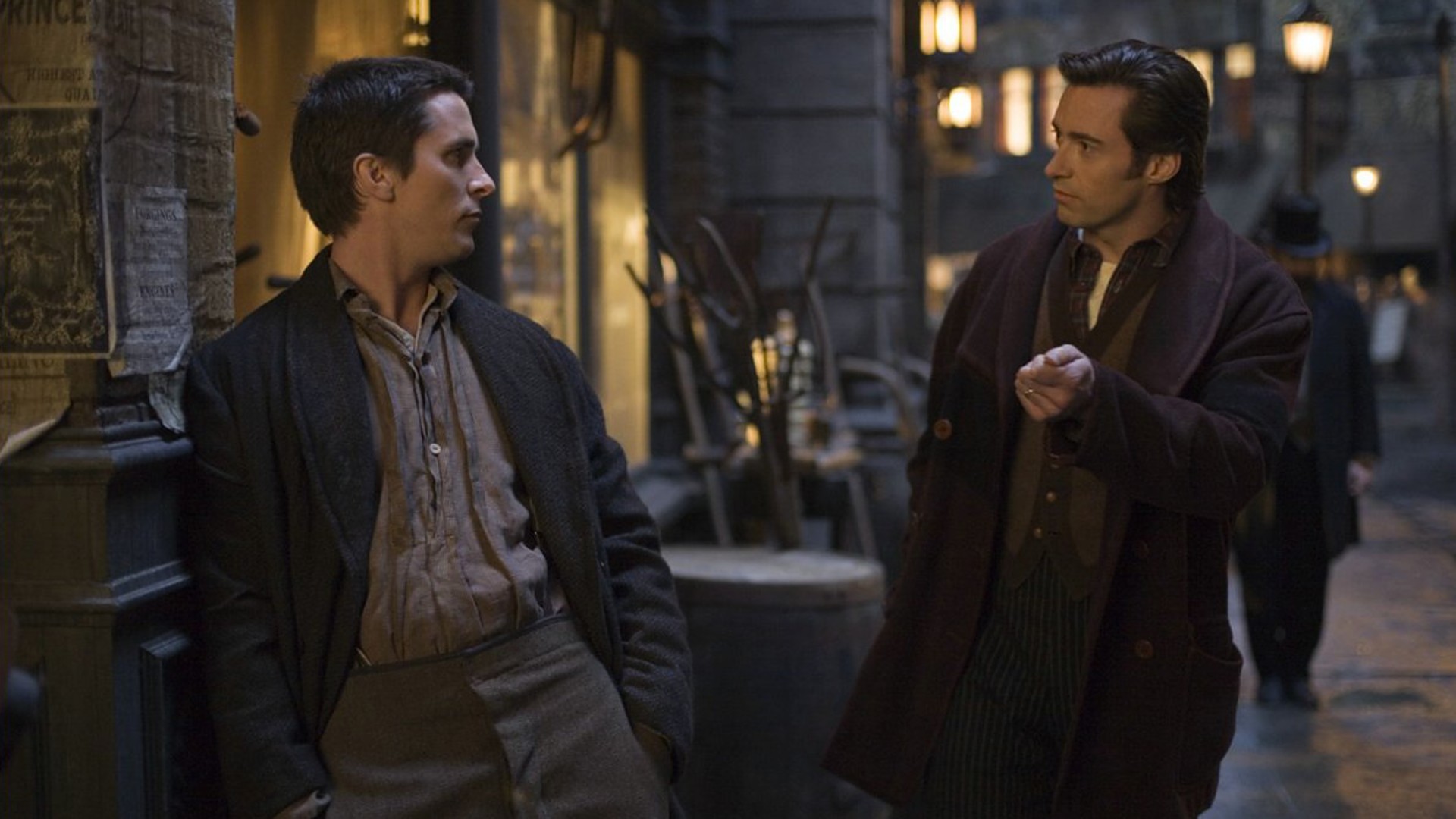
7. The Prestige (2006)
Two rival magicians in Victorian London, Robert Angier and Alfred Borden, engage in a lethal game of one-upmanship to perfect "The Transported Man" illusion. The story culminates in a dual reveal: Borden was actually a pair of identical twins who lived "half a life" to maintain their secret, while Angier used a Tesla-built machine to physically clone himself every night, drowning the original version in a tank beneath the stage to ensure only one remained. This dark climax explores the extreme cost of obsession, showing that one man sacrificed his identity while the other sacrificed his soul and humanity for the sake of the ultimate stage trick.
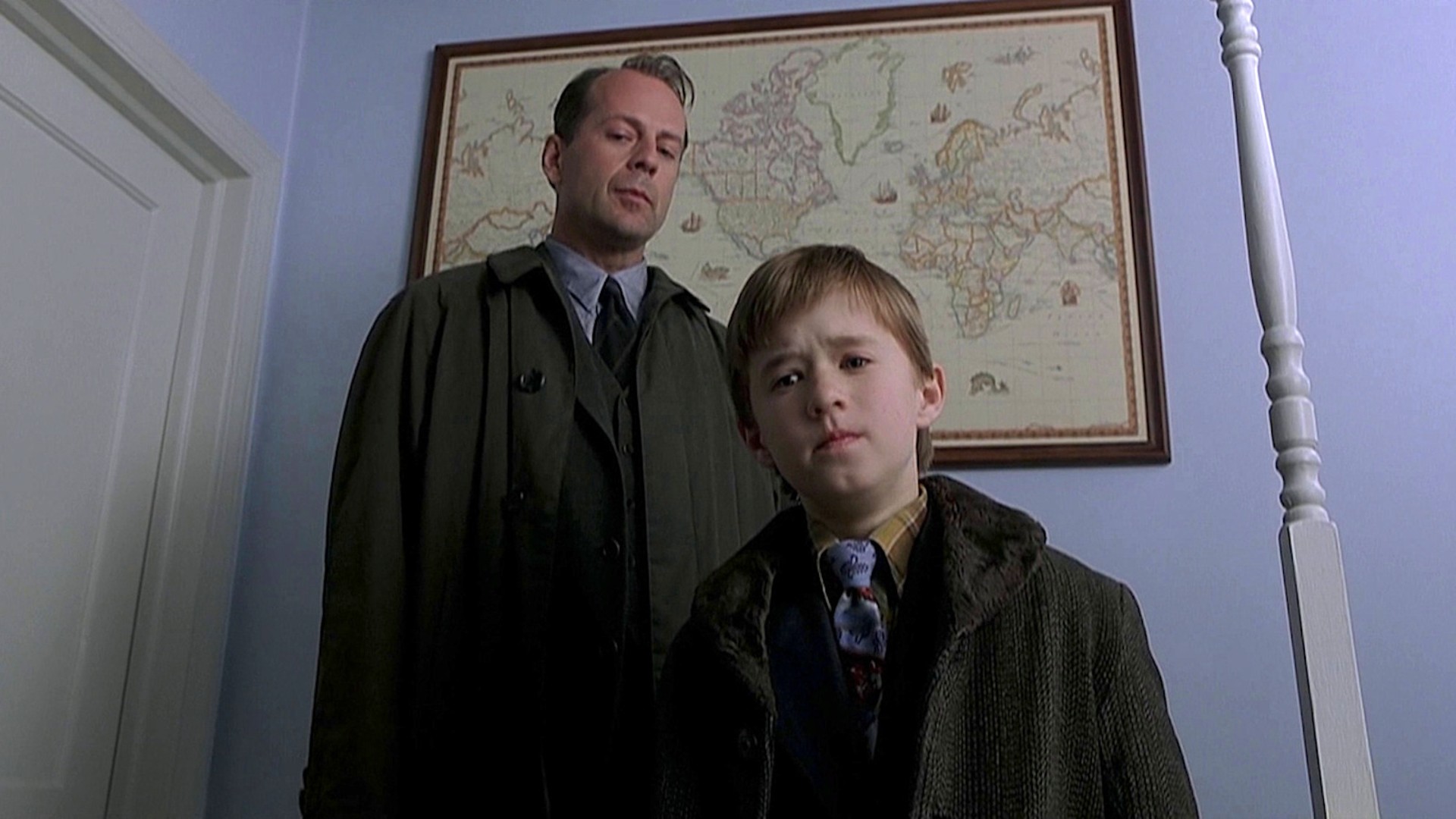
6. The Sixth Sense (1999)
Malcolm Crowe, a child psychologist seeking redemption after a past failure, works with a young boy named Cole who is terrified by his ability to see and communicate with the dead. Throughout the film, Malcolm struggles to balance his work with an increasingly cold, distant relationship with his wife. The revelation that Malcolm was actually killed in the film’s prologue—and has been a ghost the entire time—recontextualizes every previous scene. The "distance" in his marriage is revealed to be the literal divide between life and death. This twist uses meticulous misdirection and visual cues to turn a psychological drama into a chilling realization about grief, unfinished business, and moving on.
5. The Usual Suspects (1995)
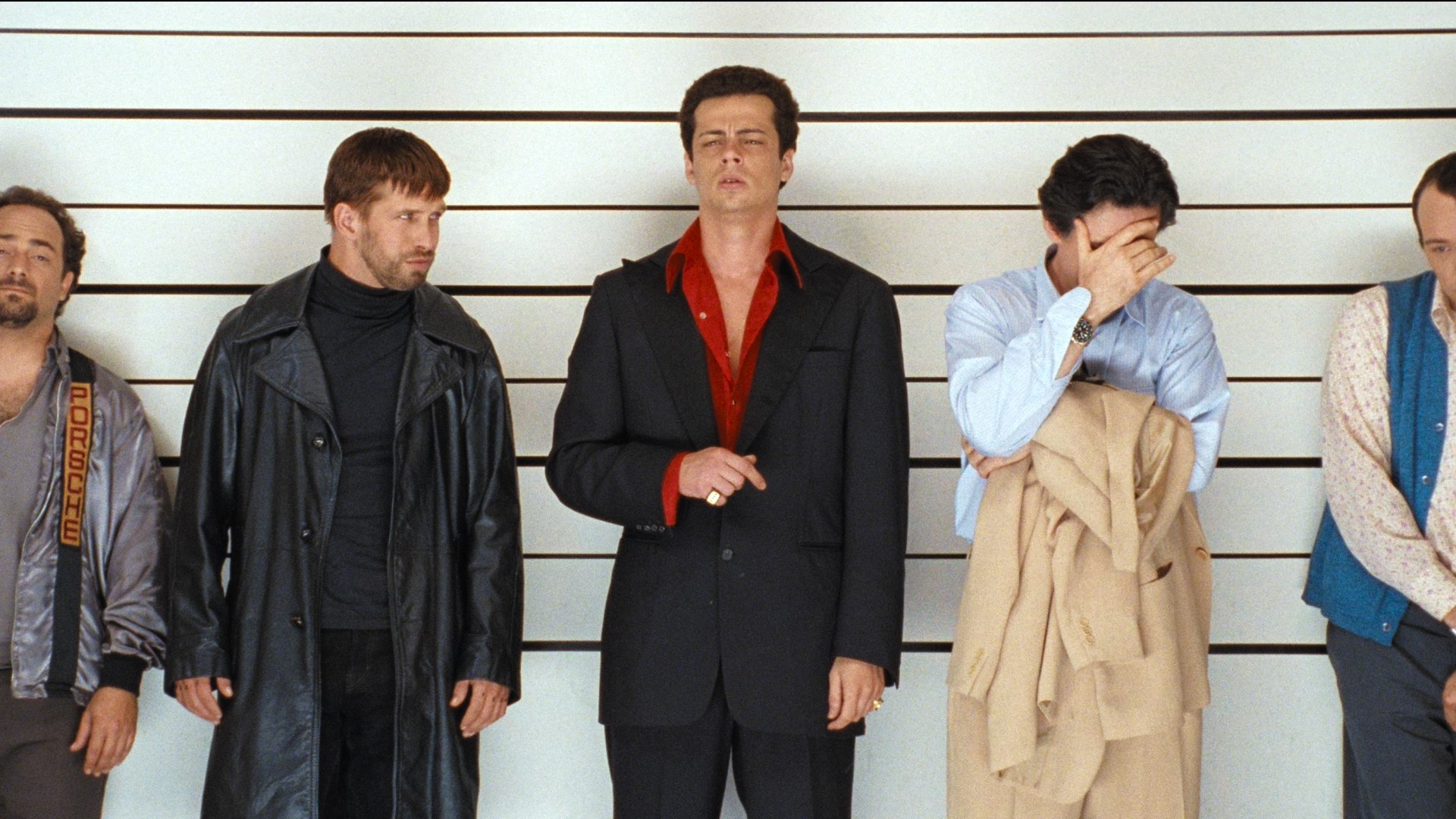
A police investigator interrogates "Verbal" Kint, a low-level con artist with cerebral palsy and the sole survivor of a bloody shipboard massacre involving five career criminals. Kint spins an elaborate tale about the group being coerced by a legendary, invisible crime lord named Keyser Söze. As Kint walks out of the police station, his distinctive limp disappears, and his palsied hand becomes steady, signaling he is far more capable than he appeared. Simultaneously, the detective realizes that the names and locations in Kint’s story were improvised from random labels on the office bulletin board. This masterclass in misdirection proves that the audience and the investigator were both victims of a perfect con, executed by Söze himself.
4. It’s a Wonderful Life (1946)
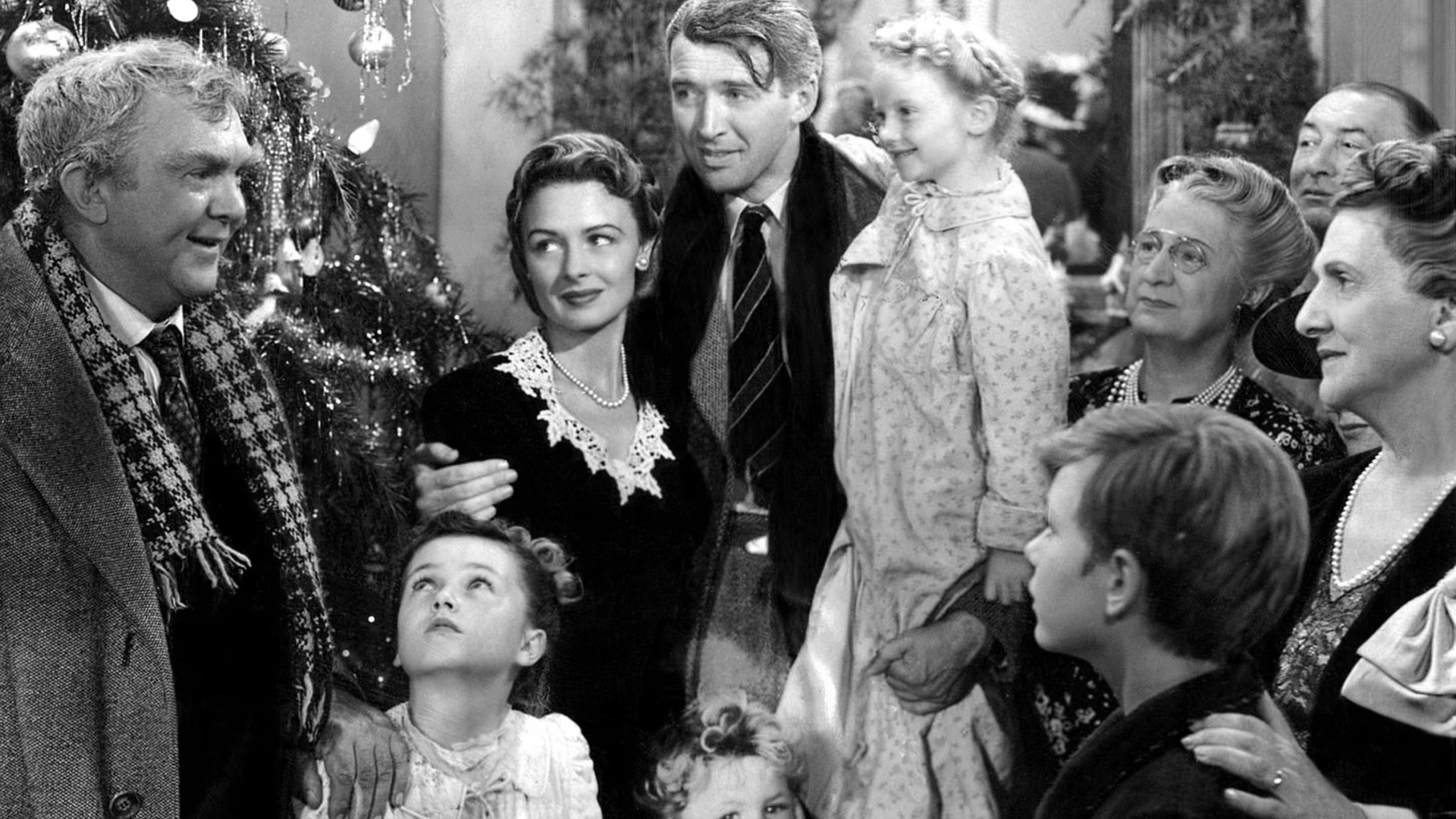
George Bailey has spent his life sacrificing his personal ambitions for the benefit of his neighbors in Bedford Falls. On Christmas Eve, facing financial ruin and disgrace, he contemplates suicide until a guardian angel named Clarence intervenes, showing him a dark, alternate reality where he was never born. Upon realizing the profound impact he has had on his community, George returns to his life with renewed gratitude. The finale sees the townspeople rally to donate their own money to save his business, proving that "no man is a failure who has friends." The sound of a bell ringing on the tree—signaling Clarence finally earned his wings—caps the story with an enduring message about the intrinsic value of an ordinary life.

3. Casablanca (1942)
Rick Blaine, a cynical American expatriate running a nightclub in WWII Morocco, finds his neutrality shattered when his former lover, Ilsa Lund, arrives with her husband, Resistance leader Victor Laszlo. Rick must choose between his lingering love for Ilsa and the chance to help Victor escape the Nazis to continue the fight. At the fog-shrouded airport, Rick chooses noble sacrifice, putting Ilsa on the plane with Victor after famously explaining that the "problems of three little people don't amount to a hill of beans" compared to the global conflict. By shooting Major Strasser to ensure their safety and walking into the mist with Captain Renault, Rick completes a definitive arc from self-interest to heroic commitment.
2. The Lord of the Rings: The Return of the King (2003)
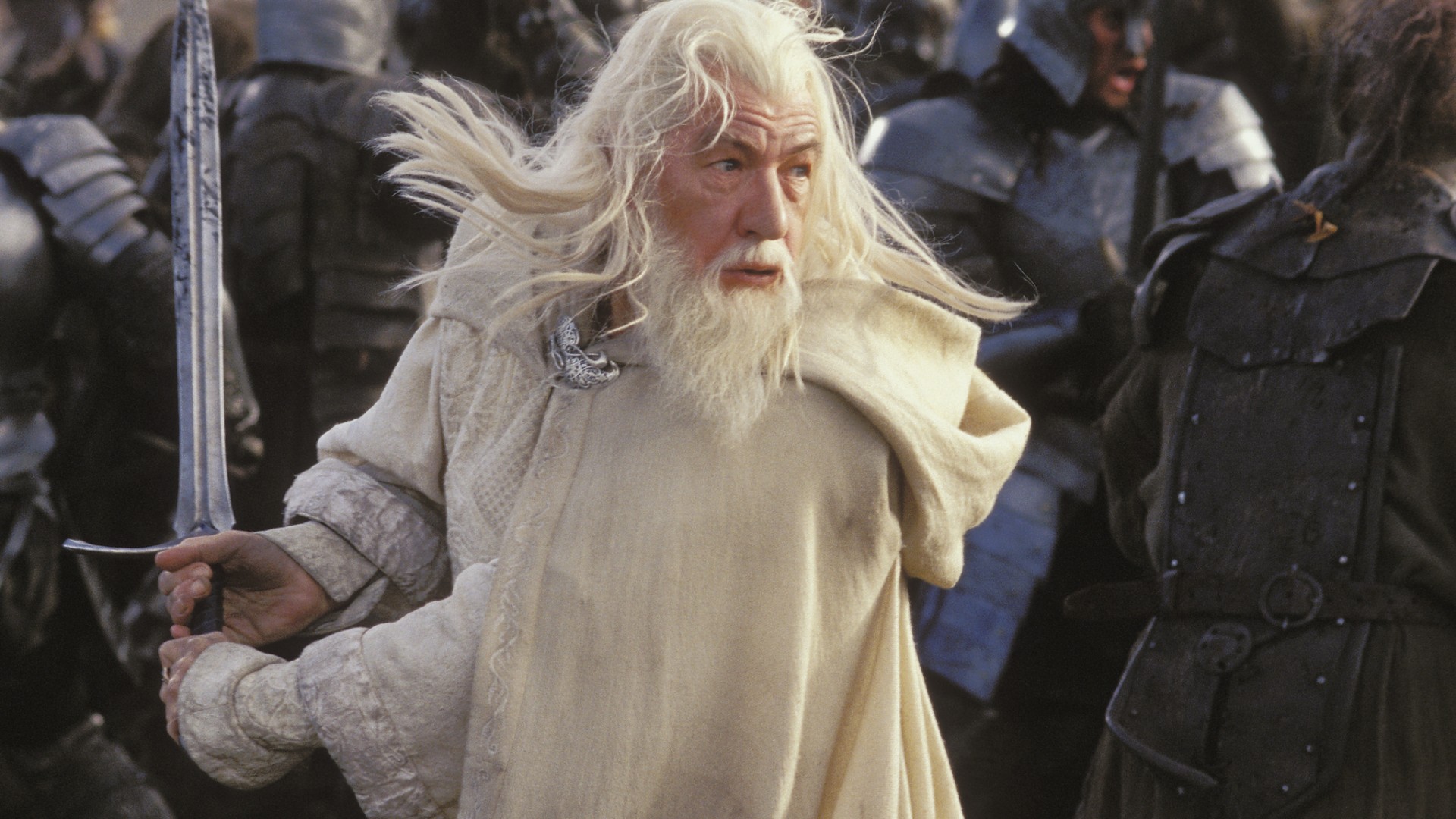
This epic conclusion tracks the final stand of the free peoples of Middle-earth as Aragorn leads an army to the Black Gate to distract Sauron’s forces, allowing Frodo and Sam to reach Mount Doom to destroy the One Ring. Following the Ring's destruction and the fall of the Dark Lord, the story concludes with a series of poignant codas: Aragorn’s coronation, the Hobbits' return to a Shire they no longer fit into, and Frodo’s eventual departure to the Undying Lands. By refusing to provide a purely joyful resolution, the film acknowledges that Frodo’s physical and psychological scars are too deep for a normal life. This bittersweet farewell ties up the massive saga by honoring the personal cost of war and the inevitability of change.
1. The Shawshank Redemption (1994)
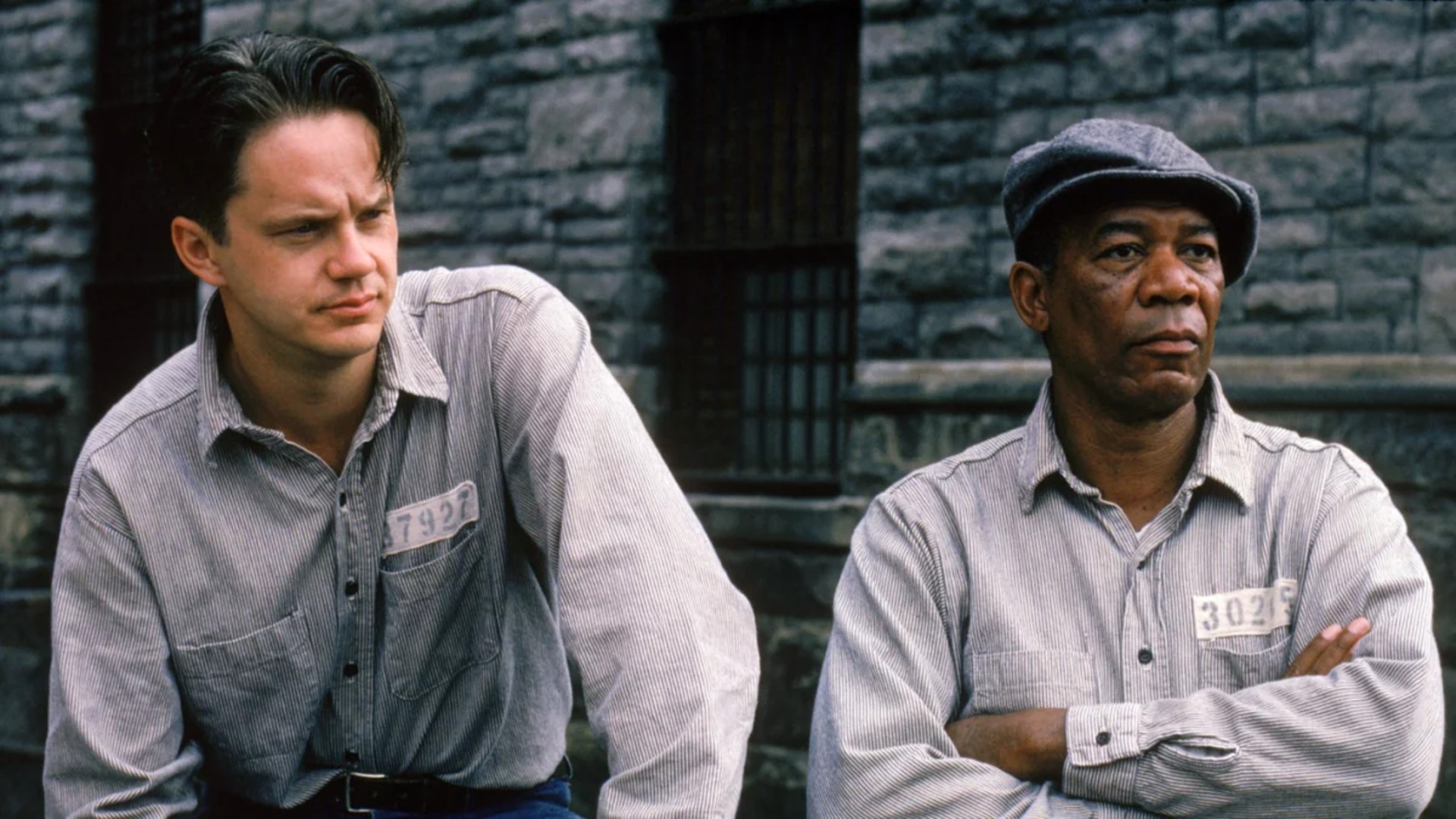
Andy Dufresne, a banker wrongfully convicted of murder, survives nearly two decades in the brutal Shawshank State Penitentiary by leveraging his financial expertise to aid corrupt officials while forming a deep bond with "Red," the prison's veteran smuggler. After a meticulous escape through a sewage pipe, the narrative shifts to Red’s struggle with life outside prison after his eventual parole. Following a series of clues left by Andy, Red travels to Buxton, Maine, where he finds a letter and money that lead him across the border to Mexico. The final shot of the two men reuniting on a sun-drenched beach in Zihuatanejo provides a powerful moment of catharsis, validating the film's central theme that hope is the ultimate survival tool and offering a rare, earned sense of freedom after a lifetime of confinement.