My Top 10 Movie Masterpieces You Have Probably Never Seen Before
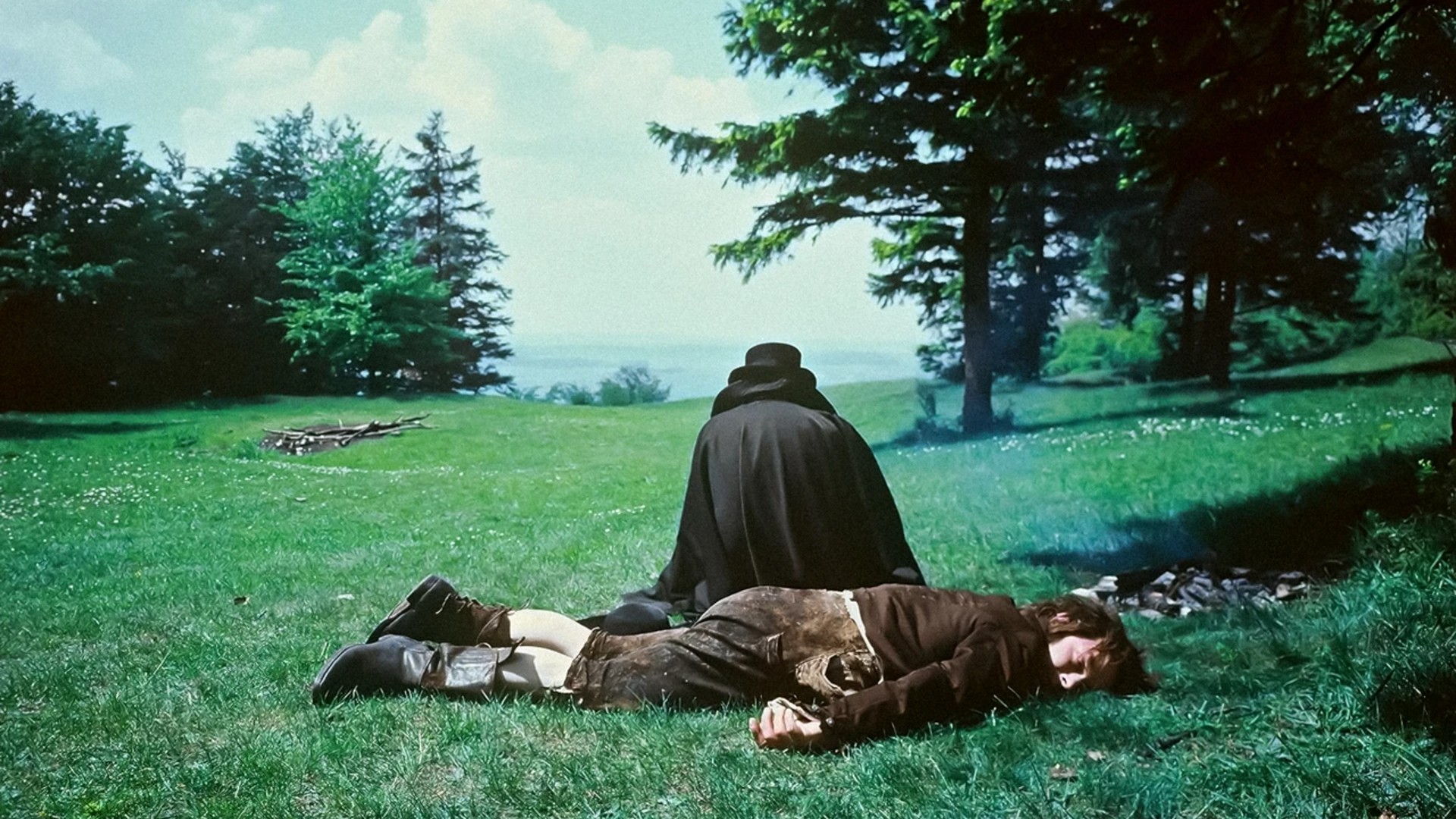
10. The Enigma of Kaspar Hauser (1974)
Werner Herzog was perhaps the only director capable of capturing this bizarre true story with the necessary level of empathy and strangeness. A young man, Kaspar Hauser, who was kept in total isolation for most of his life, is suddenly found on the streets of Nuremberg in 1828. The film follows his struggle to integrate into a society that ranges from curious to cruel. Herzog cast Bruno S., a man with no acting experience who had spent much of his own life in mental institutions. His bewildered, mystified performance is hauntingly authentic. The film’s original German title, "Every Man for Himself and God Against All," perfectly captures its existential weight.
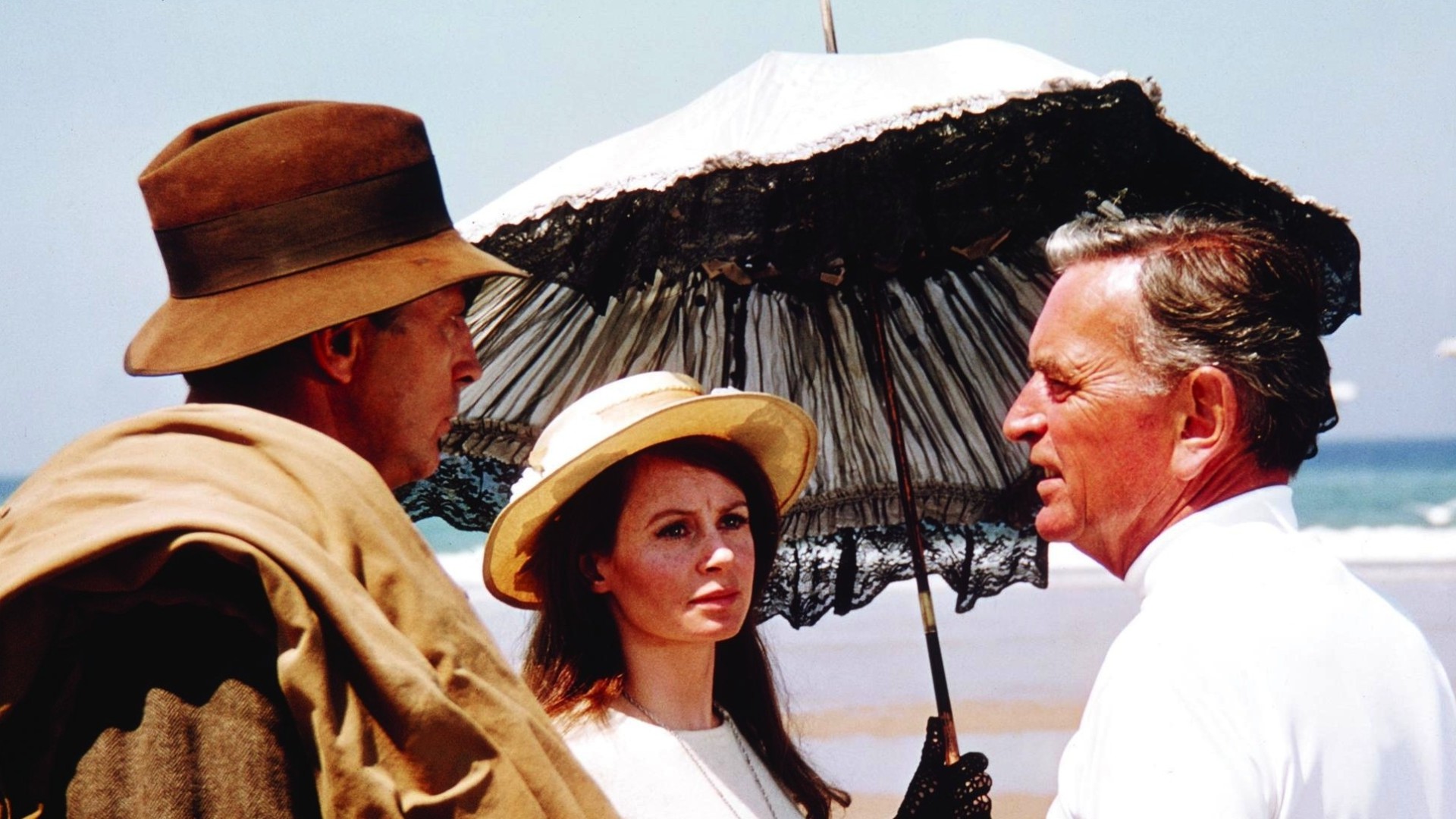
9. Ryan’s Daughter (1970)
Following a legendary run of epics like Lawrence of Arabia, director David Lean created this "intimate epic" that was often unfairly compared to his previous massive hits. Set in a small Irish village during WWI, it follows the young, romantic Rosy Ryan as she enters a dull marriage with a schoolteacher (Robert Mitchum) and begins a scandalous affair with a British officer. It features Lean’s hallmark: stunning cinematography. The rocky Irish shores provide a massive, beautiful backdrop for a very personal story of boredom and betrayal. Seeing the usually tough Robert Mitchum play against type as a fastidious, quiet man is a rare treat.
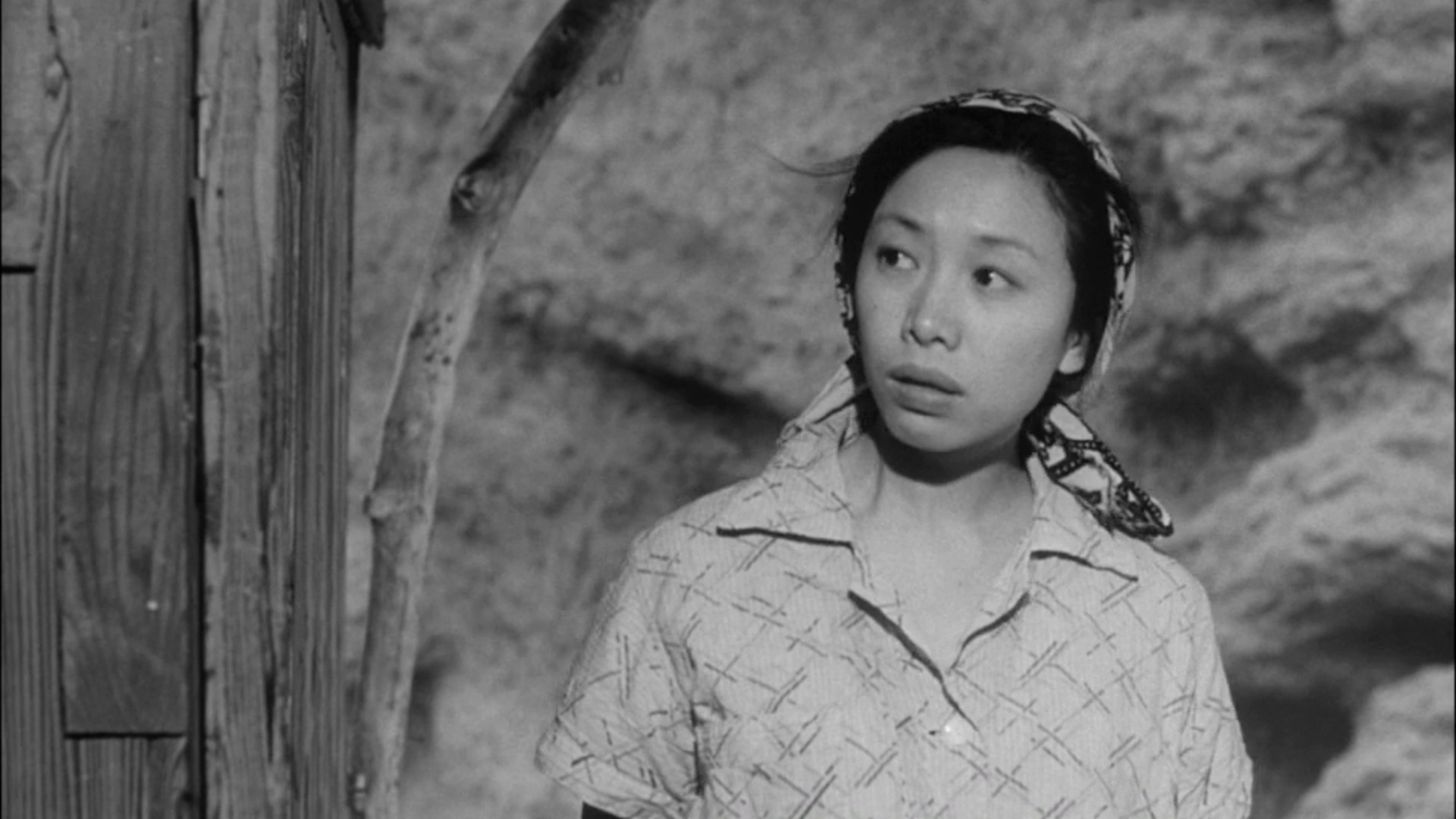
8. Woman in the Dunes (1964)
Directed by Hiroshi Teshigahara, this Japanese classic is a visually hypnotic masterclass in metaphor and character study. An amateur entomologist hunting for insects misses his bus and stays the night in a sand pit with a local widow. He wakes up to find his ladder gone and his life now devoted to the endless task of shoveling sand to keep the house from being buried. The black-and-white cinematography of the wind-blown dunes is breathtaking. It serves as a rich allegory for the futility of human existence and the power dynamics between men and women, asking whether "purpose" is something we find or something we are forced into.
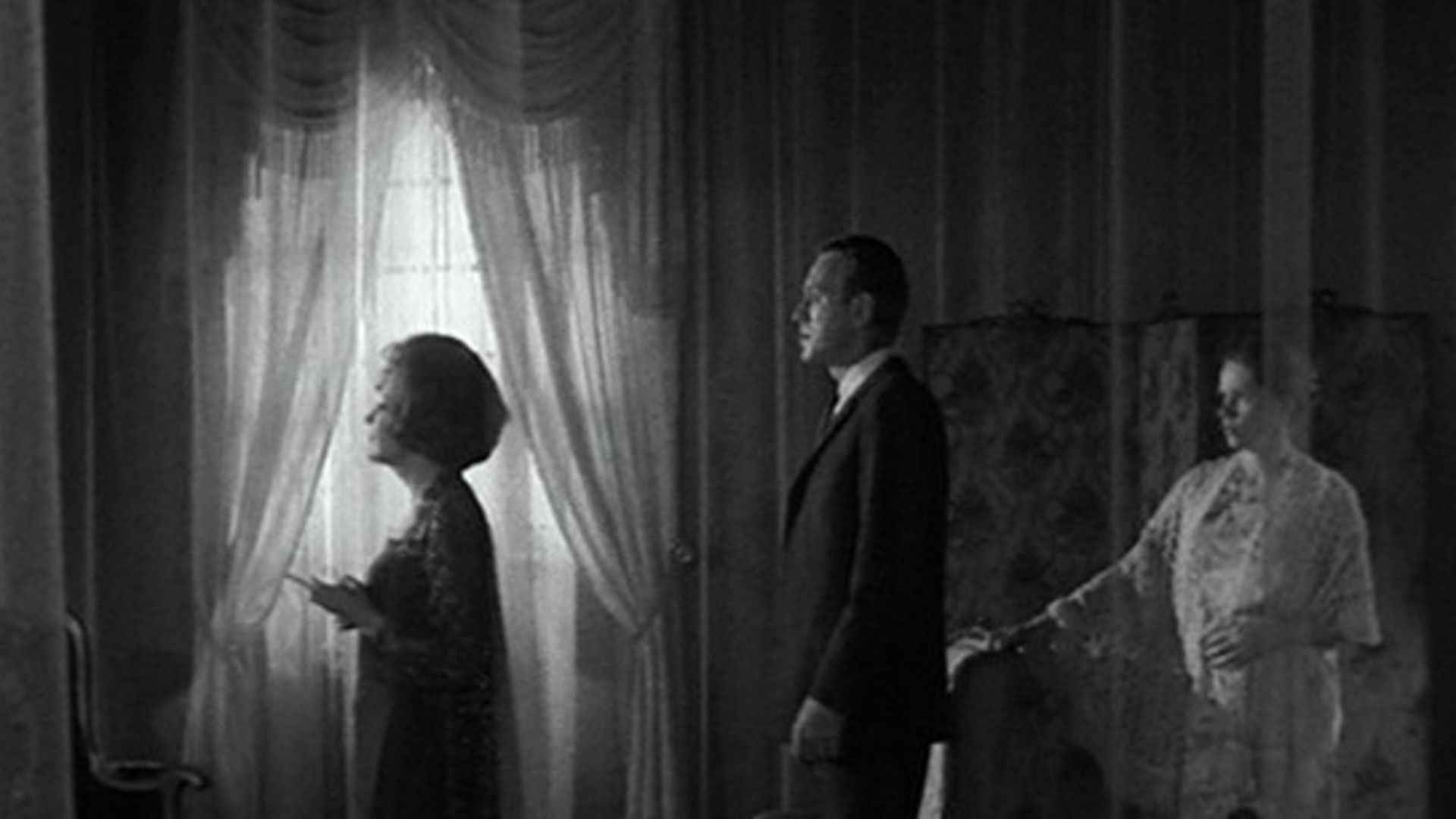
7. Hour of the Wolf (1968)
This is the only true horror film in the massive catalog of legendary director Ingmar Bergman, making it a fascinating outlier for fans of his work. An artist (Max von Sydow) and his wife retreat to a remote island where he begins to suffer from increasing delusions and insomnia, eventually being haunted by a group of "demons" that may or may not be real. While many Bergman films have horrific moments, this one is immersed in dread from start to finish. It is full of bizarre, terrifying imagery that explores the collapse of the artistic mind. It remains a high-ranking classic on the British Film Institute’s polls for its psychological depth and visceral terror.
6. The Trial (1962)
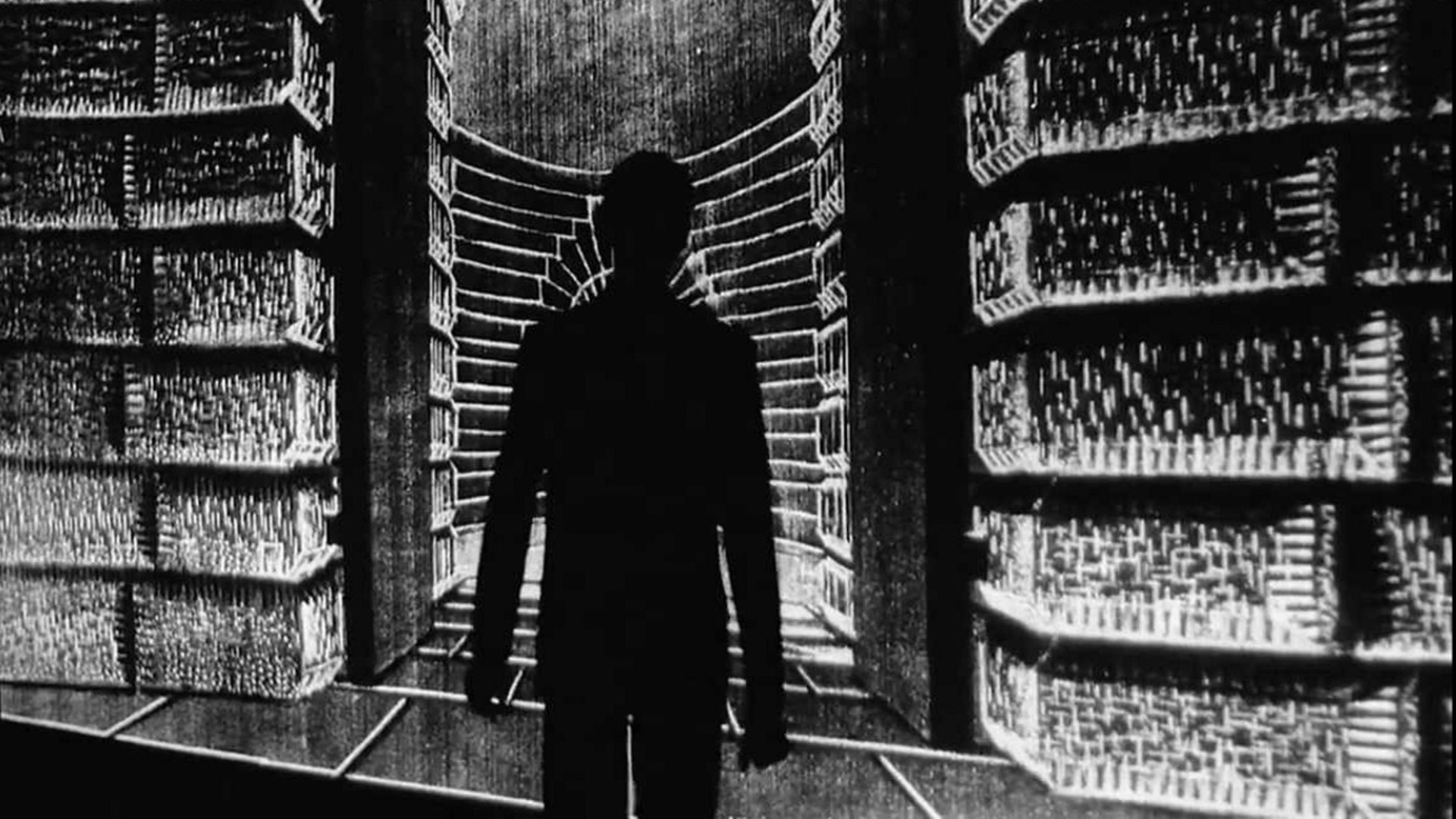
Directed by Orson Welles, this film carries the highest possible recommendation: Welles himself called it the best film he ever made—surpassing even Citizen Kane. Based on Franz Kafka’s novel, it follows Josef K. (Anthony Perkins) as he is arrested and prosecuted by a remote, inaccessible authority for a crime that is never revealed to him. It is a "waking nightmare" captured on film. Welles was given complete creative control, resulting in a surrealist landscape where door sizes change and logic dissolves. It is an unforgettable experience that feels like Alice in Wonderland for adults.
5. Kwaidan (1964)
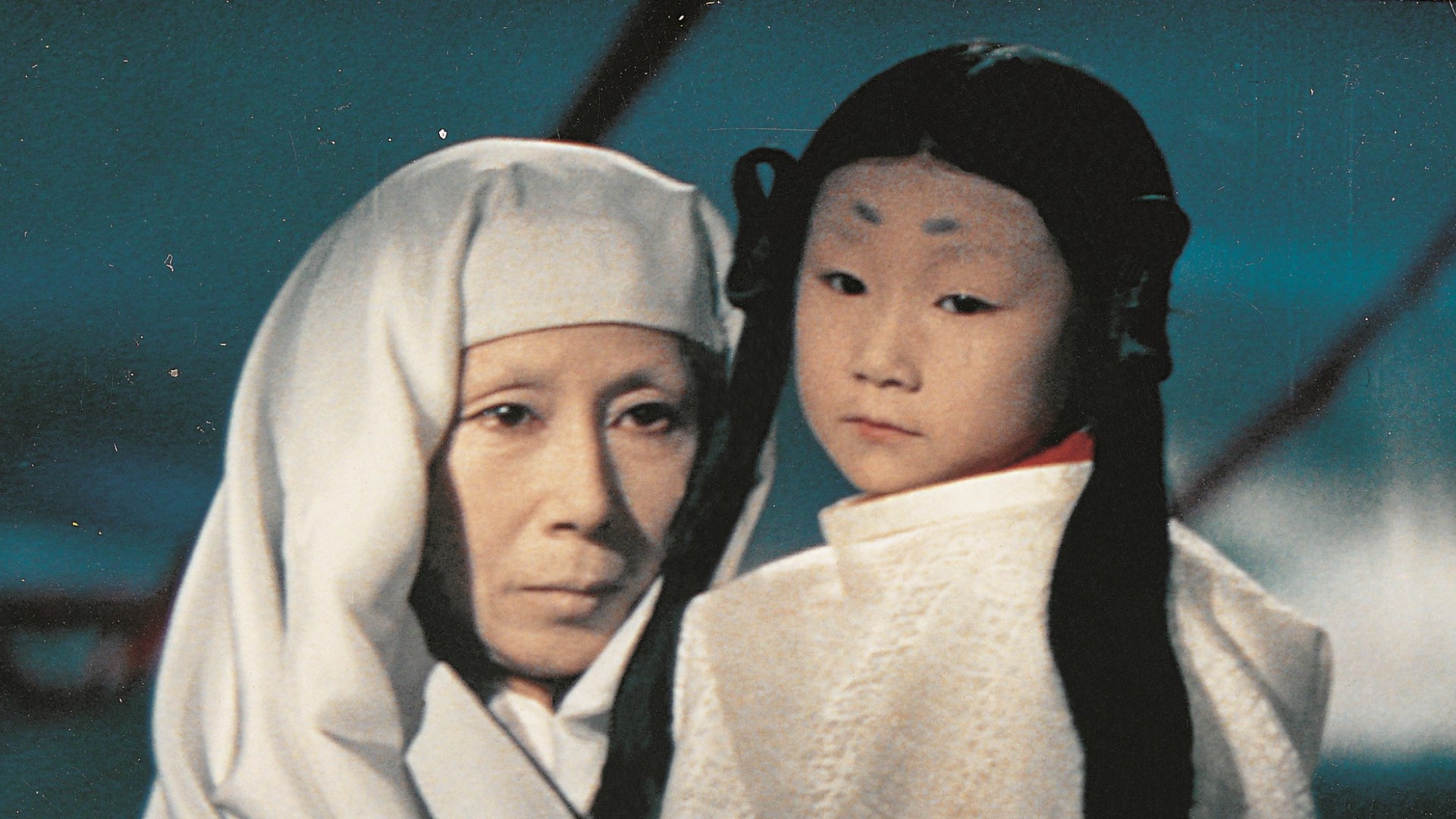
Masaki Kobayashi’s horror anthology is perhaps the most visually stunning film of its kind. Its title literally translates to "ghost story." The film consists of four distinct tales: "The Black Hair," "The Woman of the Snow," "Hoichi the Earless," and "In a Cup of Tea." Every frame looks like a meticulously painted work of art. It is a slow, deliberate film that relies on atmosphere and style rather than cheap jump scares. It is sophisticated horror that engages the intellect while dazzling the eyes.
4. After Hours (1985)
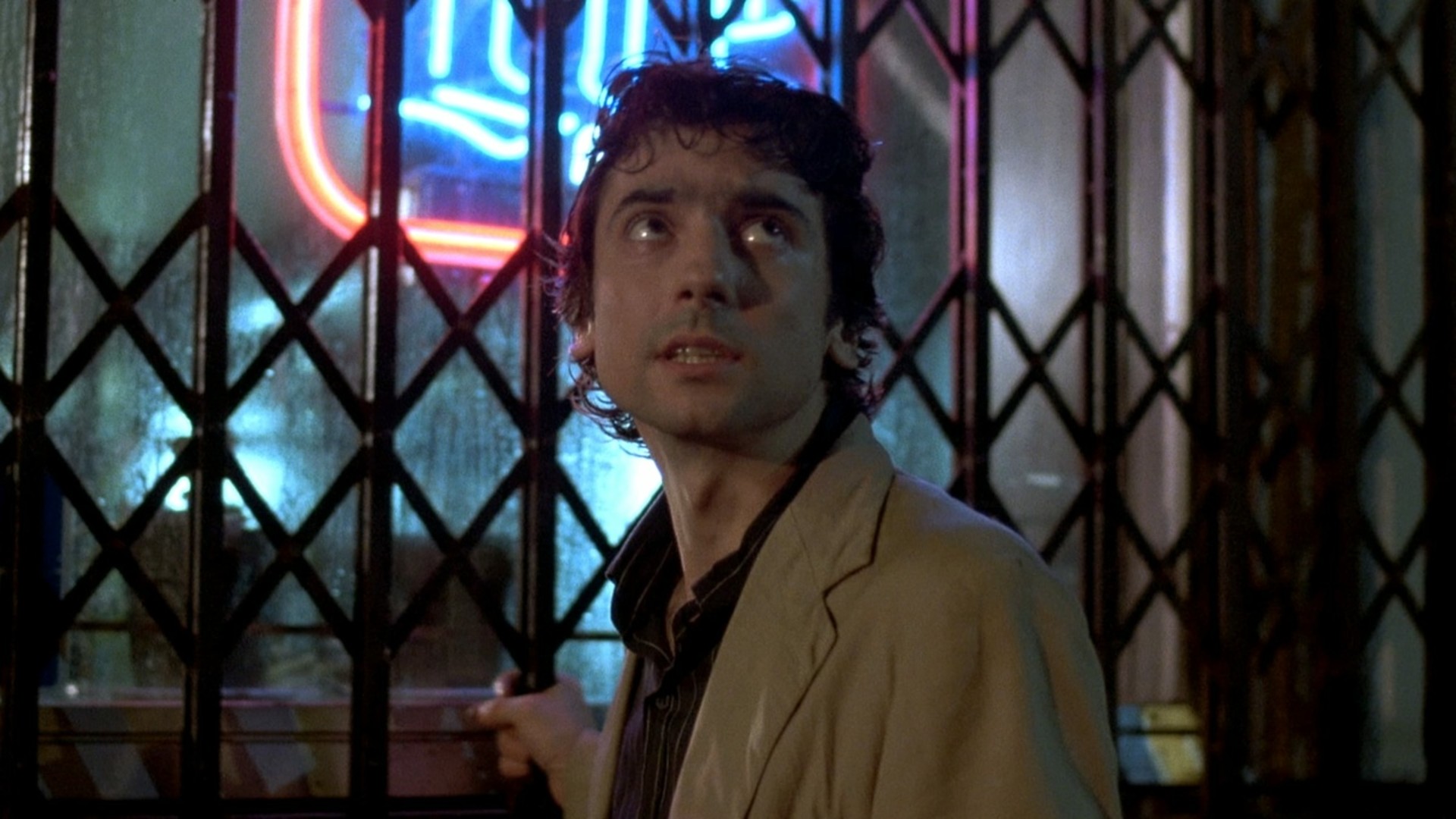
While Martin Scorsese is famous for his mob epics, this dark comedy is a "Kafkaesque" masterpiece that remains bafflingly ignored by mainstream audiences. A bored word processor (Griffin Dunne) goes on a simple date in Manhattan that spirals into a surreal, night-long nightmare of bizarre events and eccentric characters. It perfectly captures the frustration of a "straight man" trapped in an irrational world. It is highly intelligent, thrilling, and features unforgettable cameos by stars like Catherine O'Hara and Cheech & Chong.
3. Jude (1996)
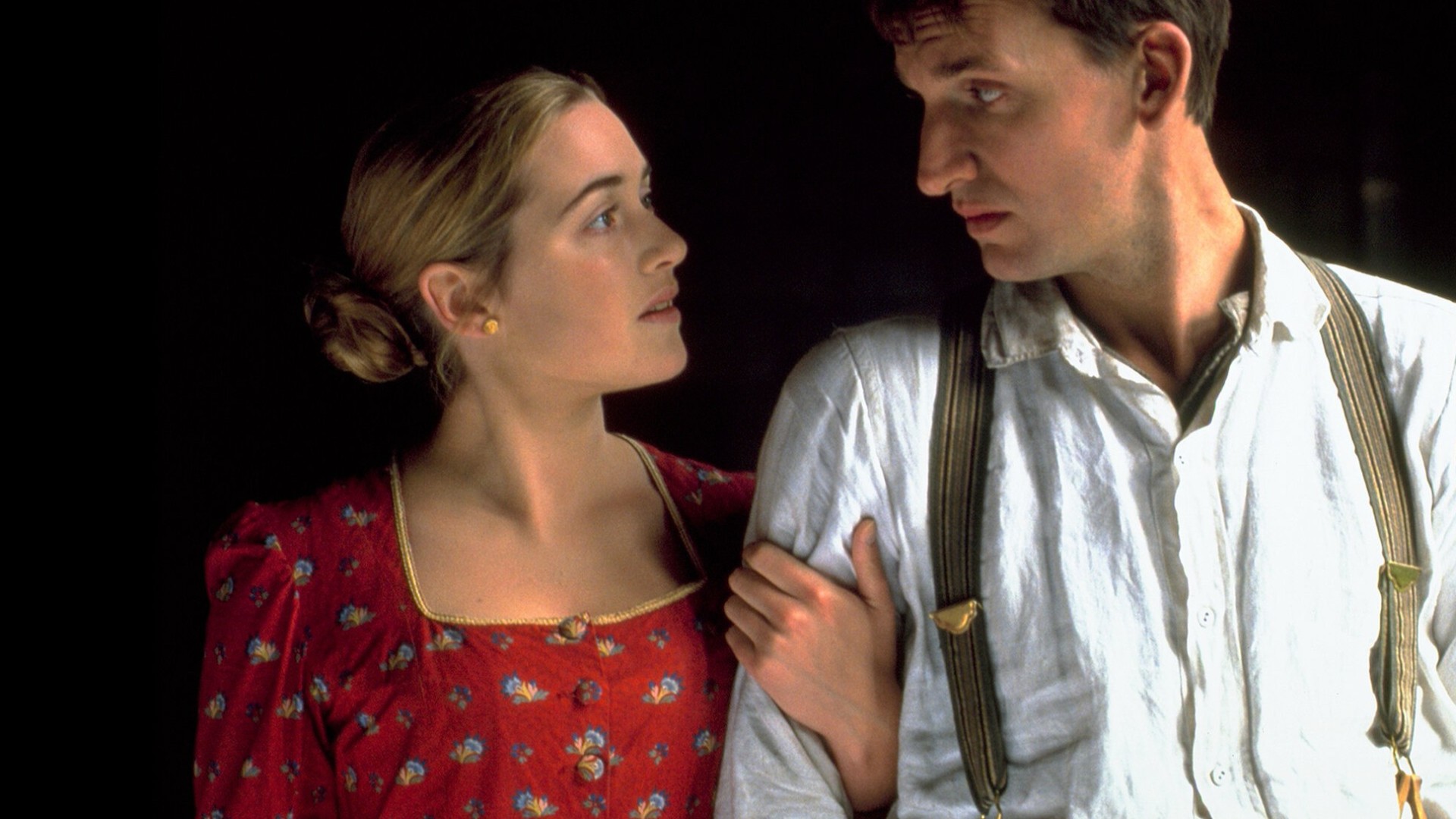
Director Michael Winterbottom takes Thomas Hardy’s bleak novel Jude the Obscure and turns it into a visually rich and emotionally devastating cinematic experience. Jude (Christopher Eccleston) is a working-class man striving to break into the academic world of Victorian England, only to be crushed by the era's rigid class prejudices. It features a brilliant early performance by Kate Winslet and a modern yet period-accurate soundtrack. Eccleston considers it the film he would "stand by" above all others. Look closely for a scene featuring both Christopher Eccleston and David Tennant—two future stars of Doctor Who.
2. The Idiot (1951)
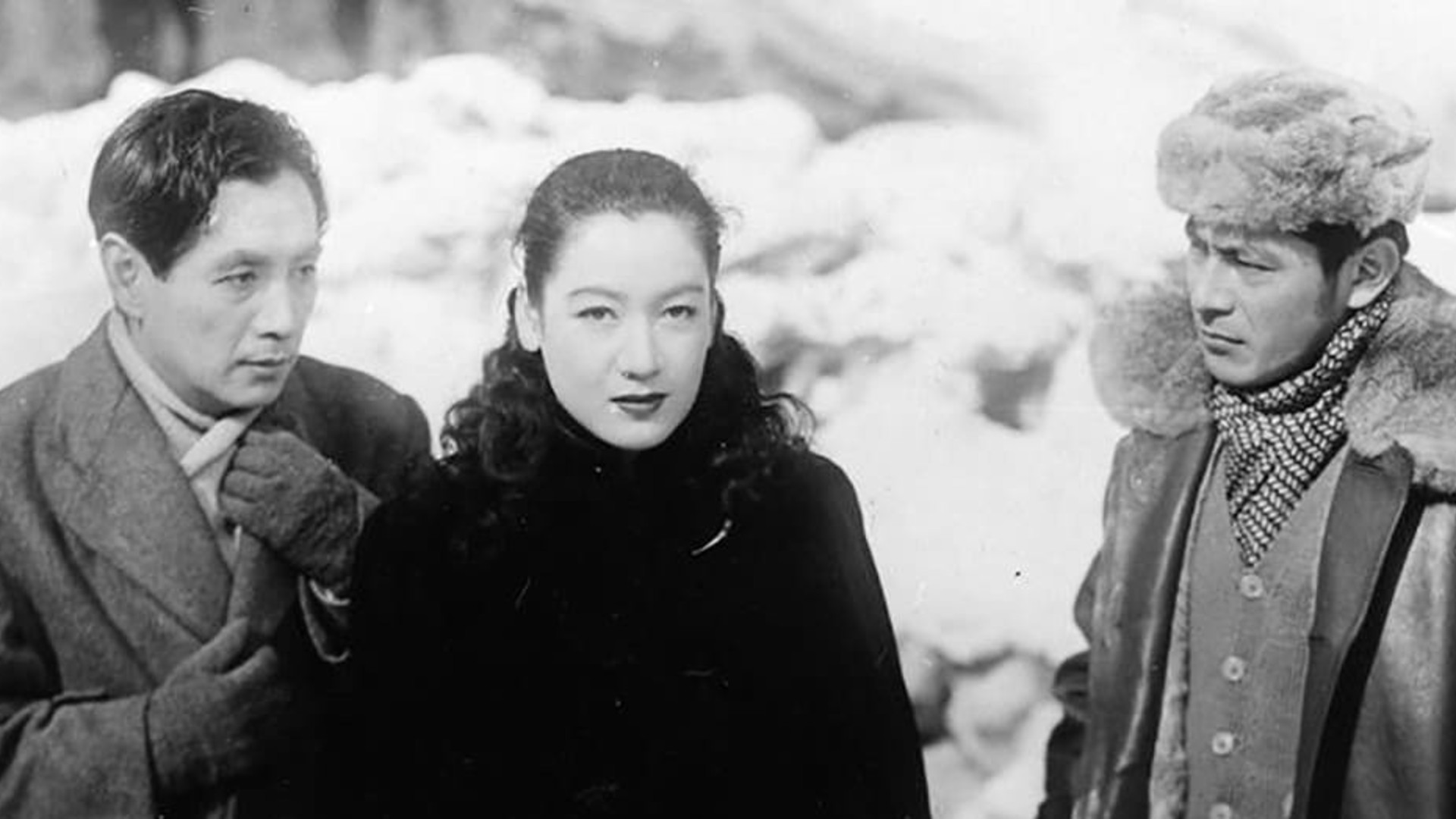
Akira Kurosawa considered this adaptation of Dostoevsky’s novel one of his most important works, though it suffered a tragic 100-minute cut by the studio. Set in post-war Japan, the "idiot" is a man whose extreme honesty and selfless nature are mistaken for a lack of intelligence by a cynical society. Despite the missing footage, the film remains a profound exploration of human existence. Toshiro Mifune and Masayuki Mori deliver iconic performances that capture the raw spirit of the original Russian literature Kurosawa loved so dearly.
1. A Face in the Crowd (1957)
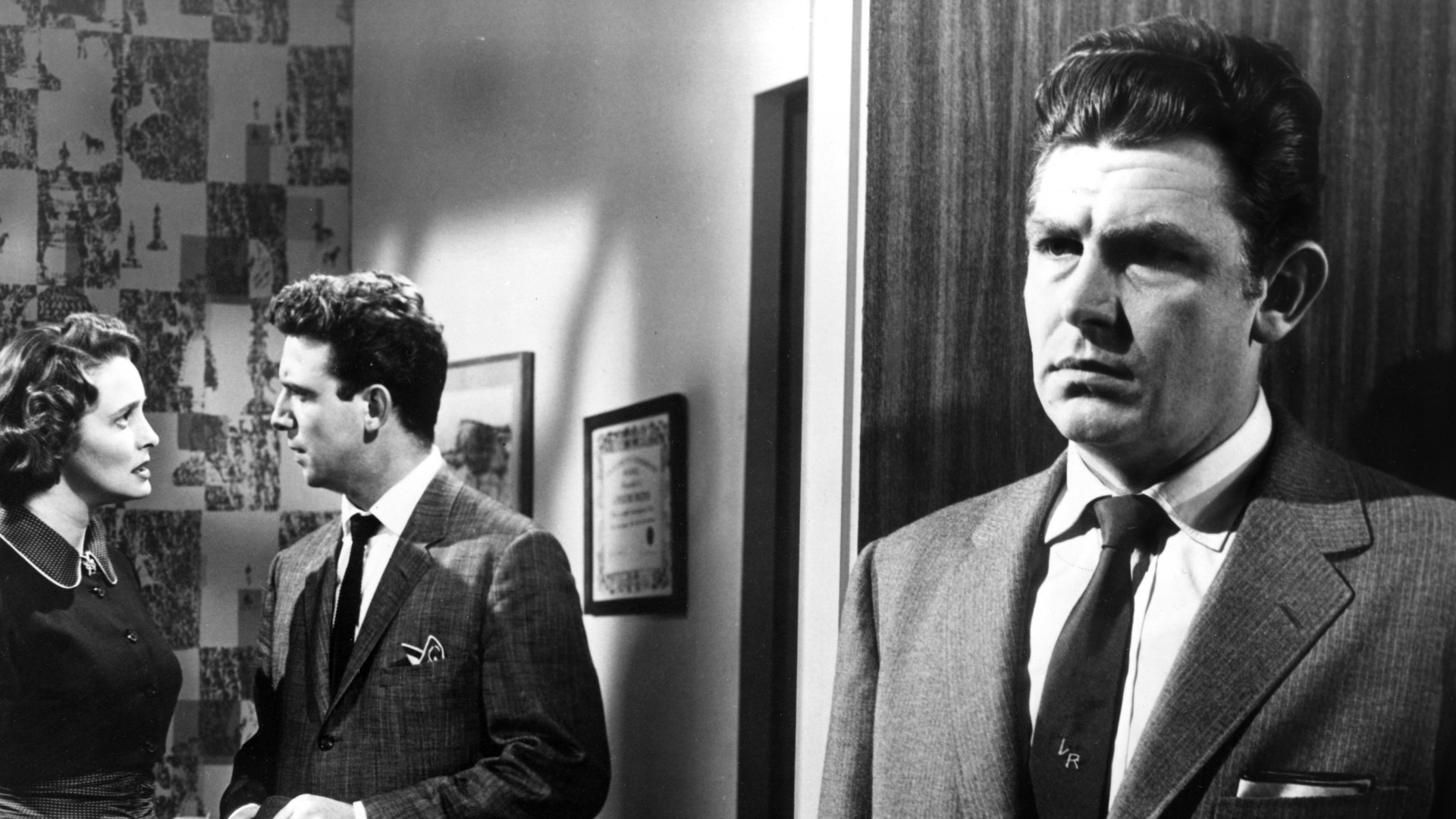
Directed by the legendary Elia Kazan, this film features a performance by Andy Griffith that will completely erase any memory of his wholesome persona in The Andy Griffith Show. Griffith plays "Lonesome" Rhodes, a charismatic, drunken drifter discovered by a radio producer. He quickly evolves into a television sensation with the terrifying power to manipulate public opinion and political landscapes. It is an eerie prophecy of the modern media-driven political world. It explores the toxic nature of unbridled ambition and the self-destructive tendencies of hypocrisy. As François Truffaut noted, its importance "transcends the dimensions of a cinema review."