Most Critically Acclaimed American Horror Story Episodes Ranked
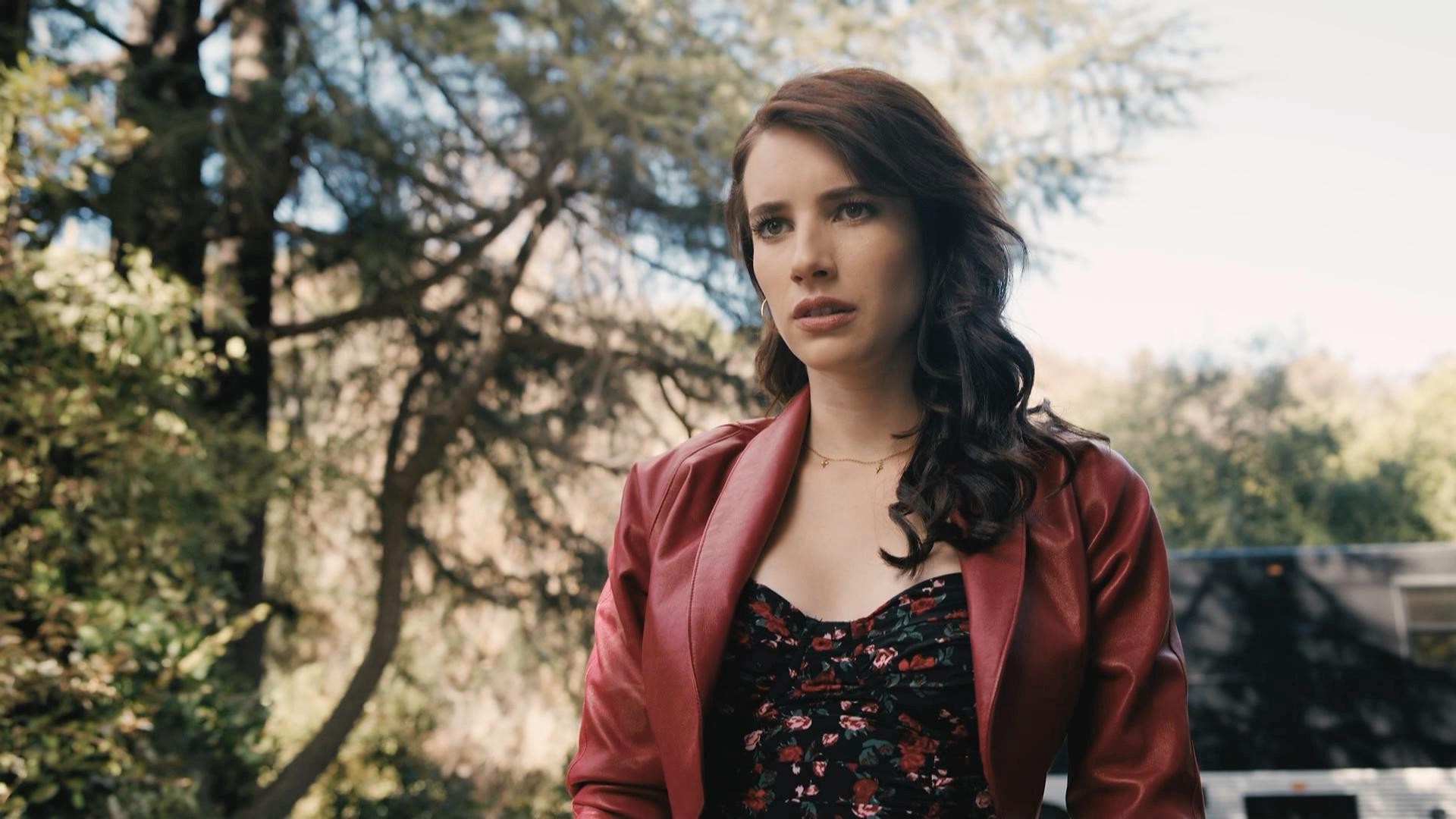
10. Final Girl (Season 9, Episode 9) – Rating: 8.3
The 1984 season finale ties together the slasher-inspired narrative with an emotional conclusion. Directed by John J. Gray and written by Crystal Liu, it follows the survivors decades later as they confront the ghosts of Camp Redwood. The episode explores legacy, forgiveness, and the cyclical nature of violence. Set partly in 2019, it bridges 1980s nostalgia with modern reflection. Critics appreciated its heartfelt closure and homage to classic horror tropes.
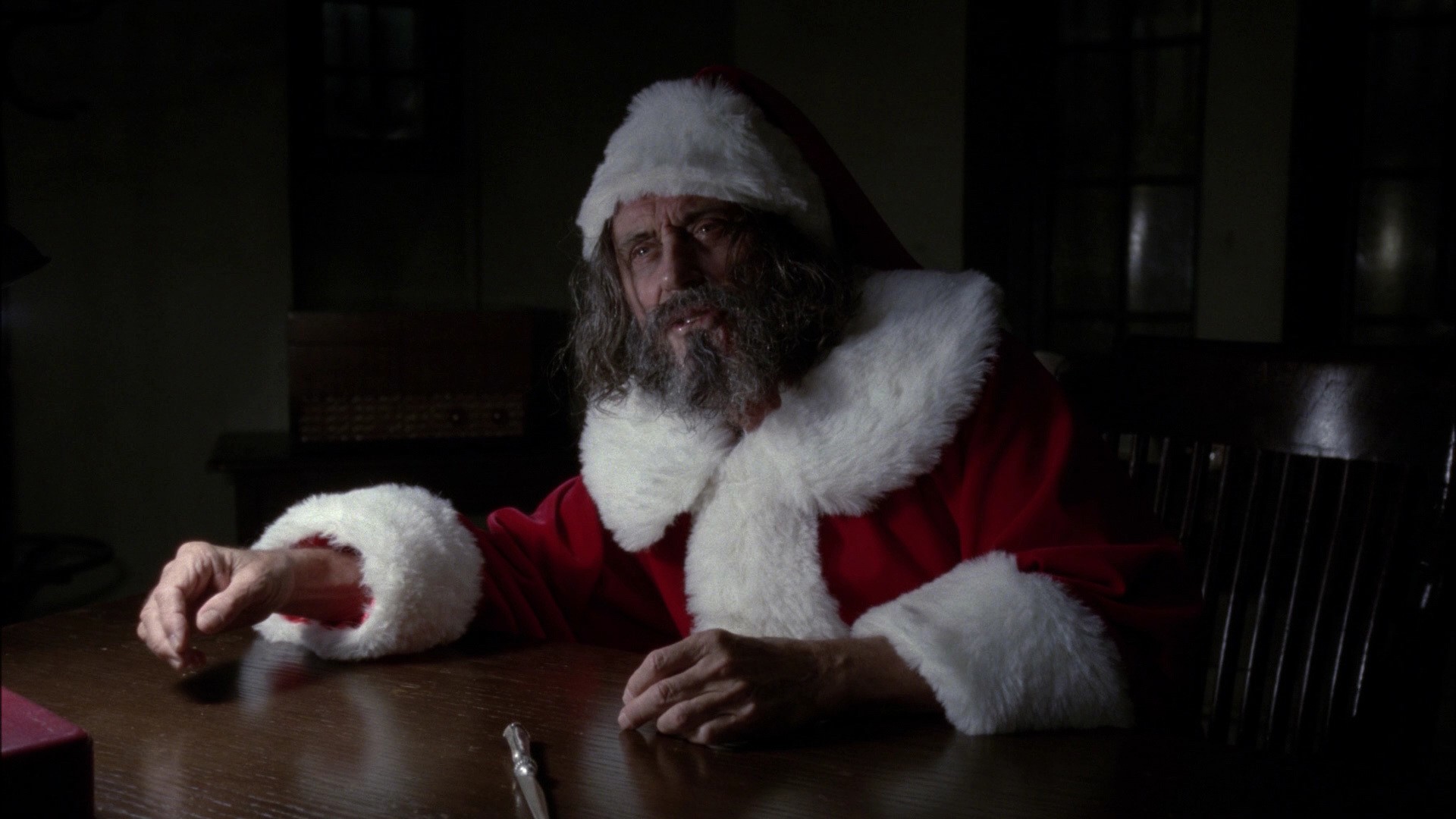
9. Unholy Night (Season 2, Episode 8) – Rating: 8.4
Set during Christmas, this Asylum episode introduces Ian McShane as a psychotic man dressed as Santa Claus. Directed by Michael Lehmann, it juxtaposes festive imagery with brutal horror. The story examines faith, guilt, and redemption through Sister Jude’s ongoing struggle for salvation. Its mix of camp, violence, and psychological tension exemplifies the show’s tonal daring. McShane’s guest performance and the episode’s audacious concept earned critical recognition.
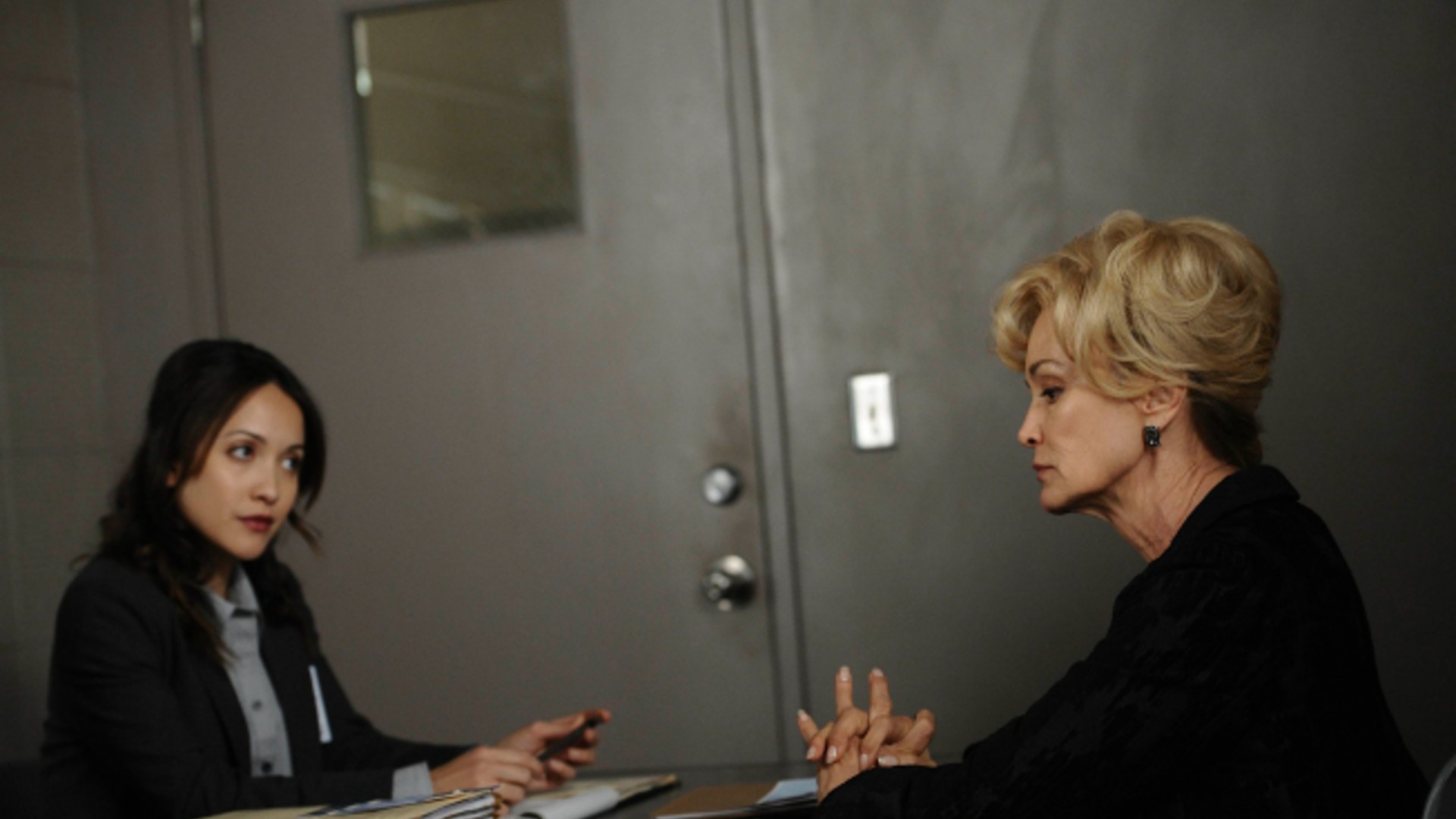
8. Smoldering Children (Season 1, Episode 10) – Rating: 8.4
This Murder House episode delivers one of the series’ major revelations. The truth behind Tate Langdon’s death and the fate of the Harmons. Written by James Wong and directed by Michael Lehmann, it untangles key mysteries about the house’s ghostly inhabitants. The narrative balances emotional tragedy with shocking revelations that redefine earlier episodes. It marks a turning point in the first season’s structure, shifting from mystery to consequence. Viewers commended its tight pacing and satisfying storytelling.
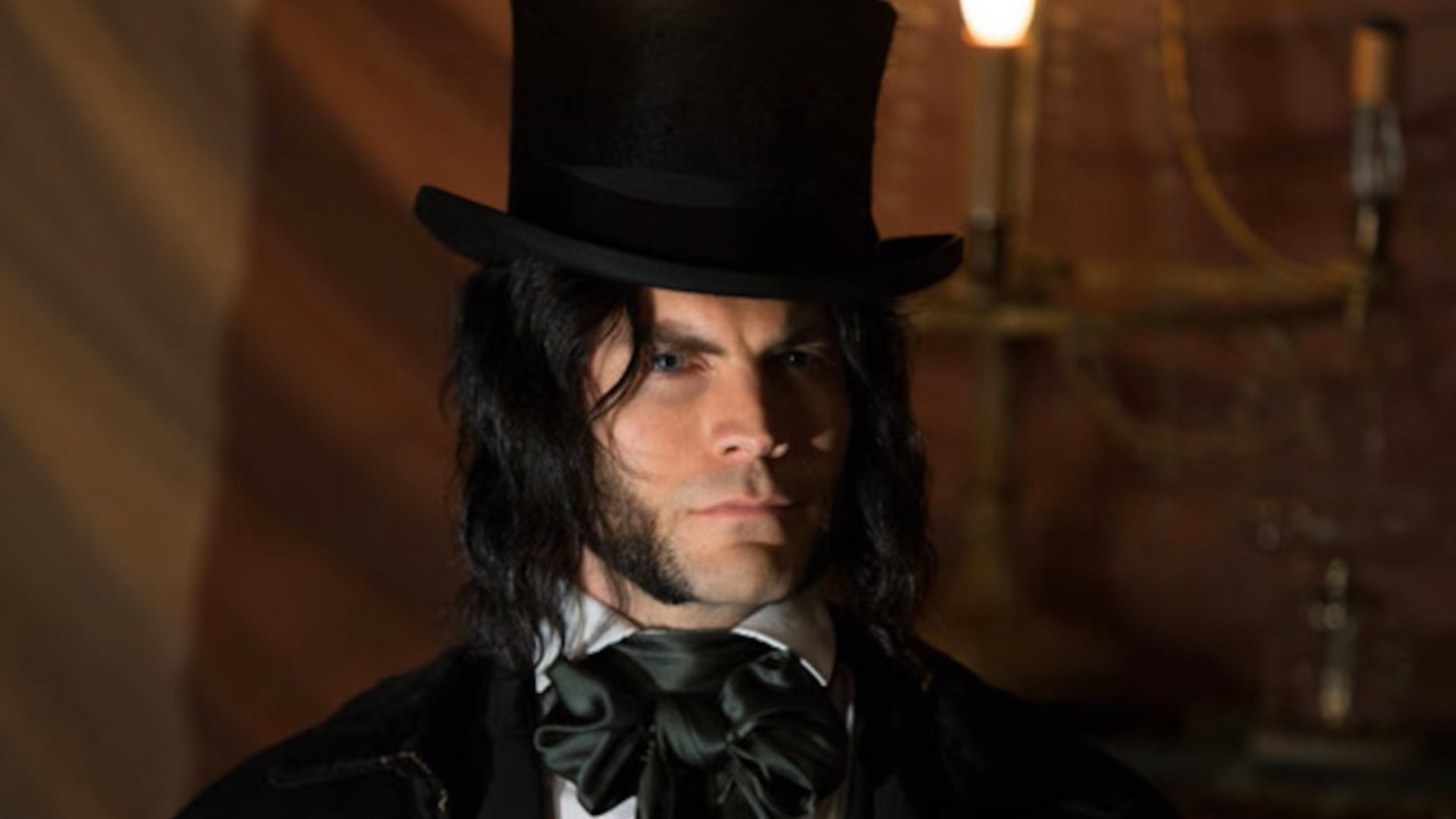
7. Edward Mordrake: Part 2 (Season 4, Episode 4) – Rating: 8.6
The second part of Freak Show’s Halloween special expands on the legend of Edward Mordrake, portrayed by Wes Bentley. The episode reveals the performers’ tragic histories, humanizing the so-called “freaks.” Directed by Howard Deutch and written by James Wong, it also explores Twisty the Clown’s disturbing backstory and ultimate demise. The blend of gothic horror and empathy gives the story emotional weight. It was praised for its atmosphere, storytelling, and character depth.
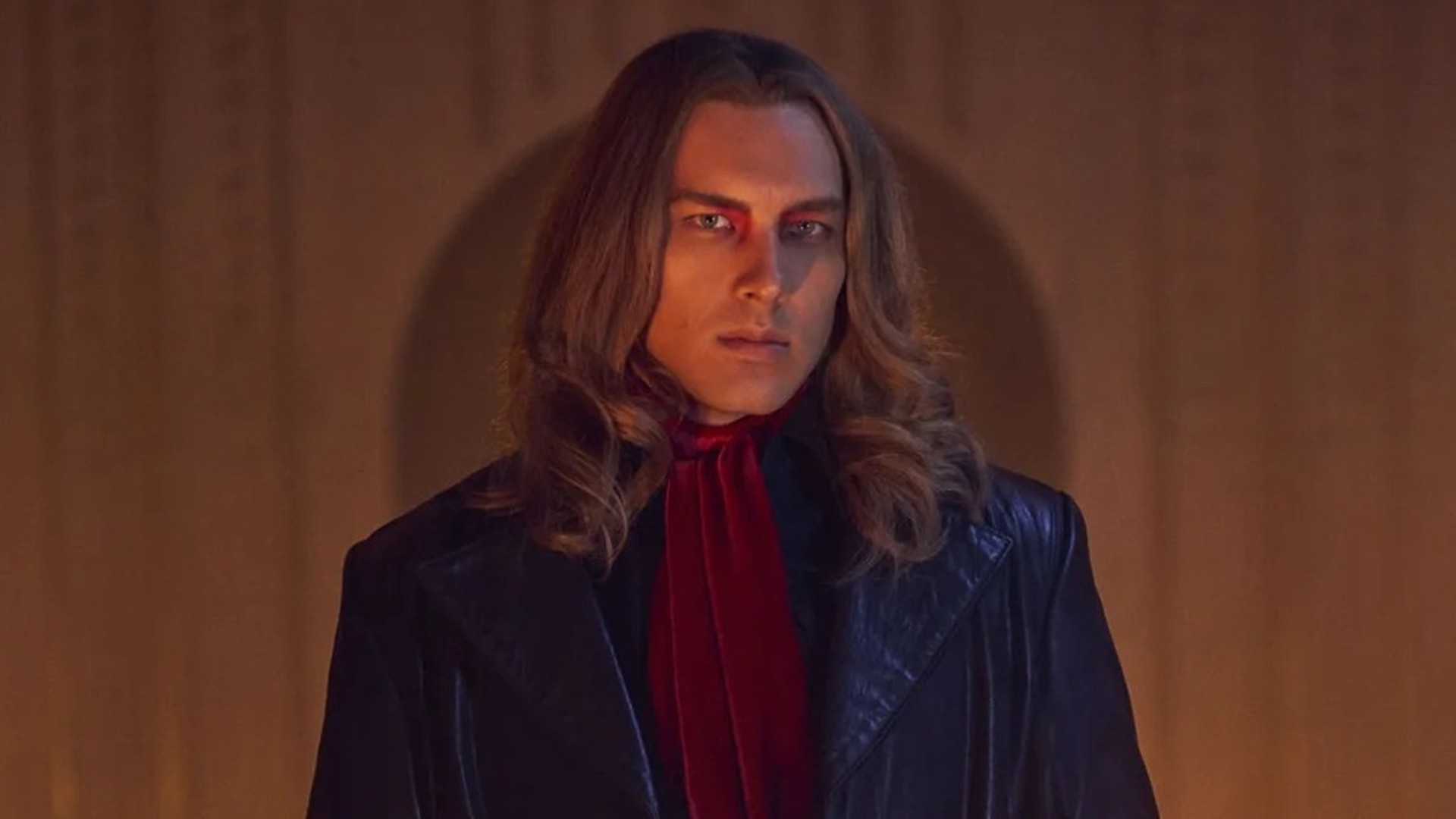
6. Could It Be… Satan? (Season 8, Episode 4) – Rating: 8.7
Set within Apocalypse, this episode marks the dramatic return of the Coven witches as they confront Michael Langdon’s rising power. Directed by Sheree Folkson and written by Tim Minear, it reintroduces fan-favorite characters such as Cordelia, Madison, and Myrtle. The narrative reveals Langdon’s connection to the Antichrist prophecy and deepens the series’ exploration of good versus evil. Its sharp writing and tension-filled reunions helped revive the season’s momentum. Critics praised its balance of suspense and nostalgia.
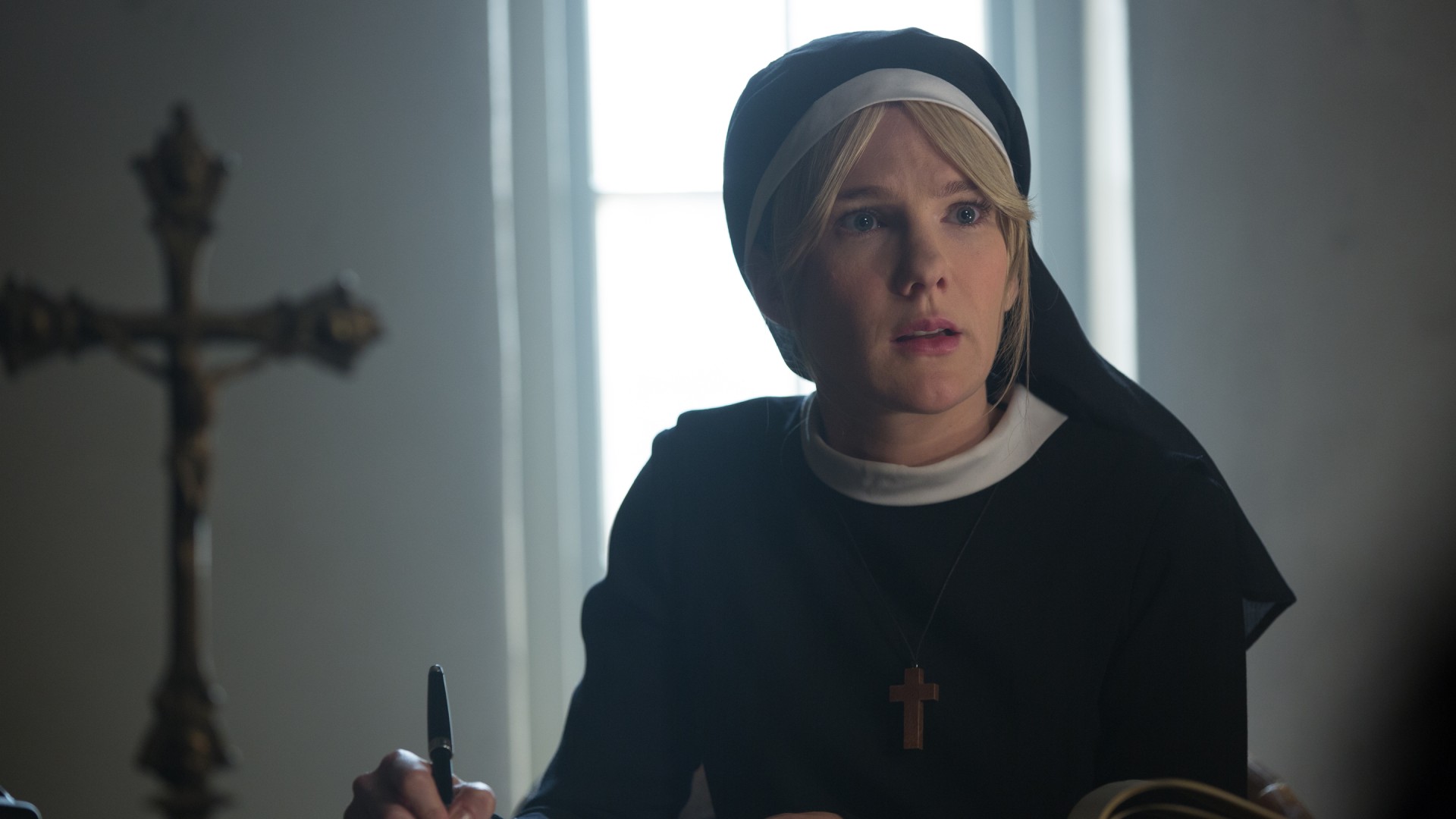
5. Orphans (Season 4, Episode 10) – Rating: 8.7
This Freak Show episode focuses on Pepper’s tragic past and establishes a direct narrative connection to Asylum. Written by James Wong and directed by Bradley Buecker, it examines how Pepper was institutionalized and exploited due to her physical differences. Naomi Grossman’s portrayal was widely lauded for its humanity and vulnerability. The episode expands the AHS universe by linking seasons through character continuity. It remains one of the franchise’s most emotional and character-driven installments.
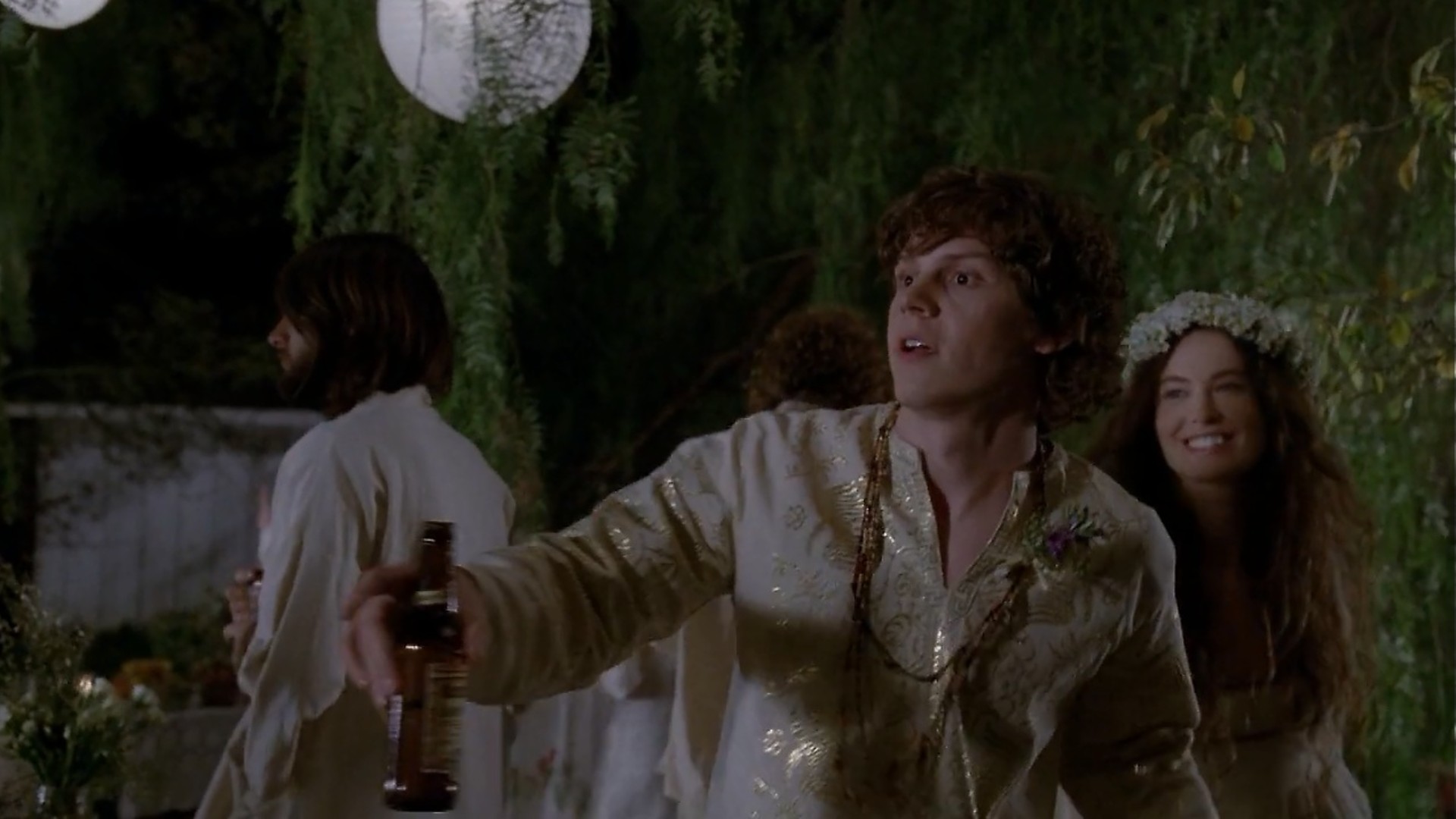
4. Madness Ends (Season 2, Episode 13) – Rating: 8.7
The Asylum season finale provides closure to one of the series’ darkest chapters. Directed by Alfonso Gomez-Rejon, it follows journalist Lana Winters as she exposes Briarcliff’s corruption and recounts her survival decades later. The episode employs a documentary-style framing to explore the cost of truth and trauma. It concludes the arcs of key characters, including Kit, Jude, and Arden, with emotional resonance. Viewers and critics praised the finale for its cathartic storytelling and Sarah Paulson’s commanding performance.
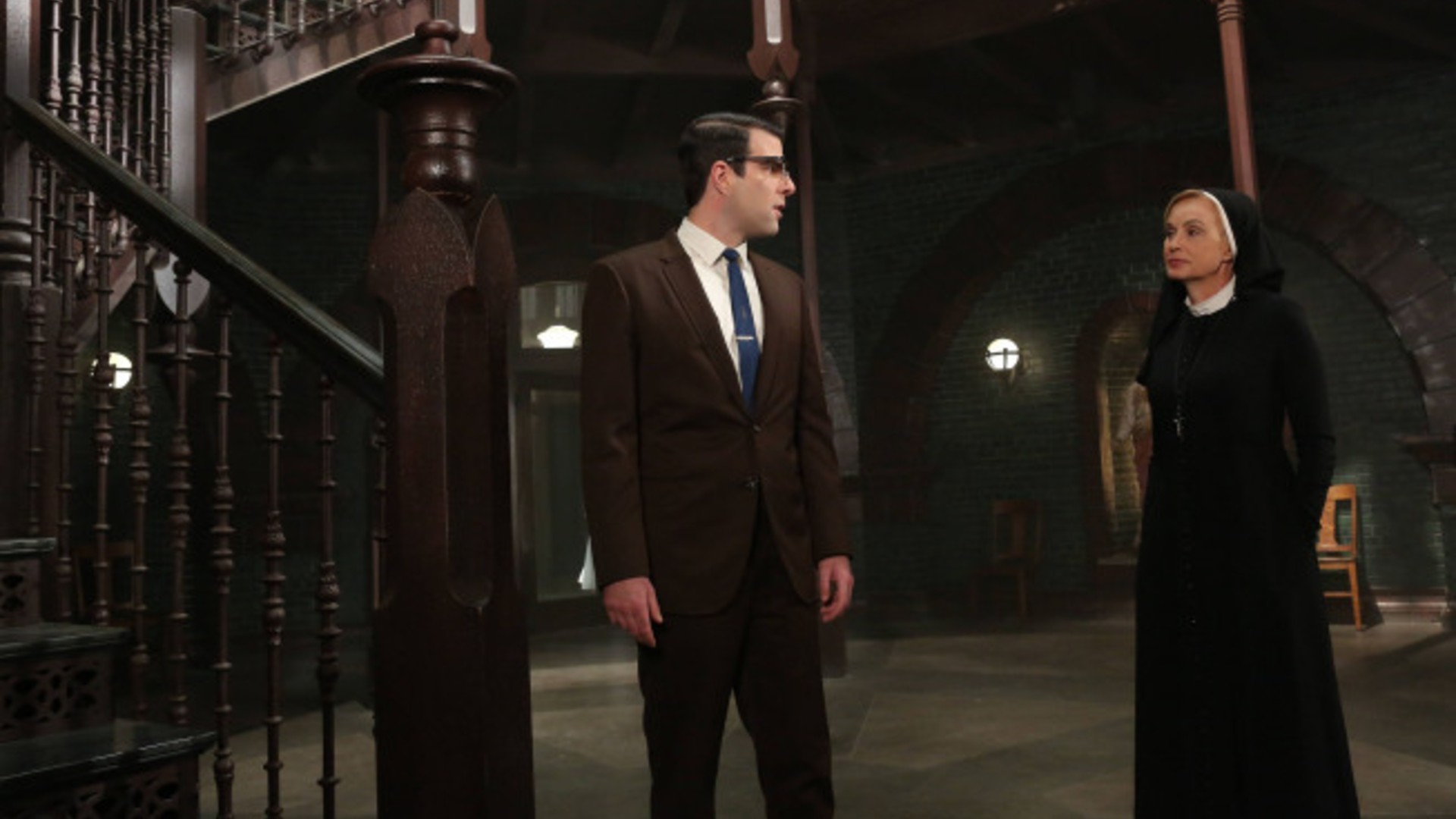
3. I Am Anne Frank: Part 2 (Season 2, Episode 5) – Rating: 8.7
In this continuation of the Asylum storyline, a patient claiming to be Anne Frank exposes Dr. Arden’s hidden Nazi past. Written by Brad Falchuk and directed by Alfonso Gomez-Rejon, the episode intensifies Briarcliff's psychological and moral tension. It delves into themes of trauma, identity, and post-war guilt, connecting the institution’s horrors to historical atrocities. The revelations about Arden’s experiments reshape the viewer’s understanding of evil within the show. Its mix of historical realism and psychological horror earned widespread acclaim.
2. The Name Game (Season 2, Episode 10) – Rating: 8.8
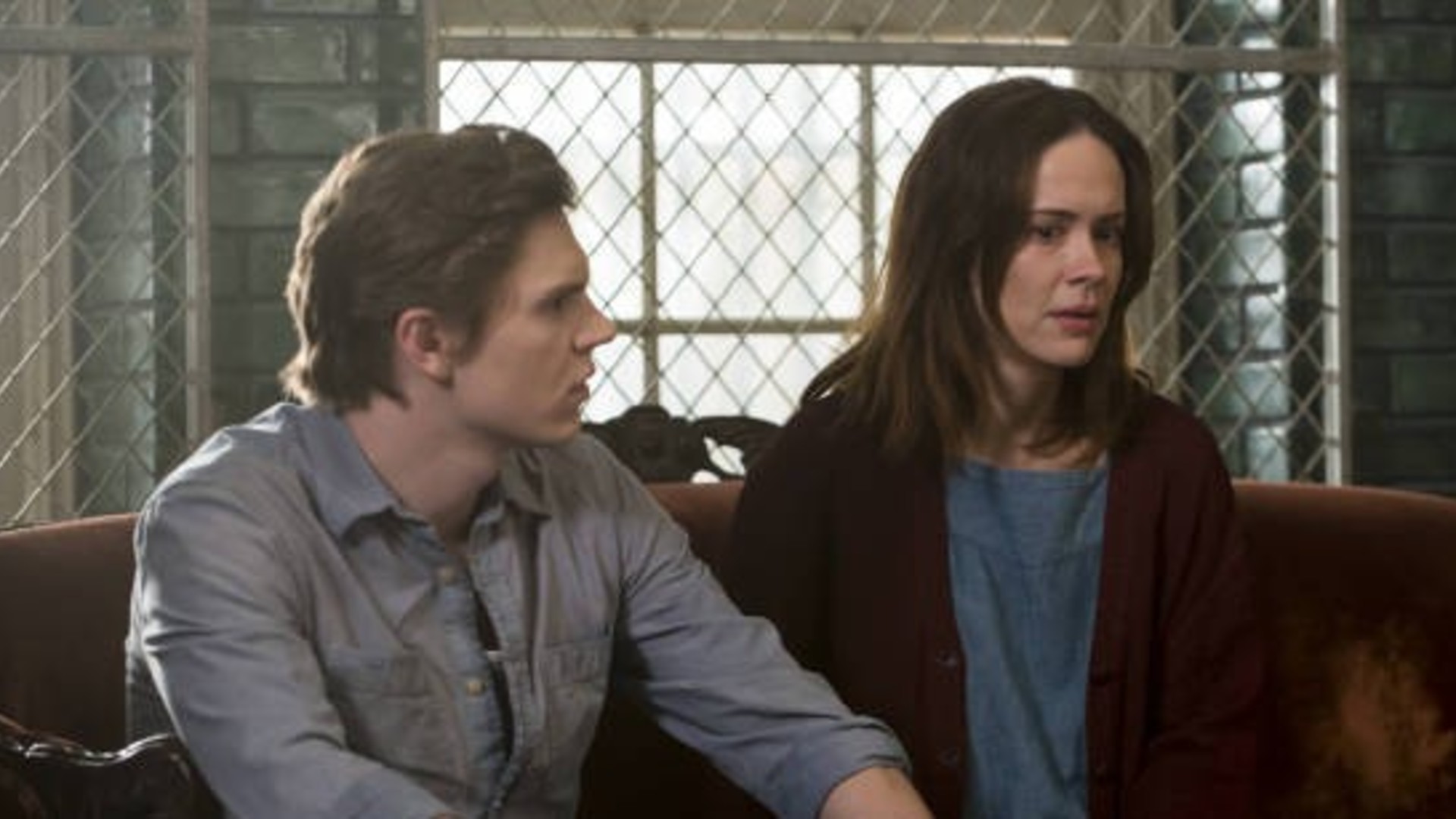
This Asylum episode is best remembered for Jessica Lange’s surreal musical number set to “The Name Game.” Following Sister Jude’s mental breakdown, the sequence reflects her psychological collapse within Briarcliff Asylum. Written by Jessica Sharzer and directed by Michael Lehmann, the episode blends musical whimsy with horror and tragedy. It explores the fragility of sanity in oppressive environments while balancing dark humor. Critics highlighted Lange’s performance and the bold tonal experimentation as defining strengths.
1. Return to Murder House (Season 8, Episode 6) – Rating: 9.2
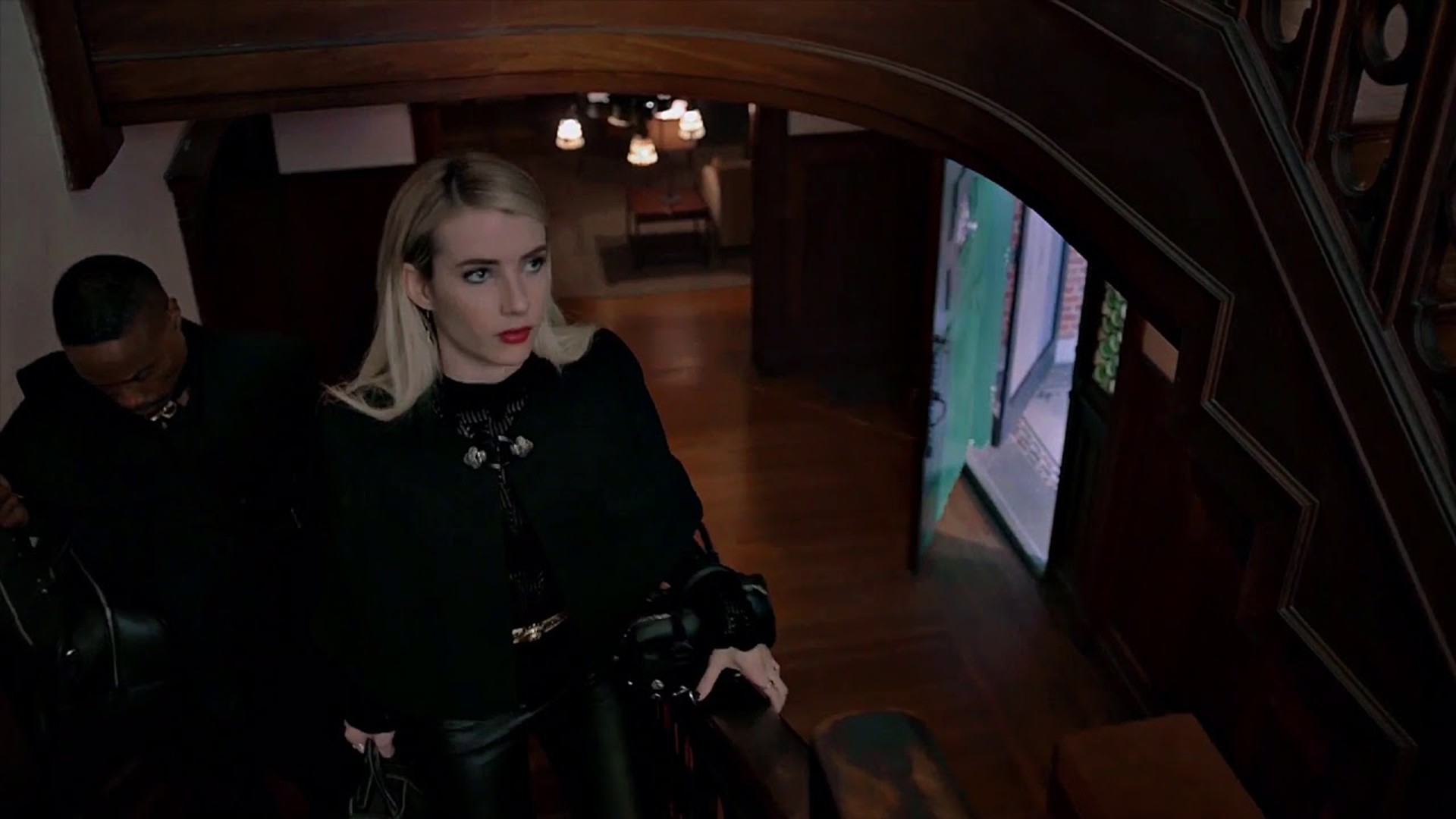
This episode, directed by Sarah Paulson, marks her first time behind the camera for the series. As a crossover between Murder House and Coven, it revisits the iconic haunted mansion and several of its original inhabitants. Madison Montgomery and Behold Chablis travel to the Murder House to uncover the truth about Michael Langdon’s origins. The episode features returning cast members, including Connie Britton, Dylan McDermott, and Taissa Farmiga. It received critical praise for its emotional depth, nostalgia, and effective integration of the show’s interconnected mythology.