Major Houses in A Knight of the Seven Kingdoms, Ranked
12. House Stokeworth
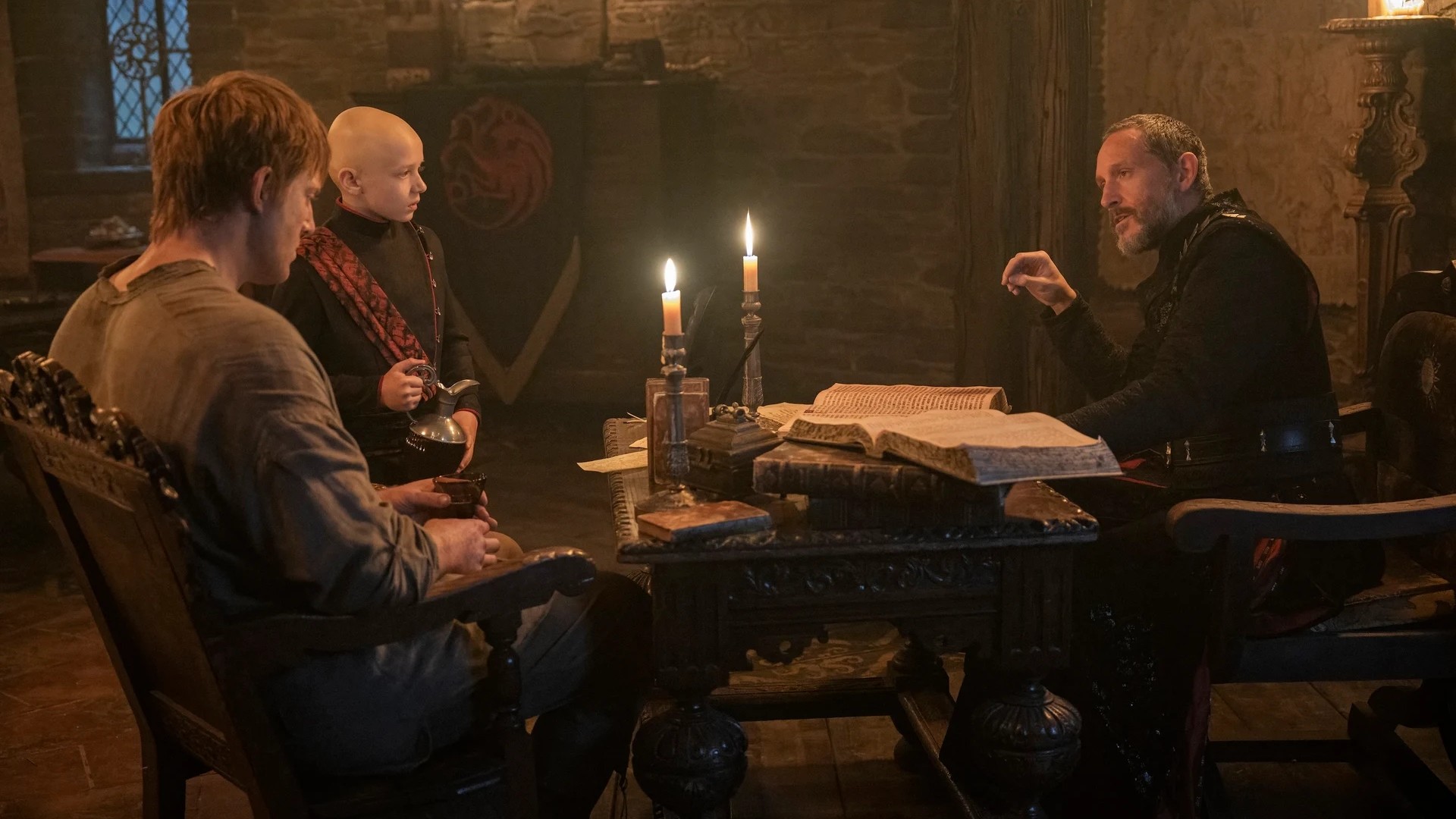
House Stokeworth, bearing the white lamb holding a golden goblet from Castle Stokeworth in the Crownlands, appears subtly yet meaningfully. Though unnamed directly, a Stokeworth knight unhorsed during the lists adds to the depth of assembled nobility. Prince Baelor, referencing Ser Arlan defeating a Stokeworth lord in past melees, strengthens Dunk’s credibility while anchoring the house within broader tournament history. A fleeting glimpse of their sigil in rebellion flashbacks further ties them to loyalty toward the Iron Throne. Fans attuned to heraldry recognize these quiet inclusions as deliberate world-building. Even without major dialogue, House Stokeworth contributes to the dense tapestry of Westerosi politics surrounding the Ashford tourney, reinforcing how every banner present carries memory, allegiance, and legacy. (Please note this is not an image from House Stokeworth and doesn’t represent the house.)
11. House Tully
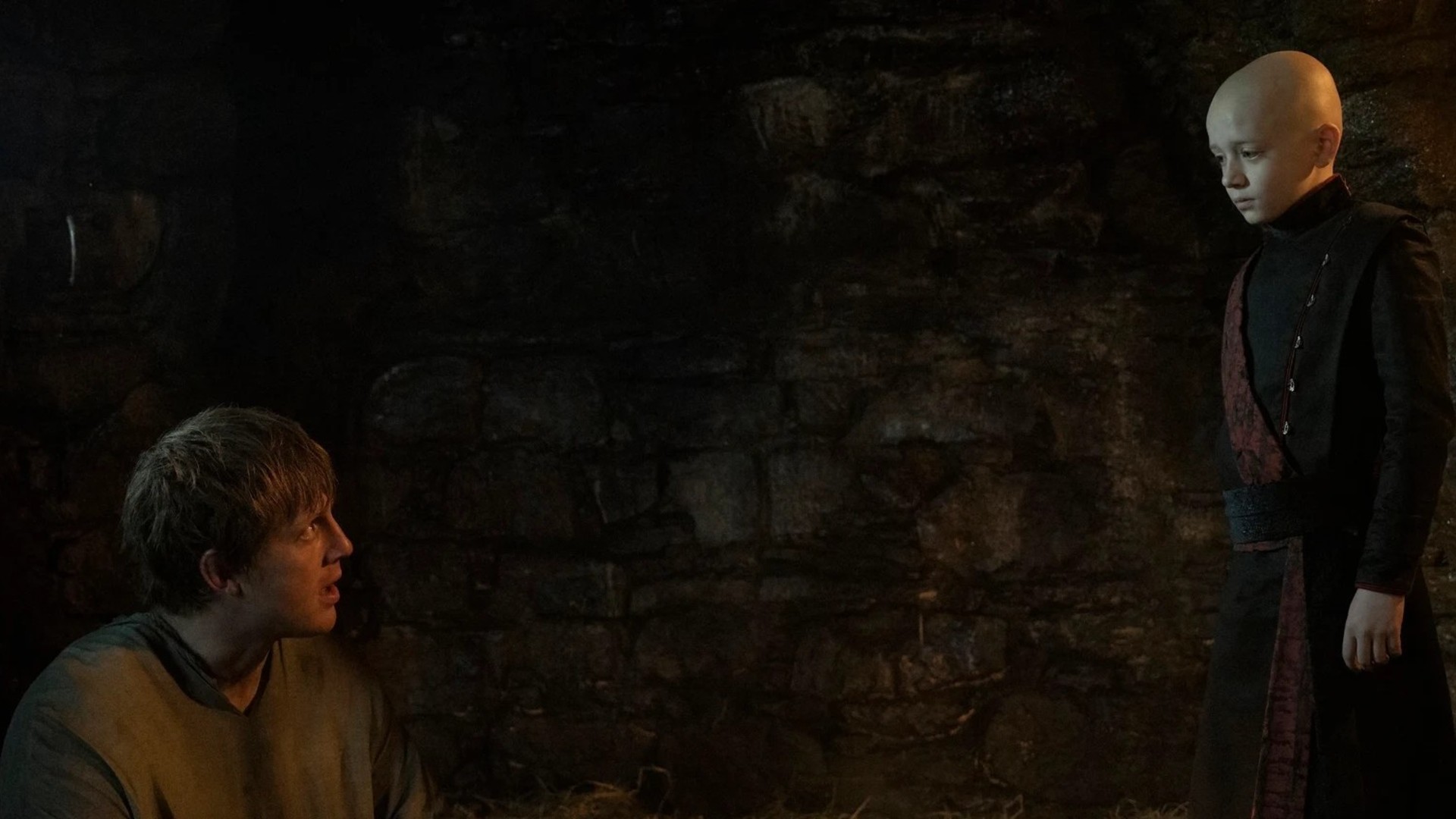
House Tully, marked by a silver trout leaping over red and blue and ruling from Riverrun in the Riverlands under Lord Medgar Tully, brings distinct Riverlands grit to Ashford. Medgar’s memorable act of biting into a raw fish before the joust instantly establishes personality—pragmatic, blunt, unapologetically regional. His defeat by Ser Humfrey Hardyng does not diminish the Riverlands’ presence; instead, it widens the tourney’s geographic reach. Fans recognize the symbolic weight of Riverrun’s attendance: a house historically caught between greater powers asserting itself on a national stage. The trout may not roar like a lion or blaze like a dragon, but its resilience defines it. House Tully’s participation underscores that Ashford is not merely a Reach affair—it is a gathering of the entire realm. (Please note this is not an image from House Tully and doesn’t represent the house.)
10. House Hightower
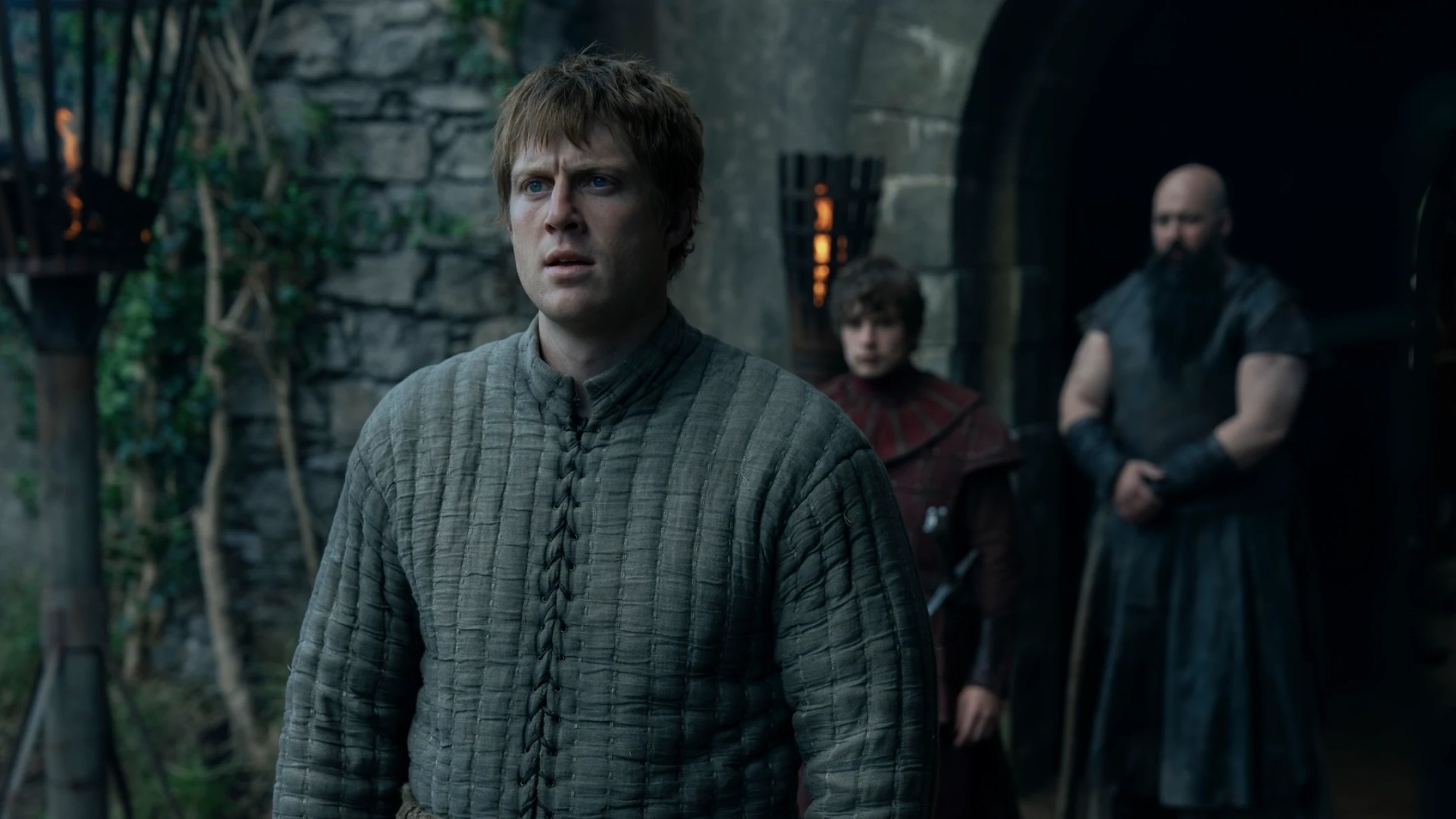
House Hightower, bearing the white watchtower with green flames from Oldtown in the Reach, reinforces Oldtown’s prestige at Ashford. Represented by Ser Abelar Hightower in the opening joust against Prince Valarr, their appearance subtly nods to historic tensions between Hightower and Targaryen lines familiar to longtime fans. Though Abelar falls from his horse, the duel itself carries symbolic weight. The Hightowers rarely need spectacle; their influence stems from history, faith, and learning rooted in Oldtown. At Ashford, they participate not to dominate but to maintain visibility among the realm’s elite. Even in defeat, the tower stands tall metaphorically. Their attendance reinforces that this tourney is no provincial celebration—it is a convergence of Westeros's most entrenched legacies. (Please note this is not an image from House Hightower and doesn’t represent the house.)
9. House Lannister
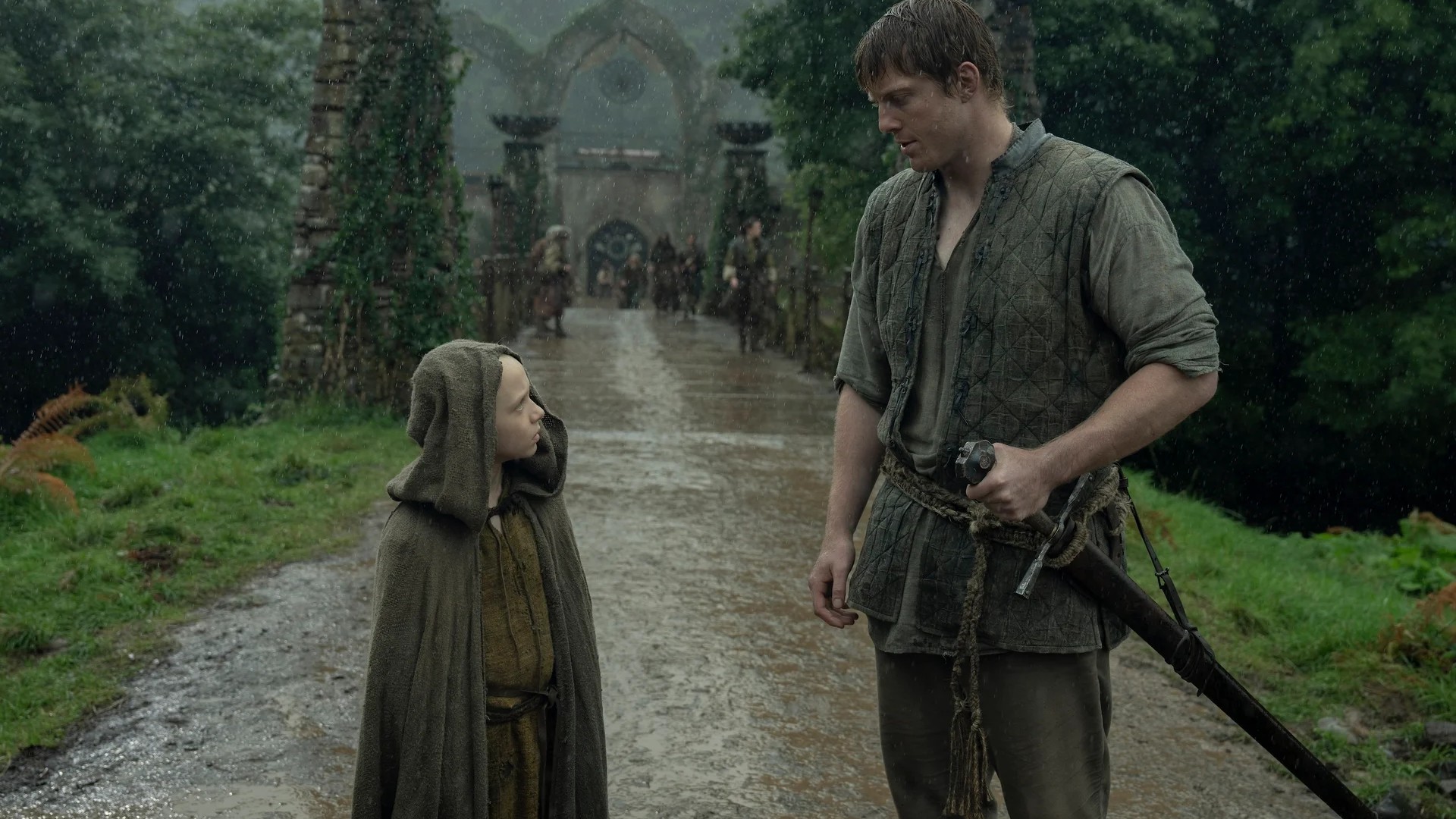
House Lannister, the roaring golden lion on crimson, ruling from Casterly Rock in the Westerlands under Lord Damon Lannister, appears briefly but meaningfully. Known as the Grey Lion, Damon’s joust against Leo Tyrell instantly establishes high-stakes competition among great houses. Though defeated, his participation signals the Westerlands’ investment in Ashford’s spectacle. Baelor, recalling Ser Arlan once unhorsing Damon, adds narrative validation to Dunk’s lineage, connecting past and present through reputation. Even a glimpse of the Lannister banner in Blackfyre rebellion flashbacks carries weight, reminding fans that this house has long shaped Westerosi power struggles. Their wealth and prestige hover even in limited screen time. The lion does not need extended dialogue; its mere presence at the tourney underscores the event’s kingdom-wide importance. (Please note this is not an image from House Lannister and doesn’t represent the house.)
8. House Dondarrion
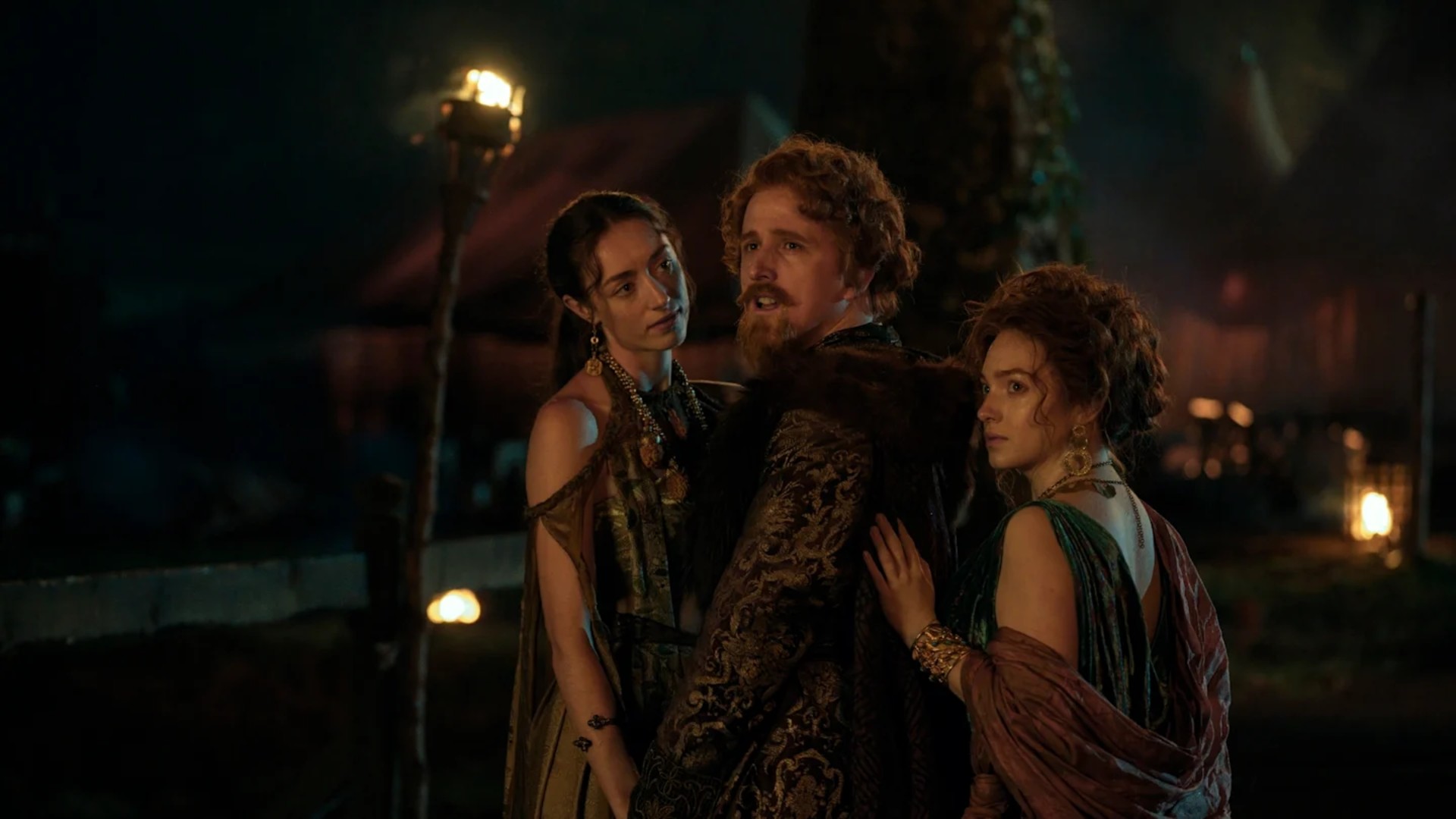
House Dondarrion, marked by a forked purple lightning bolt over black and ruling from Blackhaven in the Stormlands under Lord Dondarrion, adds texture through Ser Manfred Dondarrion. Though not central in combat, his presence reinforces Stormlands' representation. His dismissal of Dunk’s plea to vouch for him subtly highlights the class barriers the series constantly interrogates. Yet he’s also seen drinking and singing alongside Lyonel Baratheon, illustrating the Stormlands' camaraderie. Fans familiar with Beric Dondarrion’s later legacy sense ancestral echoes of that fierce regional identity. Even without jousting prominence, the lightning bolt sigil contributes to the layered political crowd at Ashford. Their presence reminds viewers that not every noble seeks glory in the lists; some simply maintain alliances and visibility in royal gatherings.
7. House Hardyng
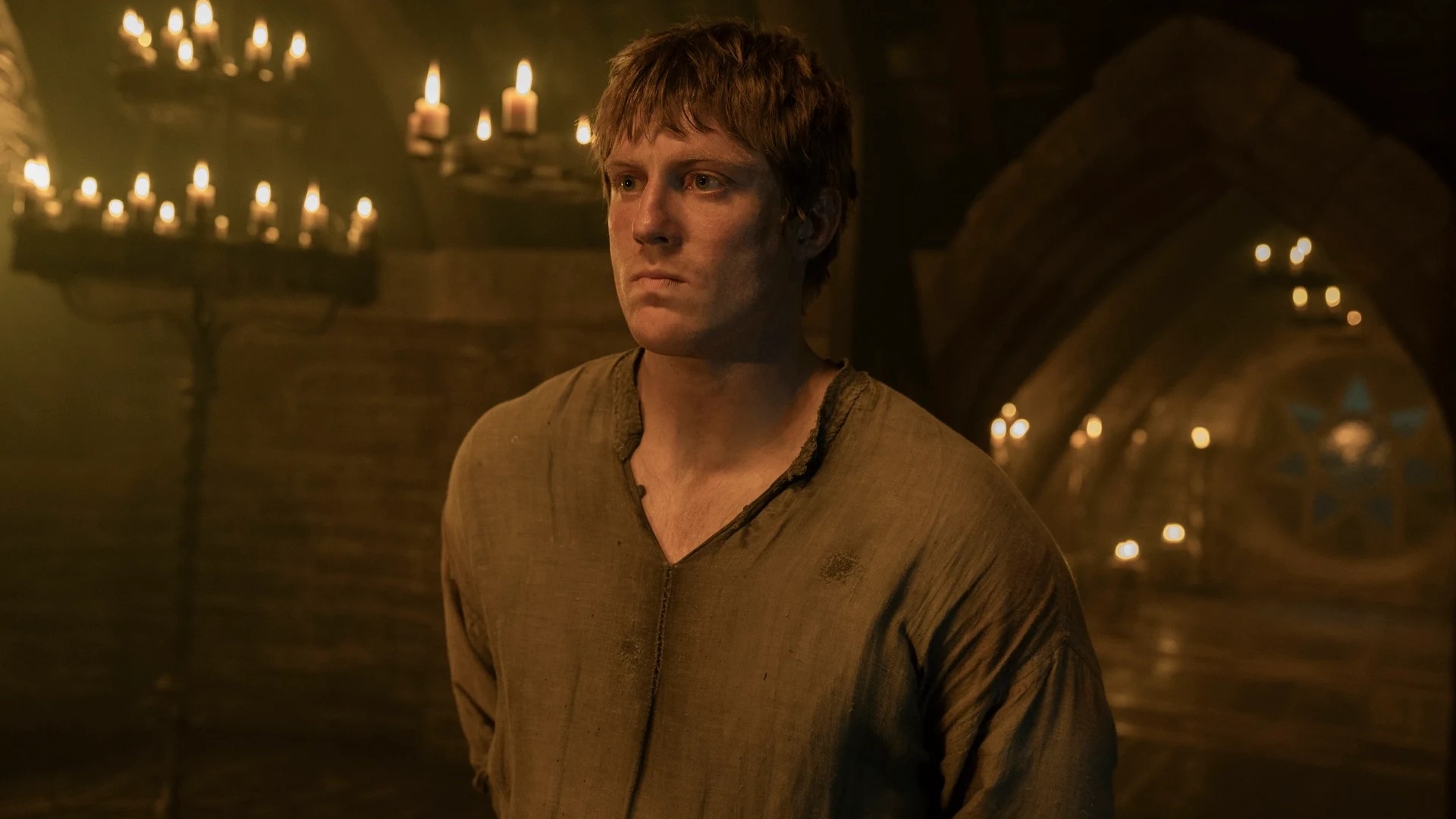
House Hardyng, carrying red and white diamonds from Hardeney in the Vale and sworn as landed knights, represents the proud tradition of tourney warriors. Through Ser Humfrey Hardyng, fans see physical resilience and stubborn honor. After suffering a crushed leg beneath his fallen horse thanks to Aerion’s brutality, he still remounts and stands beside Dunk at the trial of seven. That image alone defines Hardyng's resolve. His death in the opening clash reinforces the unforgiving cost of chivalric ideals. As a lesser house born from tourney legend itself, their origin story mirrors the very culture Ashford celebrates. Hardyng may not command political influence, but through sheer grit, they earn narrative respect. In a season dissecting knighthood’s reality, Ser Humfrey embodies its most painful truth: valor does not guarantee survival. (Please note this is not an image from House Hardyng and doesn’t represent the house.)
6. House Fossoway
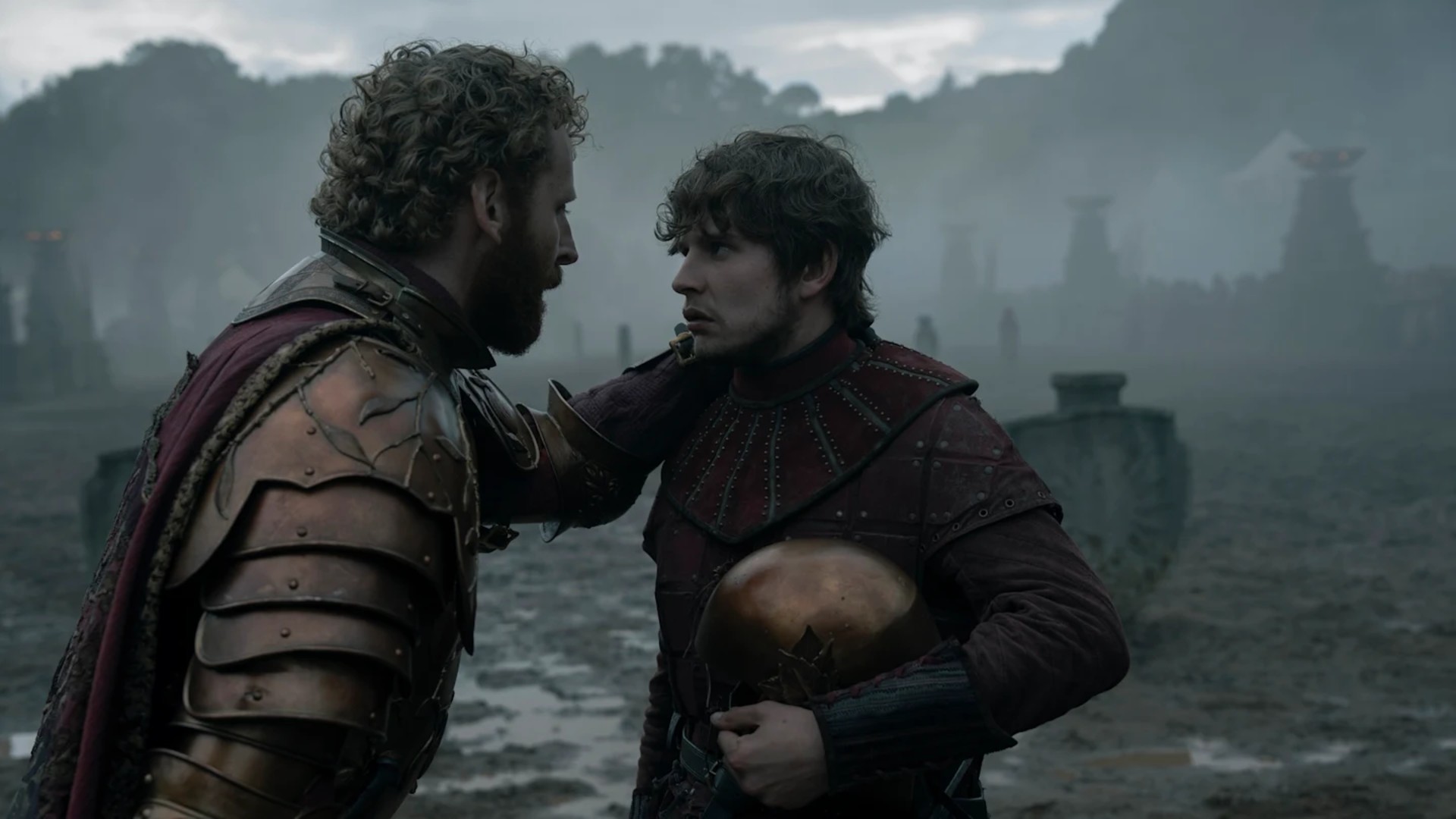
House Fossoway, symbolized by the red apple of Cider Hall and later the green apple of New Barrel in the Reach, delivers one of the season’s most emotionally resonant arcs. Through Ser Steffon and Raymun Fossoway, fans witness ambition versus integrity in its rawest form. Steffon’s betrayal of Dunk for a promised lordship feels painfully believable within Westerosi politics. Raymun’s decision to stand in Dunk’s seventh spot, followed by Lyonel Baratheon’s public knighting, is one of the series’ defining moments. When Raymun charges into battle against his own kin, it’s not just combat—it's identity being forged in real time. The adoption of the green apple sigil symbolizes moral divergence, not mere heraldic variation. By founding a new branch, Raymun proves knighthood is earned through action, not inheritance. His courage crystallizes the show’s central question: what truly makes a knight?
5. House Ashford
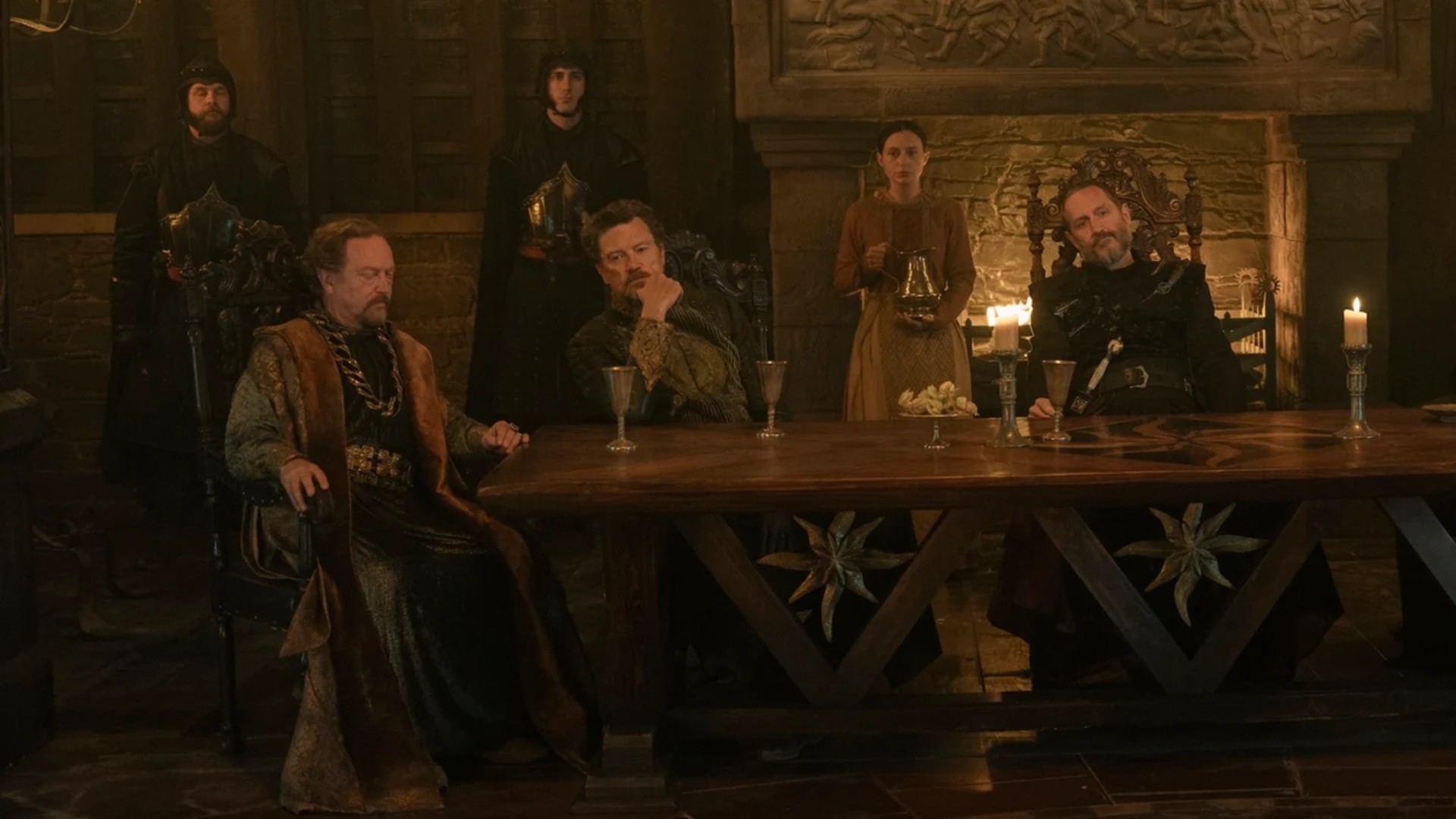
House Ashford, bearing a white sun beneath a chevron on orange and ruling from Ashford in the Reach under Lord Ashford, anchors the entire season geographically and politically. Hosting the tourney for Lady Gwin’s thirteenth name day, Lord Ashford hopes to elevate his family’s standing, yet his insecurity bleeds through every decision. Overspending, attempting subtle manipulations, and being quietly mocked despite hosting royalty—these details paint him as ambitious but fragile. Fans sense that he wants validation from greater houses more than genuine prestige. His son Androw’s participation adds personal stakes, but the trial of seven transforms Ashford Meadow into historic ground. Baelor’s death ensures the house will forever be remembered not for extravagance, but for tragedy. The irony is sharp: a celebration meant to elevate House Ashford instead becomes the site of dynastic upheaval.
4. House Beesbury
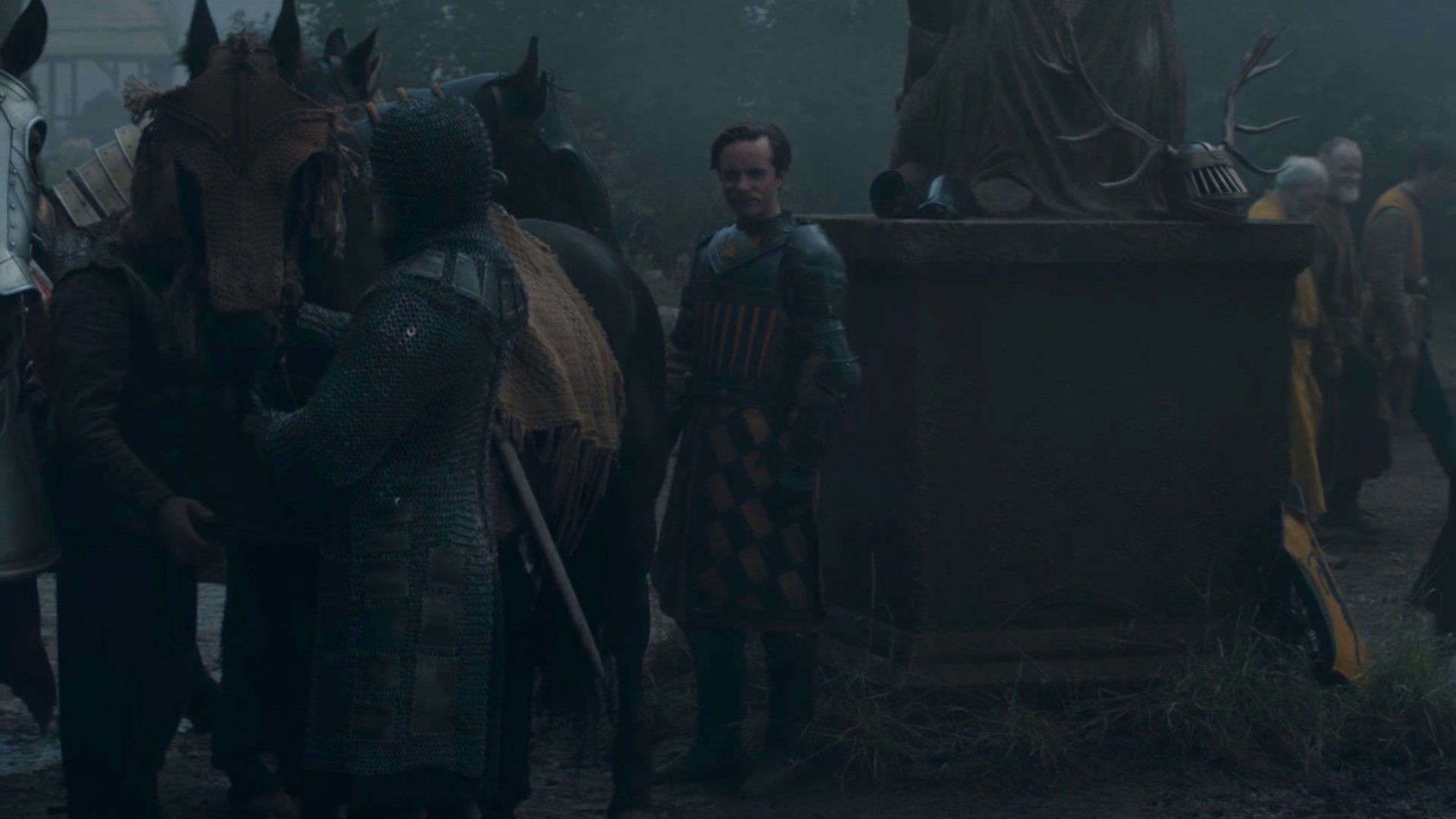
House Beesbury, marked by black and yellow stripes with three beehives and ruling from Honeyholt in the Reach, brings unexpected emotional weight through Ser Humfrey Beesbury. Though a minor house, their ancient lineage adds texture to the Reach’s nobility. Humfrey joining Dunk at Egg’s request feels deeply symbolic—loyalty chosen rather than commanded. His hesitation before the charge, seeking reassurance about the Kingsguard’s oath, humanizes the chaos before violence erupts. His swift death at the opening clash is brutal and sobering. Fans feel the tragedy not because he was central, but because he represented earnest knighthood crushed by dynastic politics. Even the unique Beesbury funeral custom shown later reinforces the show’s grounded realism. Their presence underscores a core theme: minor houses bleed just as deeply as great ones when princes clash.
3. House Tyrell
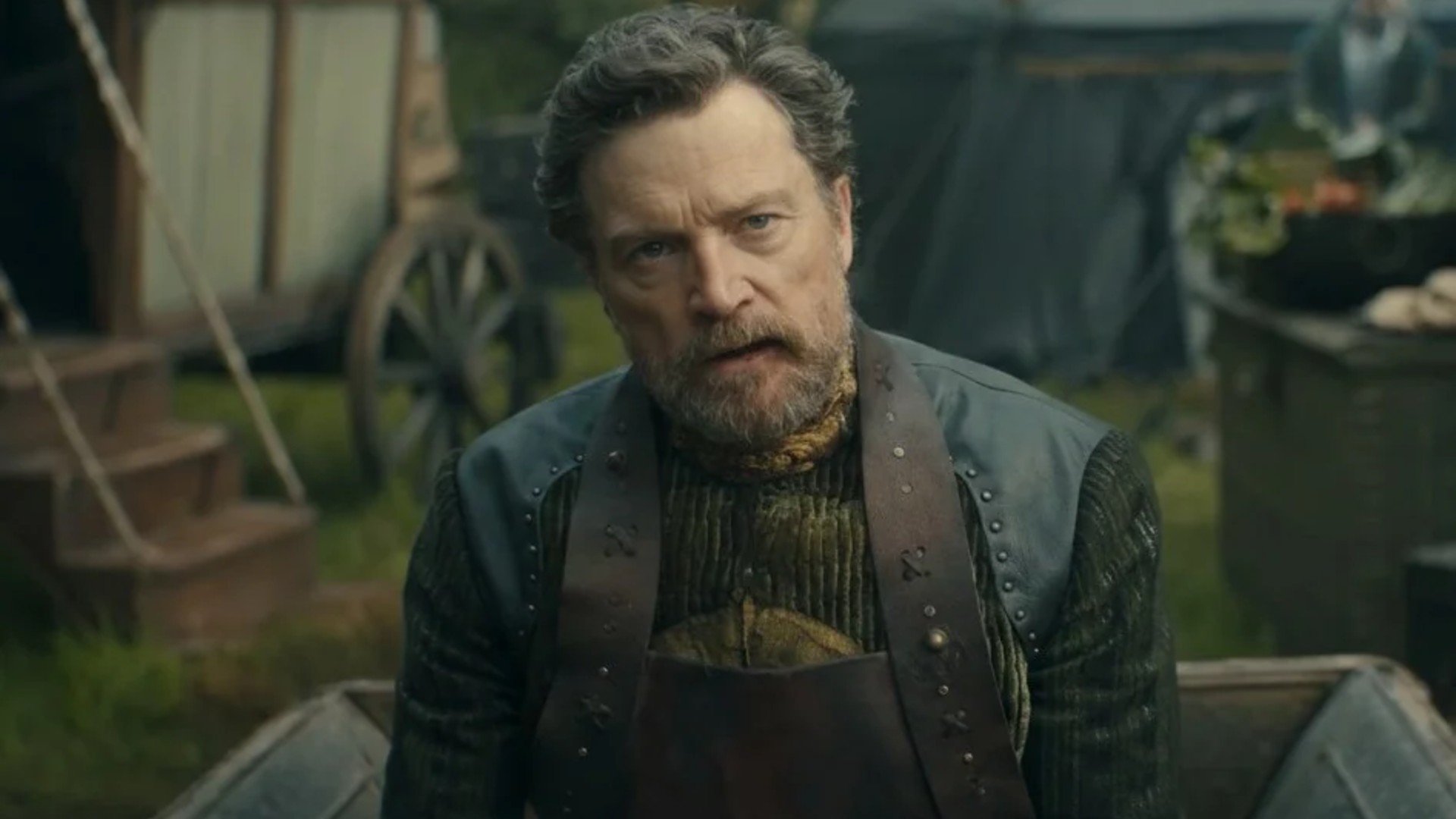
House Tyrell arrives bearing the golden rose on green, radiating Reach wealth and cultivated prestige from Highgarden under Lord Leo Tyrell. At Ashford, their influence isn’t loud but deliberate. Leo “The Longthorn” demonstrates why the Reach produces elite tourney knights, his horsemanship alone separating him from the field. Yet what fans notice most is his calculated restraint. Seated beside Prince Baelor during critical deliberations, he rarely dominates conversation, but his silence carries political gravity. The Tyrell presence transforms the tourney from a celebration into a spectacle of national consequence. As overlords of House Ashford, their attendance validates the event’s legitimacy. They represent a different kind of power in Westeros—not brute force, but cultivated image, wealth, and strategic patience. Even in minimal dialogue, the rose reminds everyone that prestige can be as sharp as any lance.
2. House Baratheon
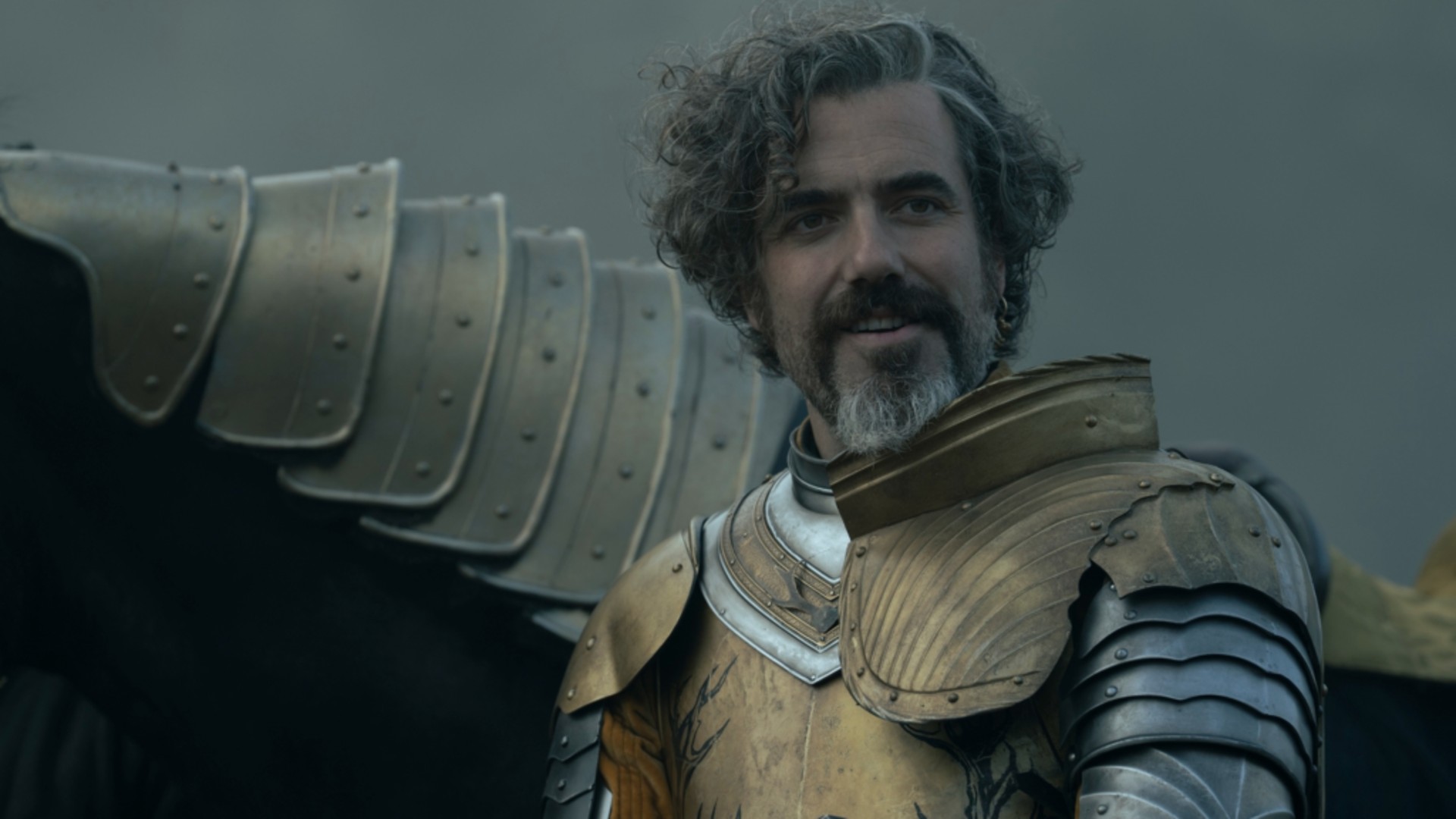
House Baratheon storms into Ashford with unmistakable presence, their crowned black stag on gold representing raw force and pride from Storm’s End in the Stormlands under their ruling lord. Through Lyonel “The Laughing Storm” Baratheon, fans witness the house at its most magnetic: loud, charismatic, but bound by an ironclad code of honor. He elevates the tourney’s prestige simply by attending, yet it’s his humanity that resonates most. Drinking and dancing with knights and commoners alike, laughing instead of punishing Dunk for petty mischief, and ultimately stepping forward at the trial of seven without hesitation—these are not small gestures. His spontaneous knighting of Raymun Fossoway defines him. Baratheon's strength isn’t just physical; it’s decisive and generous. Even his blunt criticism of the Targaryens shows a house unafraid to speak truth to power, reinforcing Stormlands' boldness in every scene.
1. House Targaryen
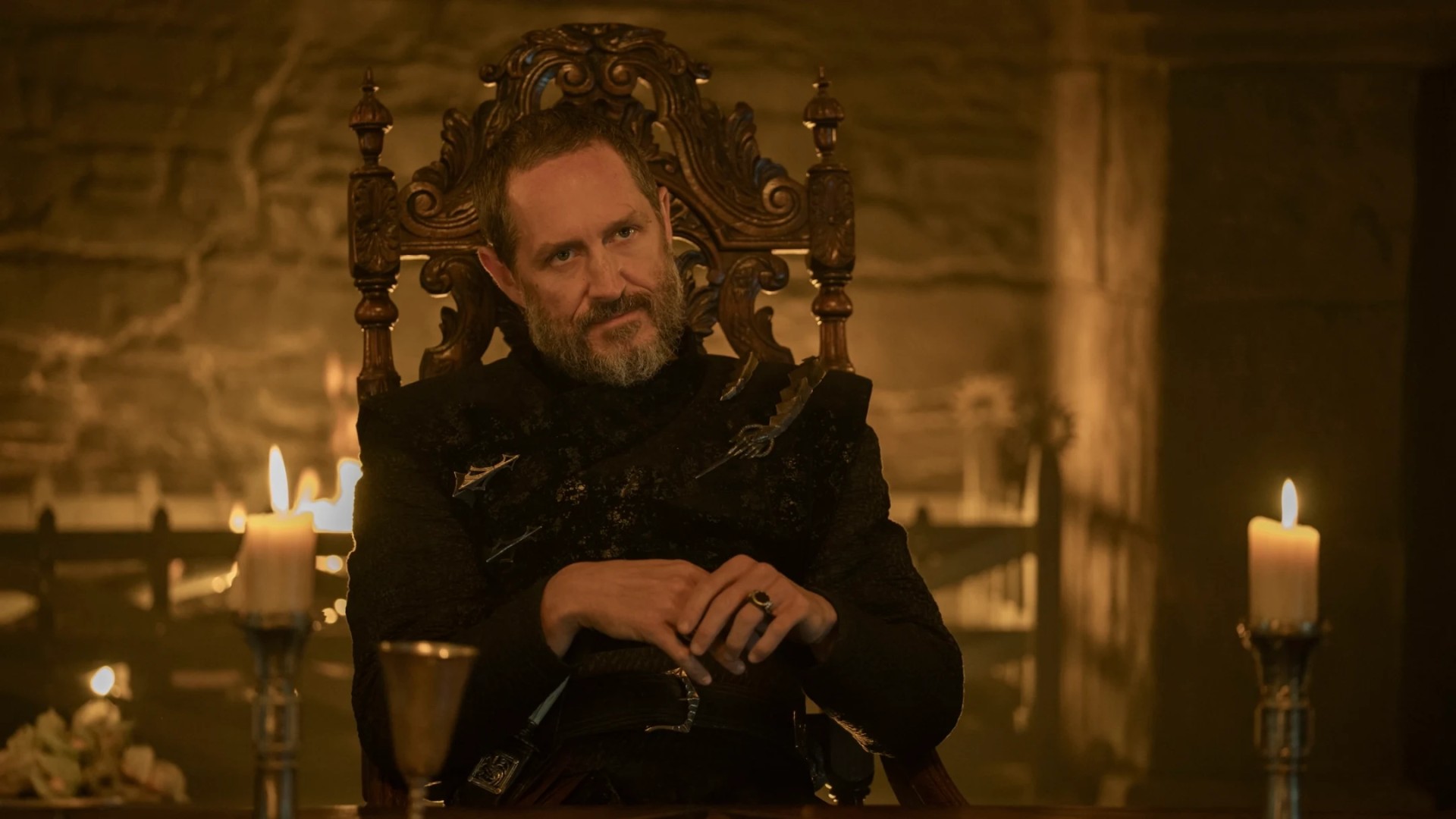
In A Knight of the Seven Kingdoms, House Targaryen stands at the political and emotional center of the realm, even in a post-dragon world, trying to redefine what power looks like. Their sigil, the three-headed red dragon breathing fire on black, still commands fear, but from their seat in King’s Landing in the Crownlands, the dynasty now leans more on perception than flame under King Daeron II Targaryen. The Ashford tourney becomes his subtle stage to project unity and visibility, bringing Baelor Breakspear, Valarr, Maekar, Aerion, Daeron, and young Aegon “Egg” together in one volatile arena. What fans truly feel here is the contrast within the bloodline: Baelor’s empathy, Egg’s quiet honor, Daeron’s dreamer detachment, and Aerion’s terrifying obsession with dragonhood. Baelor’s death at the trial of seven doesn’t just shift succession; it fractures the illusion of Targaryen invincibility and forever alters Dunk and Egg’s intertwined destinies.