In honor of Hayao Miyazaki’s 85th birthday, these are my must-watch Ghibli movies
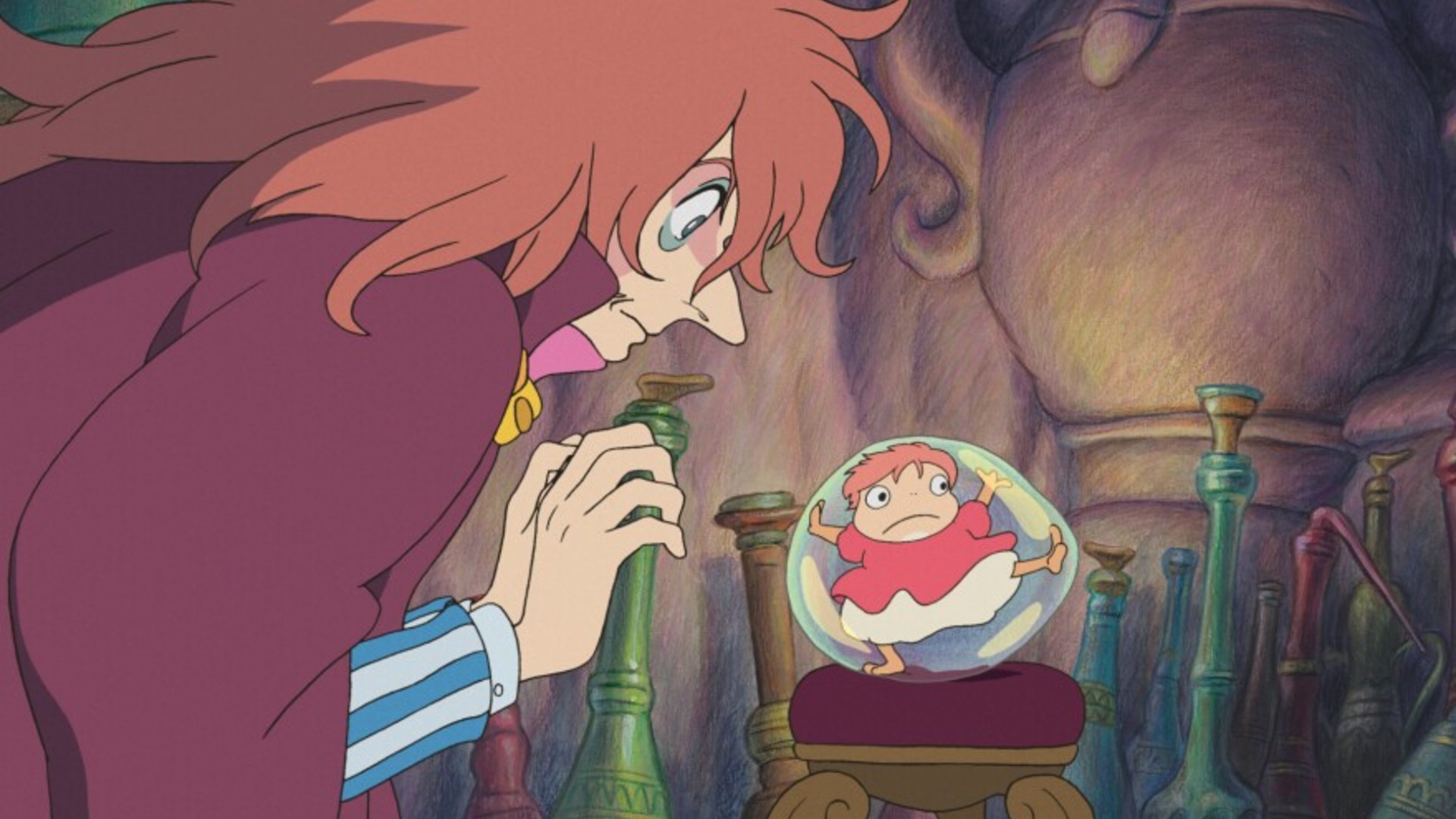
10. Ponyo (2008)
Driven by a desire to show "waves higher than a house," Miyazaki abandoned CGI for Ponyo, closing Studio Ghibli's digital department to focus on 170,000 hand-drawn frames. Inspired by Hans Christian Andersen's The Little Mermaid, the film’s seaside setting was modeled after the town of Tomonoura. The character of Sōsuke was famously based on Miyazaki’s own son, Goro, when he was five years old.
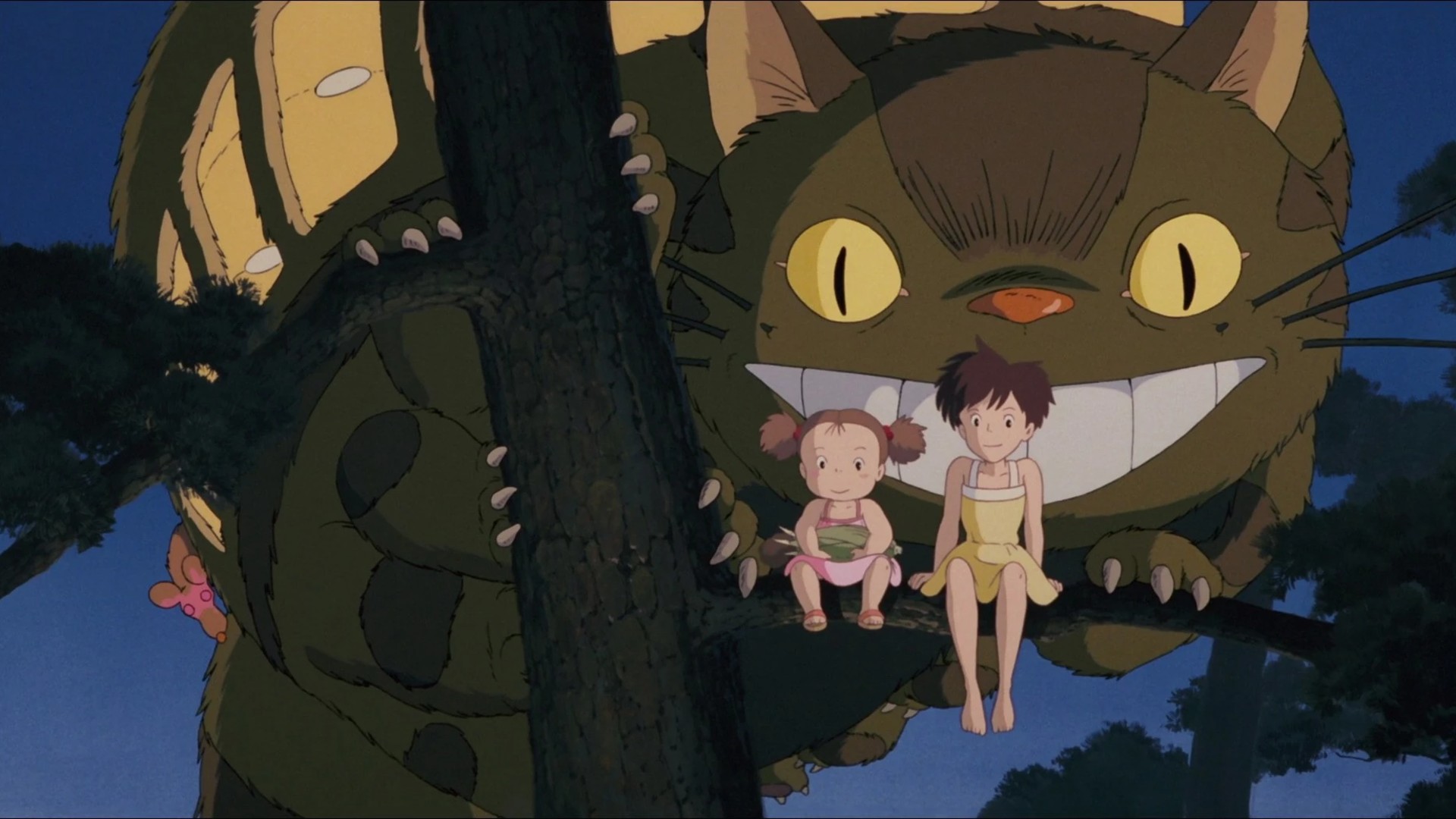
9. My Neighbor Totoro (1988)
Set in the late 1950s in the Sayama Hills, this film is widely considered a "love letter" to rural Japan. Totoro, a blend of a bear, an owl, and a raccoon, has since become the official mascot of Studio Ghibli. The film’s deep Shinto roots—viewing spirits (kami) as inhabitants of nature—helped it become a global symbol of environmental harmony and childhood innocence.
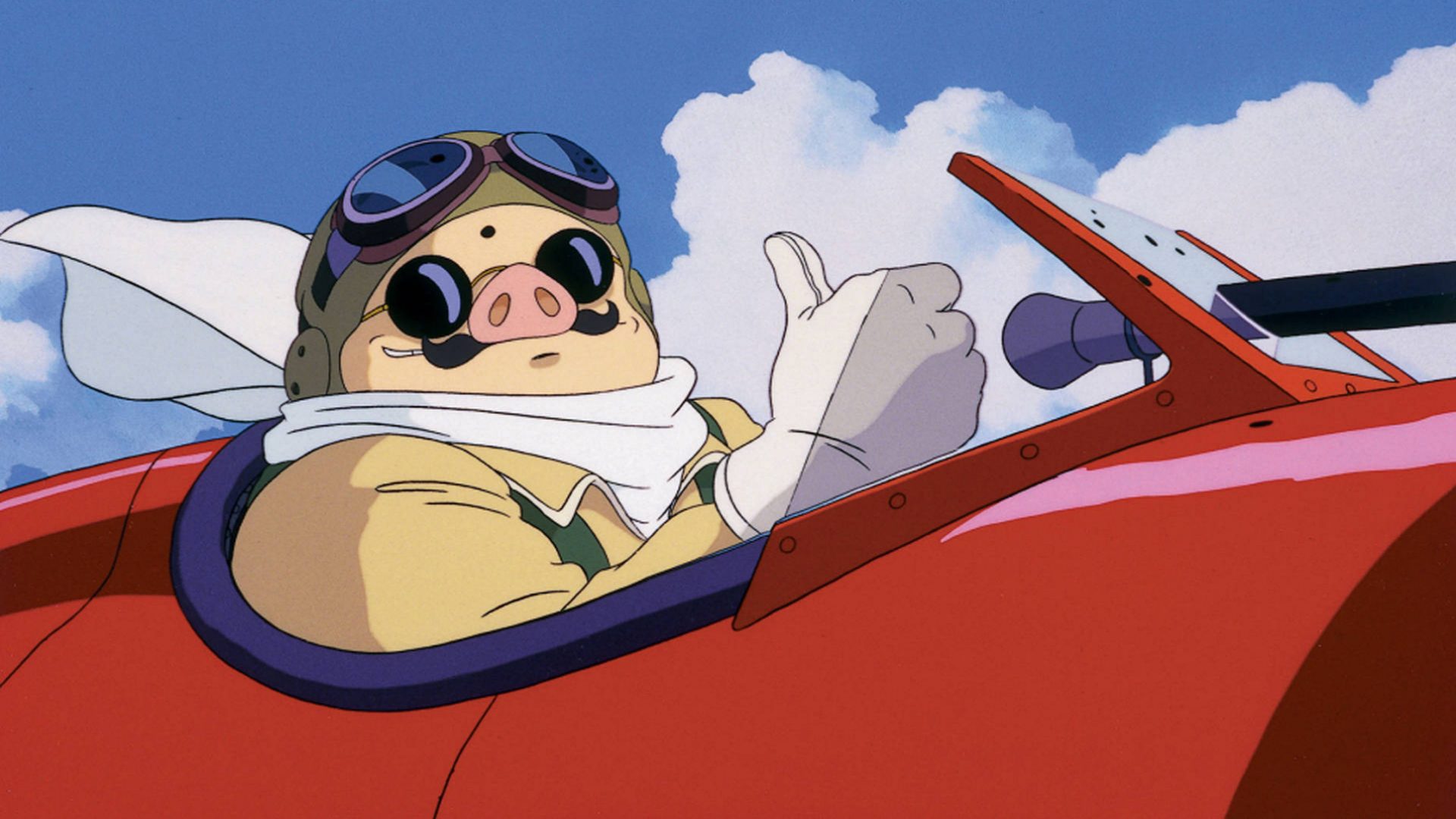
8. Porco Rosso (1992)
Originally commissioned as a short in-flight film for Japan Airlines, Porco Rosso evolved into a feature-length historical fantasy. Set in the 1920s Adriatic Sea, it reflects Miyazaki’s lifelong obsession with aviation. The "Red Pig" is an ex-WWI ace who curses himself to escape the rising tide of fascism, embodying Miyazaki’s own personal "mid-life crisis" and pacifist ideals.
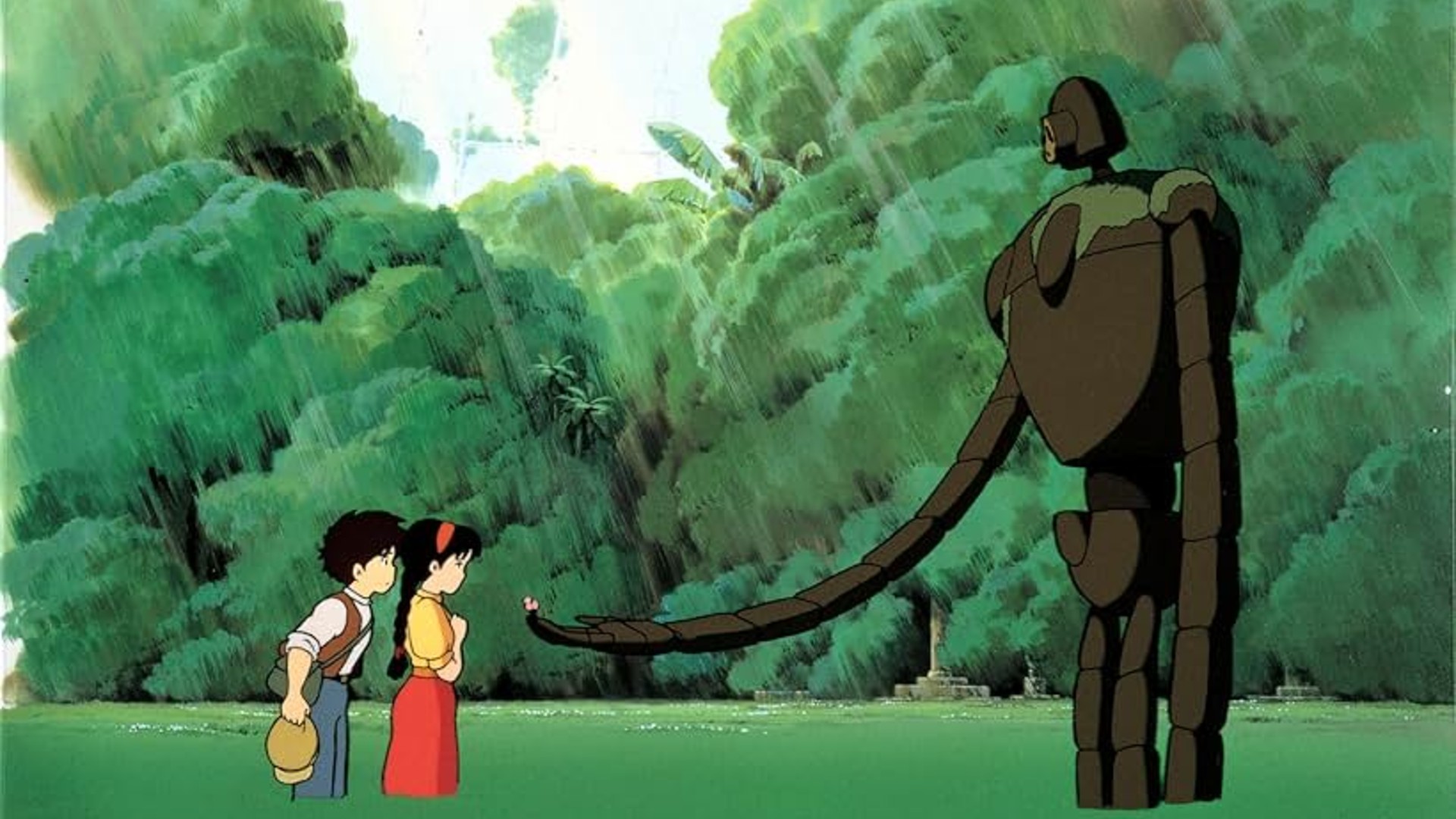
7. Castle in the Sky (1986)
As the first official Studio Ghibli production, Castle in the Sky is credited with popularizing the steampunk aesthetic in modern cinema. Influenced by Jonathan Swift’s Gulliver’s Travels and a visit to a Welsh mining town during the 1984 miners' strike, the film explores the tension between military greed and the fragility of nature.
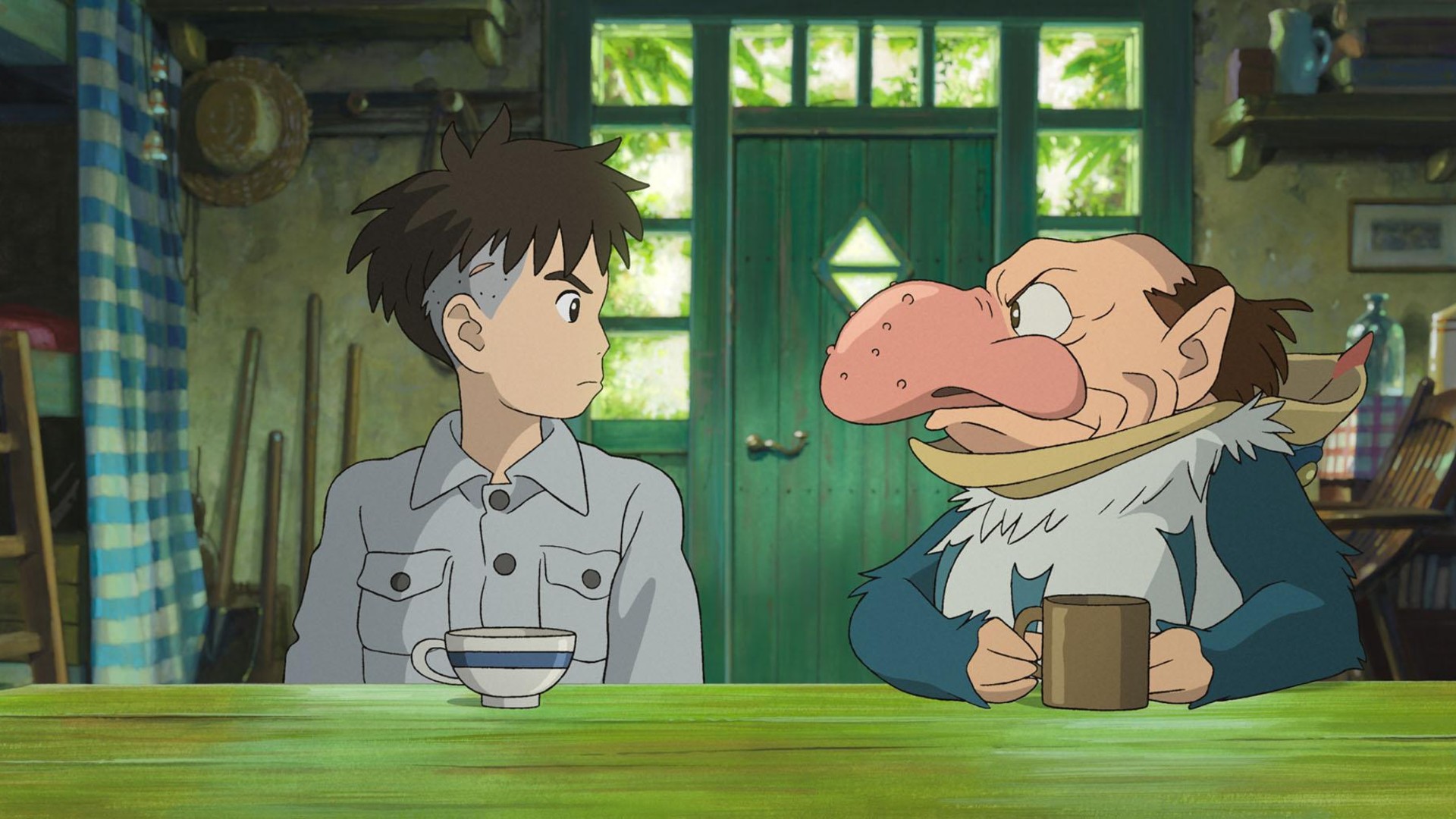
6. The Boy and the Heron (2023)
Following a decade-long hiatus, this semi-autobiographical film won Miyazaki his second Academy Award for Best Animated Feature in 2024. It explores grief and the weight of legacy, featuring a "Granduncle" character widely believed to represent Miyazaki’s late mentor, Isao Takahata. At 85, this remains his most abstract and introspective work.
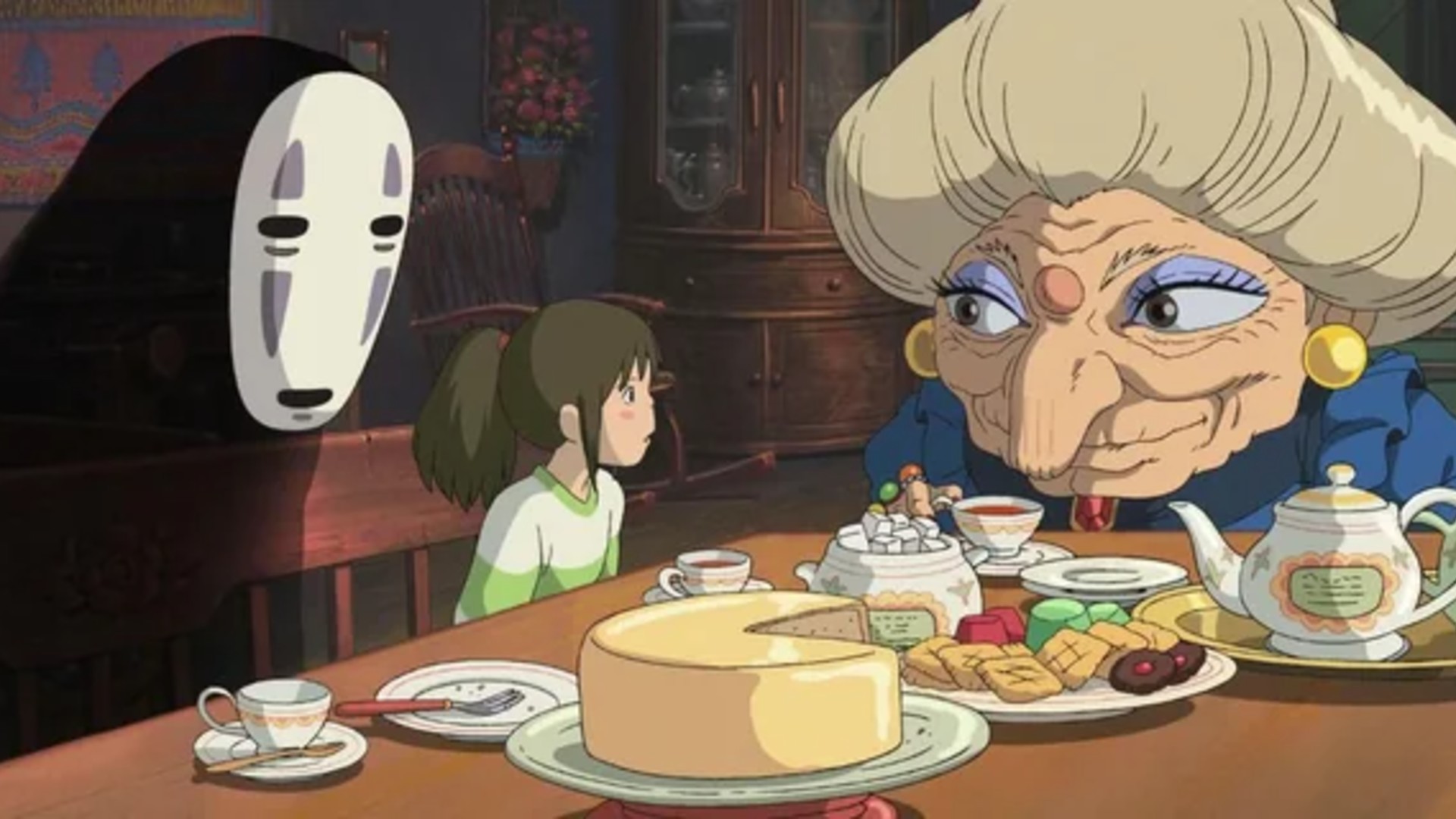
5. Spirited Away (2001)
The first non-English, hand-drawn film to win an Oscar, Spirited Away held the record for the highest-grossing film in Japanese history for nearly two decades. The "Stink Spirit" scene was inspired by Miyazaki's real-life experience of pulling a bicycle out of a polluted river, reinforcing the film's core theme of spiritual and environmental purification.
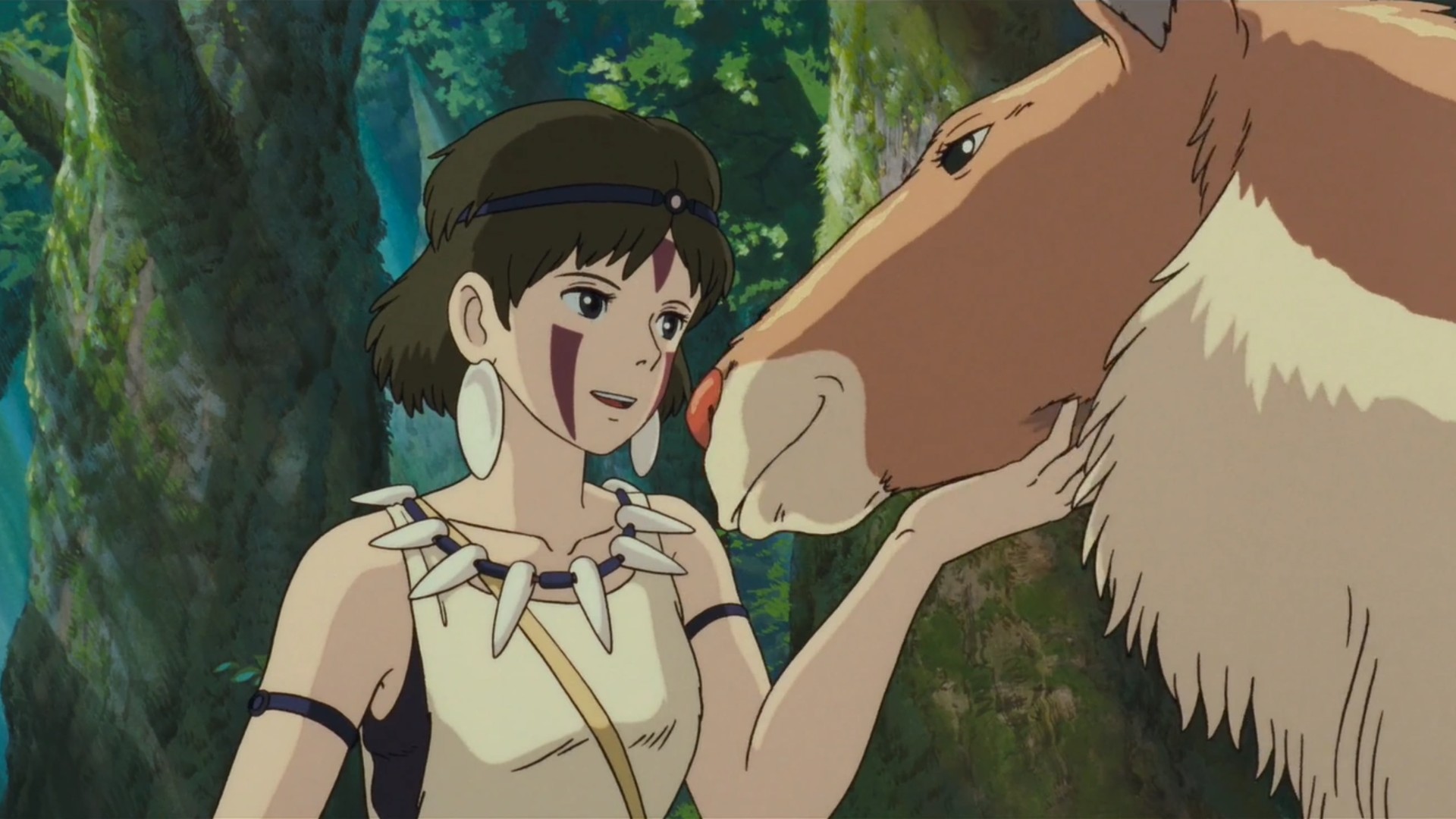
4. Princess Mononoke (1997)
Set in the Muromachi period, this film broke the "Disney mold" with its gritty, violent portrayal of the war between industrial progress and the gods of the forest. Miyazaki famously sent a katana to Miramax executive Harvey Weinstein with a note saying "No cuts" to ensure the film’s mature, complex environmental message remained intact for Western audiences.
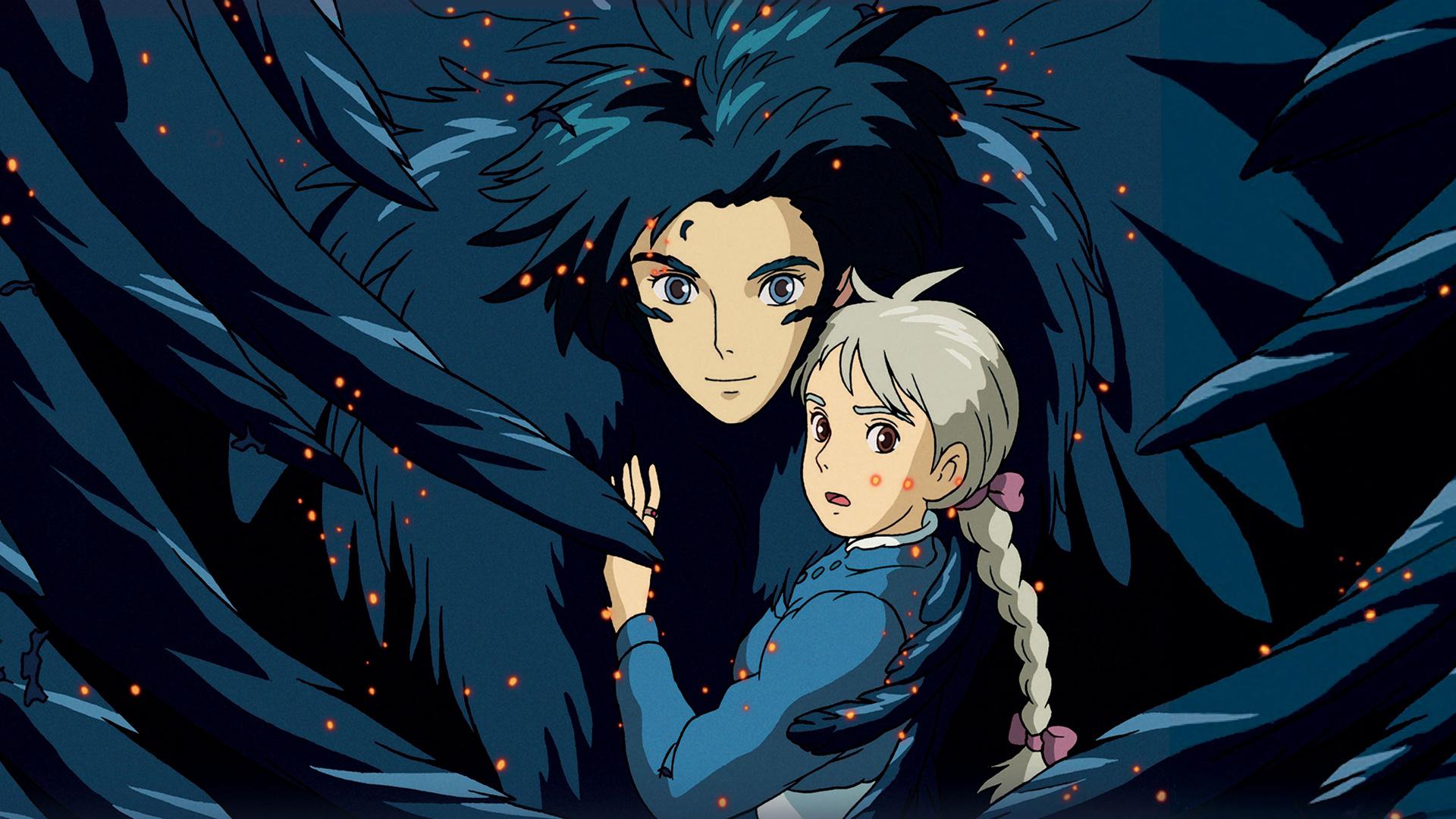
3. Howl’s Moving Castle (2004)
Deeply influenced by Miyazaki’s "great deal of rage" over the 2003 Iraq War, he transformed Diana Wynne Jones’ novel into a staunchly anti-war epic. The titular castle is a masterpiece of hand-drawn mechanical design, representing a chaotic, "moving" sanctuary in a world consumed by the fire of military industrialism.
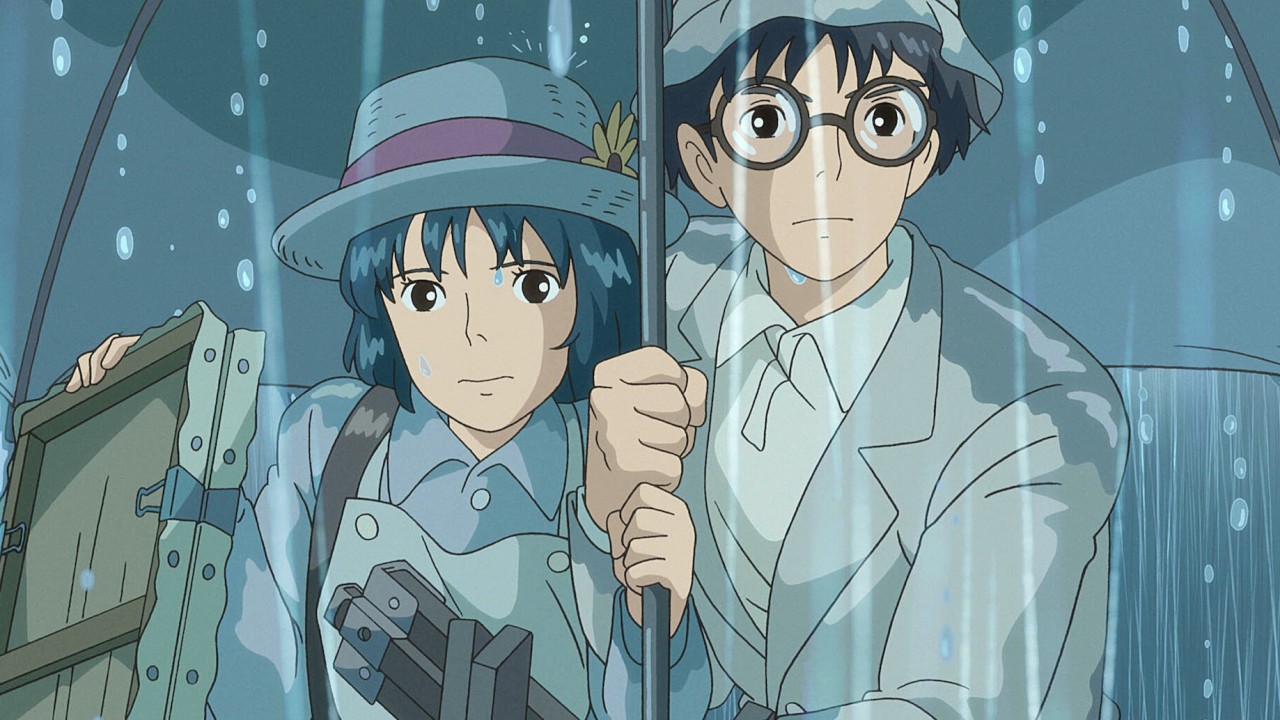
2. The Wind Rises (2013)
A fictionalized biography of Jiro Horikoshi, the designer of the Mitsubishi A6M Zero fighter, this film was initially intended to be Miyazaki’s final work. It is his most grounded film, focusing on the tragic irony of an engineer whose "dream of beautiful airplanes" is twisted into a tool of destruction during World War II.
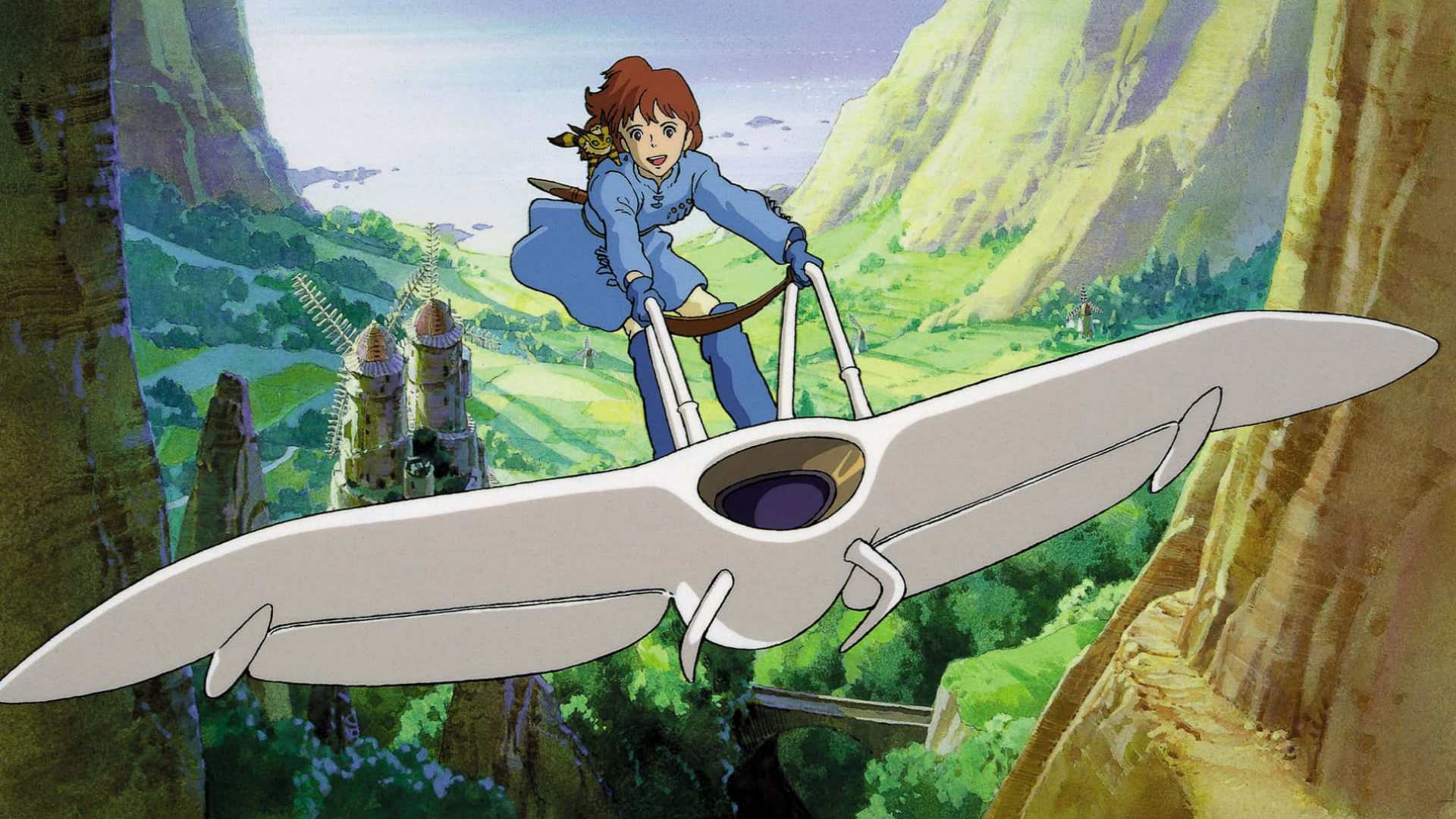
1. Nausicaä of the Valley of the Wind (1984)
While it predates the official founding of Studio Ghibli, Nausicaä is the progenitor of the studio's identity. Based on Miyazaki's own manga, it introduced the world to his "messianic" female hero and the "Toxic Jungle"—an ecosystem inspired by the mercury poisoning of Minamata Bay. It remains the definitive example of his philosophy: that humanity must find a way to coexist with a nature that is both beautiful and vengeful.