I Have Watched 80+ Series, and these are My Top 10

10. Young Sheldon
The success of Young Sheldon lies in its tonality being different from that of its predecessor. Young Sheldon does not bank on the punch line as its predecessor does. The series tackles family dynamics in a serious manner. The intelligence of Sheldon is juxtaposed with his vulnerabilities. The series treats childhood confusion in a serious and respectful manner. Consistency is the reason for its enduring popularity.
9. Westworld
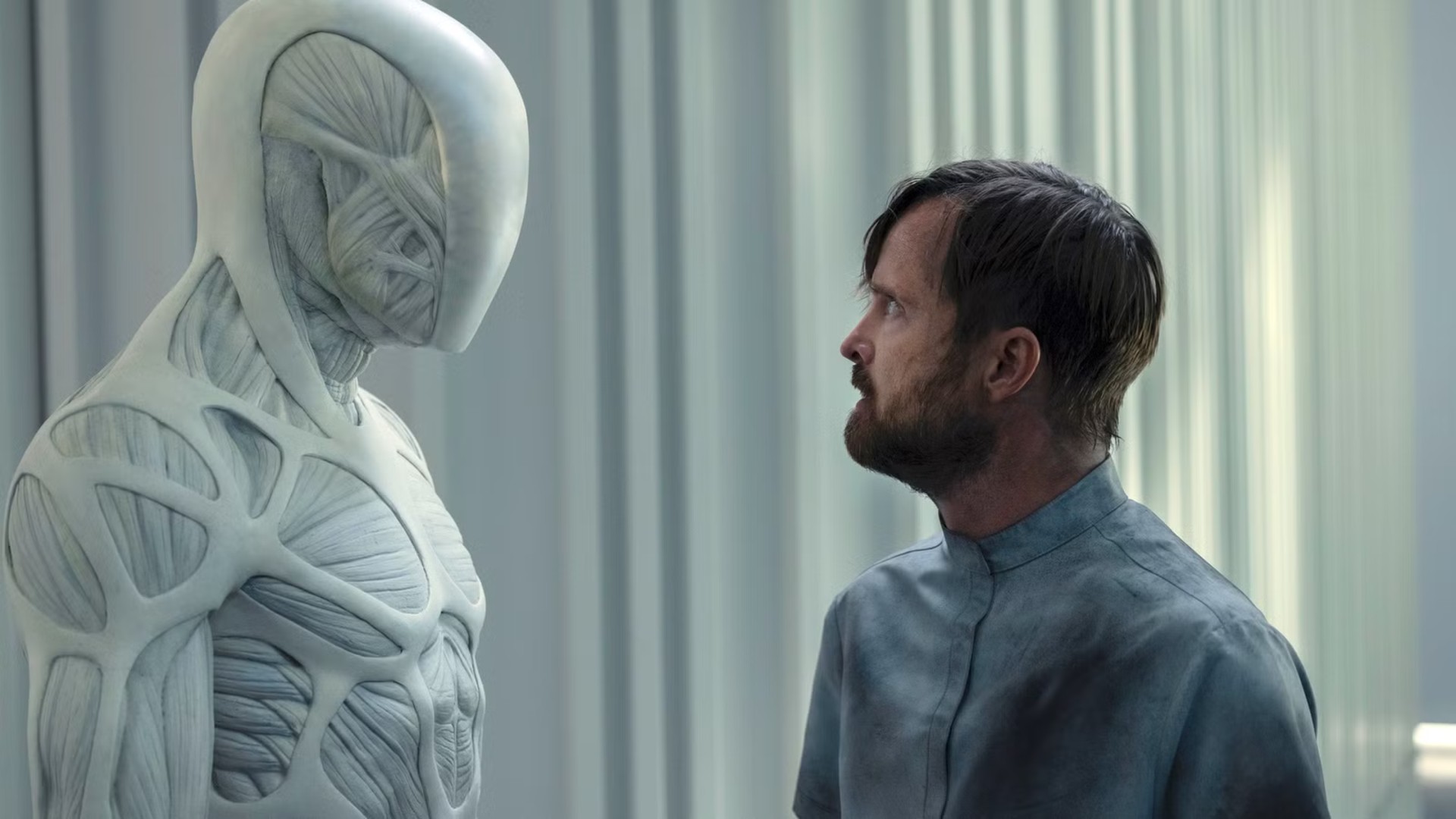
Westworld started as an exploration of consciousness and the notion of free will. The first season has a logical structure that is very philosophical in nature. The series raises questions about authorship, memory, and identity. The later series have a broader scope but are less focused in their storytelling. Yet, their themes are still very interesting, even if their realization varies in quality.

8. Better Call Saul
Better Call Saul exceeds its premise as a prequel series, proving that the genre, carried out correctly, merits excellence in its own right. The series orients itself on the portrayal of the inner psychologies, as opposed to the progression of the plot. The metamorphosis of the character Jimmy McGill is tragic and not explosive. The legal process is considered a prism for morality and compromise issues. The visual language sets the emotional state without the aid of dialogue.

7. The Boys
The Boys is a deconstruction of the genre of superheroes, done via satire and graphic violence. The potency of power is shown to be corrupting rather than saint-like. The series is an interrogation of the media, nationalism, and branding. The characters are far from perfect, and some are irredeemable but profoundly human. The shock value is appropriately dished out rather than being a steady diet. The thematic essence remains constant.
6. Chernobyl
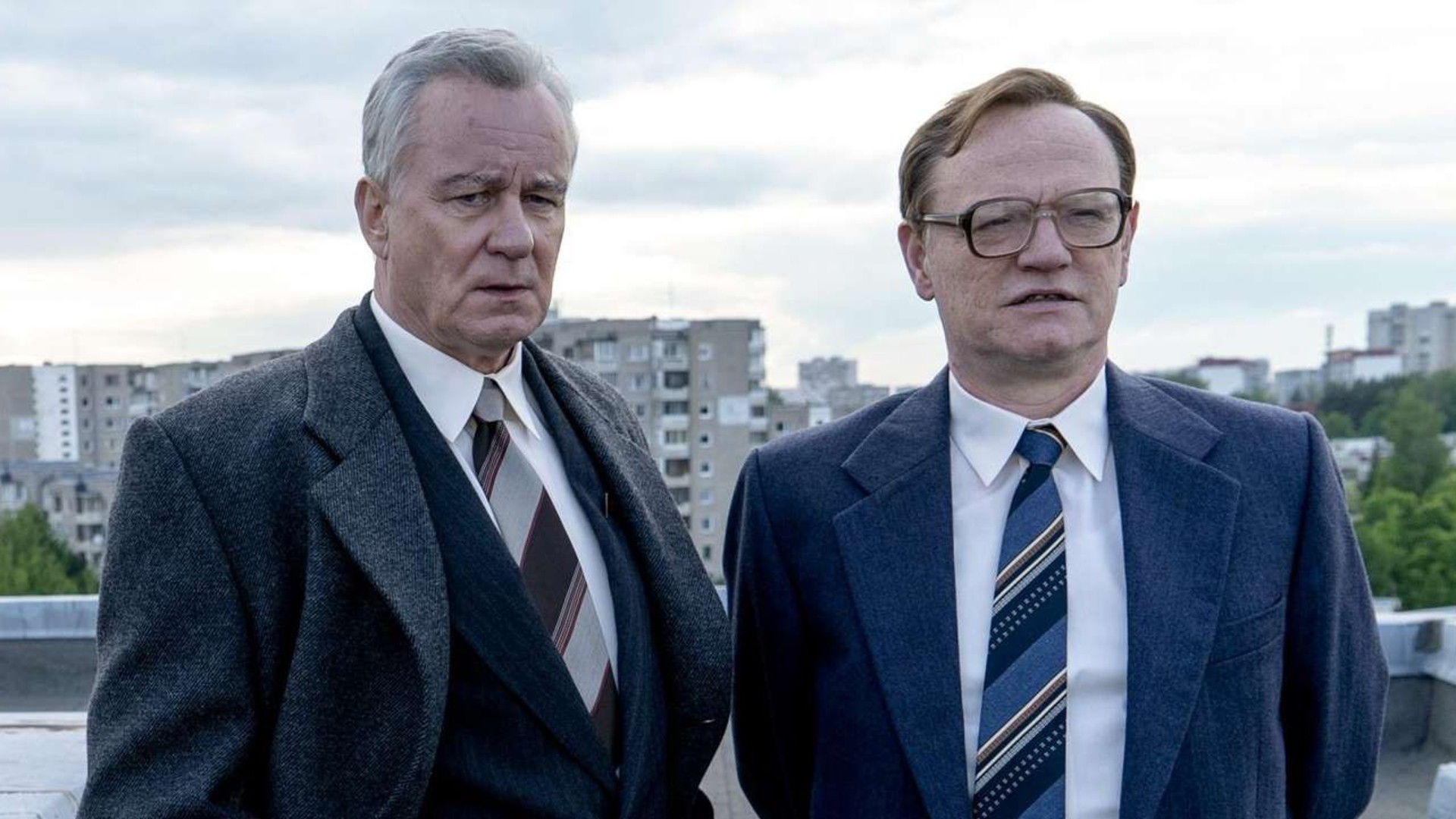
The impact of disciplined storytelling is clearly revealed in Chernobyl. The series is more concerned with the failure of the institution than with any kind of personal evil. Scientific explanations are conveyed in a clean manner without cluttering the storytelling process. The cost in human life is always concrete and tangible. The series is very much concerned with truth as both morality and politics. Such is the control of the series that horror is more effectively evoked than any theatrical spectacle would have been able to achieve. Very few series based on historical events have conveyed this kind of urgency and accuracy.

5. Breaking Bad
Walter White's fall is slow, deliberate, and profoundly troubling. Breaking Bad is rich in visual symbolism. Dire consequences are definitive and irrevocable. Supporting characters are afforded rich emotional complexity. The series sustains tension through the force of inevitability, not suspense. The series's importance to the new golden age of television cannot be overstated.
4. Severance
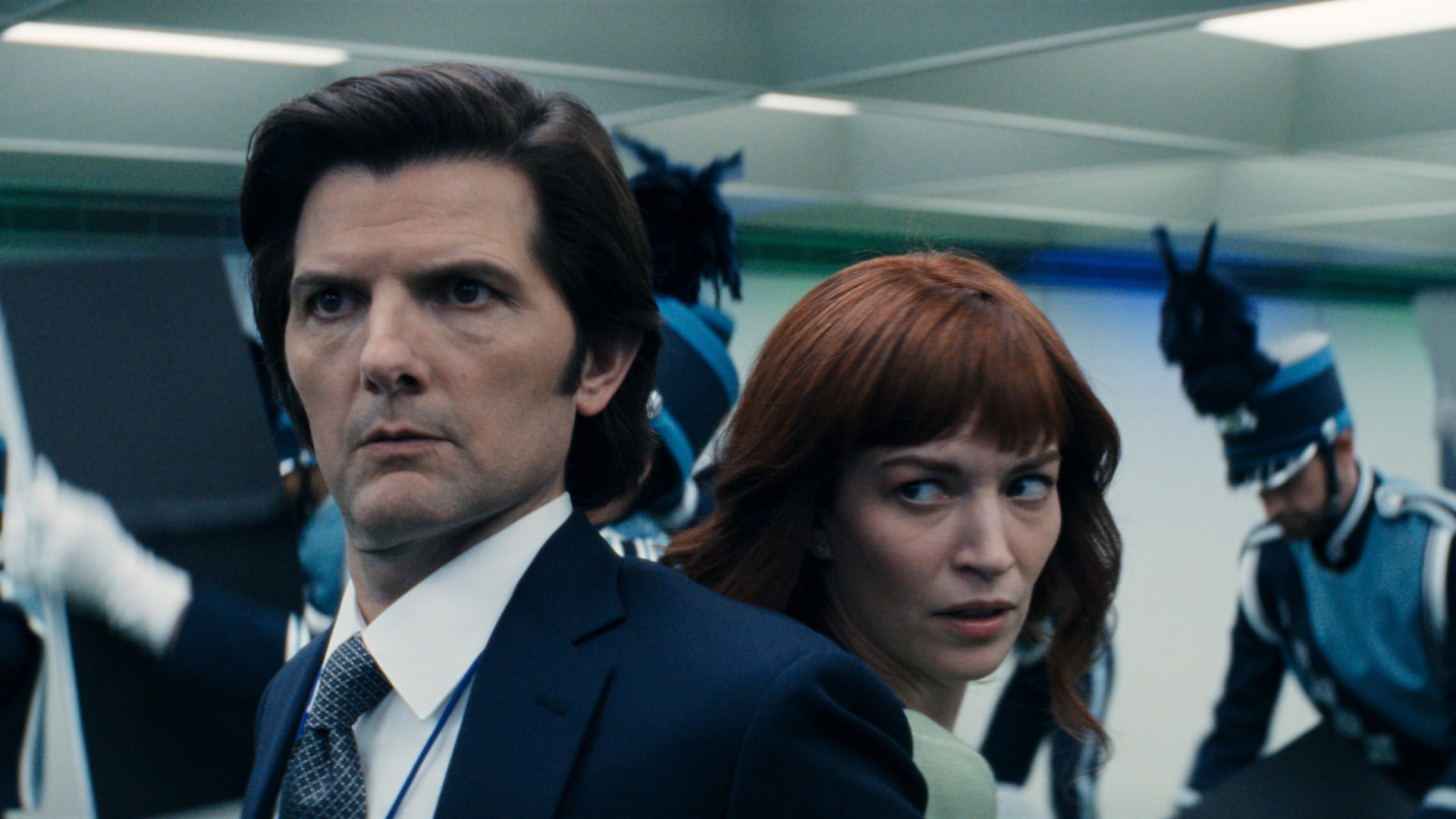
Severance has one of the most original premises on television in a long while. The distinction between work and personal identity is examined both literally and figuratively. The antiseptic corporate culture is strikingly at odds with the repression of feelings. People are defined not by what they know, but by what they are denied. This slow-burning tension has none of the spectacular elements. Morality develops incrementally and never has anything spelled out for the audience.
3. For All Mankind
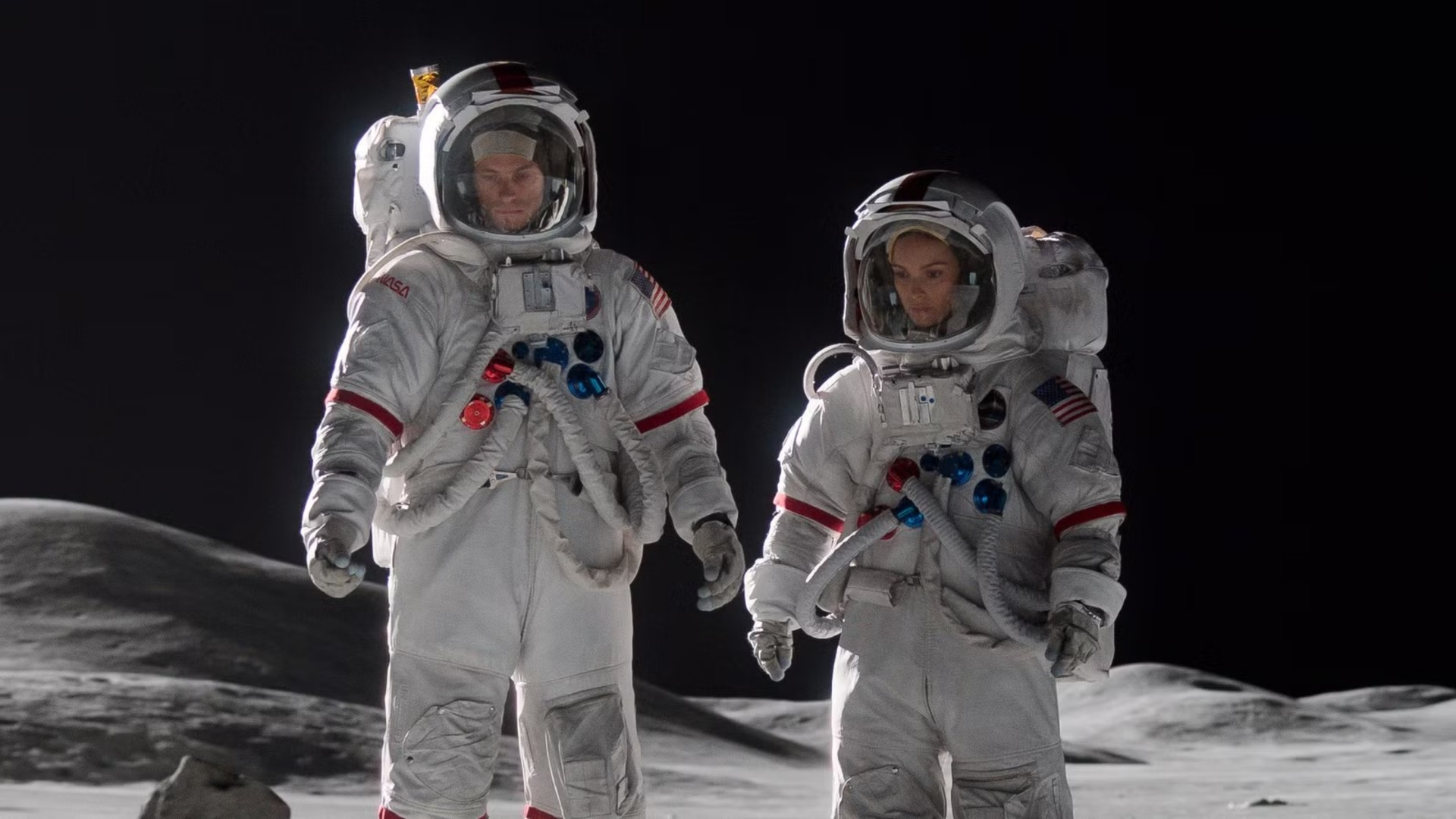
For All Mankind on Apple TV+ is a study on ambition and consequence through alternate history. It suggests a world where the space race never concluded. The series delves into the political, personal, and technological implications that could have unfolded. It considers the character development spanning several decades, giving way for long-term implications to be significant. The series maintains a level of accuracy when addressing technological issues. The way the series implements change within the institution is believable.

2. Mr. Robot
Mr. Robot broke the boundaries for what psychological television could do. The series combines unreliable storytelling with social commentary on issues like capitalism, surveillance, and loneliness. The psychology of Elliot Alderson is depicted in Mr. Robot in a way that is both rare and exemplary in its restraint. Technical aspects like framing, the absence of sound, and sound itself contribute significantly to the distancing effects of the show. Mr. Robot is one of the most adventurous series on a format level within the contemporary television era.

1. Dark
What sets "Dark" apart from the pack, aside from the show's intriguing premise, is how the story has a perfect blend of timing and adherence to logic within the narrative’s own universe. Dark utilizes time travel not as an element of convenience but as an instrument for the show's themes of determinism, loss, and intergenerational trauma to explore the consequences of every action set in motion throughout the span of multiple timelines, rendering cause and effect as one. The show has a uniform tone from the first three seasons of the show and does not rely on convenient storytelling tactics. Dark also shows respect for the viewer in not resolving the narrative by overstating explanations for the audience's consumption. Very few other television shows have concluded with the same thematic and structural completeness that "Dark" has in the delivery of its storyline.