I have watched 100+ anime, and these are my top 10
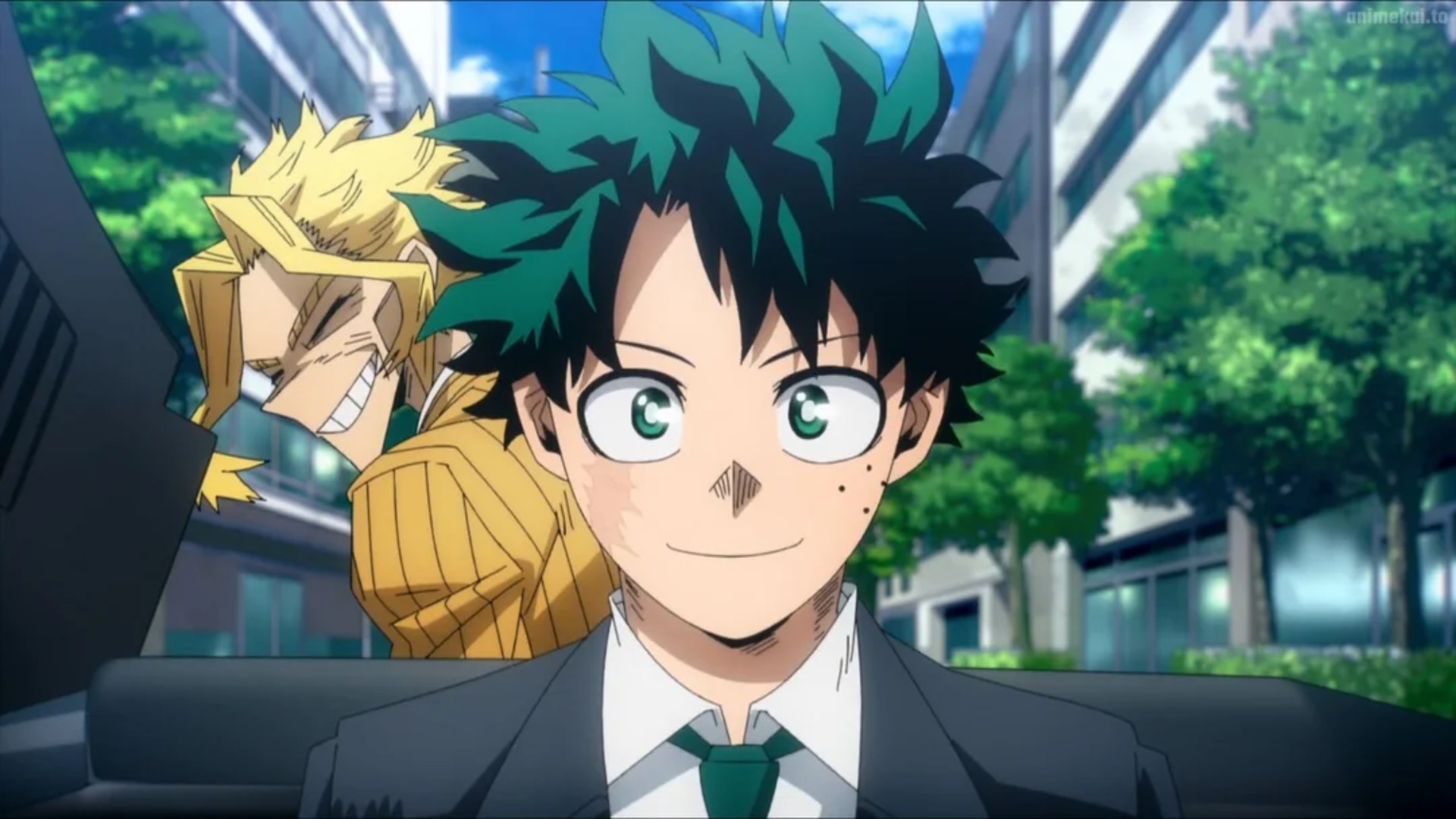
10. My Hero Academia
What keeps me attached to My Hero Academia isn’t just the spectacle of Quirks colliding; it’s the emotional taxation of trying to be worthy in a world that measures heroism like a career path. Midoriya’s journey hurts because it feels personal; he studies everyone obsessively, not out of strategy alone but from insecurity, from the fear of not belonging. Bakugo’s rage reads differently when you see it as someone terrified of falling behind. Todoroki’s arc isn’t flashy rebellion; it’s quiet reclamation of identity. Even the pro heroes feel painfully human, especially when the cracks in hero society widen. The show earns its hype because it constantly asks what a “symbol” costs and whether saving people is enough if the system itself is flawed. It’s messy, earnest, and emotionally sincere.
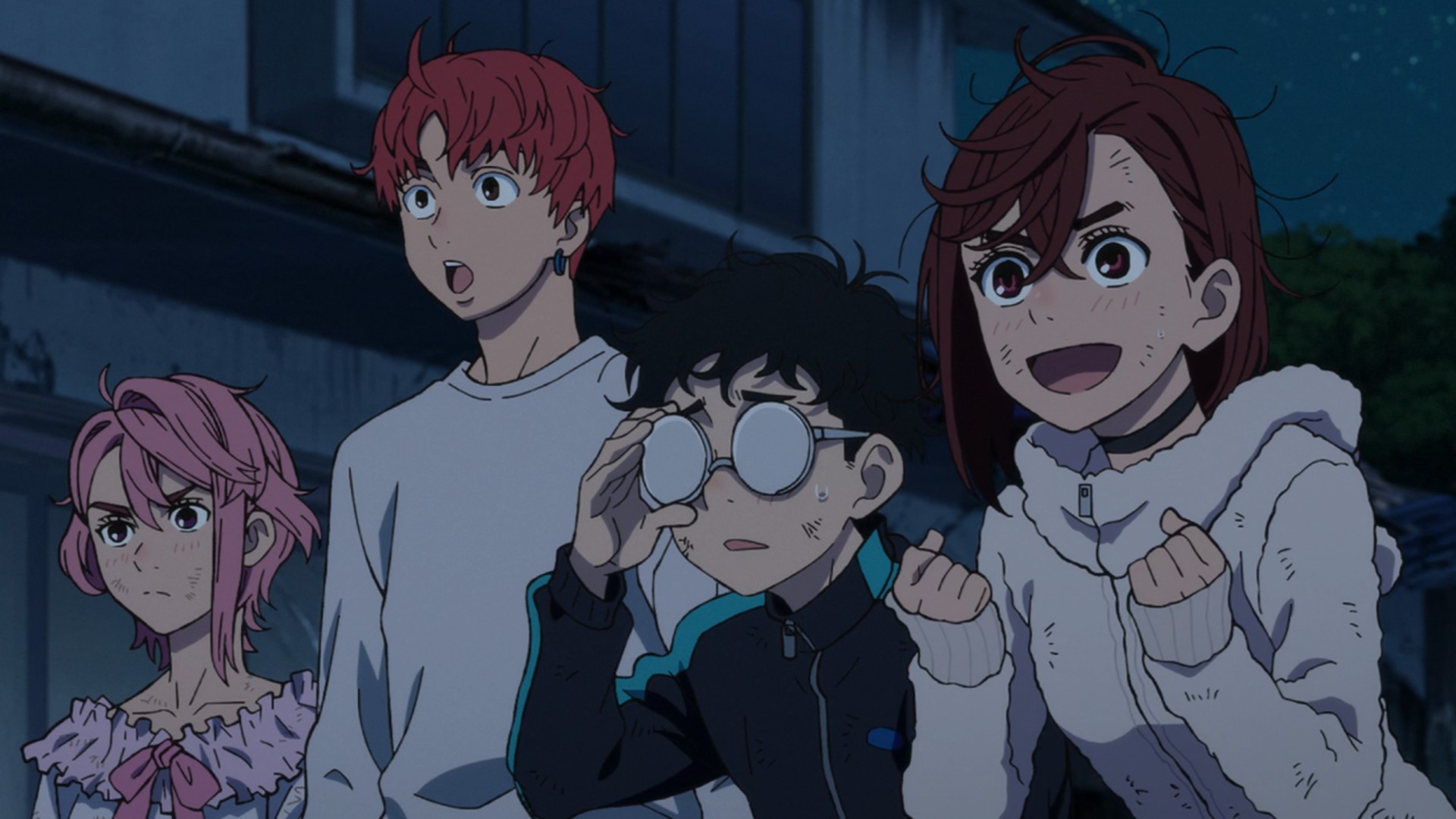
9. Dan Da Dan
Dan Da Dan feels like controlled chaos crafted by someone who deeply understands teenage vulnerability. On paper, it sounds unhinged—aliens, spirits, body horror, absurd comedy—but the emotional core between Momo and Okarun is what makes it addictive. Their awkward pride, jealousy, embarrassment, and gradual trust development feel painfully authentic. The series never slows down, yet it never sacrifices sincerity for shock value. The horror is grotesque, the action explosive, but the real hook is watching two insecure kids choose each other in the middle of madness. Every emotional beat lands because the reactions feel grounded. It deserves the hype because it proves tonal whiplash can coexist with emotional consistency, and because beneath all the insanity, it’s ultimately about connection, loyalty, and the courage to believe someone when the world looks ridiculous.
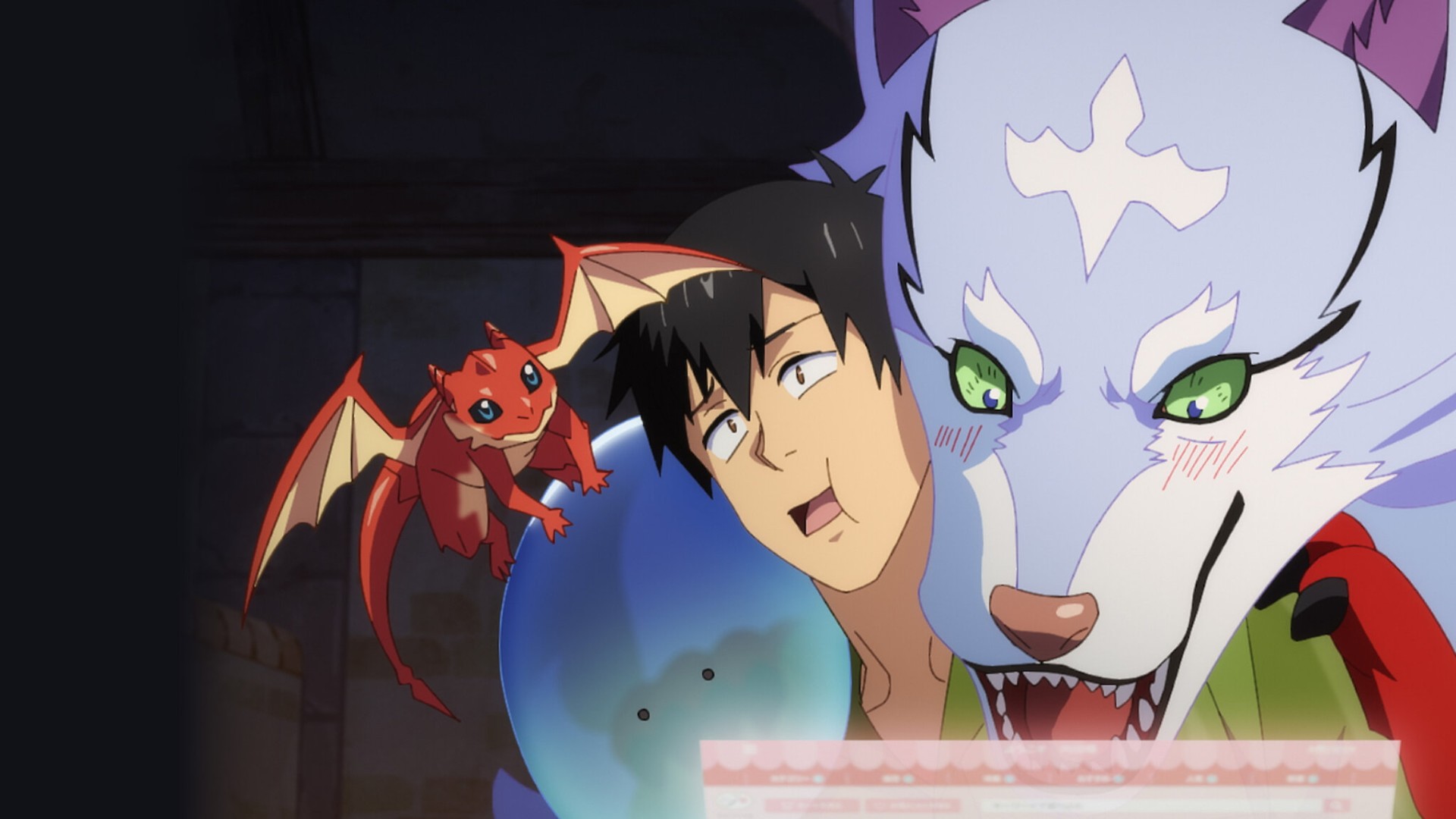
8. Campfire Cooking in Another World with My Absurd Skill
Campfire Cooking in Another World feels like a rebellion against high-stakes isekai power fantasies. Mukoda isn’t chasing glory or destiny; he wants comfort, safety, and good food, and that grounded desire makes the show strangely intimate. The cooking scenes aren’t gimmicks; they’re emotional bridges—moments where trust forms quietly over shared meals. Fel’s intimidating presence softens into something almost endearing when food is involved, and that contrast gives the series warmth. There’s a low-stress rhythm to the storytelling that feels deliberate, like it’s reminding viewers that rest is valuable too. Instead of escalating conflict endlessly, it cultivates coziness and companionship. It deserves its hype because it validates softness in a genre obsessed with domination, proving that peace, routine, and chosen bonds can be just as compelling as saving the world.
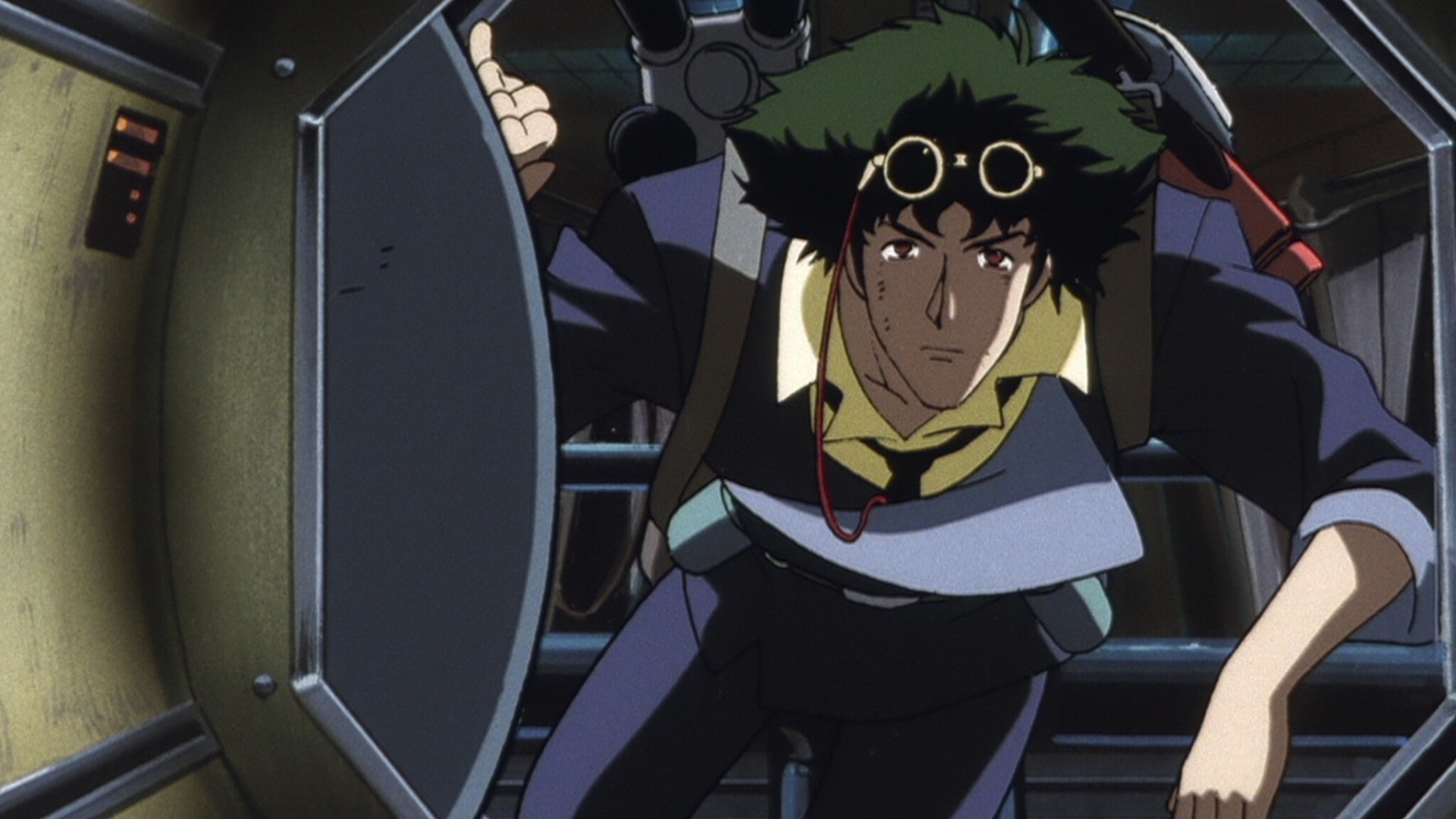
7. Cowboy Bebop
Cowboy Bebop isn’t just stylish; it’s emotionally restrained in a way that makes every quiet moment heavier. Spike’s detachment isn’t cool indifference; it feels like someone already halfway gone, drifting because staying still would mean confronting regret. Faye’s sharp tongue hides abandonment and identity loss, while Jet clings to structure as if routine can anchor him. The episodic bounty format disguises a slow meditation on loneliness and inevitability. The soundtrack amplifies that emptiness, turning even action sequences into reflections on impermanence. It earns its legendary status because it trusts silence as much as dialogue. The final stretch doesn’t explode emotionally—it tightens, calmly, like fate closing in. Fans hype it because it matures with you; the older you get, the more you understand what it was really saying all along.
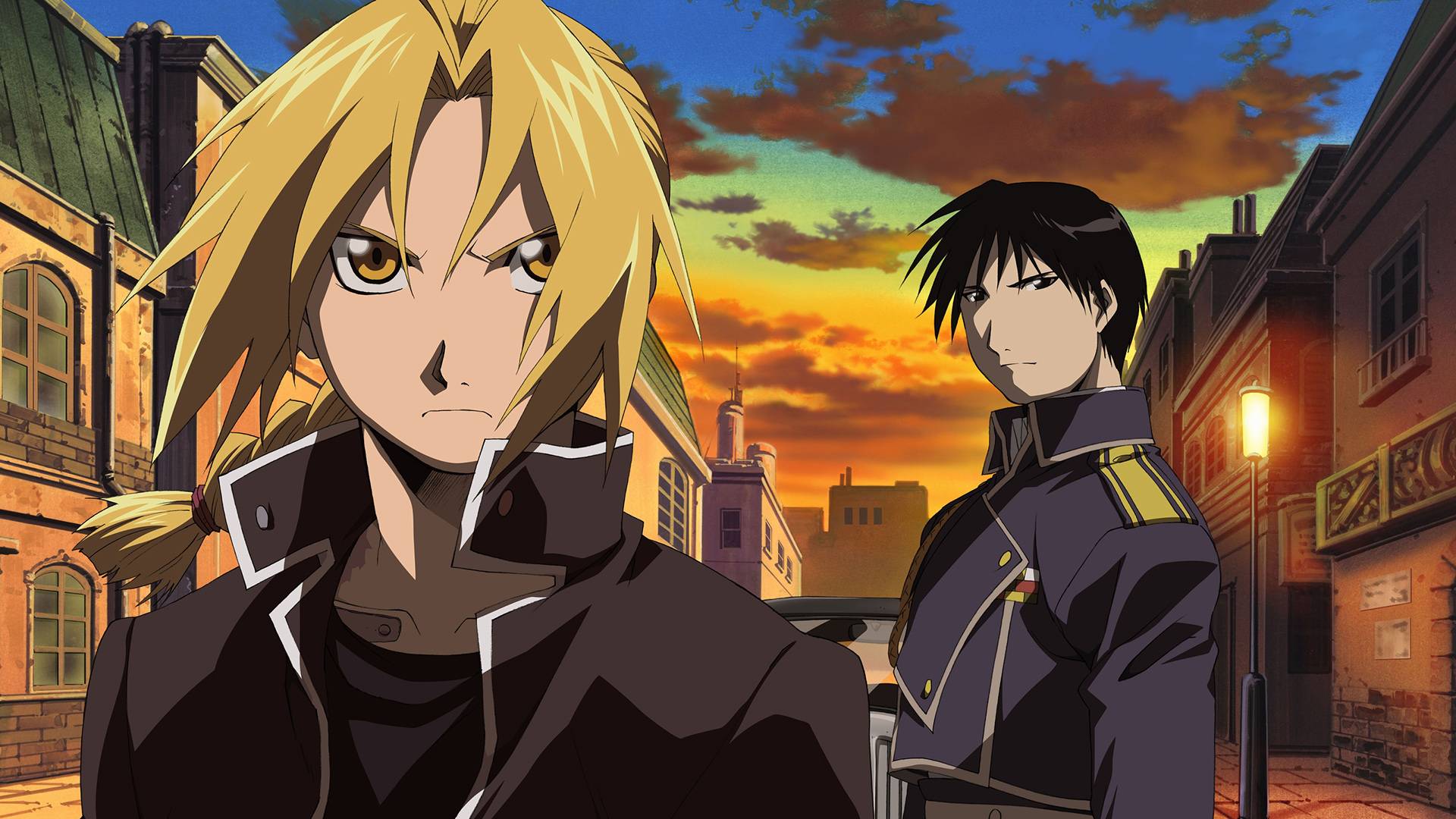
6. Fullmetal Alchemist: Brotherhood
Fullmetal Alchemist: Brotherhood feels meticulously constructed, like every character and ideological clash was placed with intention. The Elric brothers’ guilt is the emotional engine, and that guilt humanizes even the most cosmic stakes. Equivalent Exchange isn’t just a power system rule; it’s the thematic spine holding everything together. Mustang’s quiet fury, Scar’s moral reckoning, and even the Homunculi embody philosophical conflicts about humanity, identity, and choice. The political layers never overshadow the emotional core, and the action never sacrifices narrative logic. It’s satisfying because setups always pay off; nothing feels wasted. The final arcs hit so hard because the groundwork was laid carefully across dozens of episodes. It deserves the “perfect” reputation not for spectacle alone, but because it respects structure, consequence, and the emotional intelligence of its audience.
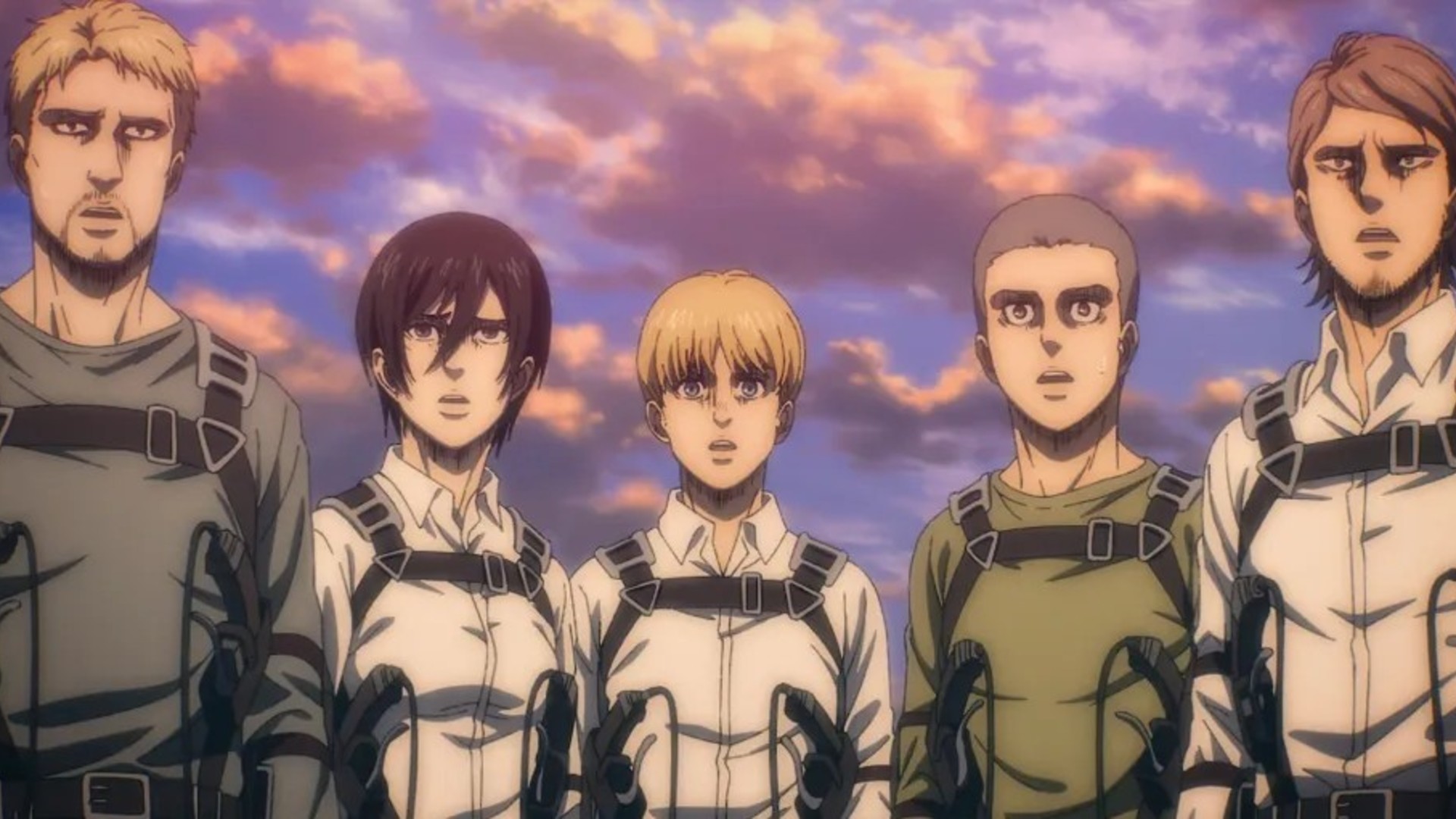
5. Attack on Titan
Attack on Titan’s power lies in its evolution from survival horror to ideological tragedy. What begins as humanity versus monsters slowly transforms into inherited hatred, nationalism, and moral collapse. Eren’s shift is intentionally uncomfortable; he forces viewers to question whether freedom justified through destruction is still freedom. Characters like Reiner and Historia embody the burden of identity shaped by circumstance, while Levi’s restraint feels like controlled grief. The narrative constantly reframes prior events, weaponizing perspective so that certainty becomes impossible. It doesn’t offer easy heroes or villains, only cycles of trauma. The scale expands globally, yet the emotional weight becomes more suffocating. It deserves its hype because it refuses simplification; it challenges viewers to confront how fear, power, and history intertwine, and it never pretends the answers are clean.
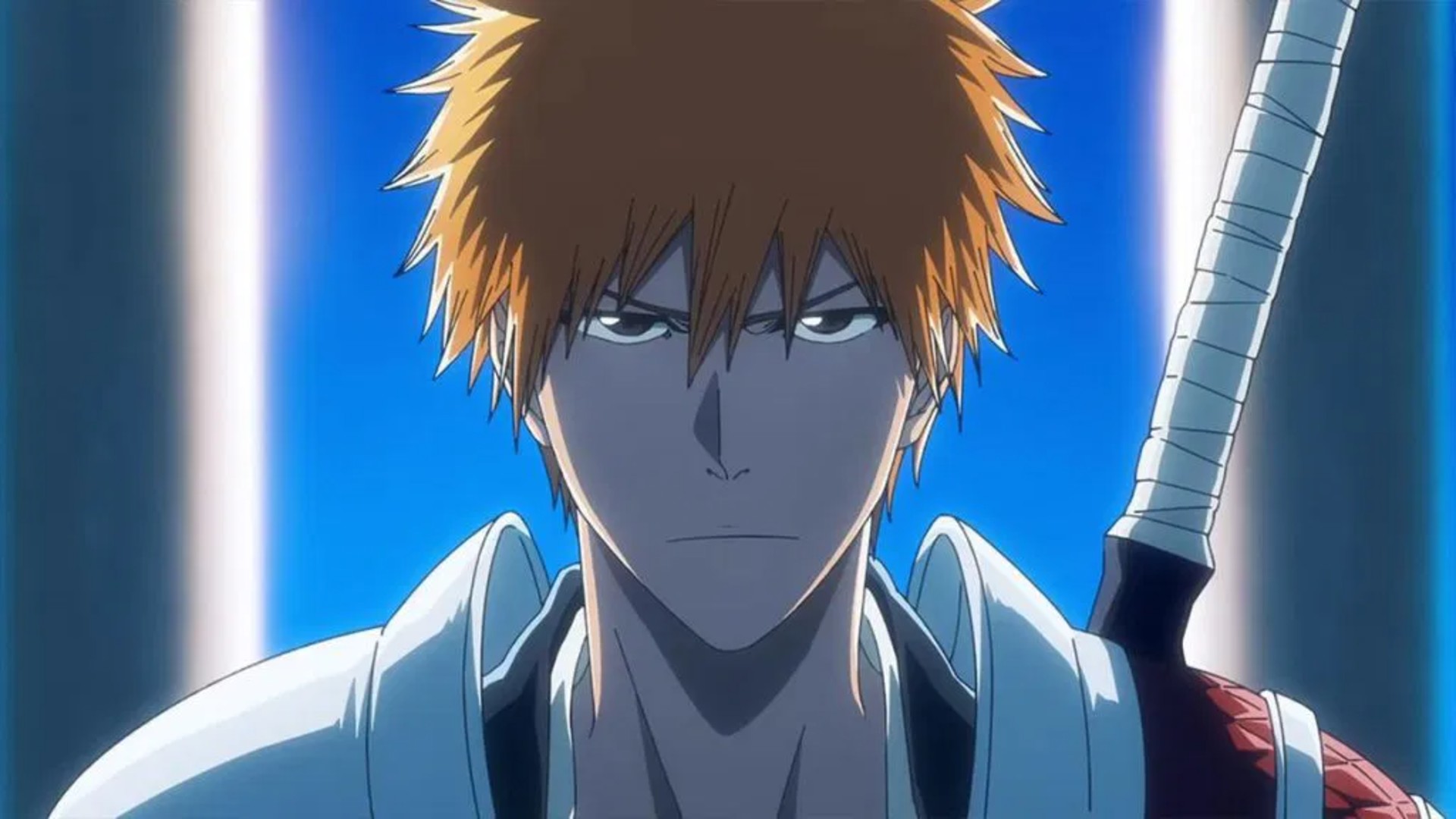
4. Bleach
Bleach thrives on presence and atmosphere in a way few shōnen manage. Ichigo’s motivation is deeply personal; he fights not for ambition but for protection, and that instinct keeps the battles grounded despite escalating powers. The Soul Society arc established emotional loyalty because every confrontation felt layered with ideology and honor. Kubo’s sense of stillness—those pauses before a Bankai reveal—creates tension that lingers. Characters radiate individuality through design and philosophy, making even brief appearances memorable. The Thousand-Year Blood War arc amplifies the darkness, rewarding long-term fans with sharper animation and deeper lore. It deserves the hype because it understands identity as power; every transformation feels like an extension of self. Bleach isn’t just fights—it’s aesthetic confidence fused with emotional loyalty.
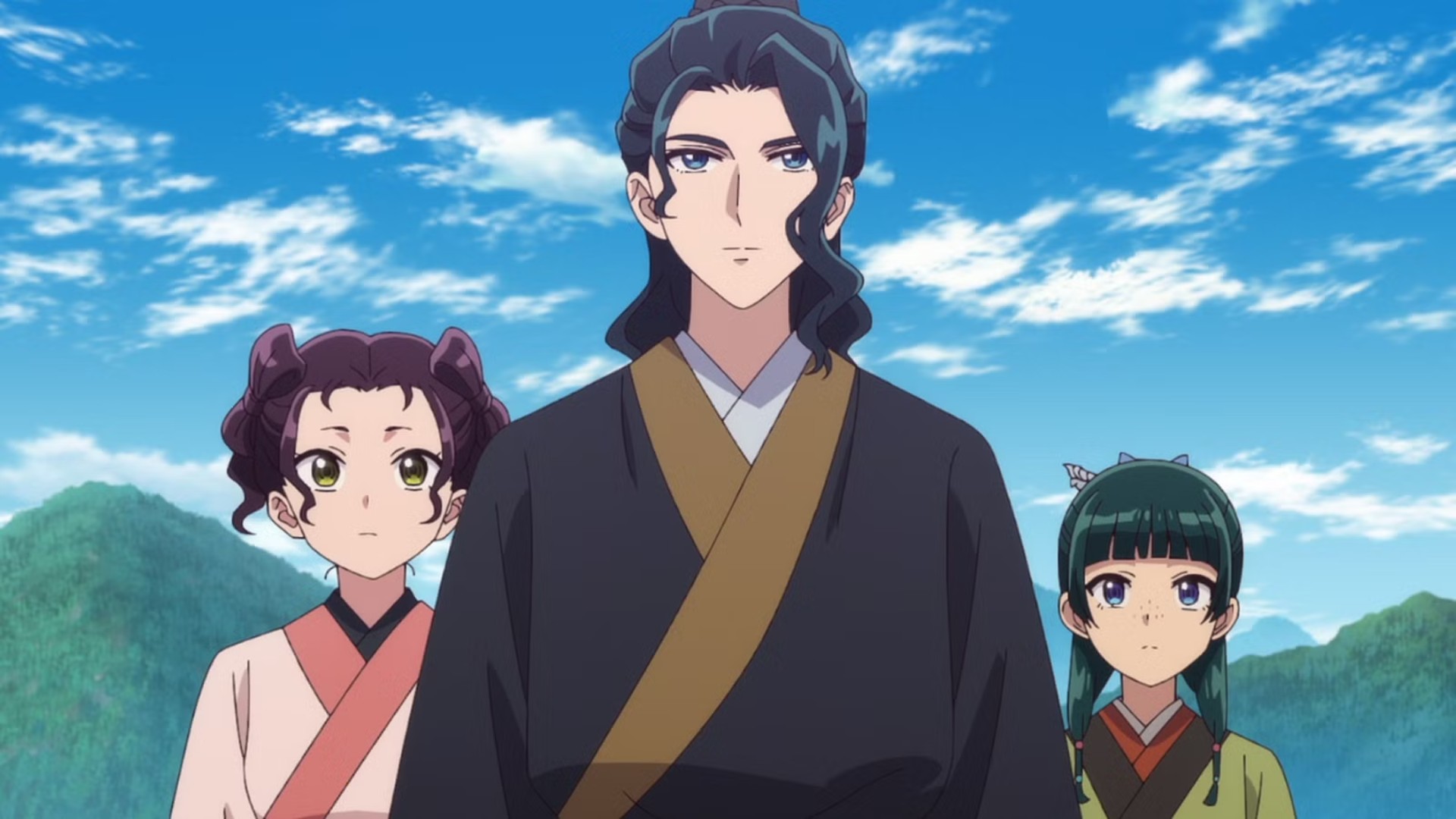
3. The Apothecary Diaries
The Apothecary Diaries captivates through precision rather than spectacle. Maomao’s intelligence is observant and quietly rebellious; she notices what others overlook and refuses to be dazzled by status. The imperial court is beautiful but dangerous, layered with subtle manipulation, poison, and political maneuvering. Mysteries feel satisfying because the clues are fair, rewarding viewers who pay attention. The dynamic between Maomao and Jinshi simmers slowly, built on curiosity and mutual fascination rather than dramatic declarations. What makes it addictive is restraint—emotions unfold gradually, secrets unravel carefully. It respects the audience’s patience, trusting them to appreciate nuance over shock. It deserves its hype because it proves tension doesn’t require volume; it thrives on intellect, atmosphere, and the quiet thrill of watching someone outthink a system designed to control her.
2. Gintama
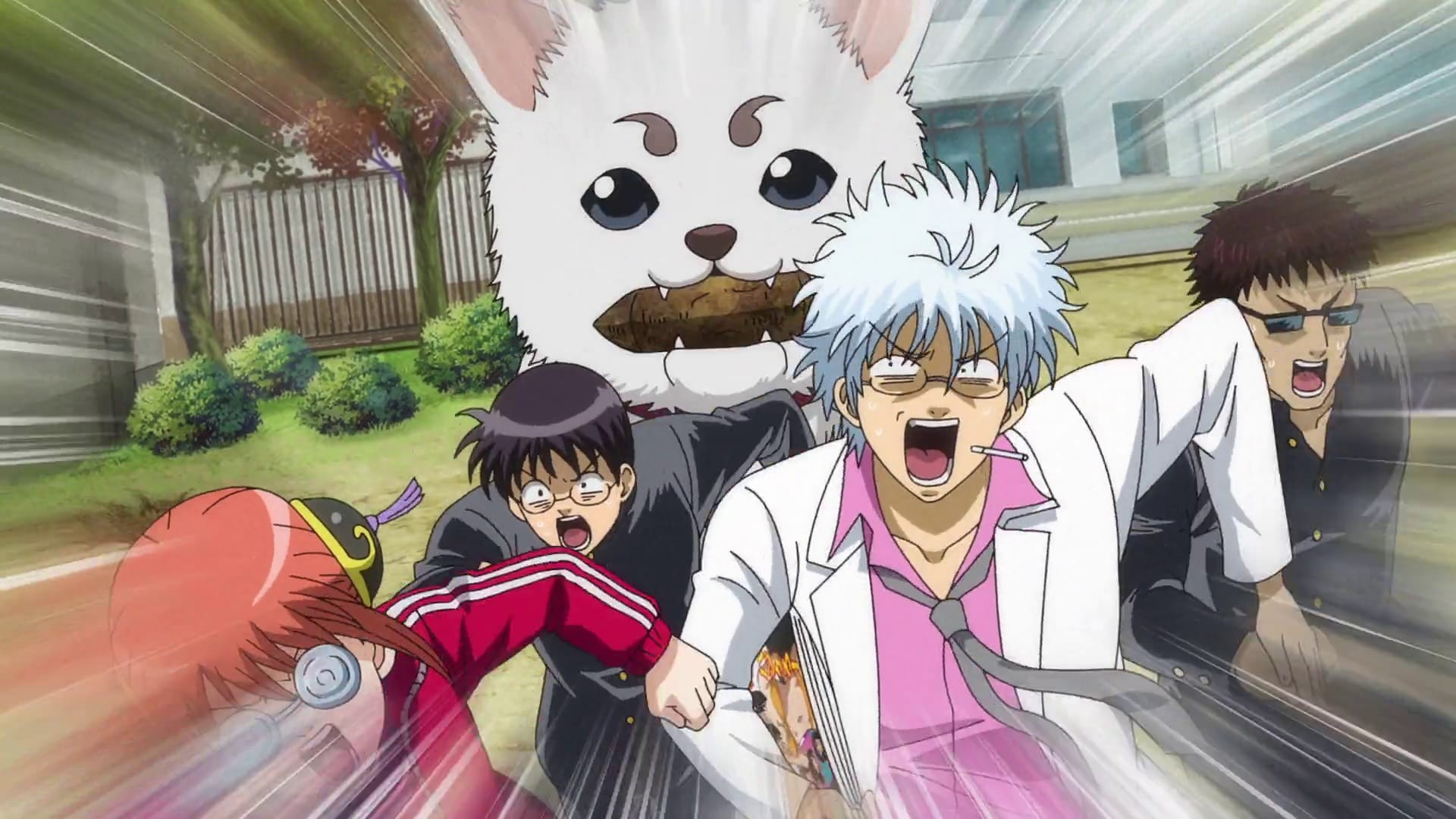
Gintama earns devotion by disguising depth behind absurdity. The comedy is relentless—parody, meta jokes, shameless chaos—but beneath it lies unresolved trauma and loyalty forged in war. Gintoki’s laziness masks survivor’s guilt, and when serious arcs begin, the tonal shift feels devastating precisely because you’ve spent so long laughing. Kagura and Shinpachi ground the madness with genuine attachment, turning found family into emotional armor. The Shogun Assassination and subsequent arcs don’t abandon humor; they sharpen it into contrast, making heartbreak land harder. It respects viewers enough to assume they can handle extremes. It deserves its hype because it understands balance better than almost any series, proving that comedy can amplify tragedy rather than undermine it.
1. One Piece
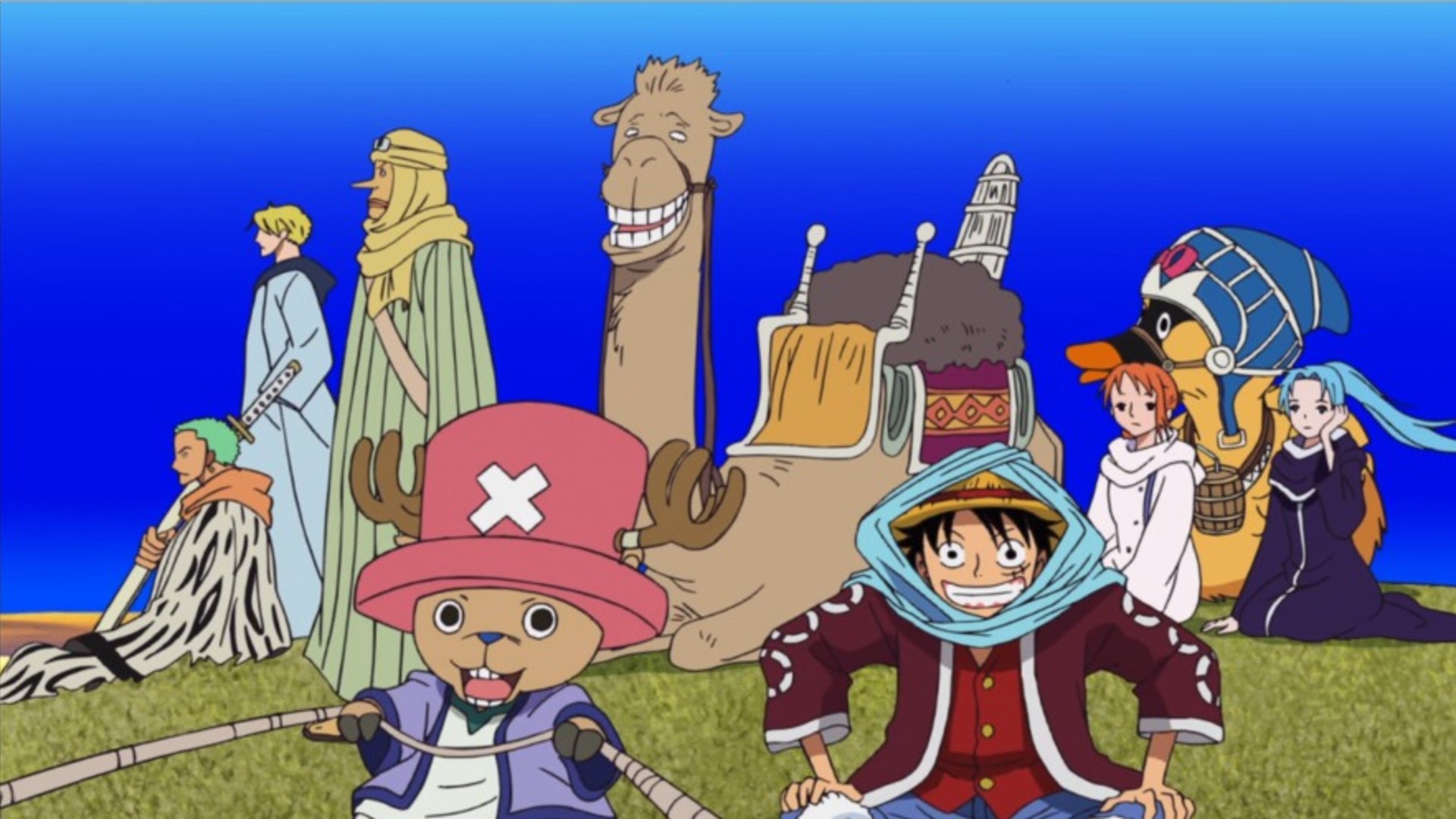
One Piece stands at the top because of cumulative emotional investment. Luffy’s unwavering belief in freedom remains constant, but the world around him grows increasingly complex and oppressive. The Egghead arc tightens decades of world-building—science, forbidden history, and the looming authority of the World Government converge with tangible consequences. What makes it extraordinary is memory; arcs from hundreds of episodes ago still resonate, and promises made in passing eventually reshape the global narrative. The Straw Hats aren’t just adventurers anymore; they’re catalysts for systemic disruption. Oda’s patience in layering mysteries makes every reveal feel earned rather than convenient. It deserves every ounce of hype because it combines scale with heart, proving that long-form storytelling can remain emotionally explosive without losing its core identity.