From Crocodile to Kaido: Ranking One Piece Villains
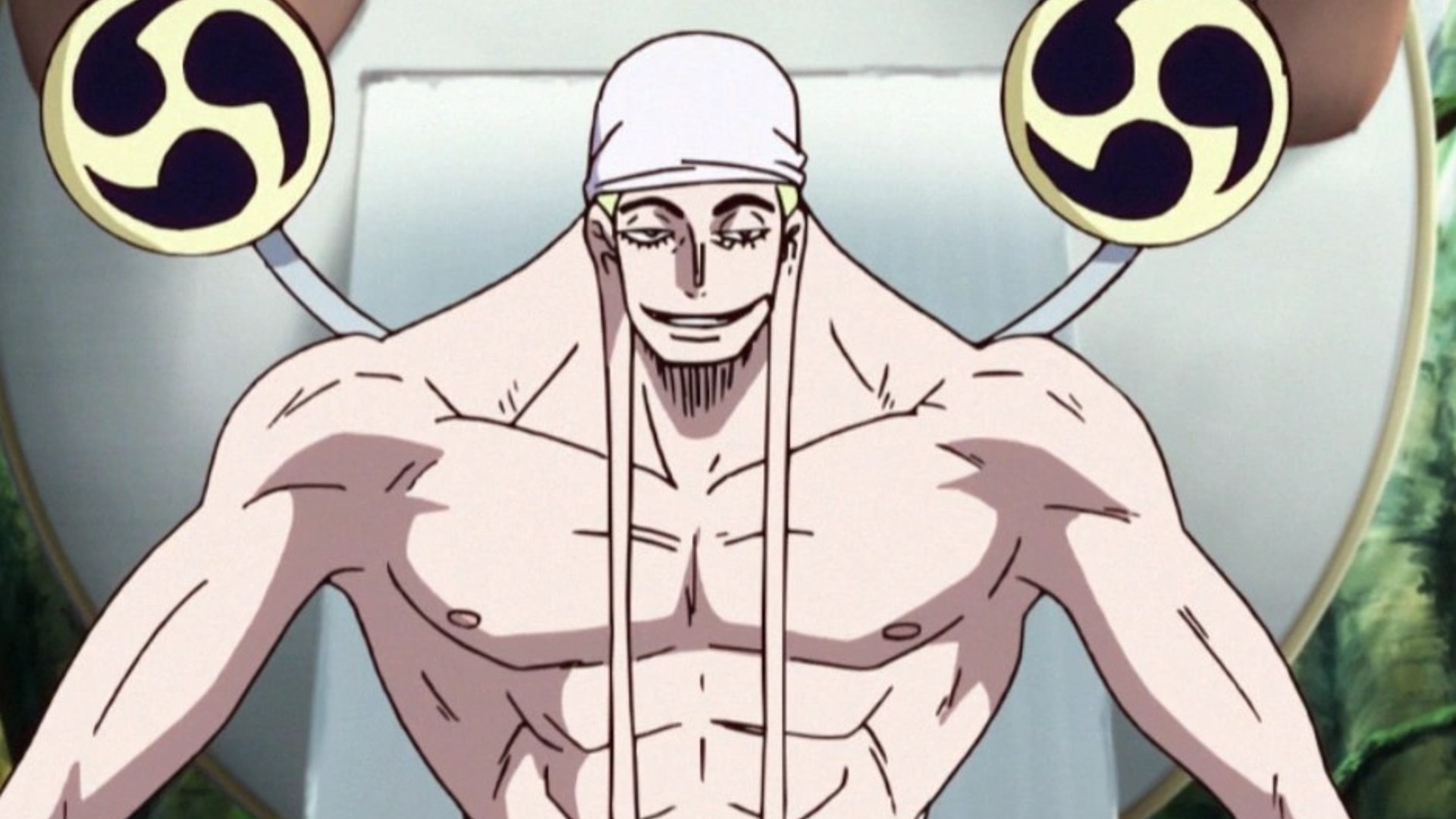
10. Enel
Enel’s reign over Skypiea early in One Piece depicts divine delusion. His control of lightning through the Rumble-Rumble Fruit makes him nearly invincible, except to Luffy’s rubber body. His belief in his godhood and plans to reach the “Fairy Vearth” show unchecked arrogance. The arc’s conclusion highlights the limits of power when disconnected from empathy or understanding. Enel remains one of the most iconic early villains due to his design, abilities, and philosophical contrast with Luffy.
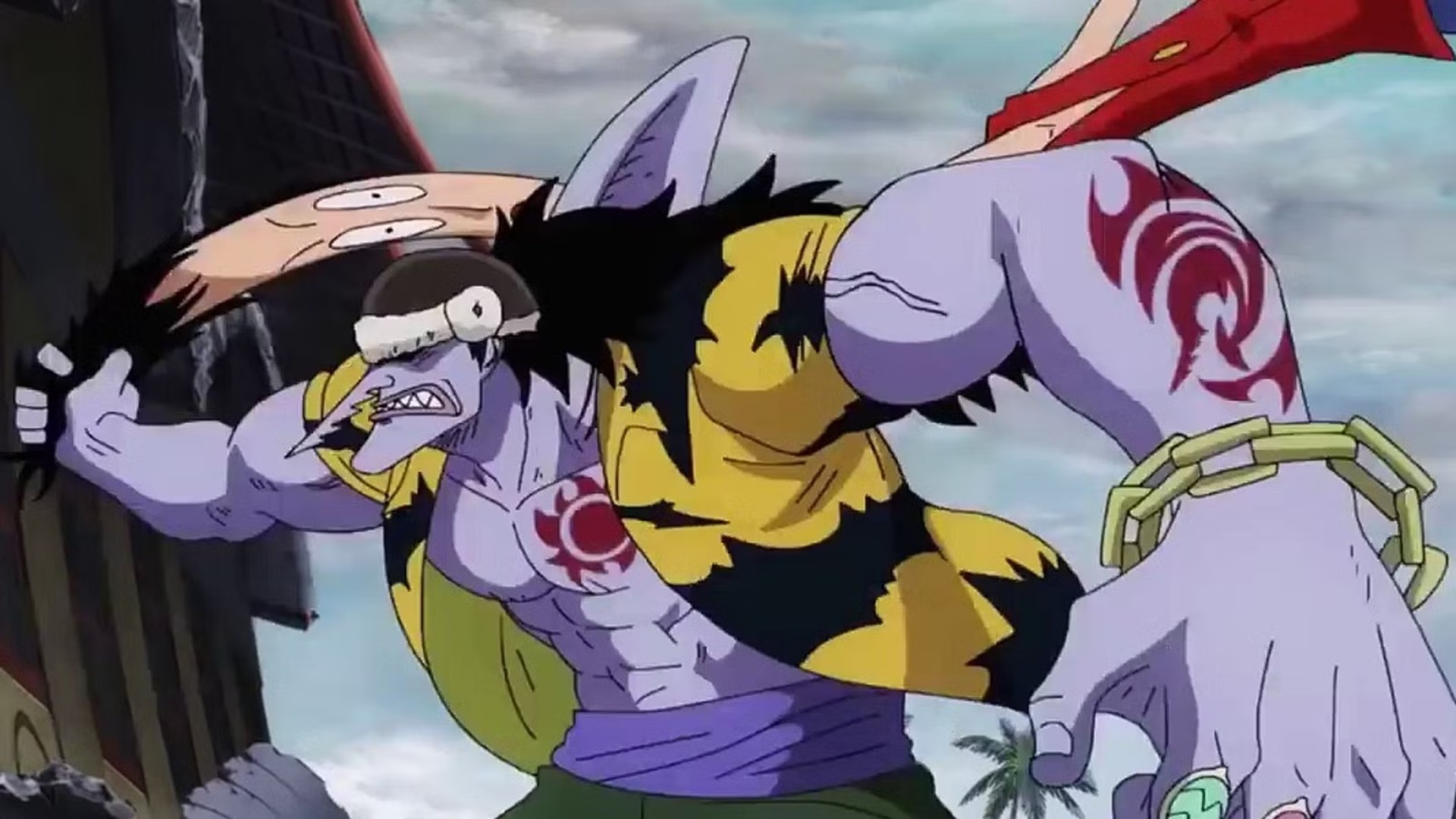
9. Arlong
Arlong’s oppression of Nami’s village marks One Piece’s first exploration of systemic cruelty and prejudice. His belief in fish-man superiority leads him to enslave humans, reflecting racial and social hierarchies within the world. His defeat is both personal and symbolic, freeing Nami from trauma and inspiring Luffy’s resolve. The simplicity of his motives is offset by the lasting emotional impact of his actions. Arlong’s arc established the series’s ability to balance emotional storytelling with world-building.
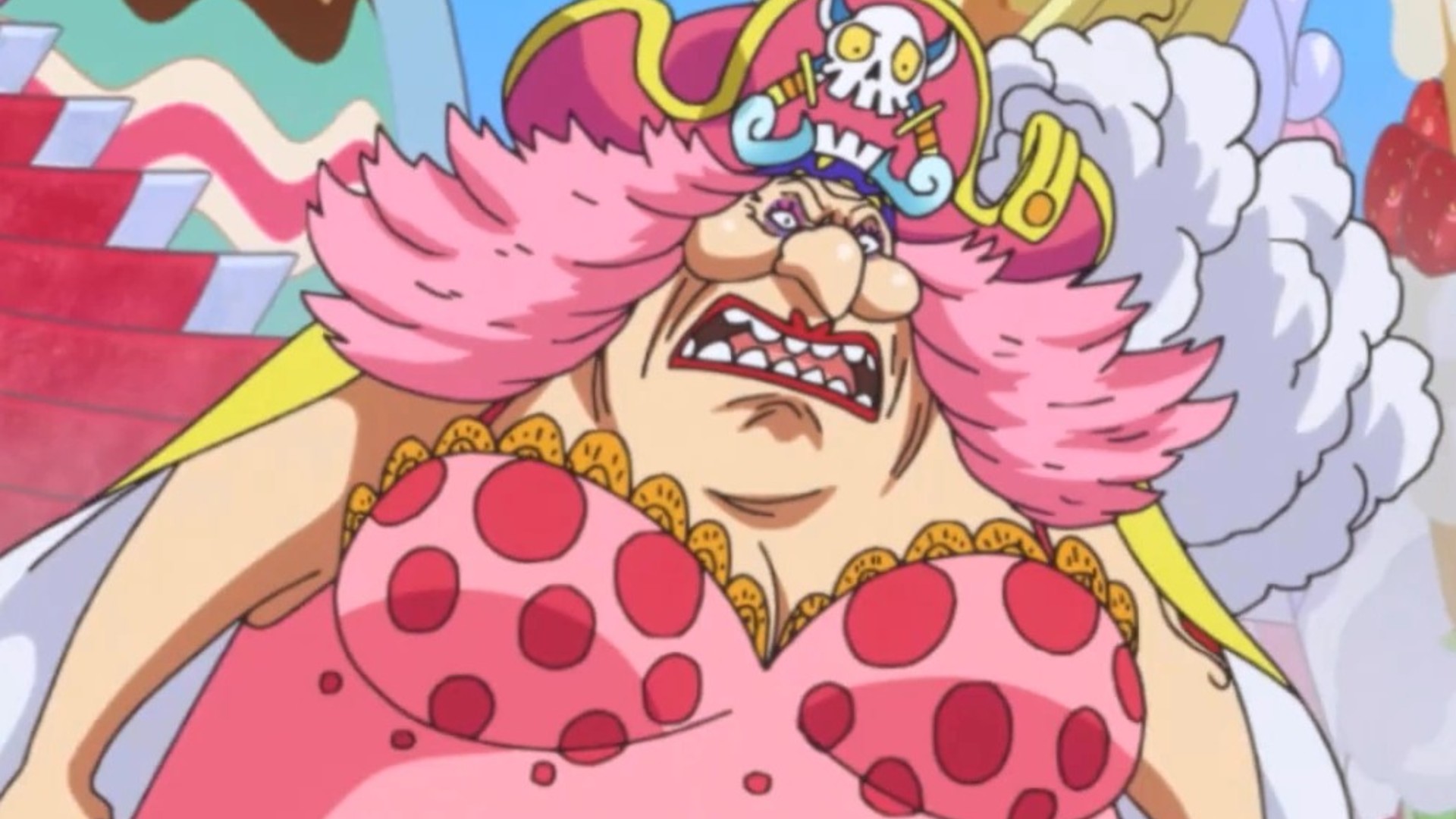
8. Big Mom
Big Mom’s mix of terrifying strength and emotional instability creates one of One Piece’s most unpredictable villains. Her Soul-Soul Fruit allows her to control life, turning fear into a weapon. She rules Totto Land through domination disguised as family unity, embodying the corruption of maternal power. Flashbacks reveal a tragic origin rooted in abandonment and hunger, grounding her monstrous nature in human pain. Her downfall marks the end of another old guard within the Yonko hierarchy.
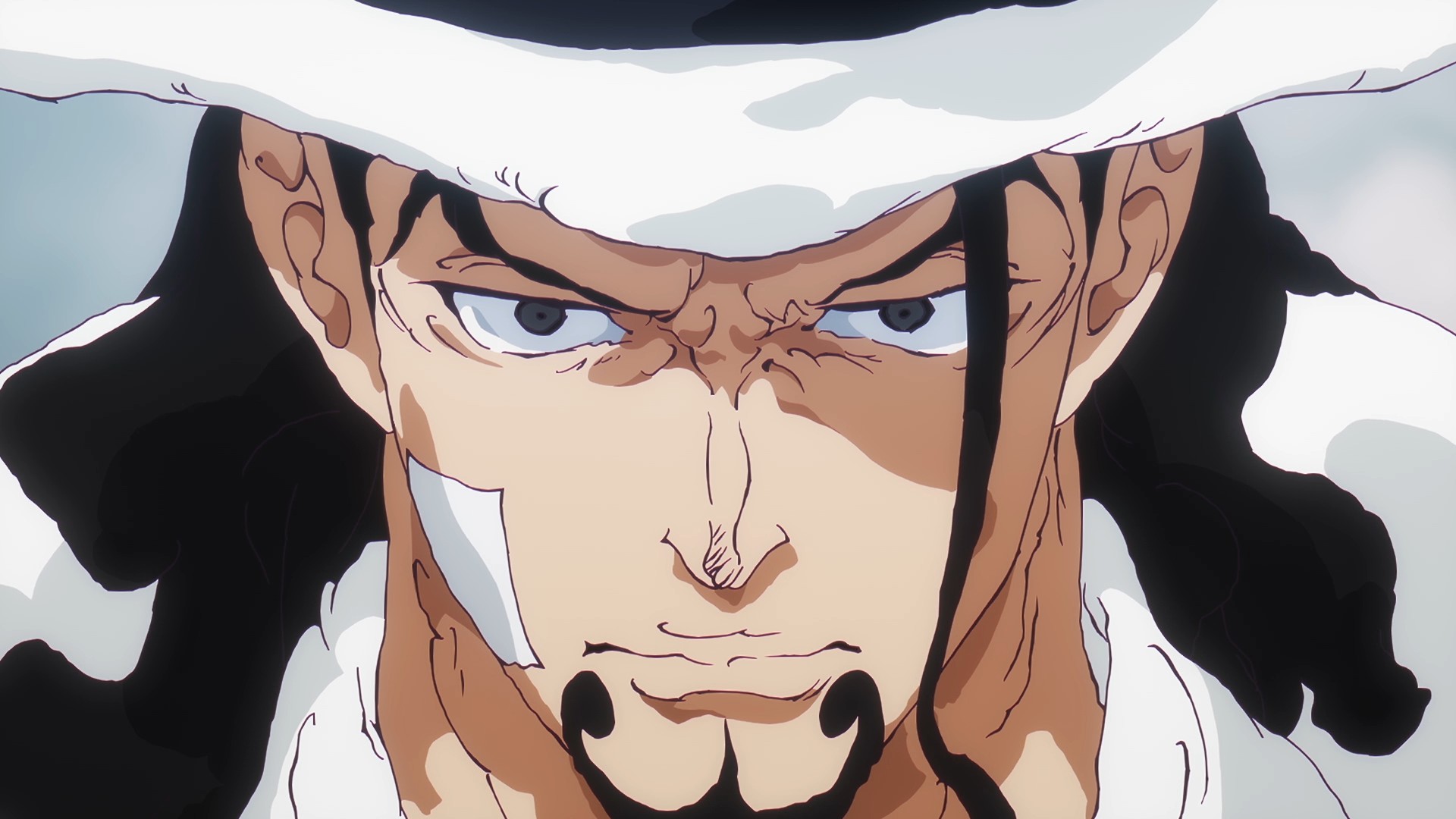
7. Rob Lucci
Rob Lucci exemplifies the World Government’s cold efficiency and disregard for morality. As CP9’s top assassin, his combination of martial arts and the Leopard Fruit made him a physical equal to Luffy. His unflinching devotion to authority and belief that “justice” requires killing the weak make him particularly unsettling. His return as part of CP0 strengthens his role as a recurring institutional threat. Lucci’s presence reinforces how ideology, not just power, defines actual antagonism in the series.
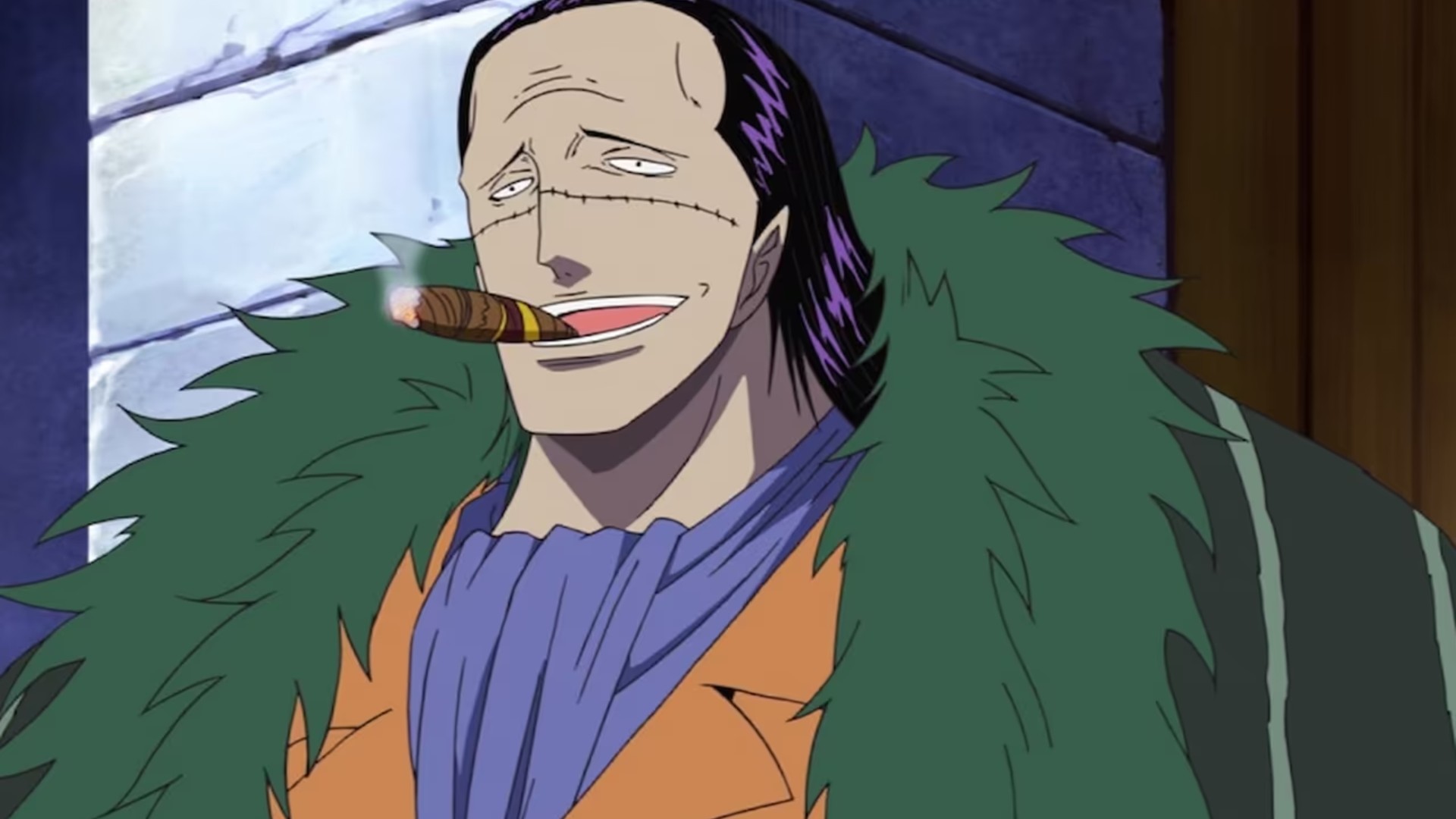
6. Crocodile
Crocodile was One Piece’s first large-scale villain who operated with intelligence and calculated cruelty. His scheme to overthrow Alabasta by manipulating its citizens through Baroque Works displayed political sophistication rare for early arcs. Possessing the Sand-Sand Fruit, he nearly killed Luffy twice before being defeated. His ambition and composure made him a benchmark for future antagonists. His continued relevance hints at deeper motives and potential alliances even after his defeat.
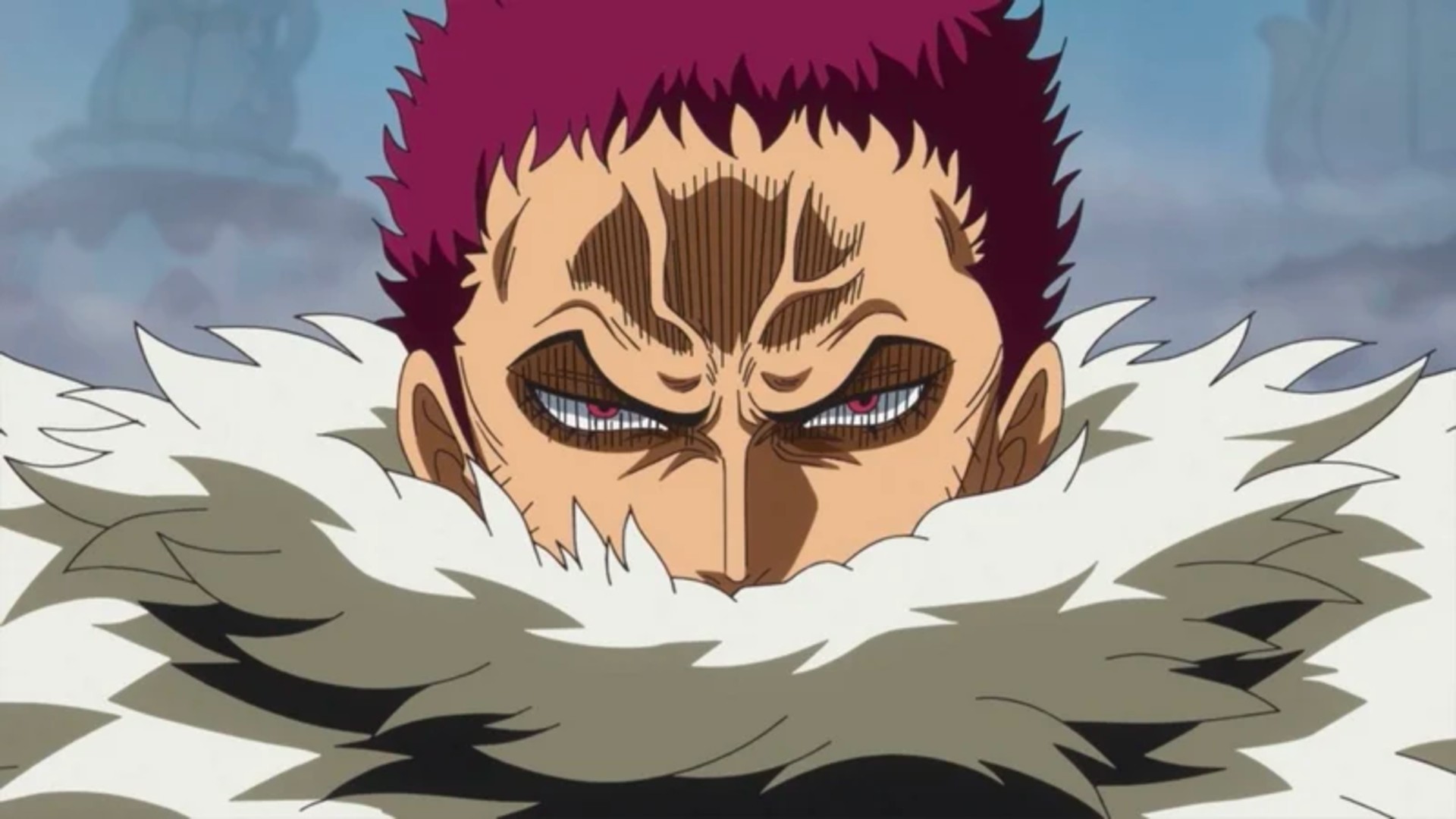
5. Charlotte Katakuri
Katakuri is a rare antagonist who commands both fear and respect. As Big Mom’s most capable commander, his mastery of Observation Haki allows him to predict attacks, testing Luffy’s growth to its limit. Unlike most villains, Katakuri values honor and fights without deceit once Luffy earns his respect. His carefully maintained image hides deep insecurities about imperfection. Their duel remains one of the series’ most balanced and character-driven rivalries.
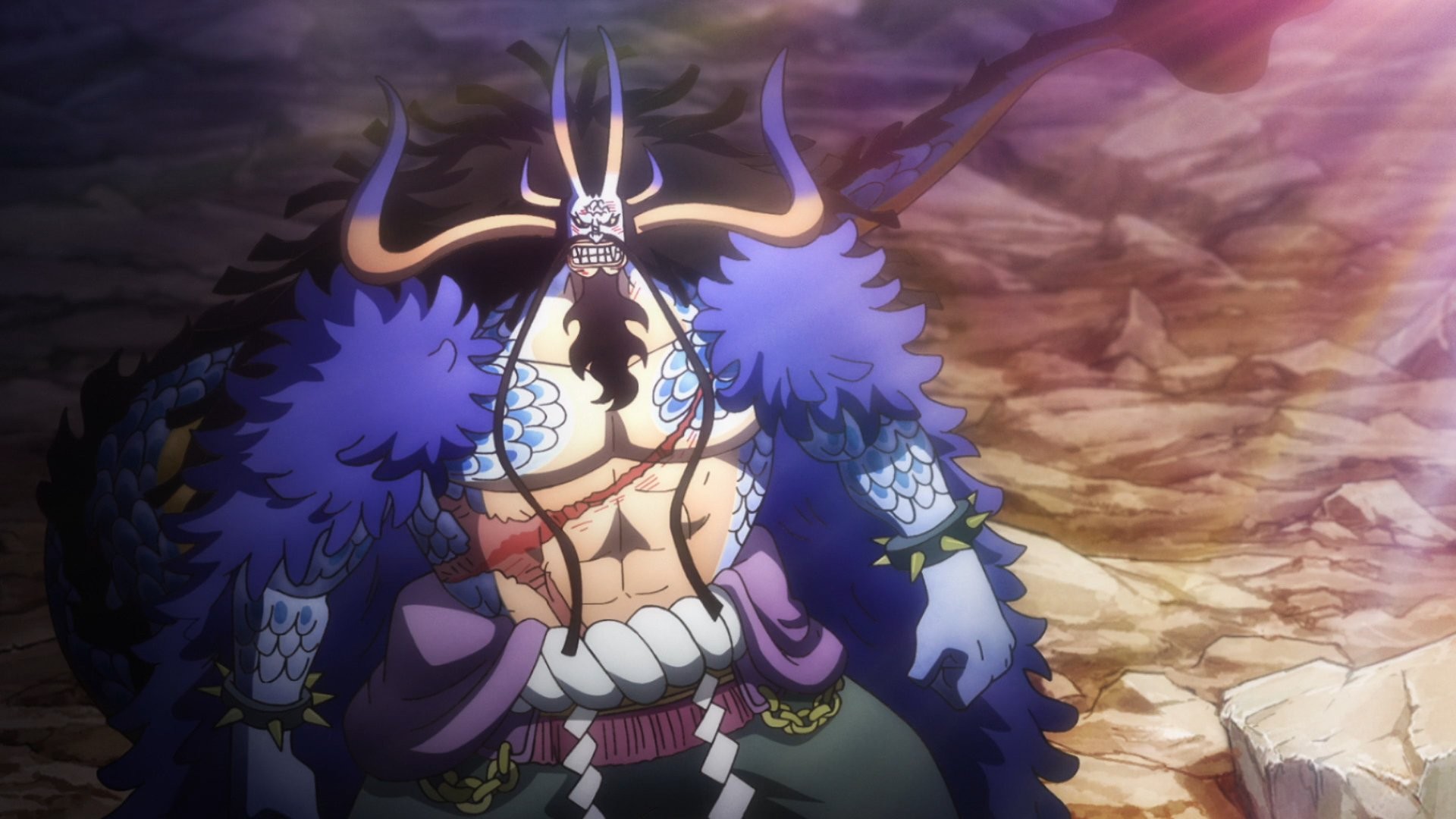
4. Kaido
Kaido’s physical dominance and despair-driven philosophy make him one of the most formidable antagonists. Known as the “Strongest Creature,” he wields overwhelming power through his Mythical Zoan Dragon form. His brutal reign over Wano combined tyranny with a warped desire for a meaningful death. Beneath his violence lies profound exhaustion, reflecting the emptiness of endless conquest. His fall at Luffy’s hands symbolizes the collapse of an era built on fear and domination.
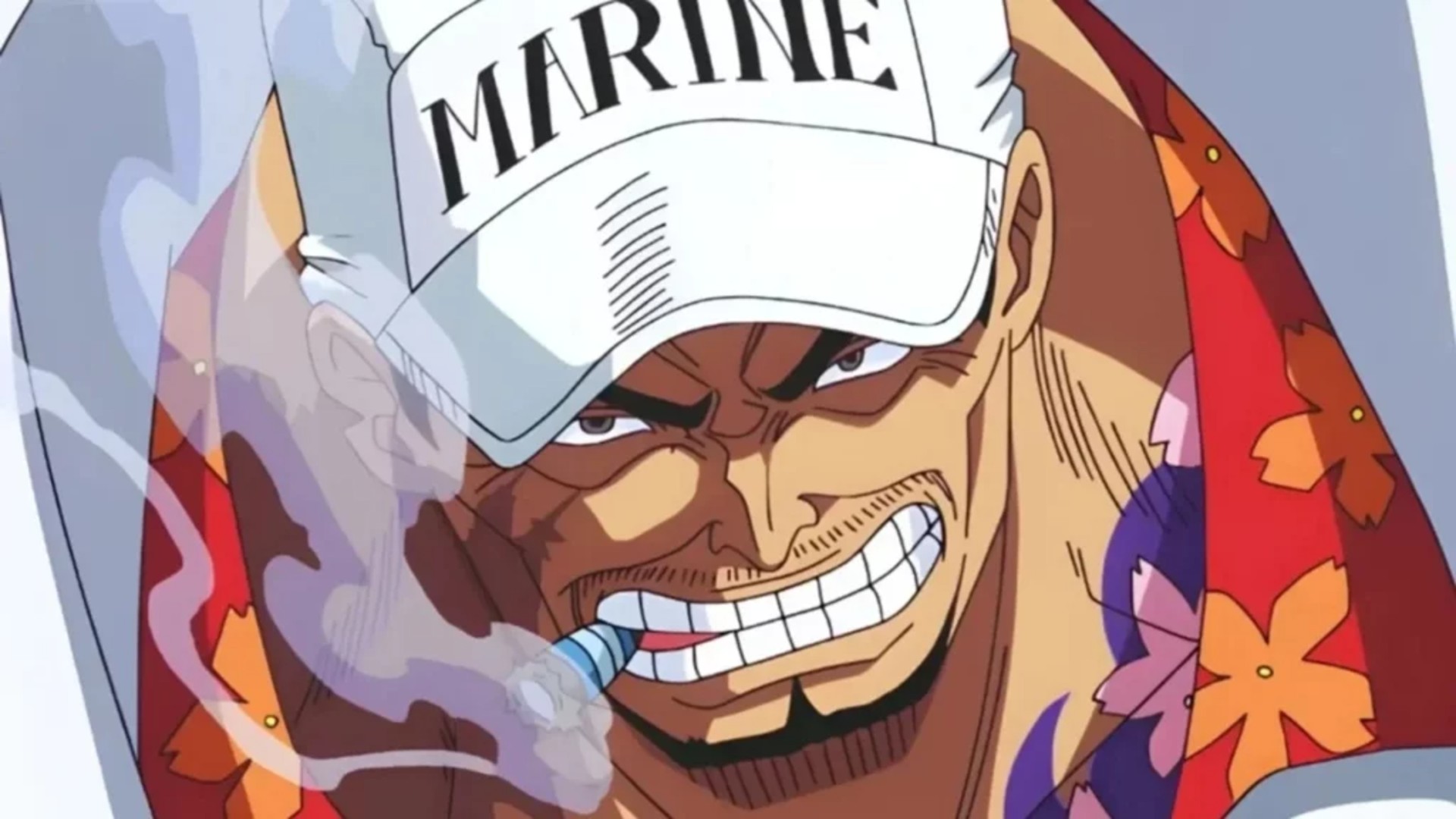
3. Sakazuki (Akainu)
As Fleet Admiral, Akainu personifies the Marine concept of “Absolute Justice” taken to its extreme. His unwavering ideology justifies mass slaughter in the name of order. The Magma-Magma Fruit grants him the destructive power that killed Ace at Marineford, a defining emotional moment for the series. He embodies institutional cruelty, showing how moral rigidity can equal villainy. His ongoing presence represents the uncompromising face of authority that Luffy and the new era must confront.
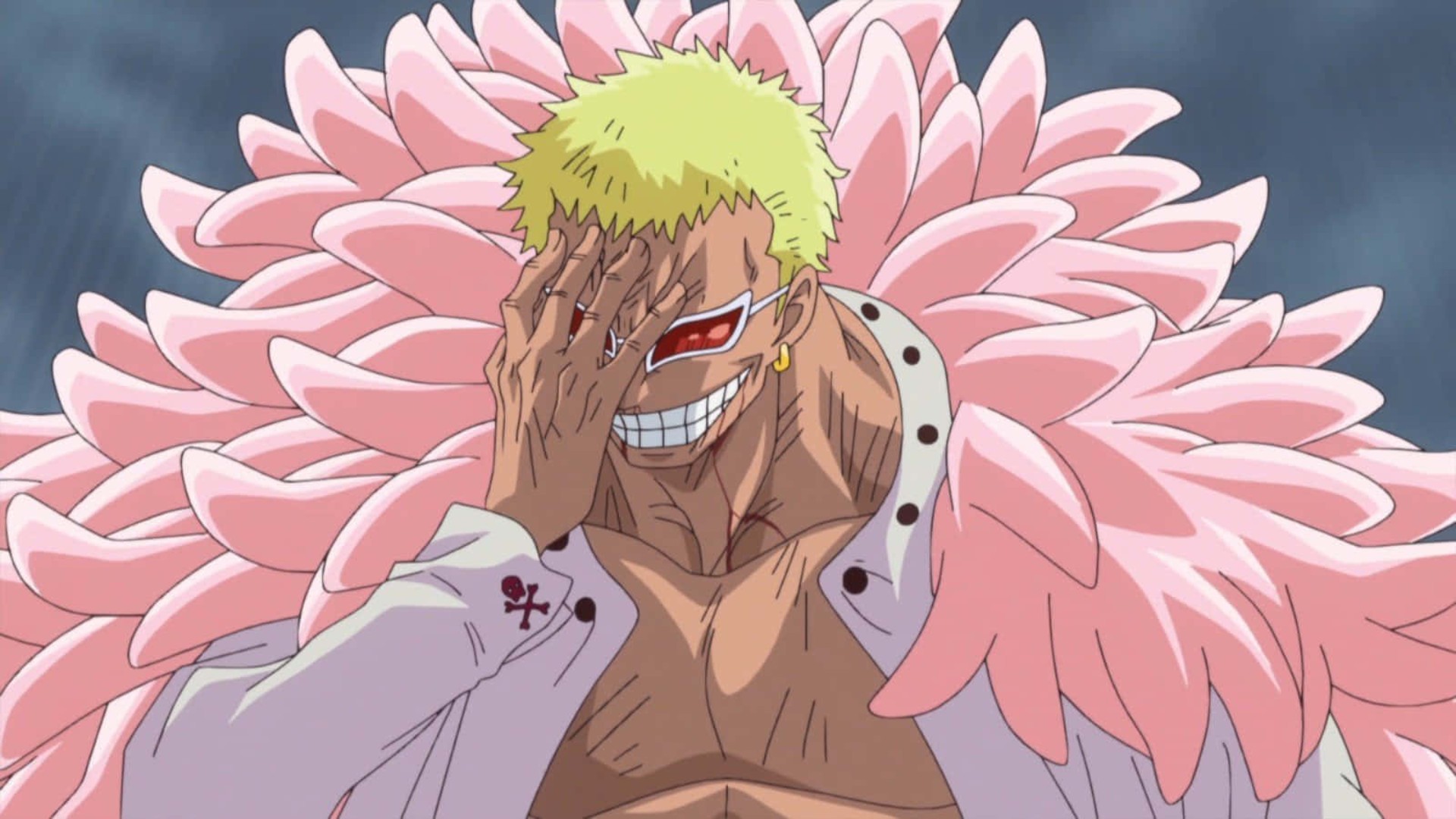
2. Donquixote Doflamingo
Once a Celestial Dragon, Doflamingo’s descent into crime is fueled by deep resentment and trauma. His control over Dressrosa showcased the extent of his manipulation through his String-String Fruit and the Birdcage. Beneath his flamboyant charisma lies a nihilistic worldview that reflects a shattered sense of belonging. His orchestration of the underworld’s weapons trade and SMILE production influenced global events. Doflamingo’s downfall marks one of the series’ most thematically complete arcs, where cruelty meets inevitable justice.
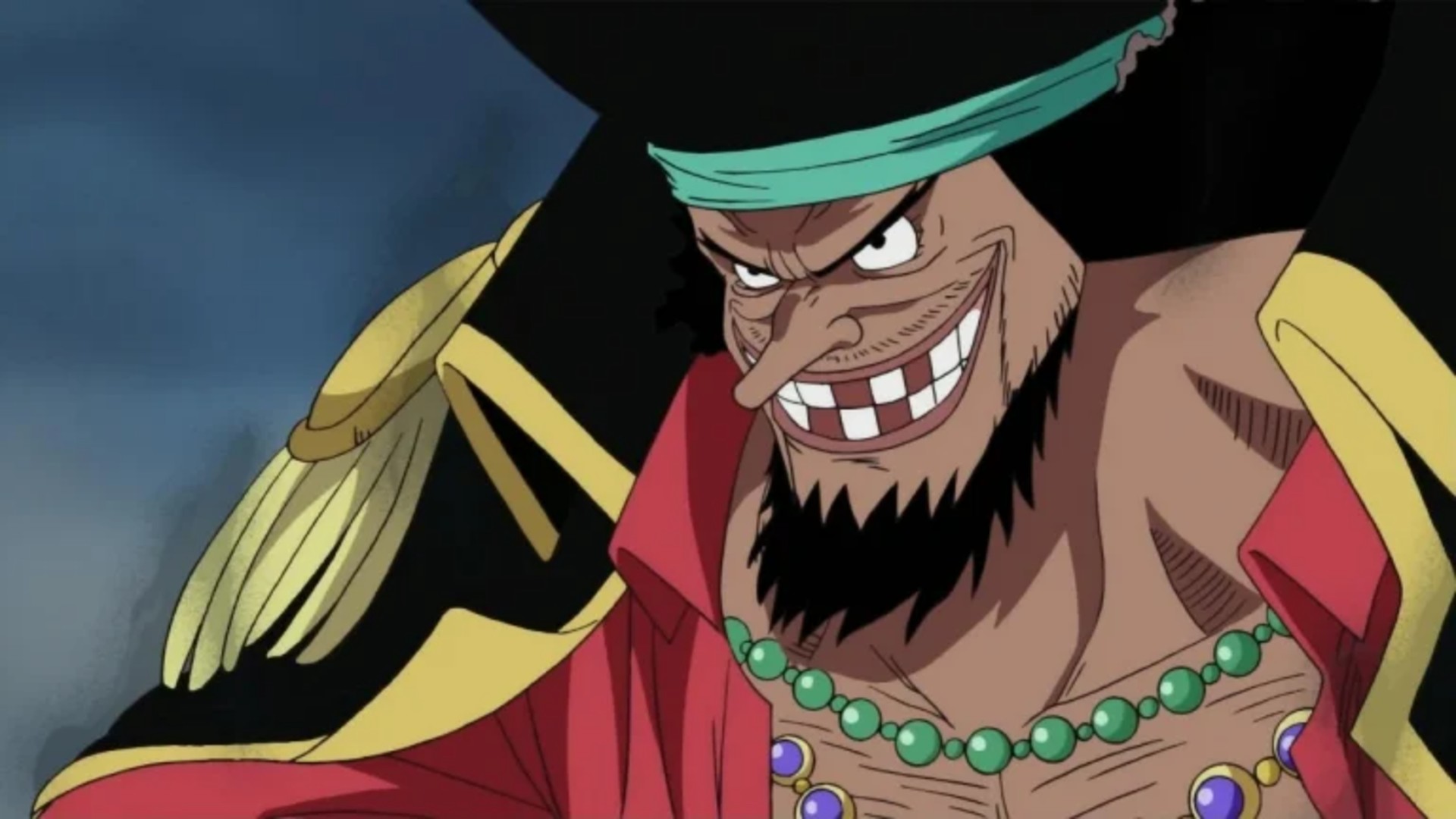
1. Marshall D. Teach (Blackbeard)
Blackbeard represents the purest form of piracy within One Piece, driven by greed, chaos, and opportunism. He is the only known person to wield two Devil Fruits, the Yami Yami no Mi and Gura Gura no Mi, giving him unmatched destructive power. His betrayal of Whitebeard and orchestration of Ace’s capture changed the balance of the world. Every major event he triggers advances the series’ political and emotional stakes. His ideology mirrors Luffy’s ambition but perverts it into selfish conquest, making him the definitive villain of the saga.