Films Based On True Stories That Actually Got The Facts Wrong
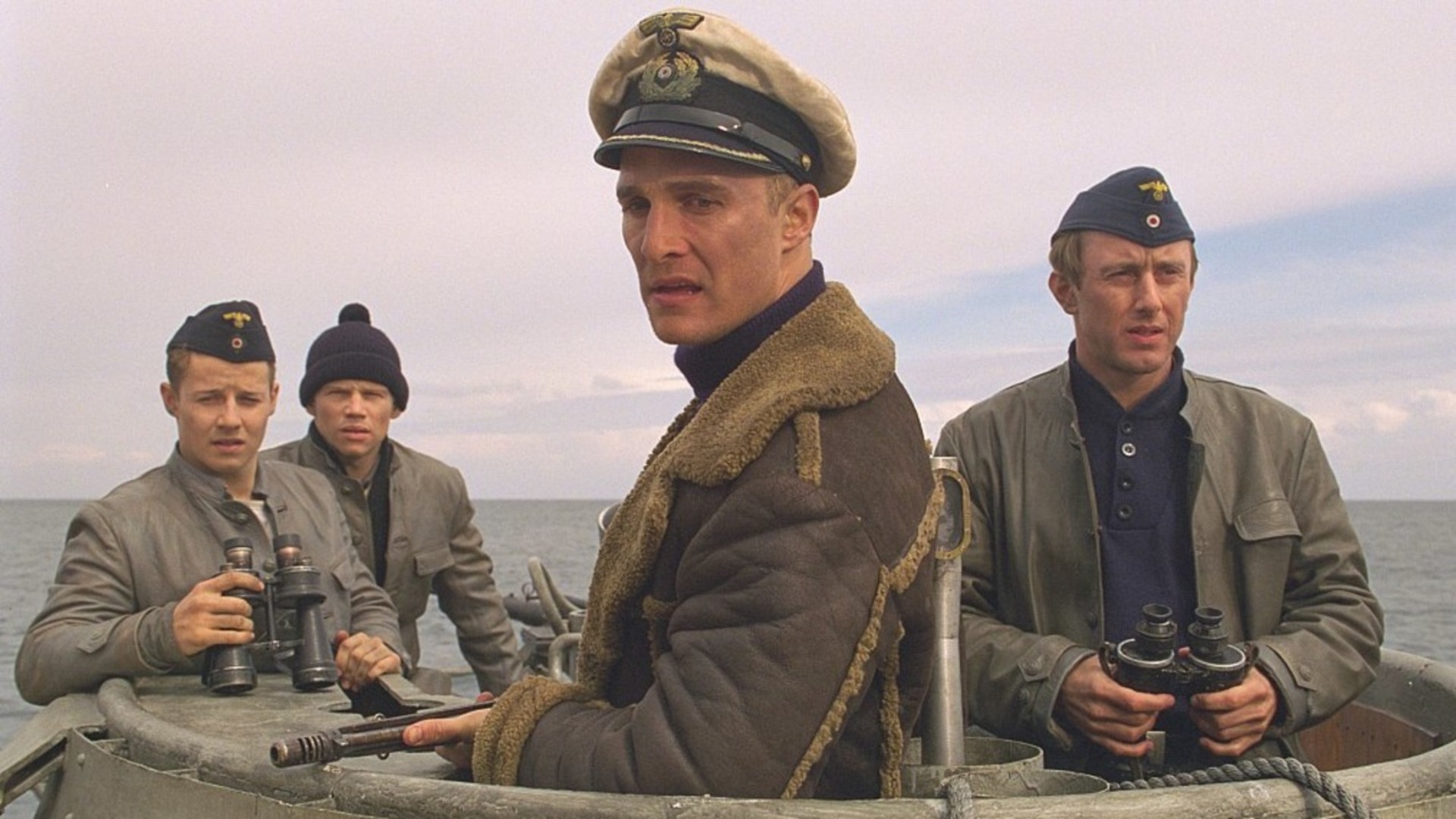
10. U-571 (2000)
The film depicts a U.S. Navy submarine crew posing as a German crew to capture a German Enigma machine from a disabled U-boat during World War II. In reality, the first capture of an Enigma machine was achieved by the British Royal Navy when they boarded the U-110. An American crew did not capture a German U-boat or its Enigma machine until much later in the war. The film sparked controversy in the United Kingdom for largely overlooking the actual actions of the Royal Navy and attributing credit to American forces.
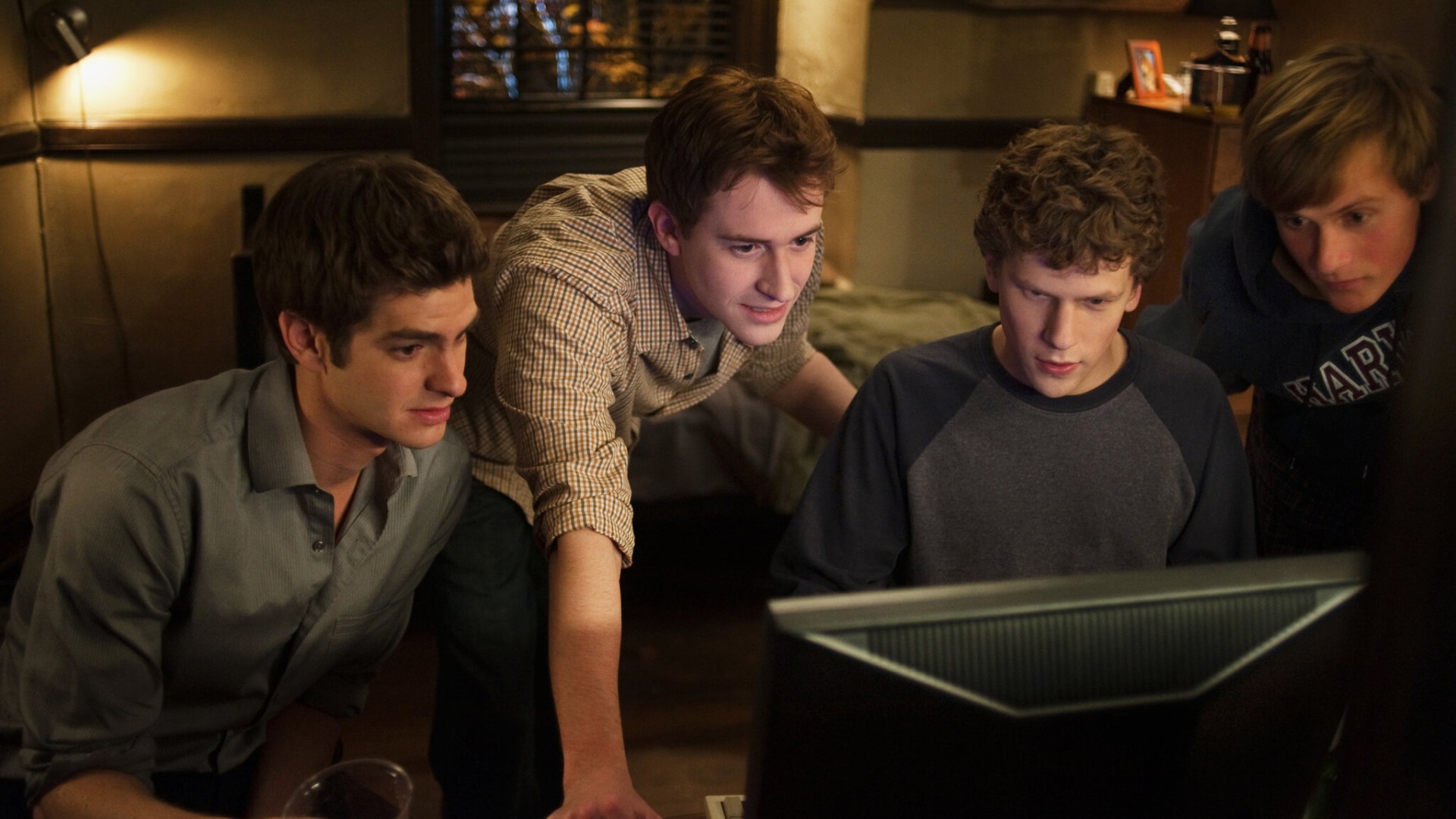
9. The Social Network (2010)
Though praised for its writing, screenwriter Aaron Sorkin admitted to taking liberties. The film's portrayal of Mark Zuckerberg as a cold, vengeful individual driven by a breakup is disputed mainly by real-life colleagues and co-founders, who describe him as a friendly and welcoming person.

8. The Blind Side (2009)
The central premise of the movie, that the Tuohy family legally adopted Michael Oher, is false; he was under a conservatorship, which he claims he was tricked into signing. Oher also felt the movie portrayed him as "dumb" and passive, which he says negatively affected his professional football career. In reality, he was an accomplished athlete who already knew how to play football before meeting the family. Oher later filed a lawsuit against the Tuohys, alleging they profited from his name and likeness while he received none of the film's proceeds.
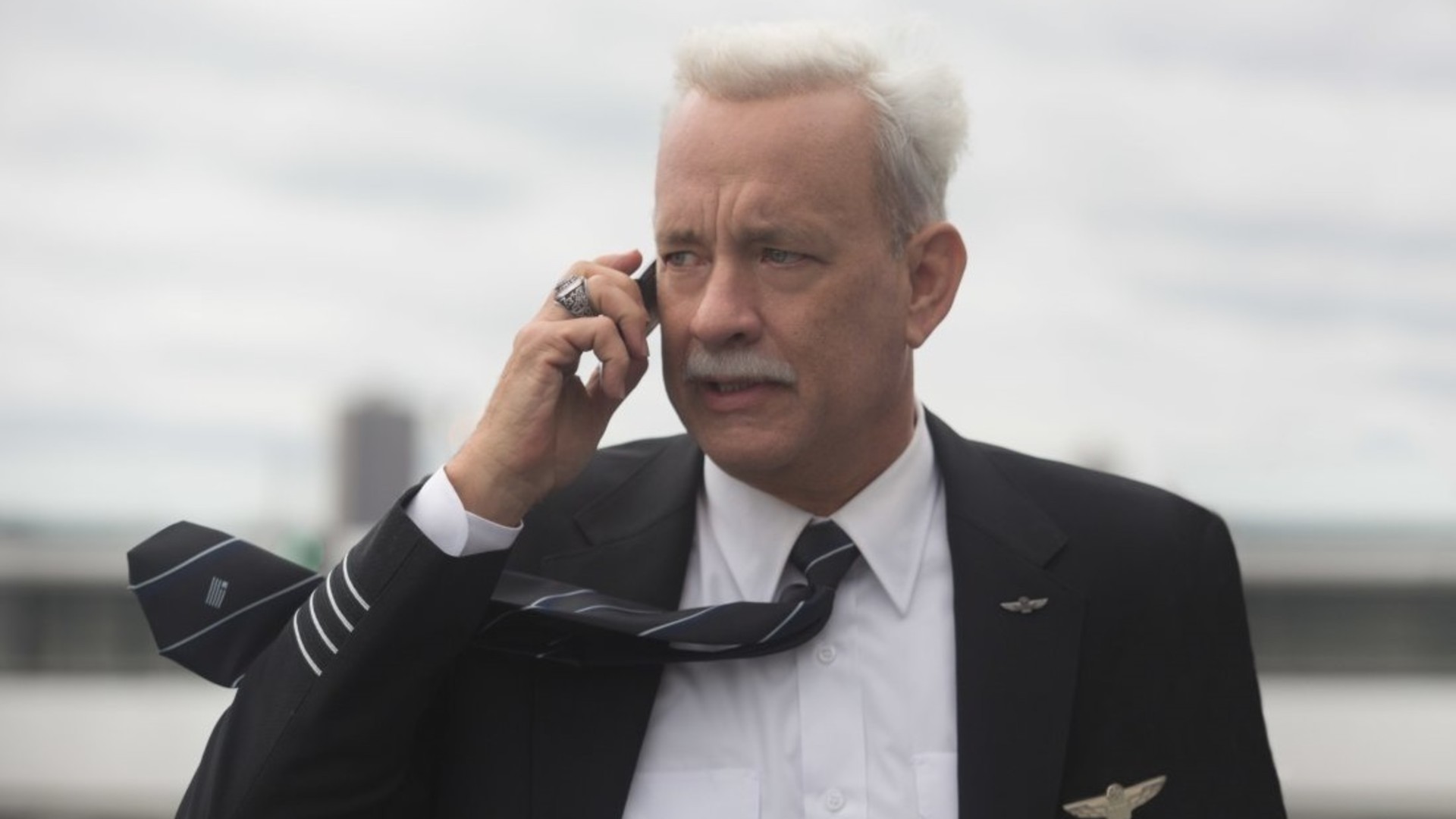
7. Sully (2016)
While the "Miracle on the Hudson" event was real, the film created an entirely fictional conflict with the National Transportation Safety Board (NTSB) investigation, portraying them as accusatory and adversarial. In reality, the investigation was a standard, collaborative process, and the NTSB was not "out to get" Captain Sullenberger.
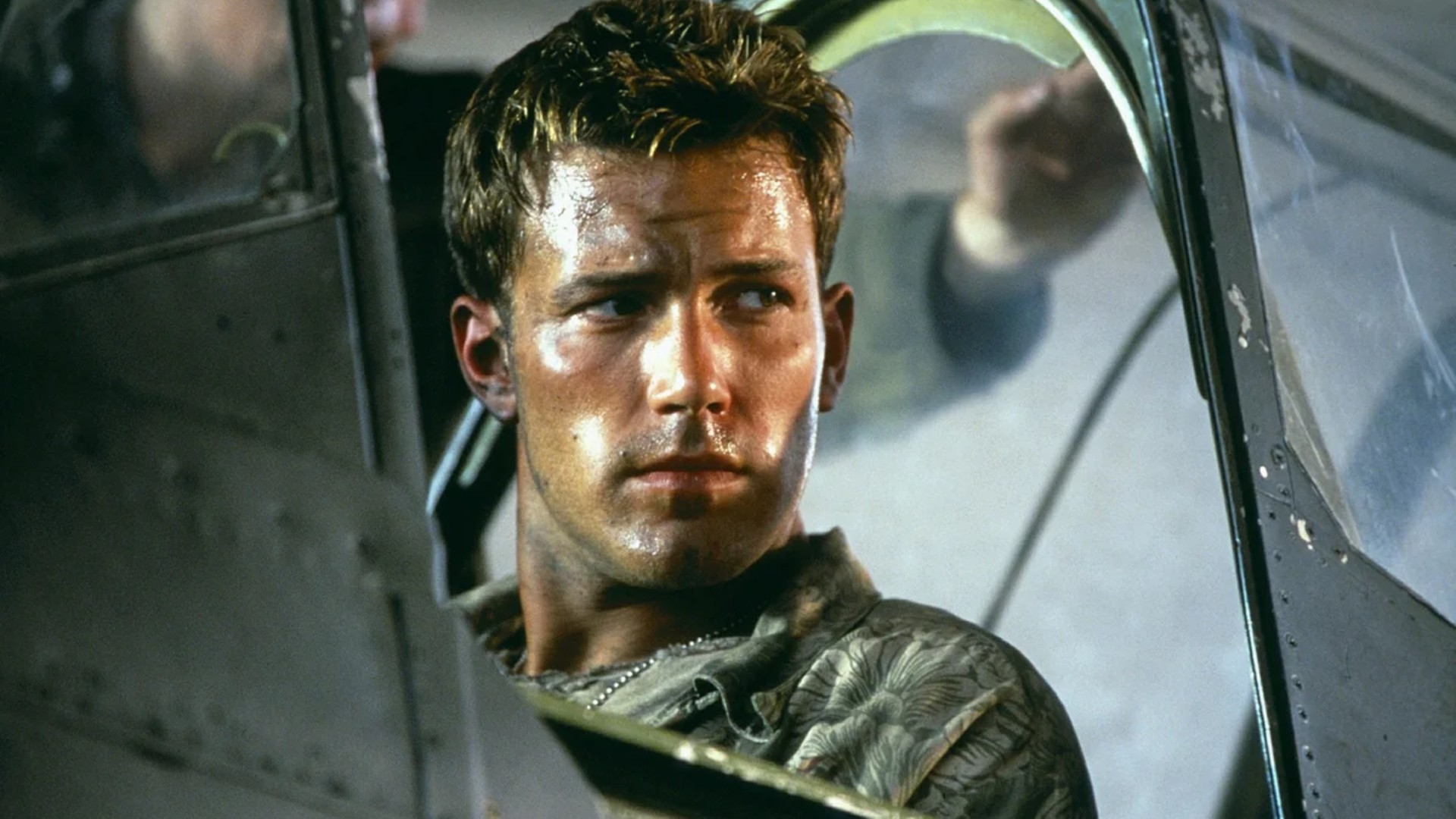
6. Pearl Harbor (2001)
Michael Bay's film is rife with historical errors, from the Japanese military never intentionally targeting hospitals to a largely fabricated depiction of the Doolittle Raid. Key historical figures were also misrepresented, and many events were dramatized purely for action and spectacle.
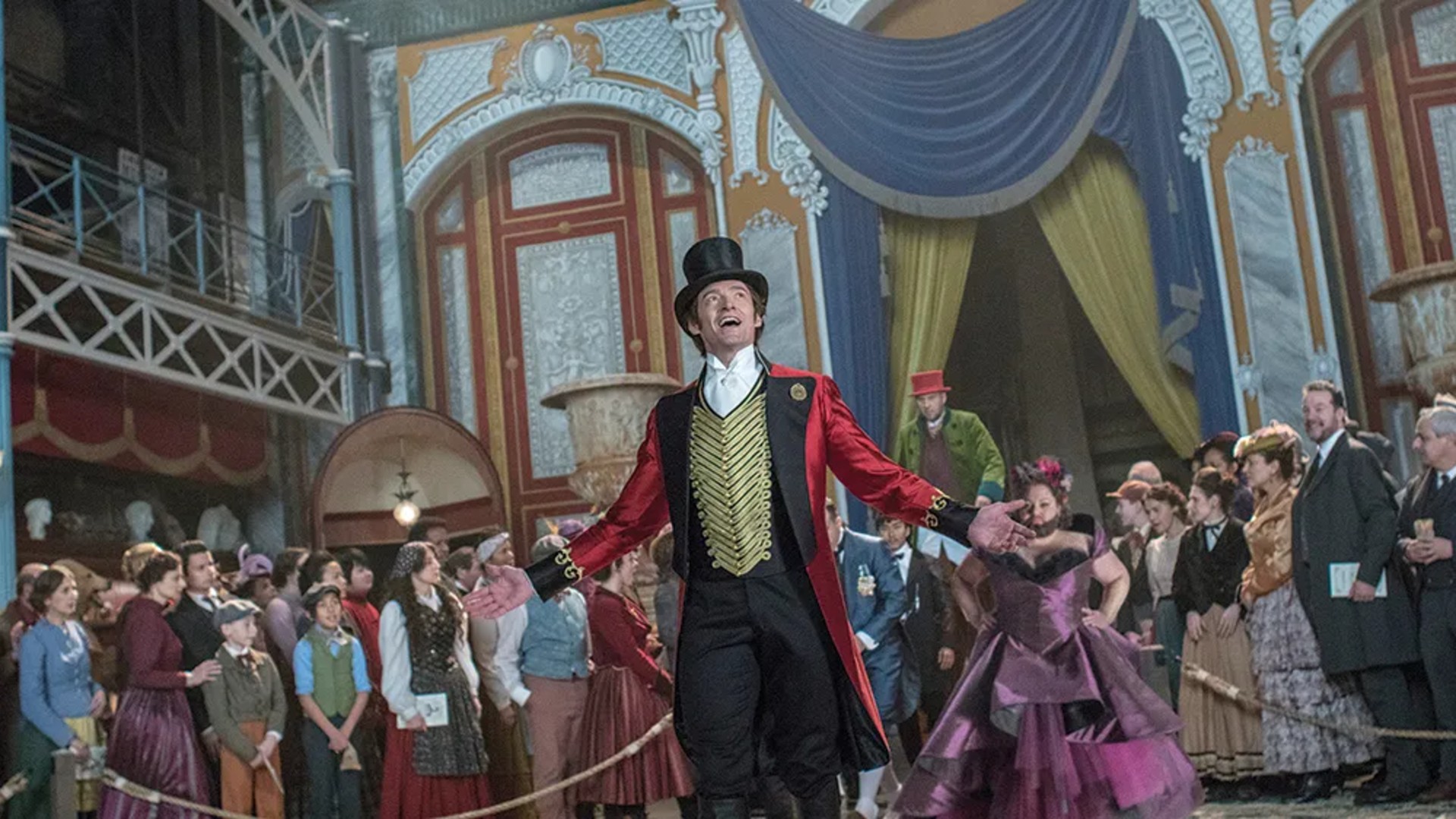
5. The Greatest Showman (2017)
P.T. Barnum is portrayed as a charming, if flawed, entrepreneur in a musical about tolerance and acceptance. The real Barnum was a much more exploitative figure who used his "freak show" attractions for personal profit and engaged in egregious stereotyping.
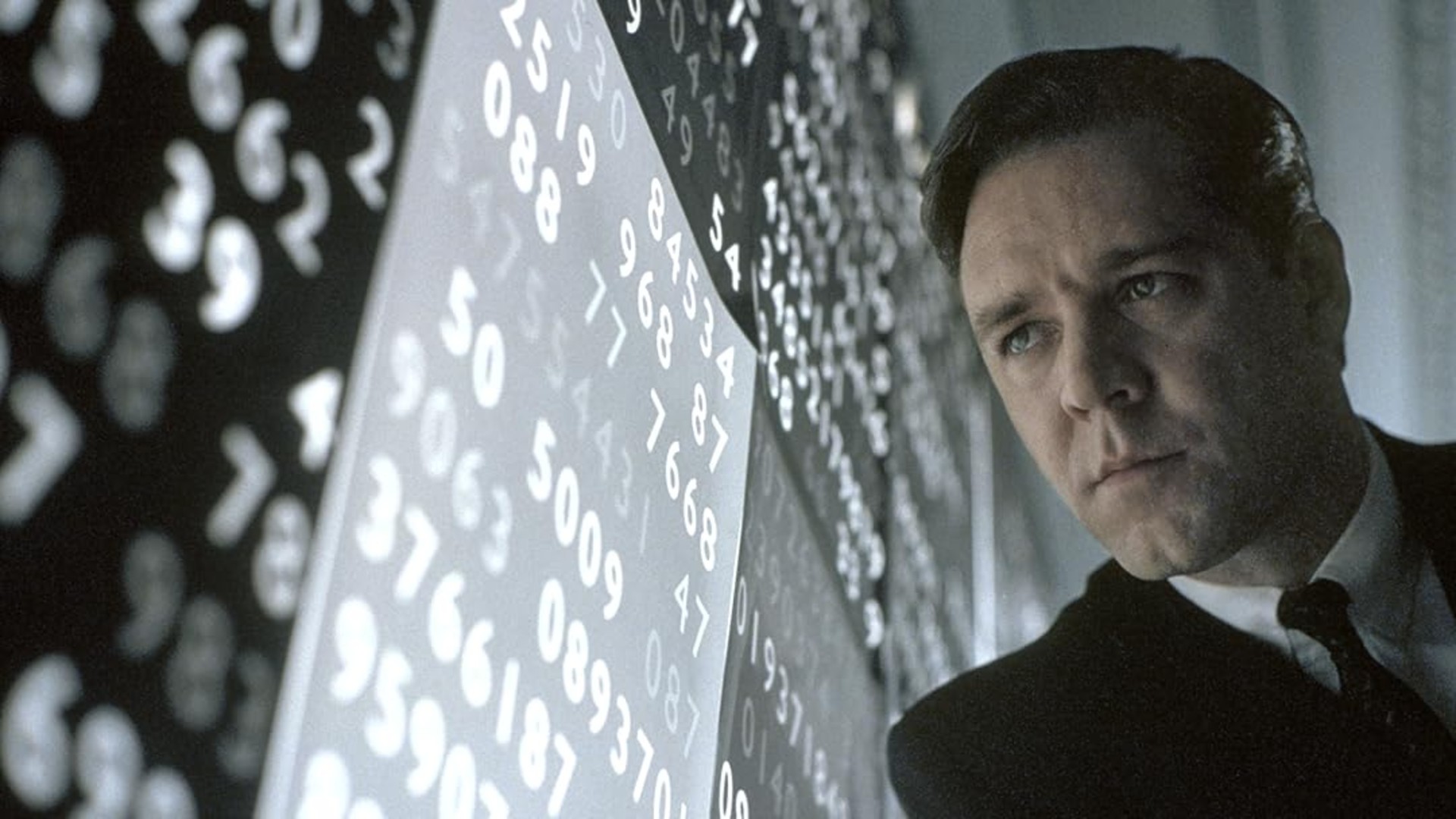
4. A Beautiful Mind (2001)
The film streamlined the complex life of mathematician John Nash for a feel-good narrative. It omitted key details, such as his illegitimate child and the problematic nature of his relationship with his wife. It also misrepresented his symptoms, showing visual hallucinations when he primarily experienced auditory ones and paranoia.
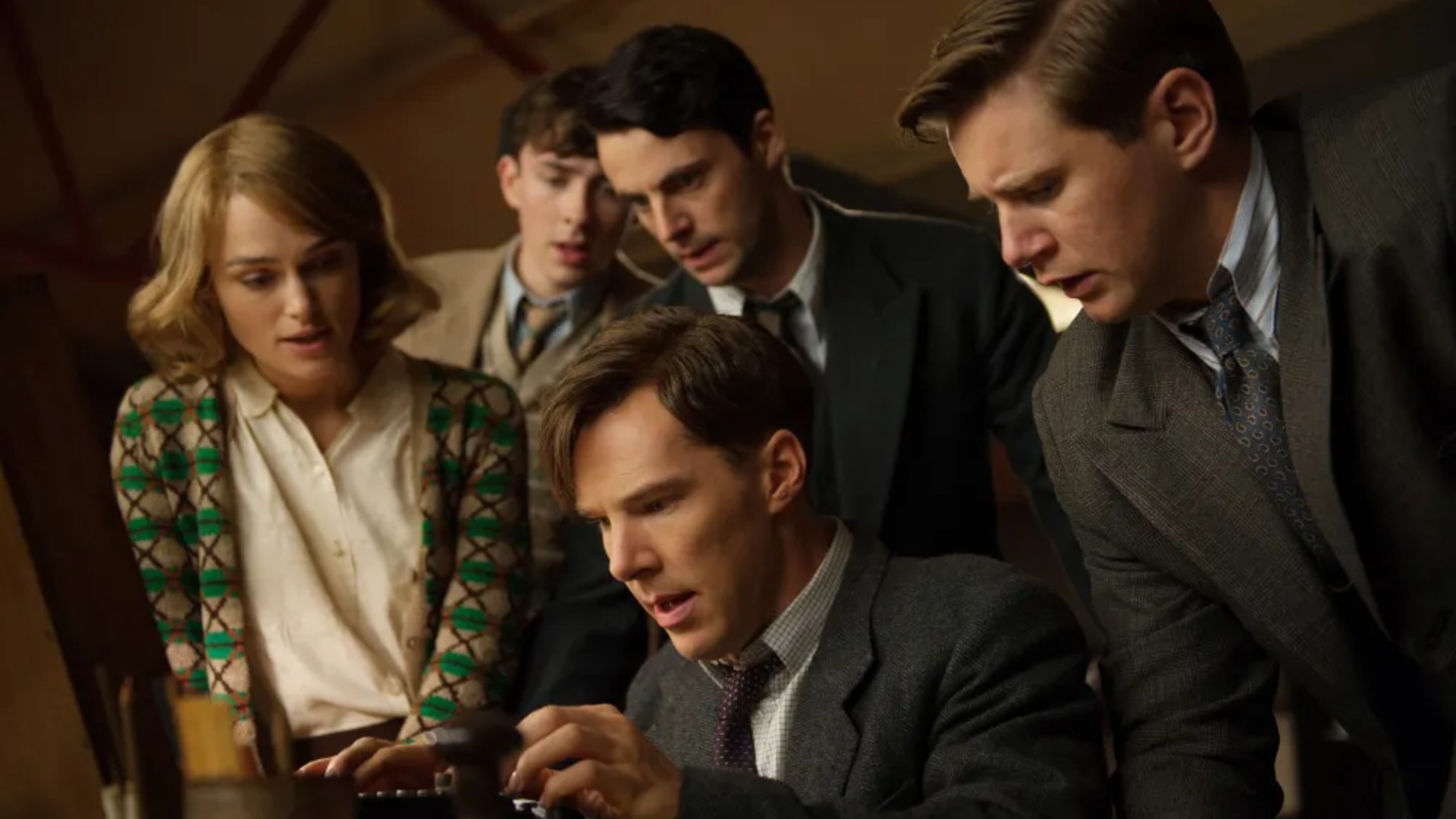
3. The Imitation Game (2014)
The movie implies that Alan Turing was a lone, socially awkward genius who almost single-handedly cracked the Enigma code. In reality, it was a massive team effort involving many brilliant minds, including mathematician Gordon Welchman, who is not mentioned. The film also fictionalizes a blackmail subplot and downplays the severity of the real-life persecution Turing faced for his gender identity.
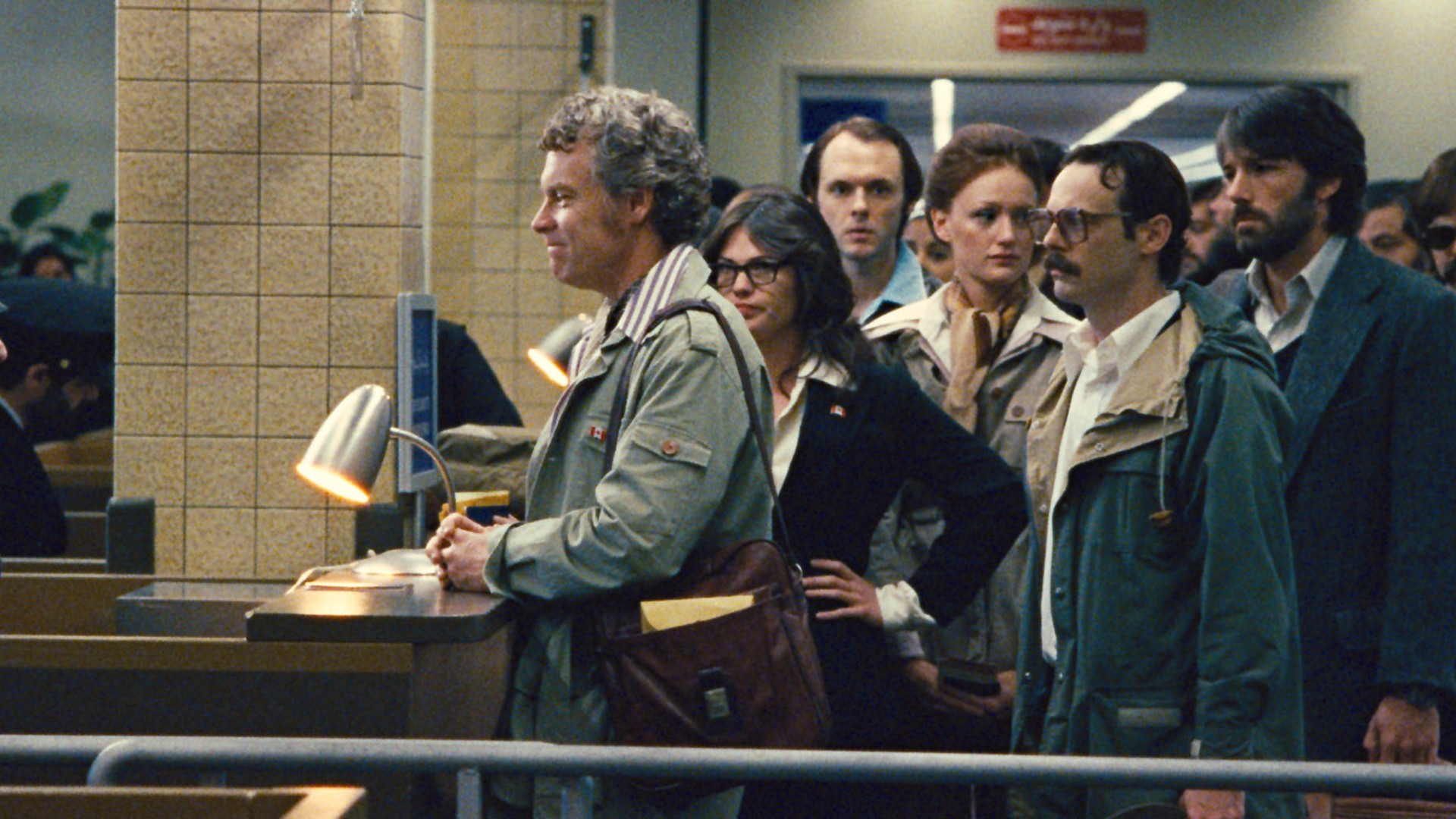
2. Argo (2012)
While a thrilling movie, it was heavily criticized for downplaying the significant role of Canadian diplomats in the rescue of American hostages from Iran. Former President Jimmy Carter noted that "90% of the contributions" were Canadian. The tense, climactic airport chase scene was also entirely fictionalized for dramatic purposes; the real escape went smoothly.
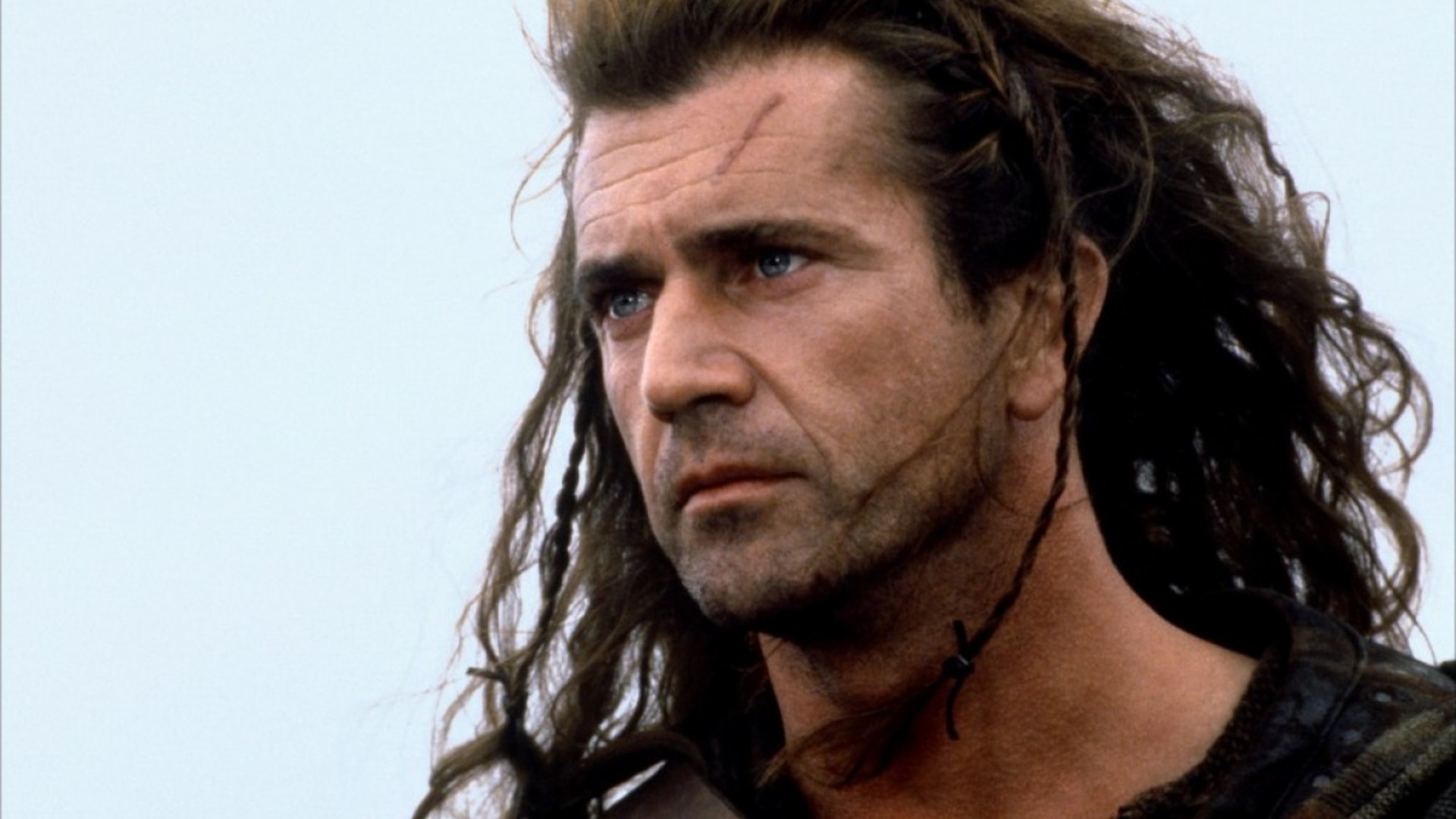
1. Braveheart (1995)
This film is famous for its historical inaccuracies. William Wallace did not wear a kilt (which didn't exist in that form at the time), nor was he a commoner; he was from the minor nobility. The romantic storyline with Princess Isabella is fabricated, as she was only about three years old at the time of the main events. Also, the nickname "Braveheart" actually belonged to Robert the Bruce.