25 Ways Indiana Jones Changed Adventure Cinema Forever
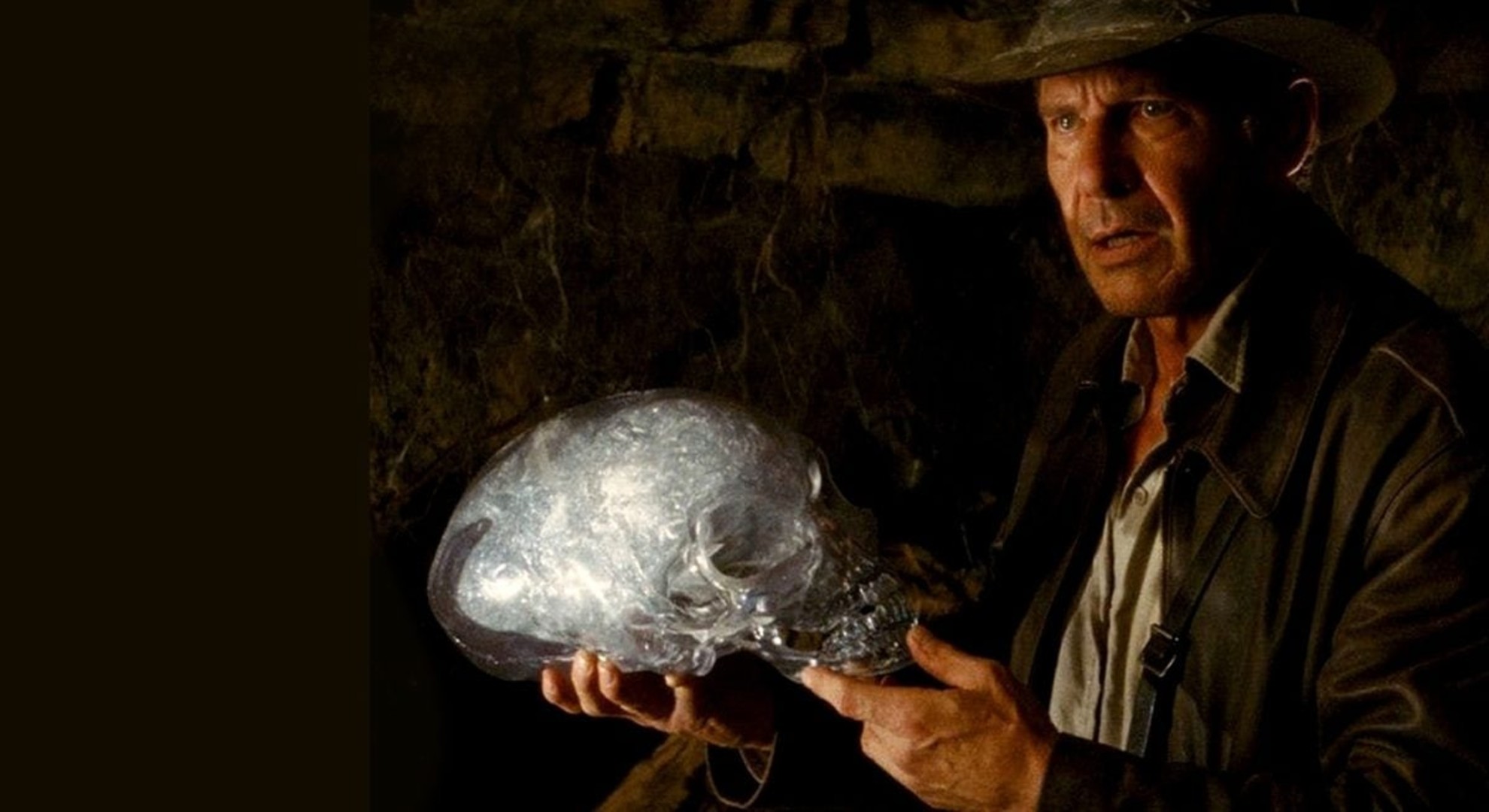
25. Proving the Timeless Appeal of Adventure
Spanning four decades and multiple generations, Indiana Jones showed that adventure never goes out of style. Each installment rekindled global excitement. Even Kingdom of the Crystal Skull and Dial of Destiny sparked debate and box-office attention. The franchise’s endurance cemented adventure as a timeless cinematic genre.
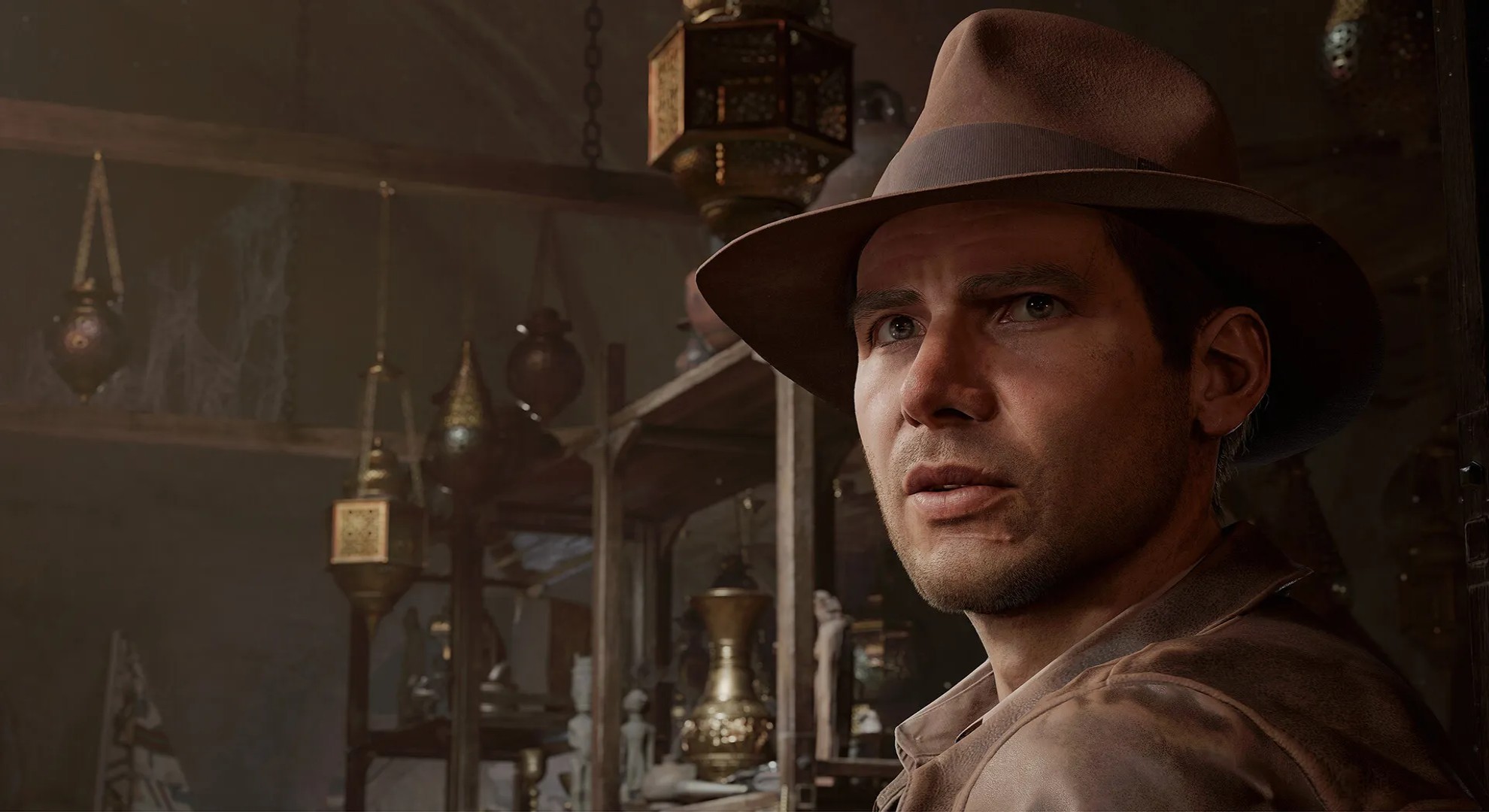
24. Inspiring a New Wave of Video Games
Indiana Jones’ style directly influenced games like Tomb Raider and Uncharted. These titles embraced treasure hunting, traps, and cinematic storytelling. The franchise proved adventure could translate seamlessly to interactive formats. Indy’s DNA remains visible in gaming culture today.
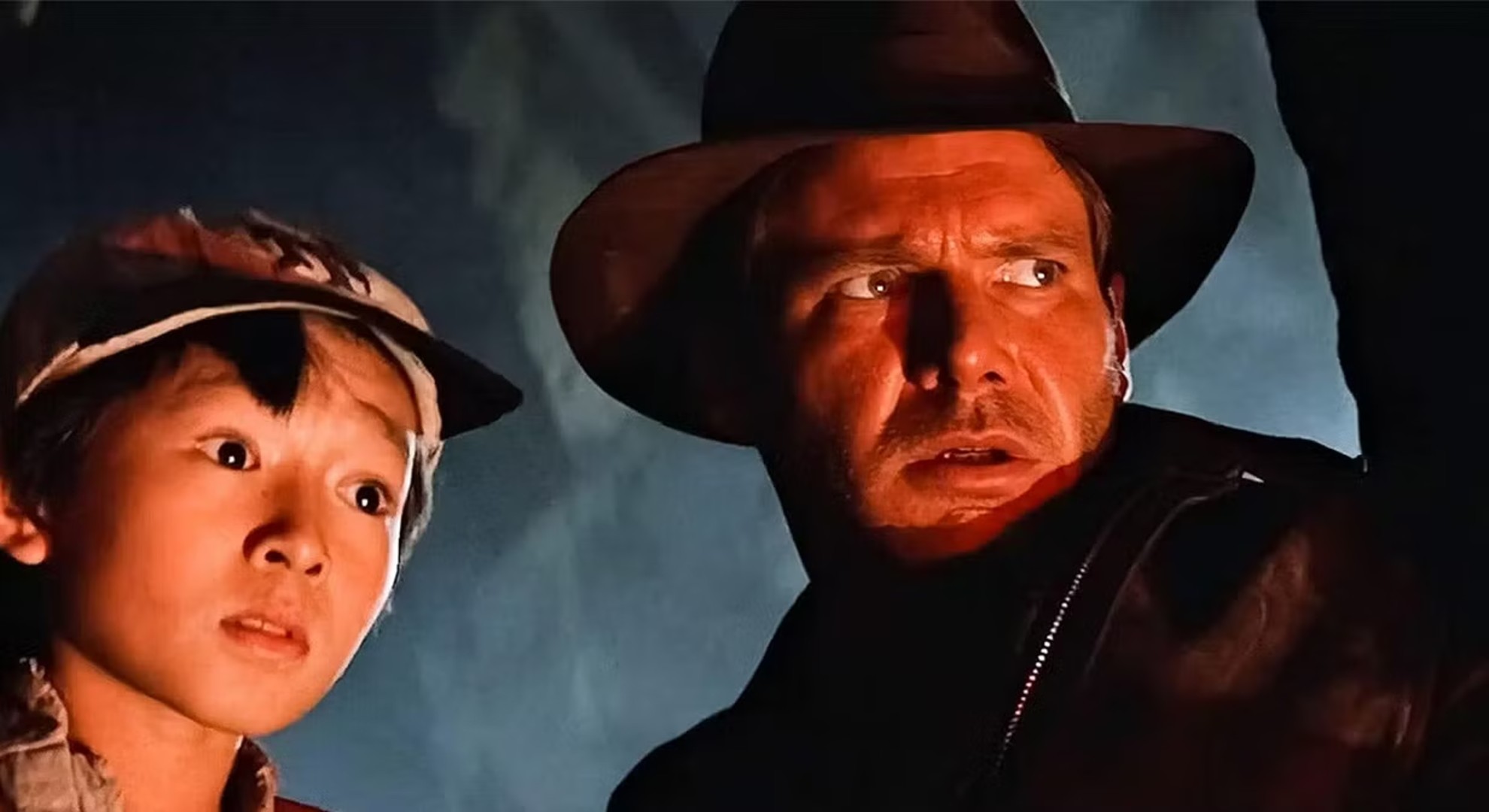
23. Mixing Horror into Adventure
Indy films weren’t afraid to lean into horror. From snakes and bugs to melting faces and voodoo magic, moments terrified audiences. This horror-adventure blend gave the series a unique edge. Later blockbusters frequently combined genres in similar ways.
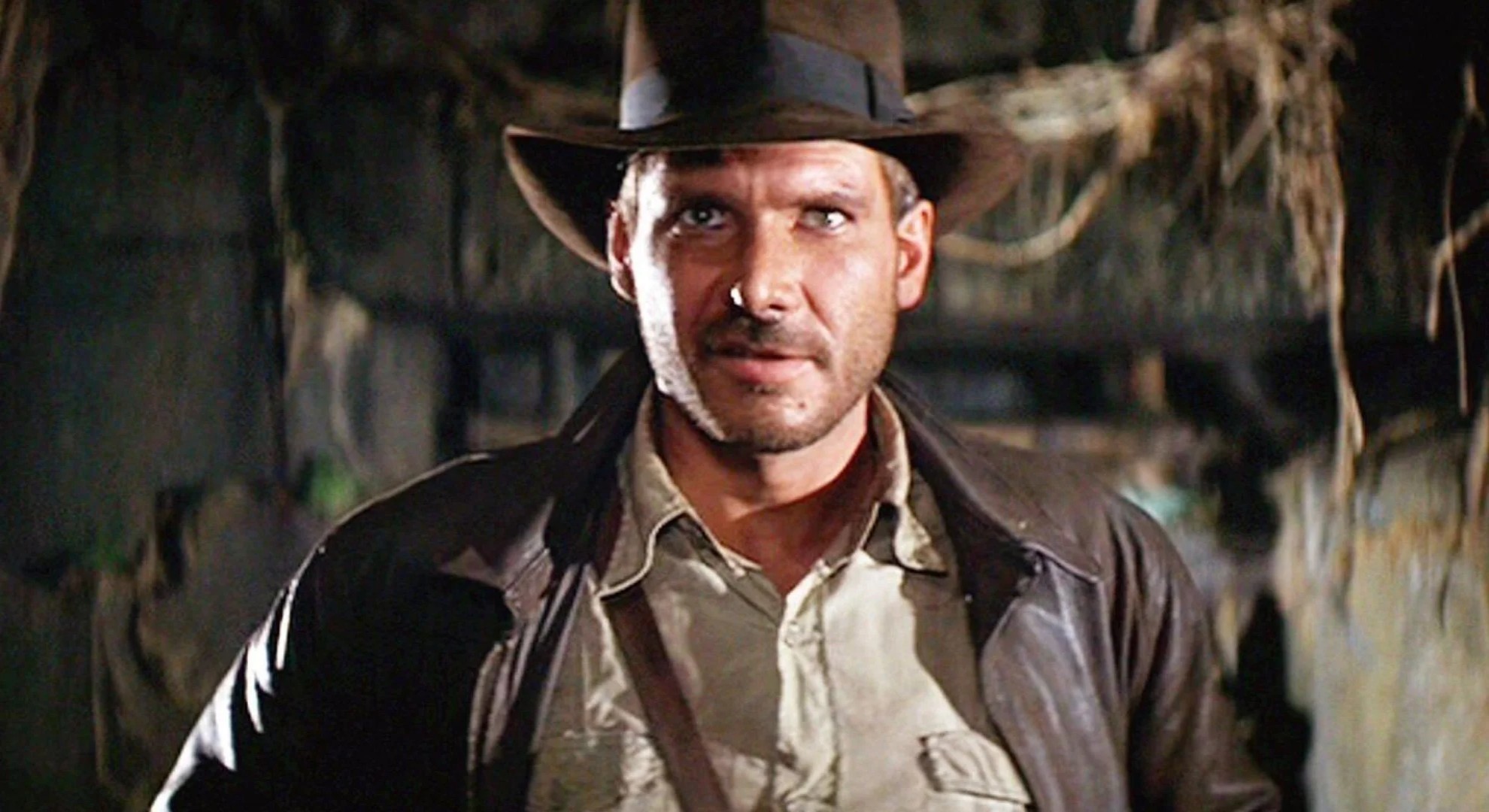
22. Legacy of the Fedora and Jacket
Indy’s fedora, leather jacket, and satchel became instantly iconic. They formed a silhouette recognizable worldwide. This simple yet effective costuming defined the character’s identity. Adventure cinema embraced the power of symbolic wardrobes afterward.
21. Making History Cool Again
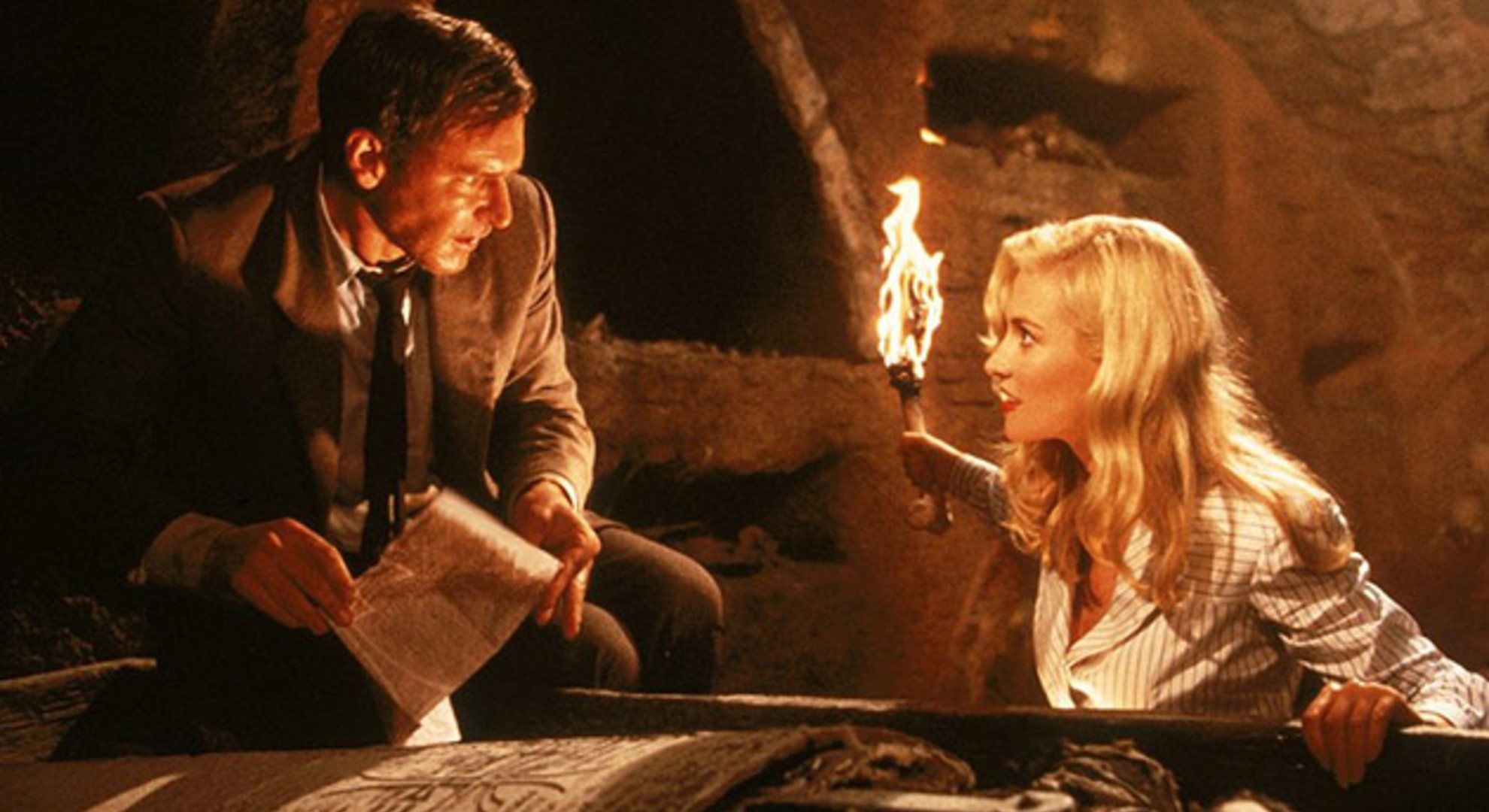
Indy inspired audiences to see history as thrilling, not boring. Artifacts and myths became central to mainstream storytelling. Teachers even noted increased student interest in ancient history and archaeology. This "edutainment" factor reshaped cultural engagement with the past.
20. Revolutionizing Chase Sequences
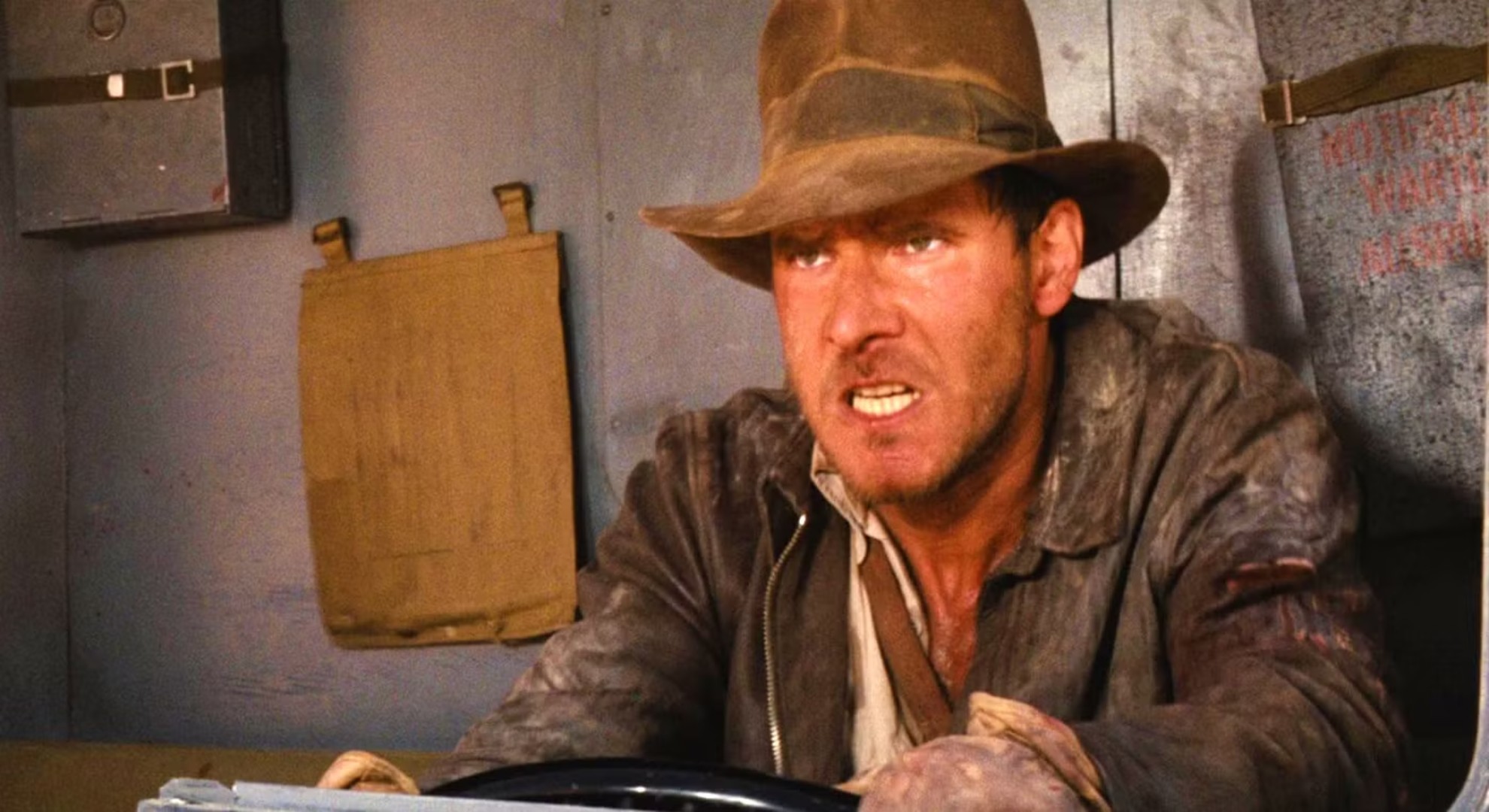
The truck chase in Raiders remains one of cinema’s greatest action scenes. Spielberg shot it with clarity, geography, and escalating intensity. It redefined how chase sequences should be filmed. This meticulous design influenced everything from Mad Max to Fast & Furious.
19. Elevating Villains to Legendary Status
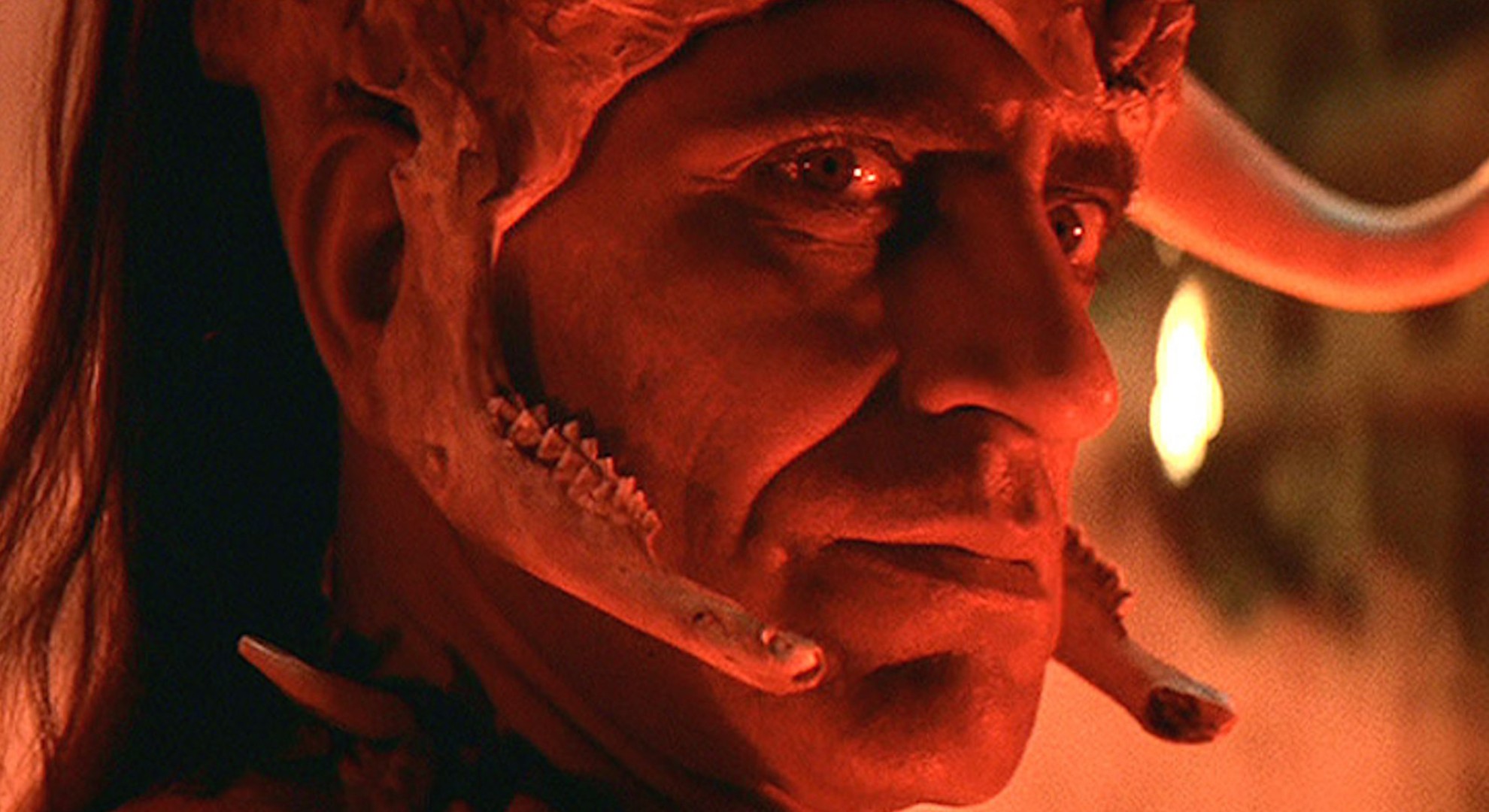
From Belloq to Mola Ram, Indy’s villains were memorable and distinct. They had charisma, ideological conviction, and theatrical flair. These antagonists set a standard for creating larger-than-life foes. Adventure films afterward followed suit with colorful villains.

18. Merging Special Effects with Realism
Spielberg combined practical sets, miniatures, and groundbreaking ILM effects. Melting faces, collapsing temples, and supernatural climaxes wowed audiences. Unlike pure CGI, these effects felt tangible and terrifying. The balance of practical and digital became a cinematic benchmark.
17. Expanding Global Location Filming
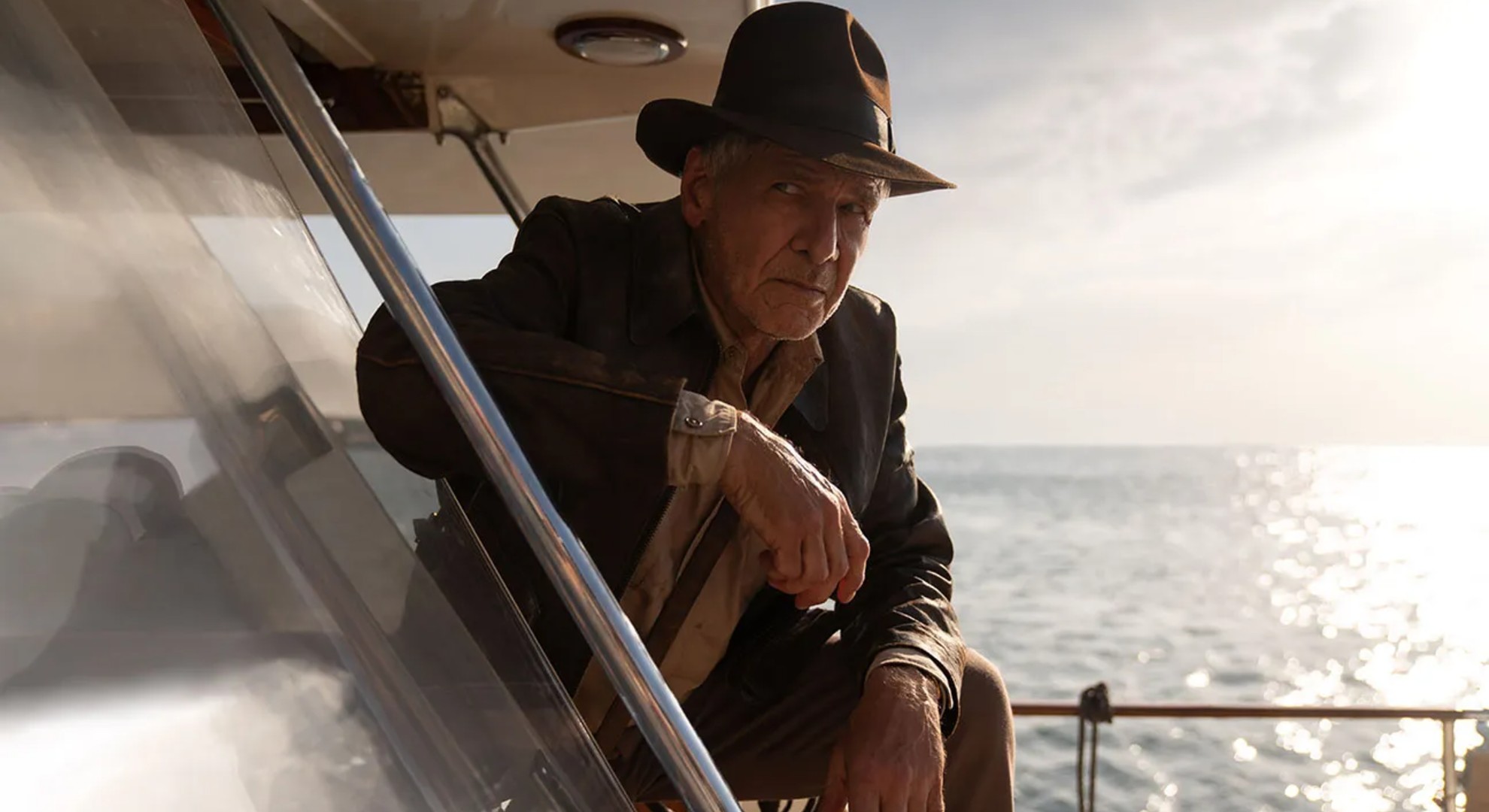
Indy films were shot across the globe, Tunisia, Sri Lanka, Petra, and beyond. These extraordinary backdrops gave authenticity and scale to the adventures. Hollywood increasingly invested in on-location shoots after Indy’s success. The films highlighted how the setting could be a character in itself.
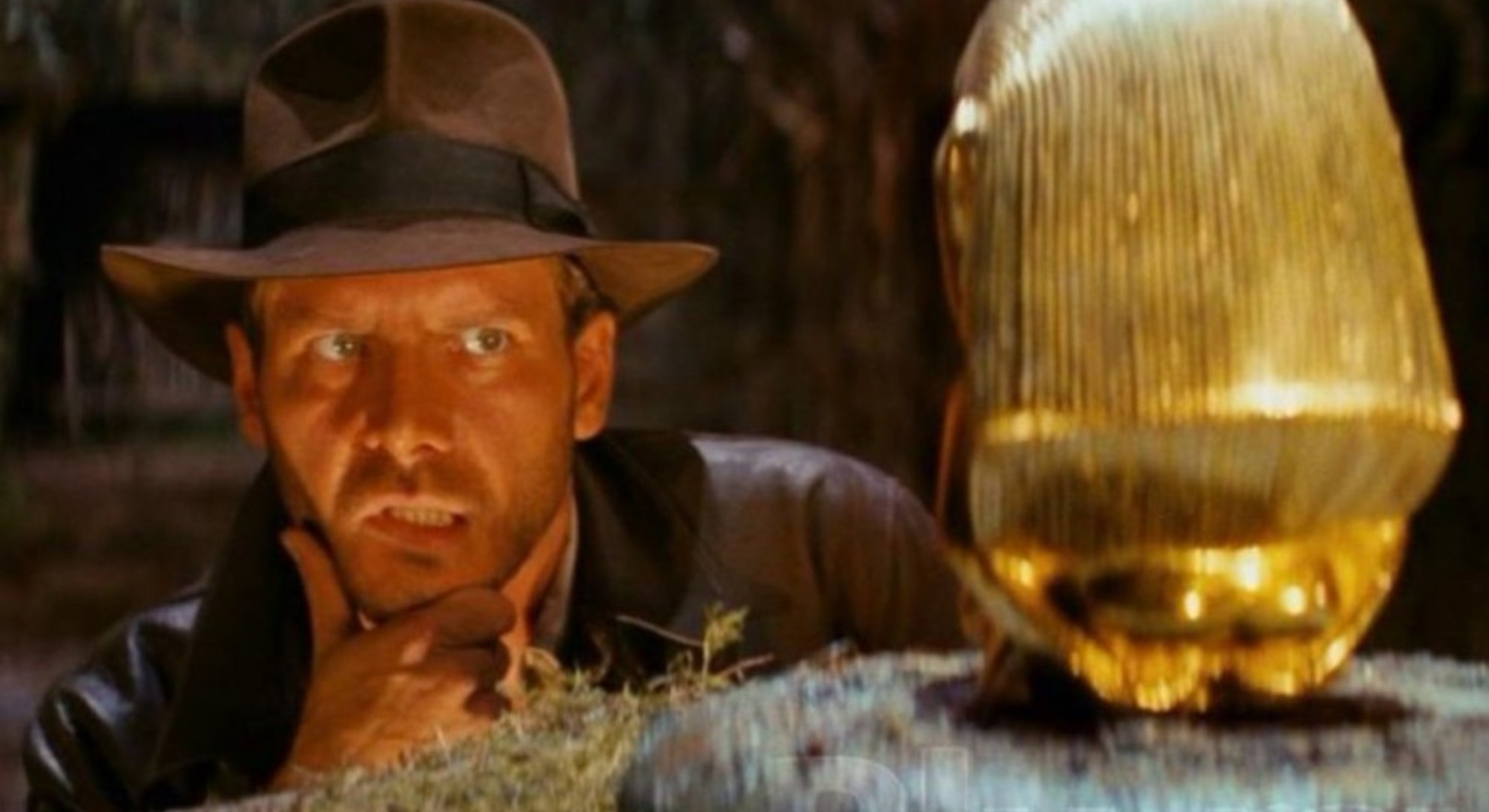
16. Pushing the Limits of PG Ratings
Temple of Doom’s darker tone and violence sparked controversy. The infamous heart-ripping scene shocked audiences. In response, Spielberg and Lucas worked with the MPAA to create the PG-13 rating. This permanently reshaped how films were classified in Hollywood.
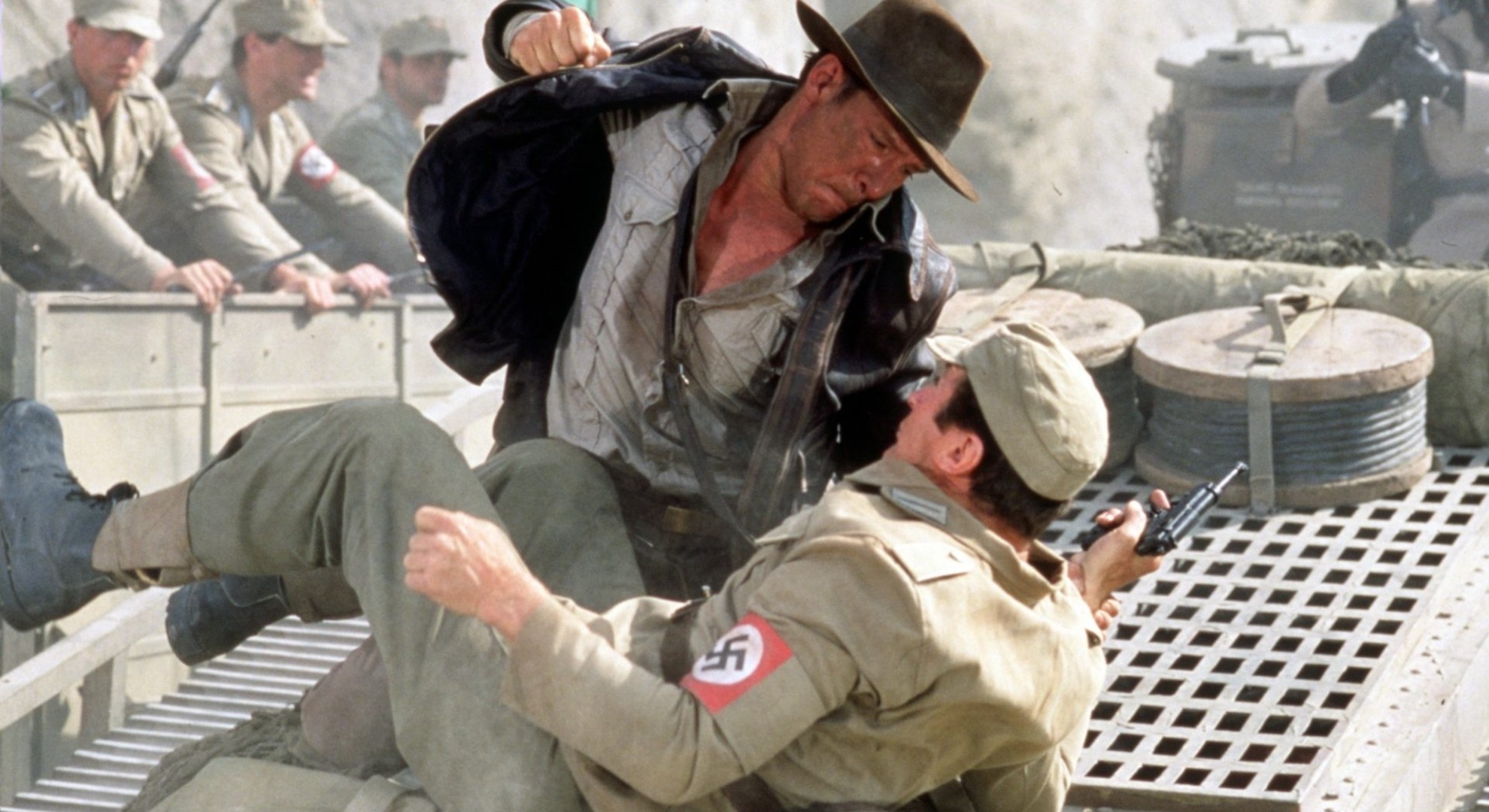
15. The Anti-Nazi Adventure Blueprint
By setting Raiders and Last Crusade against Nazis, the franchise crystallized Nazis as classic cinematic villains. Their obsession with occult artifacts provided believable stakes. Countless films borrowed this formula for clear-cut good vs. evil dynamics. Nazis became shorthand for adventure antagonists in cinema.
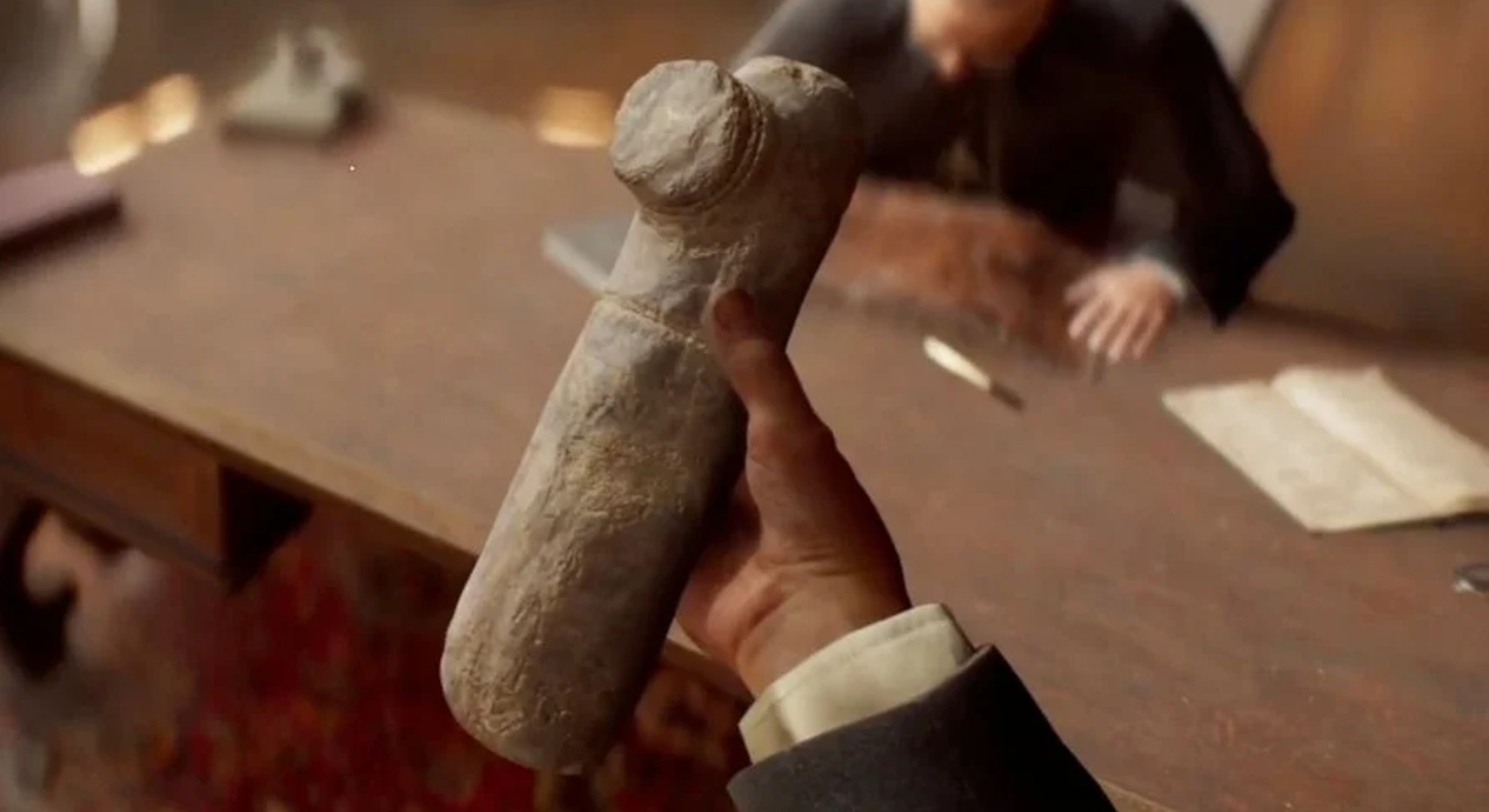
14. Cultural Fascination with Ancient Mysteries
The films ignited public fascination with archaeology and lost civilizations. Pyramids, temples, and artifacts became central to pop culture imagination. Museums reported increased interest from younger audiences. Adventure stories after Indy leaned heavily on ancient mysteries as plot engines.
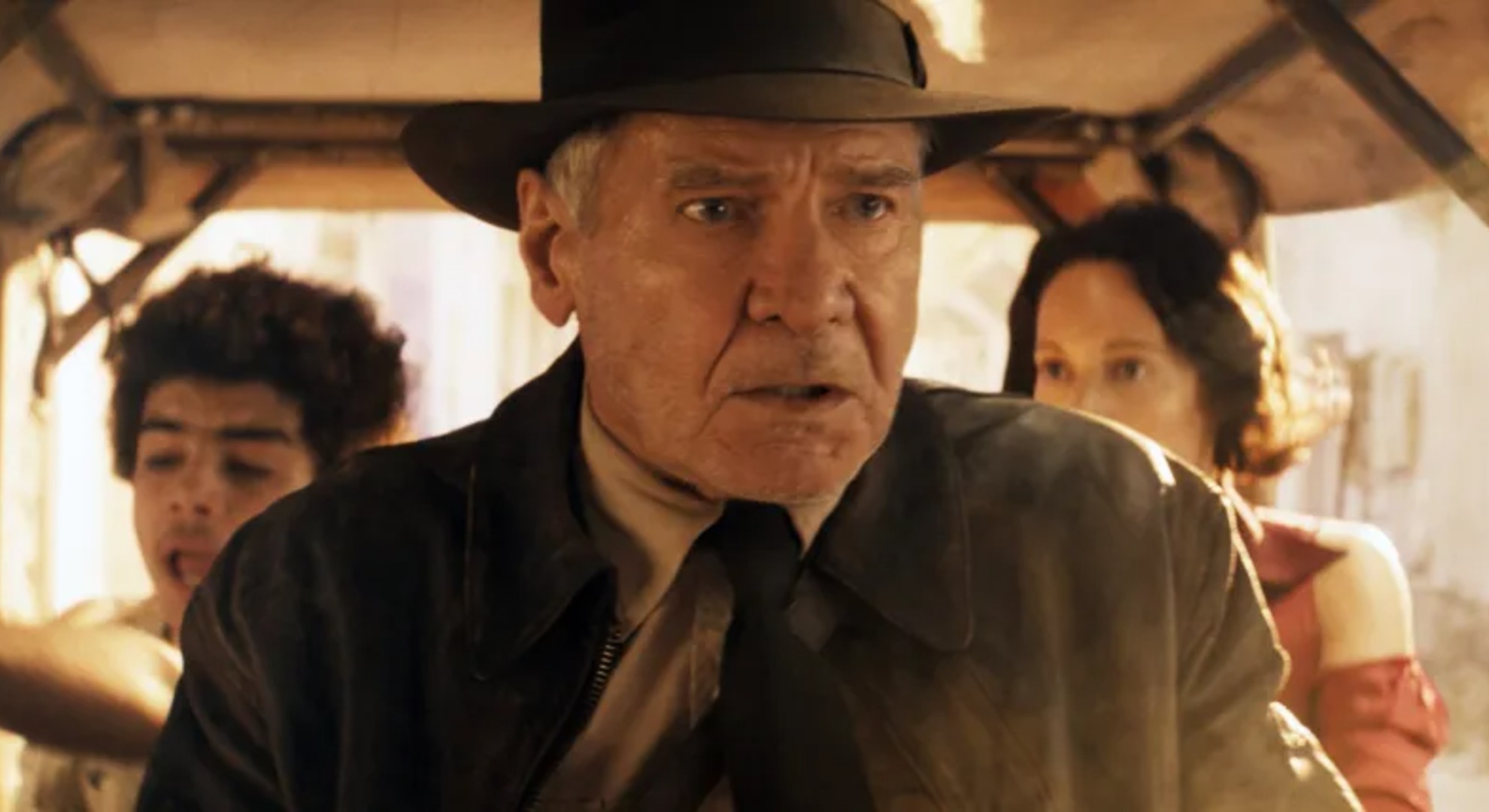
13. Expanding the Idea of a Cinematic Franchise
Indiana Jones proved that serialized adventure could thrive as a long-term franchise. Multiple films, tie-in novels, games, and TV spinoffs followed. This helped Hollywood embrace world-building and multimedia storytelling. Indy paved the way for interconnected entertainment universes.
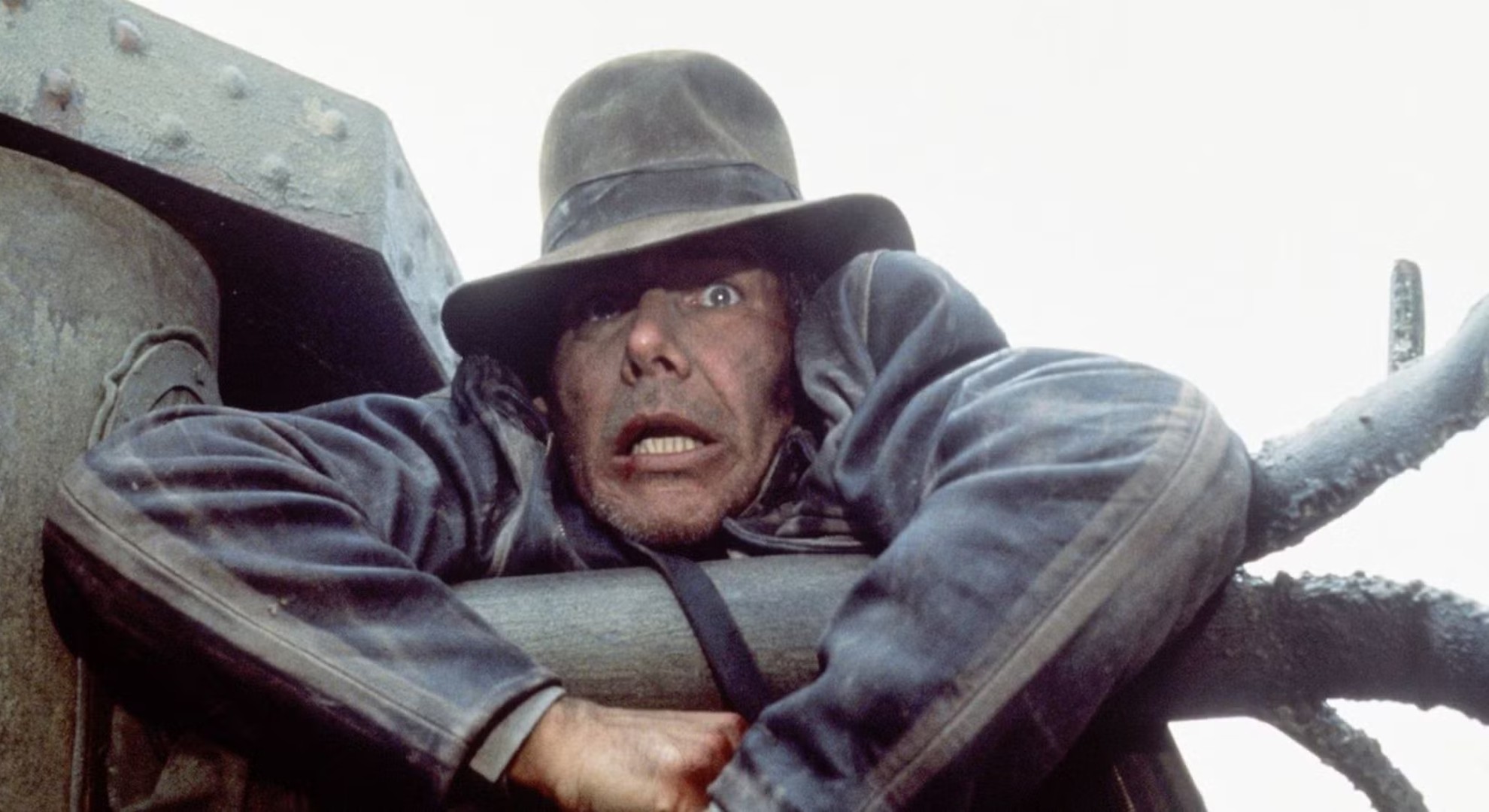
12. Blending Comedy with Danger
Indy films thrived on humor, even in perilous moments. Quips, facial reactions, and situational comedy lightened tension. Harrison Ford’s dry wit balanced the intensity of life-threatening scenarios. This approach became a cornerstone of blockbuster adventure storytelling.
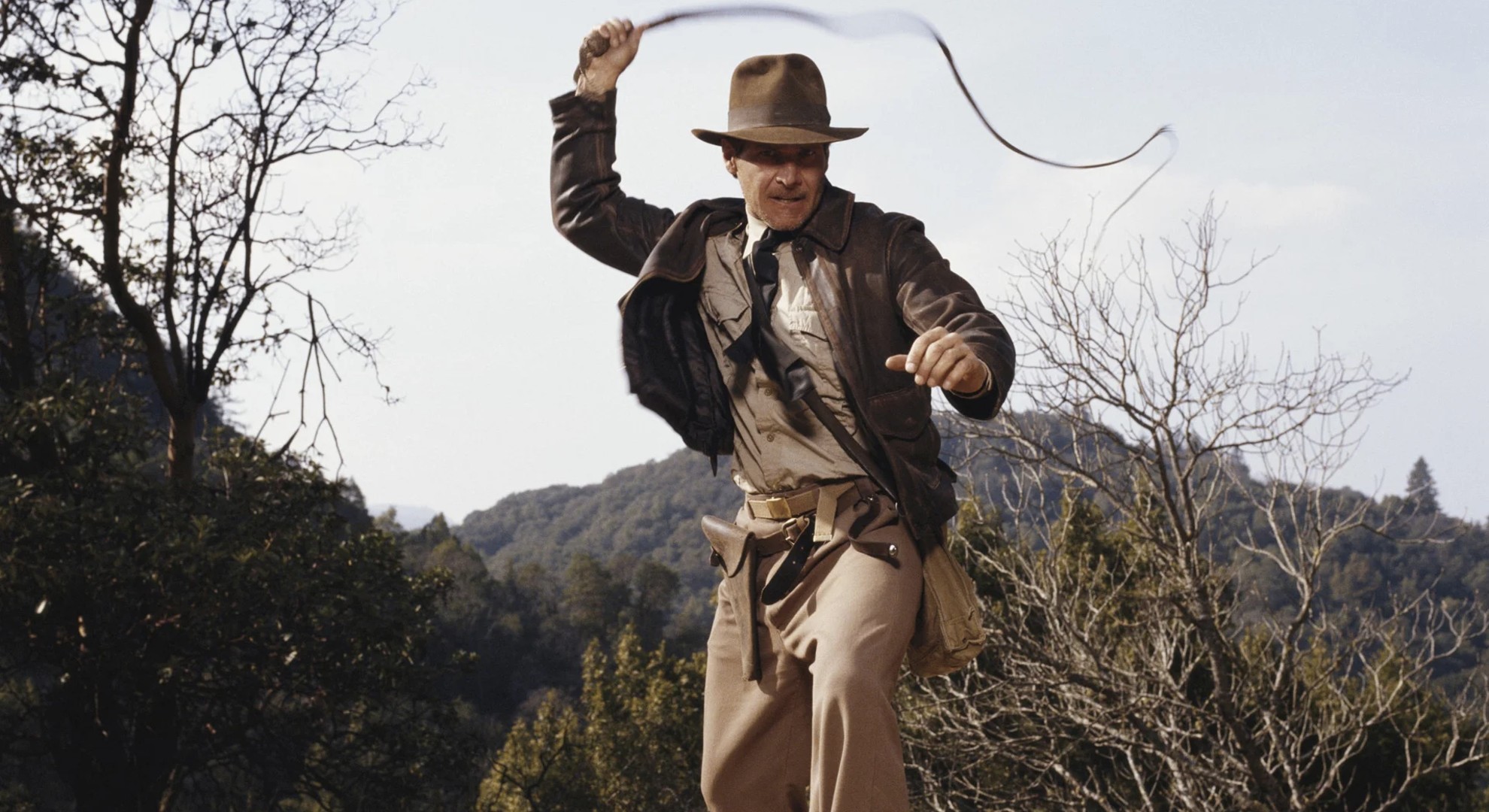
11. Defining the Whip as a Weapon
Indiana Jones’s bullwhip became as iconic as a lightsaber or Batman’s gadgets. It wasn’t just a gimmick, as it had practical uses for fighting, climbing, and disarming. The whip added flair and originality to action scenes. It gave Indy a distinctive silhouette and enduring trademark.
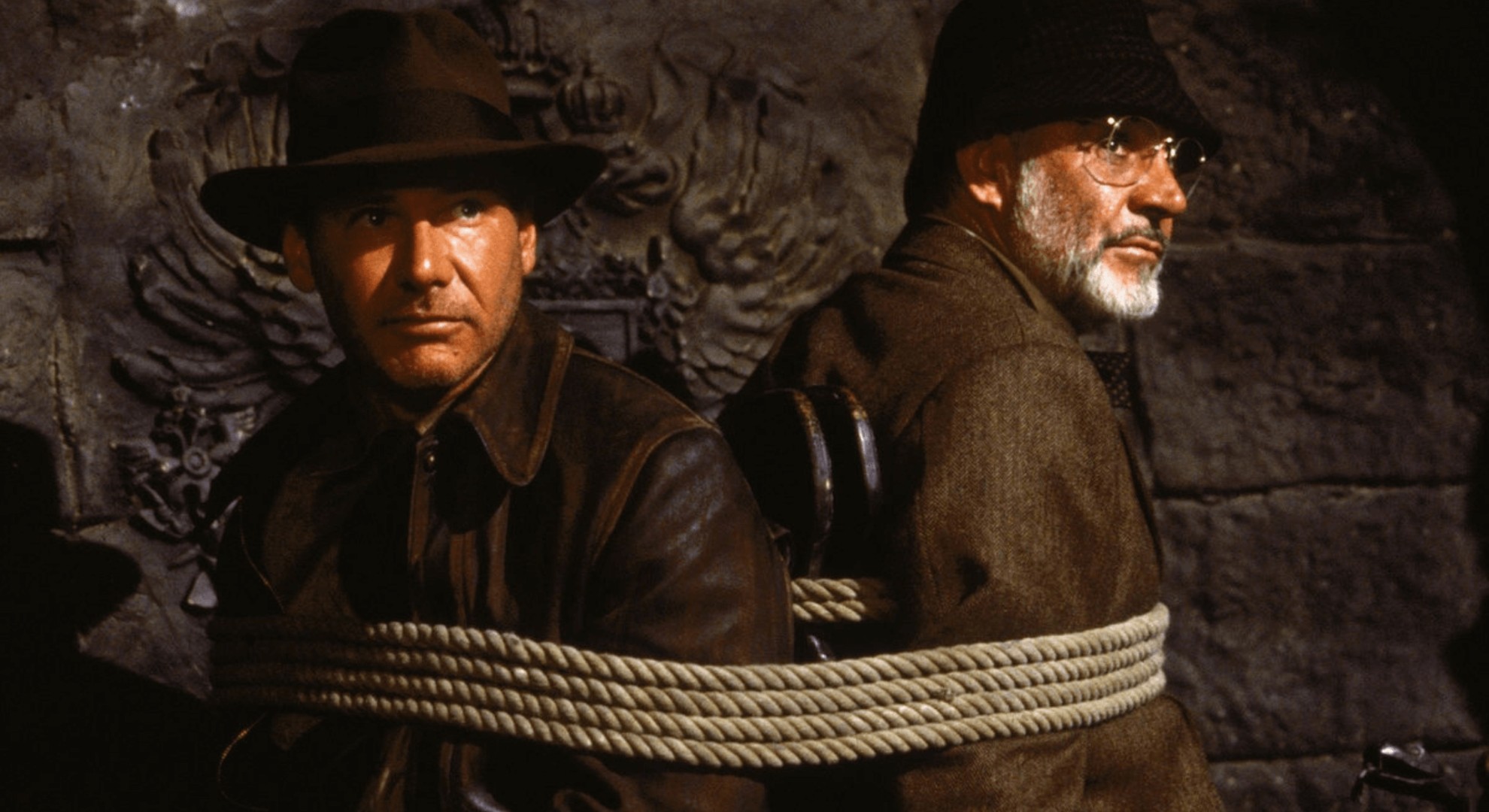
10. Raising the Bar for Cinematic Action Pacing
Spielberg perfected rhythm in action sequences, balancing suspense, humor, and danger. Truck chases, mine carts, and tank battles never felt repetitive. Each scene had escalating stakes and inventive choreography. This meticulous pacing influenced how action films were edited for maximum engagement.
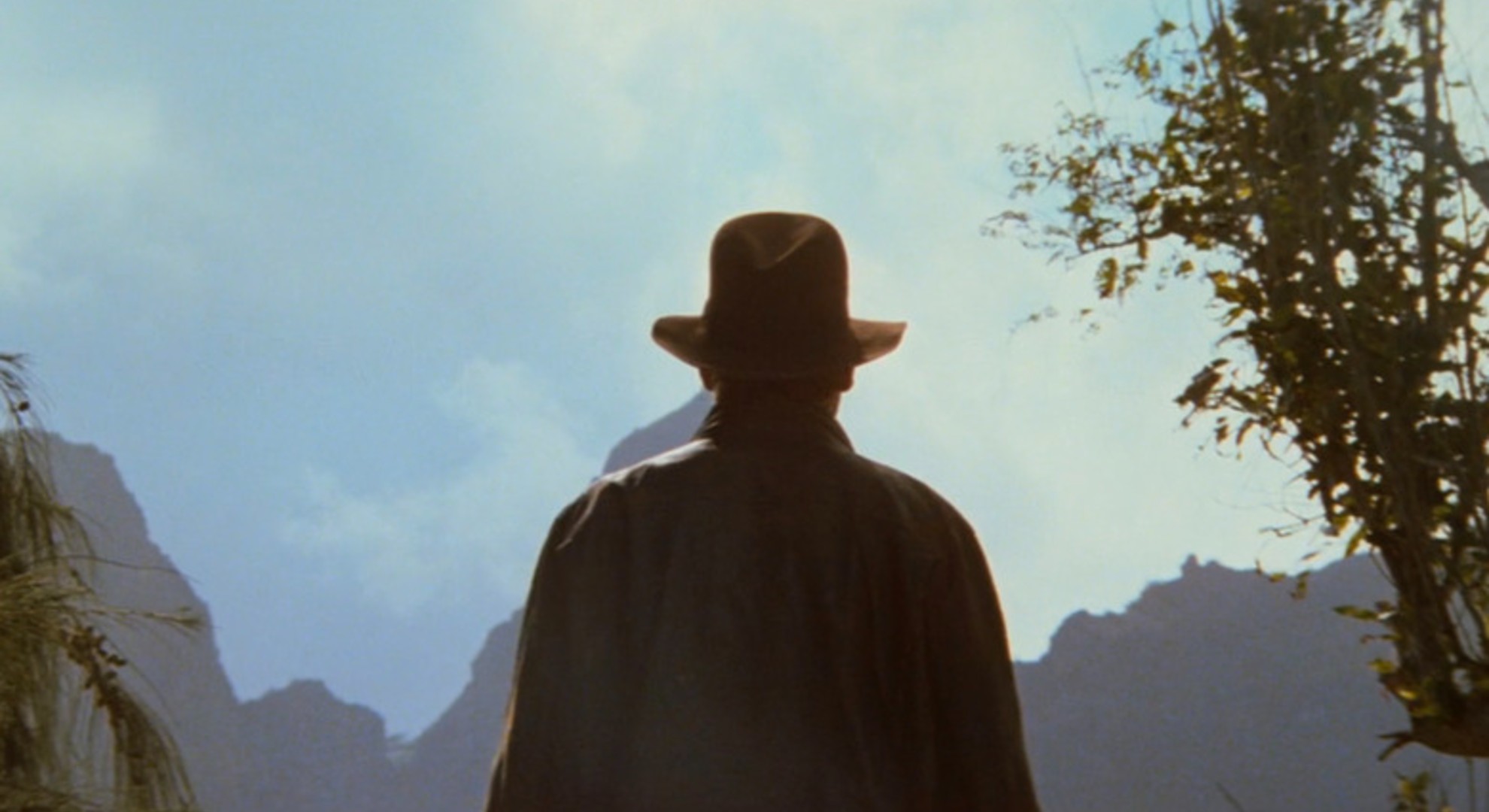
9. Mastering the Cold-Open Sequence
The opening of Raiders of the Lost Ark, with traps, betrayal, and a giant boulder—set the tone instantly. Indy films popularized the self-contained mini-adventure prologue. These cold opens became staples in adventure and action cinema. They allowed directors to grab audiences from the very first frame.
8. Pioneering the "Reluctant Hero" Trope
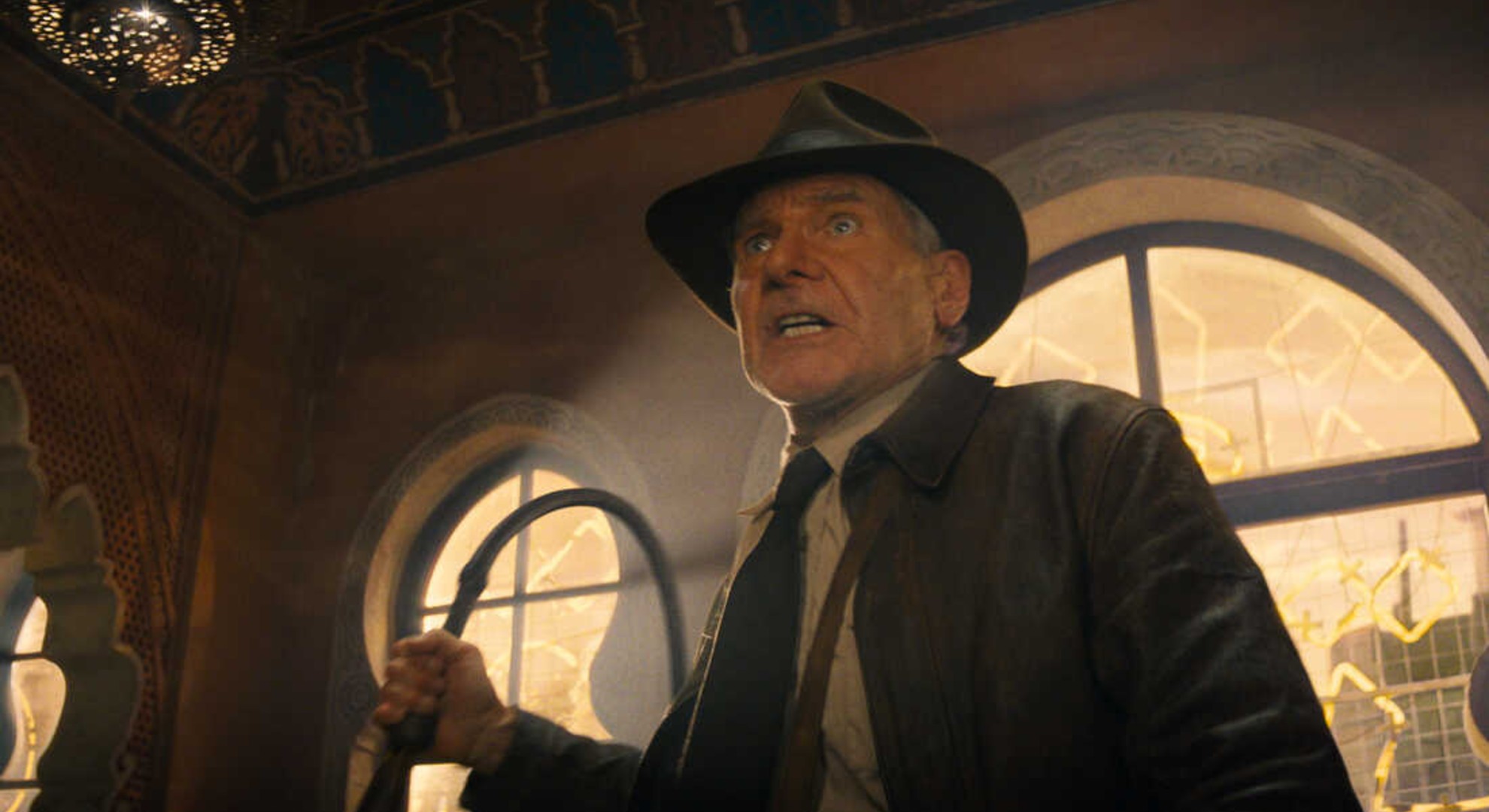
Indiana Jones is not a perfect, eager savior, as he’s often reluctant, greedy, or self-interested. Yet, he always chooses to do the right thing when it matters most. This layered approach added depth to the genre. Heroes became more complex, flawed, and human in later films.
7. Elevating the Role of Female Characters
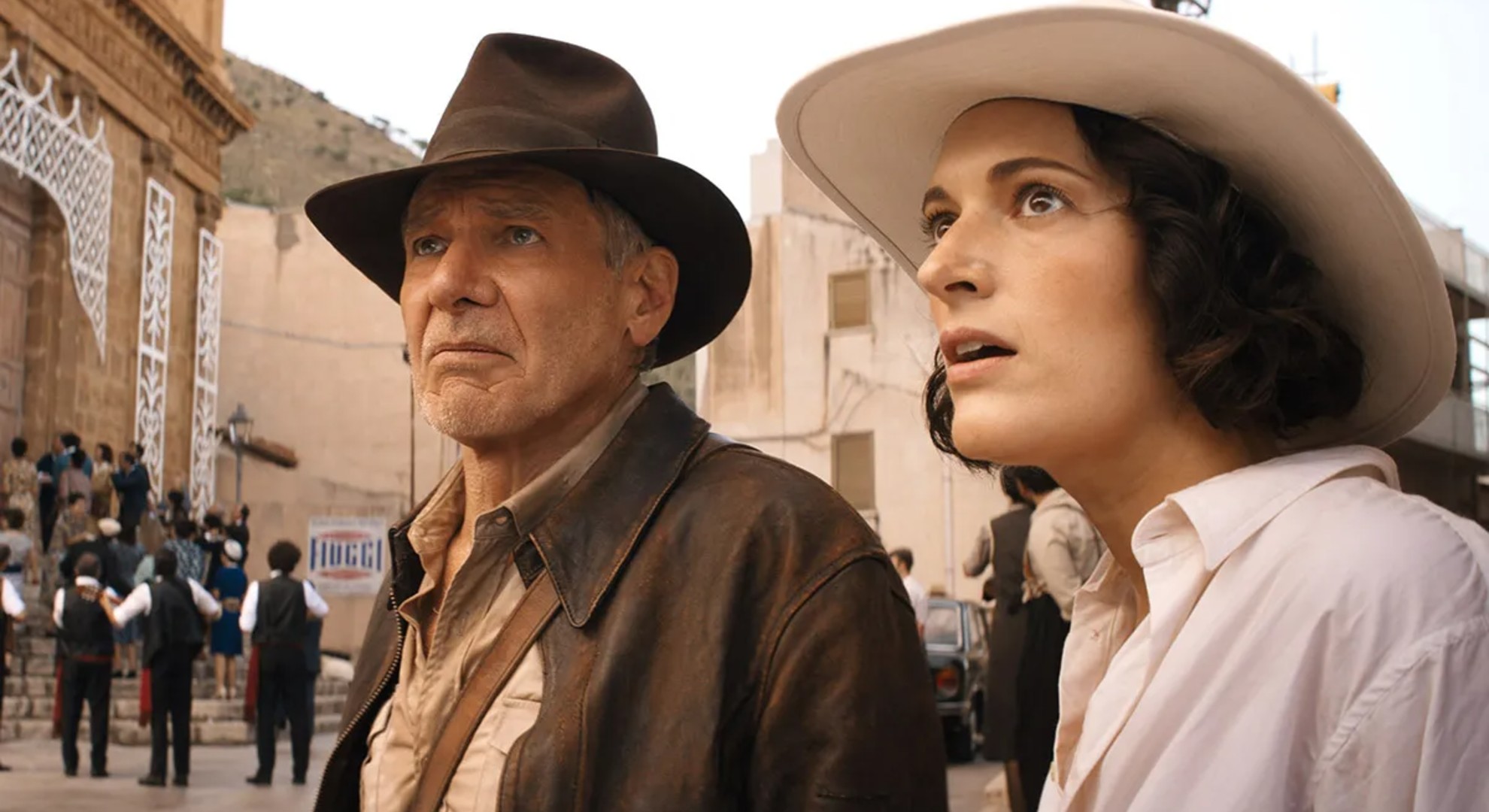
While rooted in pulp traditions, Indy films introduced memorable female leads like Marion Ravenwood. Marion was witty, resilient, and capable of holding her own against Indy. Later characters like Elsa and Willie added complexity, though with varying portrayals. These roles influenced depictions of women in later adventure films.

6. The Iconic Musical Score
John Williams’ rousing Raiders March instantly became one of cinema’s most recognizable themes. It evoked heroism, mystery, and excitement in equal measure. The score elevated scenes into timeless moments. Williams’ work set a precedent for bold orchestral soundtracks in blockbusters. Even decades later, the tune remains shorthand for adventure.
5. Revolutionizing Sound Design
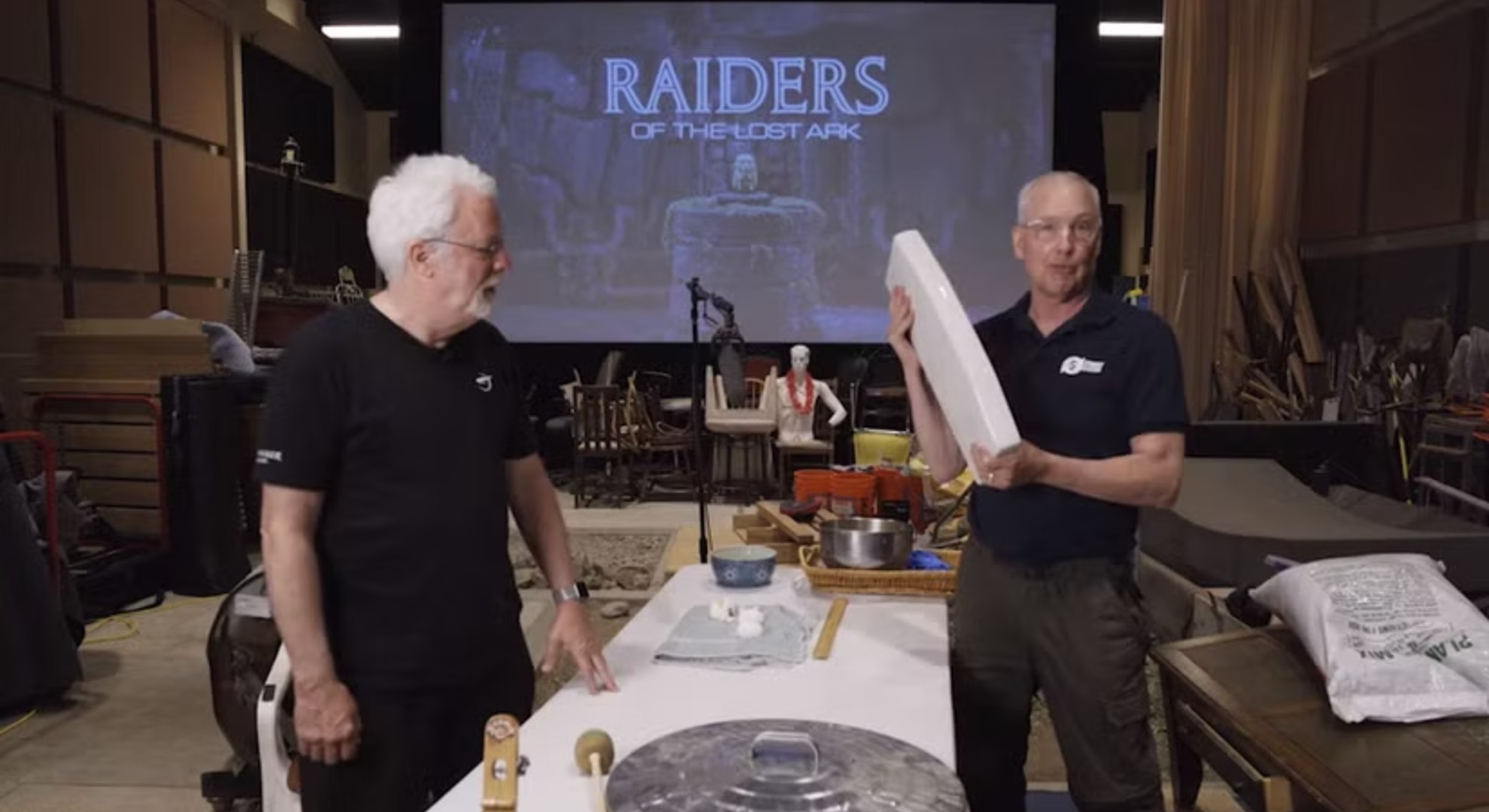
Ben Burtt, already famous for Star Wars, crafted iconic soundscapes for Indy. The crack of the whip, the rumble of boulders, and the echoing caves were unforgettable. Sound heightened tension and made action scenes immersive. This meticulous attention to audio detail influenced adventure and action cinema alike.
4. Blending Archaeology with Mythology
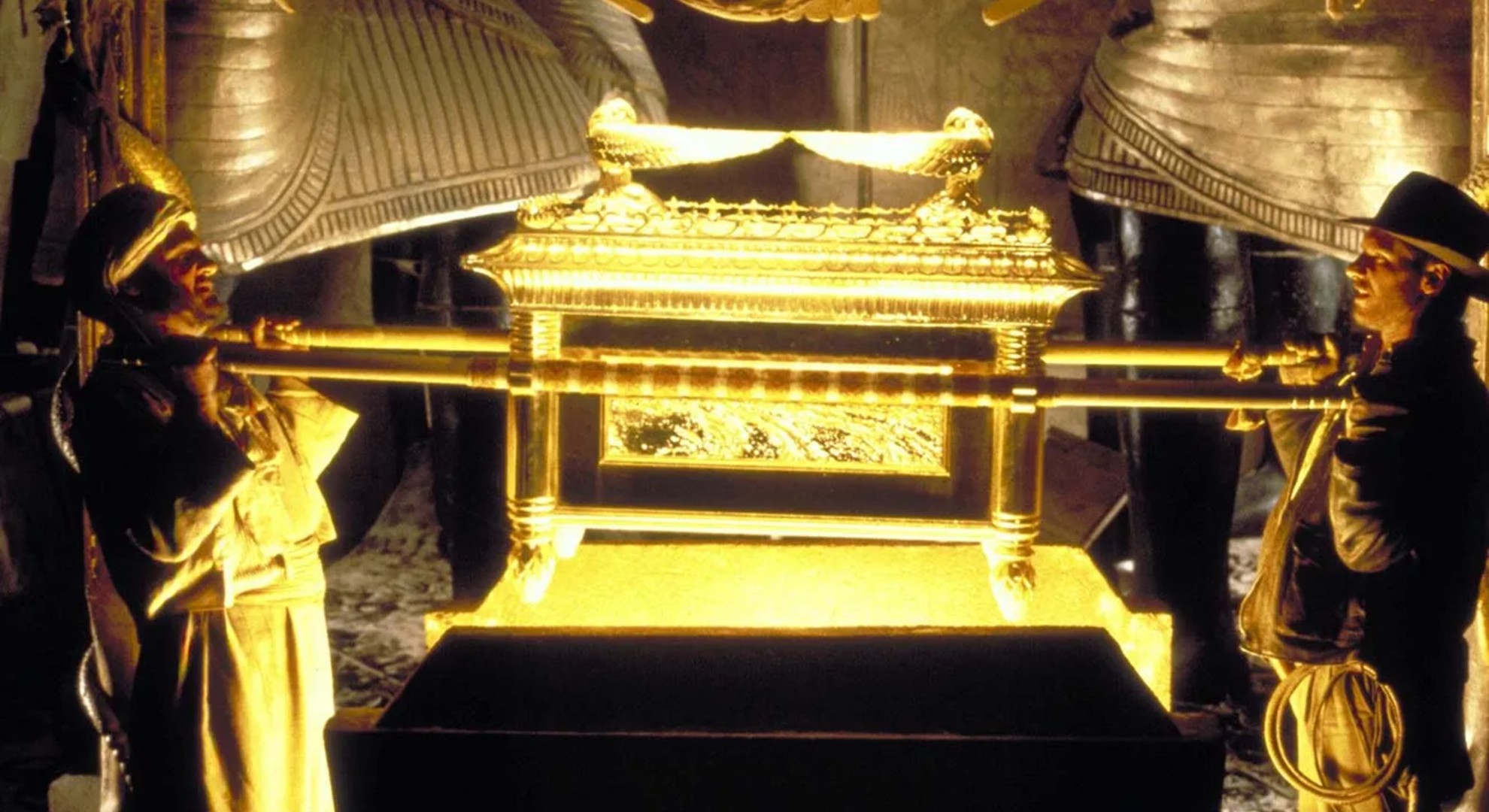
Indy combined real-world archaeology with supernatural and mythological elements. From the Ark of the Covenant to the Holy Grail, history and legend intertwined seamlessly. This fusion of scholarship and fantasy fascinated audiences. It blurred the line between education and entertainment. Countless films adopted this treasure-hunting formula afterward.
3. Elevating Practical Stunt Work
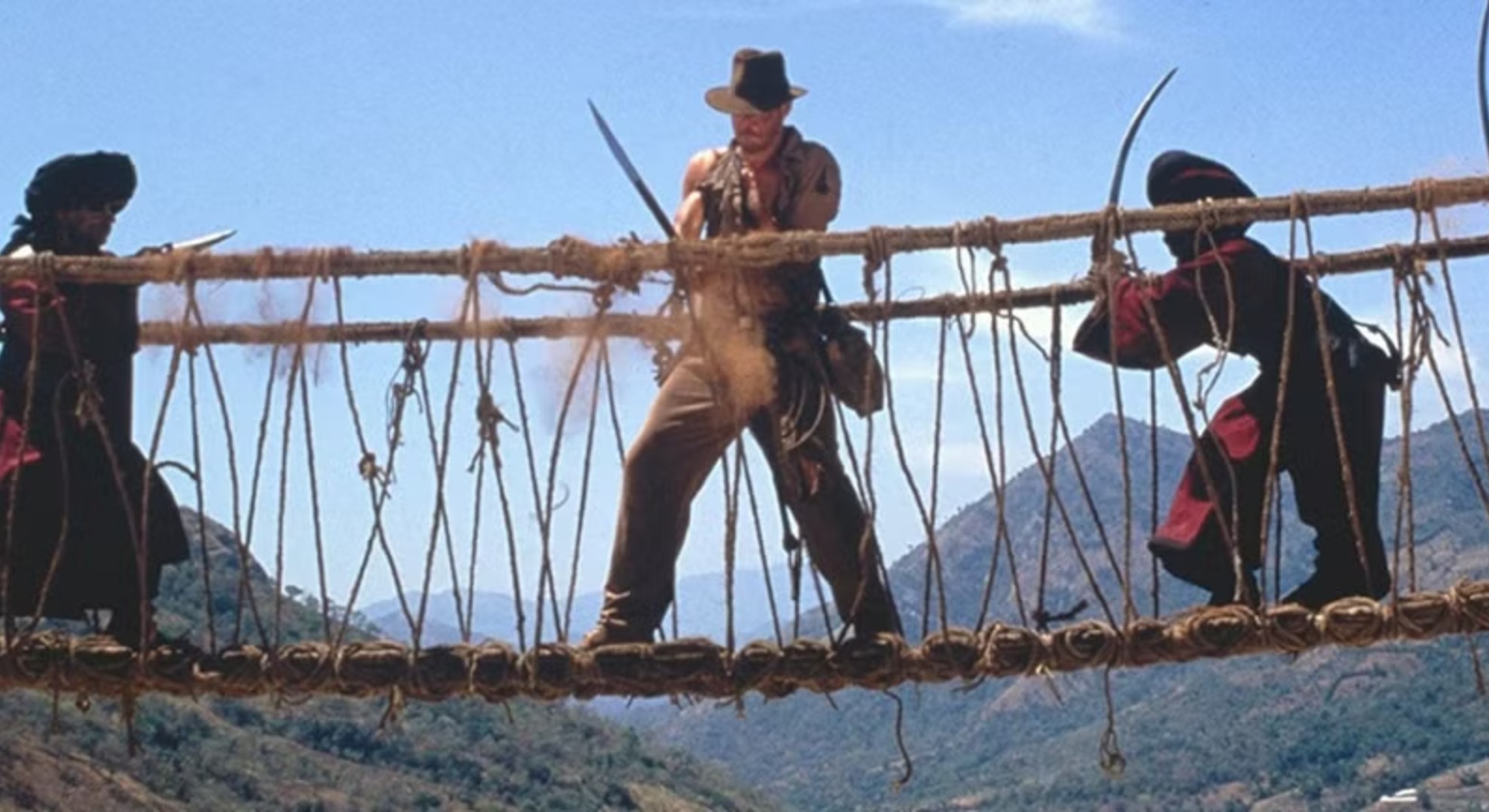
The films relied on breathtaking practical stunts, from truck chases to rope-bridge showdowns. Harrison Ford performed many of his own stunts, heightening realism. Spielberg avoided excessive trickery, grounding action in physical danger. These sequences set a gold standard for action choreography. Practical stunt emphasis influenced blockbusters for decades.
2. The Creation of the Modern Action Hero
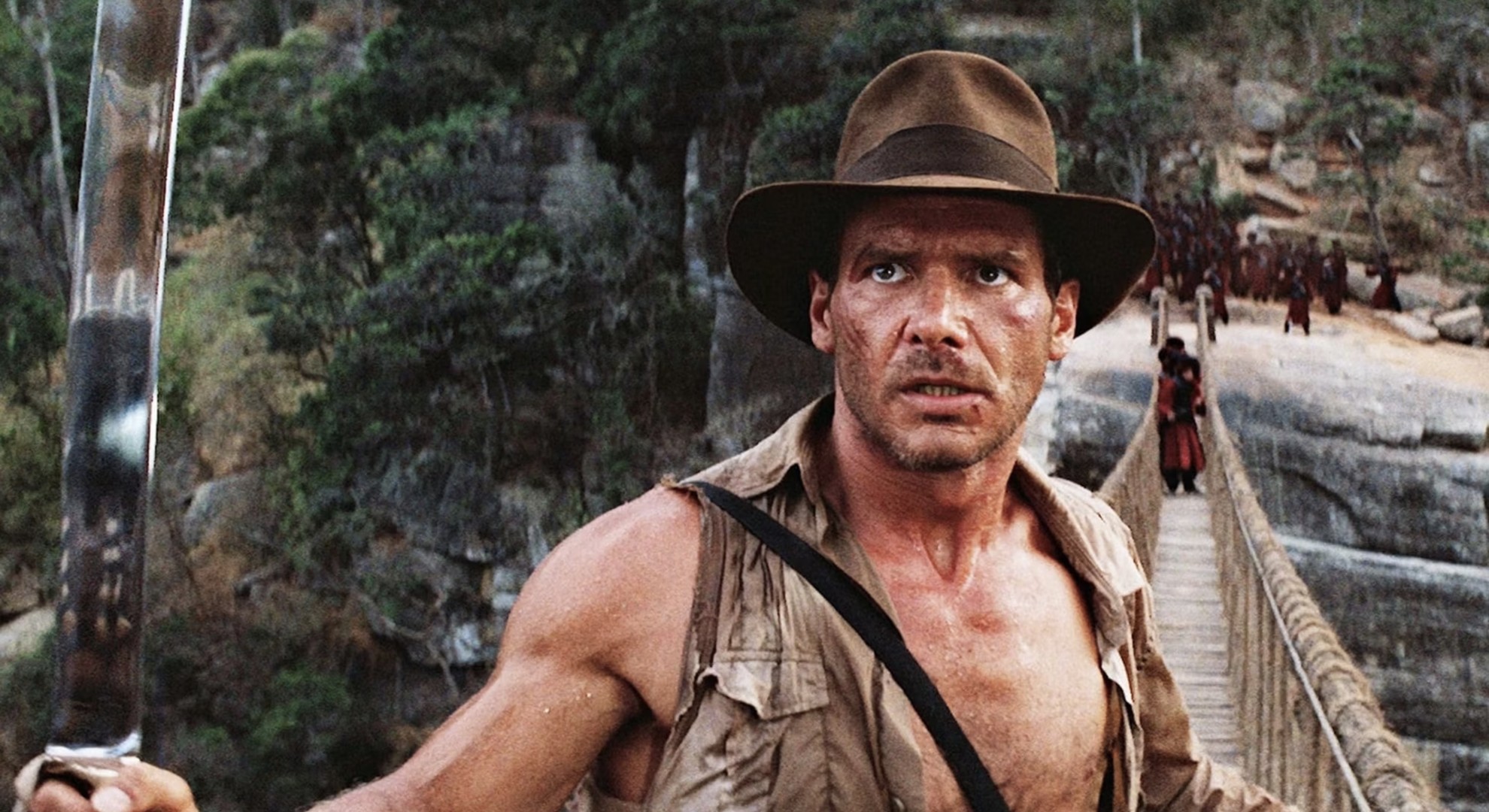
Before Indy, action heroes were often stoic and invincible. Indiana Jones broke the mold with vulnerability, humor, and flaws. He gets hurt, makes mistakes, and shows real fear of snakes. This humanization made him relatable while still heroic. Future action icons, from Lara Croft to Nathan Drake, drew heavily from his persona.
1. Reviving the Classic Adventure Serial
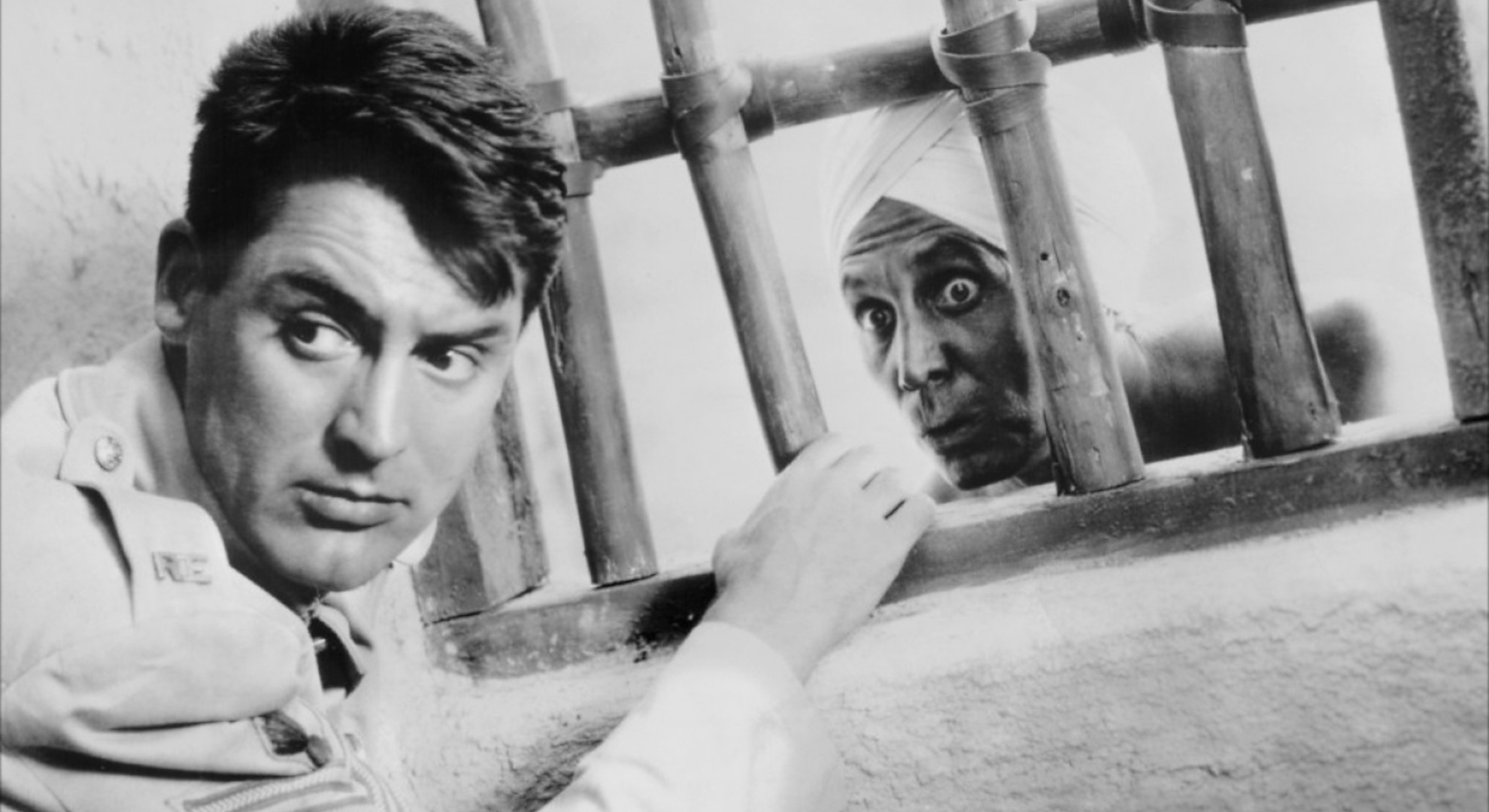
Indiana Jones brought back the spirit of 1930s–40s adventure serials such as from Gunga Din, Secret of the Incas (1954), Tim Tyler's Luck, and Jungle Jim, which had cliffhangers, extraordinary settings, and pulp storytelling. George Lucas and Steven Spielberg crafted Indy as a modern homage. This nostalgia-driven revival became a template for countless films. By mixing old-school thrills with new cinematic techniques, Indy redefined what adventure meant for modern audiences.