25 Villains Who Were Victims First
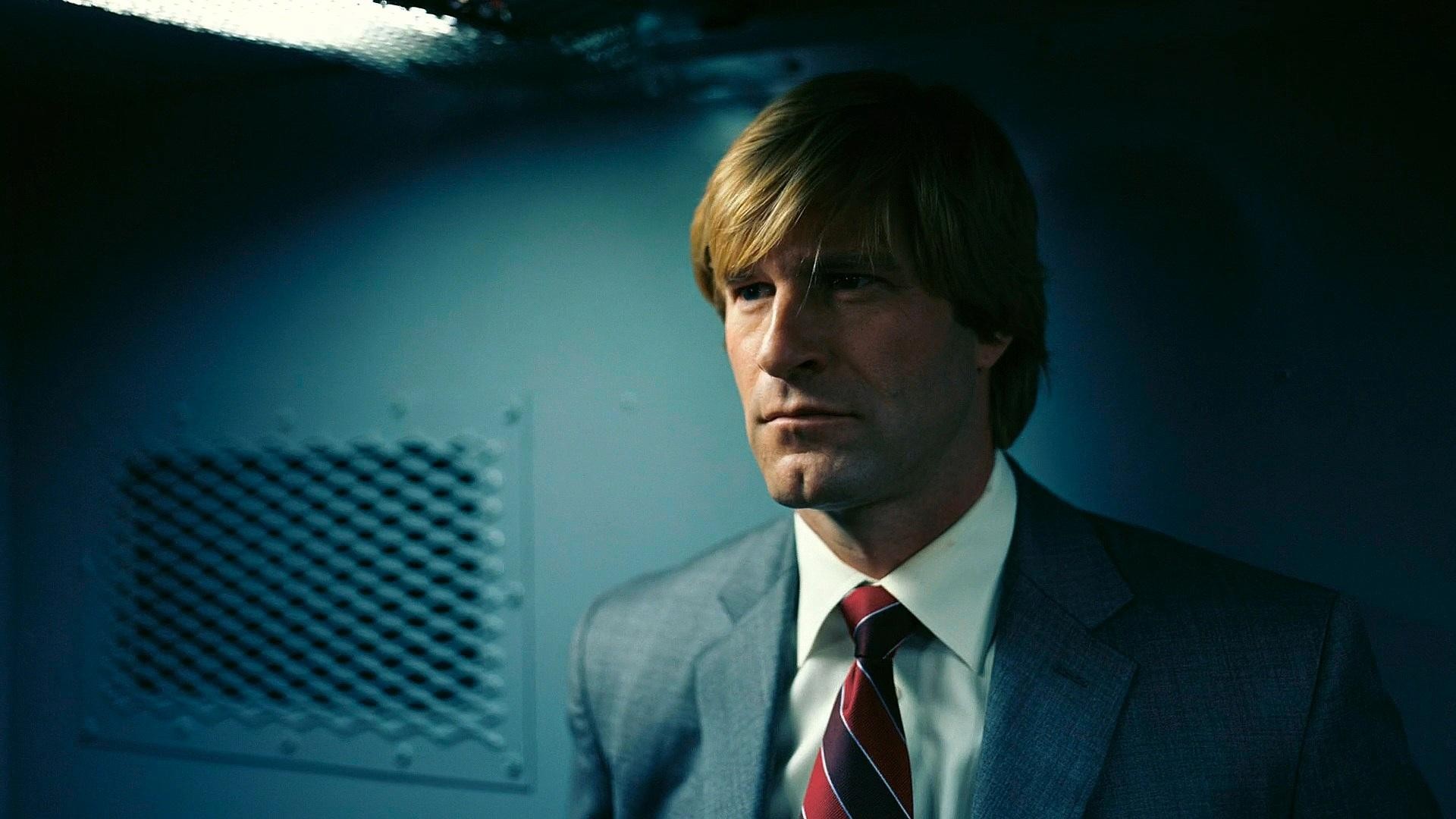
25. Harvey Dent (The Dark Knight)
Harvey Dent’s faith in justice was broken after he lost the person he loved. His injuries mirrored his emotional collapse and loss of belief in fairness. His transformation into Two-Face represents how tragedy can destroy moral strength.
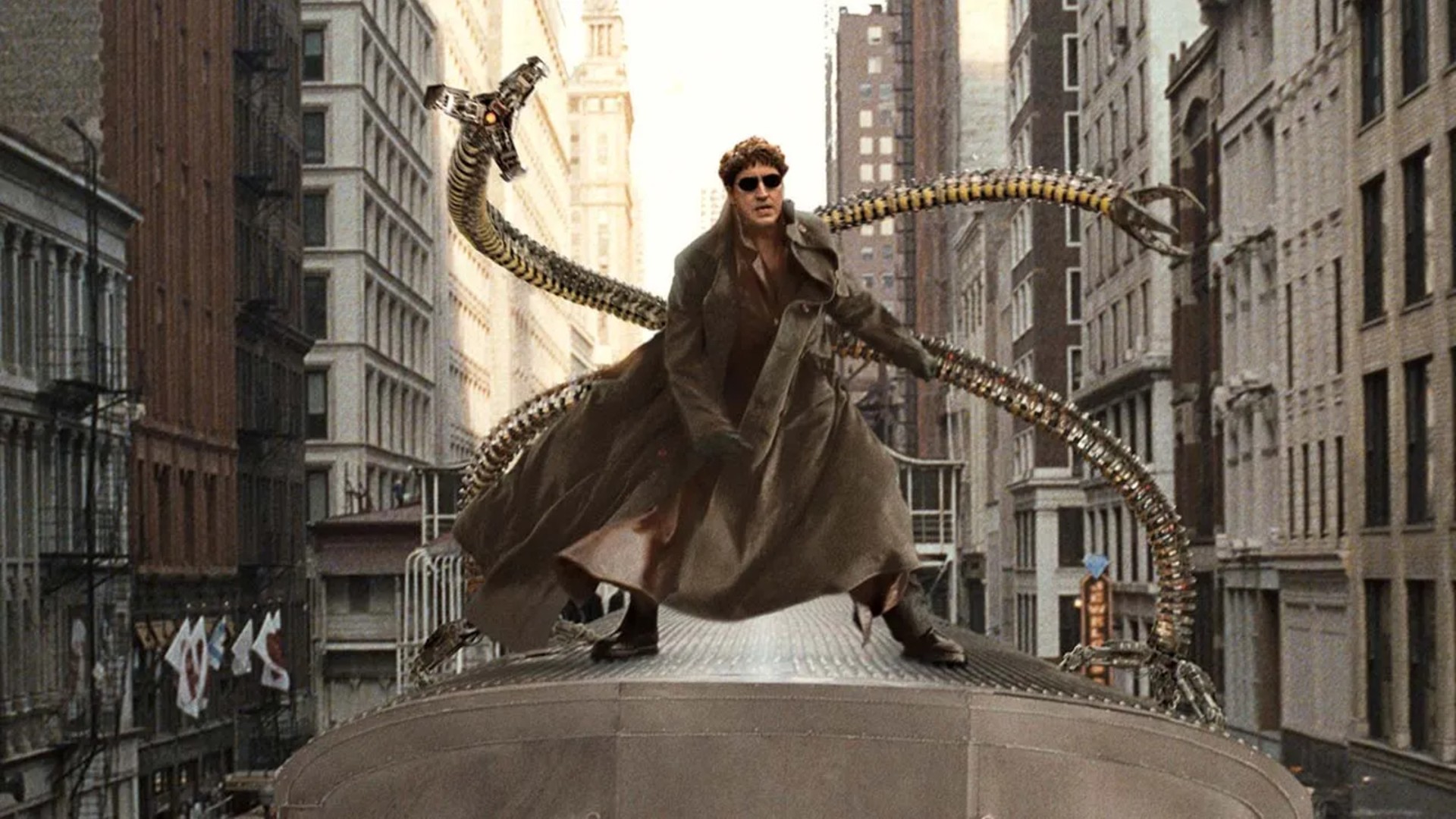
24. Dr. Otto Octavius (Spider-Man 2)
Dr. Octavius lost control of his invention, which corrupted his mind and destroyed his life’s work. His arrogance turned to tragedy as his machine drove his actions. Ultimately, he recognized his mistake and sacrificed himself to make it right.

23. Erik Lehnsherr (X-Men: First Class)
Erik’s worldview was shaped by surviving persecution and losing his family. His belief that strength is the only protection came from pain and fear. He fights to prevent others from experiencing what he endured.
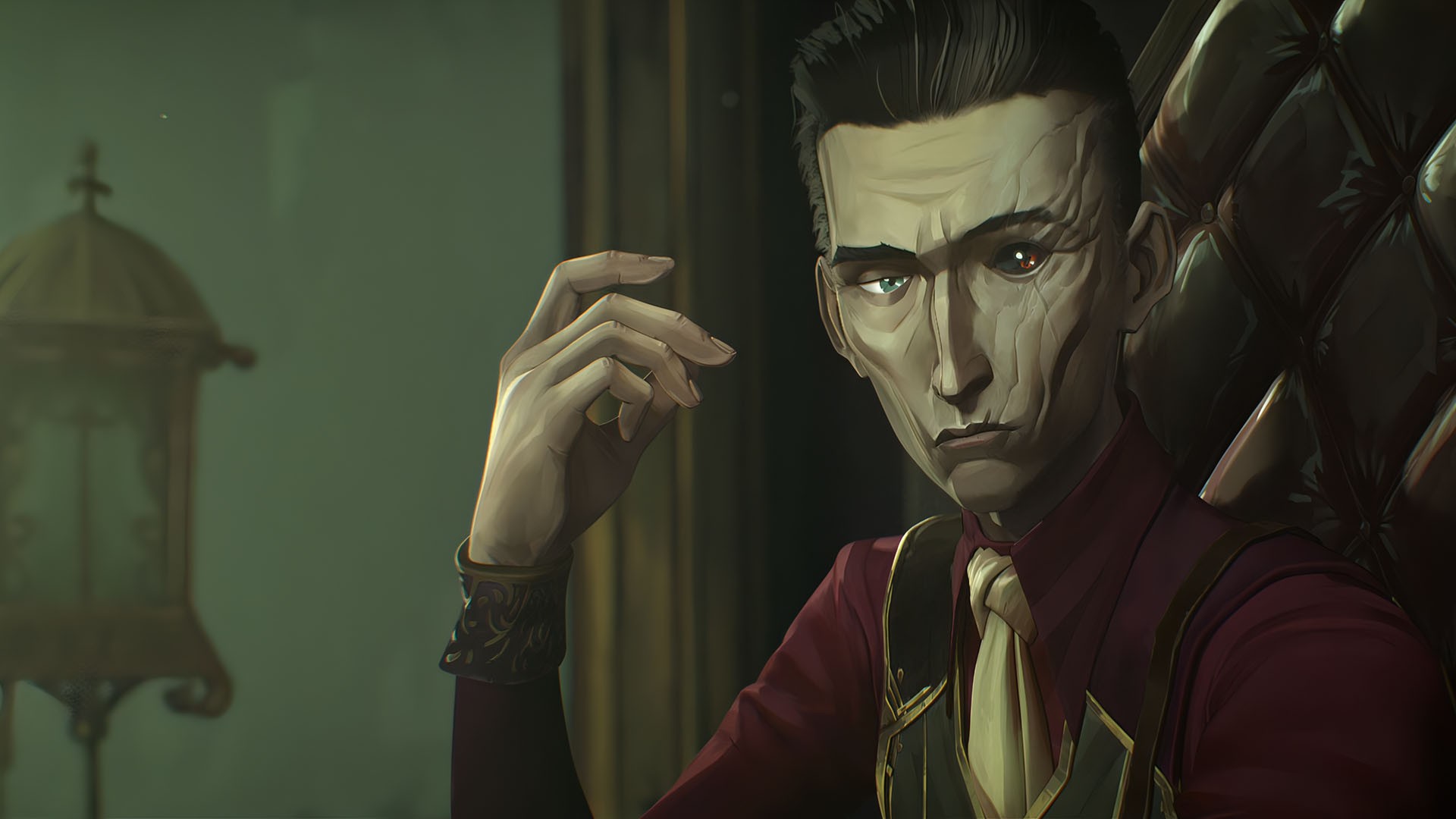
21. Silco (Arcane)
Silco was betrayed by his closest friend and left with deep scars. His dream of freedom for the oppressed grew from years of being silenced. His love for Jinx revealed his humanity, showing that his ruthlessness came from conviction, not hate.
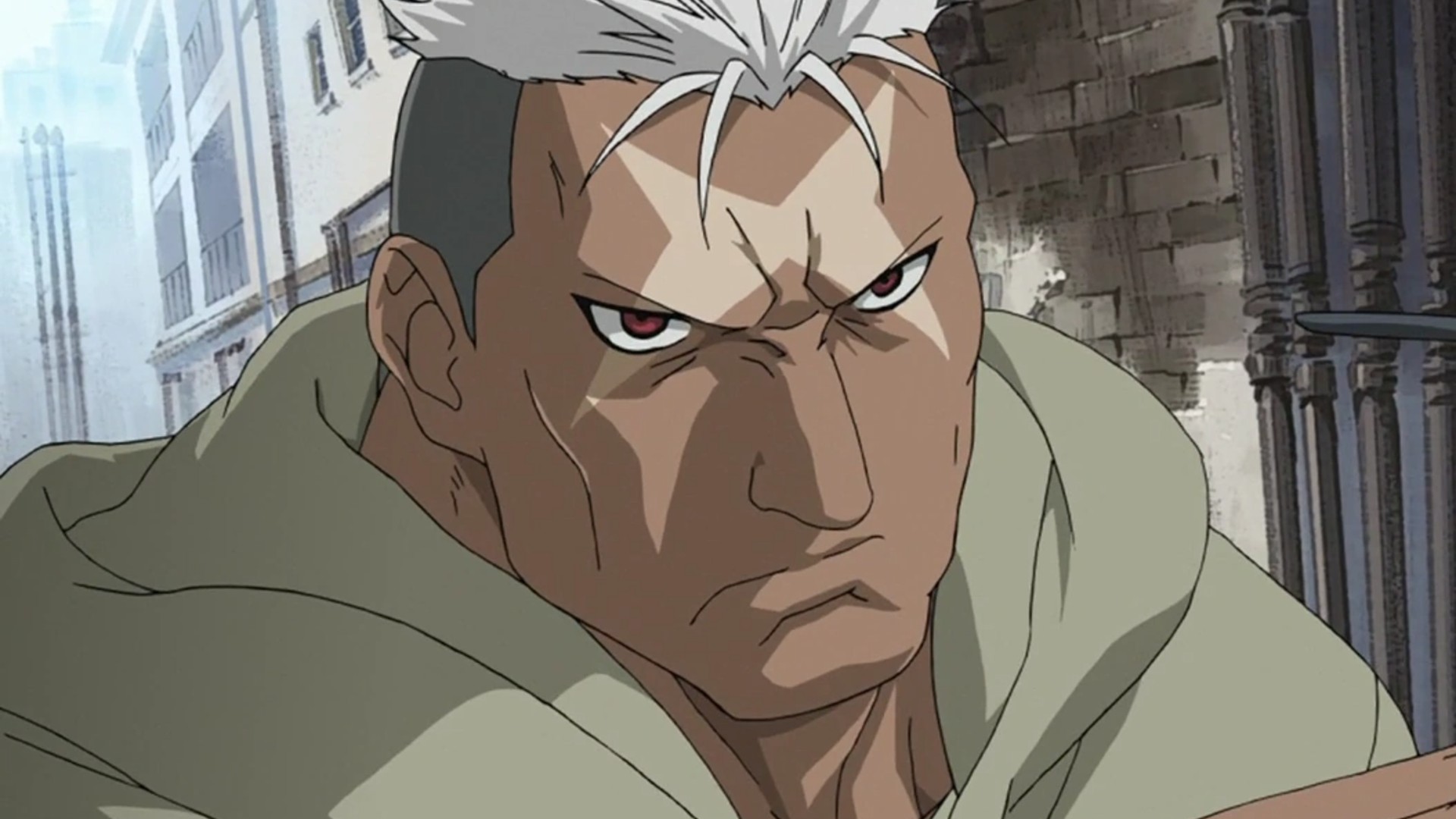
20. Scar (Fullmetal Alchemist: Brotherhood)
Scar’s vengeance came from witnessing the genocide of his people. His rage blinded him, yet his pain was rooted in loss and faith shaken by war. Over time, he sought redemption by protecting others from the same fate.
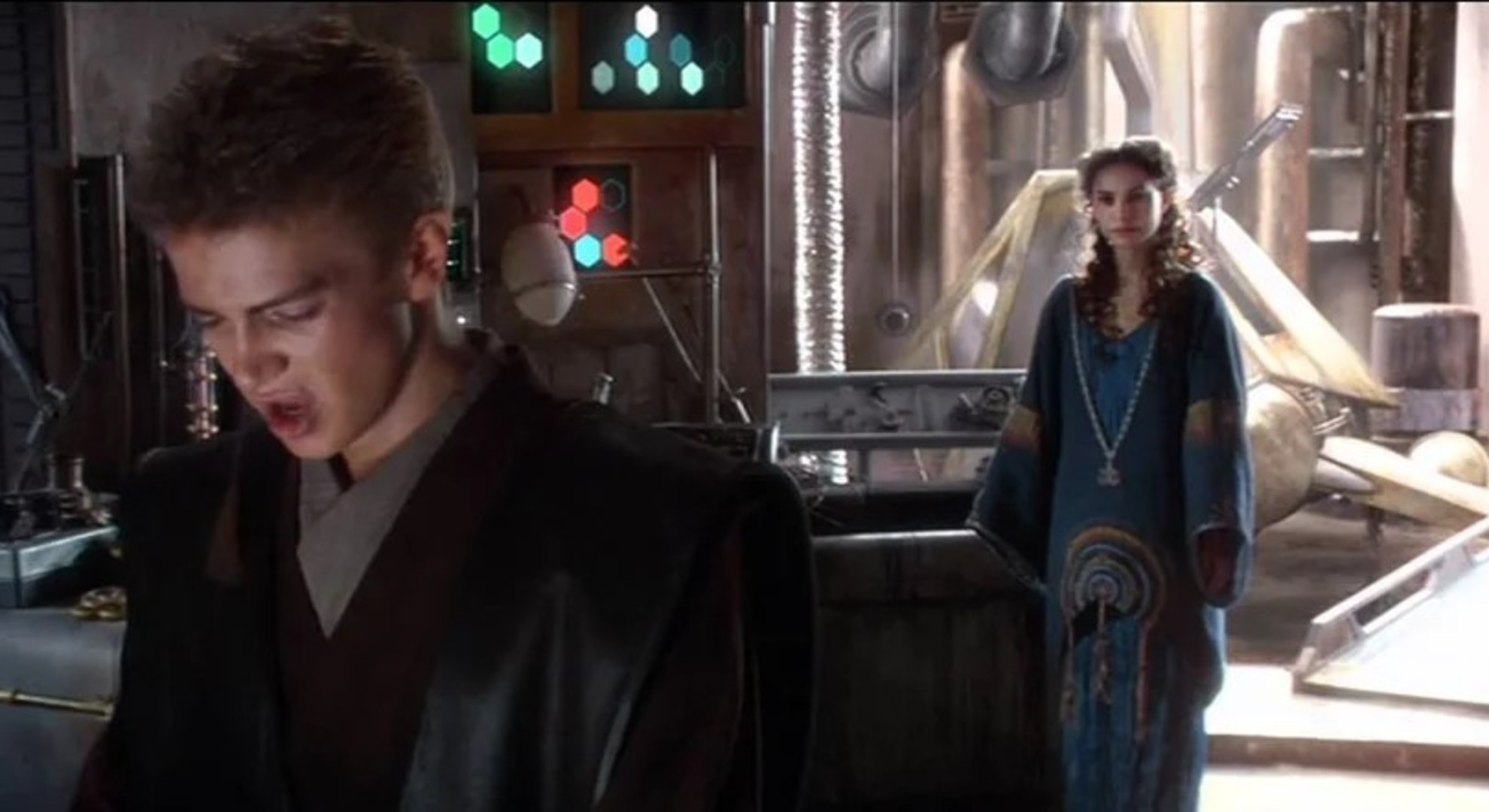
19. Anakin Skywalker (Star Wars)
Anakin’s fear of losing those he loved led him to make desperate choices. Manipulated by false promises of control, he fell into darkness trying to protect others. His downfall came from love twisted into obsession.
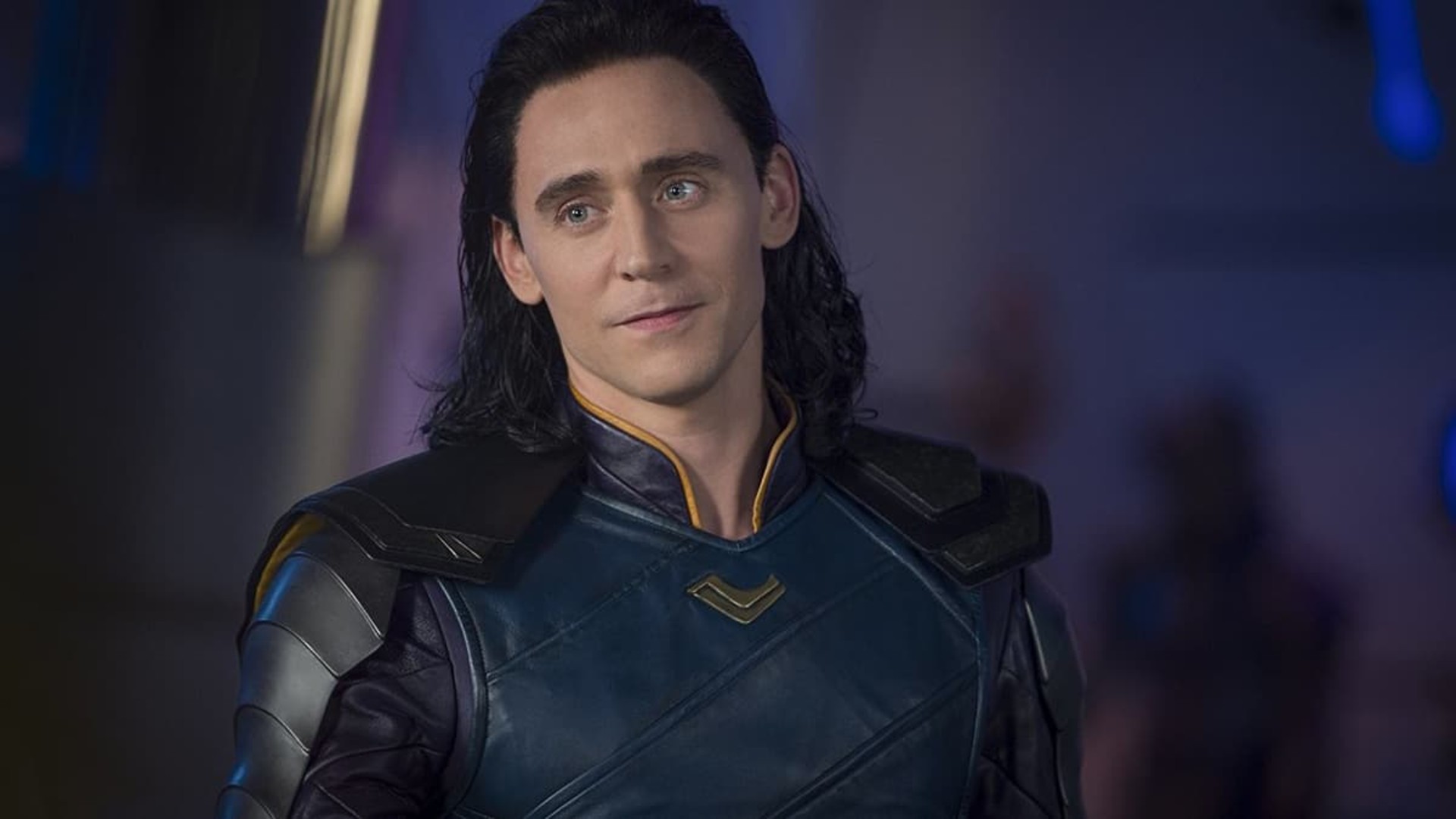
18. Loki (Marvel)
Loki grew up in his brother's shadow, never feeling he belonged. Learning the truth about his origins shattered his identity. His rebellion was a plea for acknowledgment and equality, masking deep insecurity and loneliness.
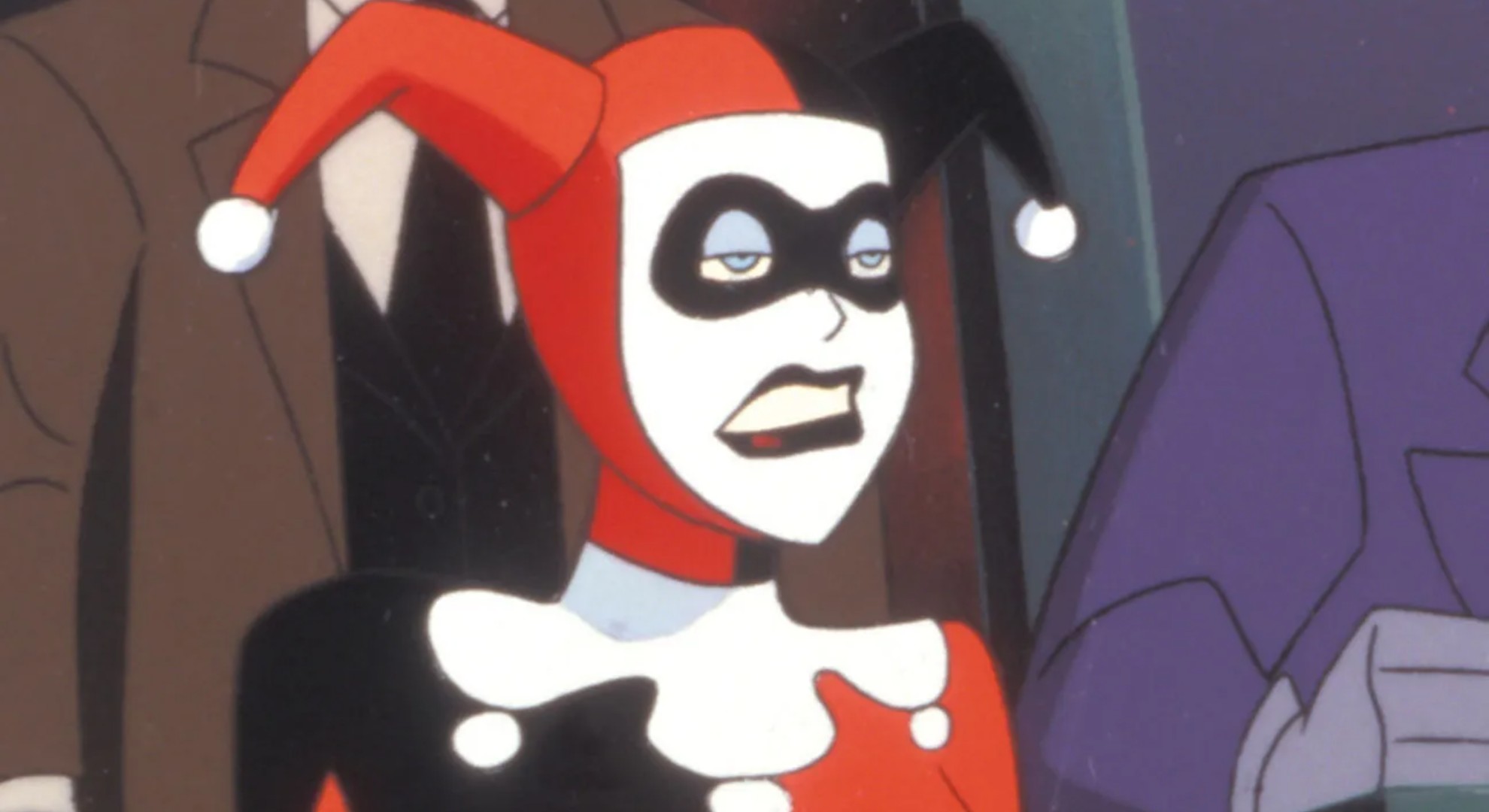
17. Harley Quinn (DC Universe)
Harley began as a psychologist manipulated into madness by the Joker. Her descent into crime came from emotional dependence and trauma. Her actions often reflect her search for freedom and identity rather than malice.

16. Wanda Maximoff (Marvel)
Wanda’s grief from losing her loved ones repeatedly overwhelmed her sense of control. She used her powers to recreate the family she missed, causing harm without understanding the full impact. Her tragedy lies in her inability to separate love from loss.
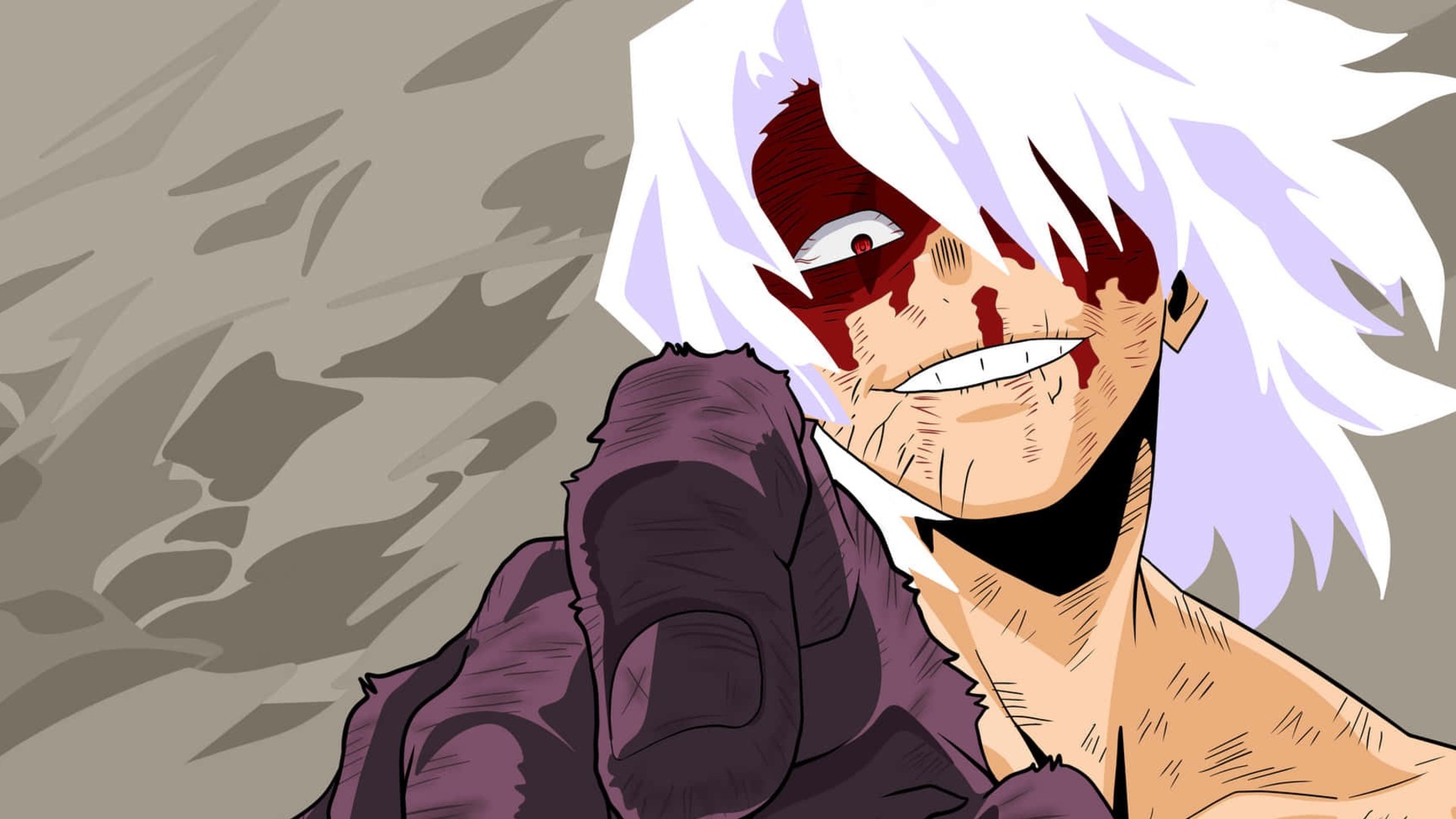
15. Tomura Shigaraki (My Hero Academia)
Tomura suffered abuse and neglect as a child, awakening powers that destroyed his family. He was used by those who exploited his pain and turned him into a weapon. His destruction represents the failure of a society that abandoned him.
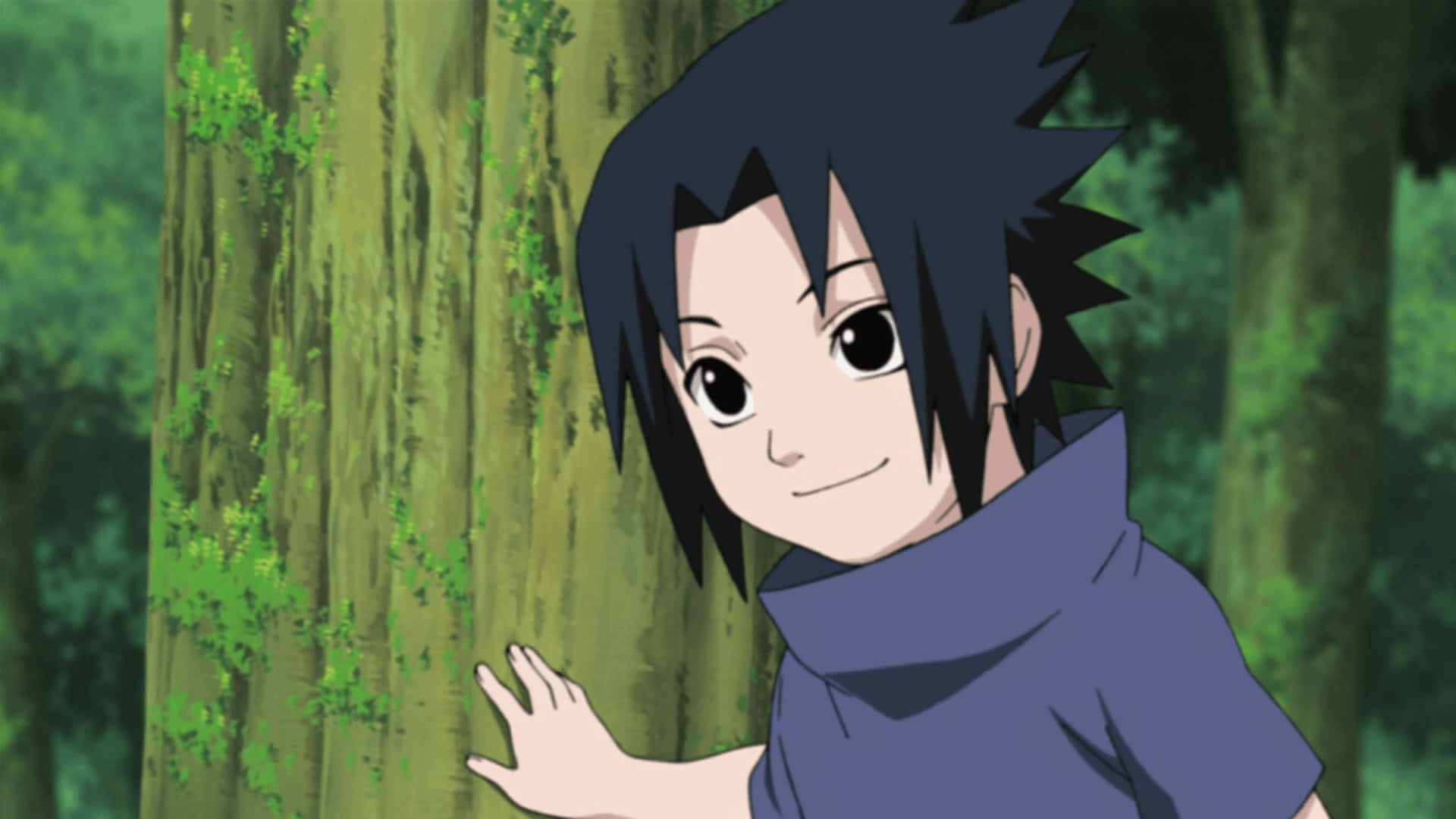
14. Sasuke Uchiha (Naruto)
The trauma of losing his family shaped Sasuke’s entire life. His obsession with revenge and justice came from manipulation and grief. Beneath his anger was a lonely child unable to move past loss and betrayal.
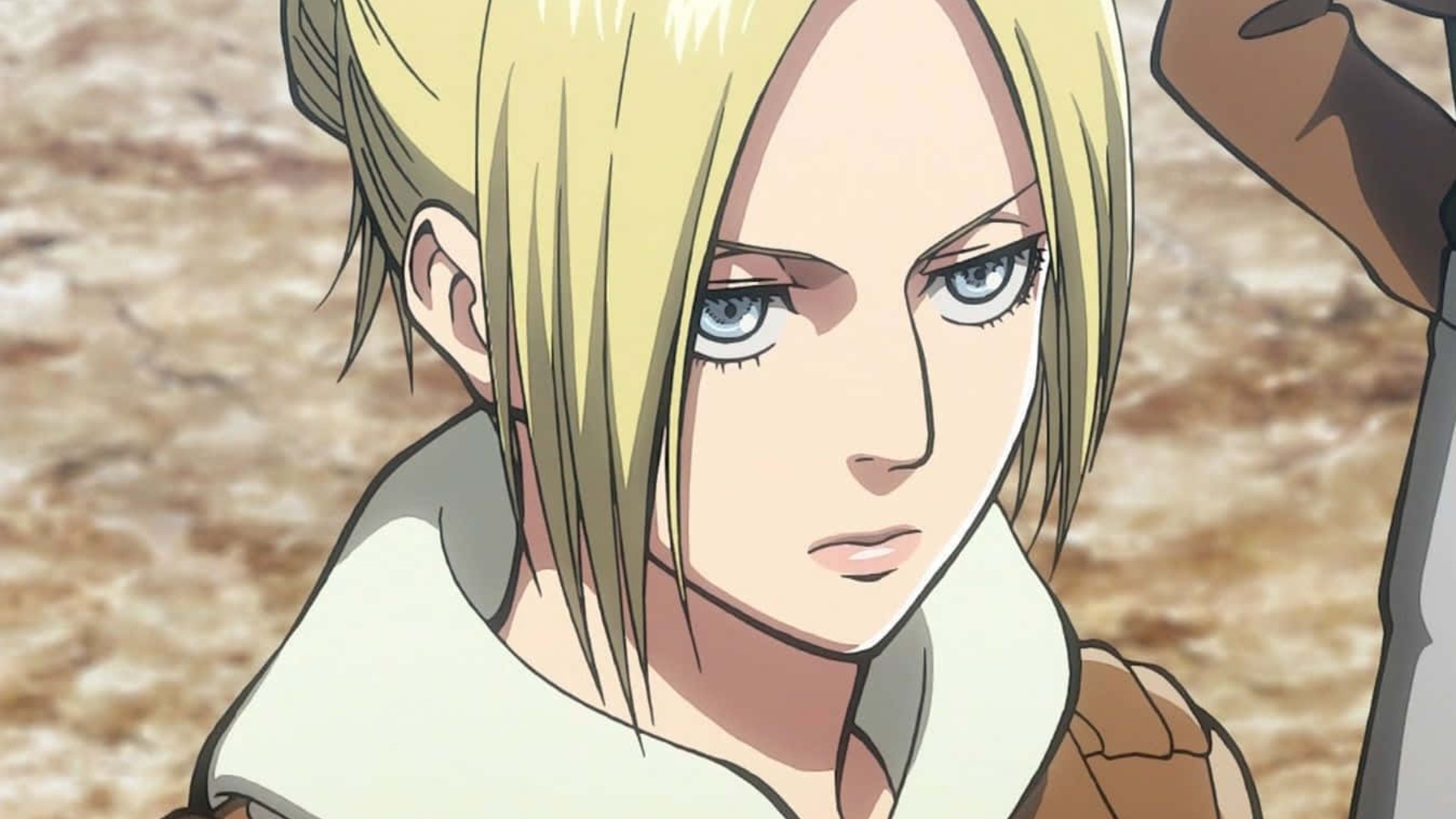
13. Annie Leonhart (Attack on Titan)
Annie was raised as a soldier and conditioned to obey orders without question. Her mission forced her into acts she never truly believed in. She fought out of fear and duty, and her quiet remorse revealed her inner conflict.
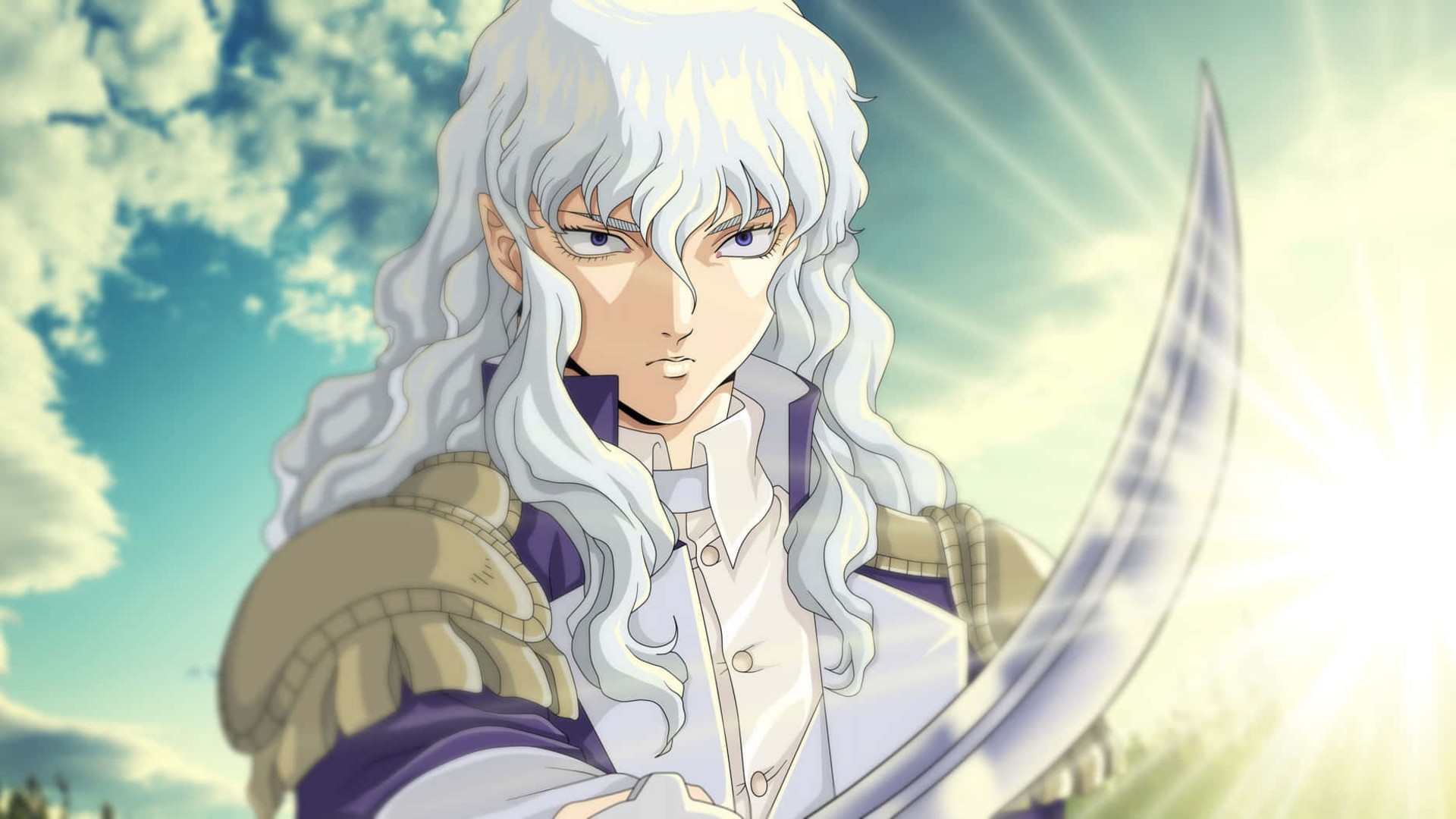
12. Griffith (Berserk)
Griffith’s dream of creating a better life for his comrades was destroyed when he lost everything. His desperation for survival led him to trade his humanity for power. His fall shows how ambition can consume even the most driven idealist.
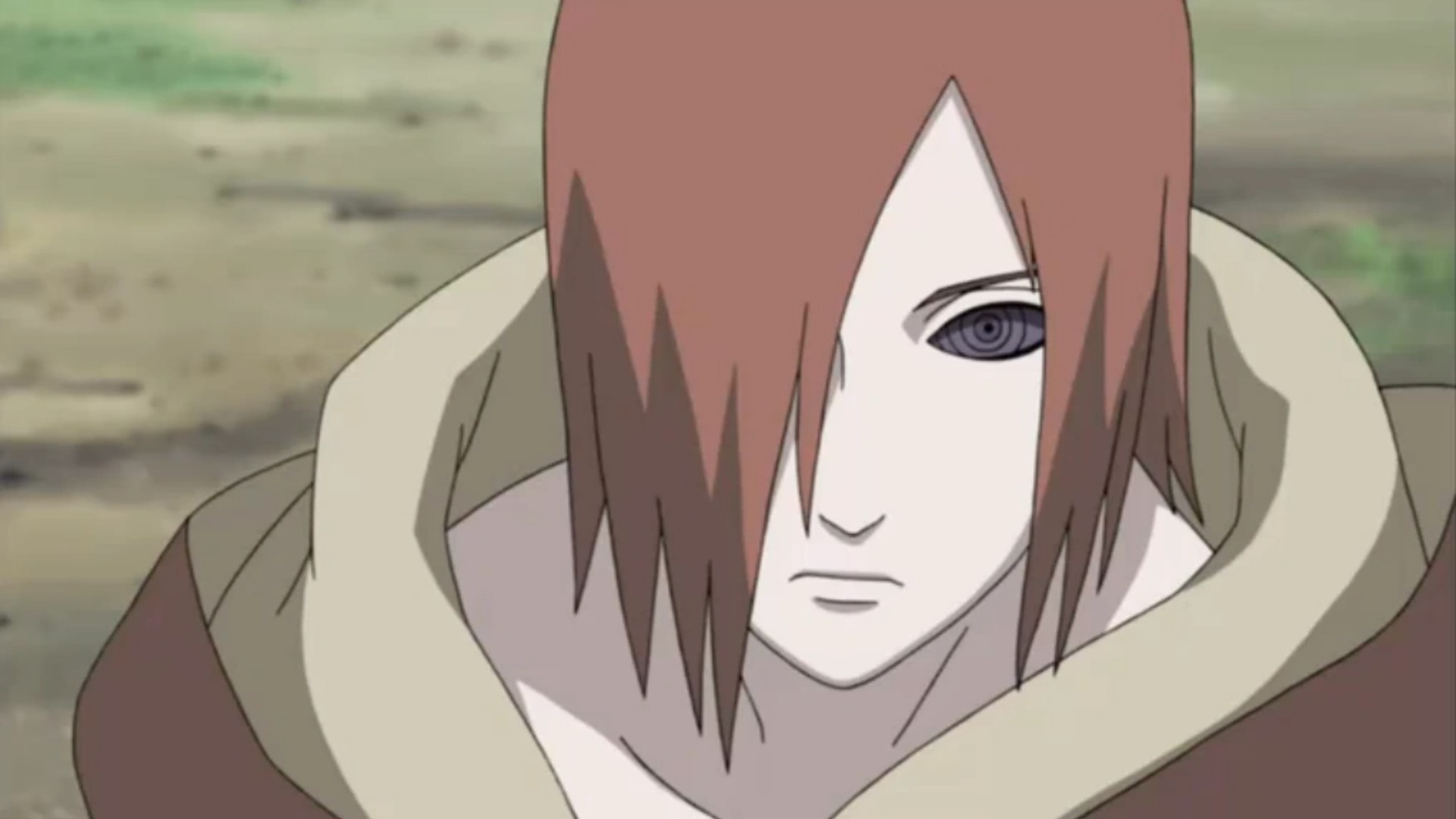
11. Pain / Nagato (Naruto)
Nagato lost everyone he cared about in war and believed suffering was the only way to bring understanding. His desire for peace turned into control as he sought to end violence through fear. His tragedy lies in becoming what he once opposed.
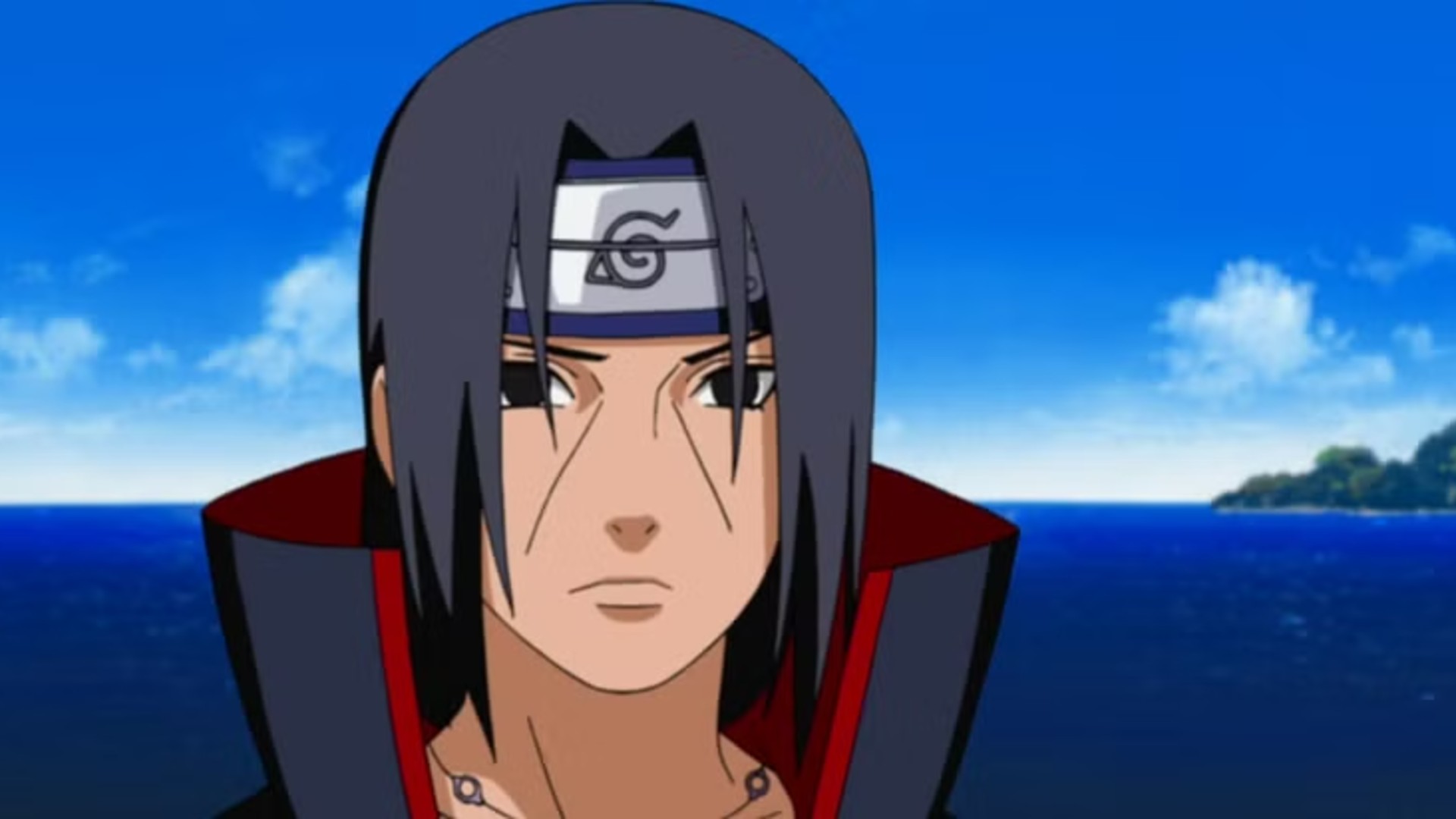
10. Itachi Uchiha (Naruto)
Itachi ended his clan’s rebellion to prevent a civil war, sacrificing his name and peace of mind. He lived in exile, protecting his brother and carrying the weight of his actions in silence. His choices came from duty and love, not cruelty.
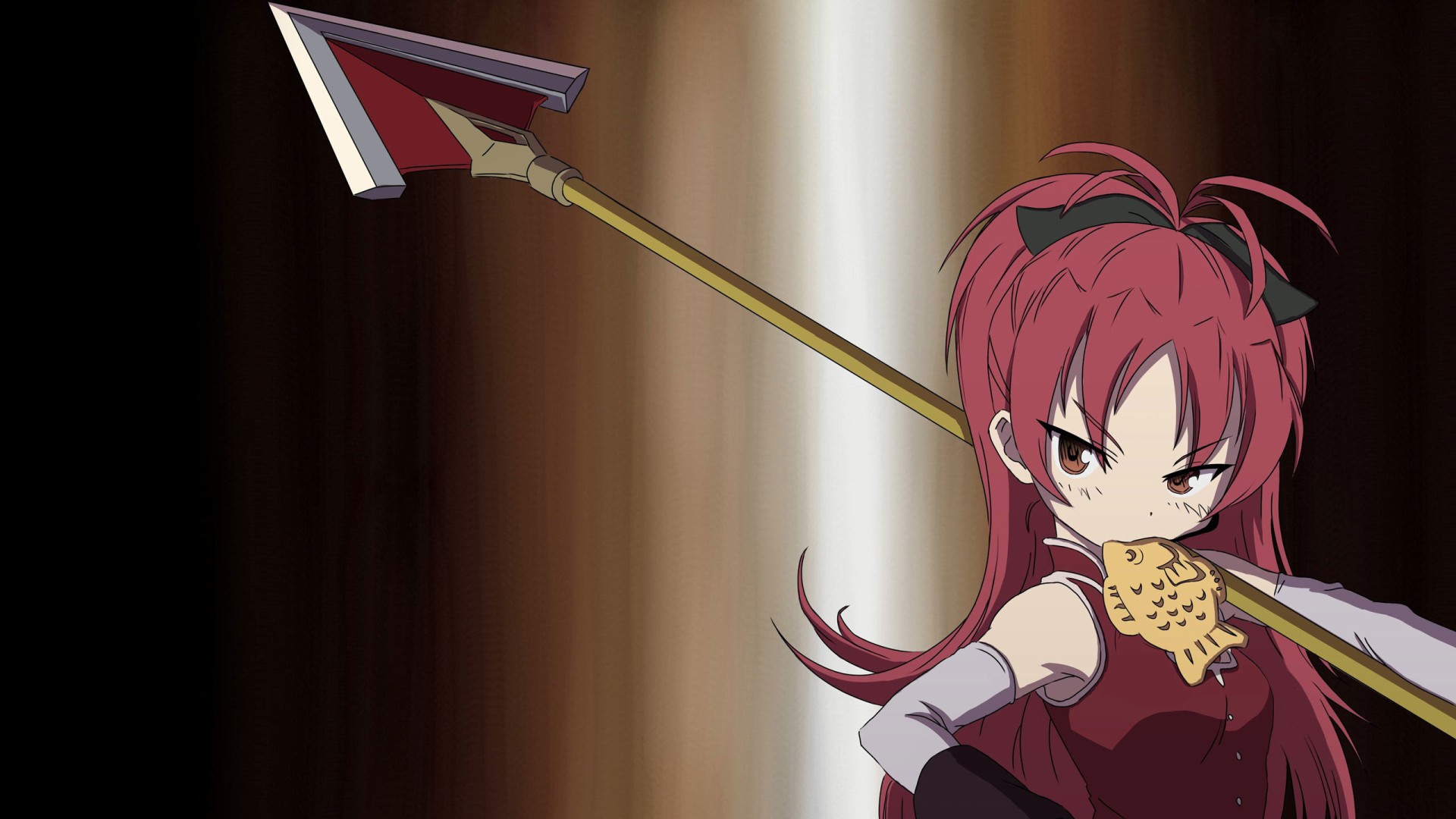
9. Kyoko Sakura (Puella Magi Madoka Magica)
Kyoko’s family died due to her wish, which she made out of love. The guilt consumed her, leading her to reject compassion and live only for herself. Her selfishness hid the pain of loss and her struggle to survive in a cruel world.
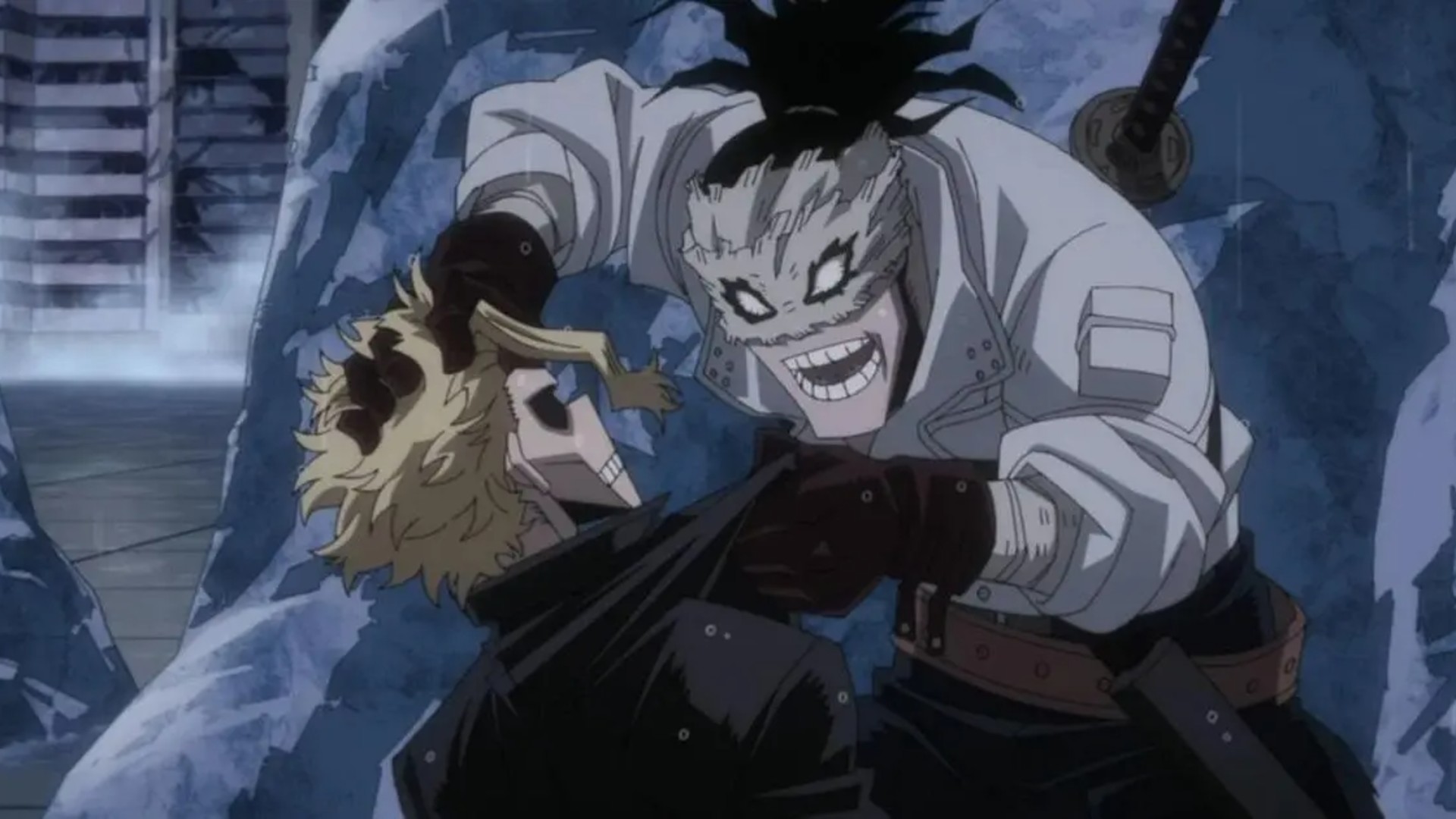
8. Stain (My Hero Academia)
Stain’s violence came from his disgust toward false heroes who sought fame. He believed only those with selfless intent deserved the title of hero. His extreme ideology raised valid questions about corruption and morality in society.
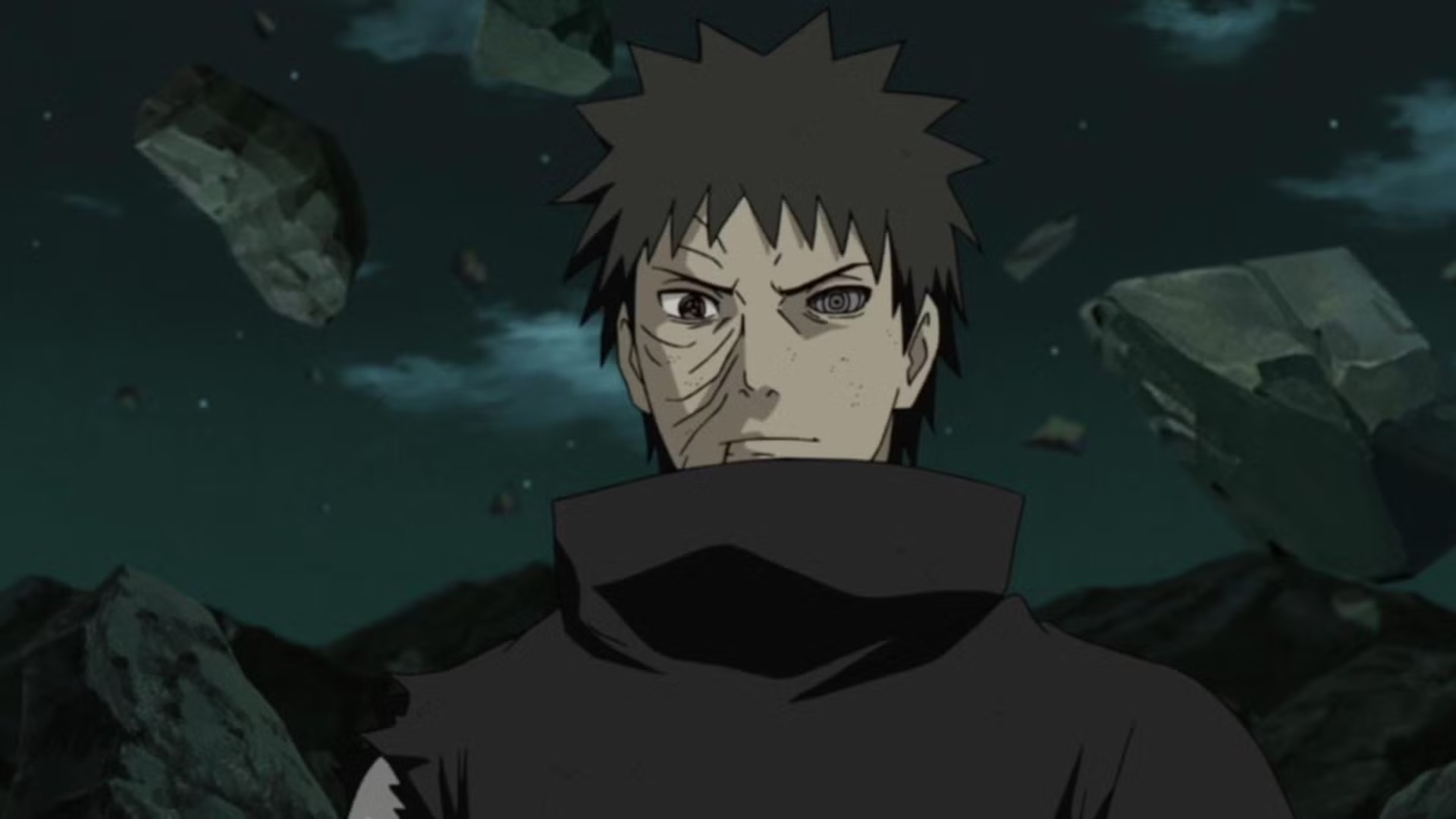
7. Obito Uchiha (Naruto)
Obito’s idealism collapsed after he witnessed the death of someone dear to him by his own best friend's hand. Manipulated at his weakest point, his dream of peace turned dark. His actions stemmed from grief and disillusionment rather than genuine hatred.
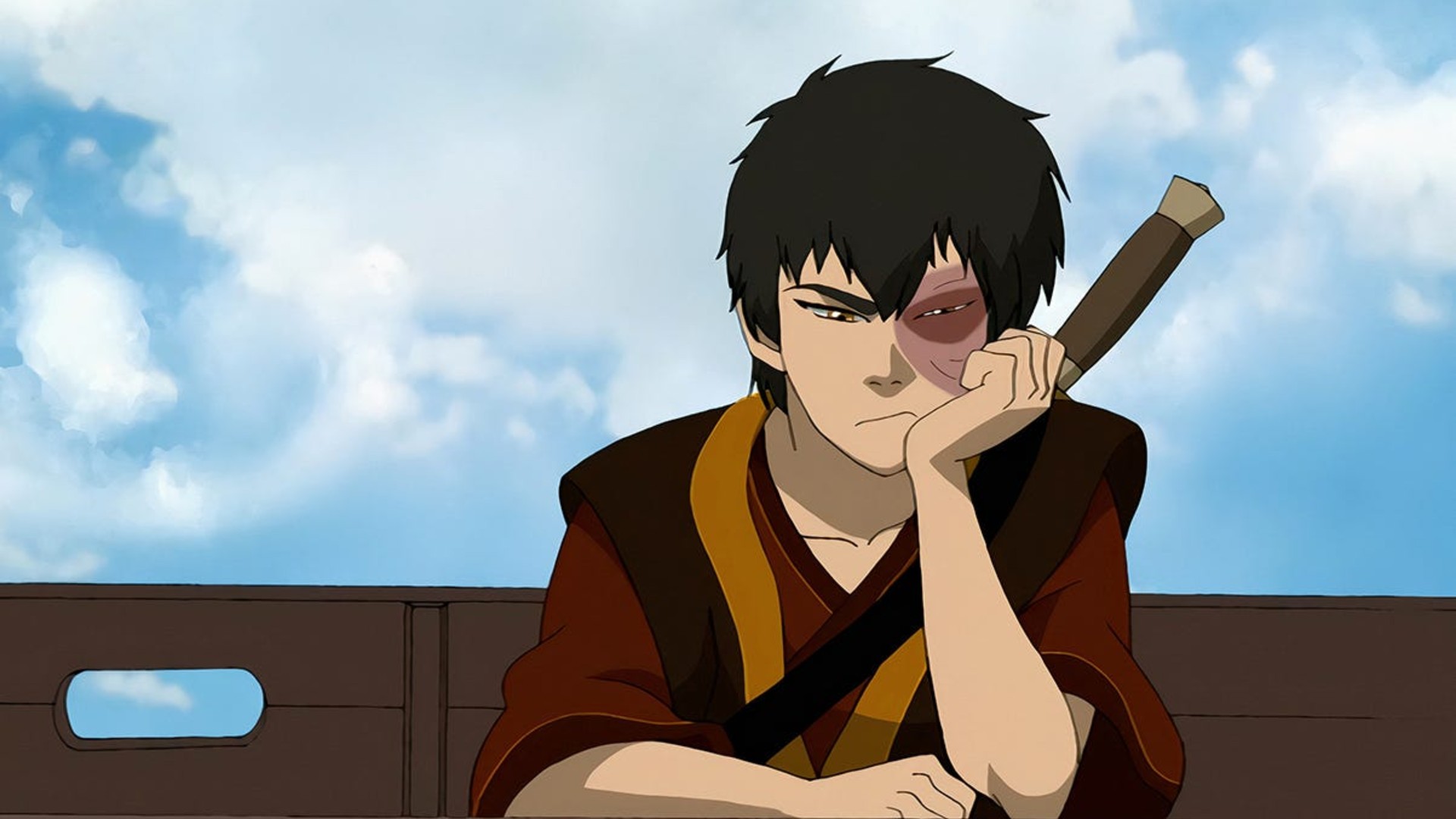
6. Zuko (Avatar: The Last Airbender)
As a child, Zuko was exiled and scarred by his father, which drove his obsession with regaining honor. His actions came from confusion and desperation for acceptance. Once he understood the truth of his upbringing, he turned toward redemption and growth.
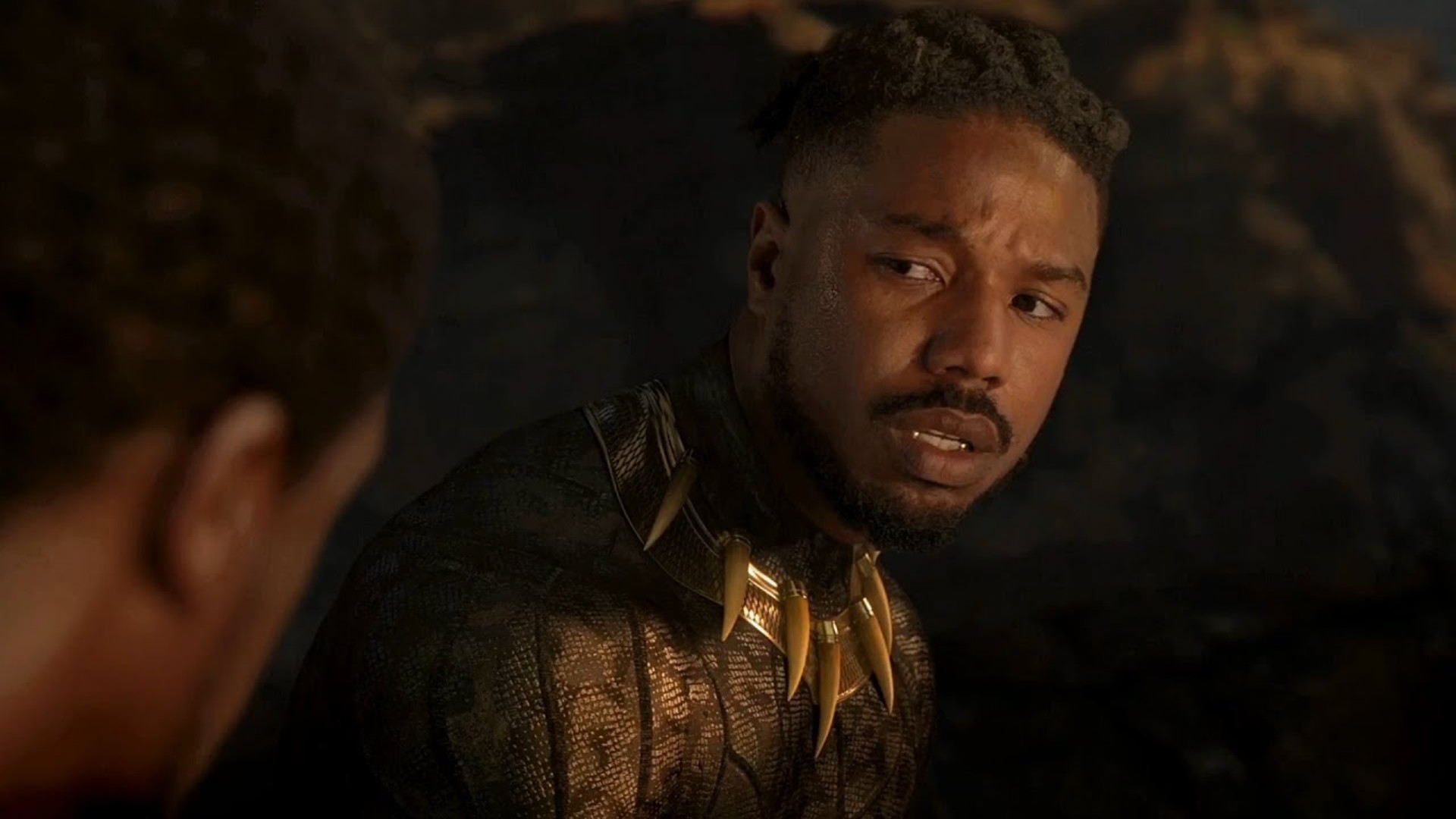
5. Killmonger (Black Panther)
Killmonger’s rage grew from witnessing injustice and abandonment. He was left disconnected from his roots and sought to change the system that ignored him. His vision for liberation was corrupted by anger, but his motivation came from real suffering.
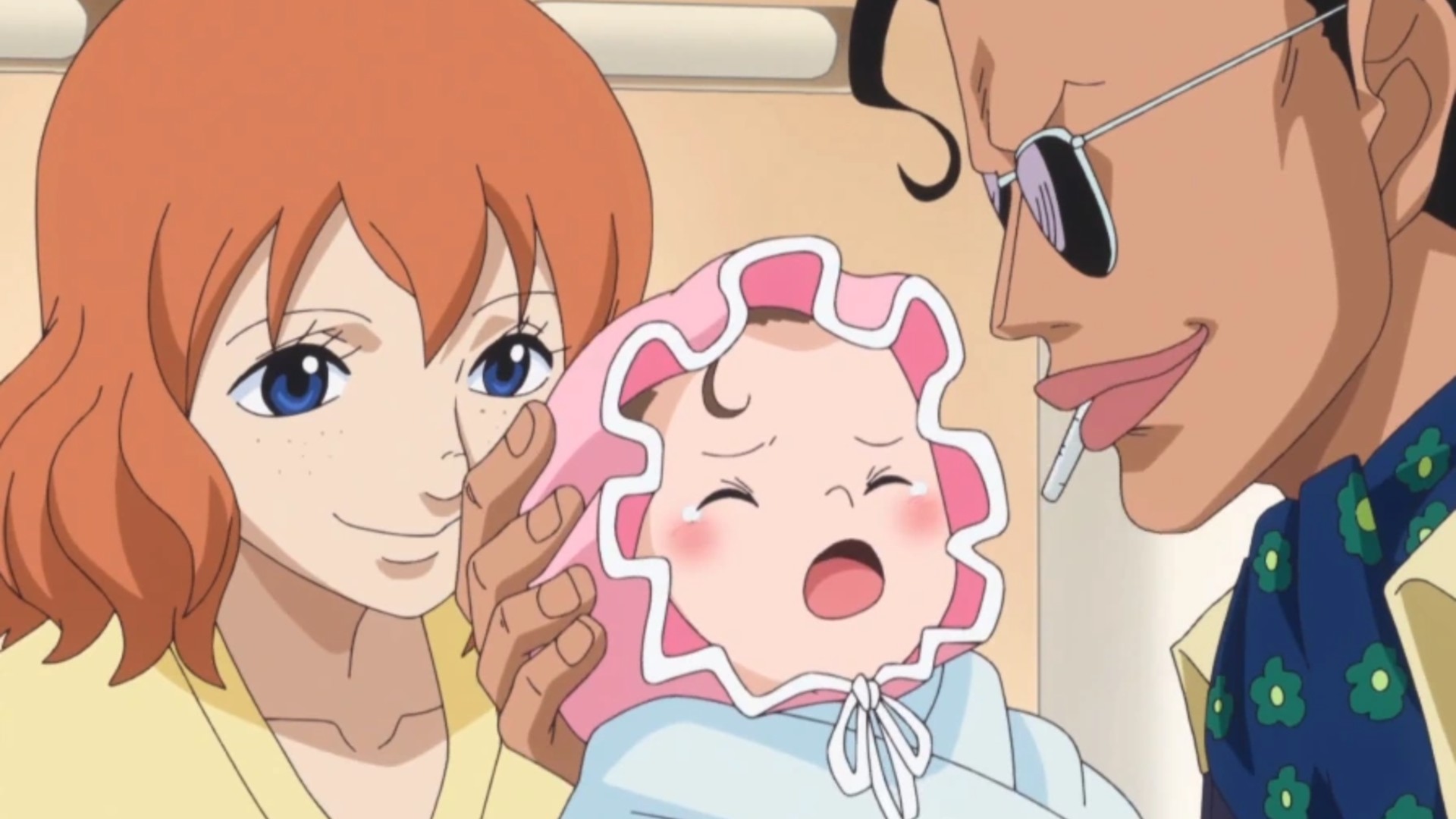
4. Senor Pink (One Piece)
Senor Pink’s stoic demeanor hides a life marked by tragedy. Once a loving husband and father, he lost his family after hiding his pirate identity to protect them. His devotion to his late wife drives his eccentric persona and unflinching toughness. Every act of defiance he shows is rooted in grief, not cruelty.
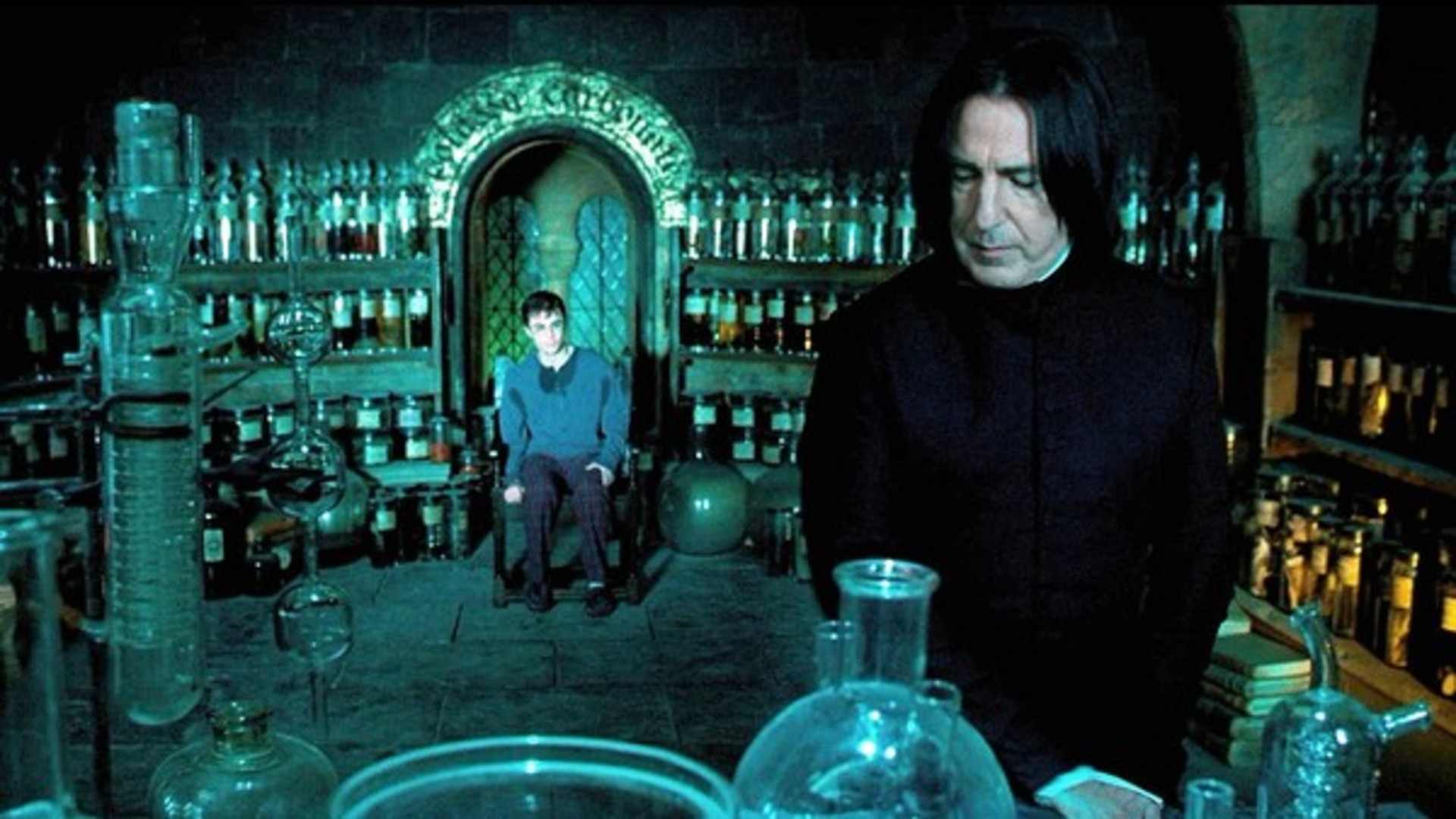
3. Severus Snape (Harry Potter)
Snape lived burdened by guilt and unfulfilled love. He worked in secrecy to protect the son of the woman he loved and carried deep emotional pain throughout his life. His harshness masked his loyalty, and his ultimate sacrifice proved his true intentions.
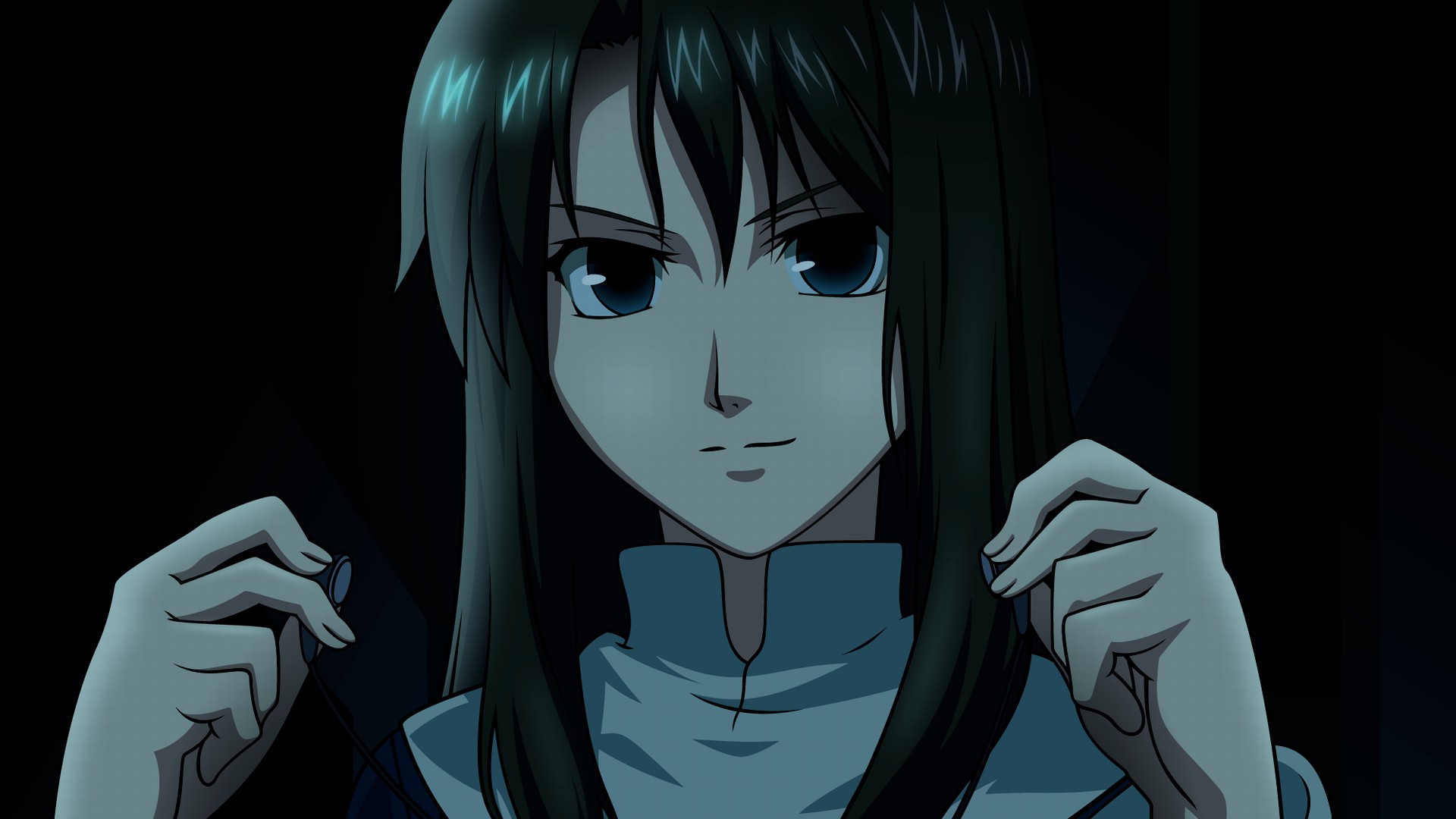
2. Azaka Kokutou (Kara no Kyōkai)
Azaka struggles with jealousy and unspoken affection for her sister. Her insecurities drive her impulsive decisions and emotional distance. She acts out of confusion and longing for acknowledgment, not out of hatred or malice.
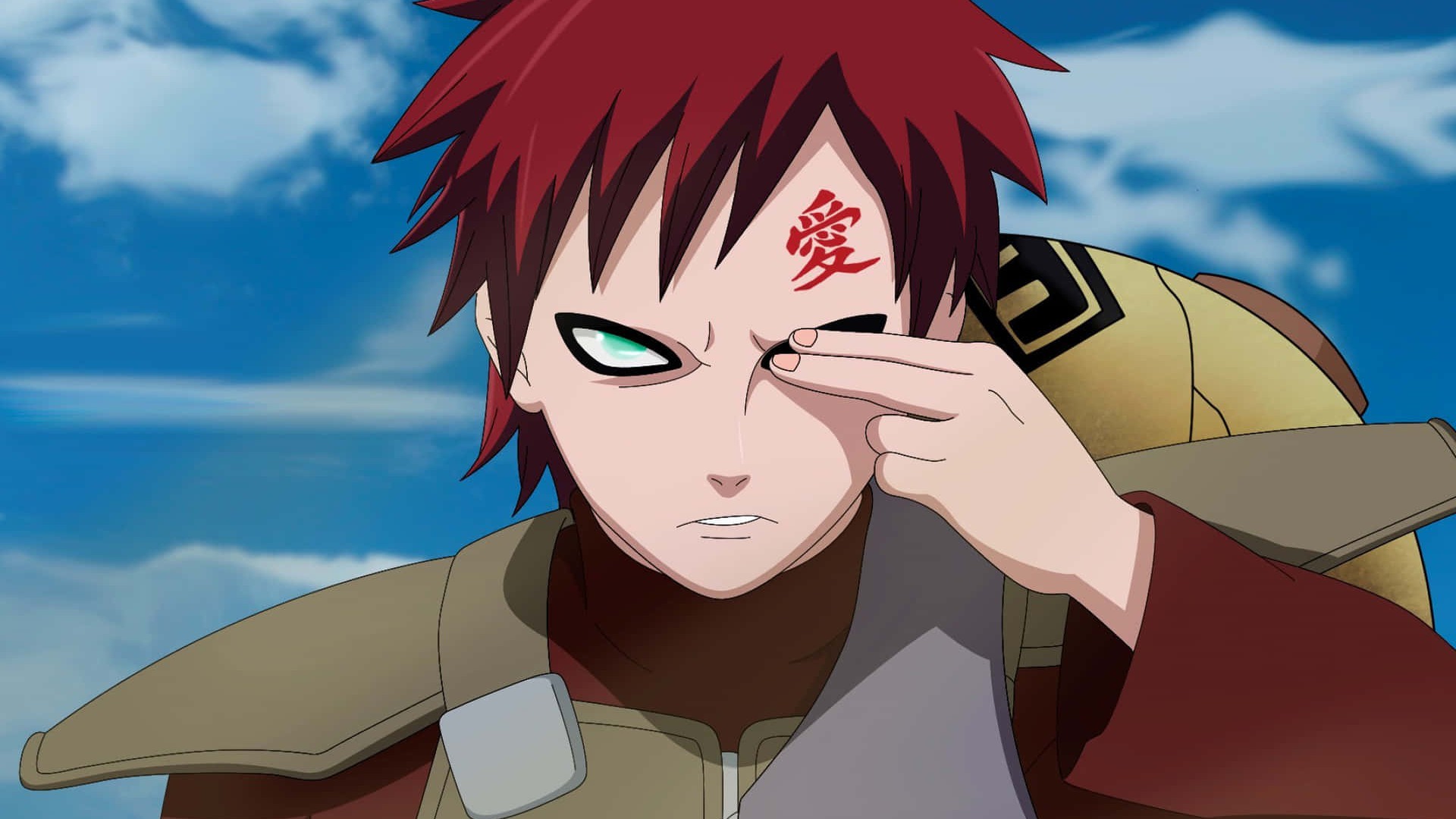
1. Gaara (Naruto)
Gaara grew up isolated and feared by everyone around him. He was treated as a weapon from birth and constantly targeted, which shaped his violent nature. His behavior came from loneliness and trauma rather than cruelty, and once he experienced kindness, he showed empathy and strong leadership.