25 Painful Movies That You Might Not Watch Again
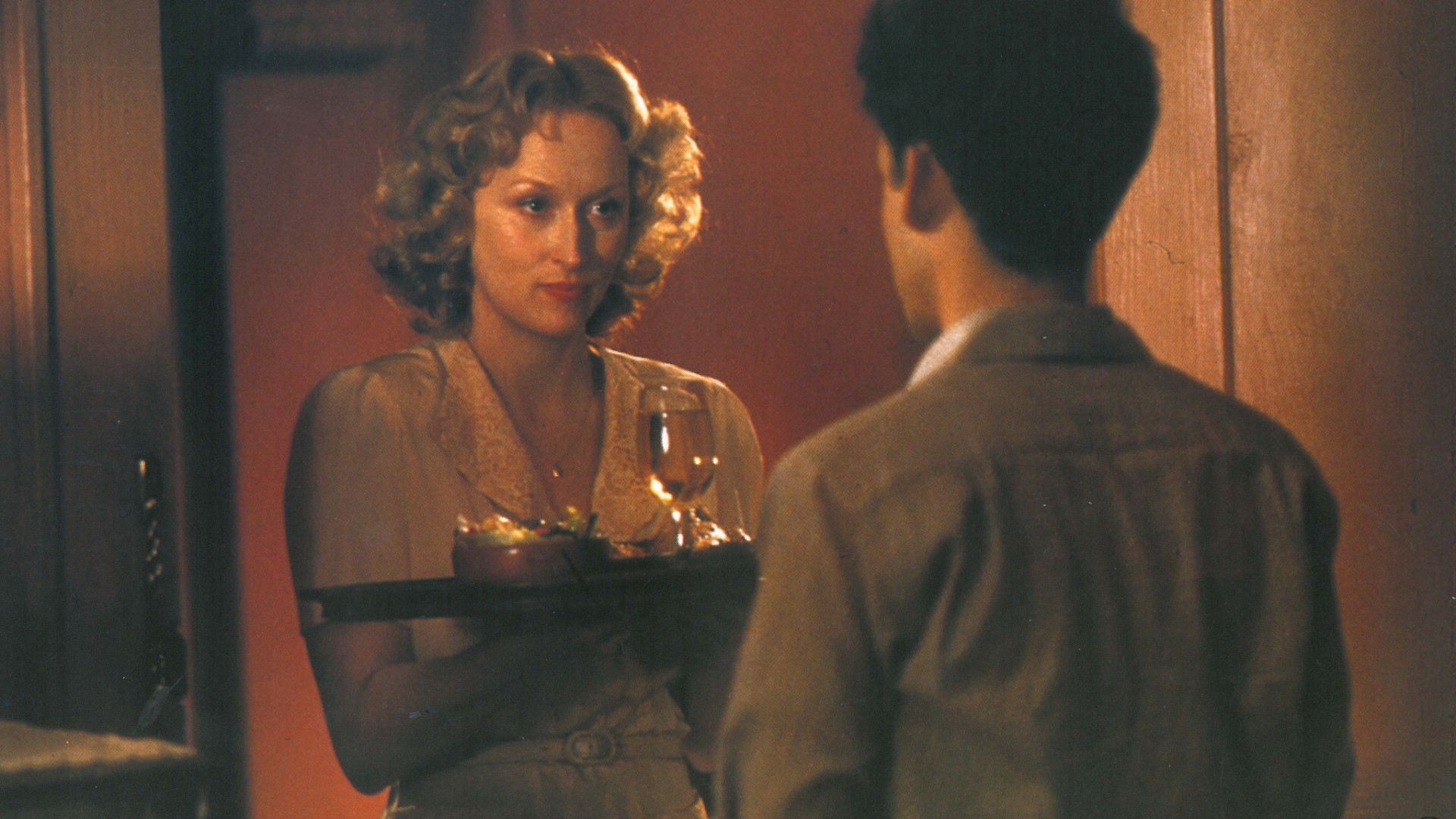
25. Sophie’s Choice (1982)
Alan J. Pakula’s drama follows a mother navigating post-war trauma in America. Meryl Streep’s Academy Award-winning performance conveys nuanced emotional conflict. Themes include loss, guilt, and impossible choices. Kevin Kline and Peter MacNicol provide strong supporting performances. Cinematography and music heighten the sense of tragedy and moral weight.
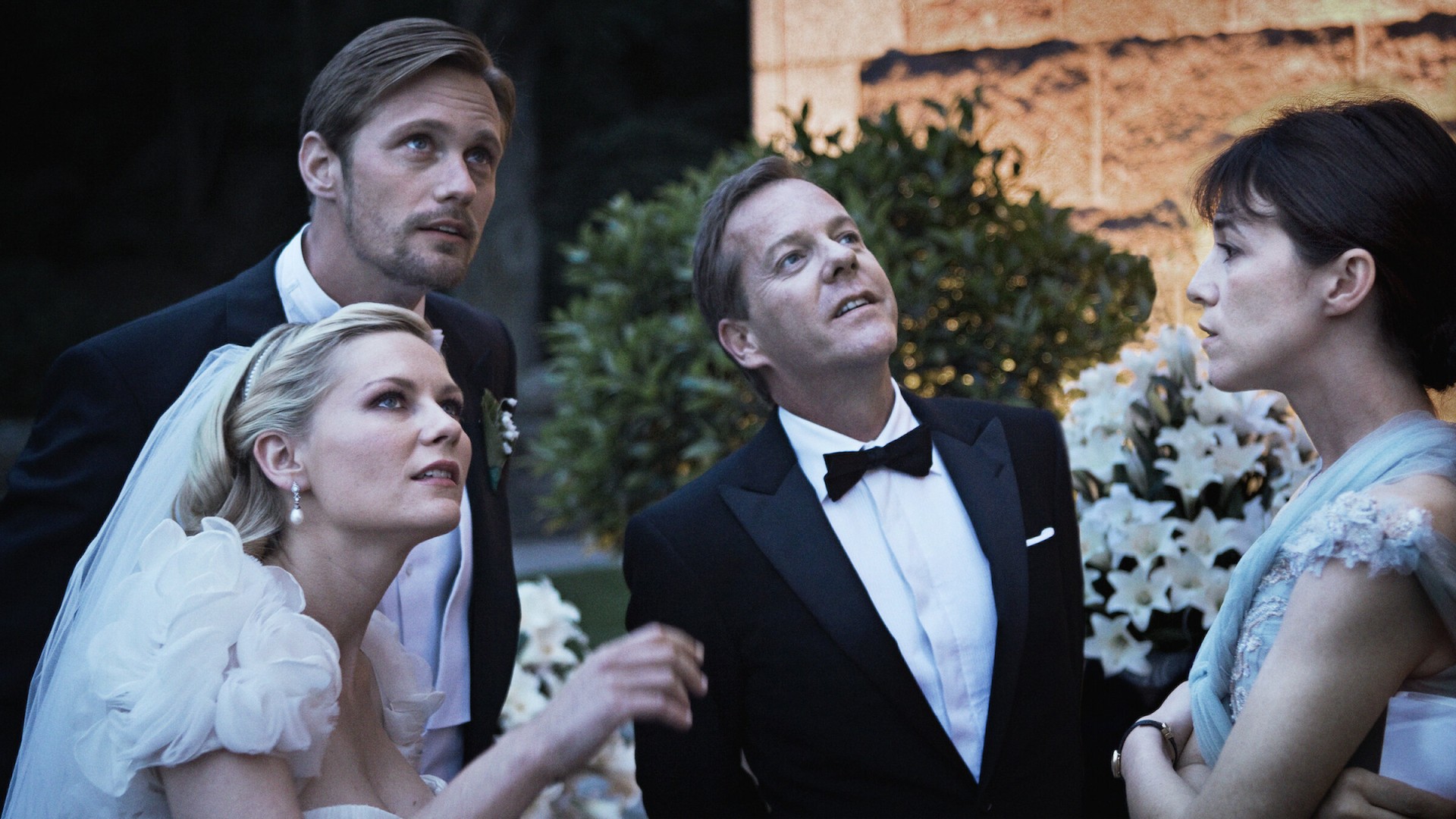
24. Melancholia (2011)
Lars von Trier depicts a family's emotional and psychological decline as a planet approaches Earth. Kirsten Dunst and Charlotte Gainsbourg portray contrasting responses to depression and anxiety. Manuel Alberto Claro's cinematography captures a mix of beauty and despair. Themes include existential dread, human insignificance, and family dynamics. The film uses visual metaphors to deepen the narrative impact.
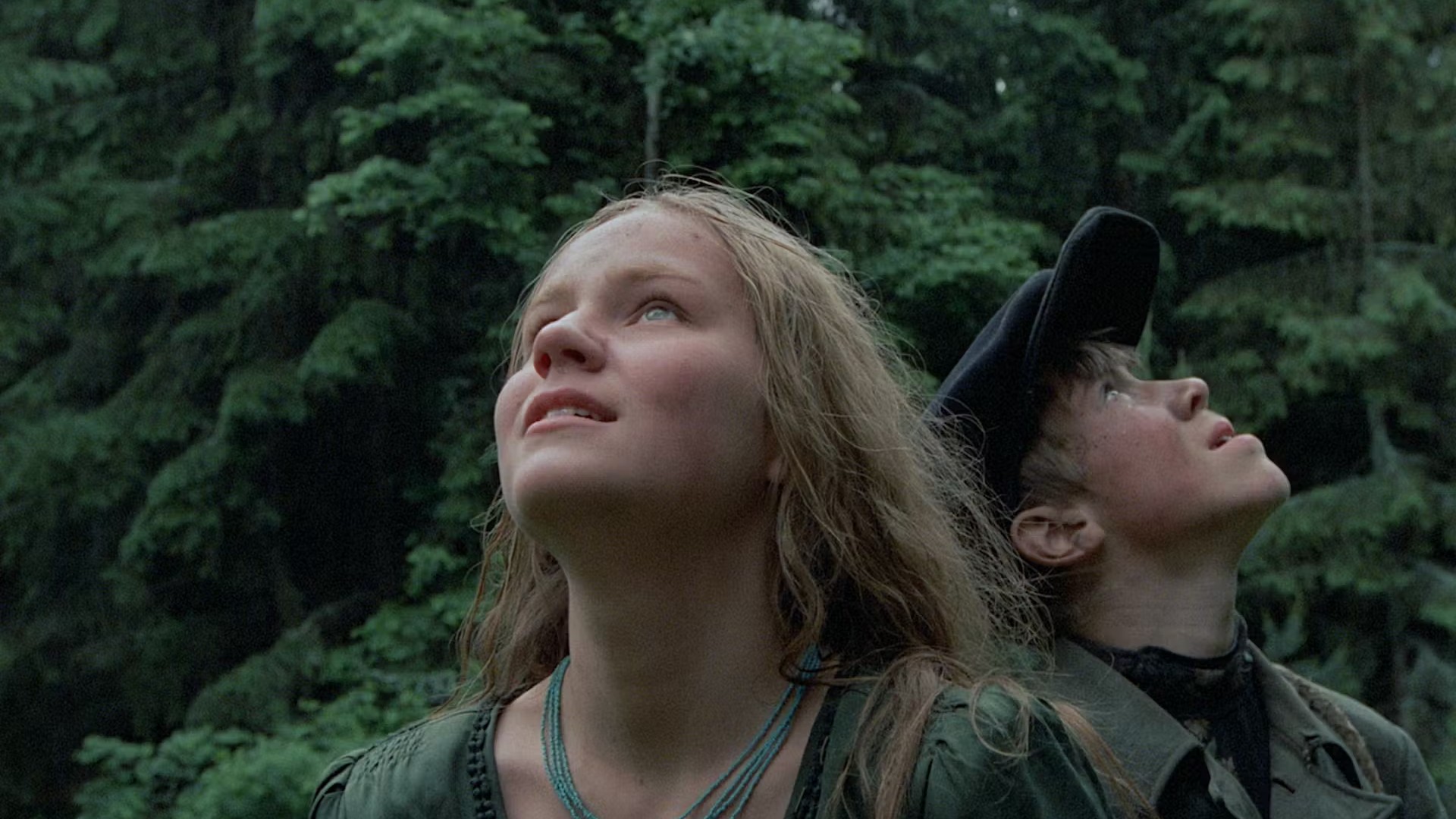
23. Come and See (1985)
Elem Klimov’s film follows a young boy during the Nazi occupation of Belarus. It uses realistic depictions of war, minimal music, and naturalistic performances. Cinematographer Aleksei Rodionov employs long takes and handheld shots to immerse viewers. The film examines innocence lost and the psychological toll of conflict. It is often cited as one of the most harrowing war films ever made.
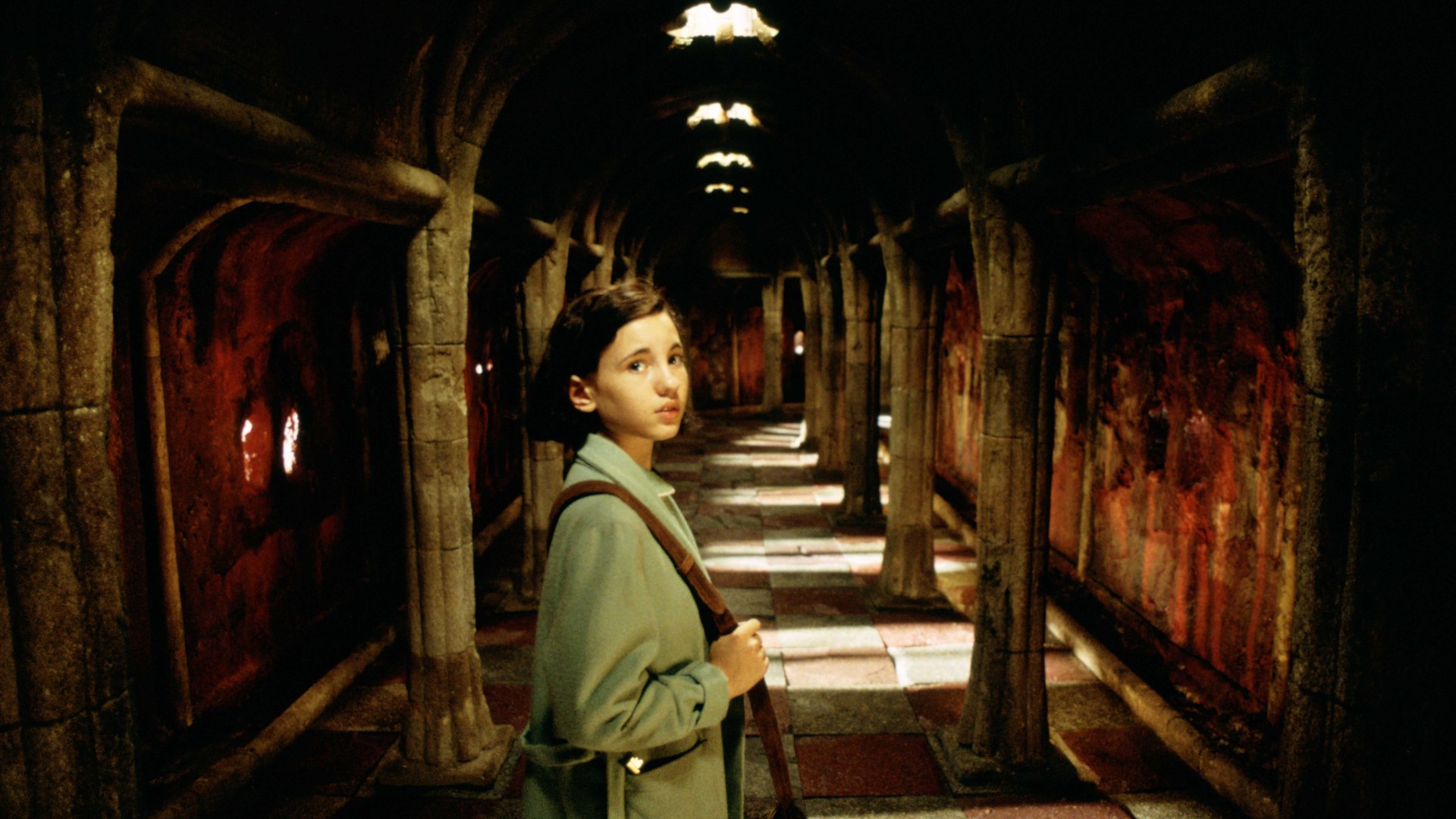
22. Pan’s Labyrinth (2006)
Guillermo del Toro blends dark fantasy with post-Civil War Spain. Ivana Baquero plays Ofelia, a child navigating a magical yet dangerous world. Themes include innocence, cruelty, and rebellion. Cinematography and creature design create a visually unique fairy-tale world. The film won three Academy Awards for art direction, cinematography, and makeup.
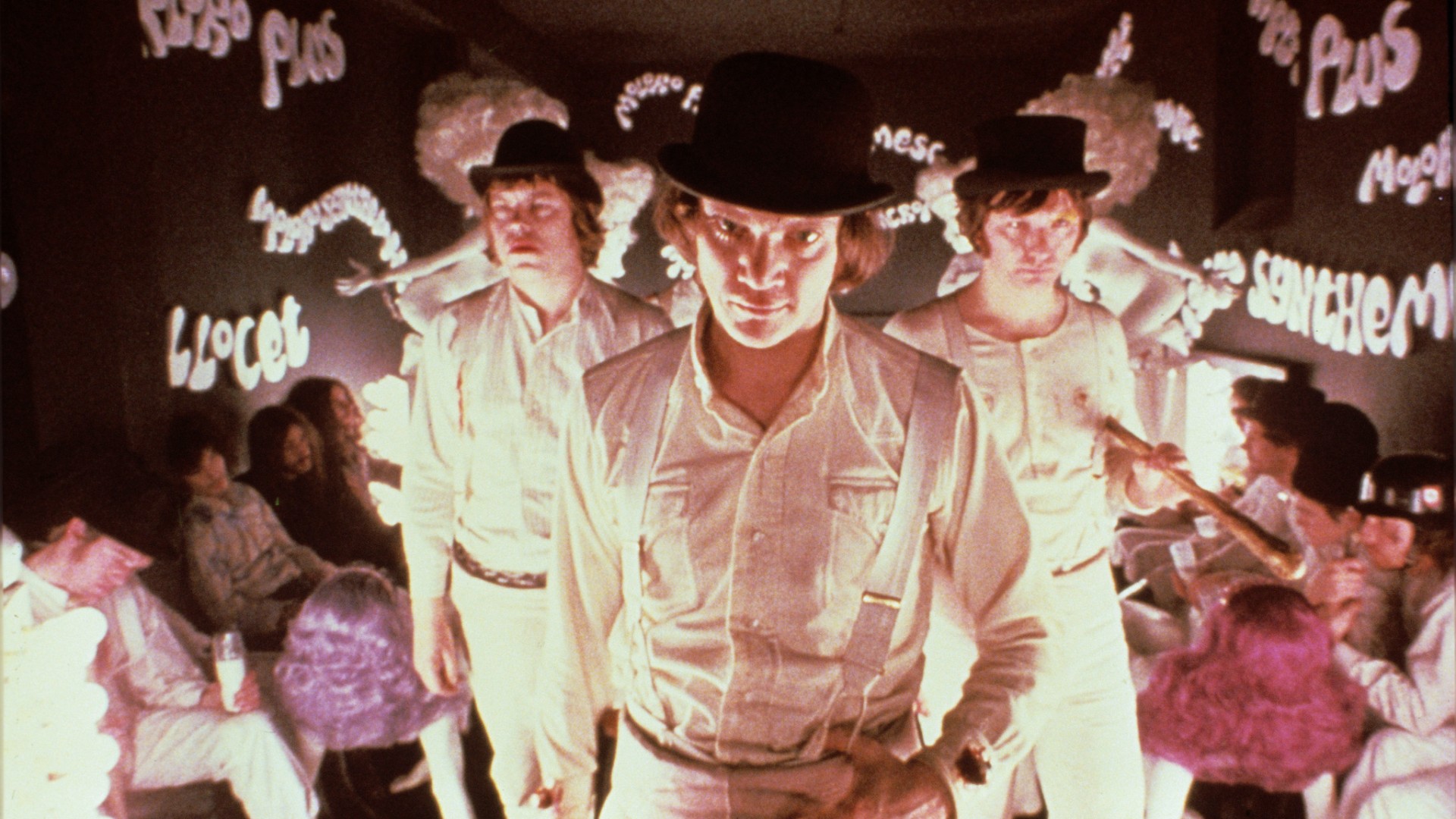
21. A Clockwork Orange (1971)
Stanley Kubrick’s adaptation of Anthony Burgess’ novel critiques societal control and morality. Malcolm McDowell’s performance as Alex is iconic for its intensity. The Ludovico technique sequence explores ethics and behavioral control. The film’s music and visual style juxtapose violence with classical art. Its cultural and philosophical impact is widely analyzed.
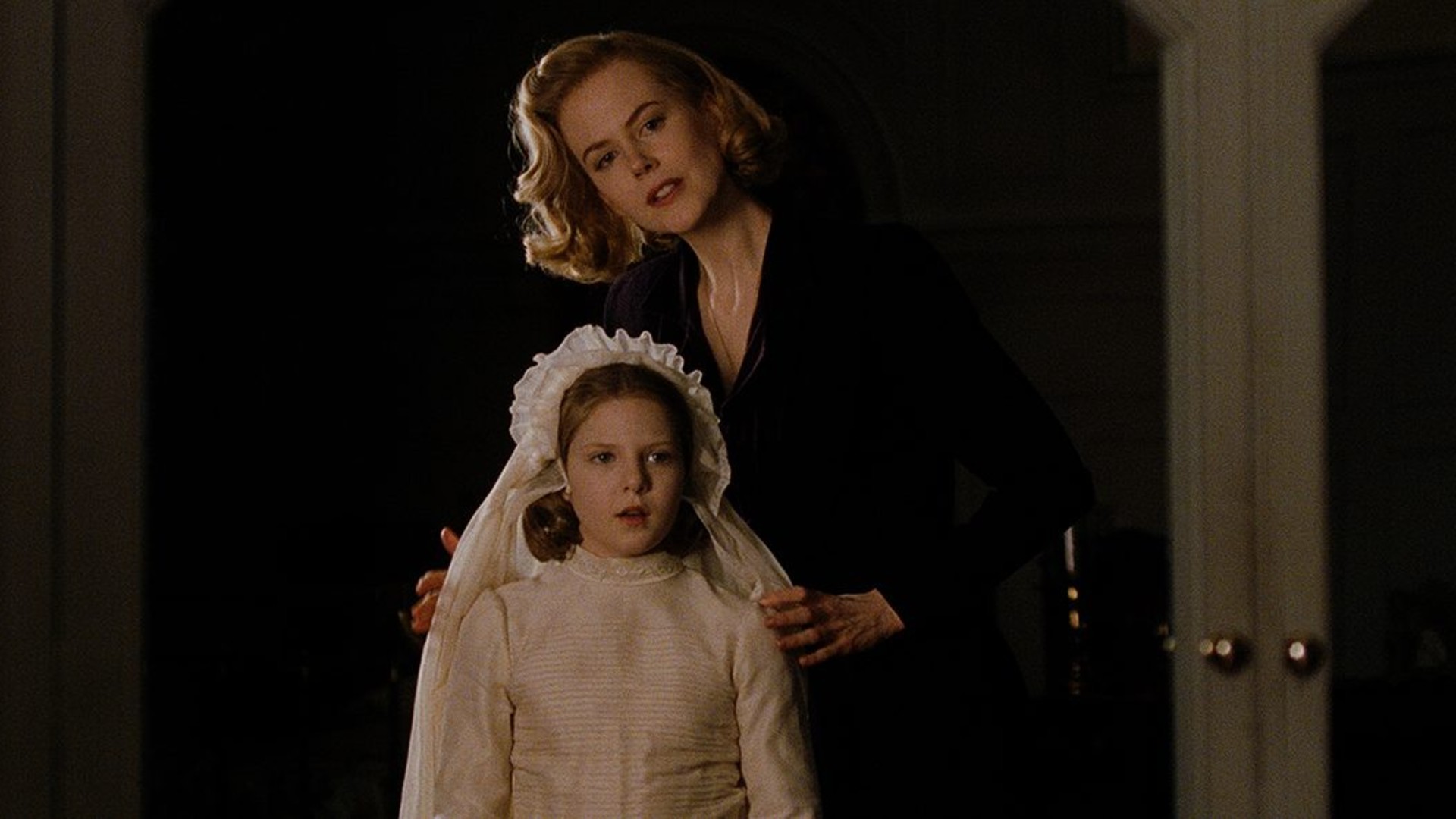
20. The Others (2001)
Alejandro Amenábar’s story of a mother and her children in a haunted house stars Nicole Kidman. The plot twist is central to the narrative’s impact. The film’s cinematography uses shadows and muted tones to enhance suspense. Themes include grief, belief, and reality versus perception. It received critical acclaim for its atmospheric storytelling.
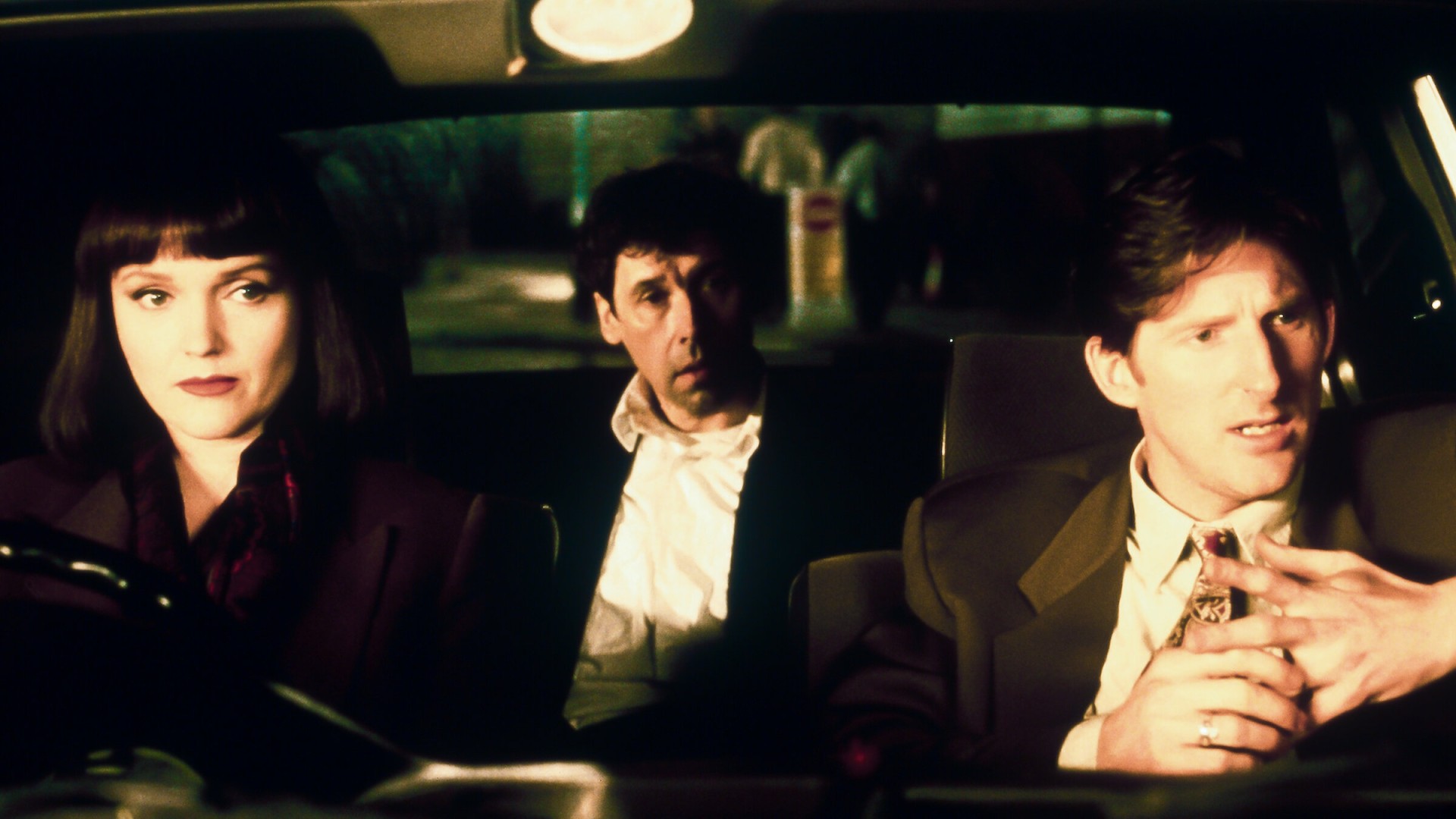
19. The Crying Game (1992)
Neil Jordan’s film follows a soldier and a kidnapper and the resulting emotional entanglements. Stephen Rea and Forest Whitaker deliver measured performances. The twist ending alters perceptions of character and narrative. Cinematography and music reinforce the tension and emotional intimacy. The film won an Academy Award for Best Original Screenplay.
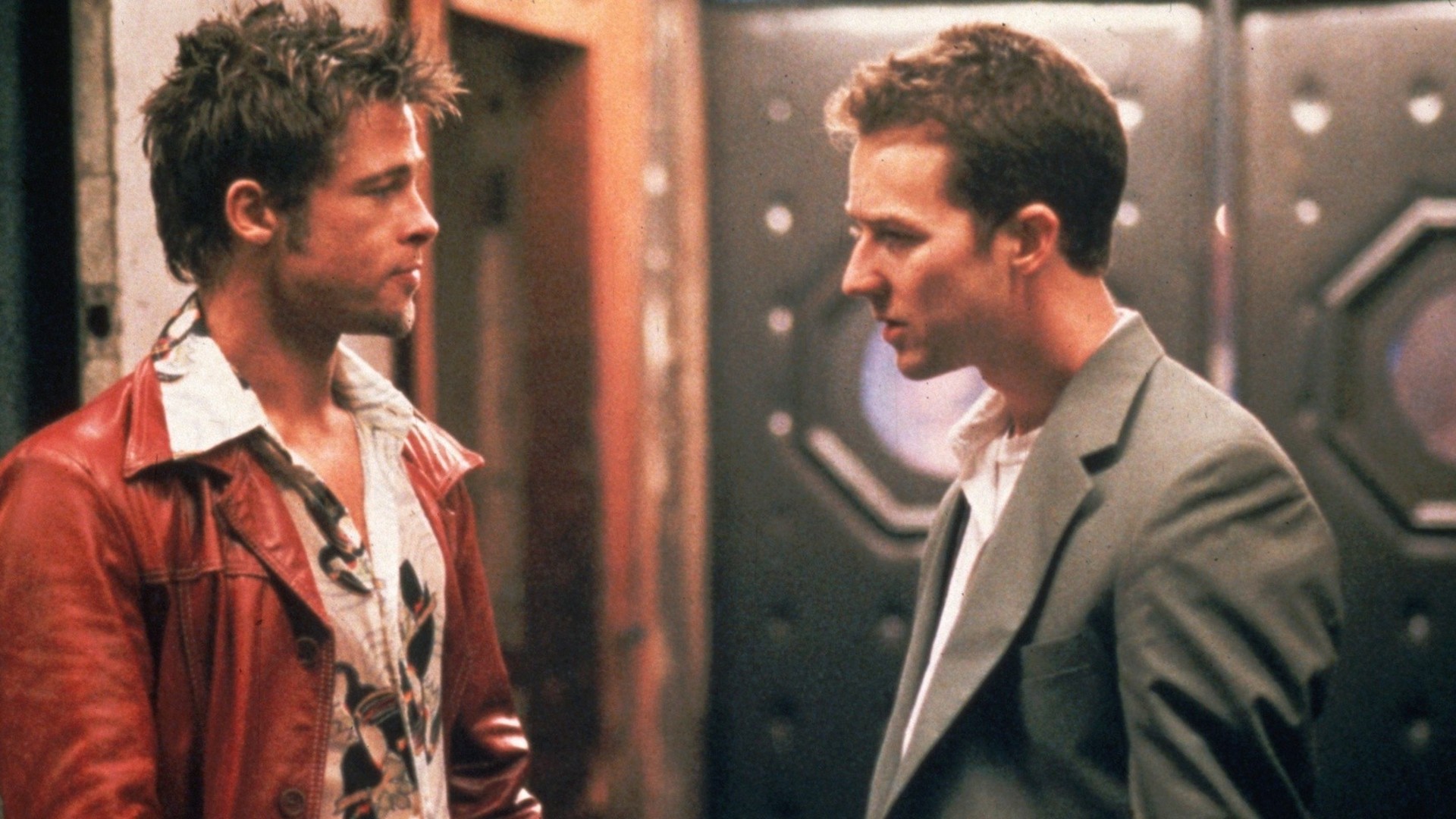
18. Fight Club (1999)
David Fincher’s adaptation of Chuck Palahniuk’s novel explores identity, consumerism, and rebellion. Edward Norton and Brad Pitt portray conflicting sides of a man’s psyche. The twist ending redefines character motivations. The narrative employs unreliable narration and innovative editing. Cinematography by Jeff Cronenweth emphasizes gritty realism and dynamic movement.
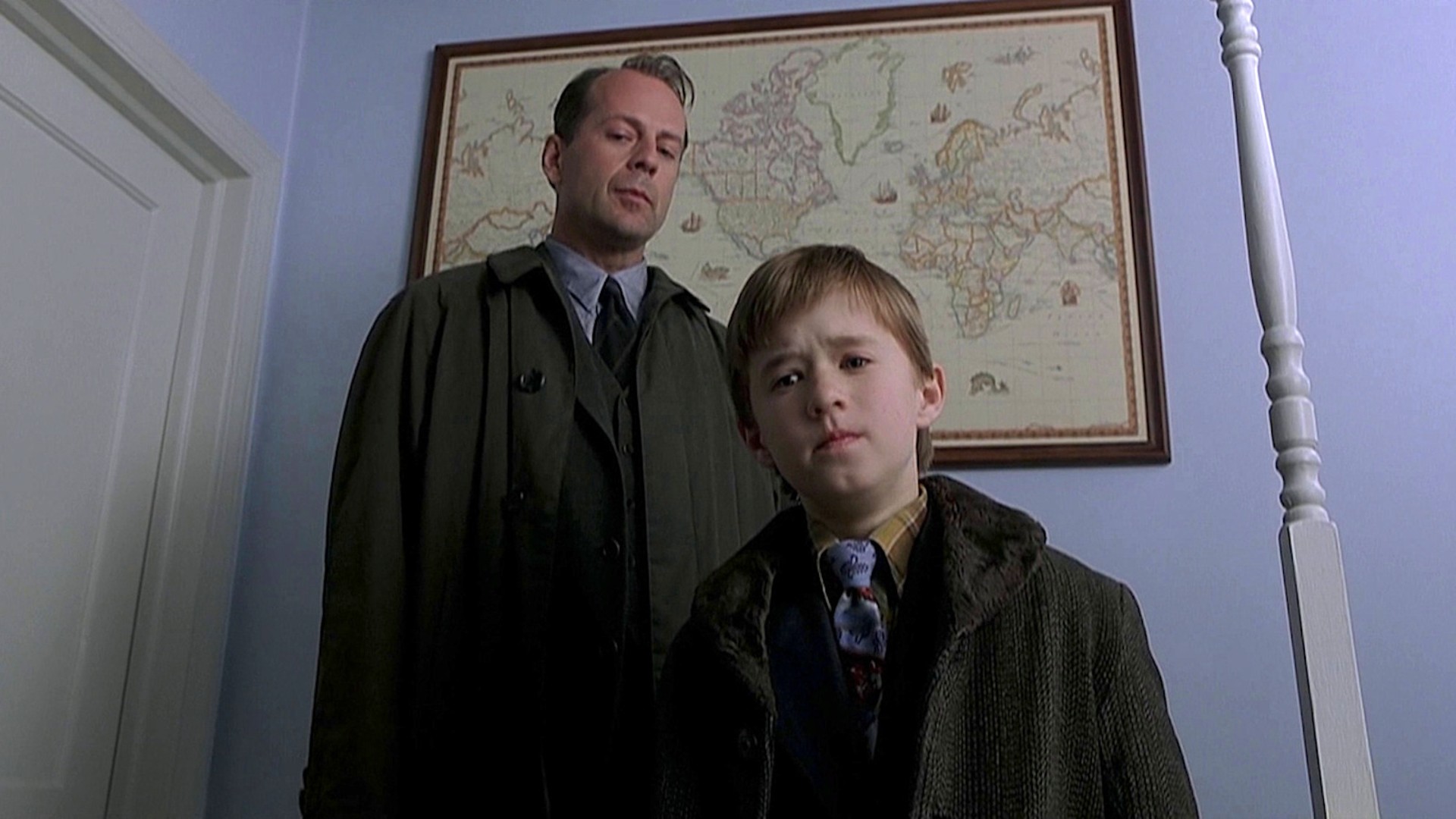
17. The Sixth Sense (1999)
M. Night Shyamalan’s film revolves around a young boy who sees ghosts. Bruce Willis and Haley Joel Osment anchor the performances. The twist ending reshapes the narrative upon rewatch. Cinematography uses muted colors to evoke melancholy and suspense. The film was nominated for six Academy Awards, including Best Picture.
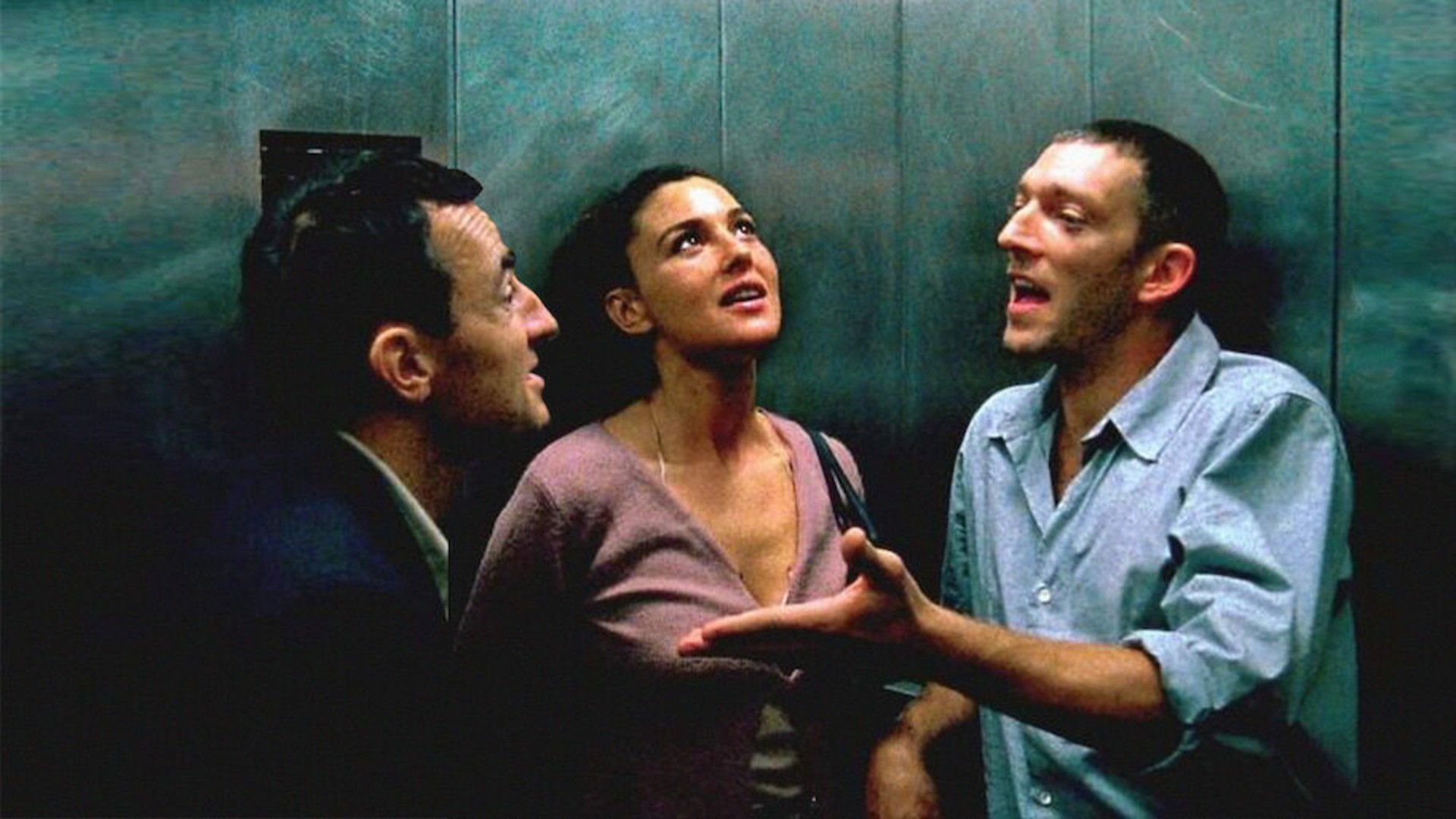
16. Irréversible (2002)
Gaspar Noé’s reverse-chronological narrative presents a story of violence and consequence. The film uses long takes and disorienting camera movement. Monica Bellucci and Vincent Cassel star as central characters. The film experiments with non-linear storytelling to challenge viewers’ perceptions. Sound design and lighting enhance emotional and physical disorientation.
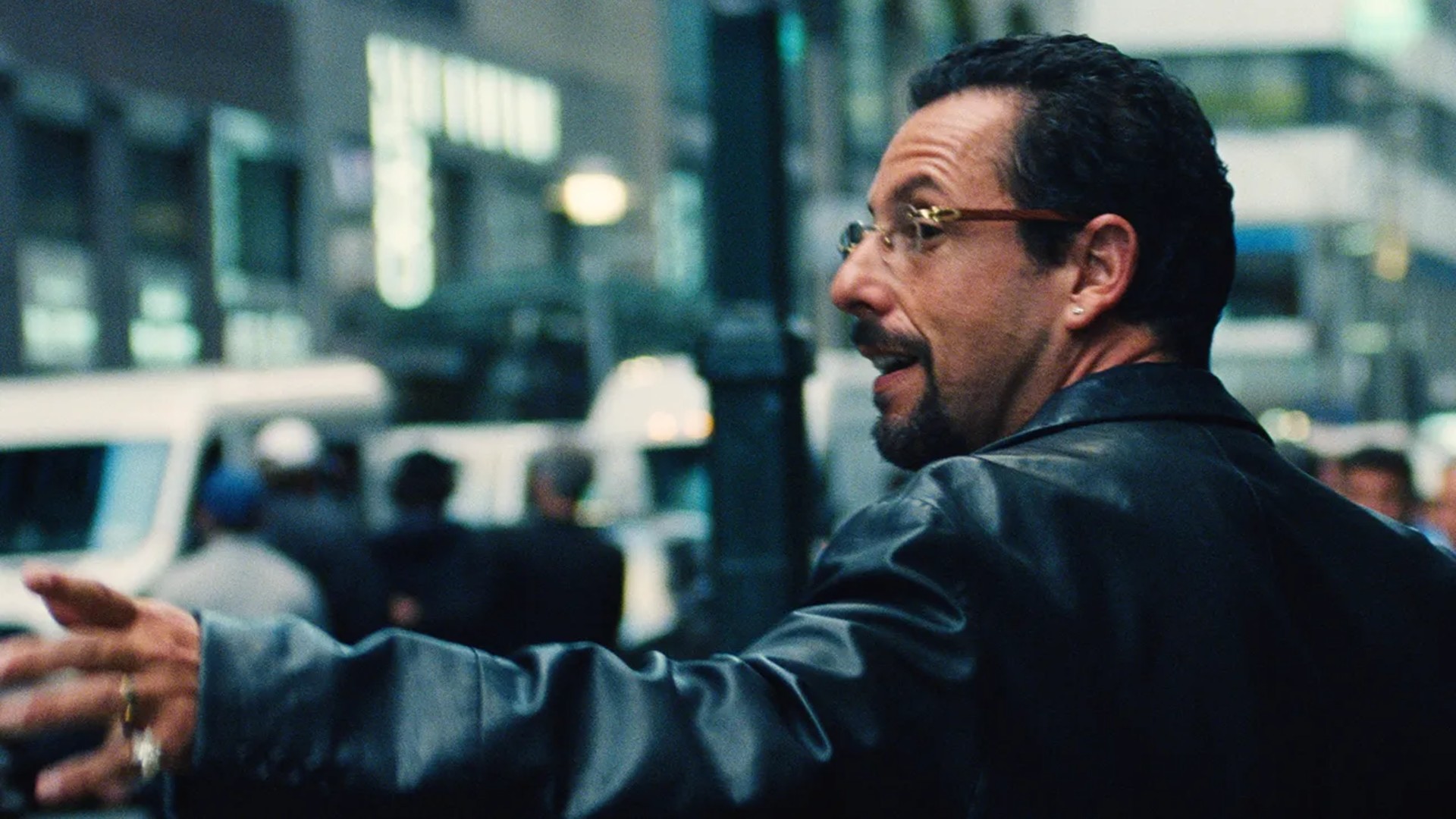
15. Uncut Gems (2019)
The Safdie brothers’ film features Adam Sandler as a jeweler struggling with high-risk ventures. The editing style intensifies anxiety through rapid cuts and overlapping dialogue. Themes include risk, obsession, and personal responsibility. Kevin Garnett plays a supporting role as a client, heightening the stakes. Cinematography and sound design create near-constant tension.
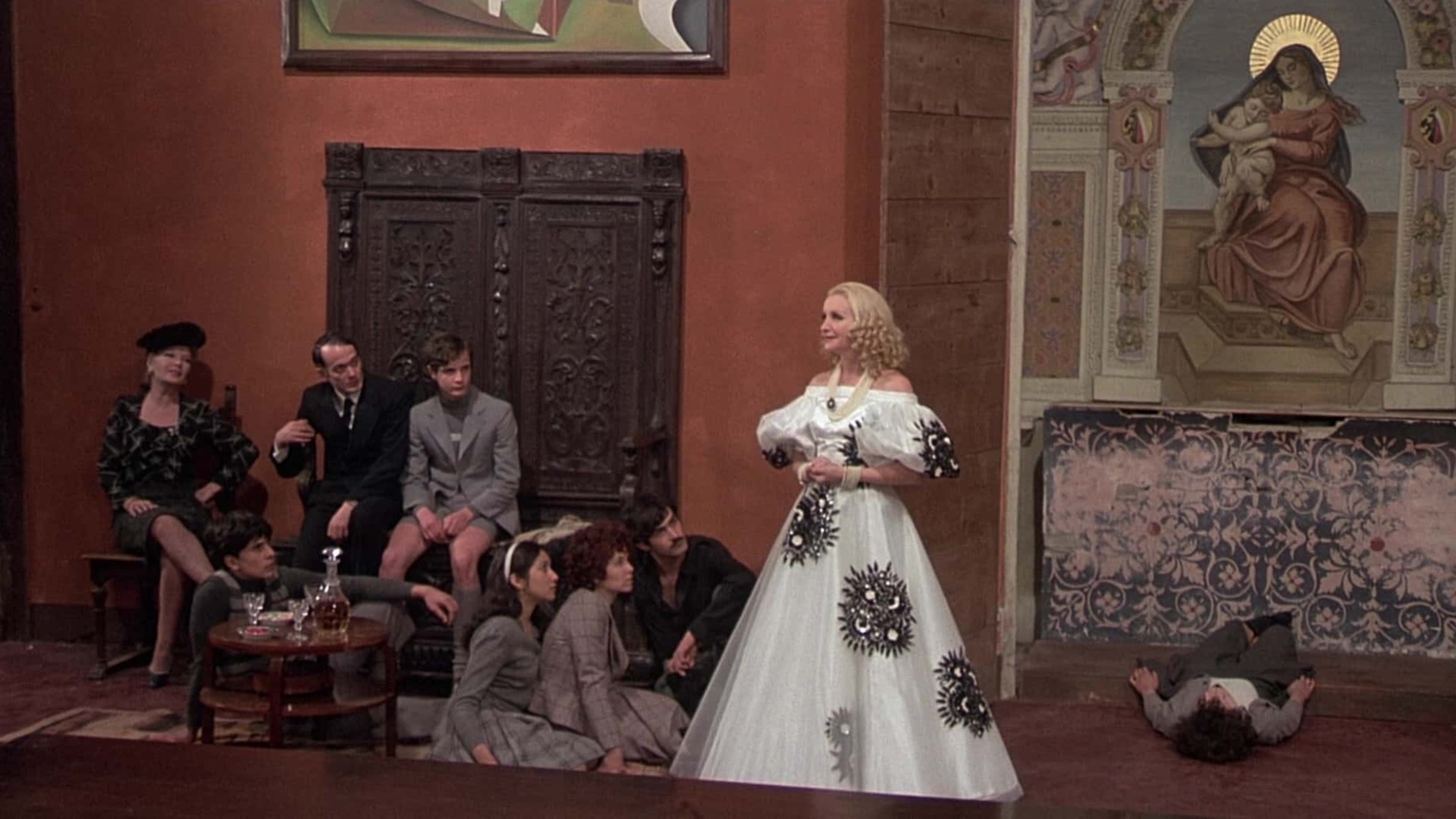
14. Salò, or the 120 Days of Sodom (1975
Pier Paolo Pasolini’s adaptation of the Marquis de Sade’s work critiques power and authoritarianism. The film explores moral decay and systemic abuse without glorifying it. It uses allegory to examine societal structures. The narrative remains polarizing among critics and scholars. Cinematography emphasizes confinement and surveillance.
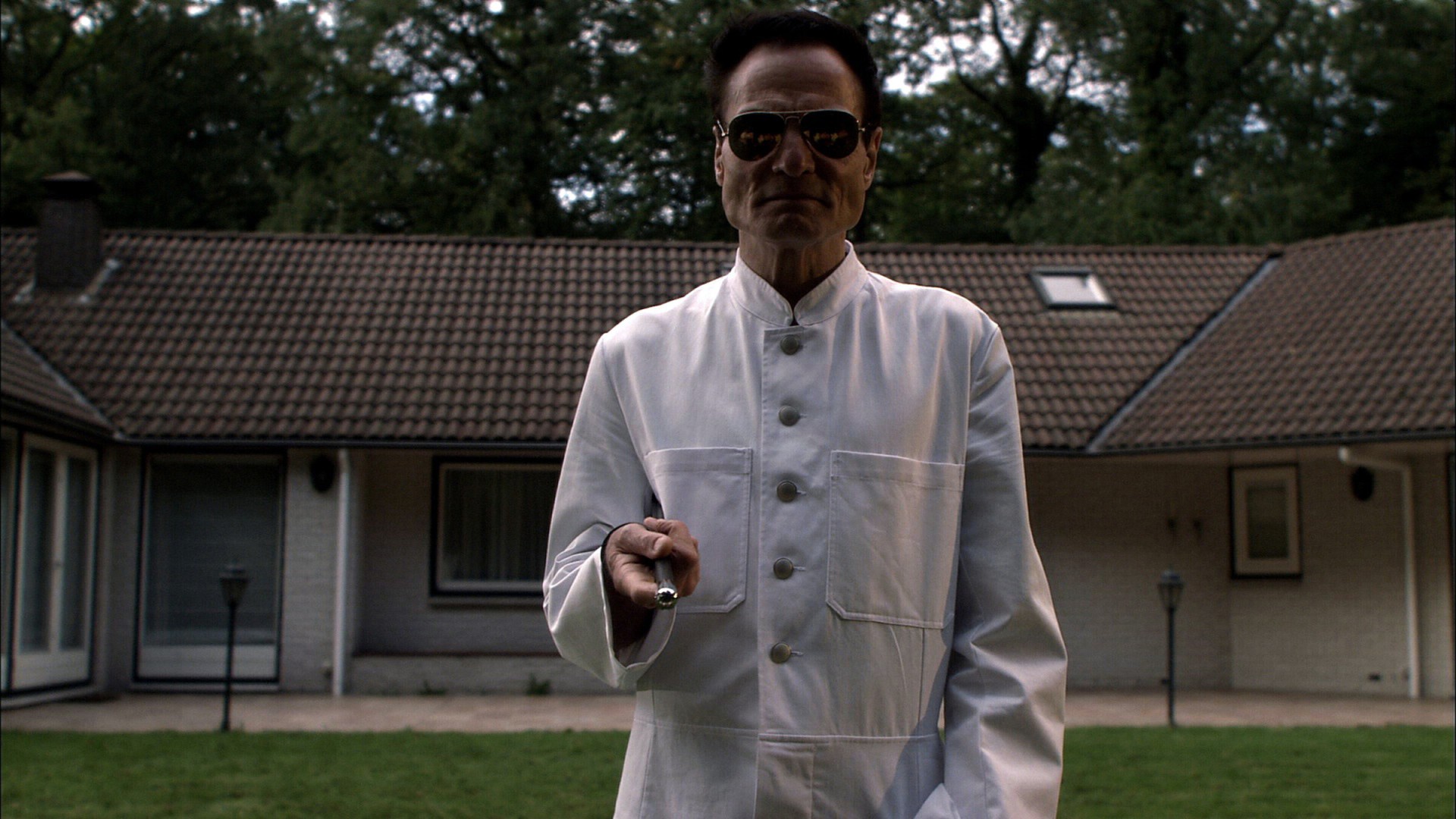
13. The Human Centipede (2009)
Tom Six’s horror film is known for its unusual concept. Dieter Laser delivers the performance of a deranged scientist. The narrative examines human boundaries in body horror without traditional moral resolution. The film sparked debates on ethics in cinema. Production and prosthetics contributed to the film’s visceral visual impact.
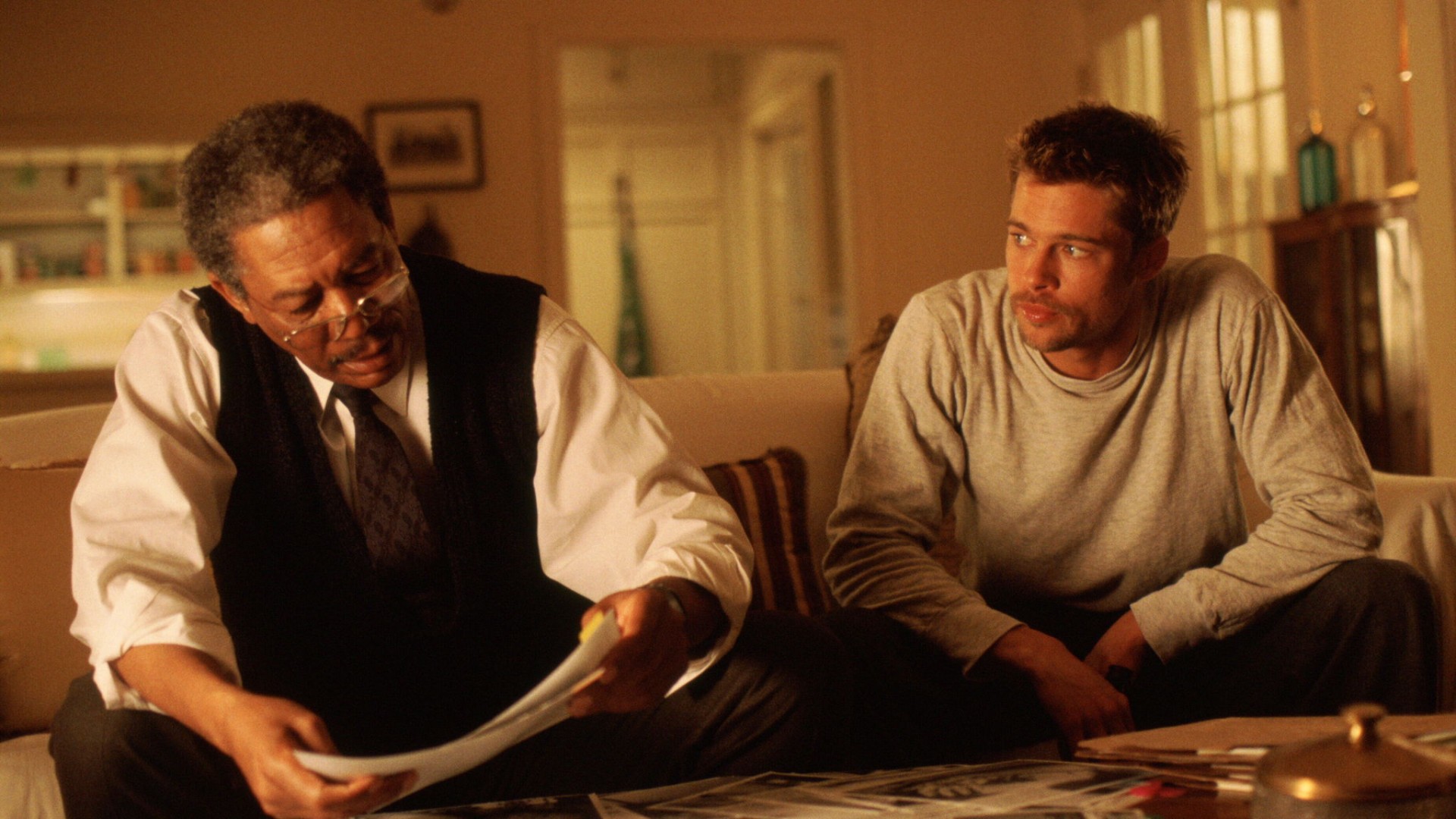
12. Se7en (1995)
David Fincher’s thriller follows two detectives tracking a meticulous criminal. Brad Pitt and Morgan Freeman offer strong performances emphasizing moral conflict and investigation. The film’s cinematography, characterized by rain-soaked streets and muted tones, reinforces its bleak atmosphere. The screenplay uses meticulous plotting and symbolism. The shocking ending remains influential in suspense cinema.
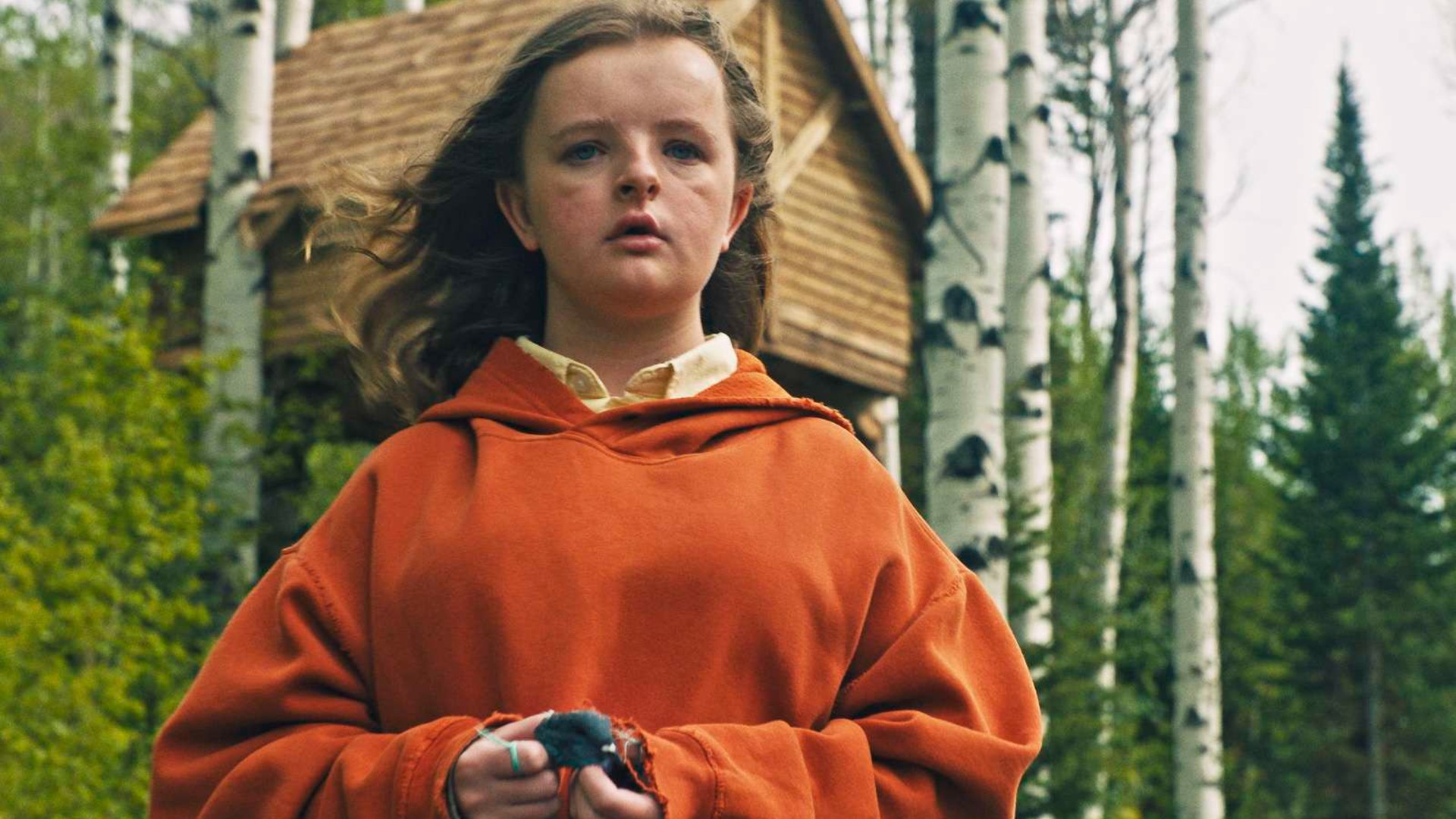
11. Hereditary (2018)
Ari Aster’s psychological horror examines grief, trauma, and family history. Toni Collette’s performance as a mother unraveling under pressure is widely praised. The film’s sound design and cinematography create a sense of escalating dread. Themes include inherited trauma and the impact of loss on families. It sparked discussions on the evolution of modern horror.
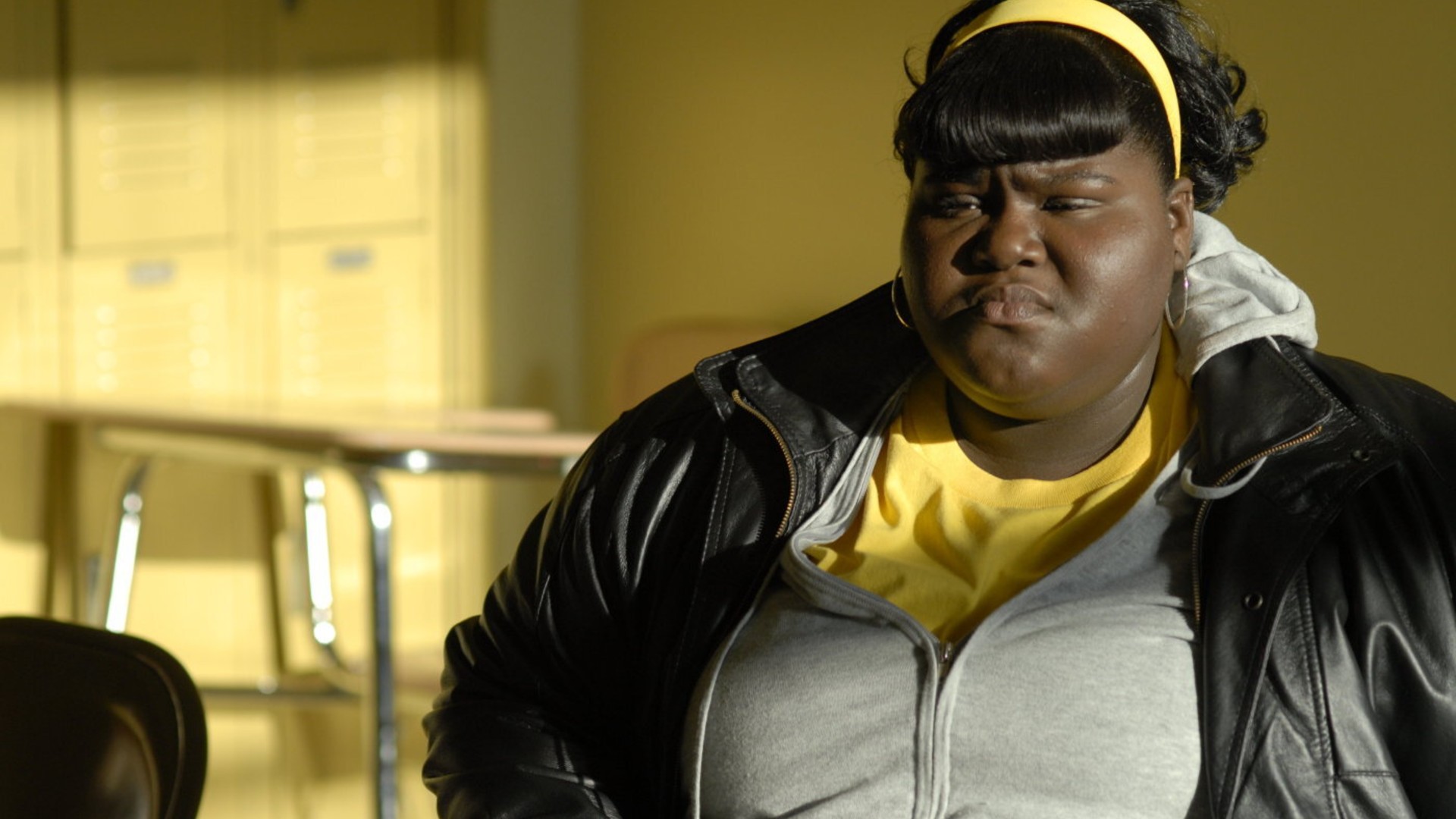
10. Precious (2009)
Lee Daniels directs this story of an adolescent girl facing hardships in Harlem. Gabourey Sidibe and Mo’Nique received critical acclaim for their performances. The narrative emphasizes resilience, education, and self-discovery. Adapted from Sapphire’s novel, it reflects societal issues, including family dynamics and systemic neglect. Cinematography and editing highlight the contrast between hardship and hope.
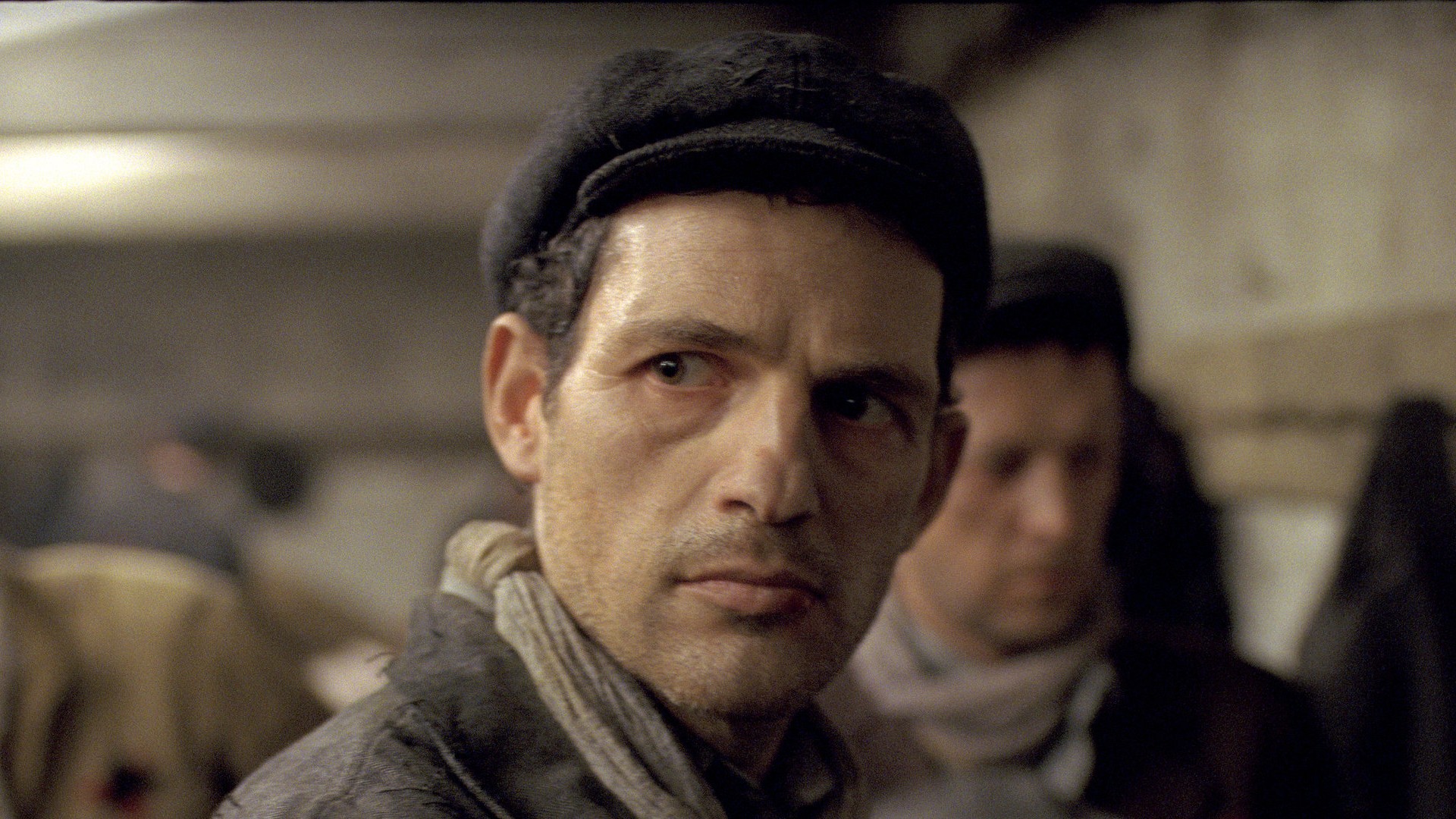
9. Son of Saul (2015)
László Nemes’s film is set inside Auschwitz, following a Jewish Sonderkommando. Cinematographer Mátyás Erdély uses shallow focus to keep the viewer close to Saul, creating a claustrophobic and immersive experience. The film won the Academy Award for Best Foreign Language Film. It is noted for its historical precision and ethical representation of Holocaust experiences. Dialogue and visuals are minimized to increase realism.
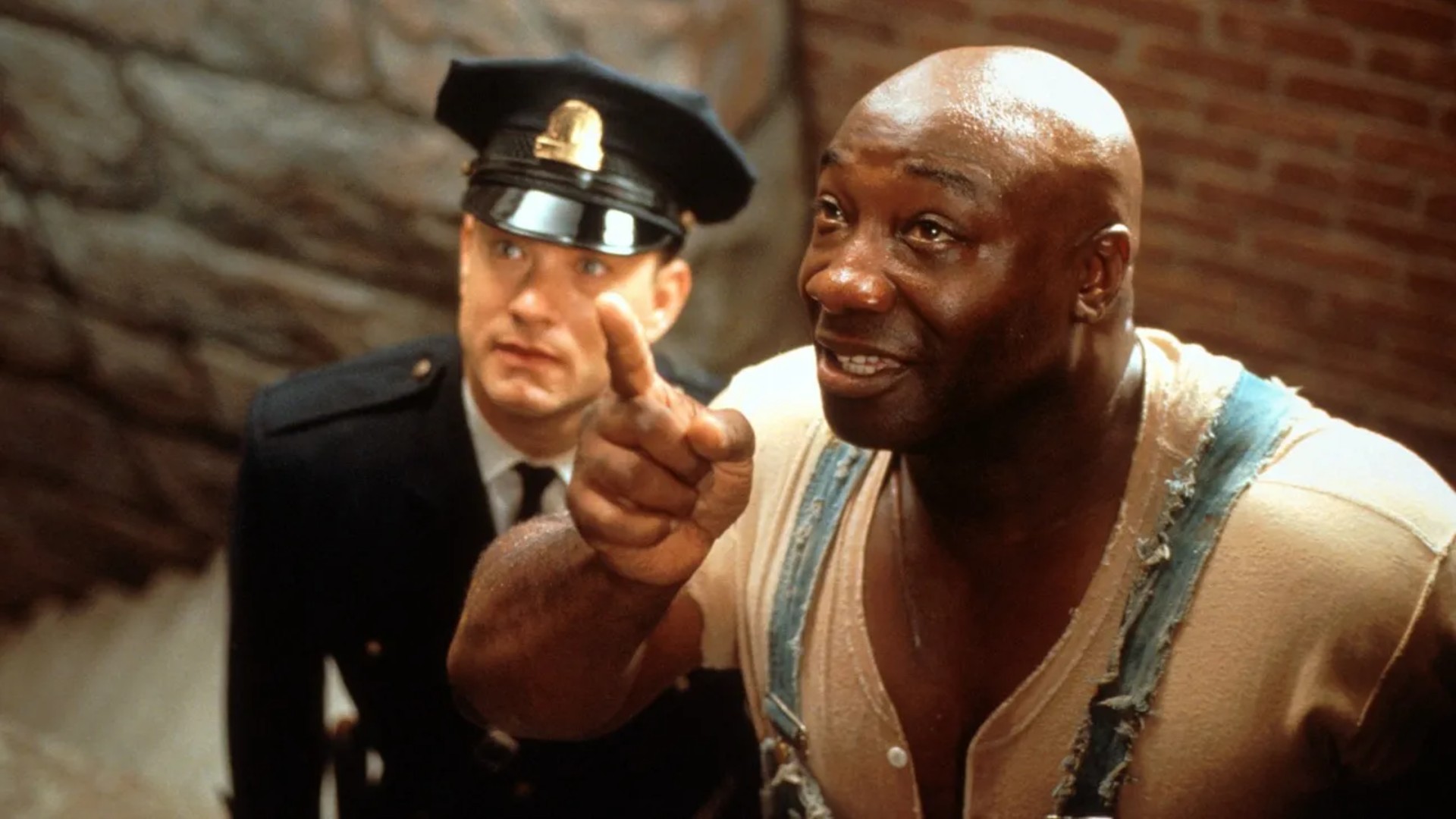
8. The Green Mile (1999)
Frank Darabont’s adaptation of Stephen King’s novel is set in a 1930s death row prison. Tom Hanks plays a compassionate correctional officer who encounters a man with supernatural abilities. The film explores morality, justice, and the human capacity for empathy. Michael Clarke Duncan delivers a memorable performance as John Coffey. Cinematography and practical effects enhance the film’s emotional impact.
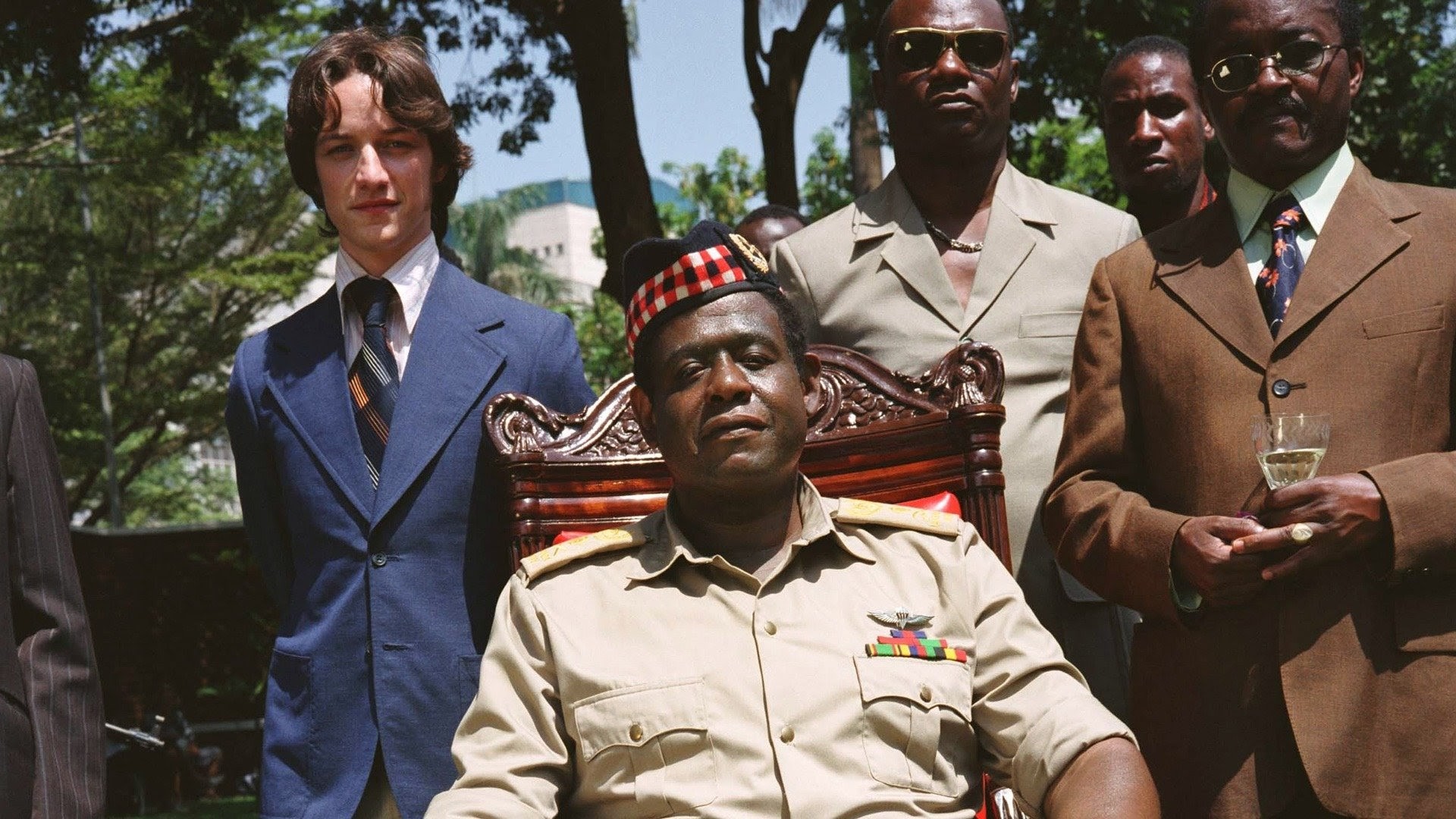
7. The Last King of Scotland (2006)
Forest Whitaker’s portrayal of Idi Amin earned him an Academy Award for Best Actor. The story follows a Scottish doctor who becomes entangled with Amin’s regime. The film explores dictatorship, power, and complicity in violence. James McAvoy plays the doctor, offering a counterpoint to Whitaker’s performance. Production designers recreated 1970s Uganda to heighten historical authenticity.
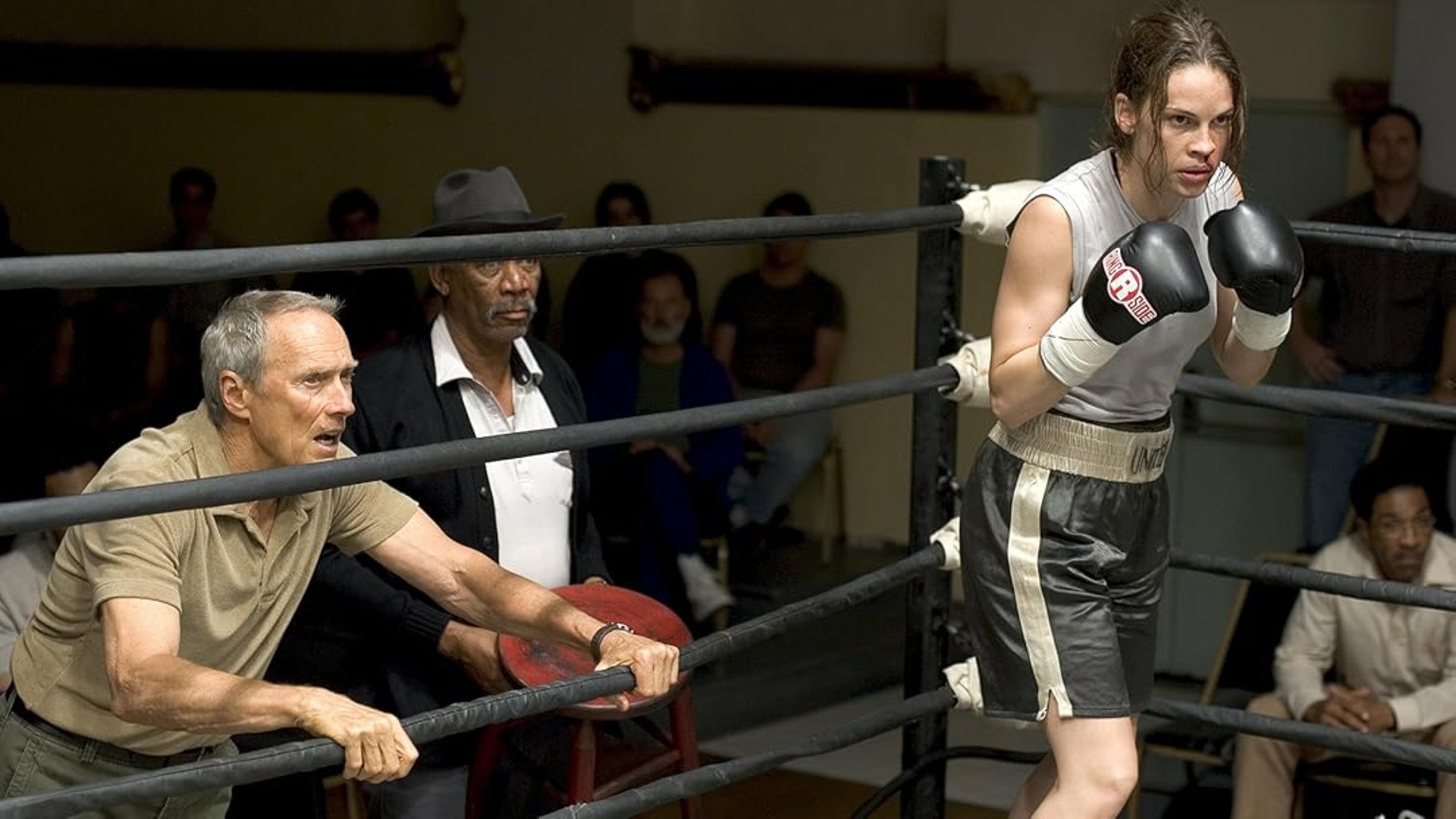
6. Million Dollar Baby (2004)
Clint Eastwood directs and stars in this story of a female boxer striving for professional success. Hilary Swank received an Academy Award for her performance. The film explores themes of perseverance, mentorship, and moral complexity. Morgan Freeman plays her coach, providing critical emotional support. Its final act challenges viewers to consider ethical and personal choices.

5. Dear Zachary: A Letter to a Son About His Father (2008)
Kurt Kuenne’s documentary recounts the life of Andrew Bagby through interviews, home videos, and court footage. The structure builds emotional resonance by examining tragedy's impact on family and friends. Music and editing are used to highlight narrative tension. The film prompted changes in Canadian law regarding child protection. It is often cited as one of the most affecting true-crime documentaries.
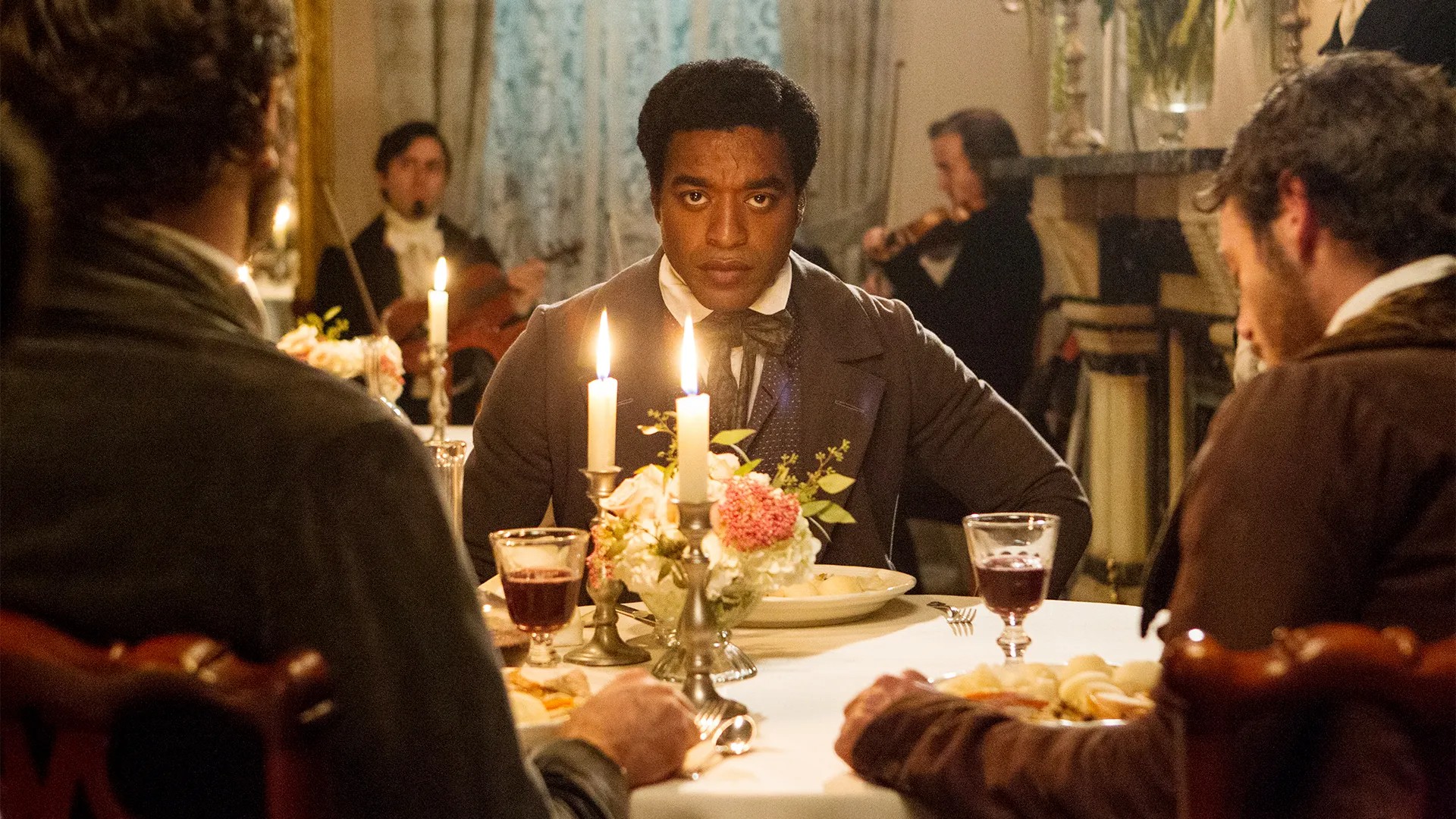
4. 12 Years a Slave (2013)
Steve McQueen’s adaptation of Solomon Northup’s memoir highlights the reality of slavery in 19th-century America. Chiwetel Ejiofor’s performance as Solomon Northup is profoundly affecting. The film emphasizes historical accuracy in costumes, sets, and dialects. Michael Fassbender and Lupita Nyong’o deliver pivotal supporting performances. It won the Academy Award for Best Picture, recognizing artistic and cultural significance.
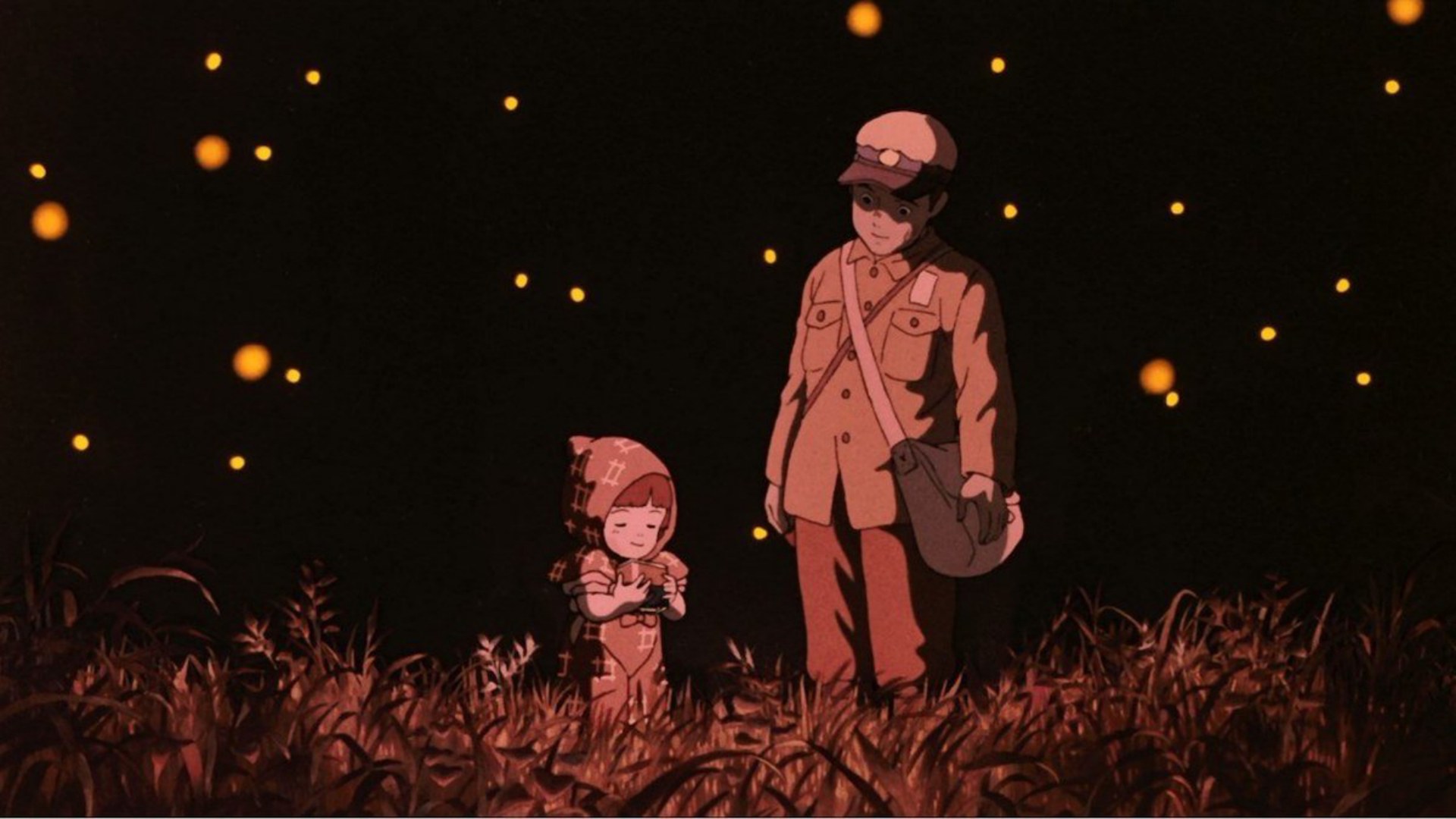
3. Grave of the Fireflies (1988)
Isao Takahata’s film follows two siblings who survive wartime Japan after losing their parents. Its animation style conveys subtle emotional cues, making the story more personal and intimate. The film explores the consequences of war on civilians, particularly children. Studio Ghibli produced it, which remains one of its most serious and mature works. The storytelling emphasizes resilience and human connection.
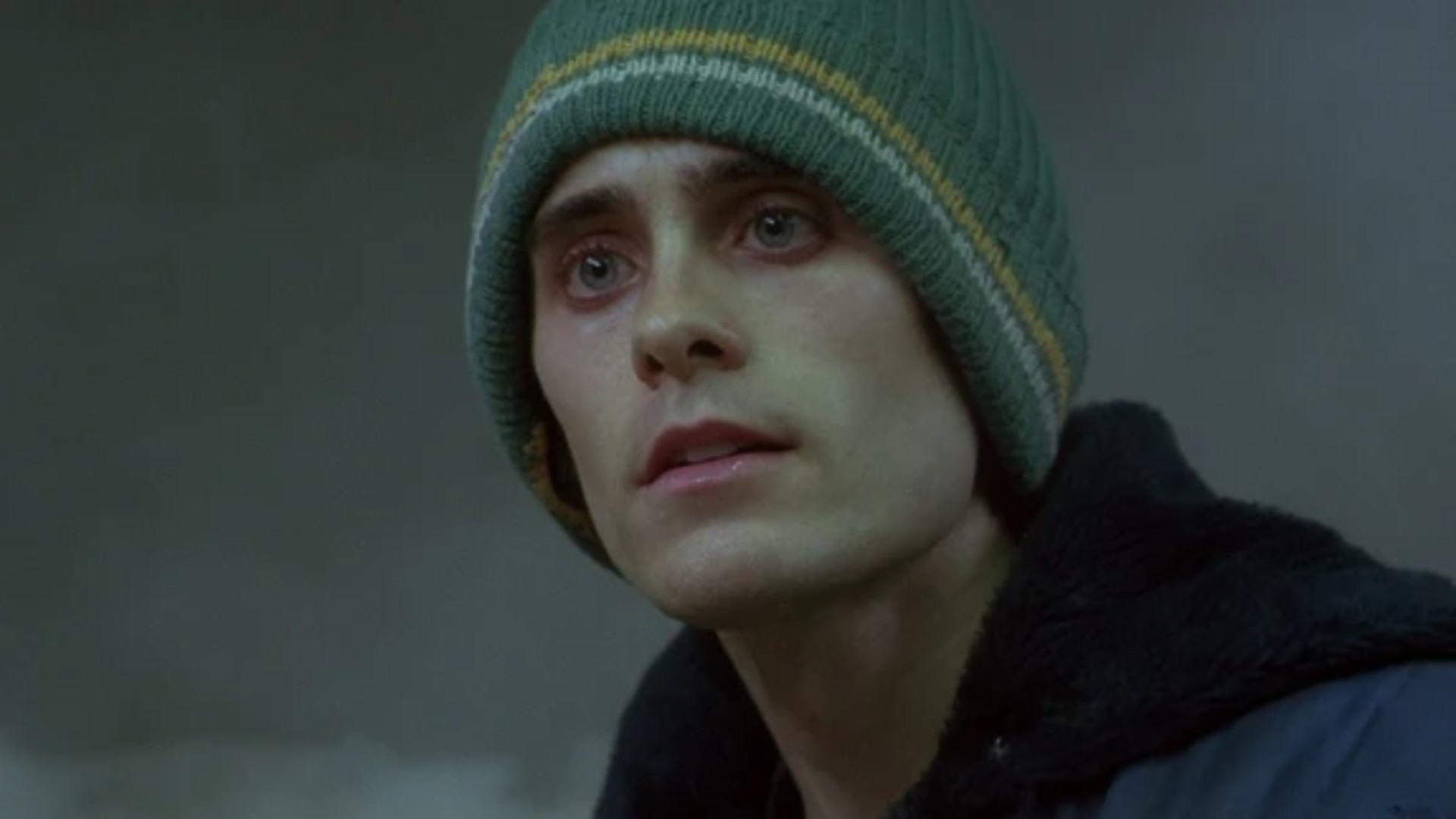
2. Requiem for a Dream (2000)
Darren Aronofsky explores human obsession, loss, and deterioration. The film uses split-screen editing and a fast-cut montage style to heighten tension. Ellen Burstyn, Jared Leto, Jennifer Connelly, and Marlon Wayans deliver performances emphasizing vulnerability and desperation. The score by Clint Mansell intensifies the emotional impact. The film is considered a landmark in modern psychological drama.
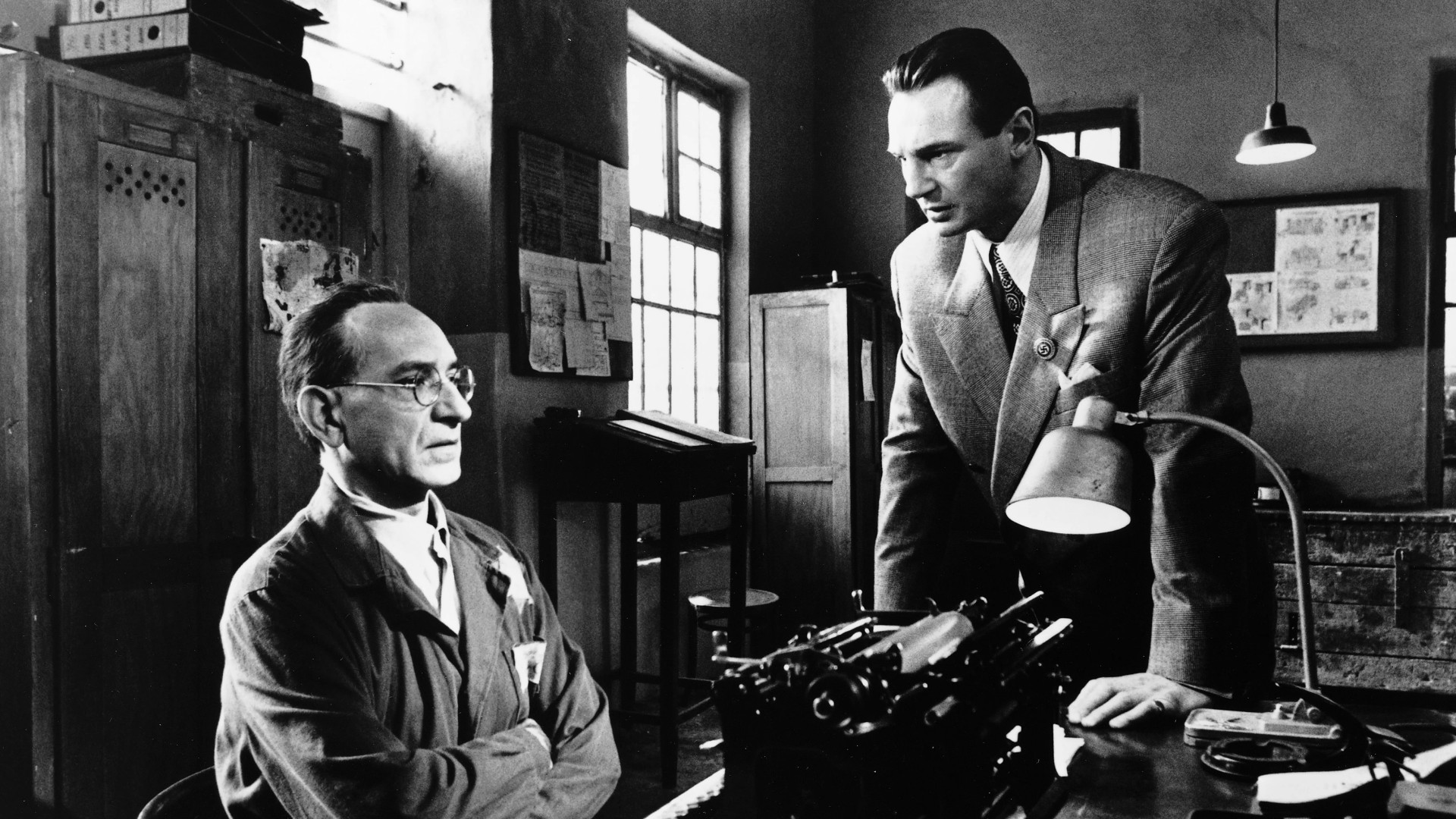
1. Schindler's List (1993)
Directed by Steven Spielberg, the film tells the story of Oskar Schindler, who saved over a thousand Jews during the Holocaust. Shot mostly in black-and-white, it emphasizes historical realism. The performances of Liam Neeson, Ben Kingsley, and Ralph Fiennes bring emotional depth. Spielberg consulted Holocaust survivors to ensure historical accuracy. The film won seven Academy Awards, including Best Picture and Best Director.