25 Movies That Were So Bad That They Ruined These Actors’ Careers
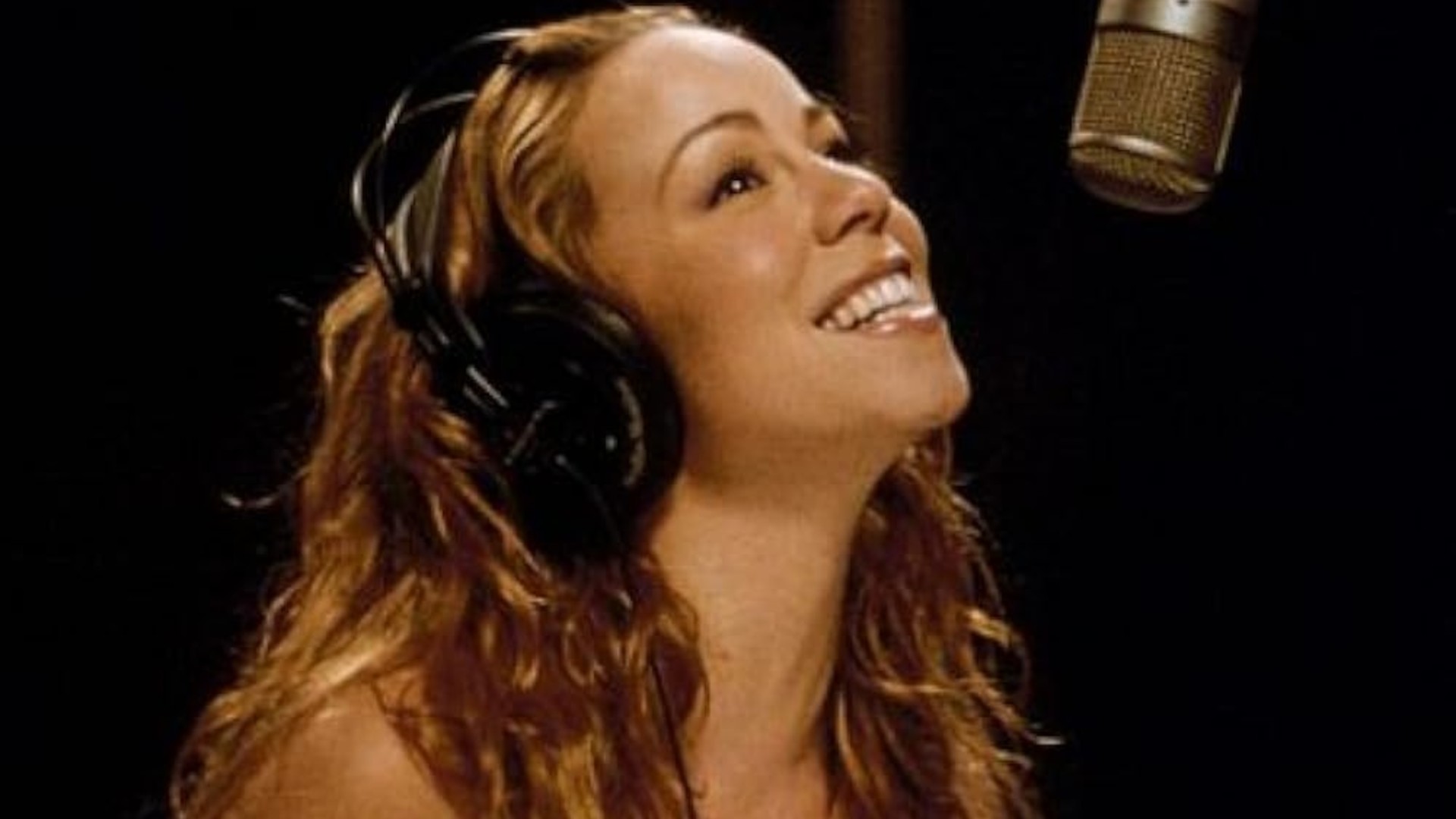
25. Mariah Carey in 'Glitter' (2001)
Carey attempted a semi-autobiographical musical drama with 'Glitter', which was critically panned and commercially unsuccessful. Combined with personal challenges at the time, the film became a major setback to her aspirations in acting. Carey later refocused on her music career.
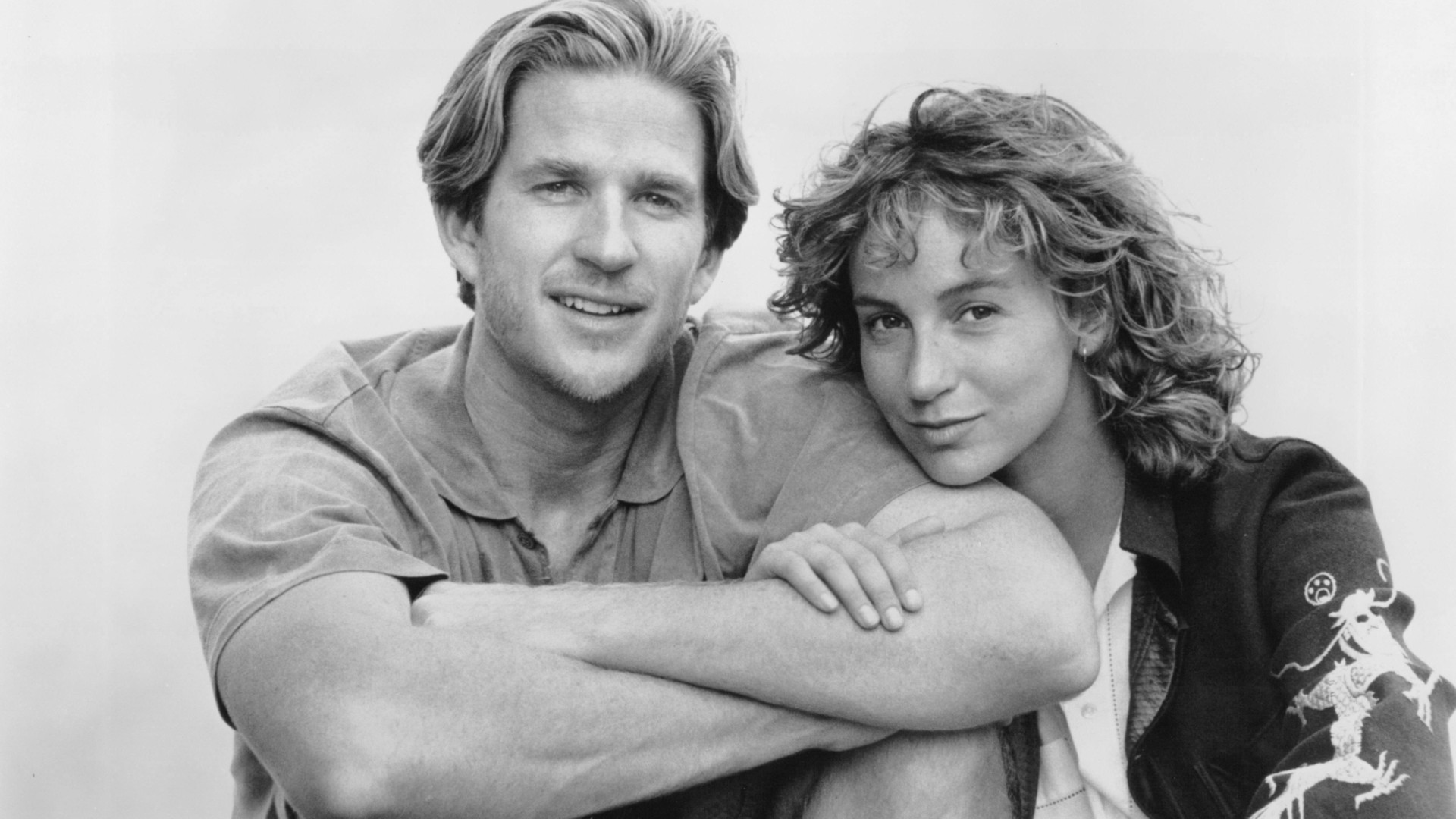
24. Jennifer Grey in 'Wind' (1992)
Grey underwent rhinoplasty after criticism of her appearance, which affected her recognizability. 'Wind' underperformed at the box office, compounding her career uncertainty. She shifted focus toward theater and occasional television appearances.
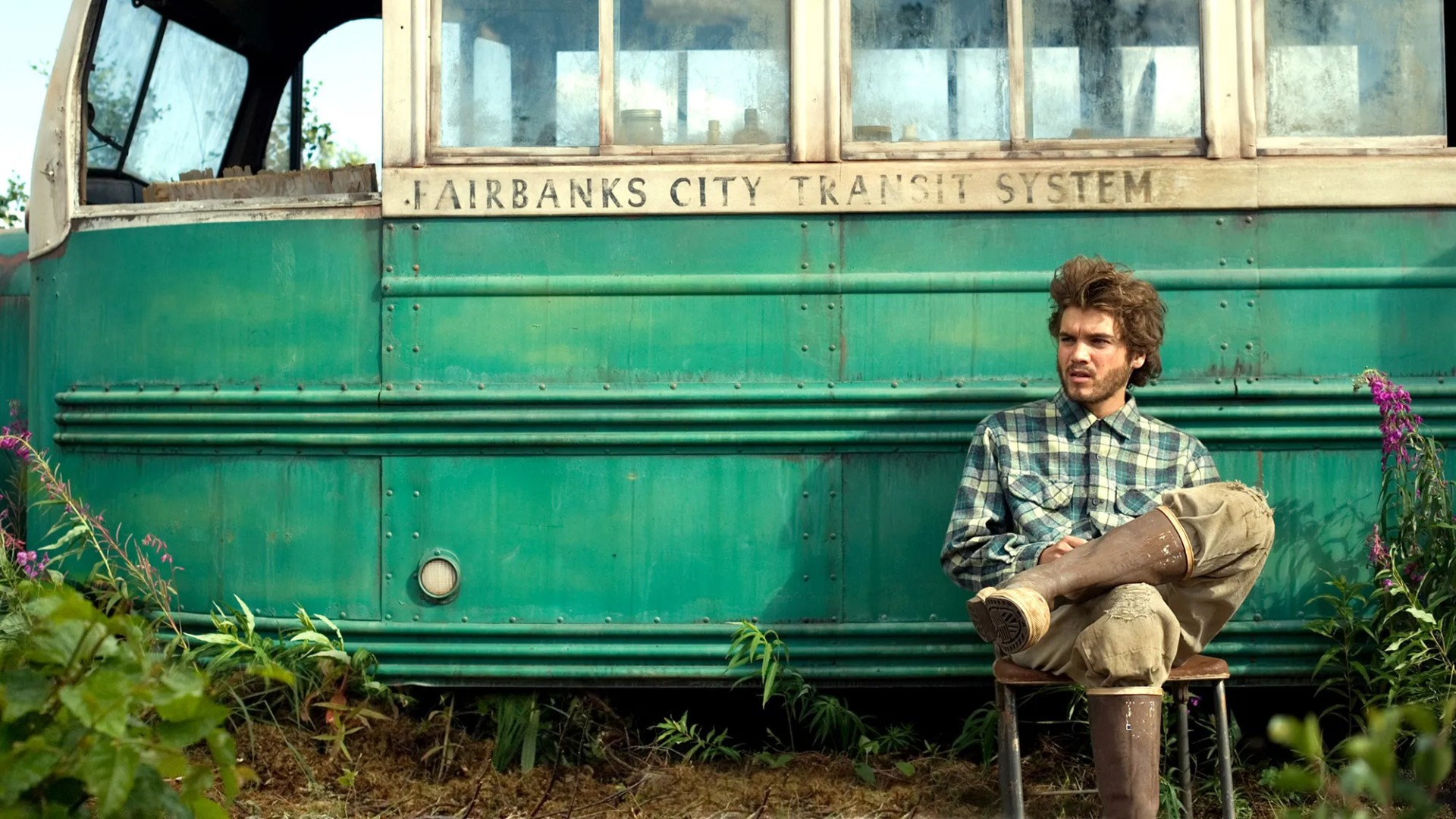
23. Emile Hirsch in 'Into the Wild' (2007)
Although Hirsch received acclaim for 'Into the Wild', an off-screen incident in 2015 involving assault allegations limited his opportunities in Hollywood. He continued to appear in small independent films and supporting roles in television series.
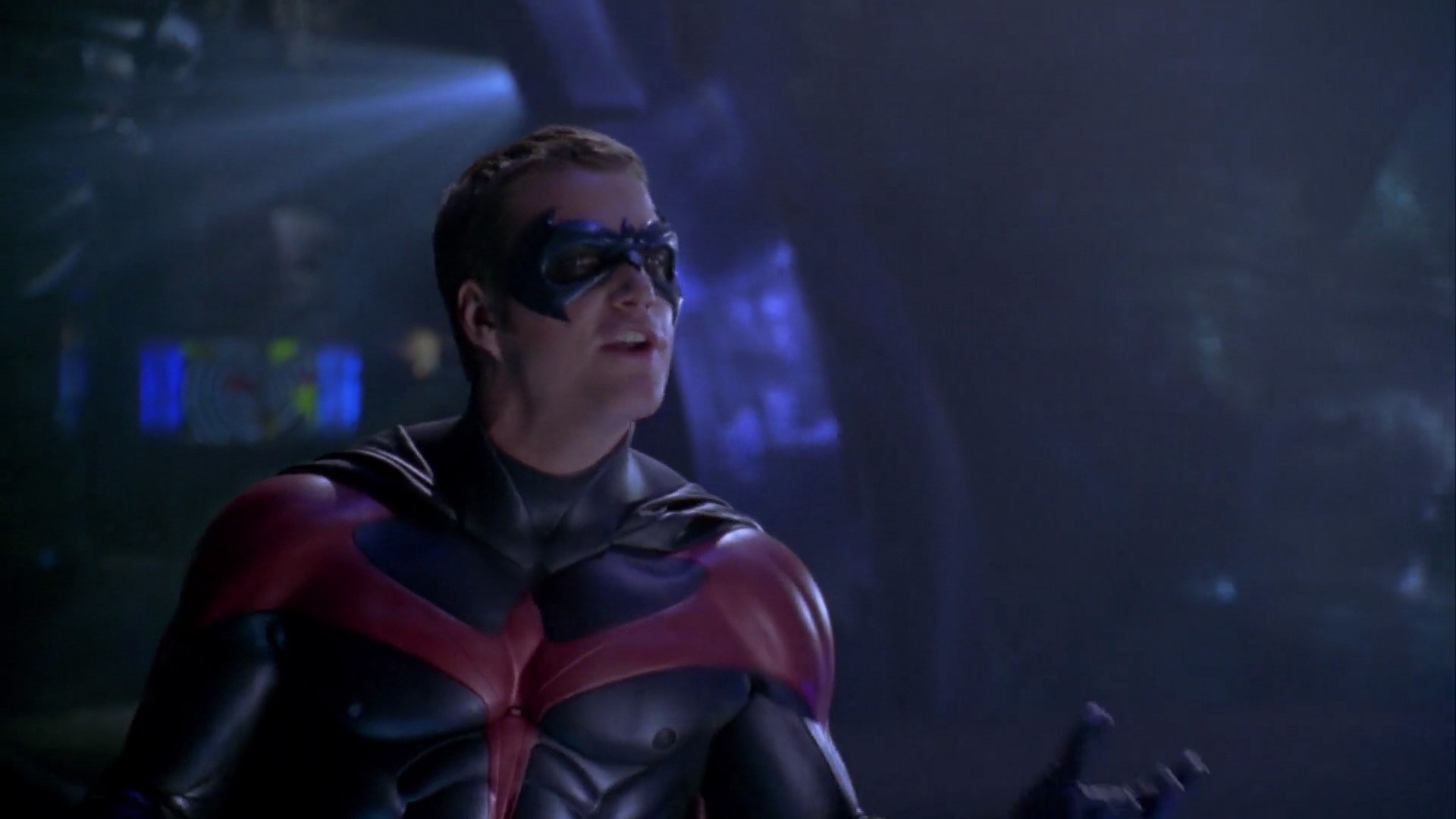
22. Chris O'Donnell in 'Batman & Robin' (1997)
O'Donnell’s portrayal of Robin contributed to the hostile reception of 'Batman & Robin'. The backlash affected his casting in future leading roles. He later transitioned to ensemble film projects and television work.
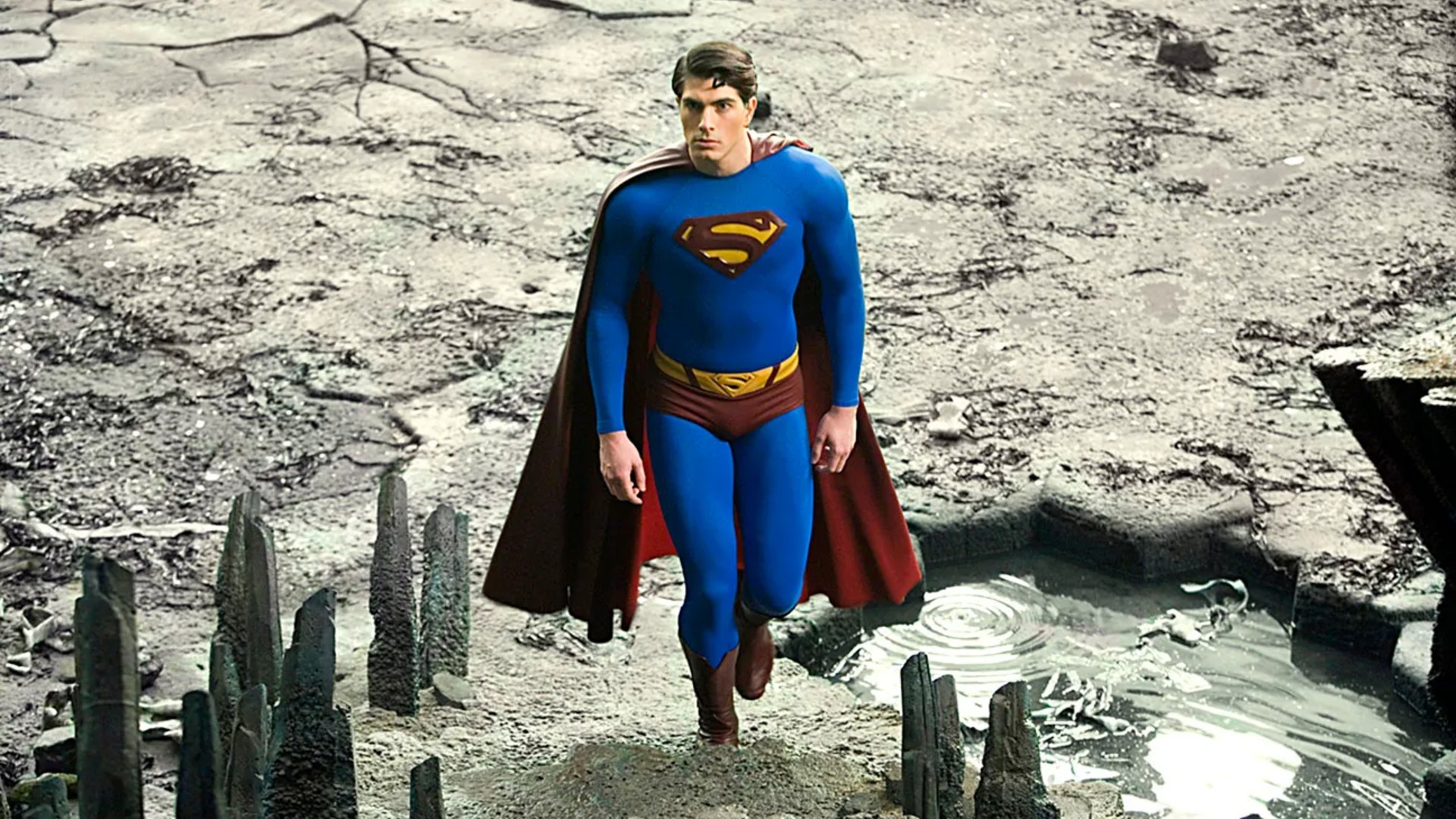
21. Brandon Routh in 'Superman Returns' (2006)
Routh’s casting as Superman coincided with moderate critical approval but underwhelming box-office results. The absence of a sequel and the perception of being typecast restricted other major role offers. He later pursued supporting roles and television projects.
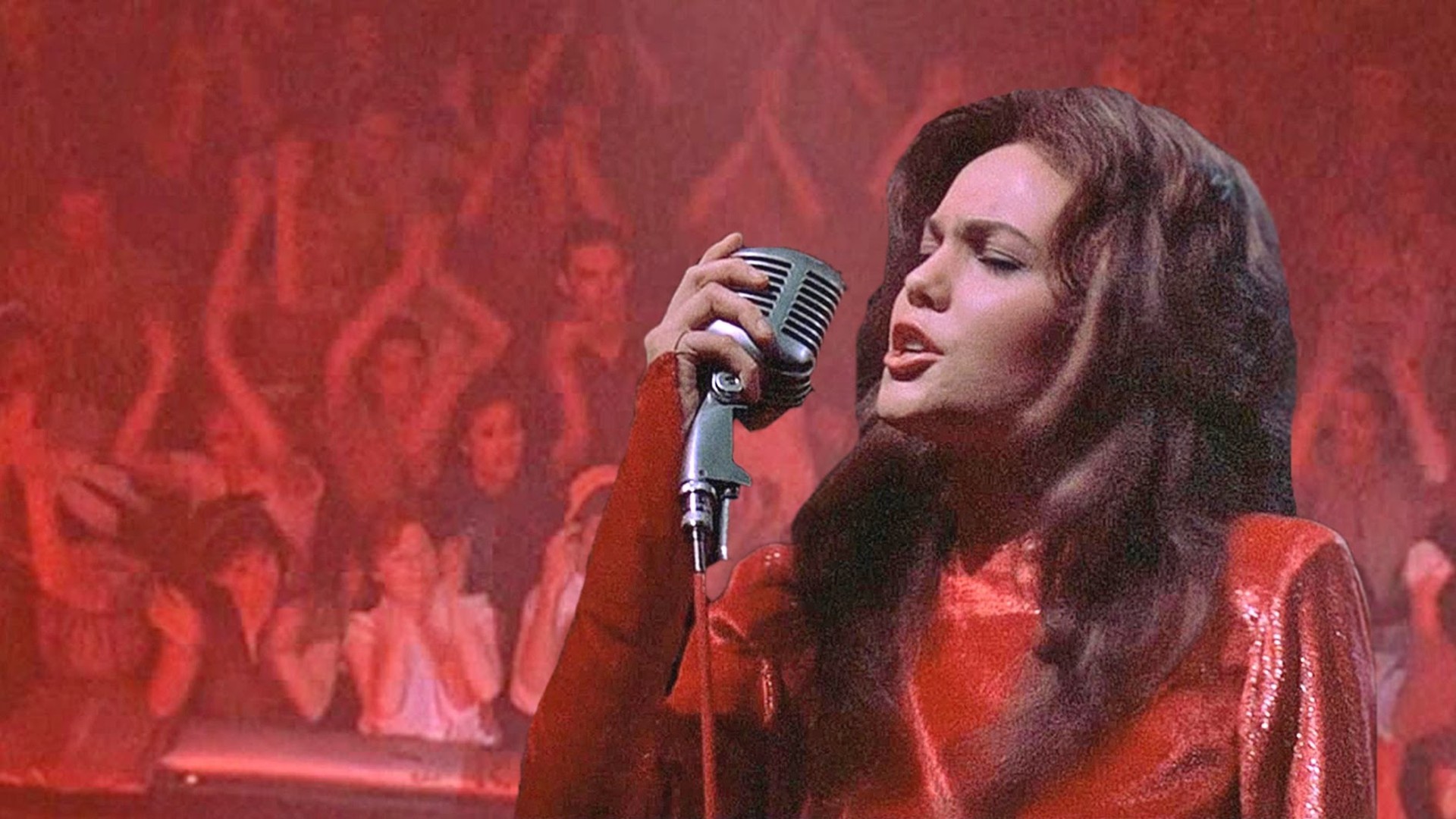
20. Diane Lane in 'Streets of Fire' (1984)
Following early acclaim, Lane’s role in the rock opera Streets of Fire was a commercial disappointment. Its failure temporarily slowed her momentum as a rising star. Over the next decade, she became prominent in dramatic and action films.
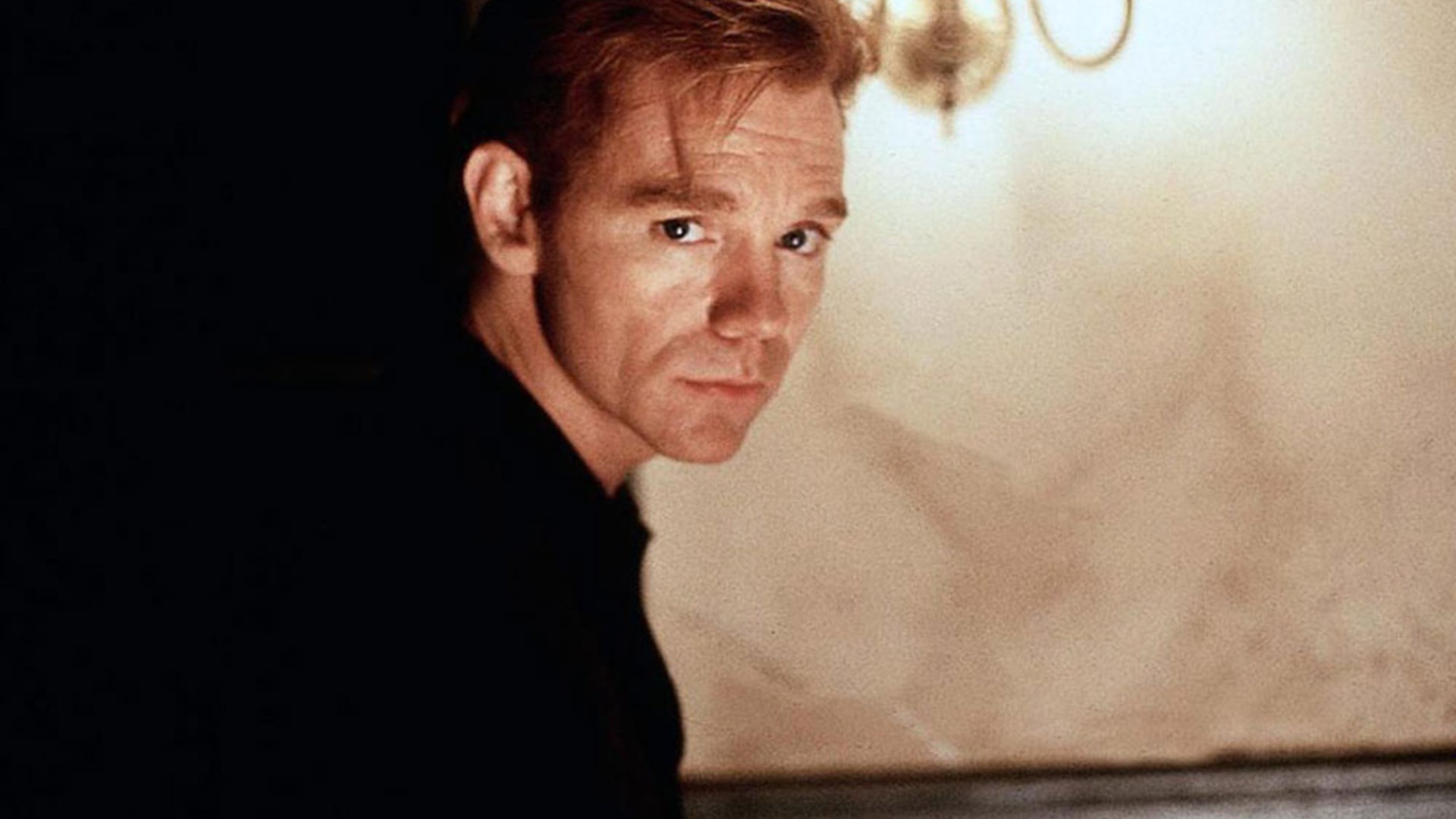
19. David Caruso in 'Jade' (1995)
After leaving 'NYPD Blue,' Caruso’s film career struggled. Both 'Kiss of Death' and 'Jade' underperformed at the box office. 'Jade, in particular, was a financial and critical disappointment. Years later, Caruso returned to television and became a long-term CSI: Miami lead.
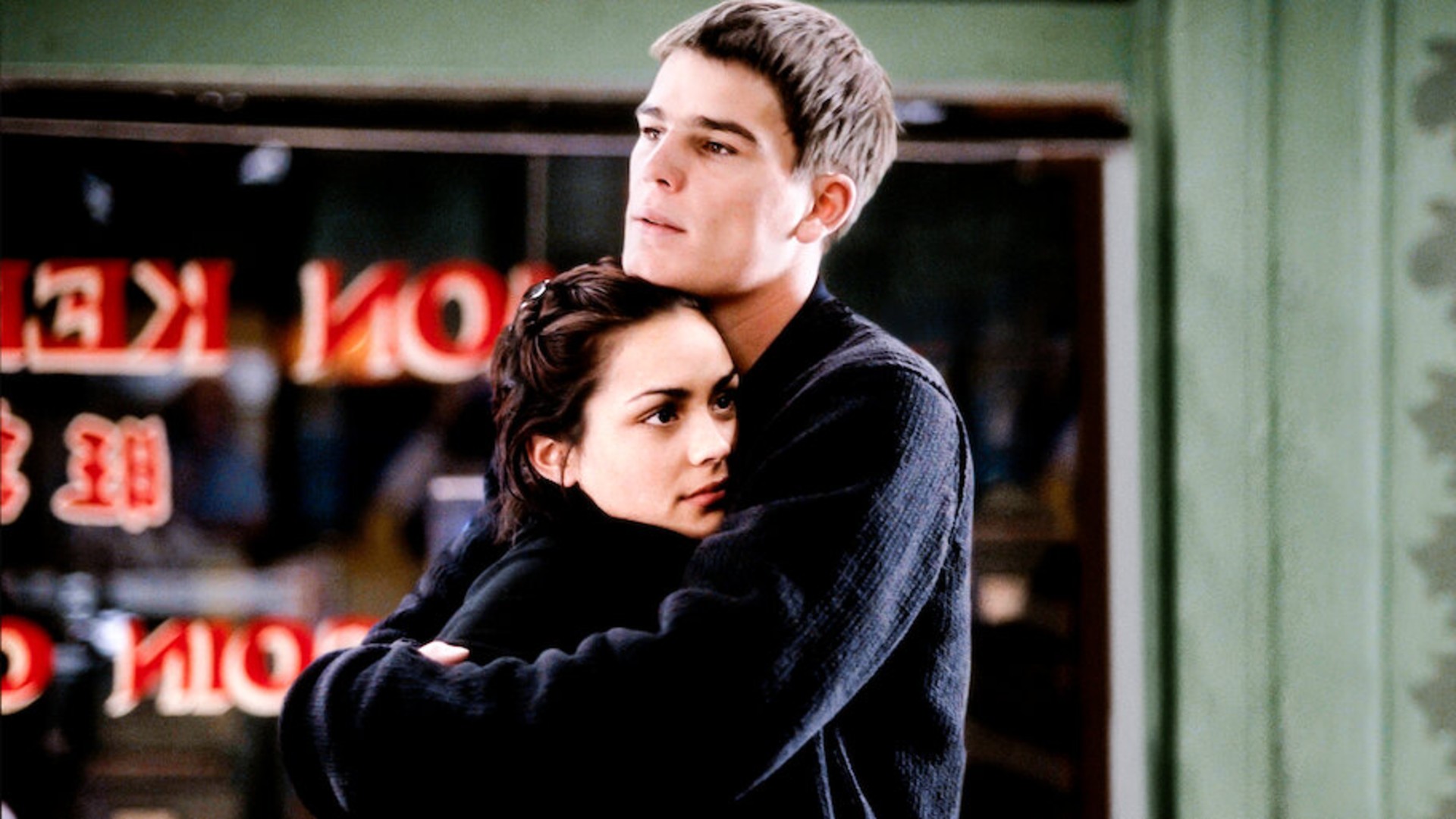
18. Josh Hartnett in '40 Days and 40 Nights' (2002)
Hartnett rejected major blockbuster roles and starred in the moderate romantic comedy '40 Days and 40 Nights'. The lukewarm reception contributed to his difficulty securing high-profile leading roles. He shifted toward independent films and television to maintain his acting career.
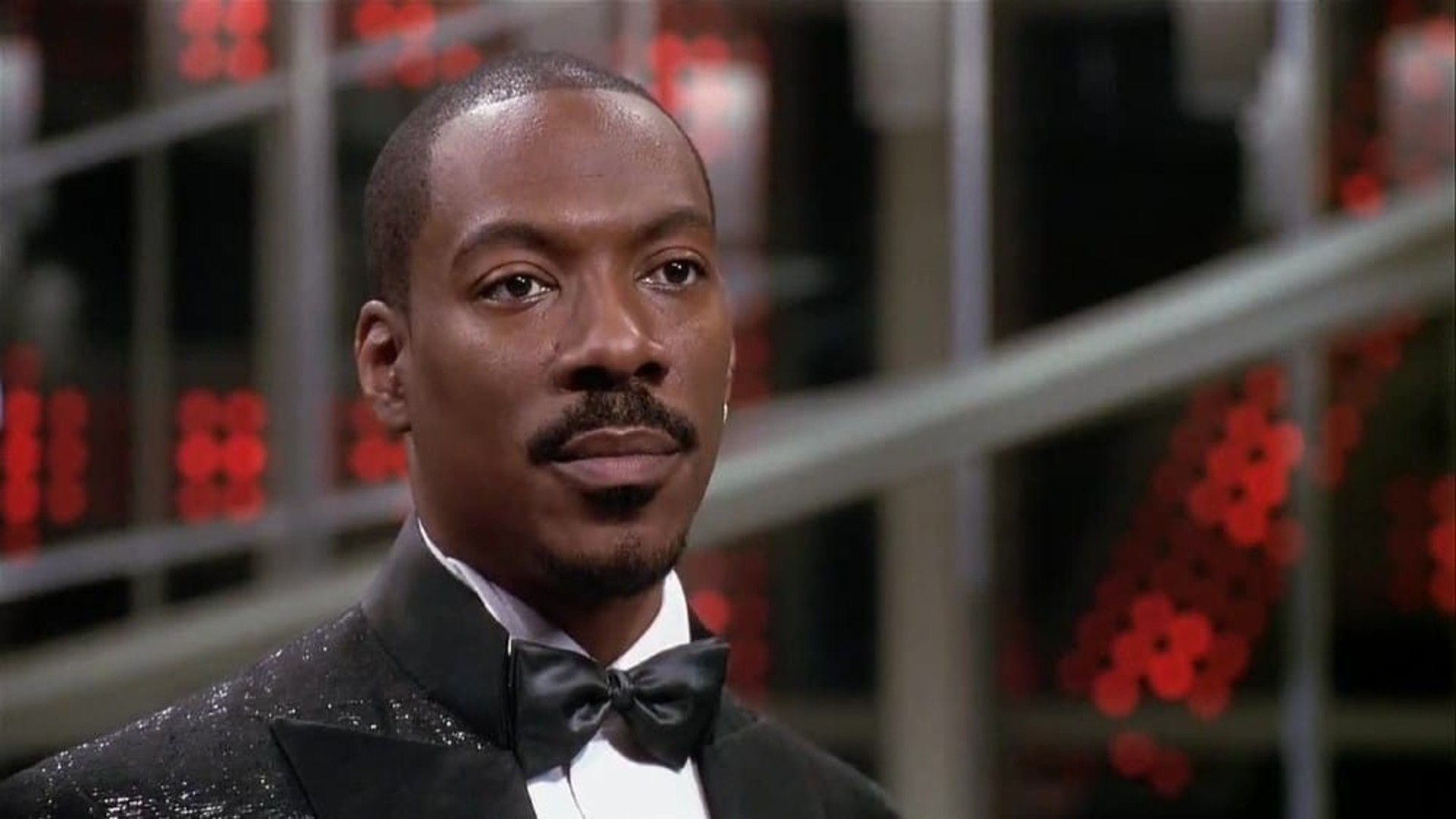
17. Eddie Murphy in 'The Adventures of Pluto Nash' (2002)
Murphy’s role in 'Pluto Nash' followed a series of family comedies but resulted in one of the most significant box-office failures of the time. The film negatively impacted studio confidence in him as a bankable lead. Murphy shifted focus toward voice roles and ensemble comedies before returning to high-profile lead roles years later.
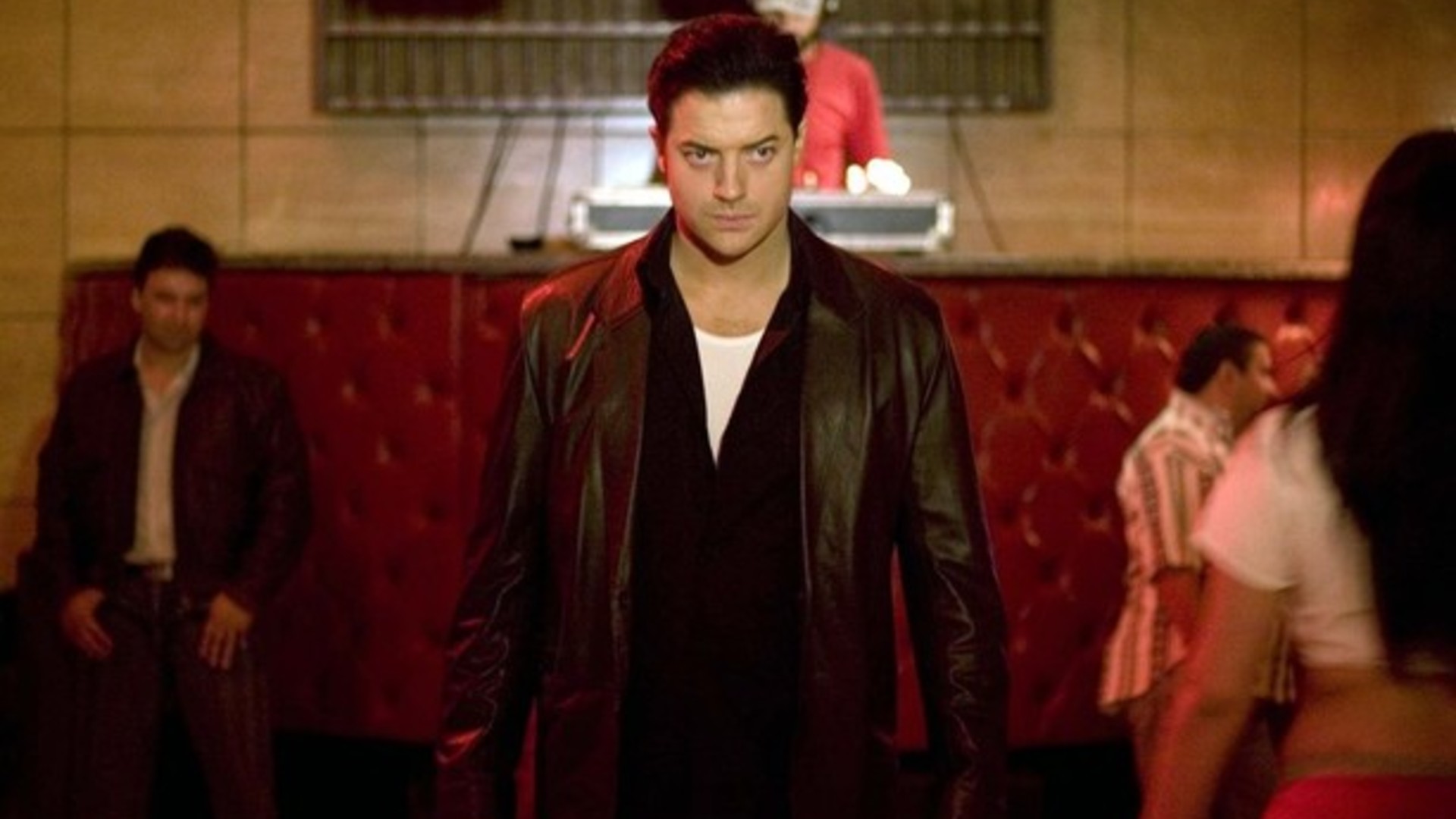
16. Brendan Fraser in 'Journey to the End of the Night' (2006)
Fraser faced a career decline in the 2000s, partially due to involvement in smaller, less successful projects. 'Journey to the End of the Night' exemplifies the low-budget dramas he chose, which failed to capture mainstream attention. His presence in blockbuster films diminished until a resurgence years later.
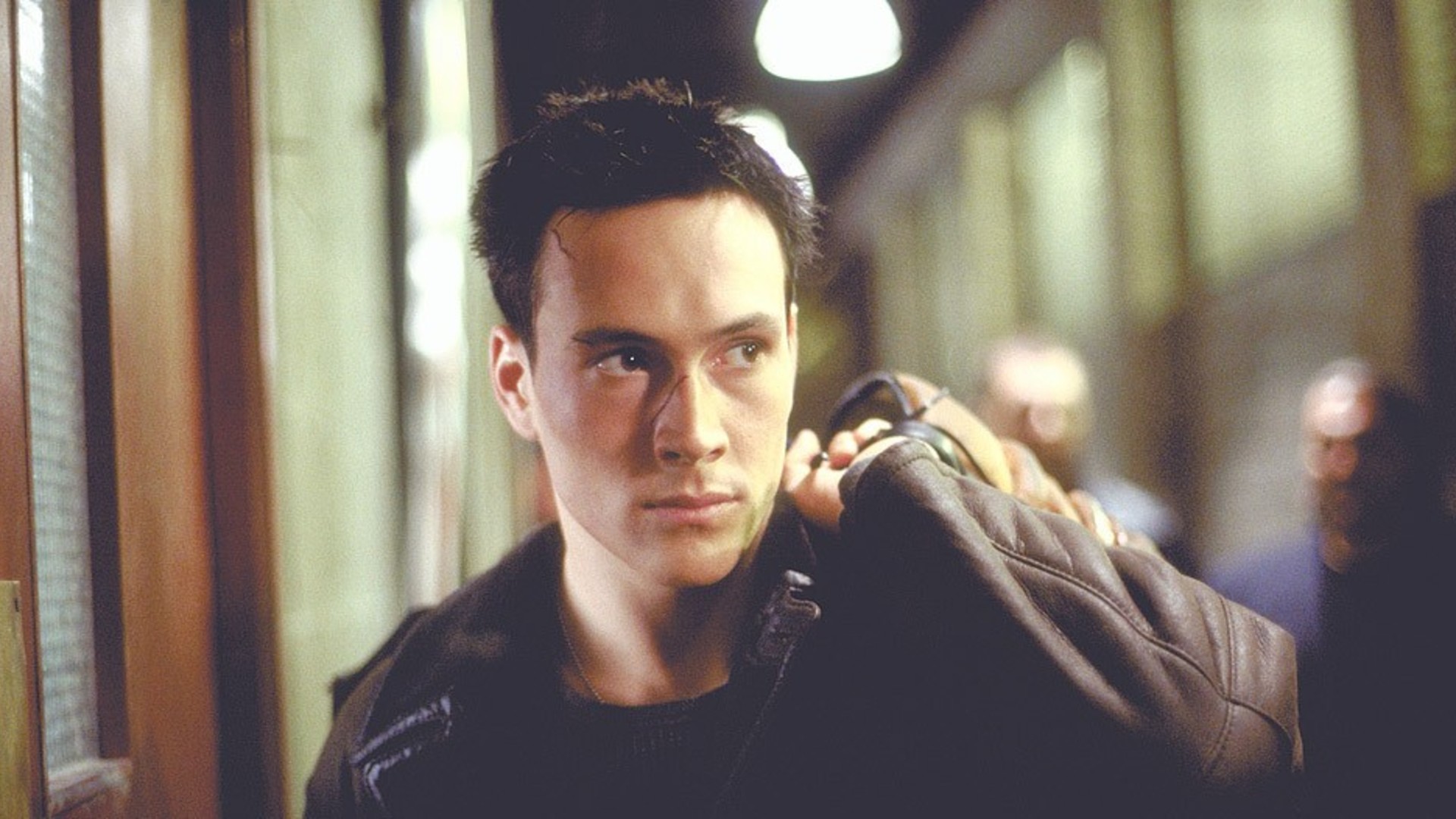
15. Chris Klein in 'Rollerball' (2002)
Following his rise in the 'American Pie' franchise, Klein attempted a transition to action films with the remake of 'Rollerball'. The critical and financial failure limited further high-profile opportunities. He returned to television and smaller film projects to sustain his career.
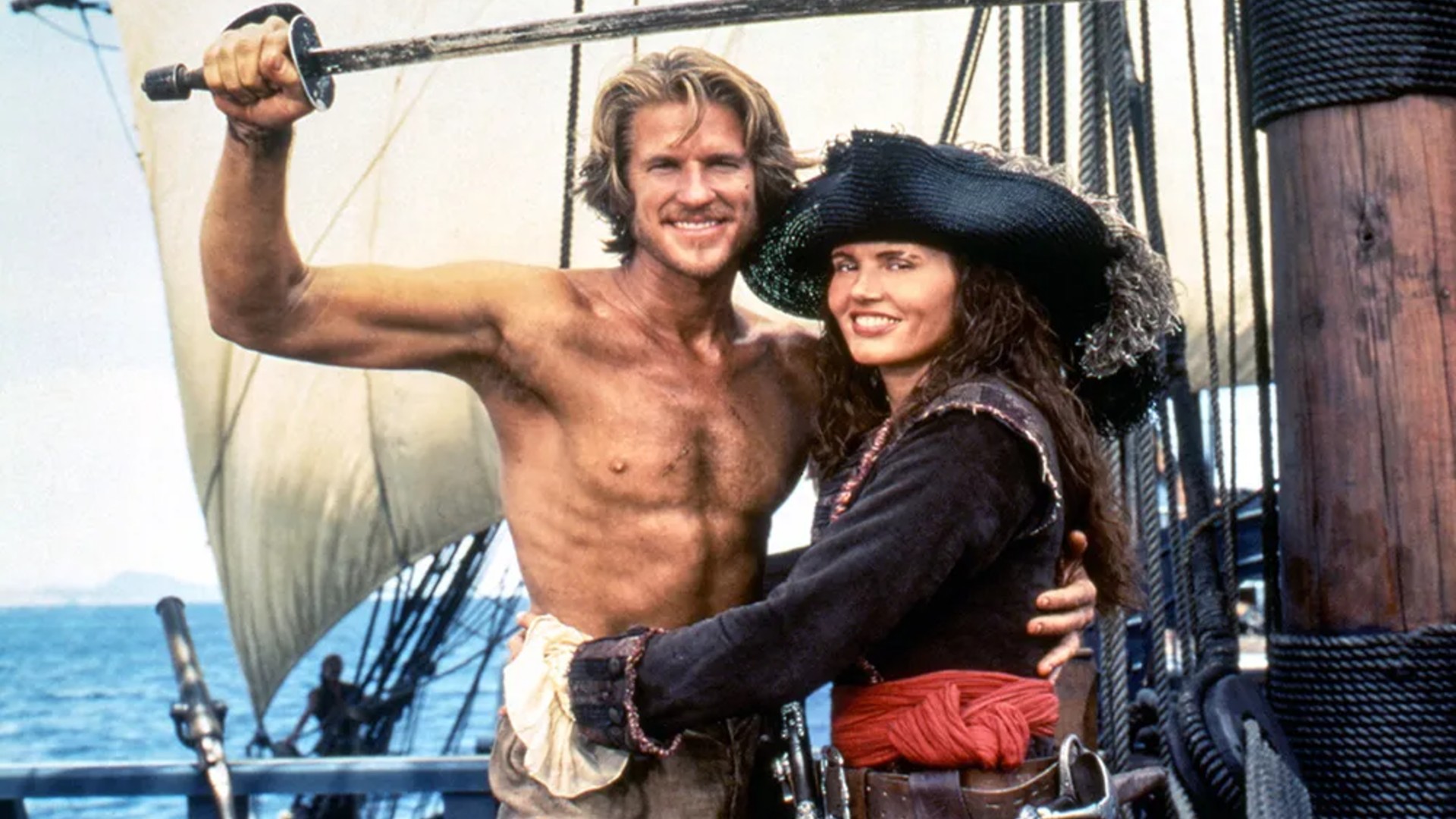
14. Matthew Modine in 'Cutthroat Island' (1995)
Modine was expected to achieve leading-man status through Cutthroat Island. The film’s commercial failure damaged his credibility in Hollywood, and press events for the film reportedly left him feeling demoralized. He continued to work steadily in supporting roles but never regained a comparable box-office profile.
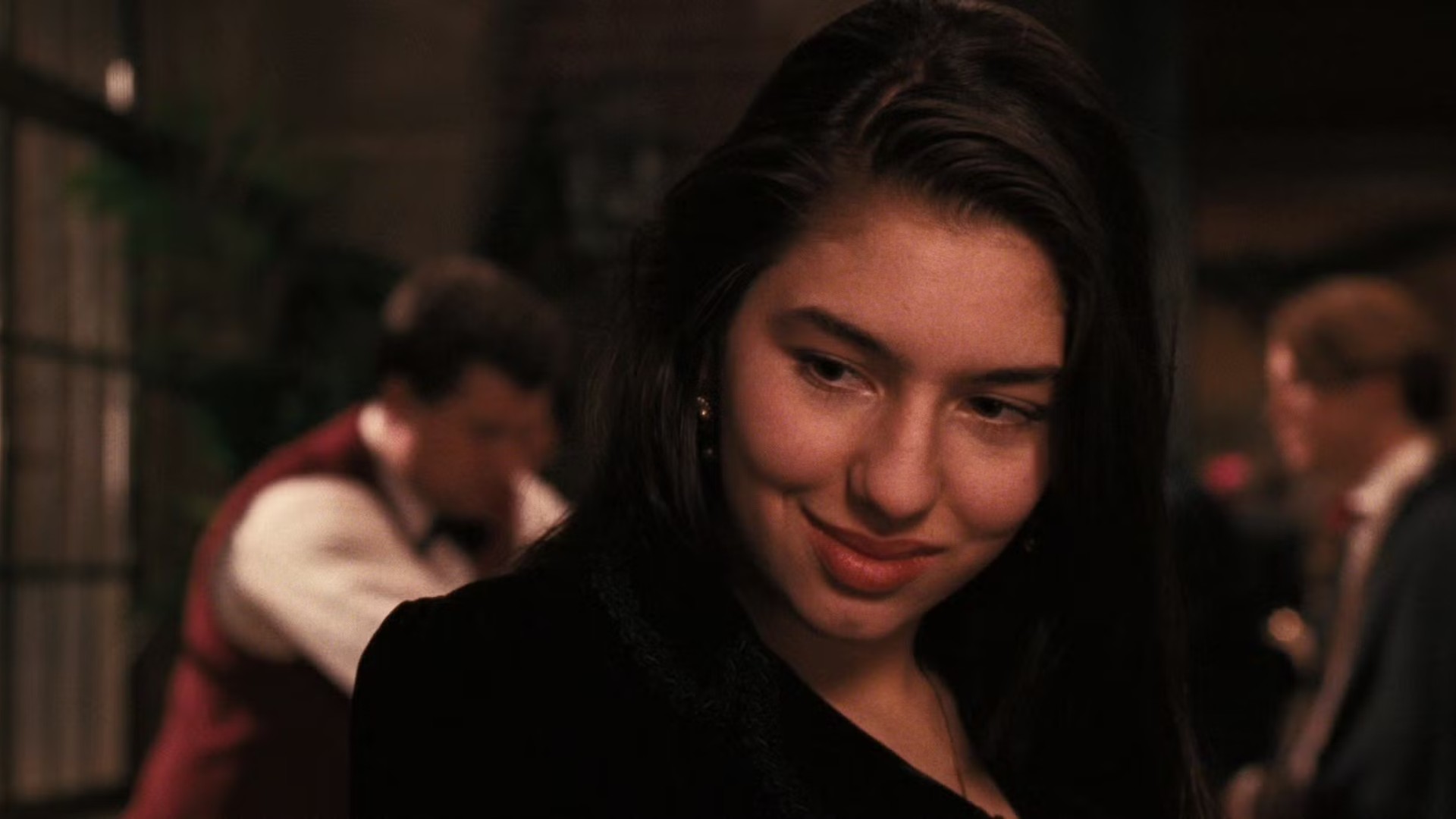
13. Sofia Coppola in 'The Godfather Part III' (1990)
Coppola was cast as Mary Corleone at the last minute, replacing Winona Ryder. Public perception of nepotism and criticism of her performance overshadowed the film itself. She subsequently moved behind the camera and built a highly successful directing career, receiving critical acclaim for 'Lost in Translation' and other films.
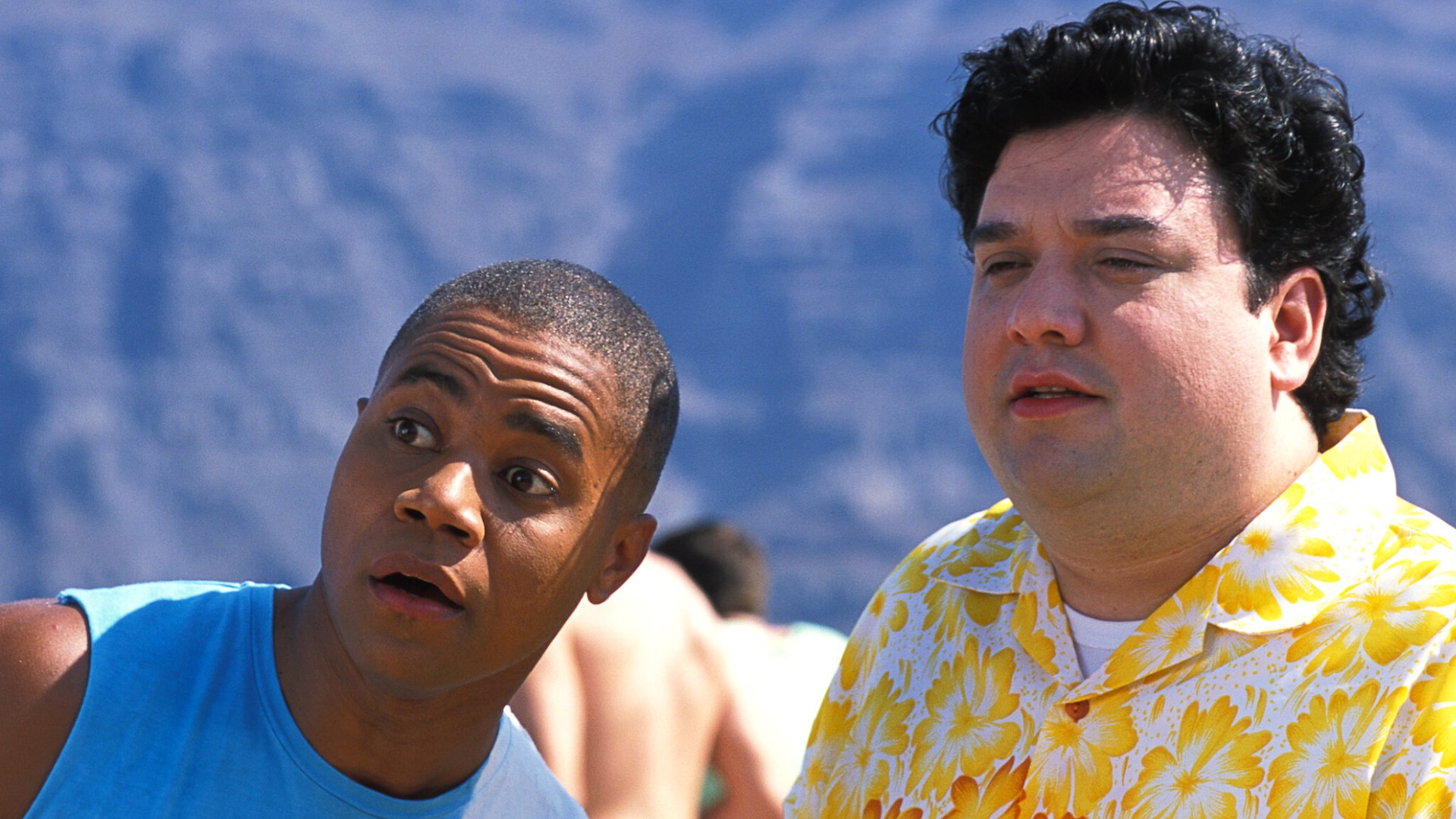
12. Cuba Gooding Jr. in 'Boat Trip' (2002)
Following his Oscar-winning role in 'Jerry Maguire', Gooding Jr. appeared in several low-budget and critically panned films. 'Boat Trip' was a particularly negative experience, contributing to diminished visibility in major Hollywood projects. He continued working in television and supporting roles while rebuilding his career.
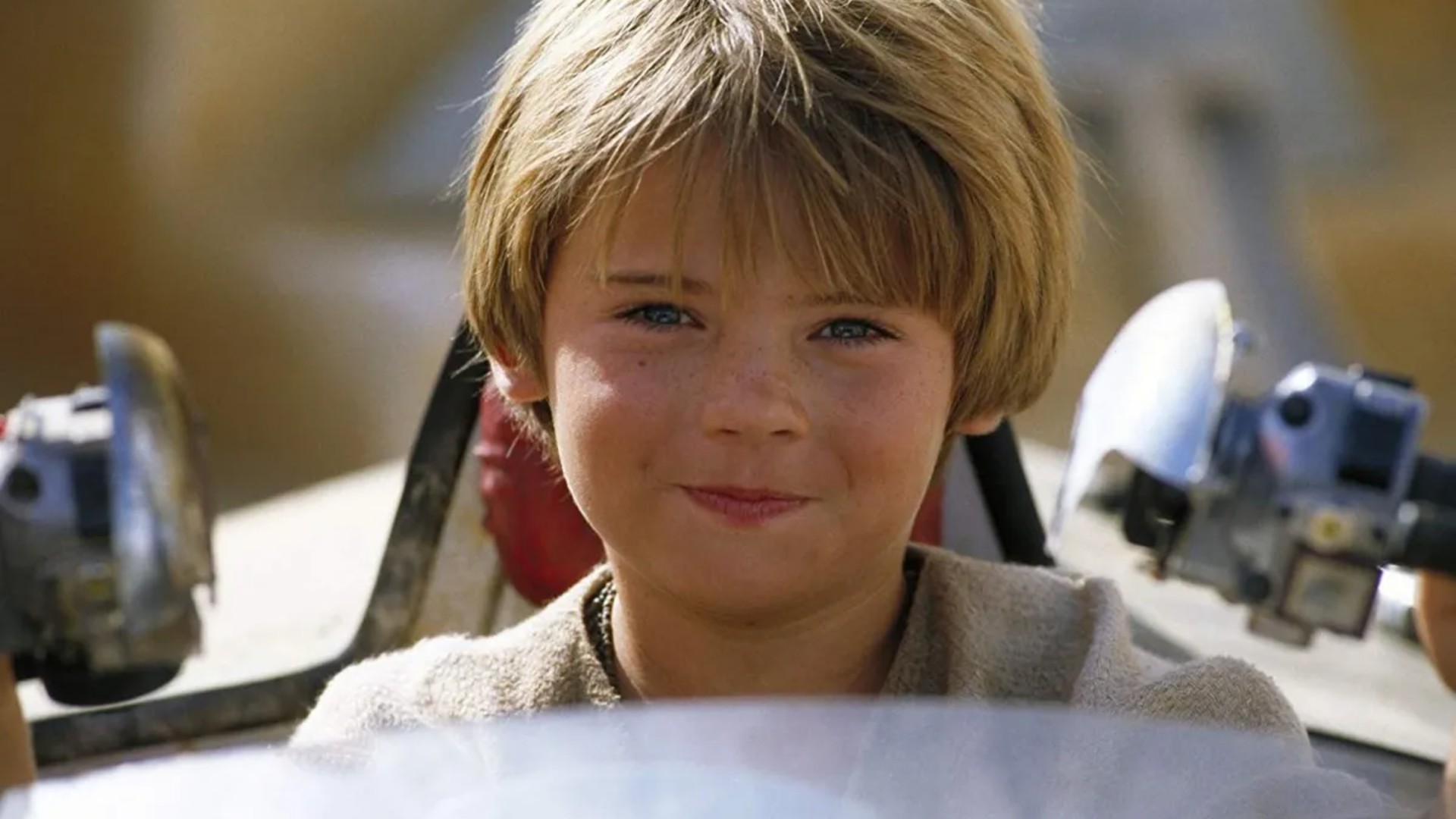
11. Jake Lloyd in 'Star Wars: Episode I – The Phantom Menace' (1999)
As young Anakin Skywalker, Lloyd faced intense fan criticism despite his age. Public backlash and bullying had a lasting impact on his mental health. He quit acting shortly after the film and stepped away from public life for several years. The experience demonstrates young actors' pressures when cast in high-profile franchises.
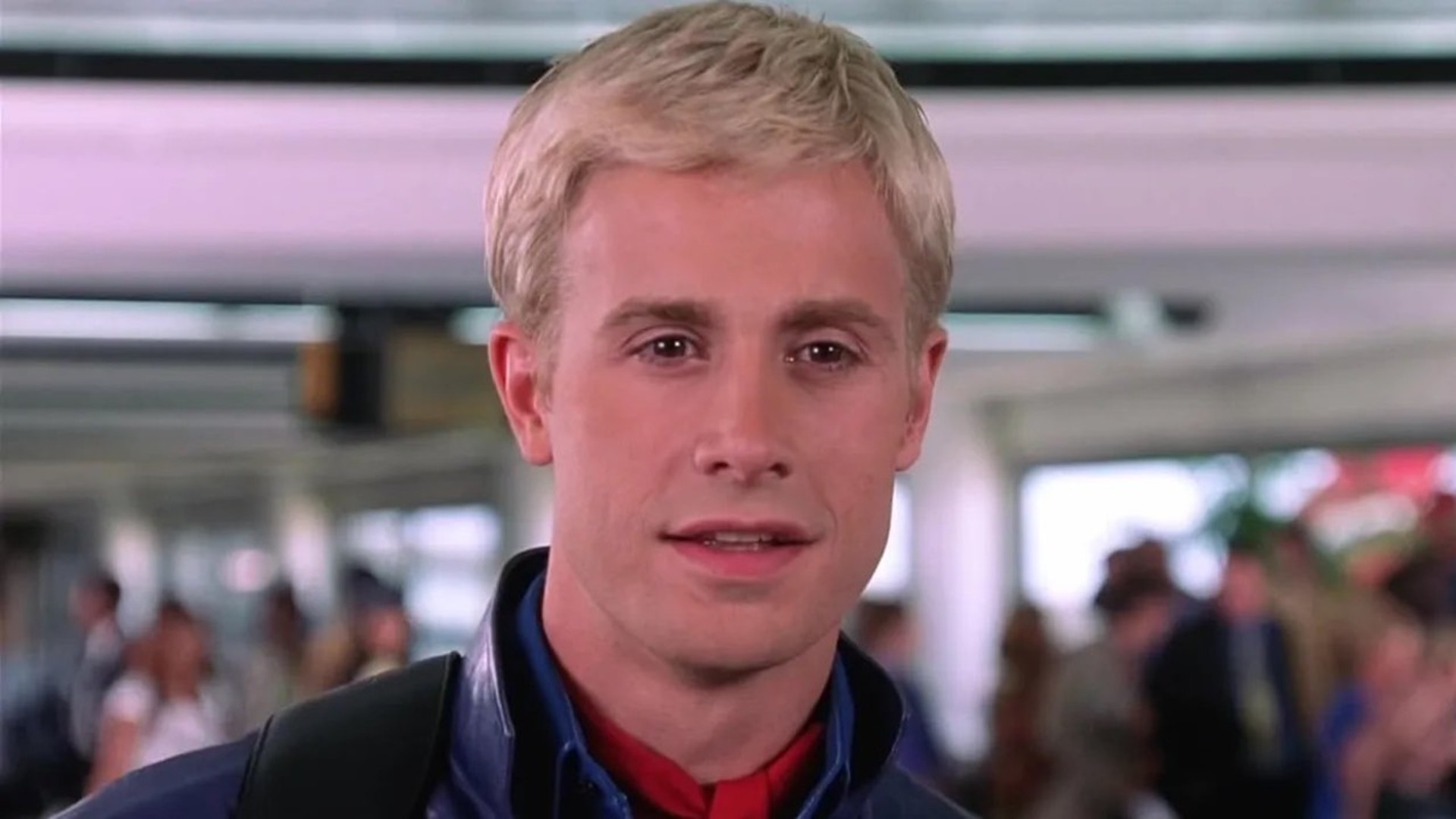
10. Freddie Prinze Jr. in 'Scooby-Doo' (2002)
While 'Scooby-Doo' performed moderately well at the box office, Prinze expressed frustration over the production experience. He reported dissatisfaction with the pay disparity compared to co-stars. The role contributed to his decision to take a break from acting. He later pursued voice acting and television work rather than returning immediately to leading film roles.
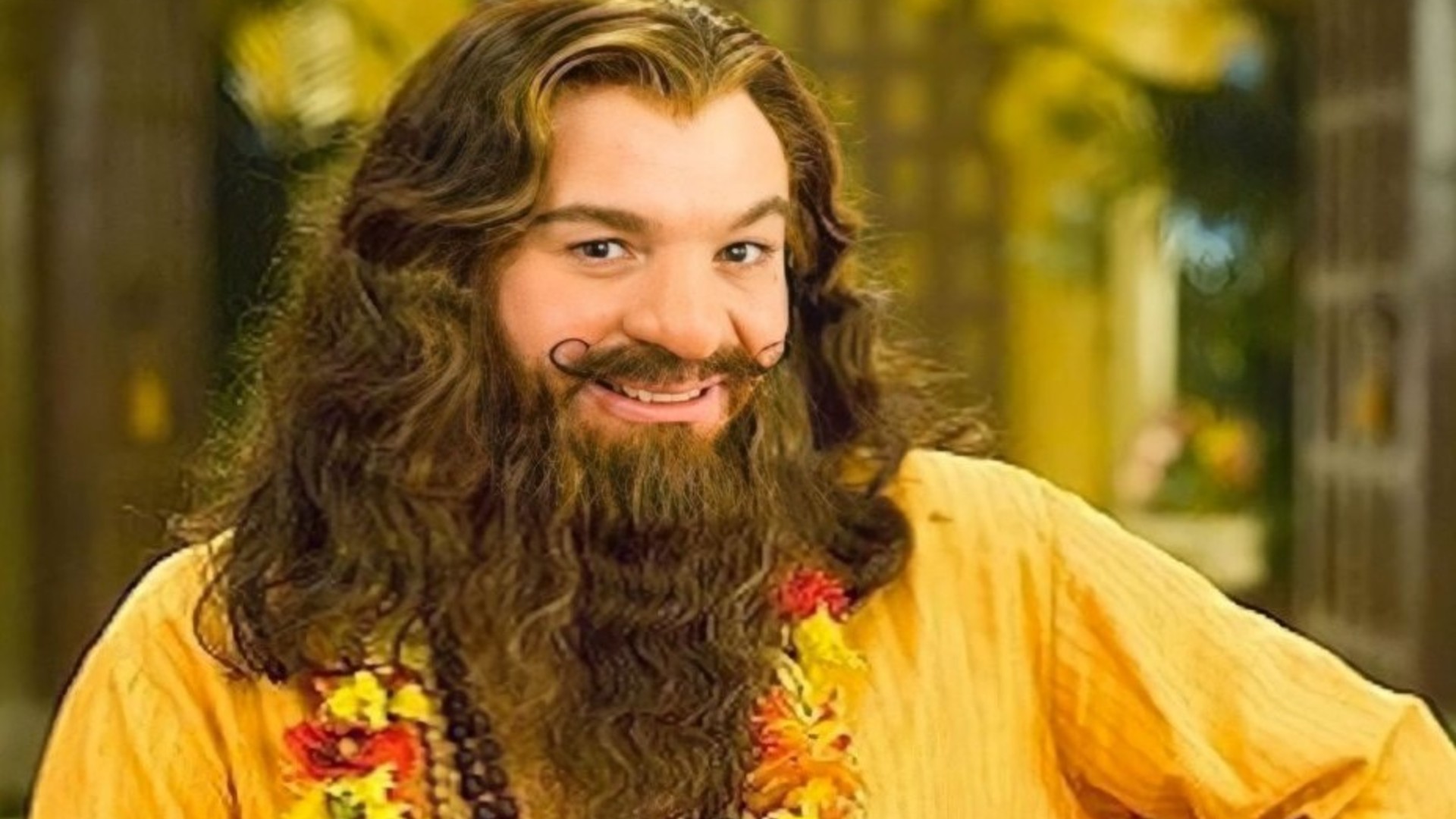
9. Mike Myers in 'The Love Guru' (2008)
Following the success of 'Austin Powers' and 'Shrek', Myers wrote, produced, and starred in 'The Love Guru'. The film was met with scathing reviews and poor box-office performance. It marked the end of Myers’ leading roles in major studio comedies for several years. He later returned to supporting voice roles and television projects to rebuild his career presence.
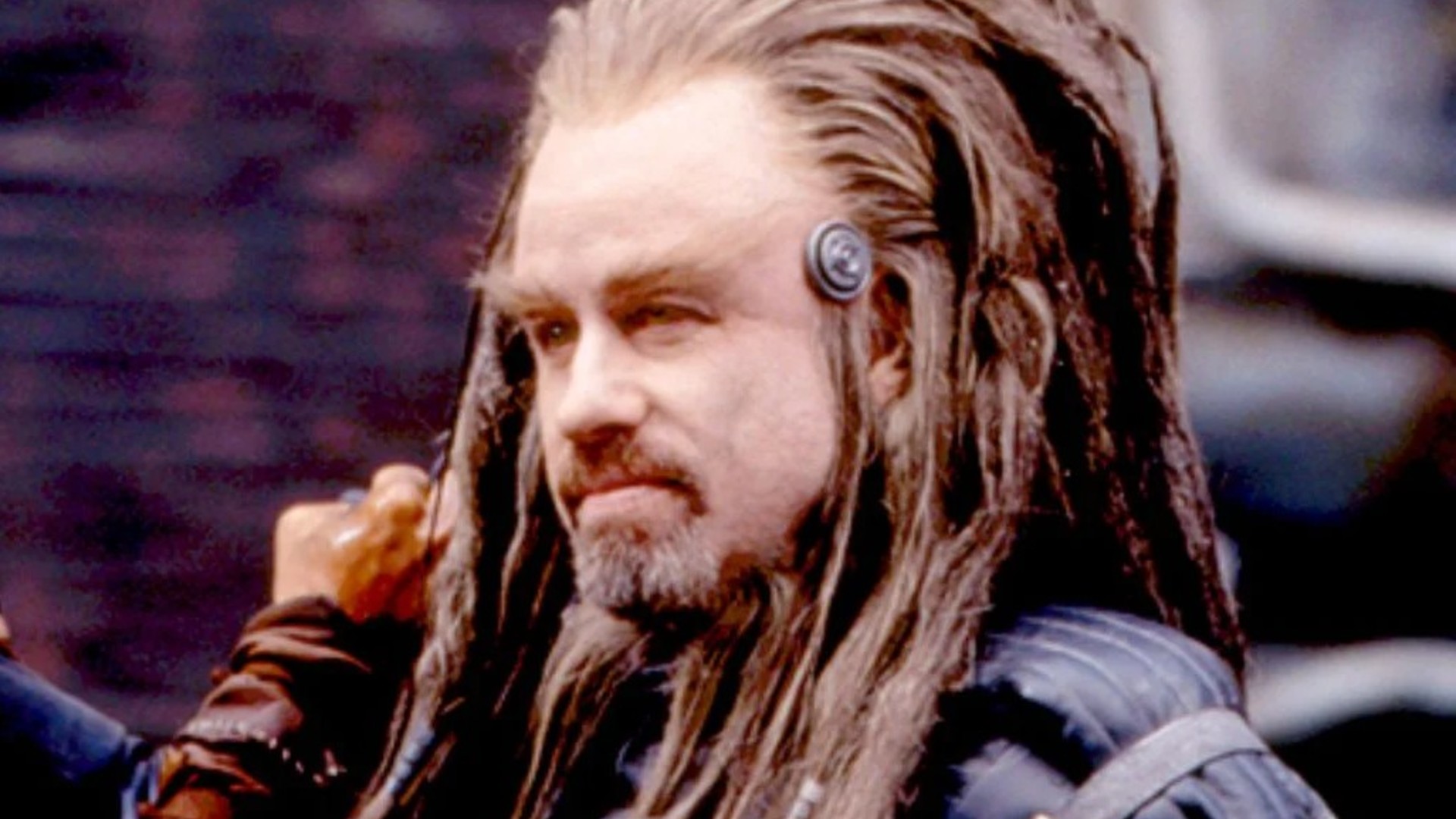
8. John Travolta in 'Battlefield Earth' (2000)
Travolta produced and starred in 'Battlefield Earth', a film based on L. Ron Hubbard’s novel. Critically derided and commercially unsuccessful, the film is frequently listed among the worst of Travolta's career. His career momentum slowed, and he focused on more minor roles and ensemble casts in the following years. The project remains a cautionary example of passion projects gone awry.
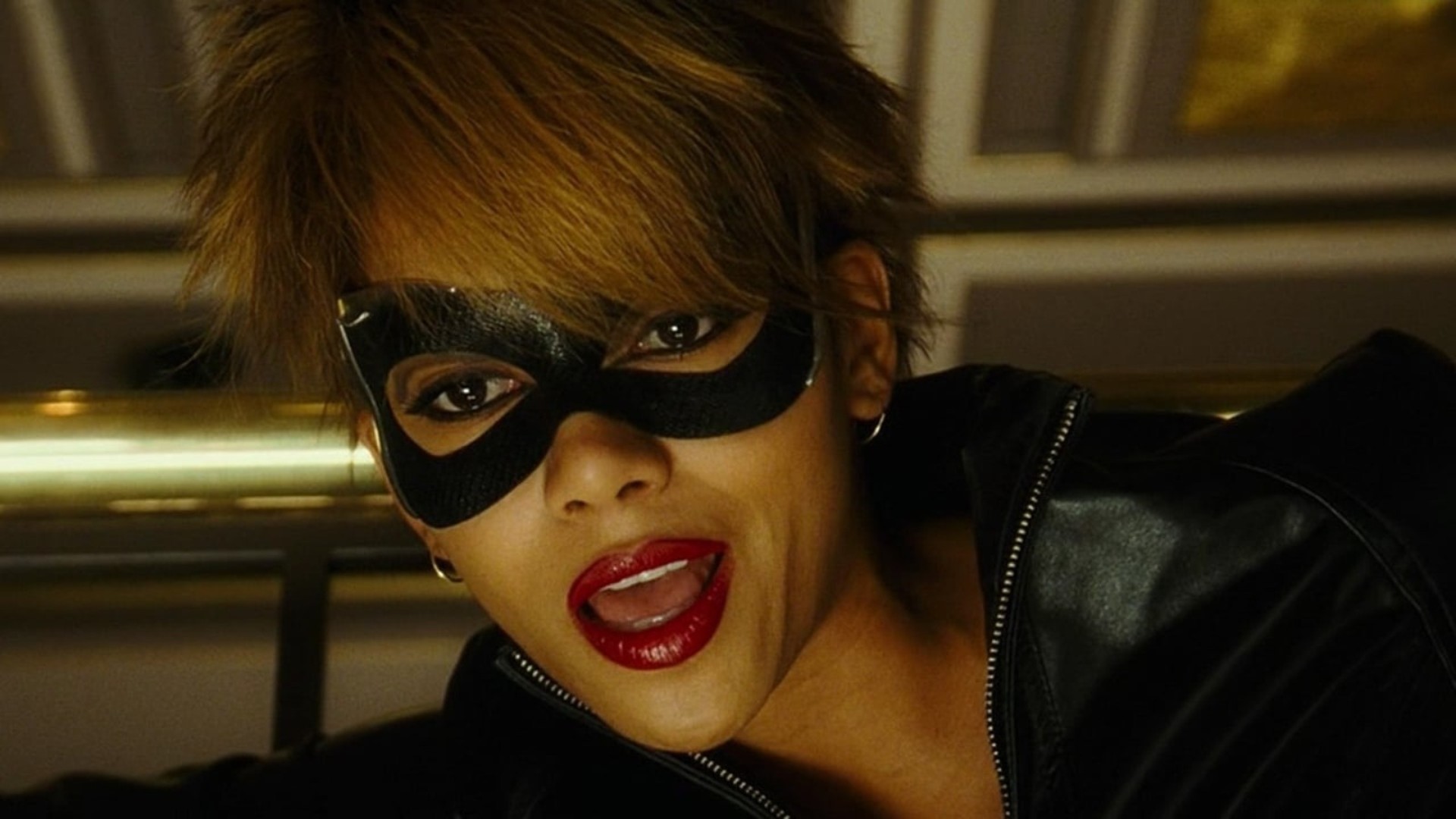
7. Halle Berry in 'Catwoman' (2004)
After winning an Oscar, Berry starred in 'Catwoman', a film that received critical scorn for its storyline, special effects, and characterization. Her acceptance of the Razzie Award for Worst Actress drew widespread media attention. The film's hostile reception affected her choice of subsequent projects, although she later regained recognition through acclaimed performances in dramas and thrillers.
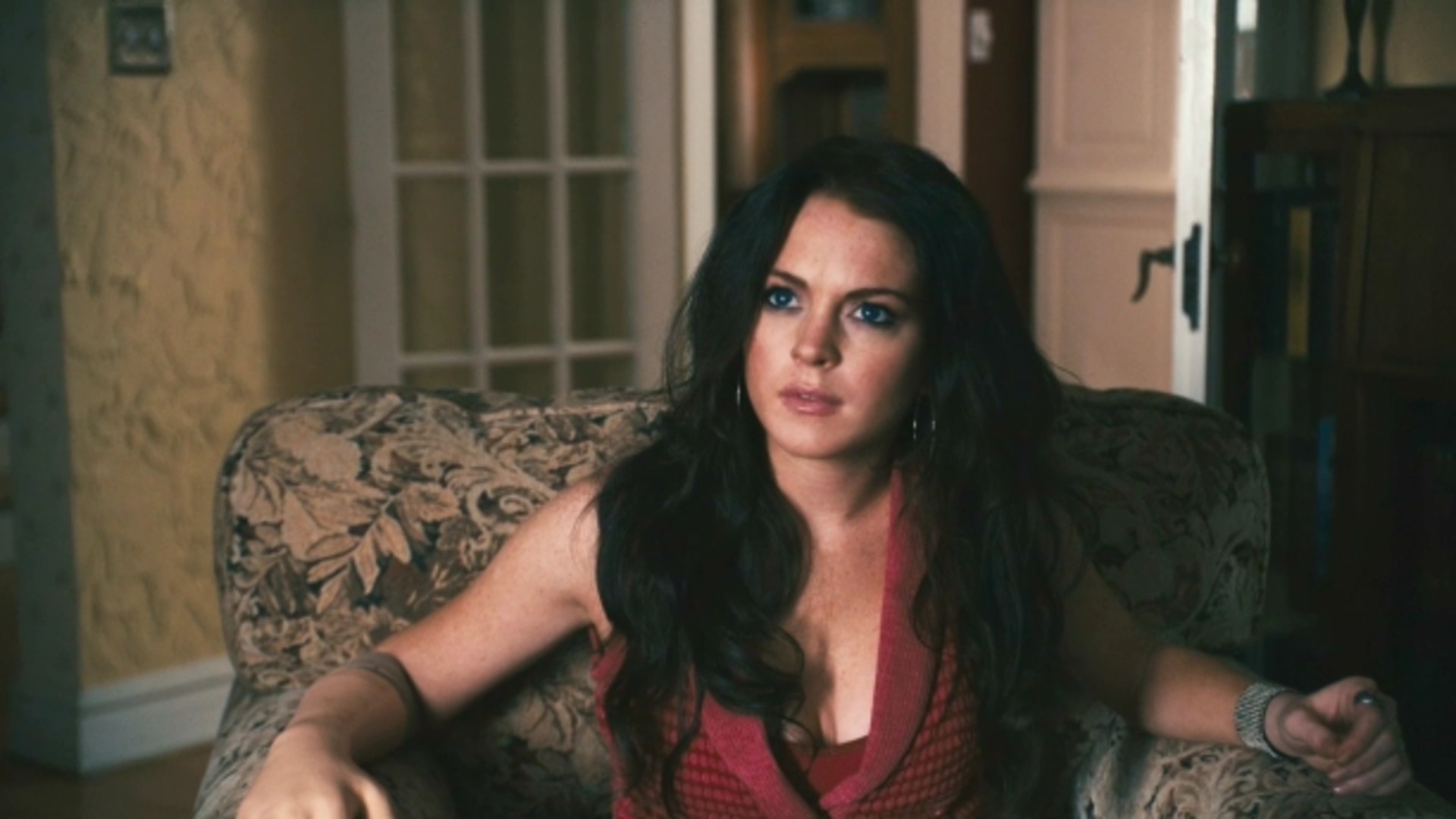
6. Lindsay Lohan in 'I Know Who Killed Me' (2007)
At the height of her public controversies, Lohan starred in the thriller 'I Know Who Killed Me', which was widely panned by critics. The film won seven Razzie Awards, including Worst Actress for Lohan. The box-office failure coincided with her personal struggles, further damaging her credibility as a dramatic actress. She continued working on smaller projects and television appearances, seeking to rebuild her career.
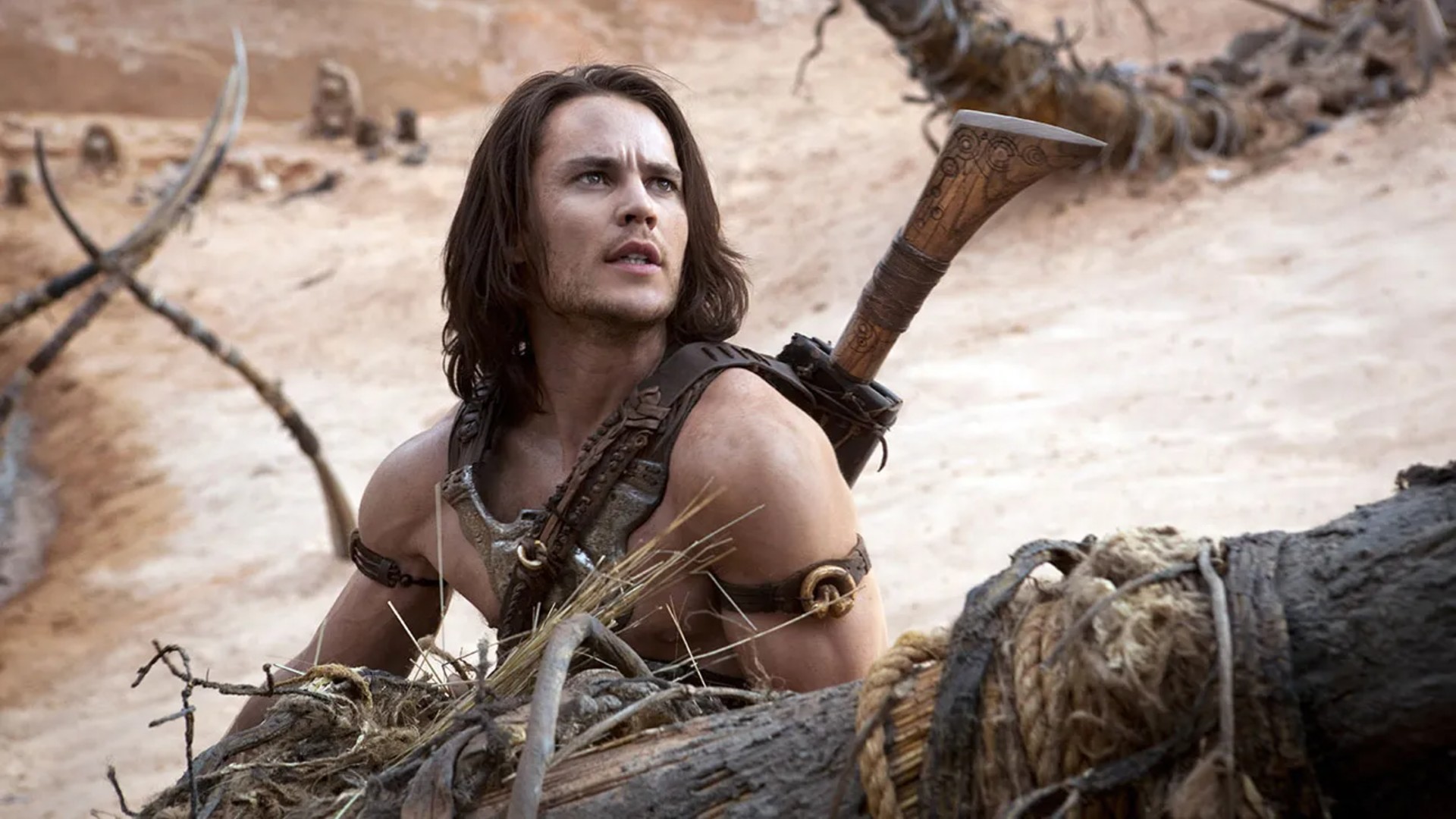
5. Taylor Kitsch in 'John Carter' (2012)
Taylor Kitsch gained early recognition for his role in Friday Night Lights. The same year, his leading roles in Battleship and John Carter ended in massive box-office failures. John Carter, in particular, was financially disastrous, affecting studios' confidence in Kitsch as a leading man. Subsequent offers leaned toward more minor supporting roles, delaying his mainstream breakthrough.
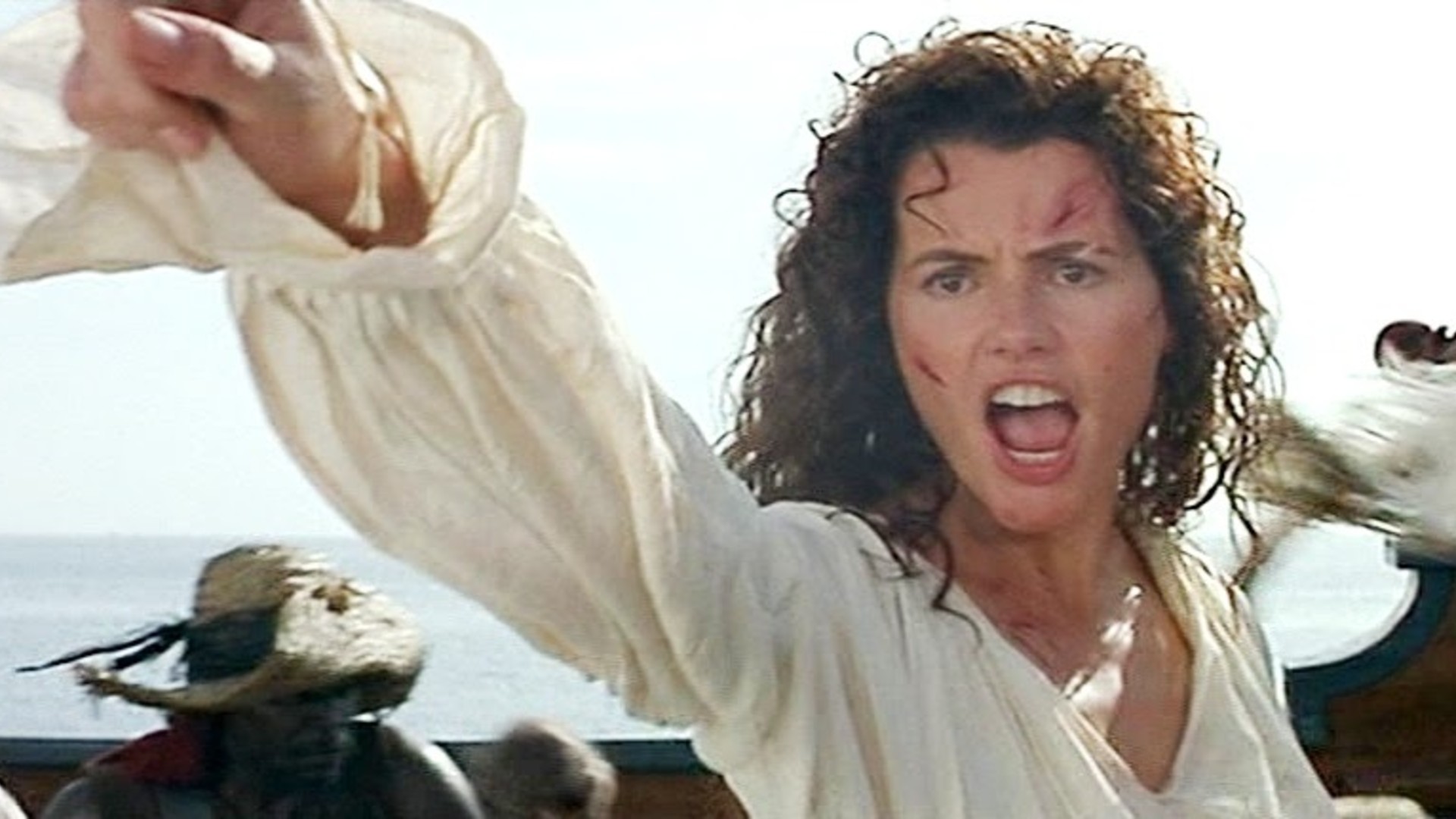
4. Geena Davis in 'Cutthroat Island' (1995)
A consistent box-office performer in the late 1980s and early 1990s, Geena Davis starred in Cutthroat Island, directed by her then-husband Renny Harlin. The film experienced budget overruns and production difficulties. Listed in the Guinness World Records as the biggest box-office bomb of all time, its failure halted Davis's ascent as a leading lady. In the aftermath, she transitioned toward supporting roles and television projects.
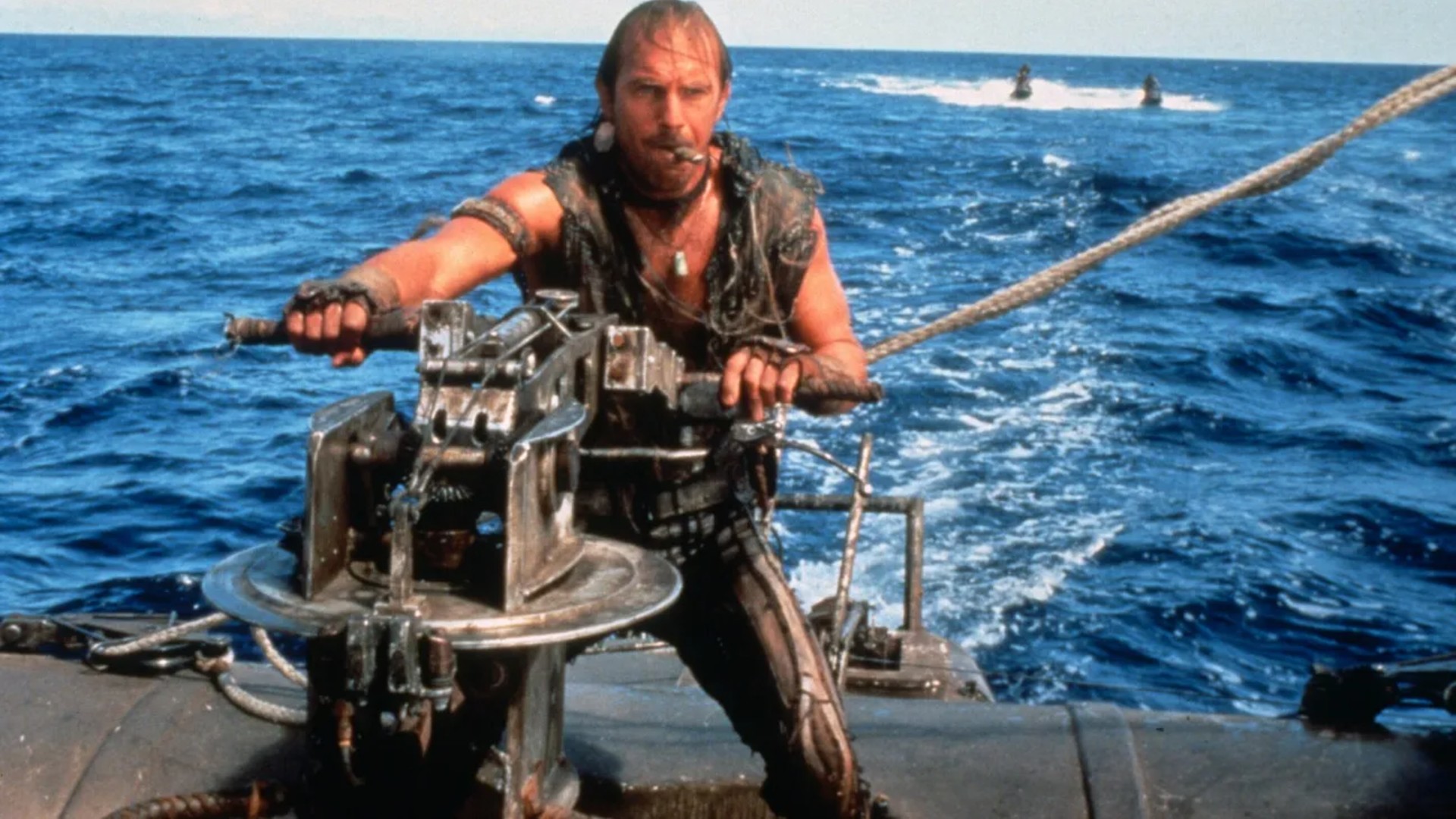
3. Kevin Costner in 'Waterworld' (1995)
After massive successes in the late 1980s and early 1990s, Costner took on producing and starring in the over-budgeted sci-fi epic 'Waterworld'. The film's troubled production, including weather delays and set mishaps, was publicized extensively. Although it eventually made a modest profit, its initial reception branded it a notorious flop. The movie negatively affected Costner's reputation as a bankable superstar, slowing his career momentum in the mid-1990s.
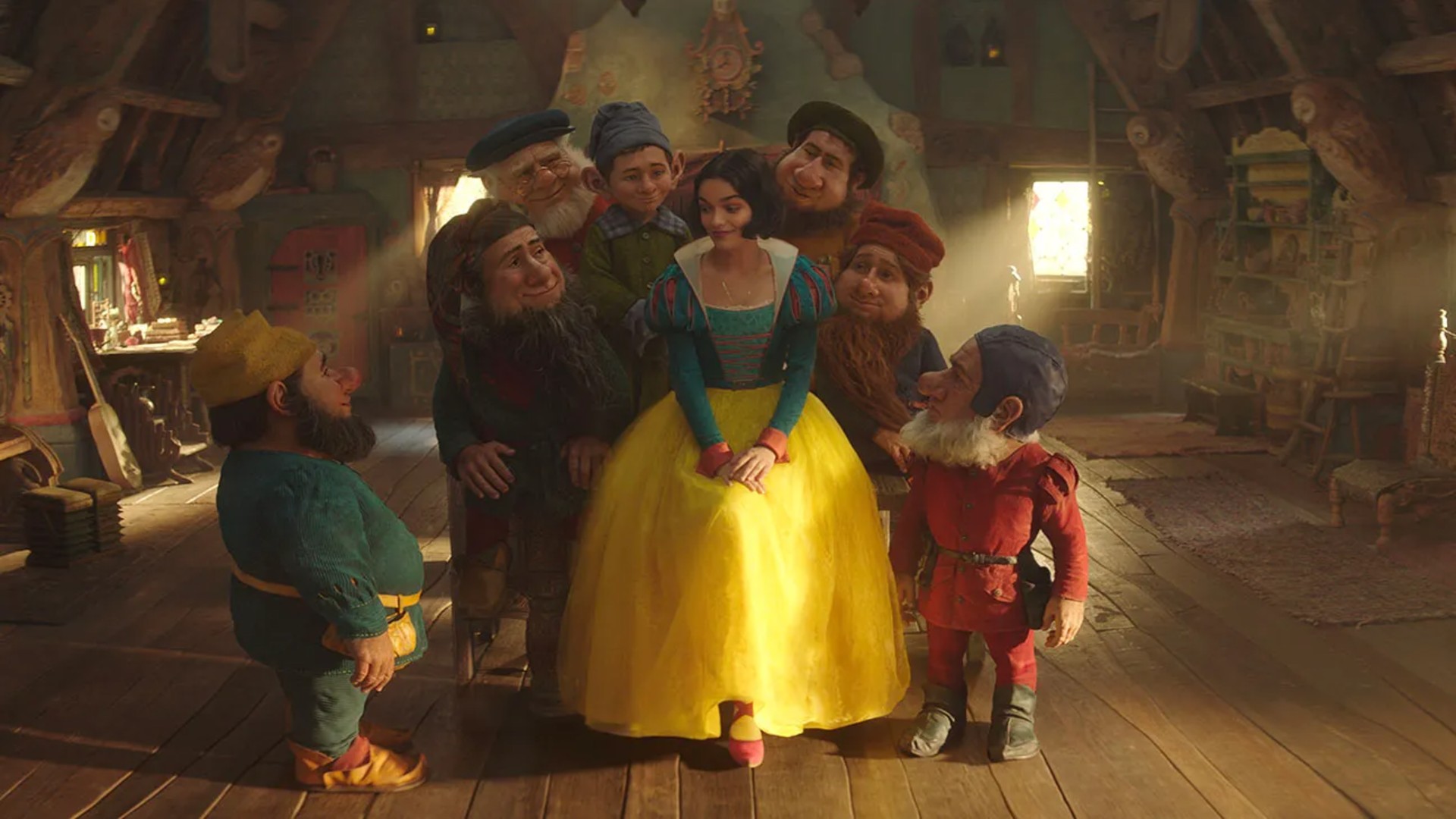
2. Rachel Zegler in 'Snow White' (2025)
Although she gained recognition for 'West Side Story' (2021) and 'The Hunger Games: The Ballad of Songbirds and Snakes' (2023), Rachel Zegler faced extensive online backlash following her casting as Snow White. Critics pointed to her comments, calling the original film "dated" and arguing for a modernized, less "stalker-y" story. Her political remarks and the film's creative choices amplified the controversy, including its reimagining of the seven dwarves. When the film underperformed at the box office, some observers unfairly placed the blame squarely on Zegler, potentially hindering her early film career momentum.
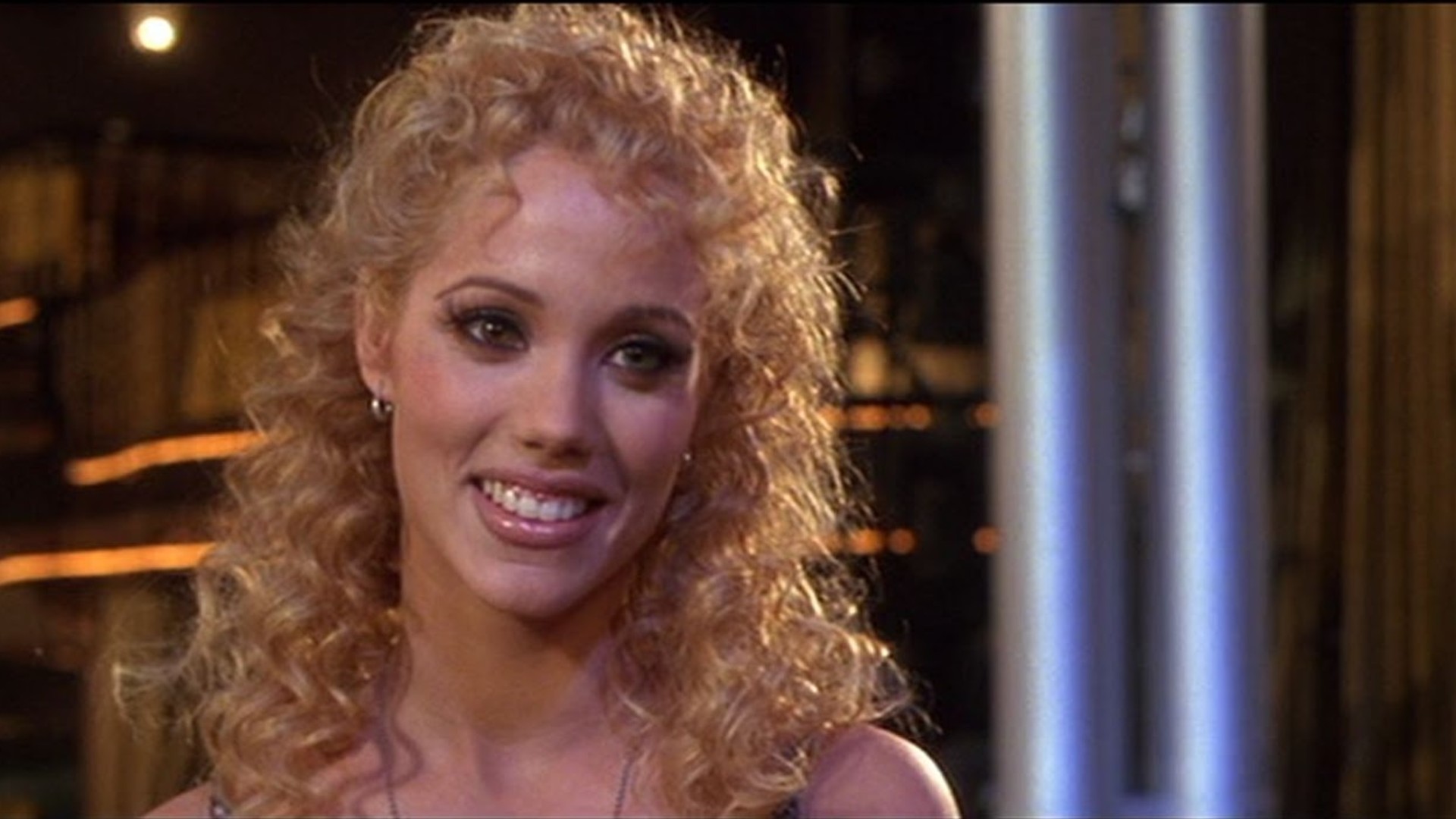
1. Elizabeth Berkley in 'Showgirls' (1995)
Berkley was known for playing good-girl Jessie Spano on 'Saved by the Bell'. Her dramatic turn as an erotic dancer in Paul Verhoeven's 'Showgirls' was intended to be her breakout movie role. Instead, the film was widely panned, receiving multiple Razzie nominations. The controversy over its explicit content overshadowed her performance, causing a significant setback to her film career. Over the years, she shifted focus toward television and stage work while gradually rebuilding her reputation.