25 Most Iconic Moments in the Marvel Cinematic Universe So Far
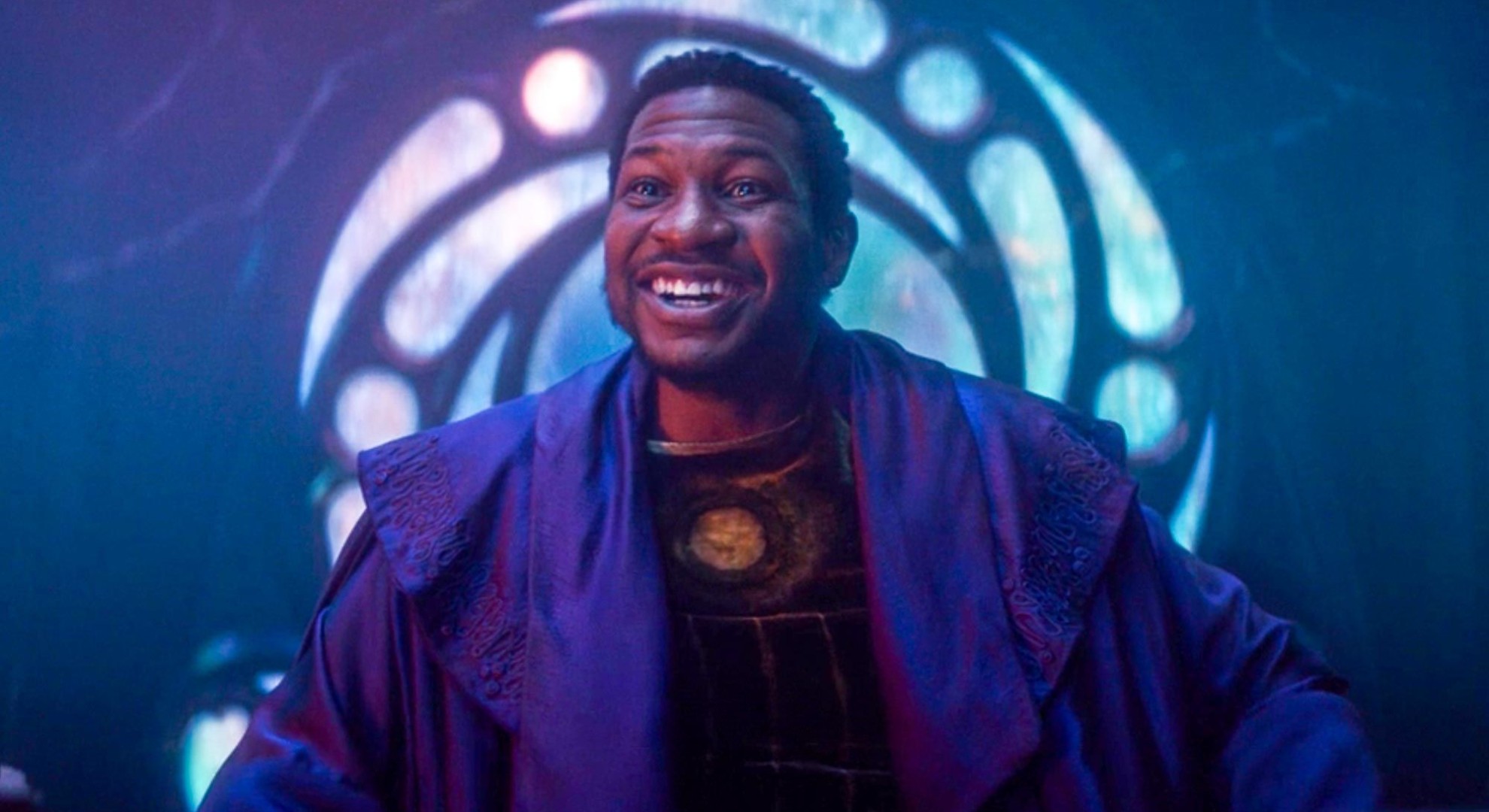
25. Kang / He Who Remains
He Who Remains reveal reframes the multiverse from accident to manipulated architecture with political stakes. The scene introduces a new kind of antagonist: patient, bureaucratic, and morally ambiguous rather than purely monstrous. It widens the MCU’s scale while promising a saga where timelines, governance, and destiny are at play. Narratively, Kang’s entry shifts focus to long-form plotting: consequences ripple across phases, not just movies. It’s ominous and exciting because it suggests the real war ahead is conceptual as well as physical.
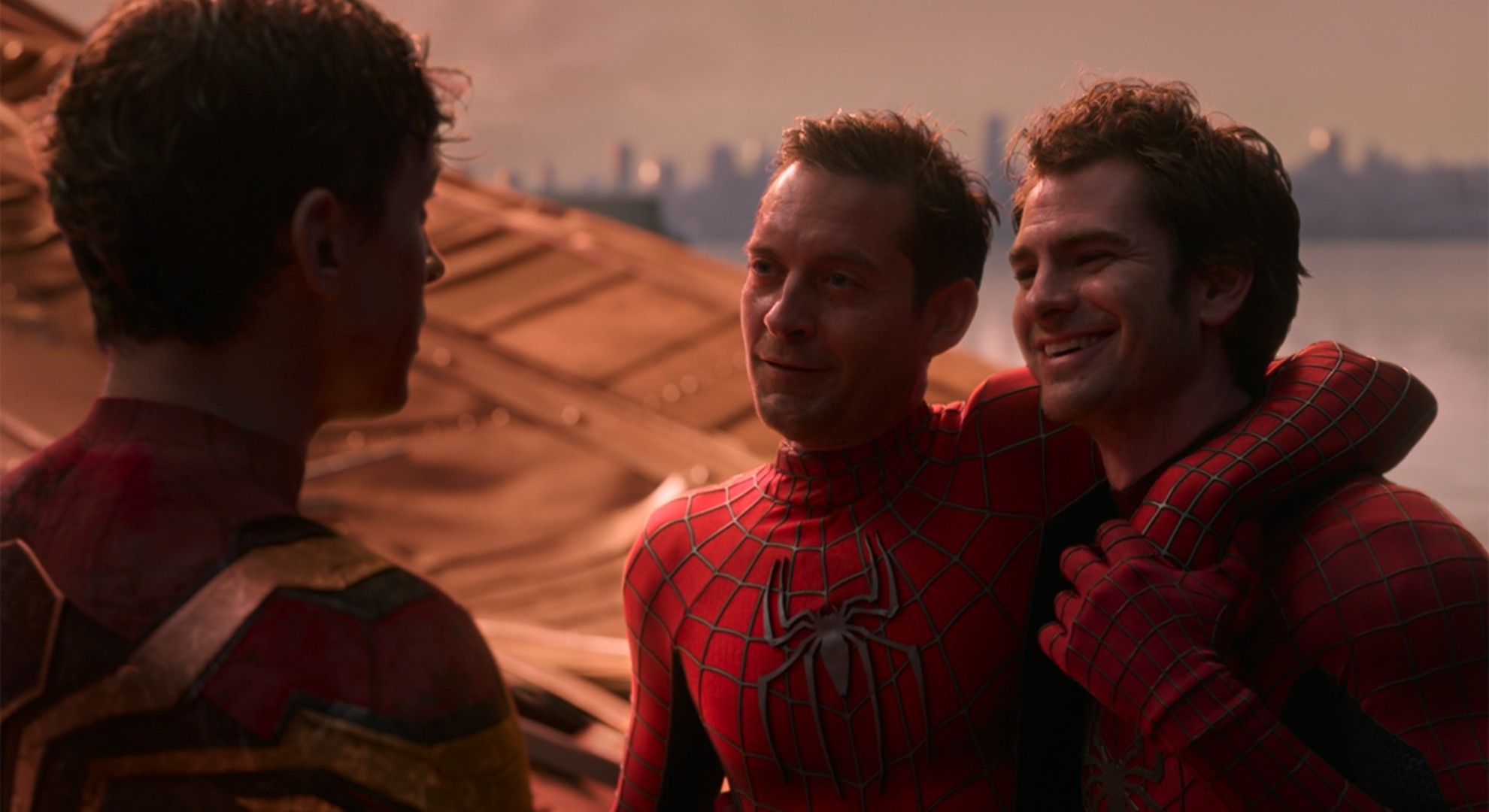
24. Three Spider-Men (Spider-Verse live-action team-up)
Bringing three cinematic Spider-Men together is nostalgia turned into narrative balm and celebration. It leverages decades of fandom while using the moment to underline shared values of responsibility. The sequence is joyful and emotional because it validates different portrayals as part of one tradition. It also delivers meta-catharsis: fans get to see heroes they grew up with fighting side-by-side. The payoff works because it’s not just a cameo parade; it’s an emotional reckoning with legacy.
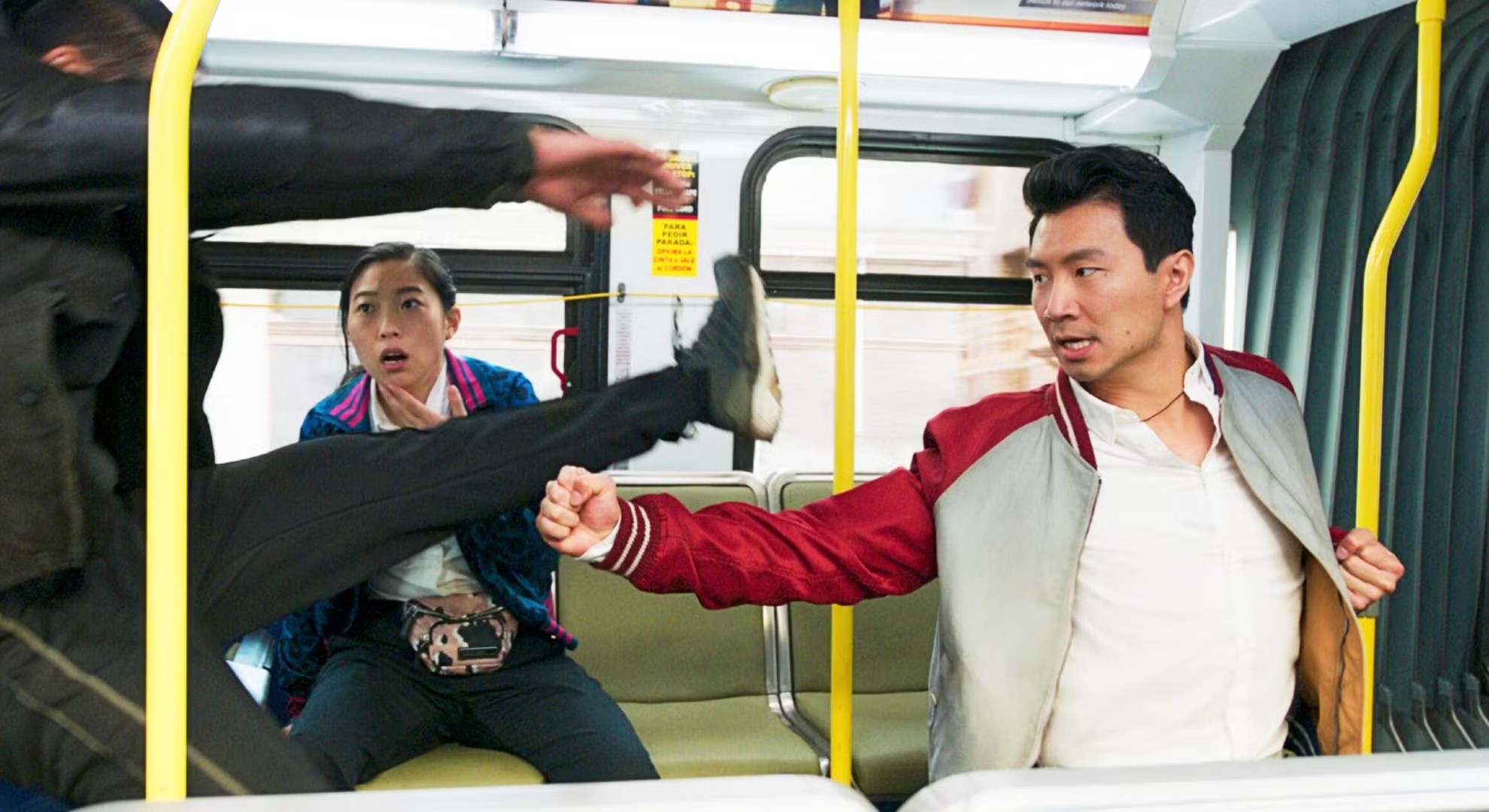
23. The Bus Fight (Shang-Chi)
The bus choreography reintroduces hand-to-hand heroics with a grounded, kinetic flair that feels cinematic and real. It highlights the franchise’s expanding stylistic palette, intimate martial arts over broad CGI slugfests. The fight advances character: skill, restraint, and stakes are all communicated through movement. It also establishes Shang-Chi’s tonal identity: discipline, family conflict, and visceral physicality. As an action set piece, it’s immediate, memorable, and a sign of MCU maturity in fight design.
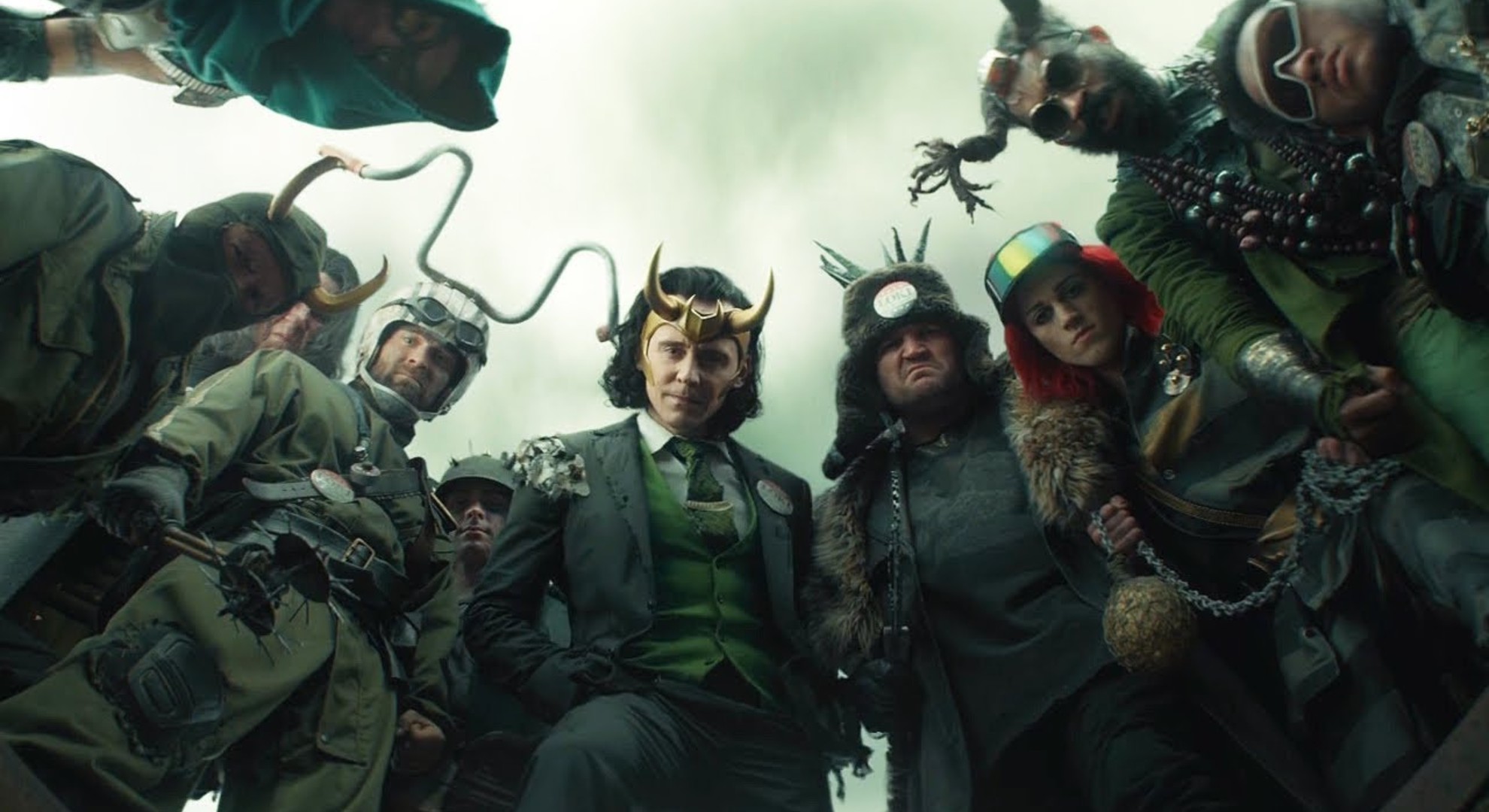
22. Meeting the Variants (Loki)
The variant chamber is playful worldbuilding that turns multiverse theory into character comedy and critique. Seeing multiple Lokis reframes him as an archetype and gives glimpses of the choices he could have made. It balances high concept with low comedy, proving the MCU can be inventive and self-aware simultaneously. The sequence also seeds the wider multiverse chaos while sustaining emotional curiosity about identity. Fans loved it because it mixes novelty with genuine character insight.
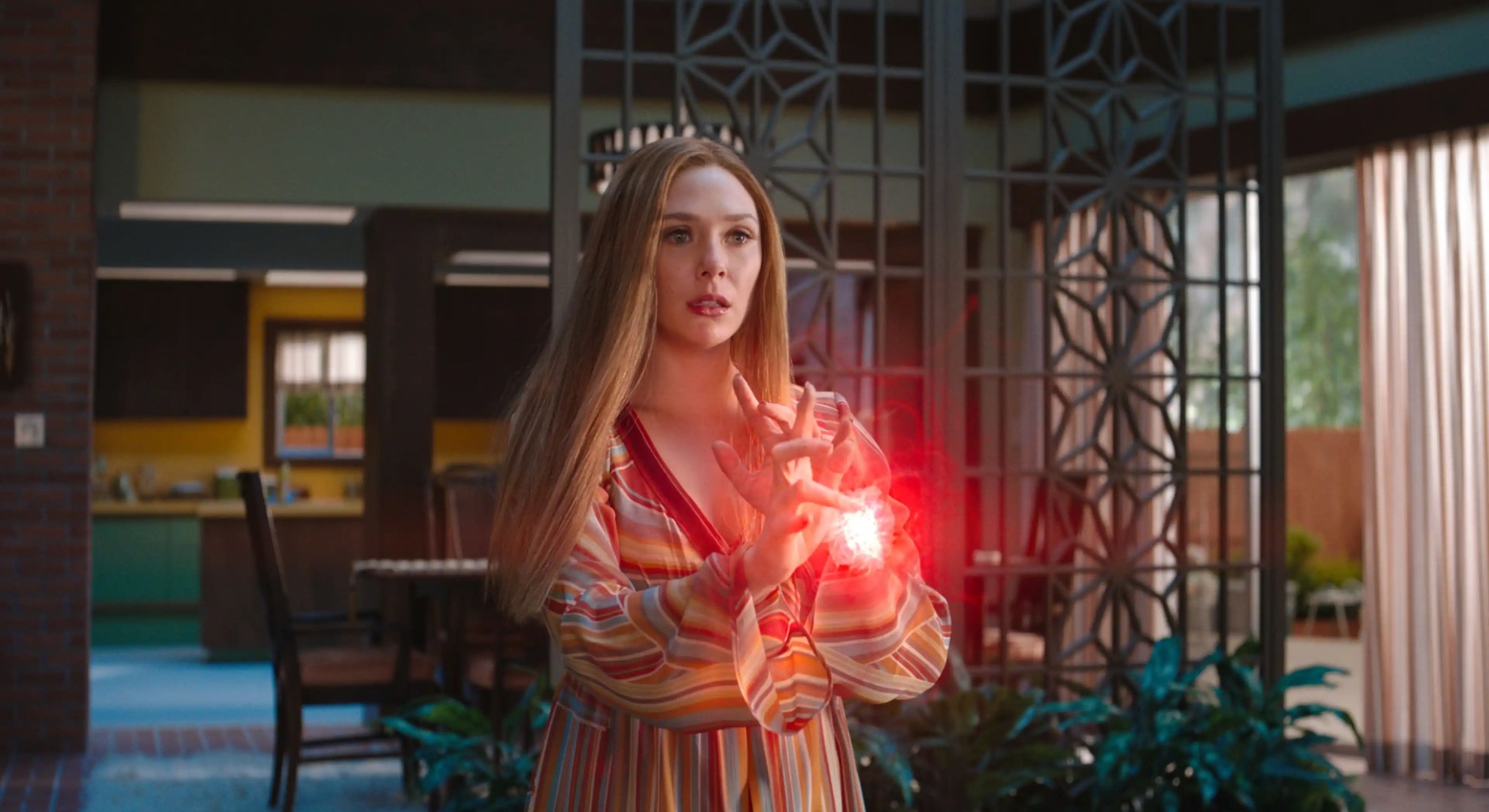
21. The Scarlet Witch Rises
Wanda’s transformation is tragic and terrifying; grief becomes a weapon that unravels reality itself. It complicates the hero/villain binary by showing power driven by loss rather than malice. The sequence expands the MCU tonal range into psychological horror and intimate tragedy. It also raises questions about responsibility, trauma, and the ethics of retribution in superhuman terms. Aesthetically, it’s haunting: intimate close-ups plus large-scale reality-bending effects.
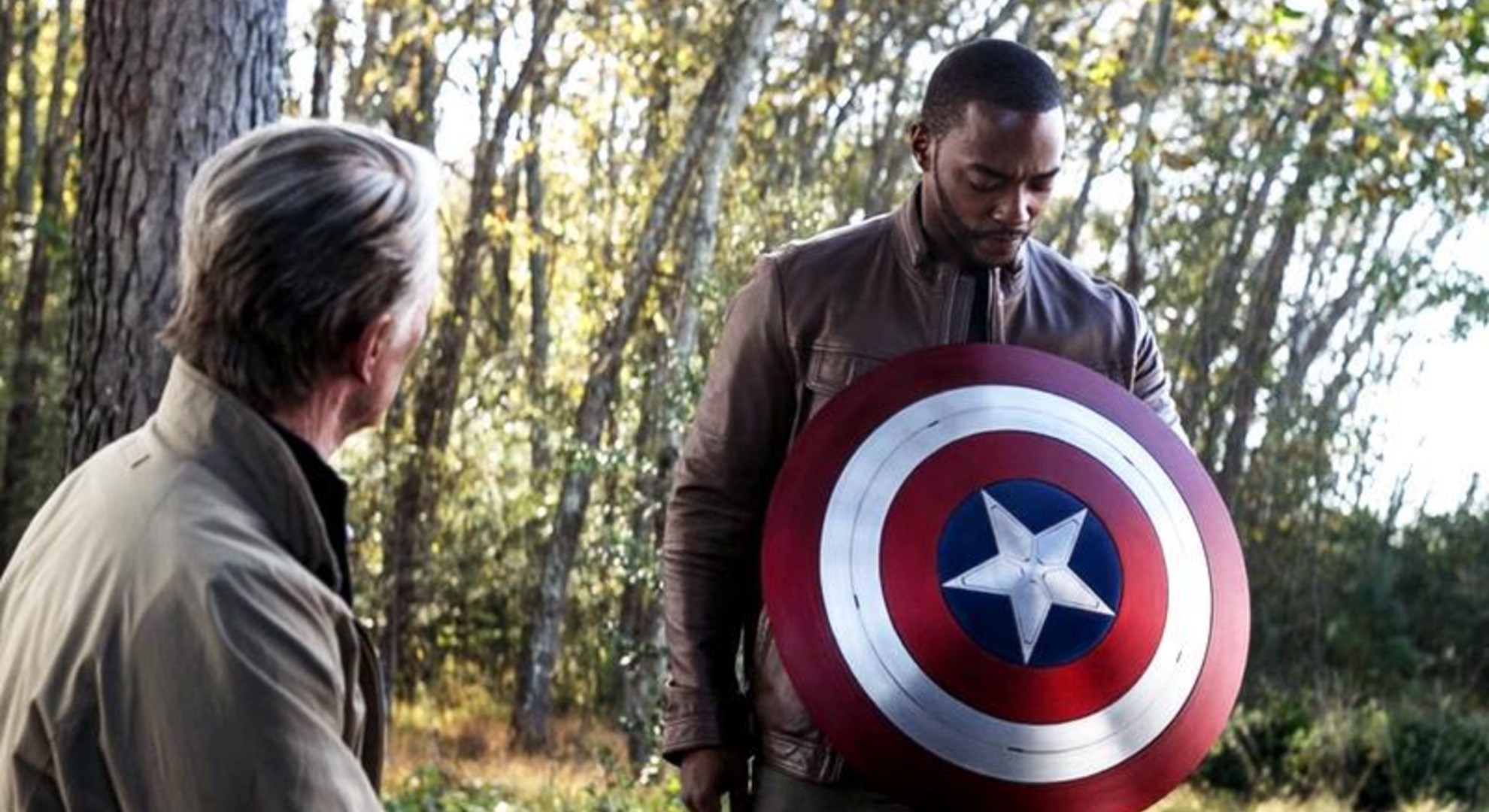
20. A New Captain America (Sam Takes the Shield)
Sam accepting the shield reframes legacy as a conversation, not a straight inheritance. It expands the symbol of Captain America from a single man to an idea that can be adapted by different leaders. The moment balances politics and identity, asking who represents a nation and why it matters in the present. It’s a hopeful, quieter kind of heroism, stewardship instead of conquest, that modernizes the mantle. For fans, it’s catharsis: the past honored, while the future gets a voice rooted in lived experience.
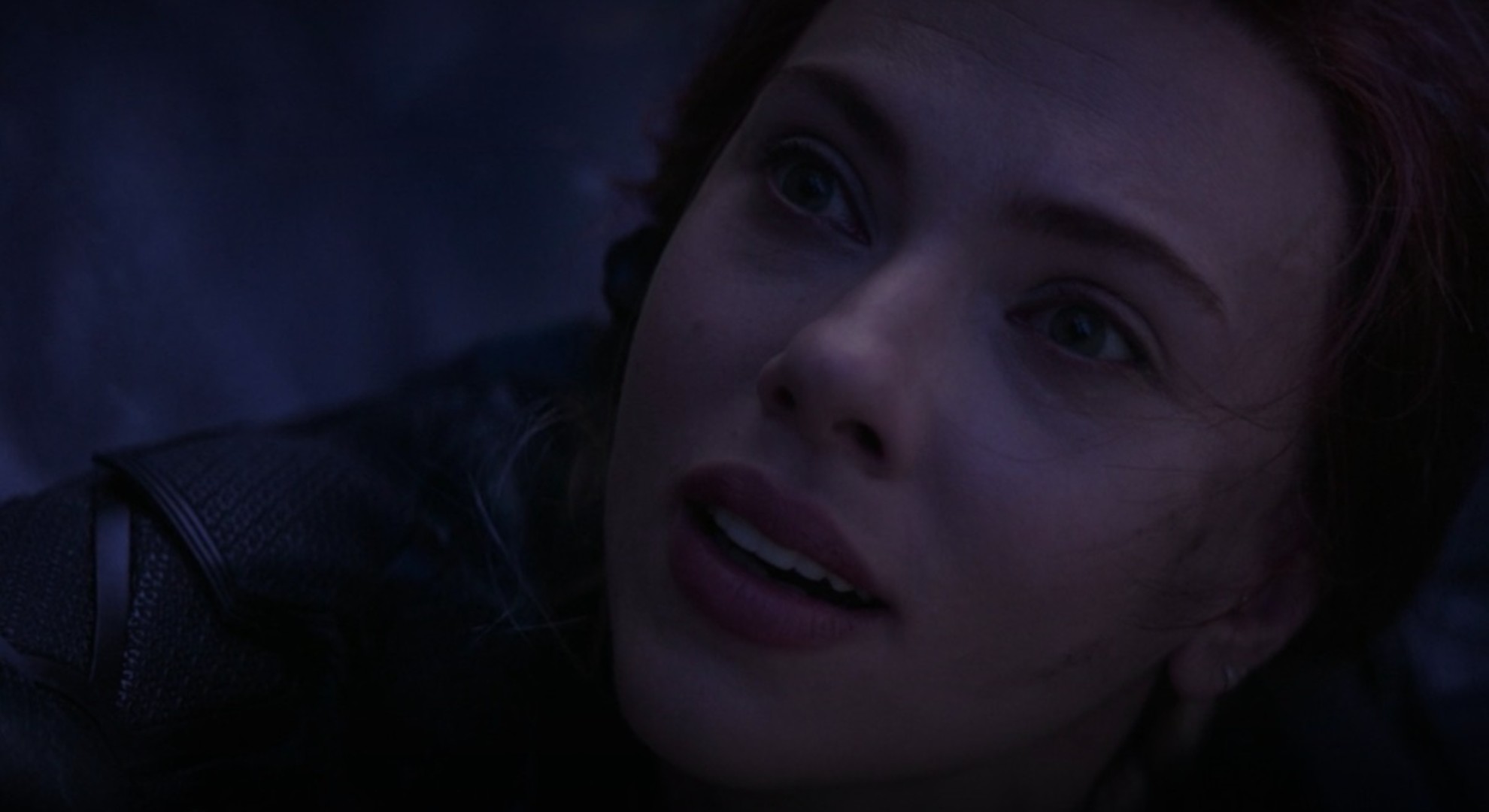
19. Natasha’s Sacrifice (Vormir)
Natasha’s choice is painful because it’s not just plot necessity; it responds to years of guilt, agency, and atonement. Her death reframes the Avengers’ moral calculus: someone must pay for the chance to save everyone. It also completes her arc from lone operative to full team member who gives herself for the greater good. The scene’s emotional force comes from the personal histories involved, not just the cinematic setup. It’s controversial but effective: a heroic death that provokes debate about narrative responsibility.
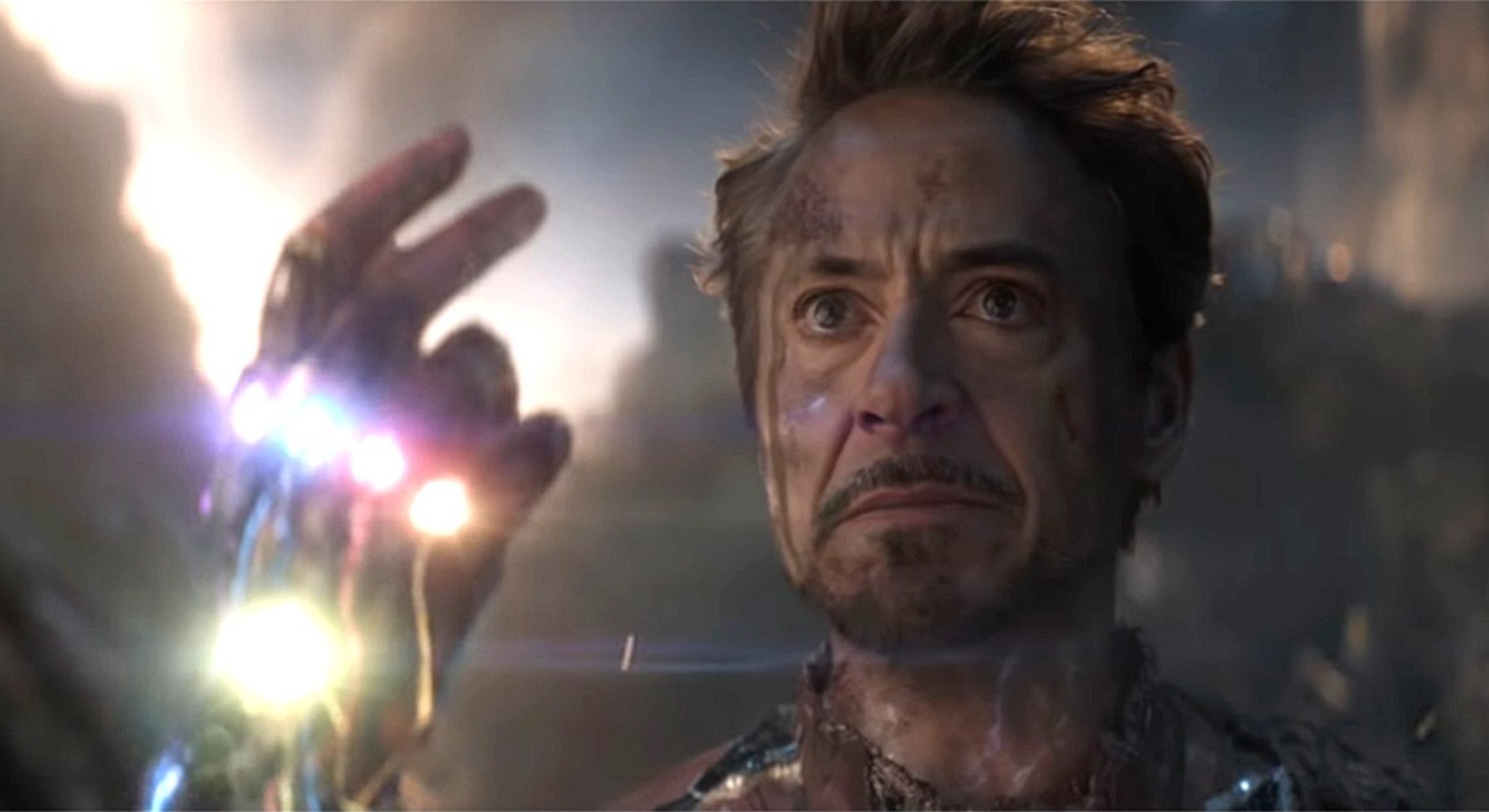
18. I Am Iron Man (Tony’s Final Snap)
Tony’s snap bookends his arc: showman turned savior who understands the price of decisive action. It’s heroism as a literal sacrifice, decisive, solitary, and final, which gives the endgame moral clarity. The scene closes Stark’s emotional throughline from narcissist to martyr in a single, devastating beat. Cinematically, it’s intentionally intimate amid cosmic whirl: close-ups, breath, and the weight of a universe. It’s resonant because it honors the character’s contradictions and gives them a noble resolution.
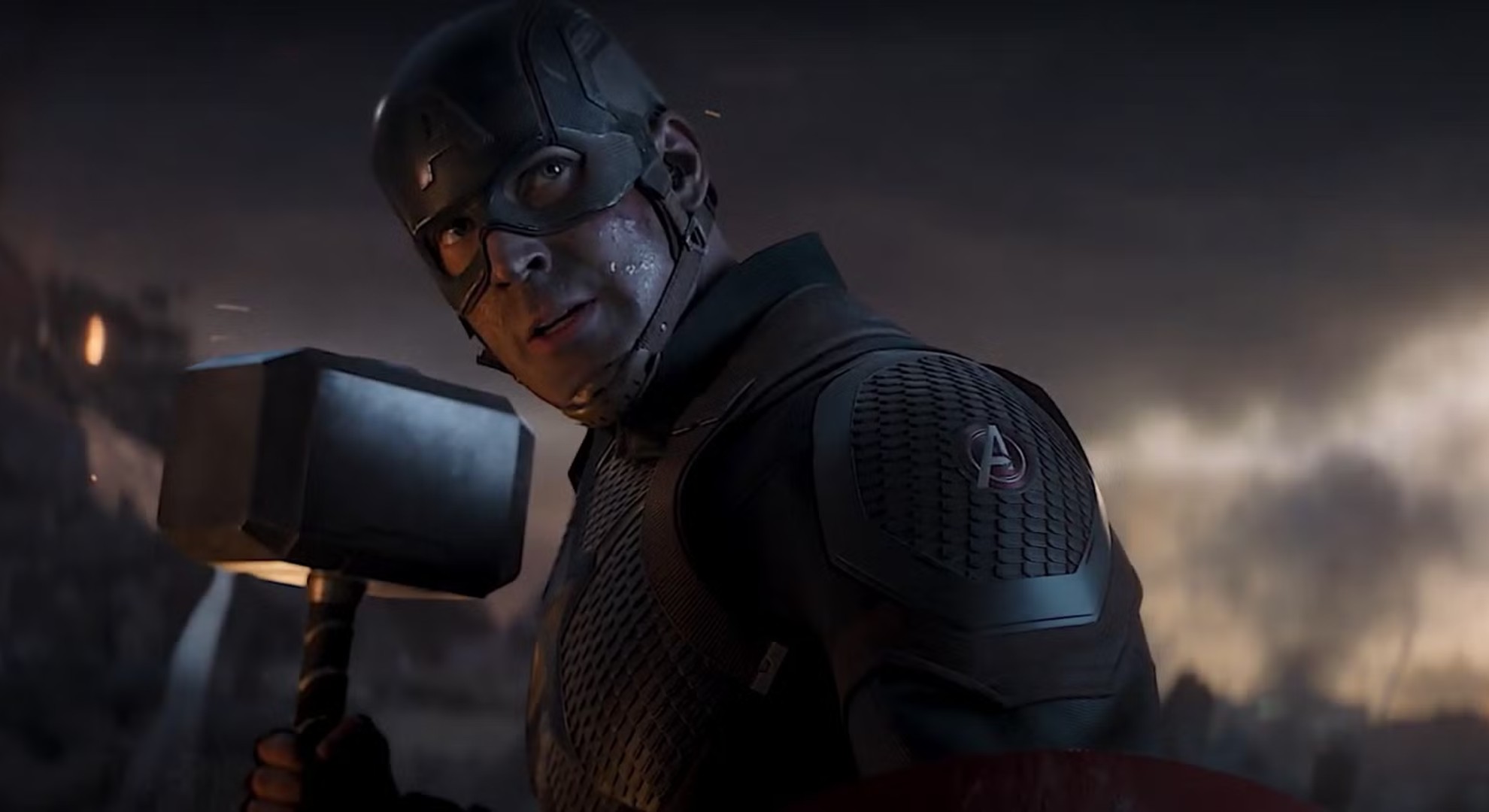
17. Captain America Wields Mjolnir
Cap lifting Mjolnir is the payoff of a long-term setup about worthiness, a moral confirmation in the midst of chaos. The moment is staged for maximum thunder: reversed expectations, crowd noise, and a spike of pure joy. It validates Steve’s character as morally consistent and heroic in a way that’s both narrative and symbolic. It also subverts power hierarchies: the hammer is the test, and the test affirms human virtue over brute lineage. The cheer it drew made the moment feel like a collective reward for patient storytelling.
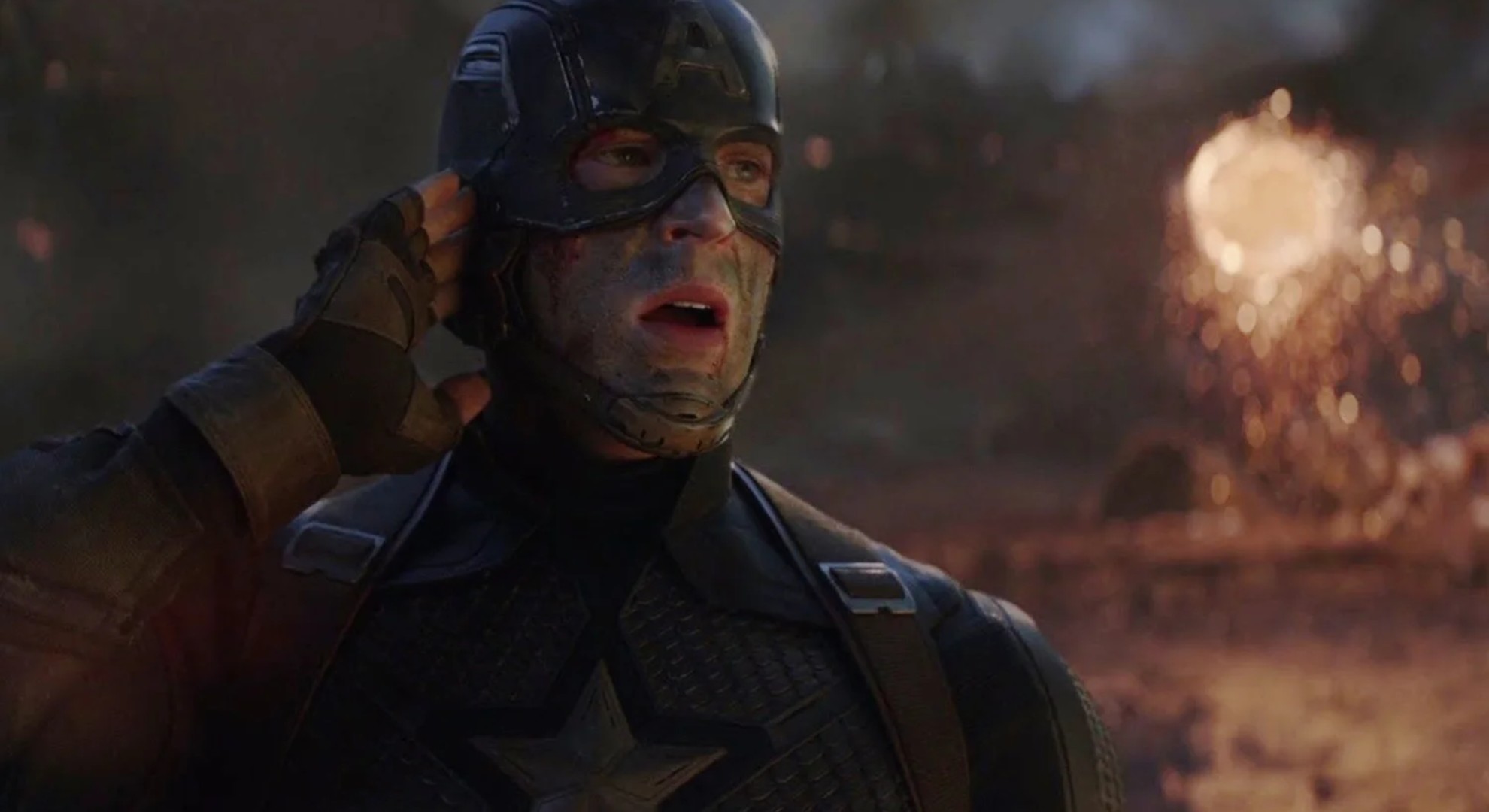
16. "On your left” (Portals payoff)
That whispered callback turns a small character trait into an emotional unifier, memory becoming triumph. It links character history (Falcon’s earlier wingman role) to the climactic moment of mass solidarity. The line’s timing, right before the portal sequence, makes the reveal feel earned rather than contrived. Cinematically, it gives the audience goosebumps because it rewards attention and builds communal joy. It’s a tiny detail that became a major emotional crescendo thanks to setup and delivery.
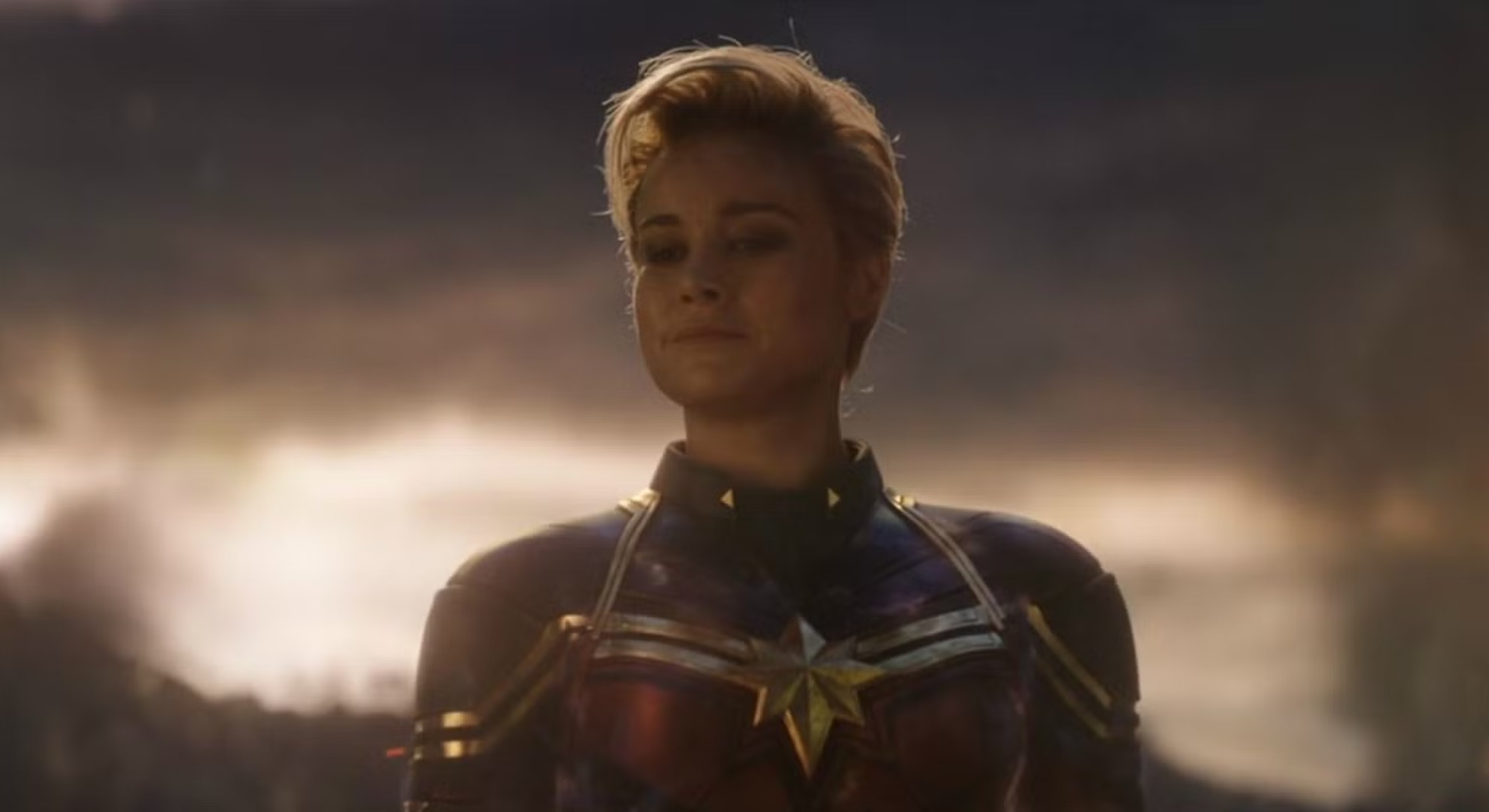
15. Captain Marvel’s Arrival
Carol’s entrance overturns the conventional rescue beat by introducing near-cosmic power at a critical moment. It’s visually and tonally decisive: her energy contrasts with the ragged desperation of the ground fight. Narratively, it speaks to the franchise’s move toward larger stakes and a wider cosmic canvas. The scene also sparked debate about the balance of power, which is narratively useful because it forces rethinking. Functionally, it’s a clean, triumphant payoff: a late-game arrival that changes the fight’s geometry.
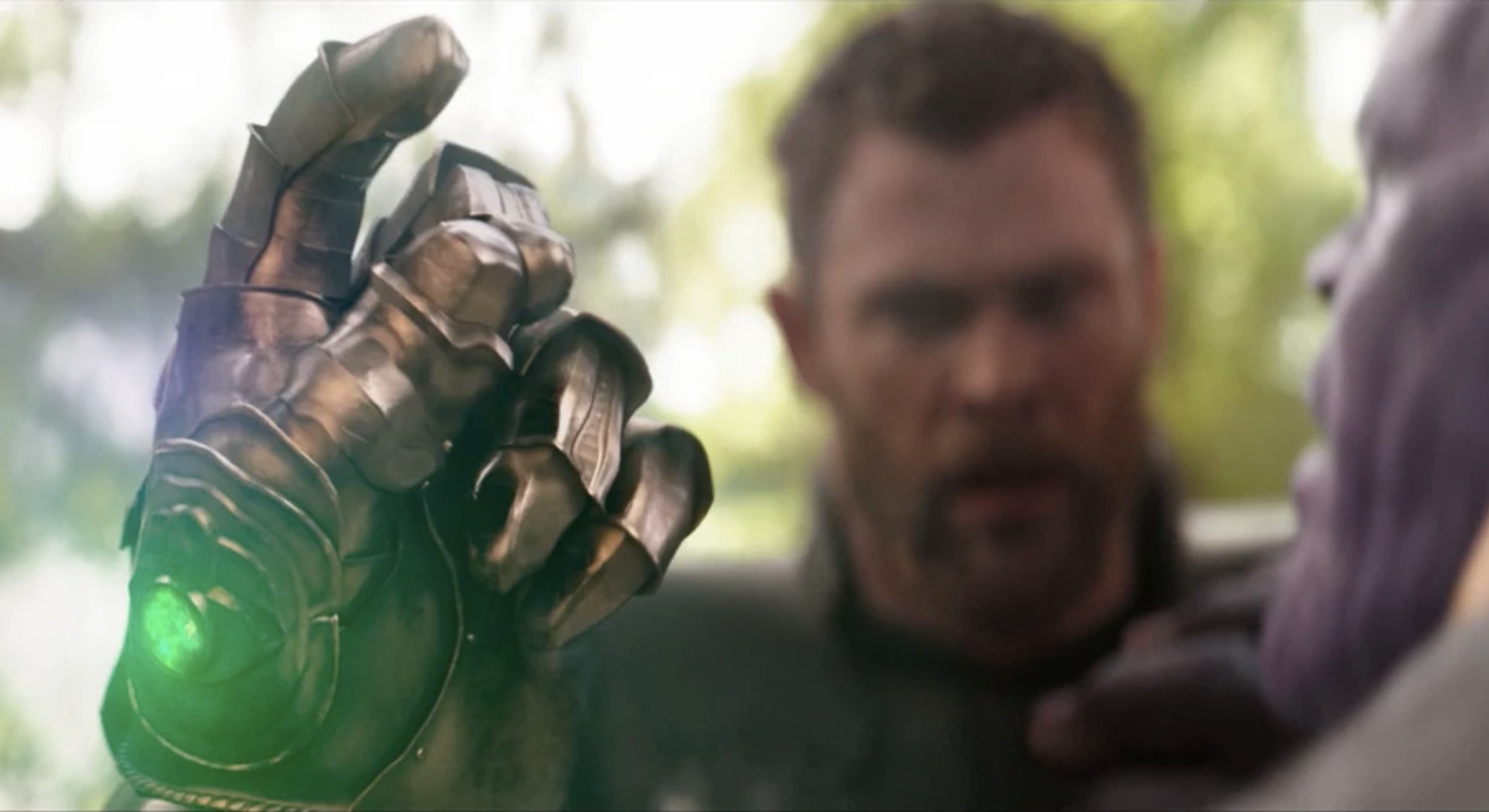
14. Thanos's Snap
The snap is a narrative gut punch that weaponizes restraint: a single, quiet gesture with universe-sized consequences. It redefines stakes across the MCU by making loss permanent and unpredictable in a blockbuster. The emotional aftermath allowed the franchise to explore grief, absence, and the cost of victory in deeper ways. As cinema, it was audacious, killing off beloved characters without guarantees of return. That narrative risk reshaped expectations for what a shared cinematic universe could do.
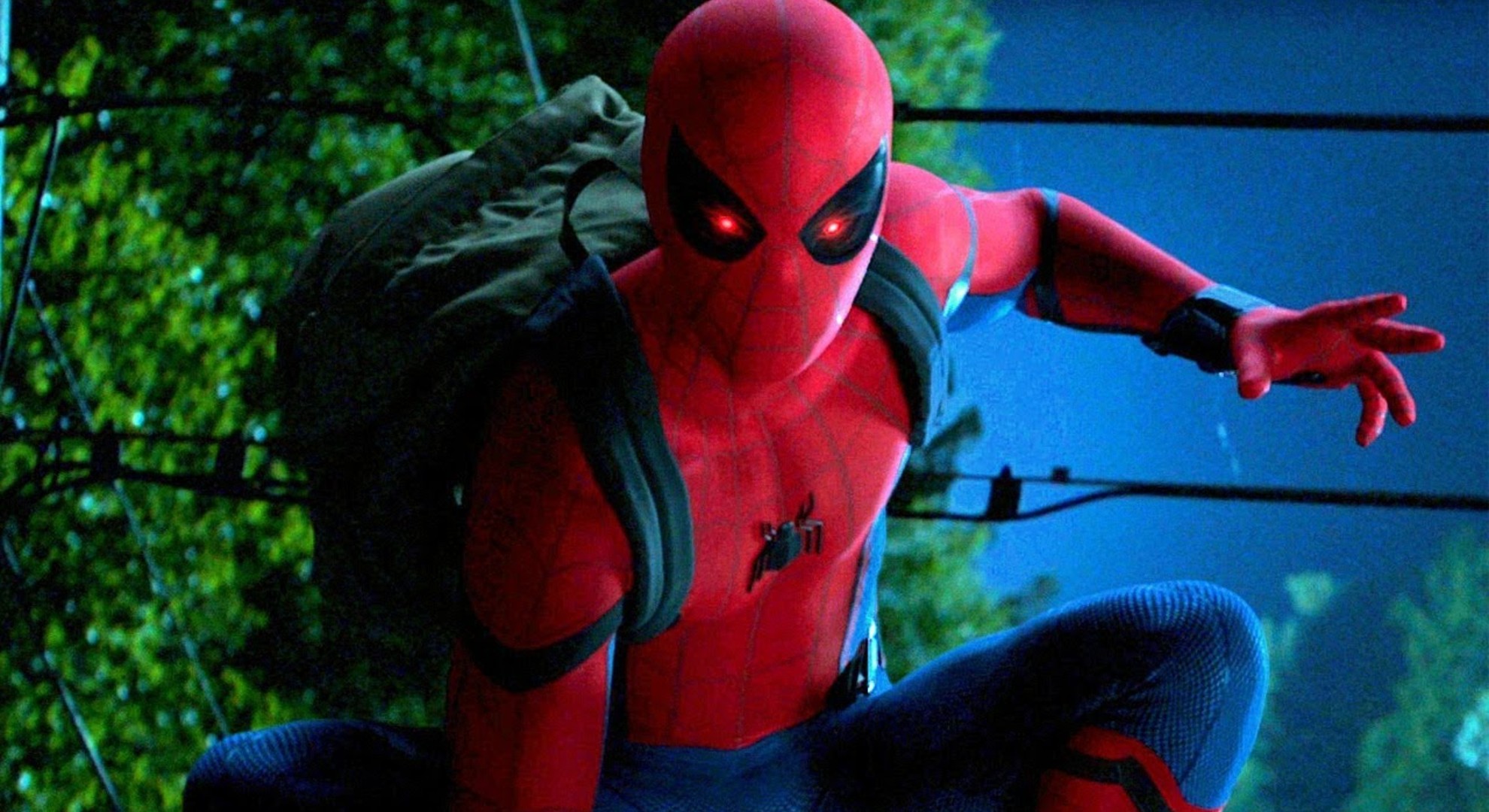
13. Spider-Man's Instant Kill Mode
“Instant Kill” reveals the seductive danger of tech-enhanced power and Spider-Man’s internal moral struggle. Visually and tonally, it’s a jolt: the suit’s aggression contrasts with Peter’s usual youthful earnestness. The moment raises stakes about who Peter is when the mask can be more than a costume. It also nods to comic lore while forcing the character to confront lines he may cross. Fans loved the mix of spectacle and ethical tension, the power that comes with a psychological cost.
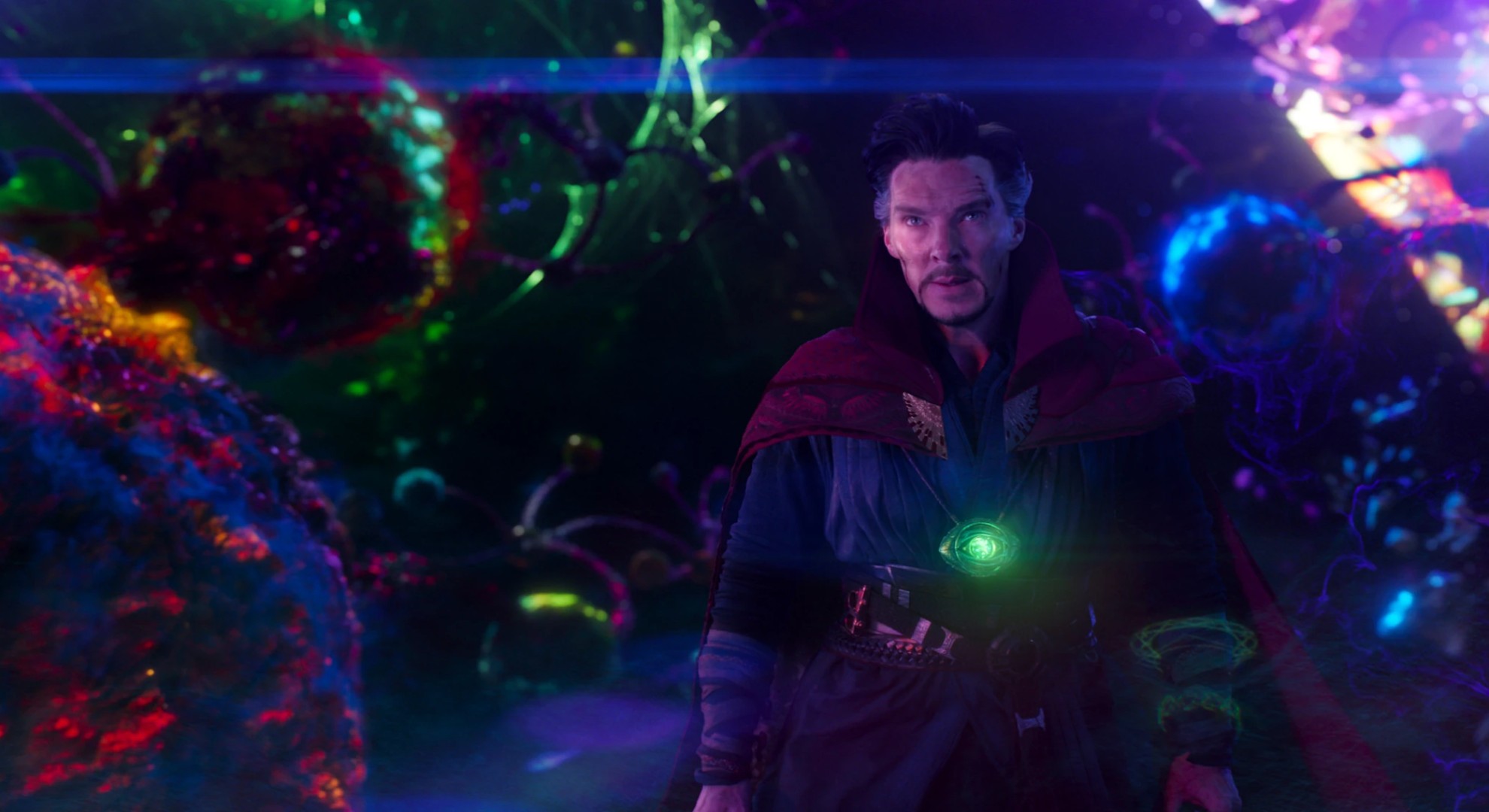
Dormammu — “I’ve come to bargain”
Doctor Strange’s time loop is clever and subversive: victory via persistence and moral stubbornness, not brute force. It reframes heroism as patience and cunning, showing that clever constraints can defeat cosmic threats. The scene delivers humor inside horror; Strange’s calm repetitiveness underlines both cruelty and wit. It also cements Strange as an intellectual hero who uses rules to manipulate an opponent’s logic. As an idea, it’s satisfying because it turns infinite power into a puzzle with a human solution.
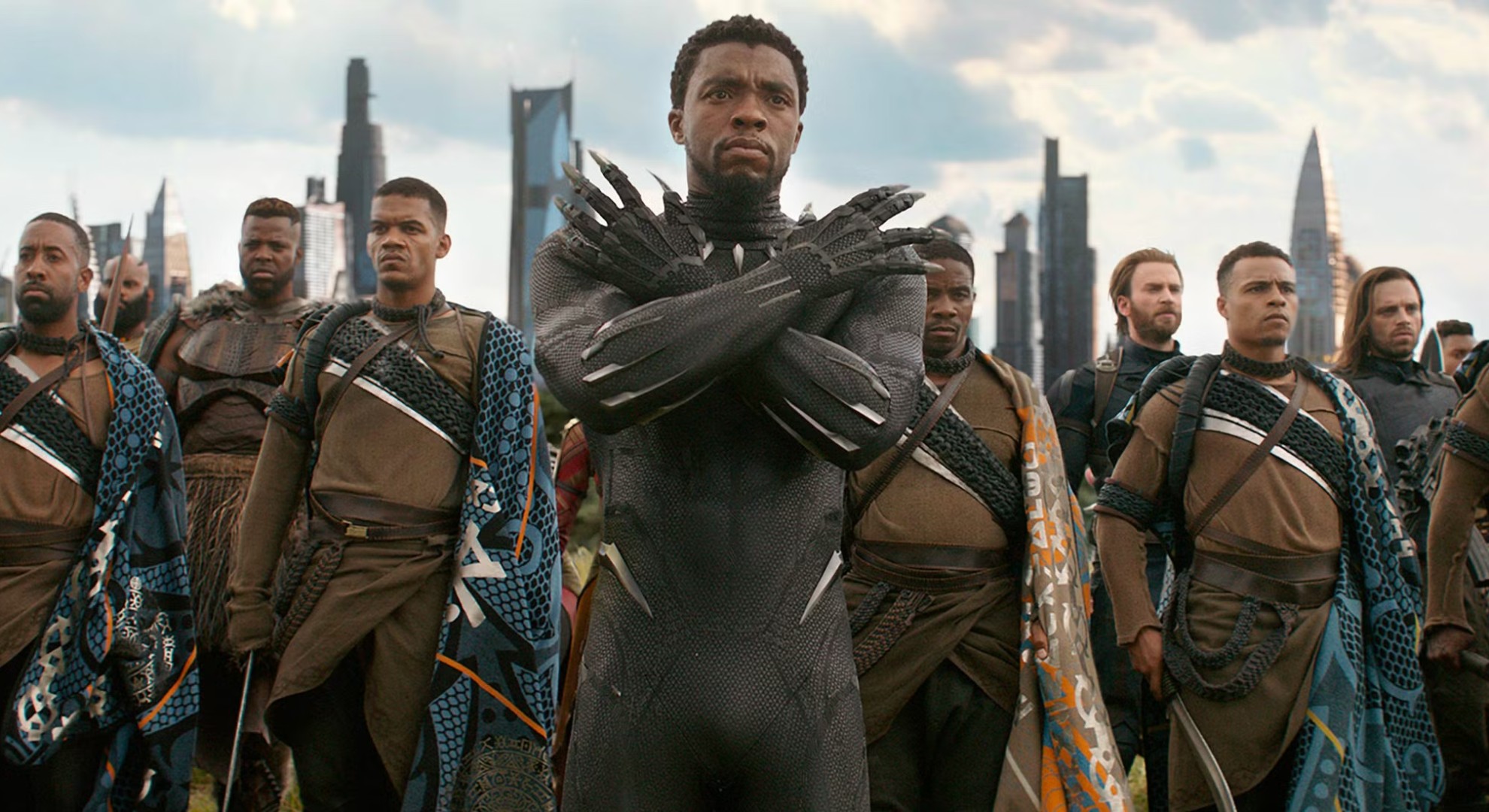
11. Wakanda Forever (T’Challa’s coronation & salute)
T’Challa’s coronation builds Wakanda as a fully imagined nation, culture, technology, and ceremony all in frame. “Wakanda Forever” crystallizes pride and representation; it became more than a line, it became a cultural signal. The sequence blends political symbolism with family drama, grounding larger-than-life stakes in human rituals. It’s also worldbuilding at its best: we understand a people’s values without being lectured. That unity and identity resonated widely because it felt authentic and aspirational.
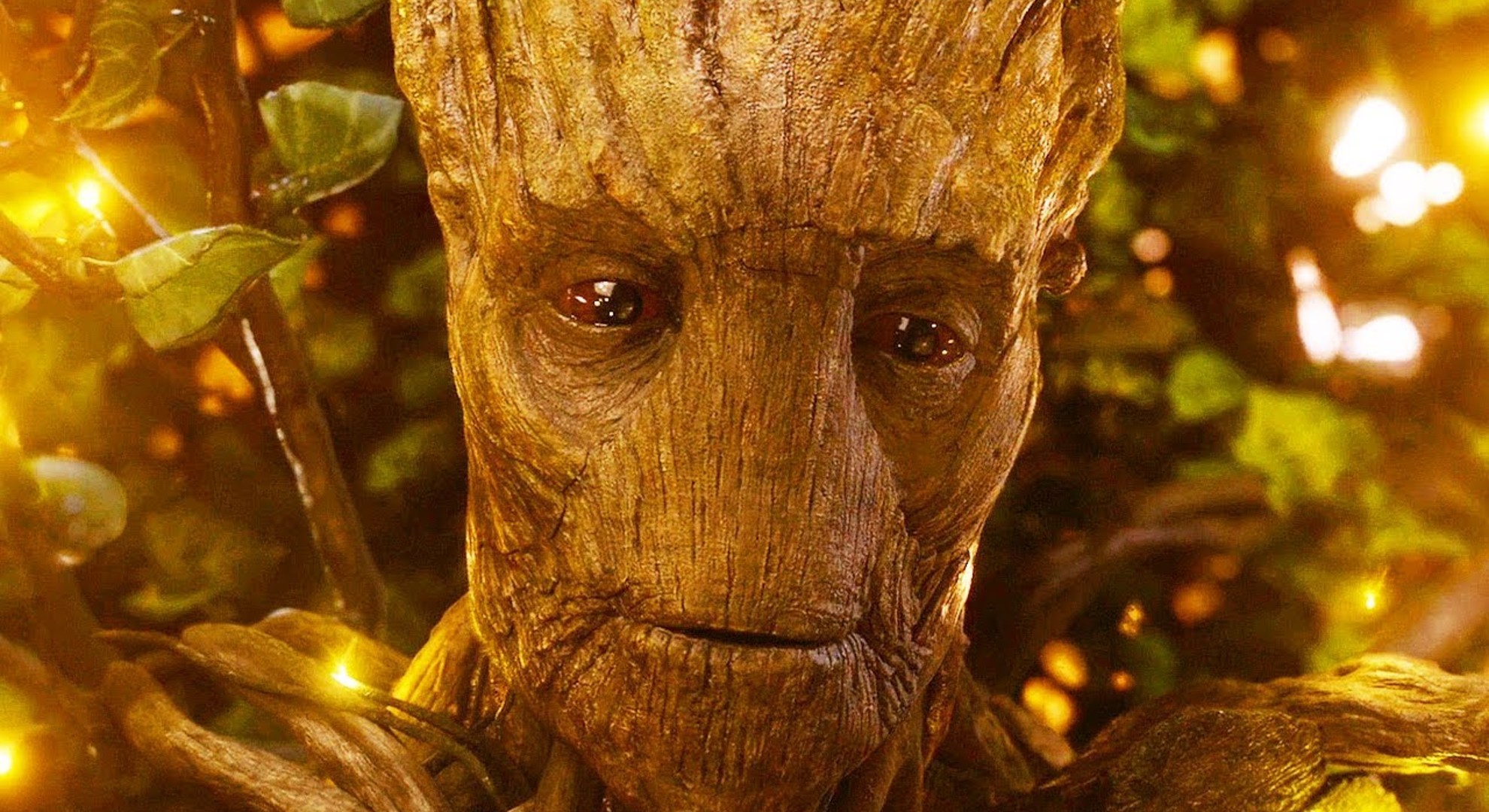
10. Groot’s Sacrifice (“We are Groot”)
Groot’s final act reframes the character from comic relief to moral center, sacrificial love in a sci-fi wrapper. His simple line becomes a profound statement about found families and what friends will risk for each other. The emotional hit is amplified by the film’s tone: Guardians had sold you on these characters as lovable misfits. Groot’s sacrifice proves Marvel can land genuinely heartbreaking beats amid humor and action. It’s a moment that humanizes the abstract idea of heroism through a single, quiet choice.
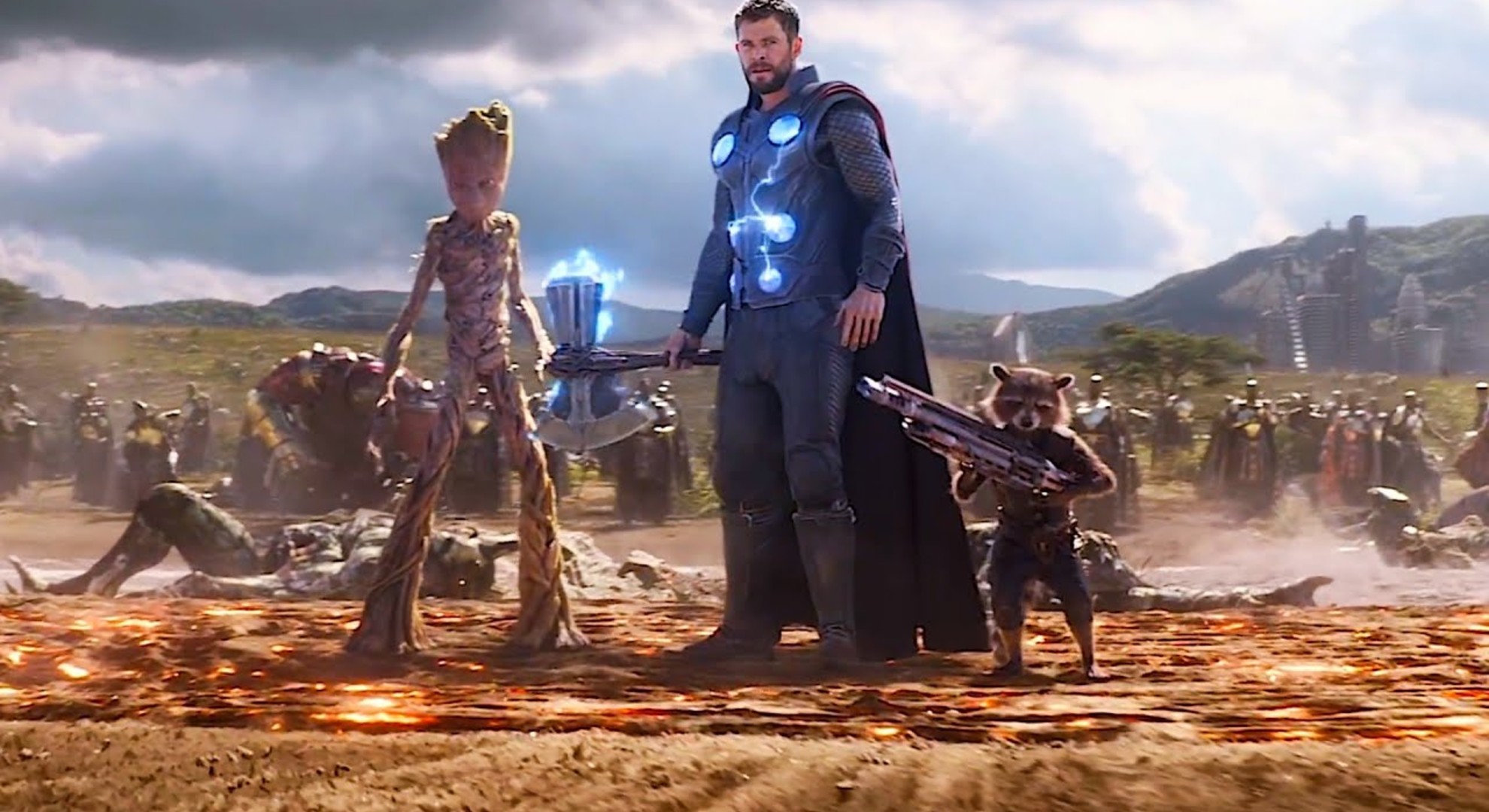
9. Thor Arrives in Wakanda
Thor’s entrance is pure catharsis, a tonal universe reset that injects mythic force when the battle feels bleak. It reunites cosmic power with terrestrial stakes and rewards audience investment in both character and worldbuilding. The scene’s timing and score amplify the emotional surge, turning a tactical reinforcement into a celebratory moment. It also shows Marvel’s skill at staging arrivals: the right character, at the right time, flips the narrative. For viewers, it felt like a cinematic encore, heroic, loud, and viscerally satisfying.
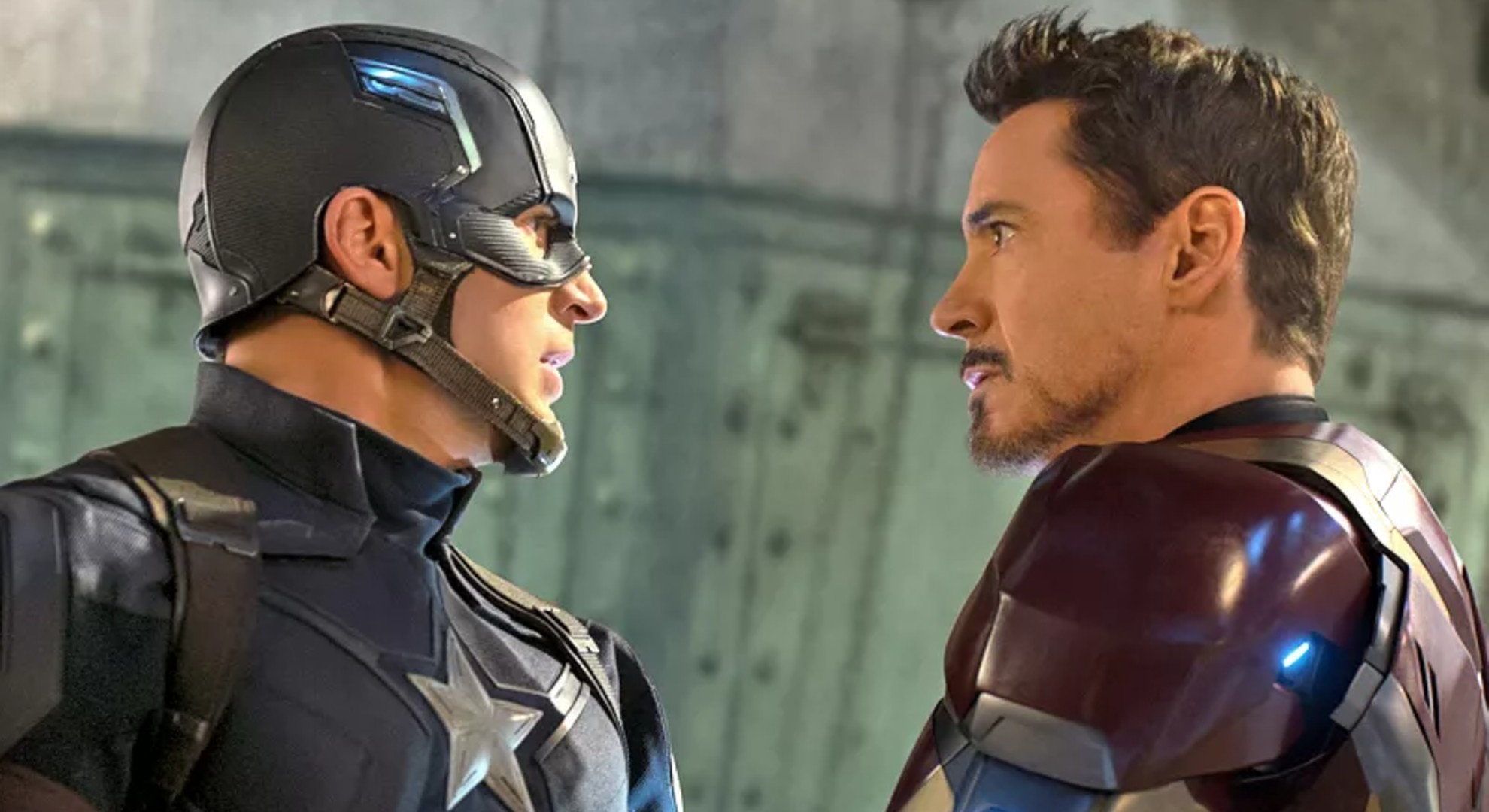
8. Cap vs. Iron Man (Civil War)
This clash is the emotional core of a split between ideals: liberty vs. responsibility, friendship vs. law. It’s brutal because it’s intimate, two friends trying to hurt each other without destroying what’s left of themselves. The choreography and script let ideology fuel physical pain, making the audience complicit in the heartbreak. Its real power is in consequences: the team fractures and the MCU’s optimistic project gets deeply complicated. The fight elevates superhero cinema into a meditation on loyalty and the ethics of power.
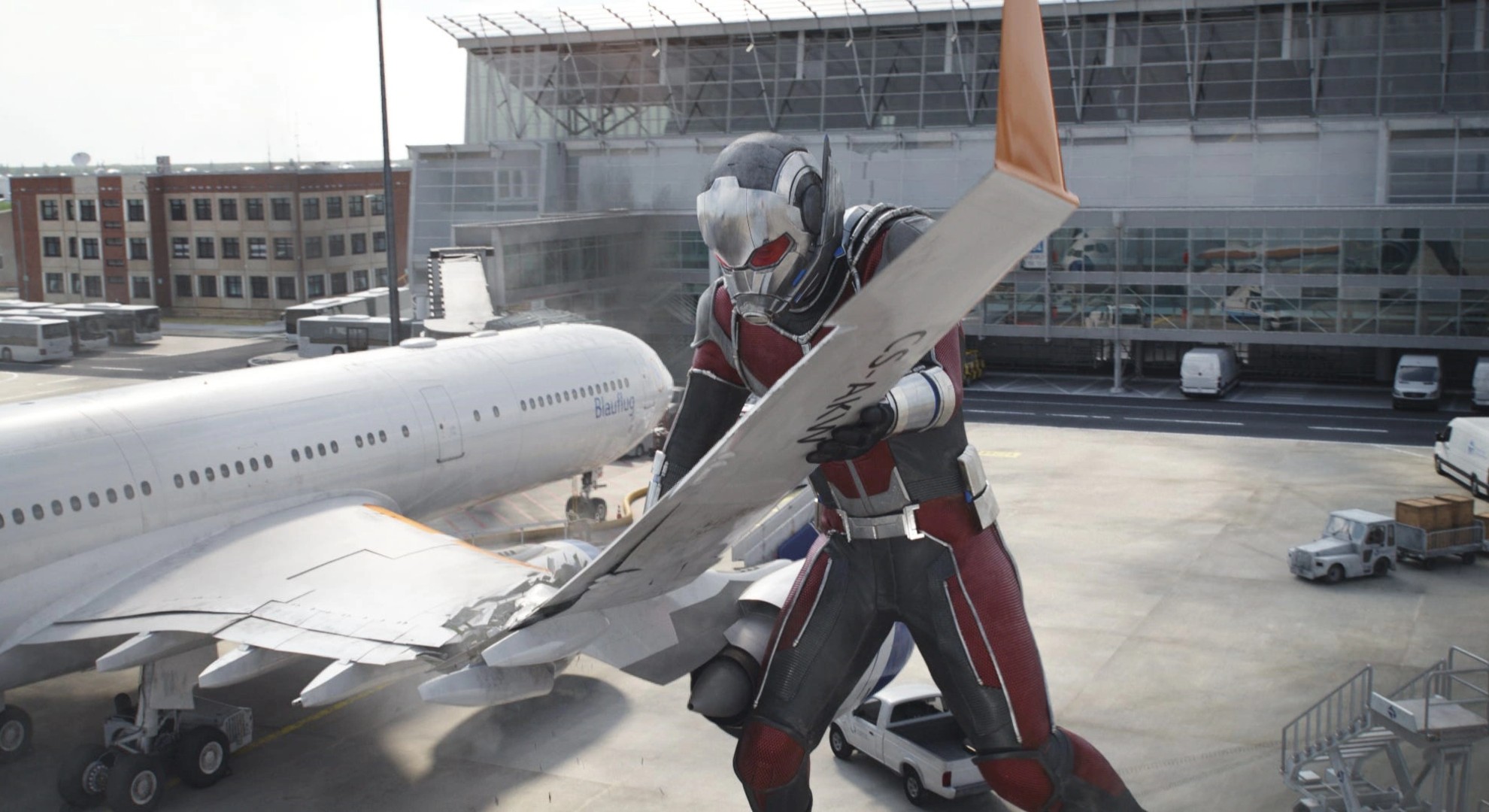
7. Giant-Man Appears (Airport battle)
Scott’s sudden growth subverts expectations and injects goofy audacity into an otherwise tactical scene. It reframes Ant-Man from comic relief to a pivotal game-changer; his power scale literally flips the battlefield. The moment is joyful because it’s both surprising and earned: Lang’s trickery and heart pay off most visibly. Narratively, it proves small characters can deliver a big impact when the story uses them inventively. It’s a clever capstone that balances humor, strategy, and emotional payoff.
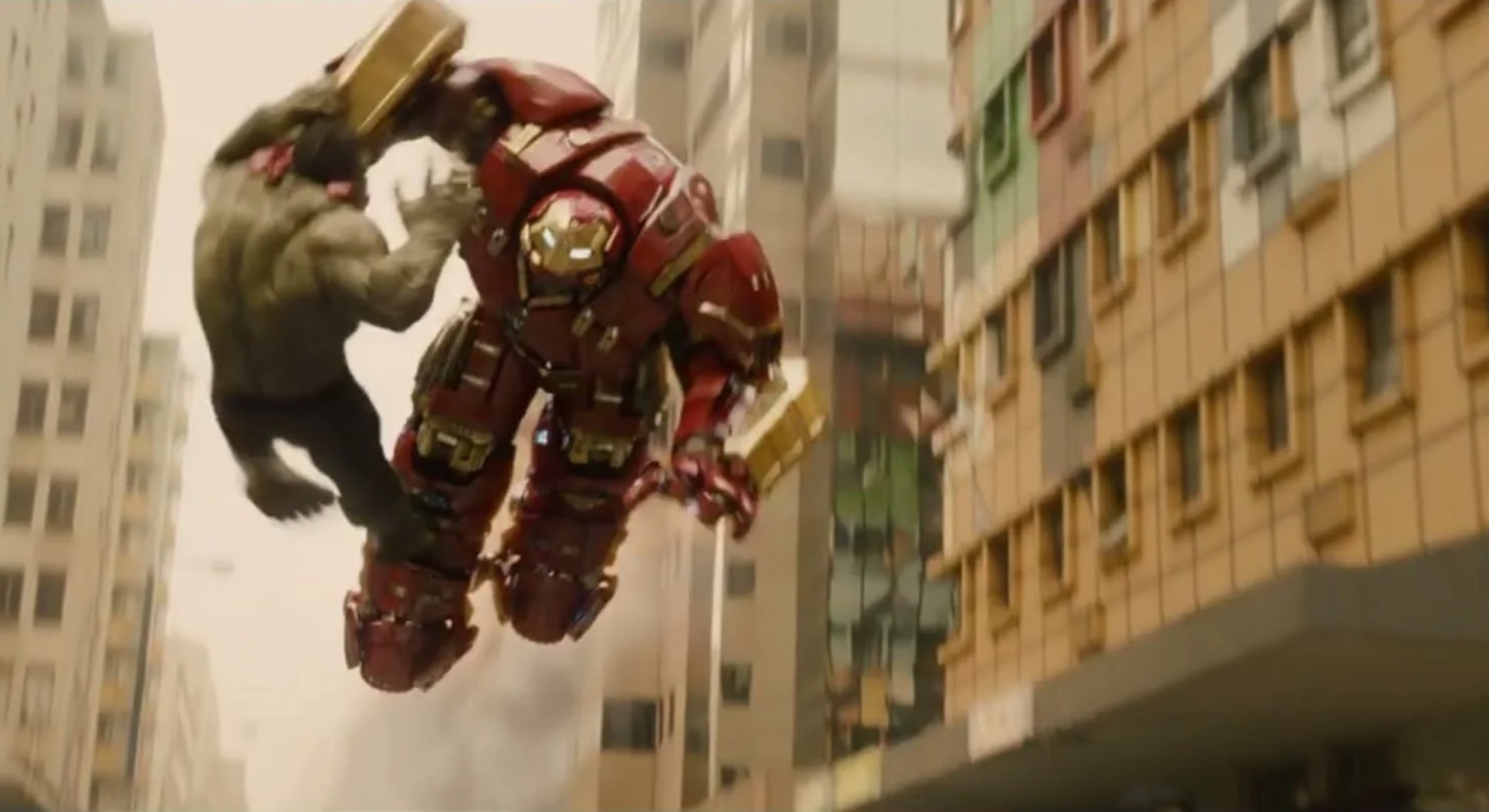
6. Hulk vs. Hulkbuster (Sokovia)
The Hulkbuster fight externalizes the core Tony/Hulk tension: how do you stop a friend who’s become a threat? It’s a showcase of escalation, armored tech vs. uncontrollable rage, and a benchmark for VFX ambition. Cinematically, it’s satisfying because both characters get to be dangerous in very different ways: brute strength vs. engineered force. The sequence also underscores Tony’s contingency thinking: he plans for the unthinkable, for better or worse. As spectacle, it delivers kinetic joy while reminding viewers of the cost of unchecked power.
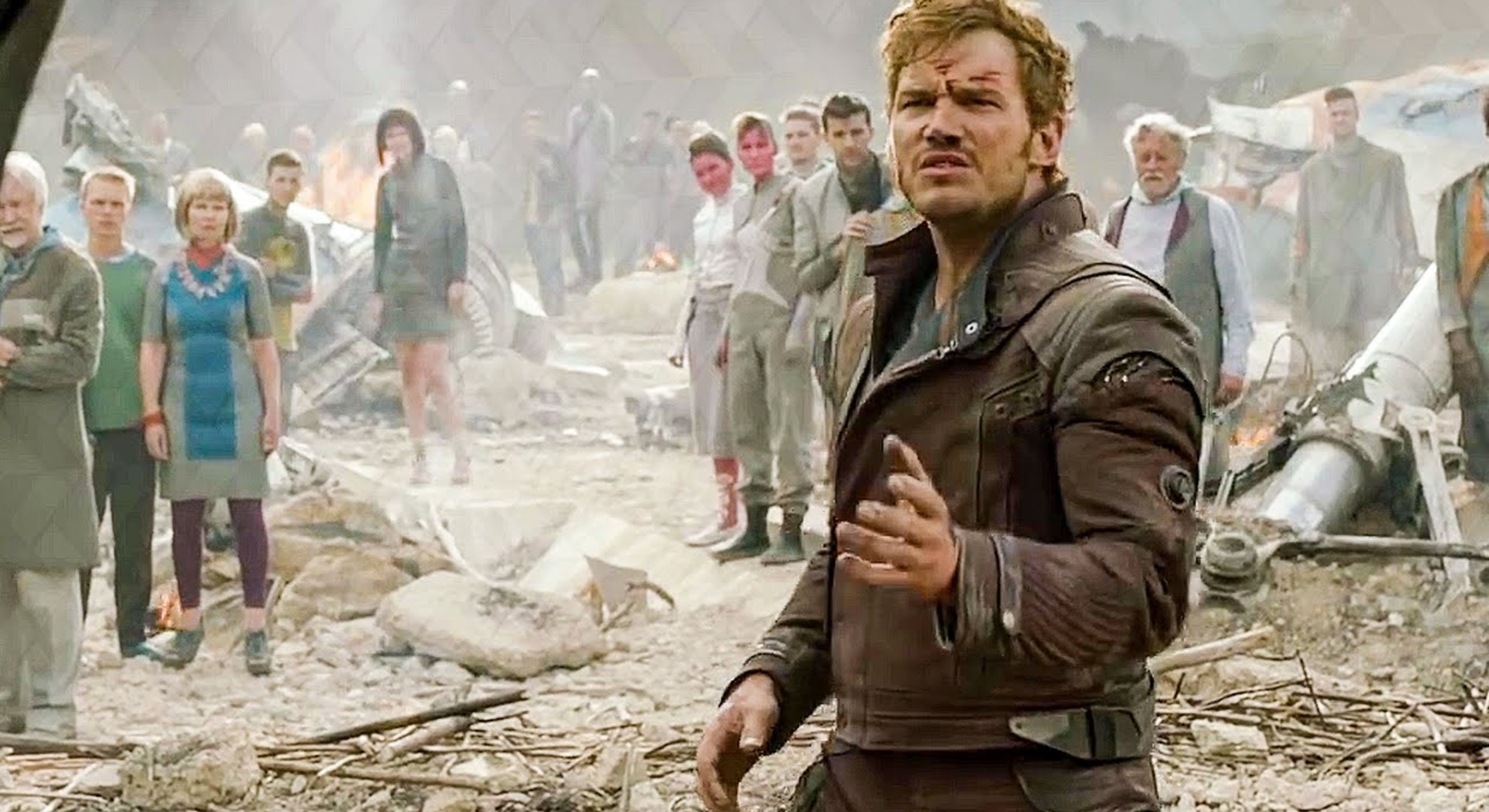
5. Dance-Off, Bro! (Star-Lord vs. Ronan)
Quill’s absurd distraction weaponizes pop-culture ridiculousness and shows Marvel’s appetite for tonal variety. It’s brilliant because it uses humor as a legitimate tactical gambit; laughter becomes a battlefield advantage. The sequence binds the film’s irreverent voice to its soundtrack, making music an active storytelling element. It also crystallizes Star-Lord’s charm: goofy, improvisational, and unexpectedly effective. Fans remember it because it balances stakes with silliness without undercutting either.
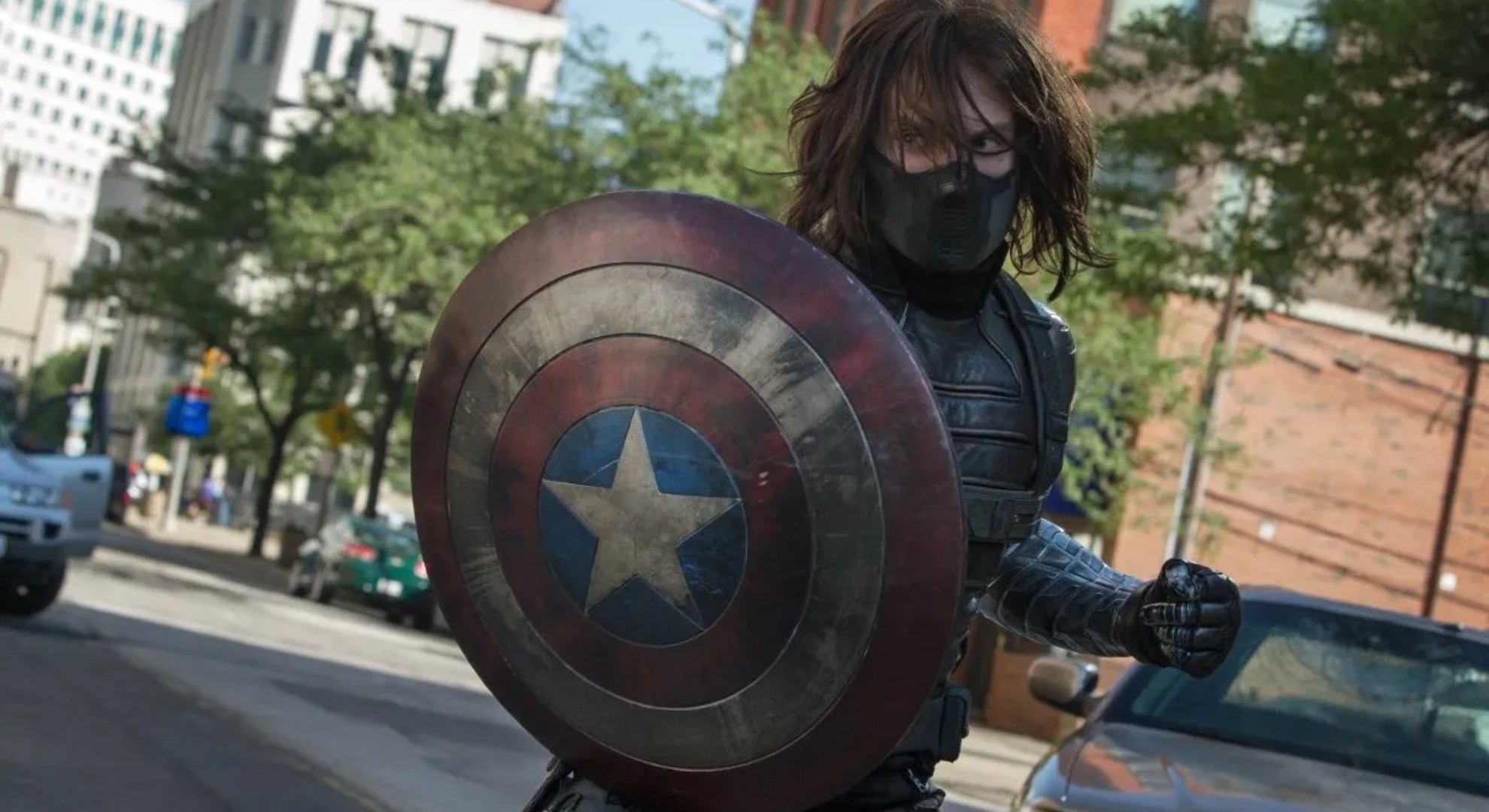
4. Winter Soldier Catches Cap’s Shield
When Bucky catches the shield, the fight stops being tactical and becomes eerily personal; old bonds complicate the duel. It signals that this enemy isn’t a faceless thug but a corrupted friend whose presence punches emotional holes in the hero. The choreography emphasizes intimacy: close combat, blocked blows, and reluctant restraint rather than cinematic fireworks. That reveals reframes Bucky as a tragedy and makes the audience root for redemption over mere victory. It elevates the film from superhero action to political thriller with human consequences.
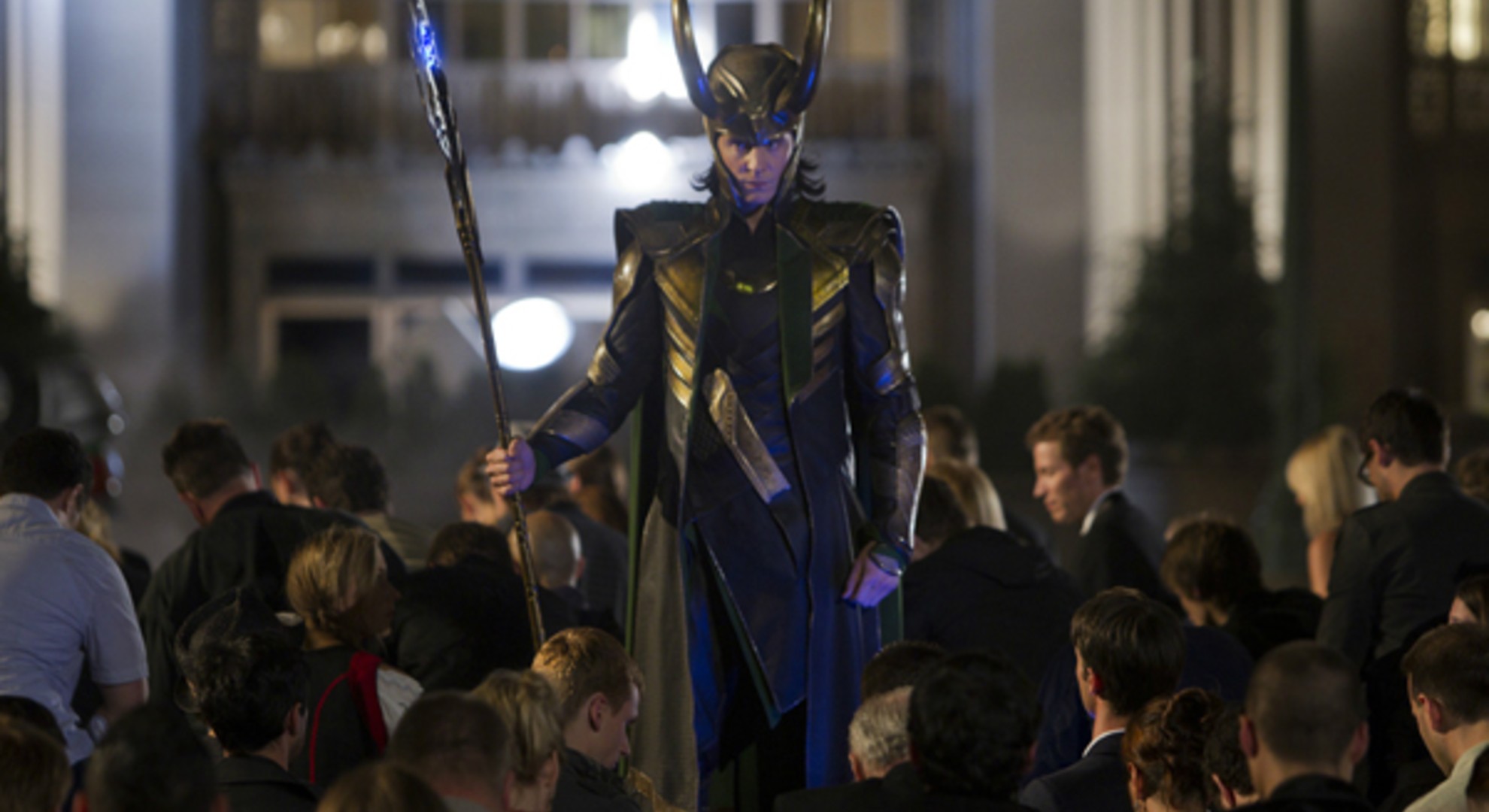
3. Loki Demands Kneeling (Germany)
Loki’s “Kneel!” is a chilling demonstration of charisma as a weapon; he commands bodies and belief with theatrical malice. That scene refines his villainy: it’s not brute force but humiliation and the temptation of submission that makes him dangerous. It also positions Thor and the Asgardian conflict as political and personal, not just cosmic. Tom Hiddleston’s delivery turns a throwaway command into an image of imperial entitlement. The moment lingers because it reveals how language and posture are central to Loki’s brand of control.
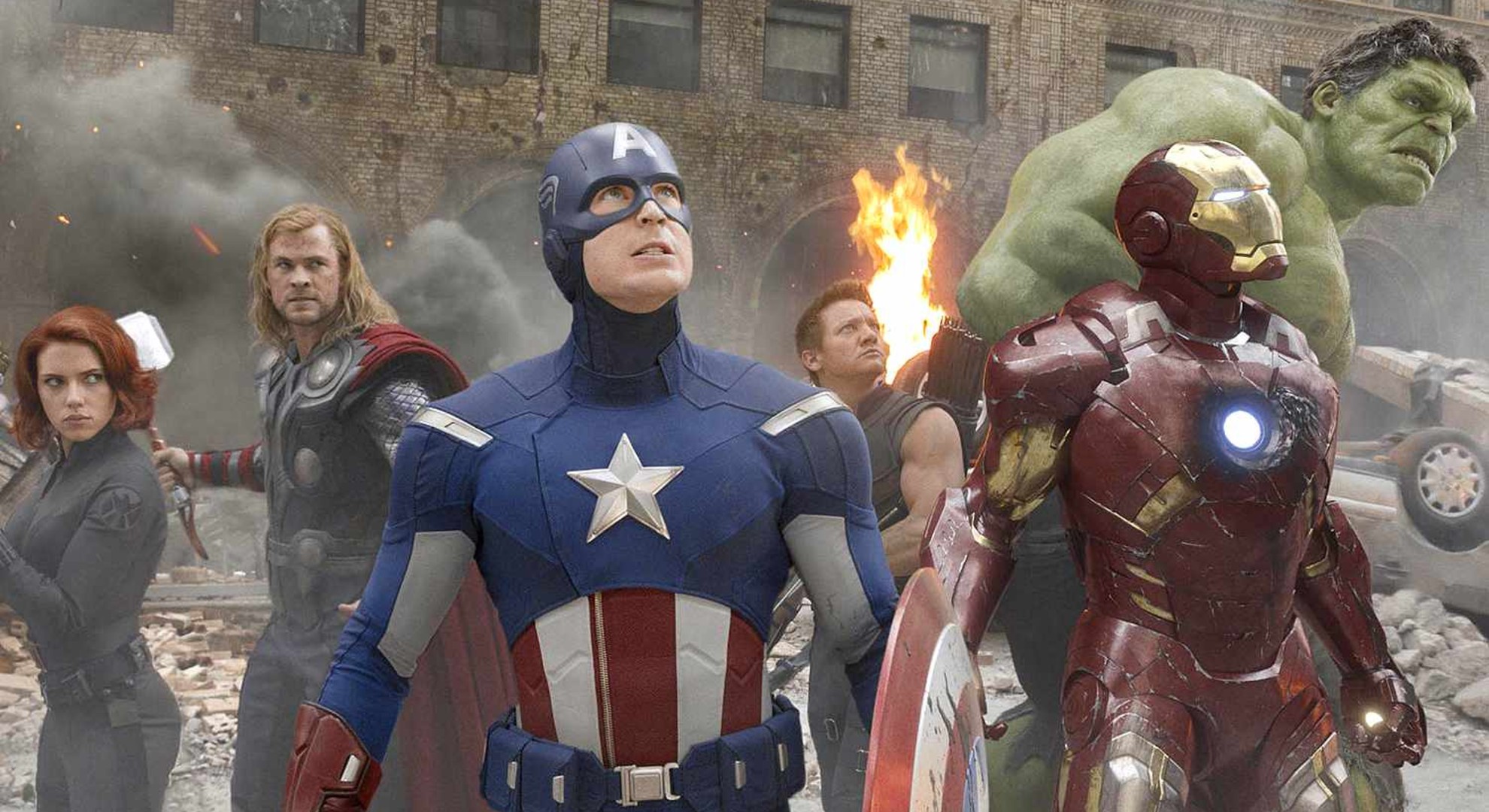
2. Avengers Assemble (First Time — New York)
The 360° shot and coordinated action converted a collection of solo films into an integrated universe in one thrilling sequence. It’s the moment individual arcs collide and the MCU proves it can manage scale, tone, and character dynamics simultaneously. Each hero keeps their voice and fighting style, which sells the idea that this is a team rather than a merged hero blob. The battle stakes make the payoff emotional, as the world truly needs these people together. For audiences, it was cathartic validation that the long setup paid off in spectacle and heart.
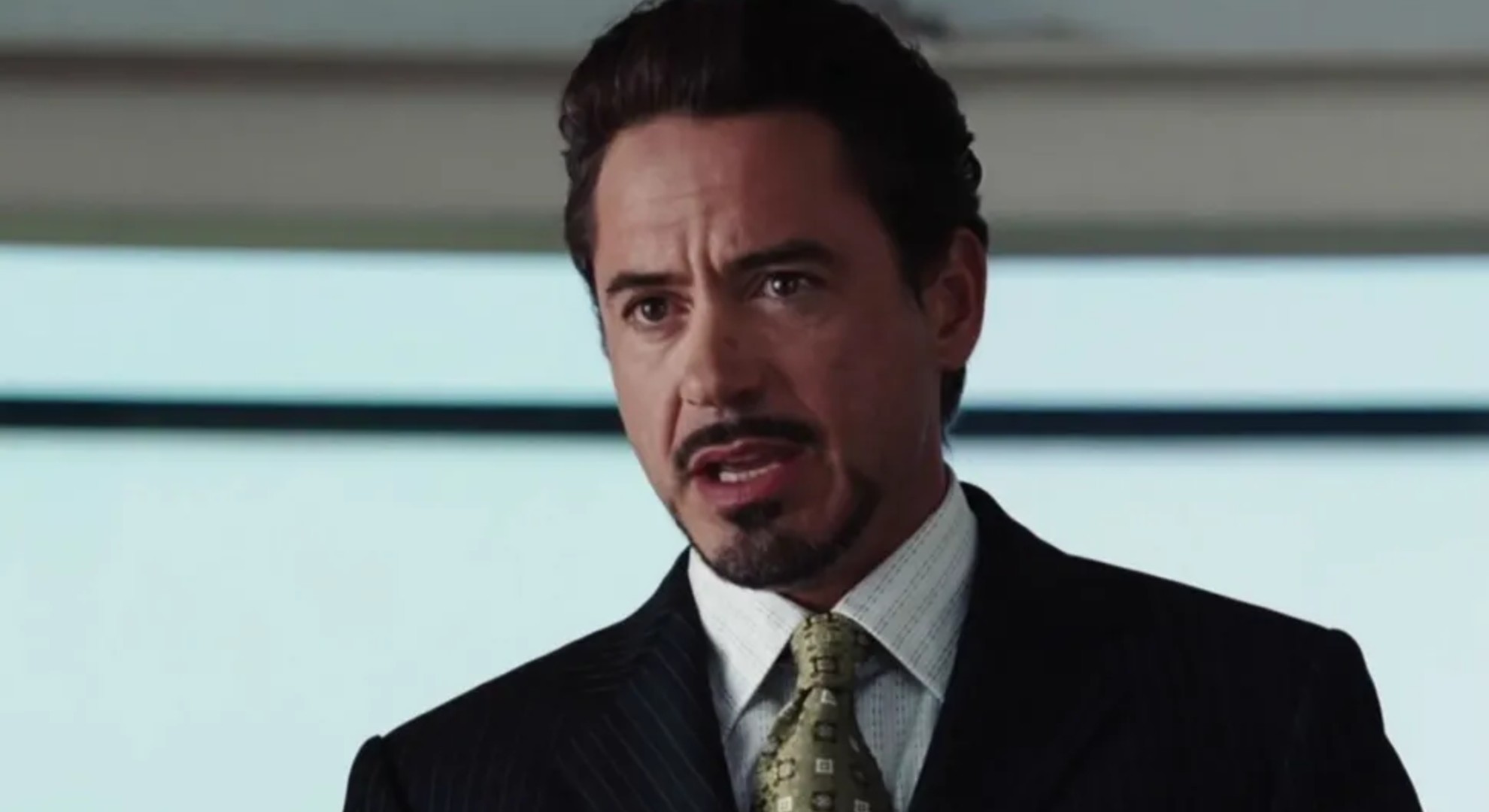
1. "I Am Iron Man"
Tony’s public confession blows up the comics’ secret-identity trope and immediately defines the MCU’s swagger and risk-taking. It crystallizes Stark’s personality: brilliant, brash, and unafraid of consequences, which makes his later vulnerability believable. Narratively, it short-circuits mystery in favor of accountability, setting a moral throughline for the franchise. On a meta level, it signaled Marvel’s willingness to lean into character-first storytelling instead of hiding behind masks. That single line became a signature call-back that rewards long-term investment in the character.