25 MCU Characters Whose Stories Ended Exactly Where They Should
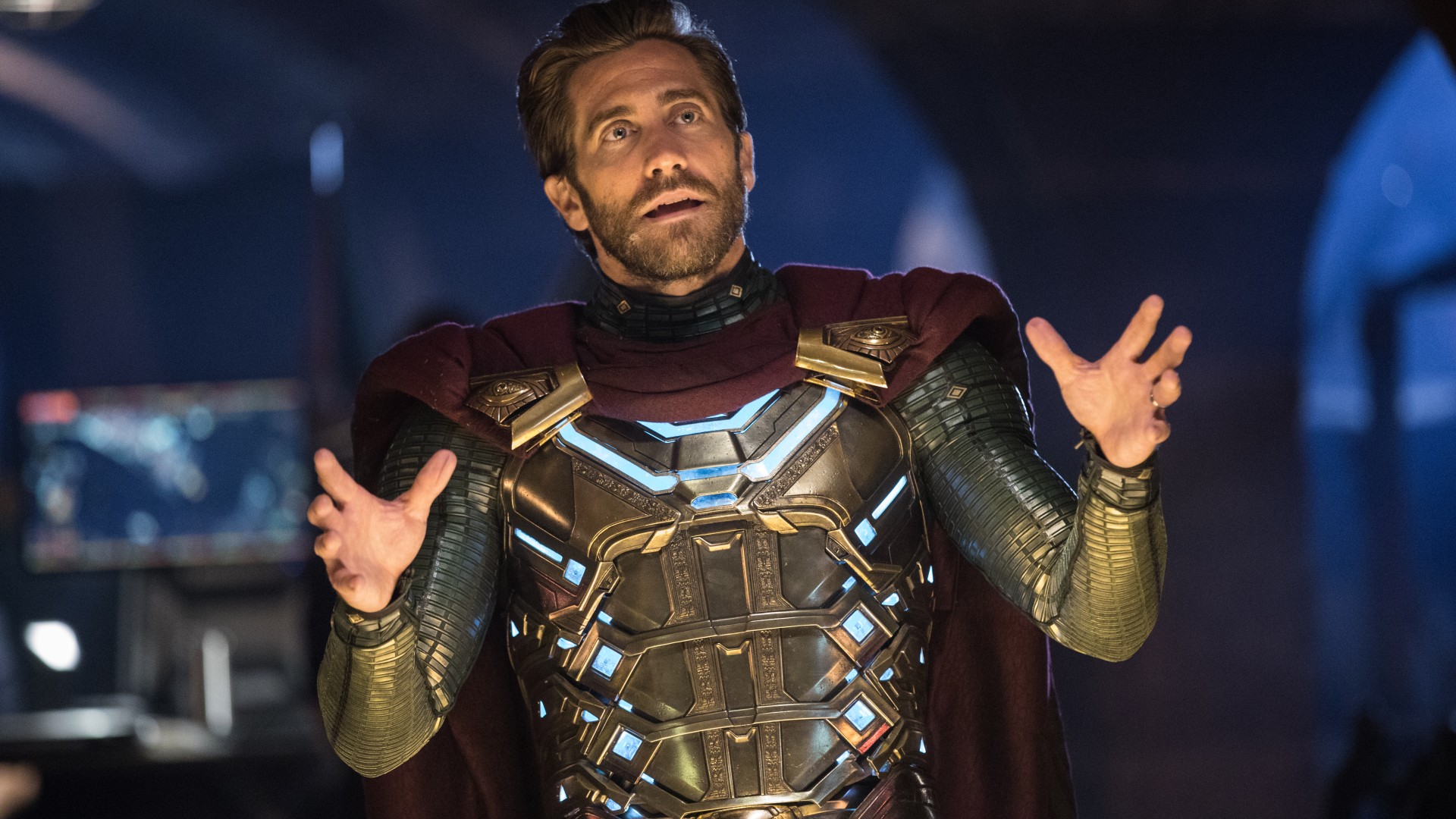
25. Mysterio (Quentin Beck)
Mysterio’s death in Spider-Man: Far From Home perfectly capped his manipulative crusade against Tony Stark’s legacy. His posthumous impact through leaked footage still drives the plot forward. Reviving him would weaken the realism and tension established since his fall.
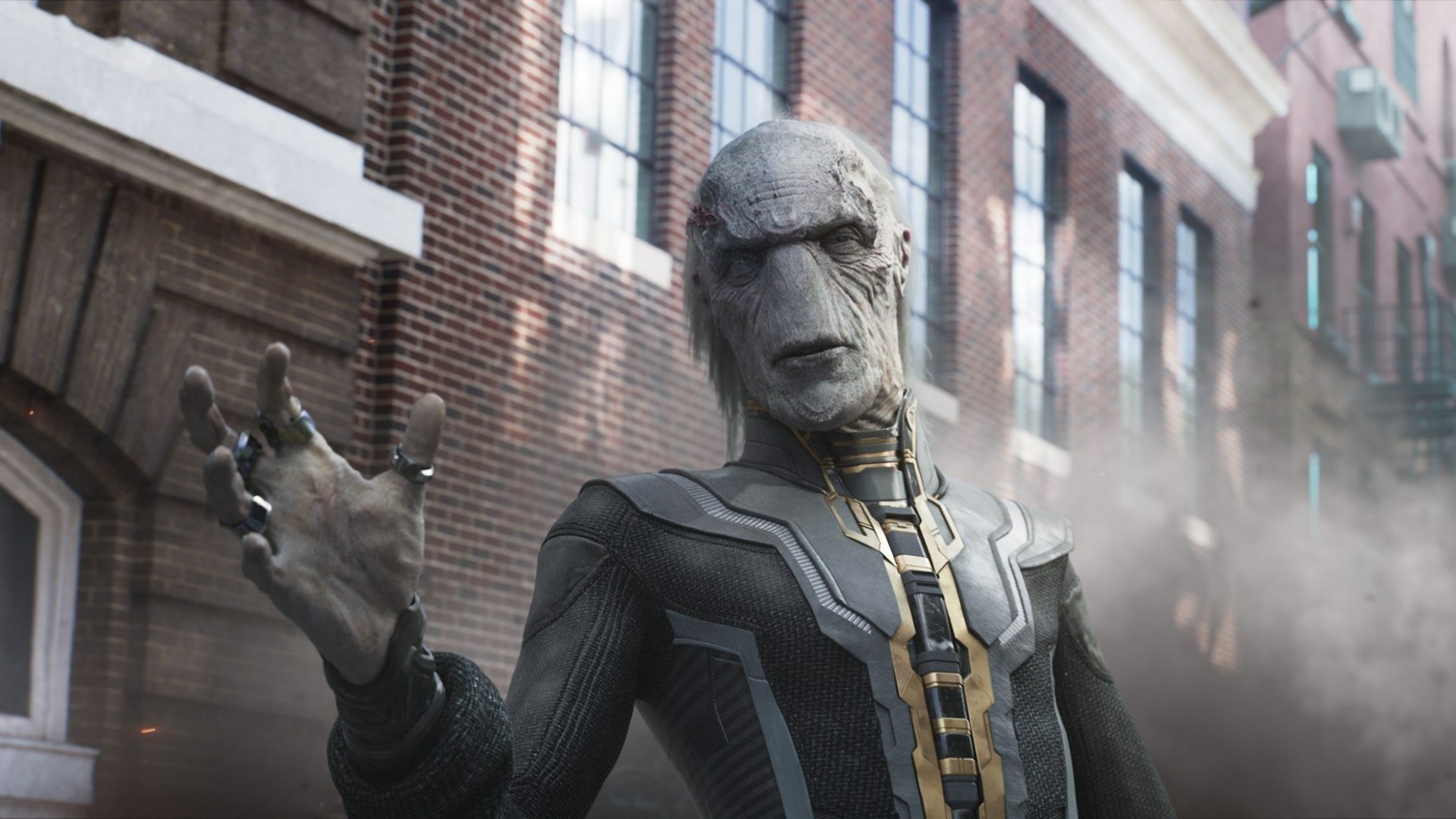
24. Ebony Maw
Ebony Maw’s death in Infinity War was a rare, satisfying villain exit. His devotion to Thanos and arrogance met a poetic downfall in space. His brief but memorable role needs no continuation.
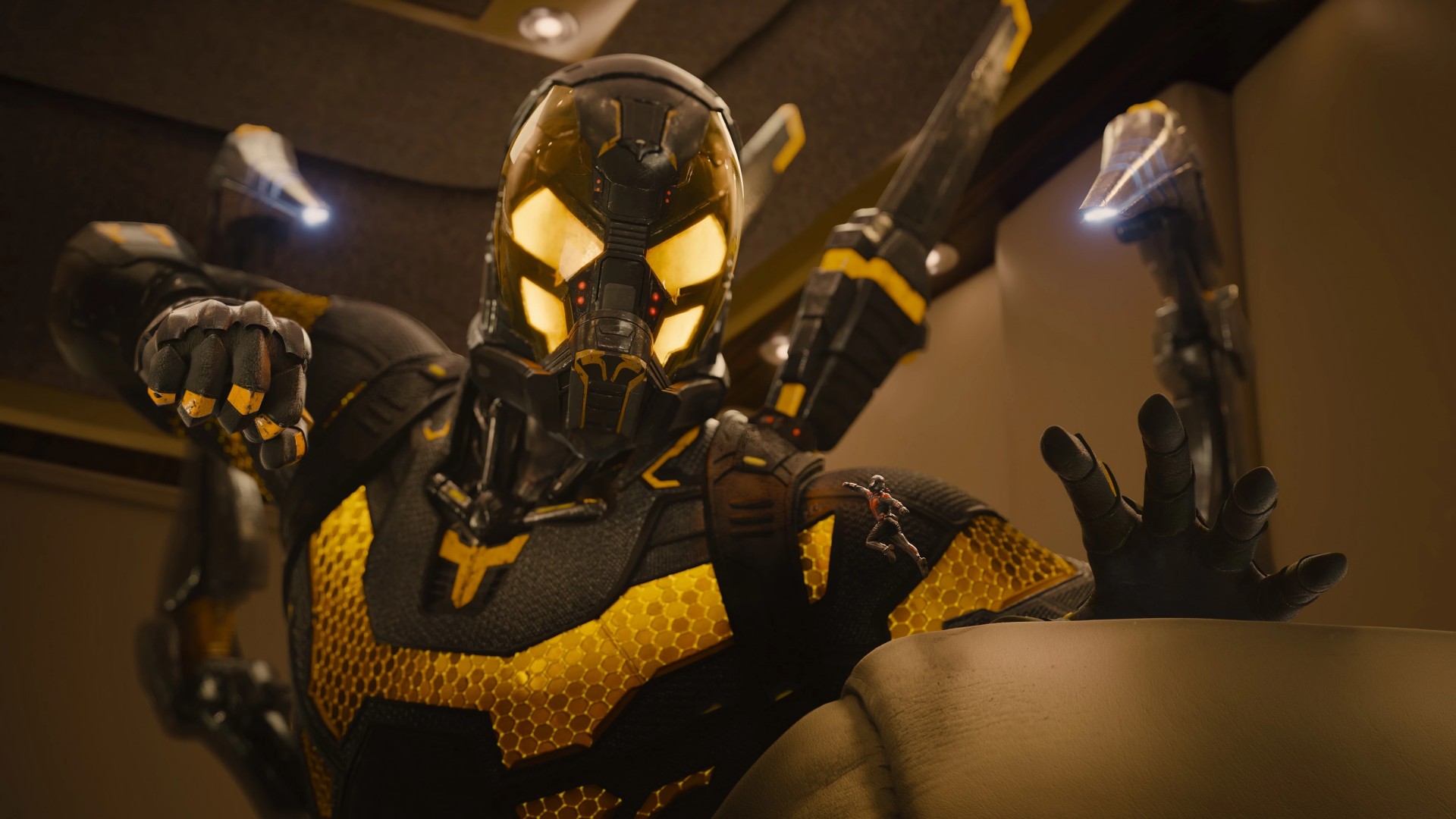
23. Darren Cross (Yellowjacket)
Cross’s defeat in Ant-Man came with a visually definitive end. His obsession with shrinking tech mirrored Pym’s earlier mistakes, now corrected through Scott’s heroism. The character served his narrative function completely.
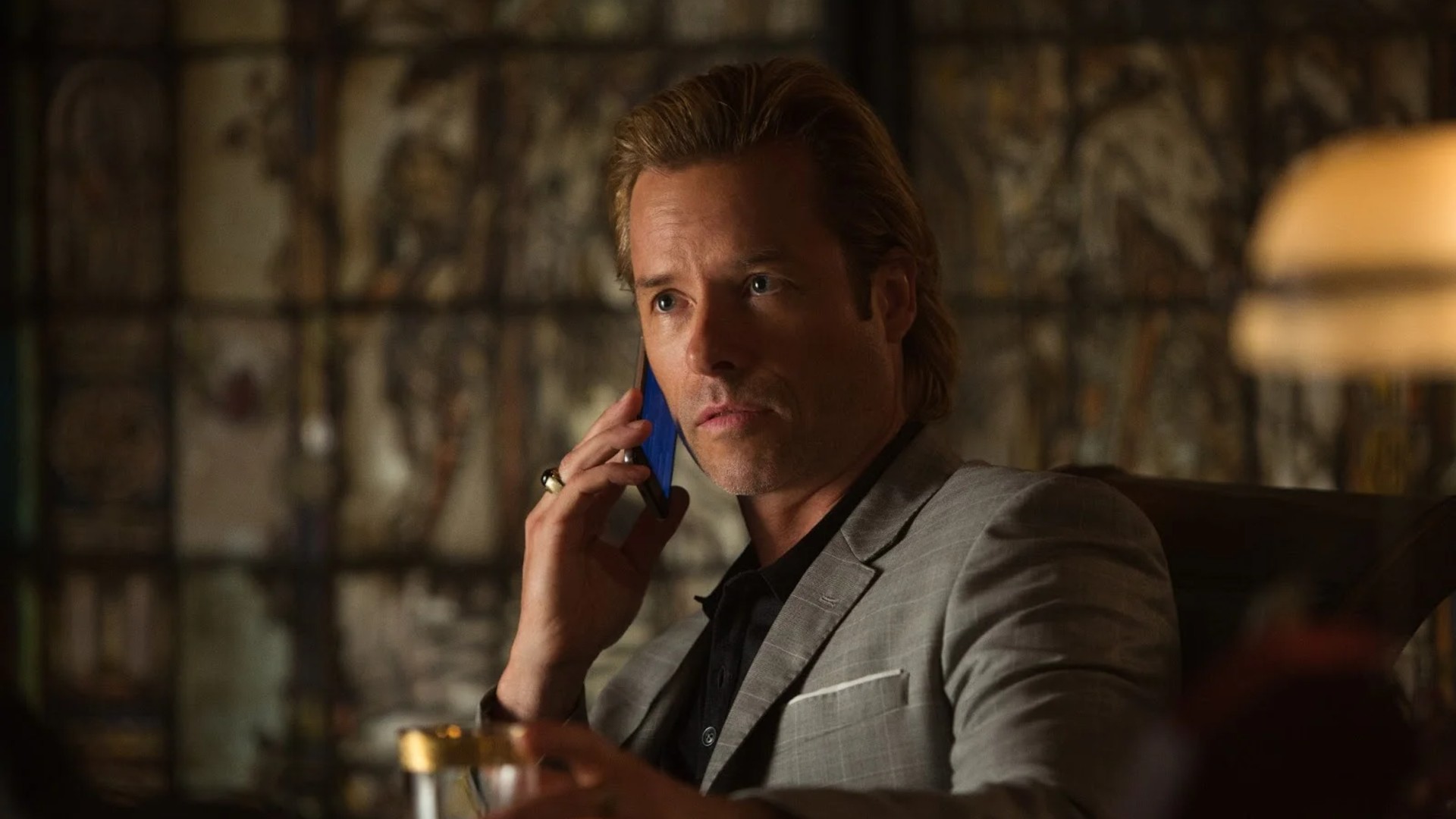
22. Aldrich Killian
Killian’s defeat in Iron Man 3 ended the false promise of the Extremis program. His deception as the real Mandarin tied directly into Tony’s personal reckoning. His story closed every thread it opened within that film.
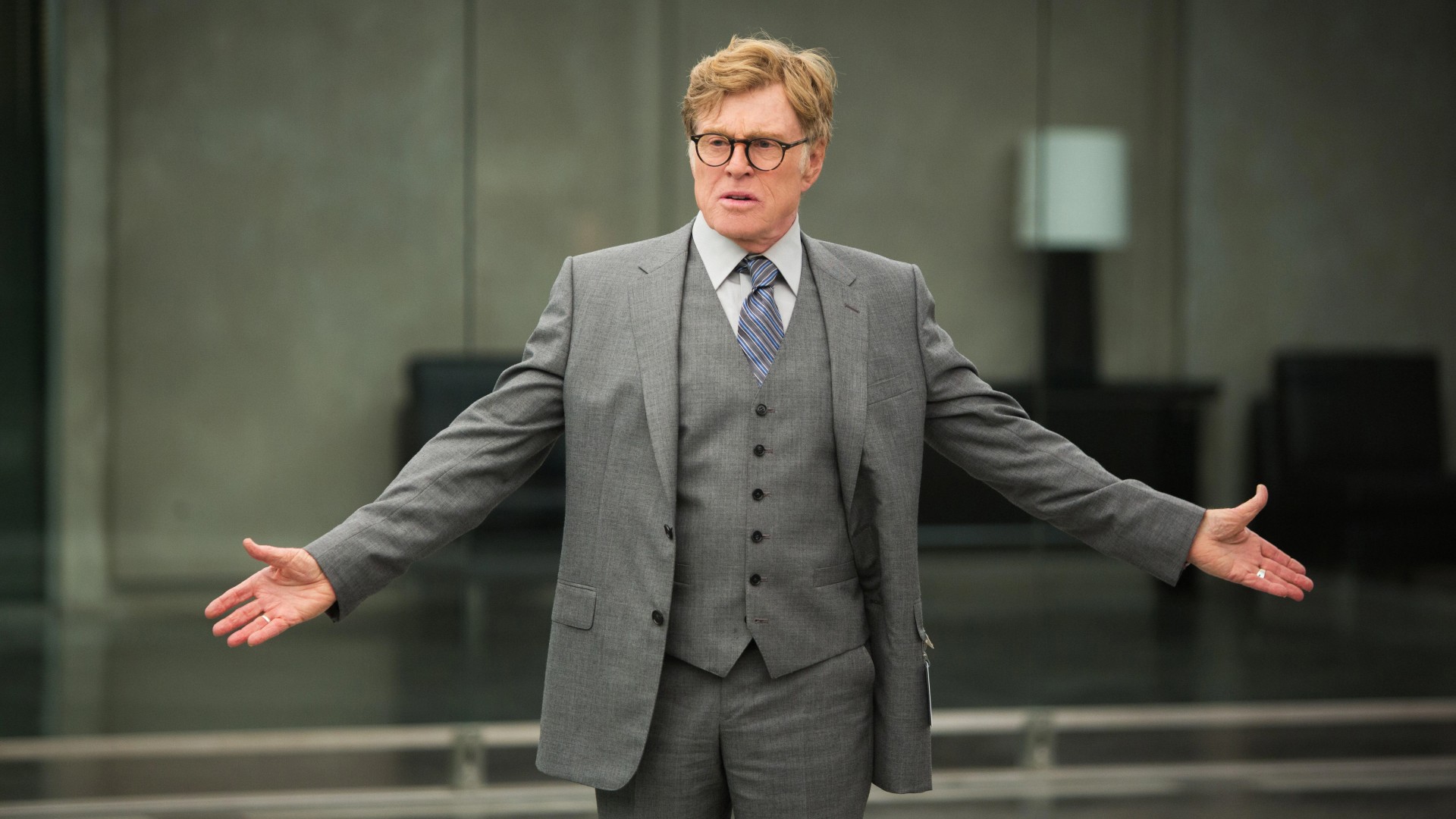
21. Alexander Pierce
Pierce’s death in The Winter Soldier exposed Hydra’s infiltration at the highest level. His removal was essential to restoring S.H.I.E.L.D.’s integrity. Bringing him back would undercut the finality of Hydra’s exposure.
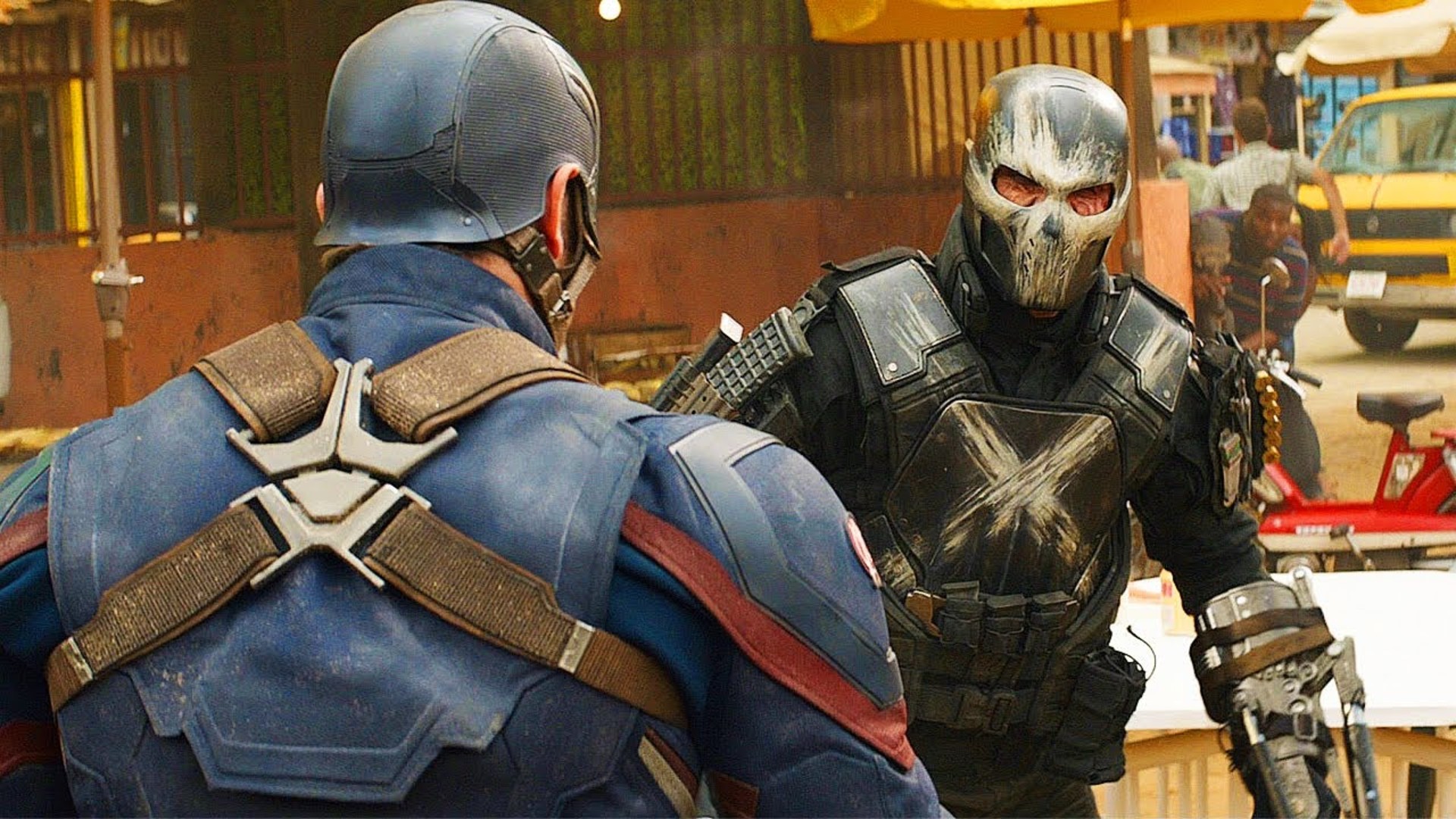
20. Crossbones (Brock Rumlow)
Crossbones’ explosive death in Civil War is tied directly to the film’s political conflict. His demise triggered the Sokovia Accords storyline, giving it lasting consequences. His arc as a Hydra remnant reached a natural conclusion.
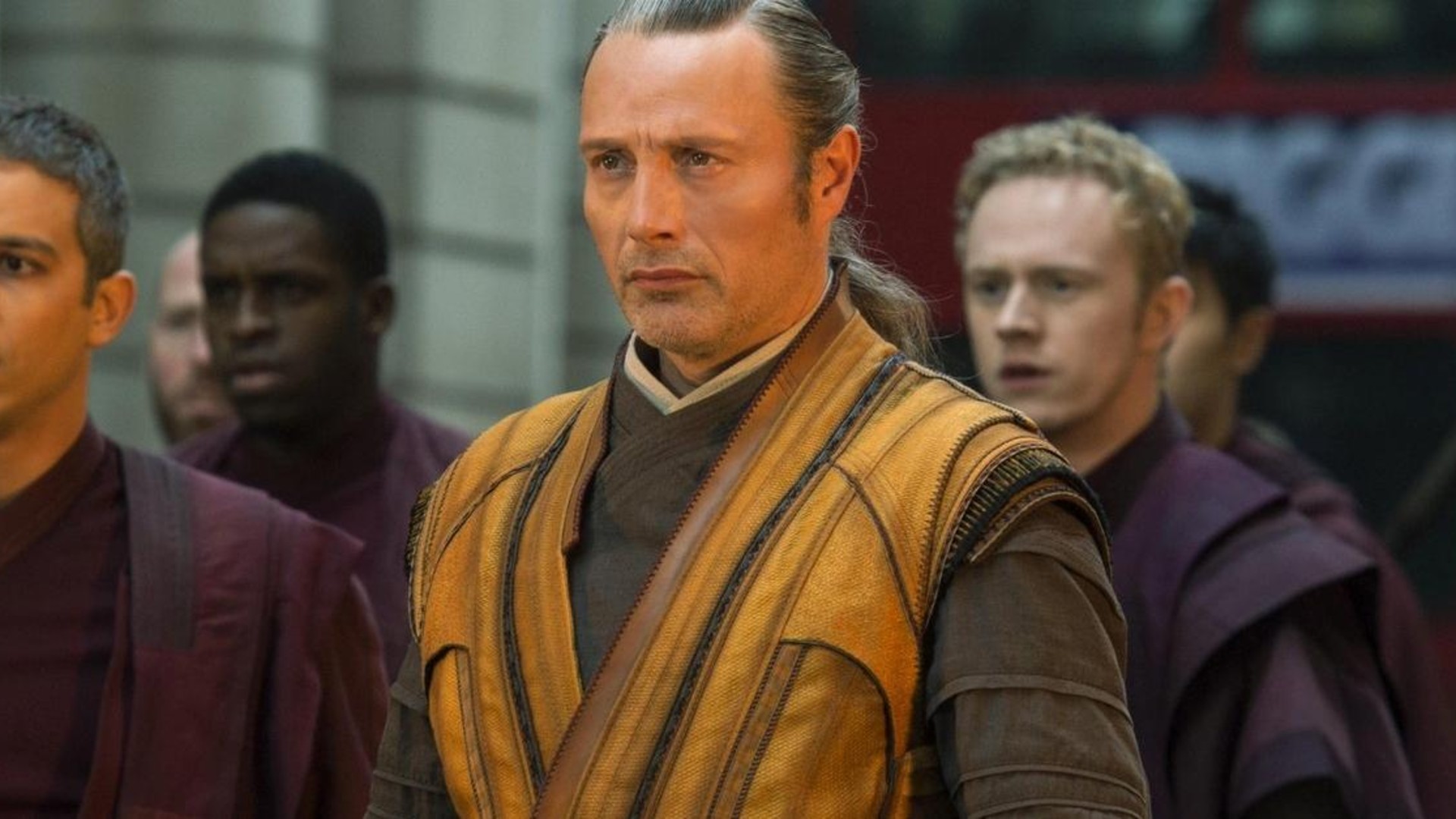
19. Kaecilius
Kaecilius’s fall to Dormammu’s realm in Doctor Strange completed his misguided pursuit of eternal life. His character served as a cautionary reflection of Strange’s early arrogance. His end perfectly fit the film’s exploration of power and consequence.
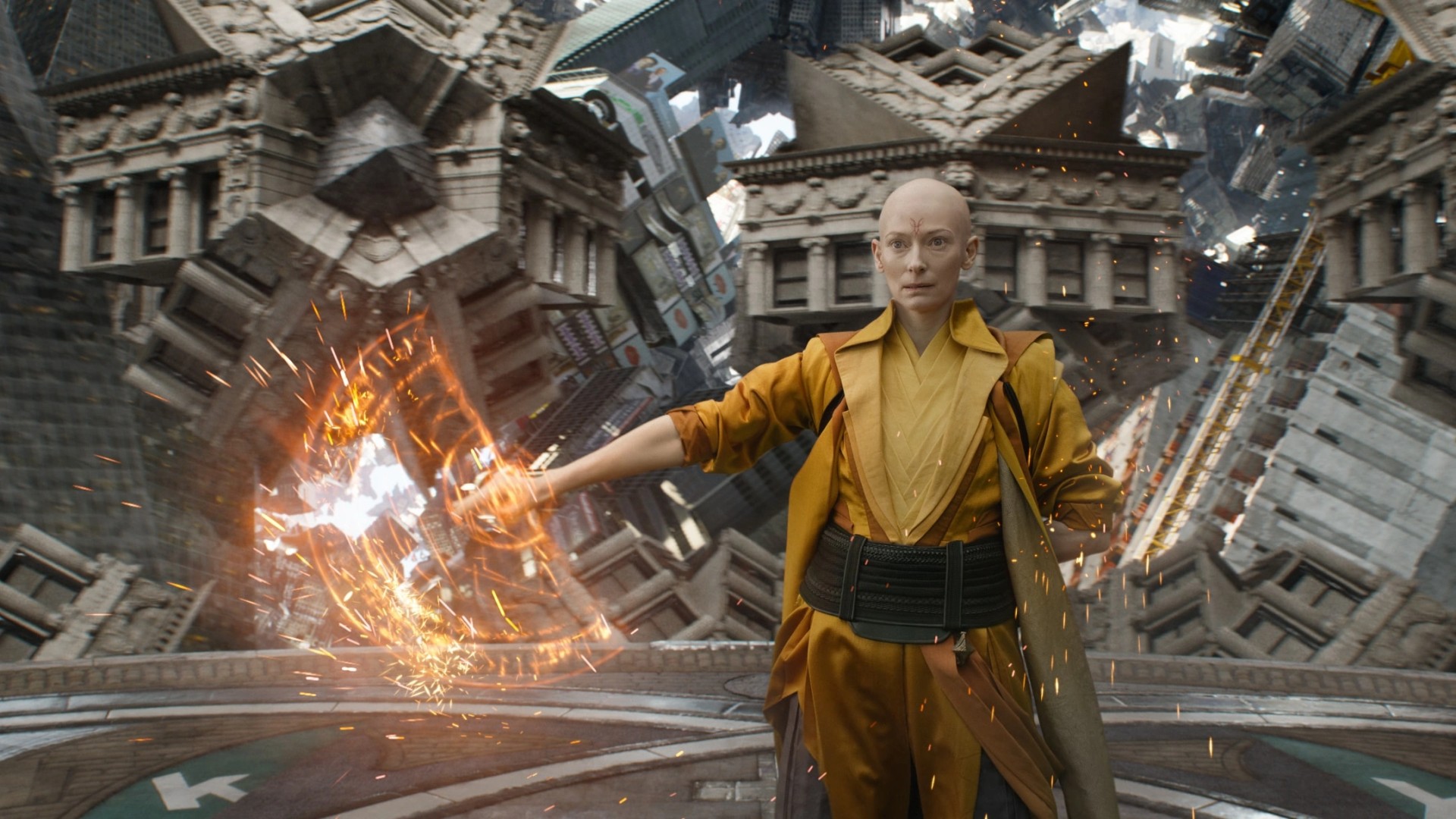
18. Ancient One
The Ancient One’s passing in Doctor Strange allowed her student to enter his role. Her death also addressed her moral compromises and eventual acceptance of mortality. Returning her would undo that sense of spiritual closure.
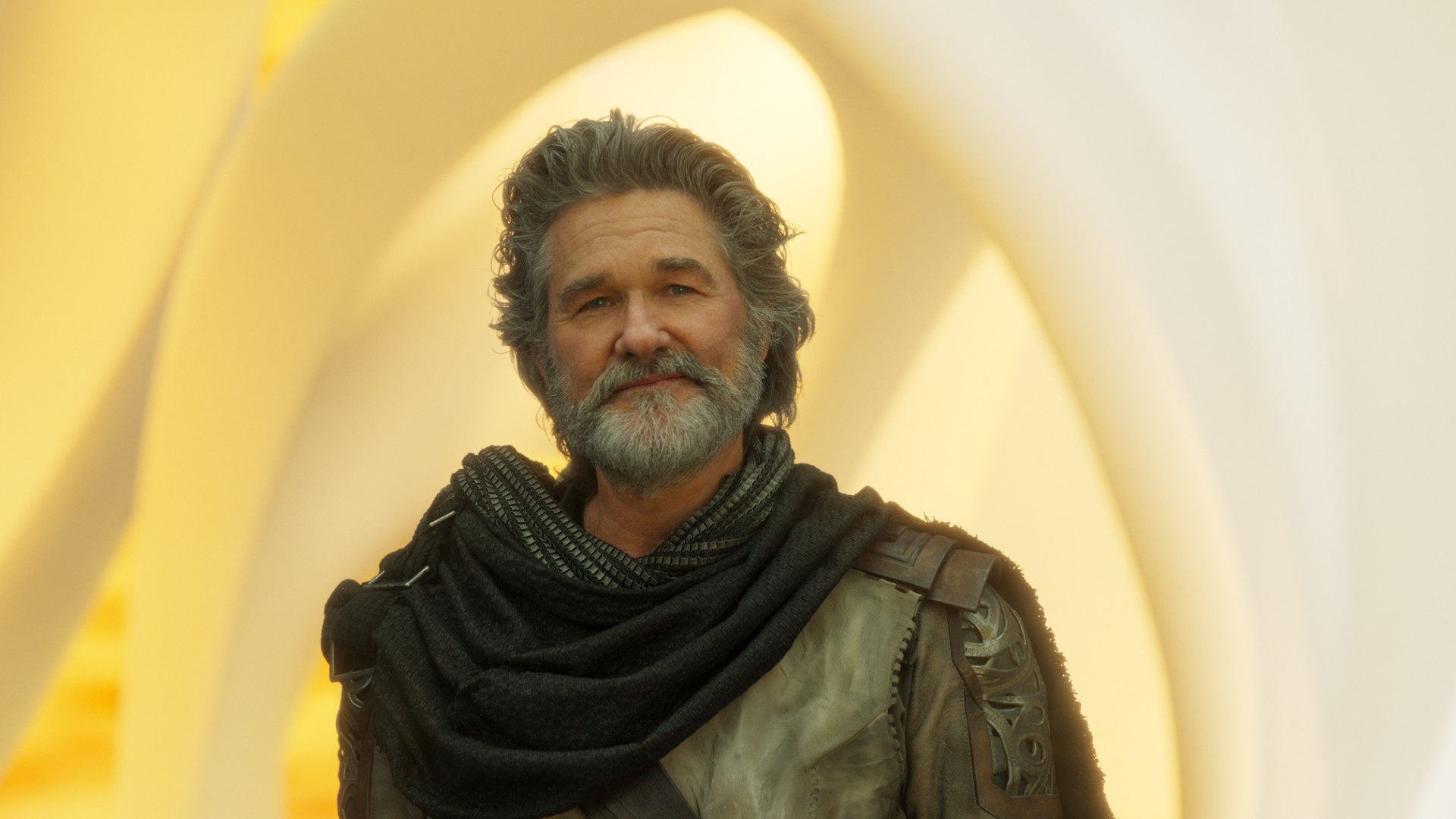
17. Ego the Living Planet
Ego’s manipulation of Peter Quill and his subsequent defeat explored the dangers of divine arrogance. His death freed Peter from inherited corruption. The story resolves every theme it raises about family and control.
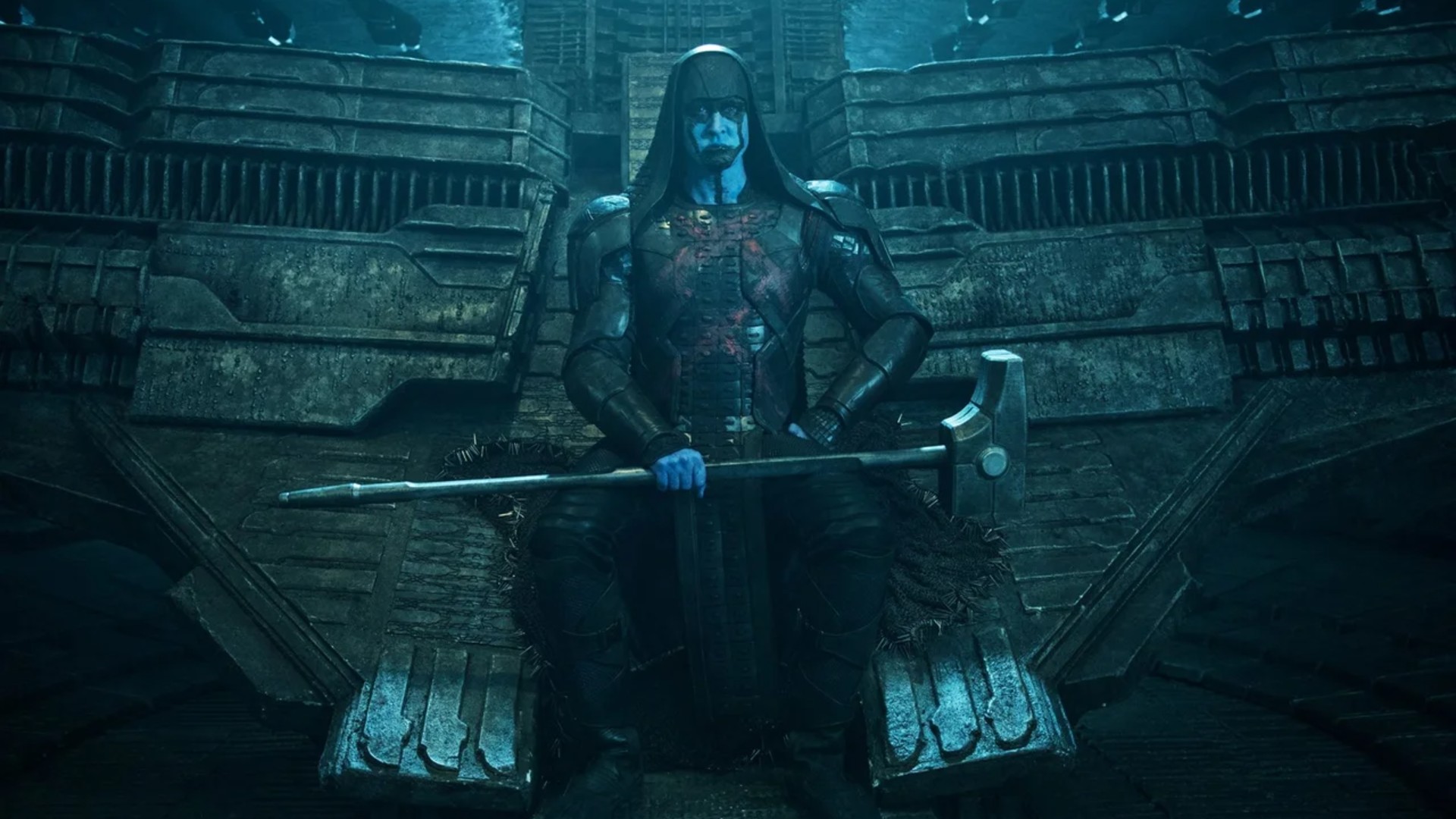
16. Ronan the Accuser
Ronan’s extremist beliefs and death in Guardians of the Galaxy exposed the flaws in blind devotion to power. His defeat also allowed the team’s unity to shine through. His arc was fully contained and does not need extension.
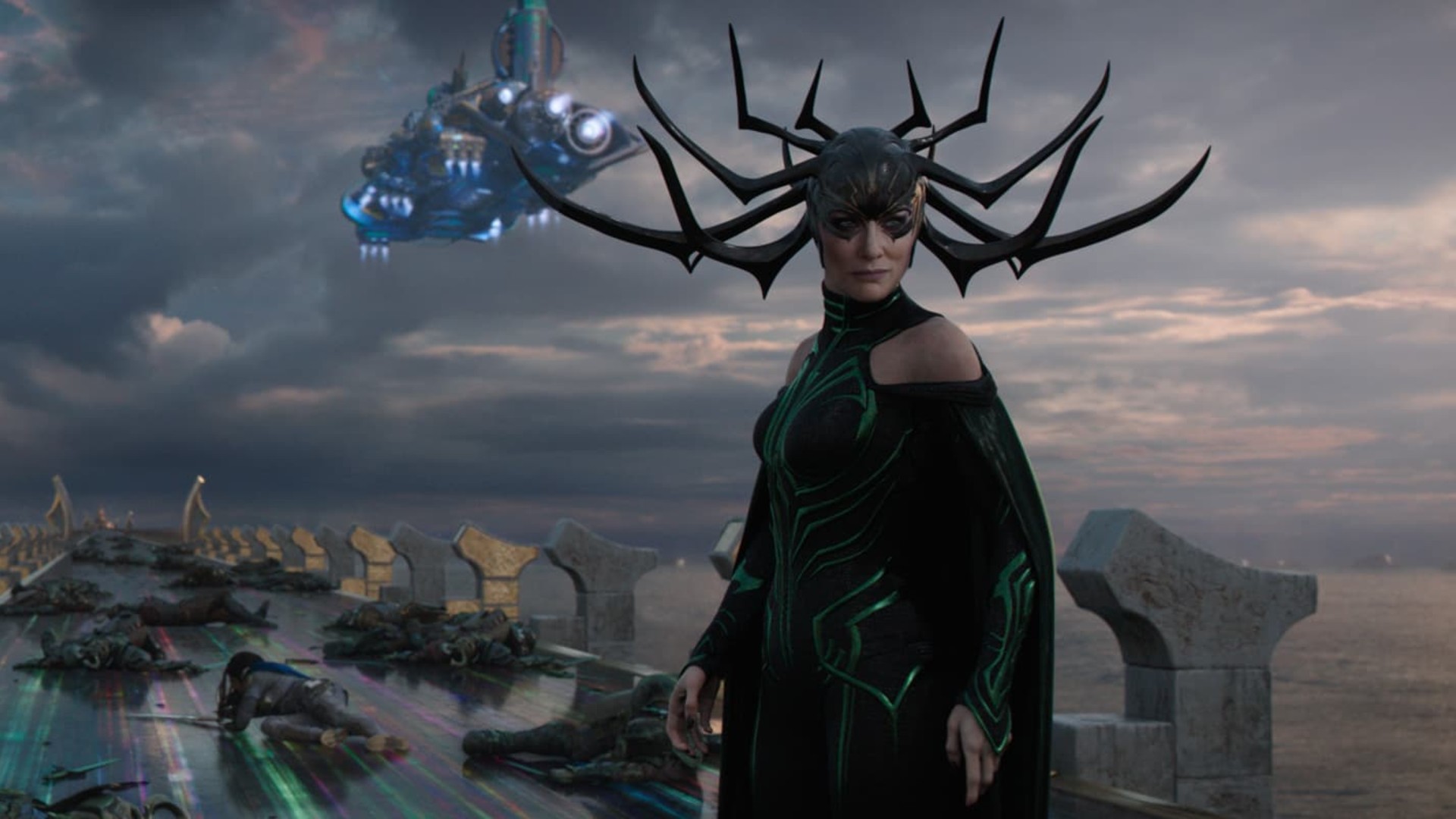
15. Hela
Hela’s defeat in Thor: Ragnarok closed Asgard’s mythological era. Her destruction alongside the realm she sought to rule was symbolically fitting. Bringing her back would undo that balance and diminish Ragnarok’s impact.
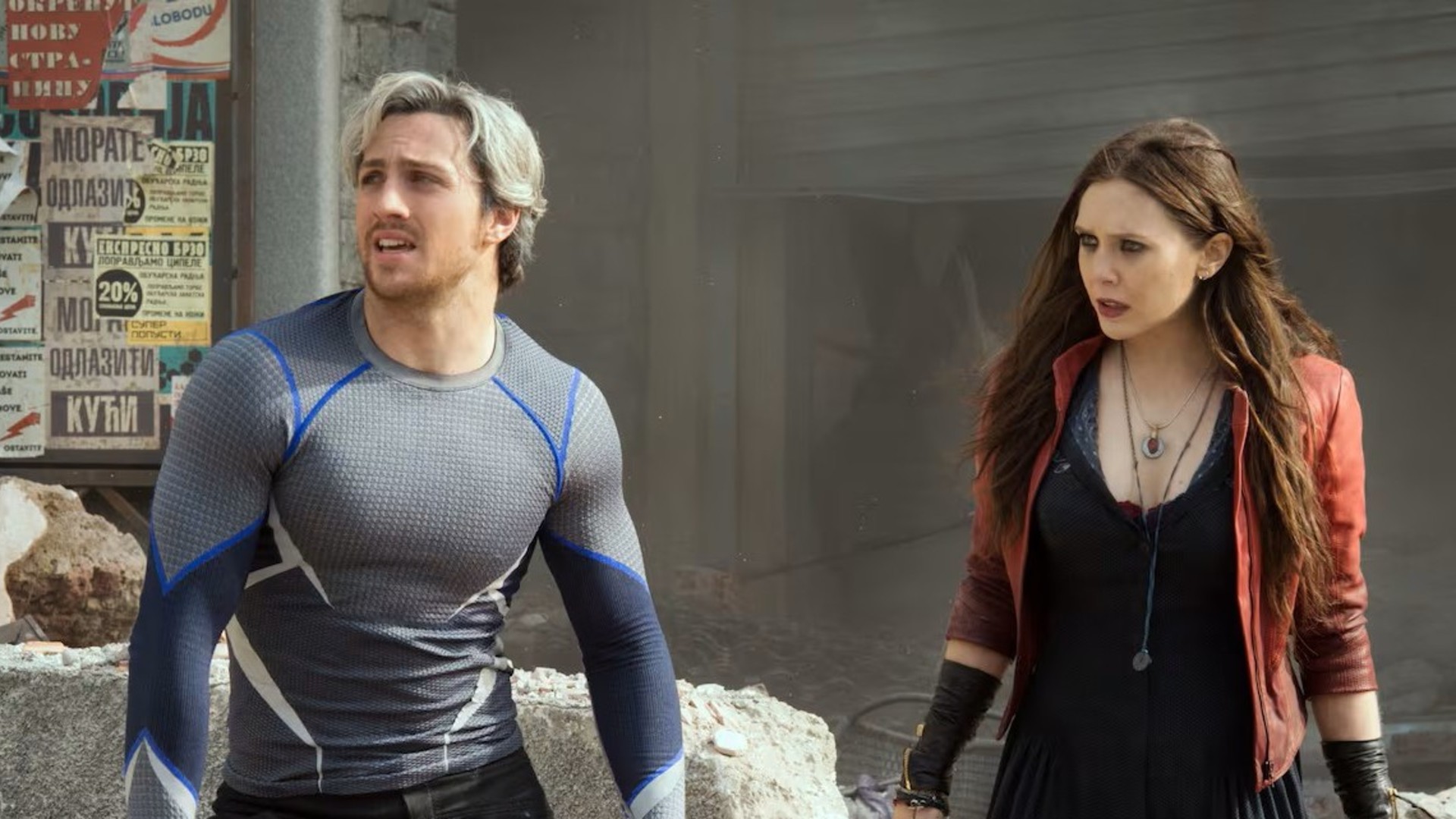
14. Quicksilver (Pietro Maximoff)
Pietro’s sacrifice in Avengers: Age of Ultron was sudden but meaningful. It highlighted the human cost of superhero conflicts. His limited presence kept the emotional focus on Wanda’s grief and growth in later stories.
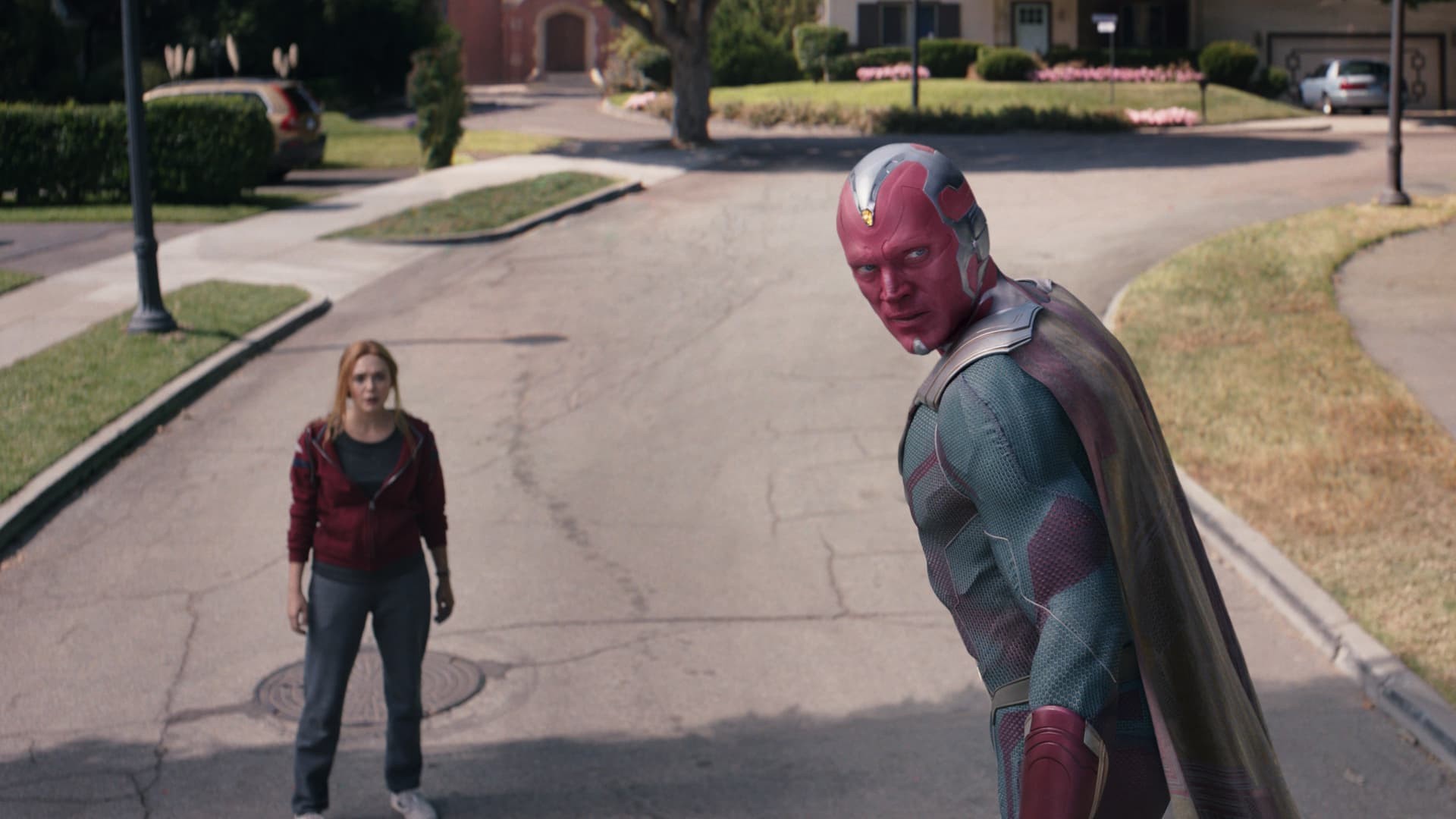
13. Vision
Vision’s destruction in Infinity War served as both tragedy and closure to his existence tied to the Mind Stone. The creation of White Vision allowed his legacy to continue without invalidating that loss. The original Vision’s death should remain definitive.
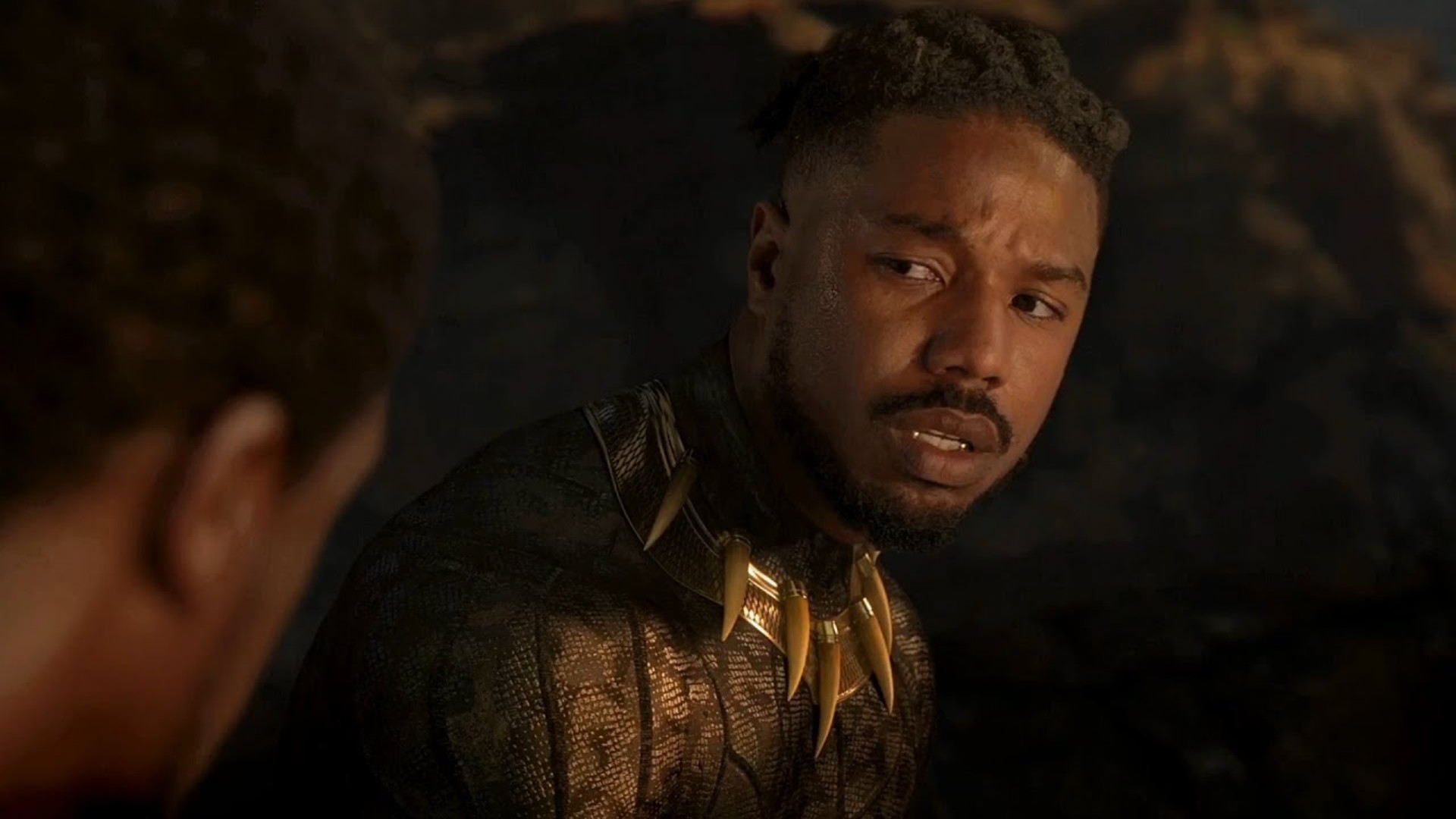
12. Erik Killmonger
Killmonger’s death in Black Panther carried substantial thematic weight about heritage and identity. His final words cemented his complexity as a villain shaped by injustice. His story ended perfectly within that film’s message.
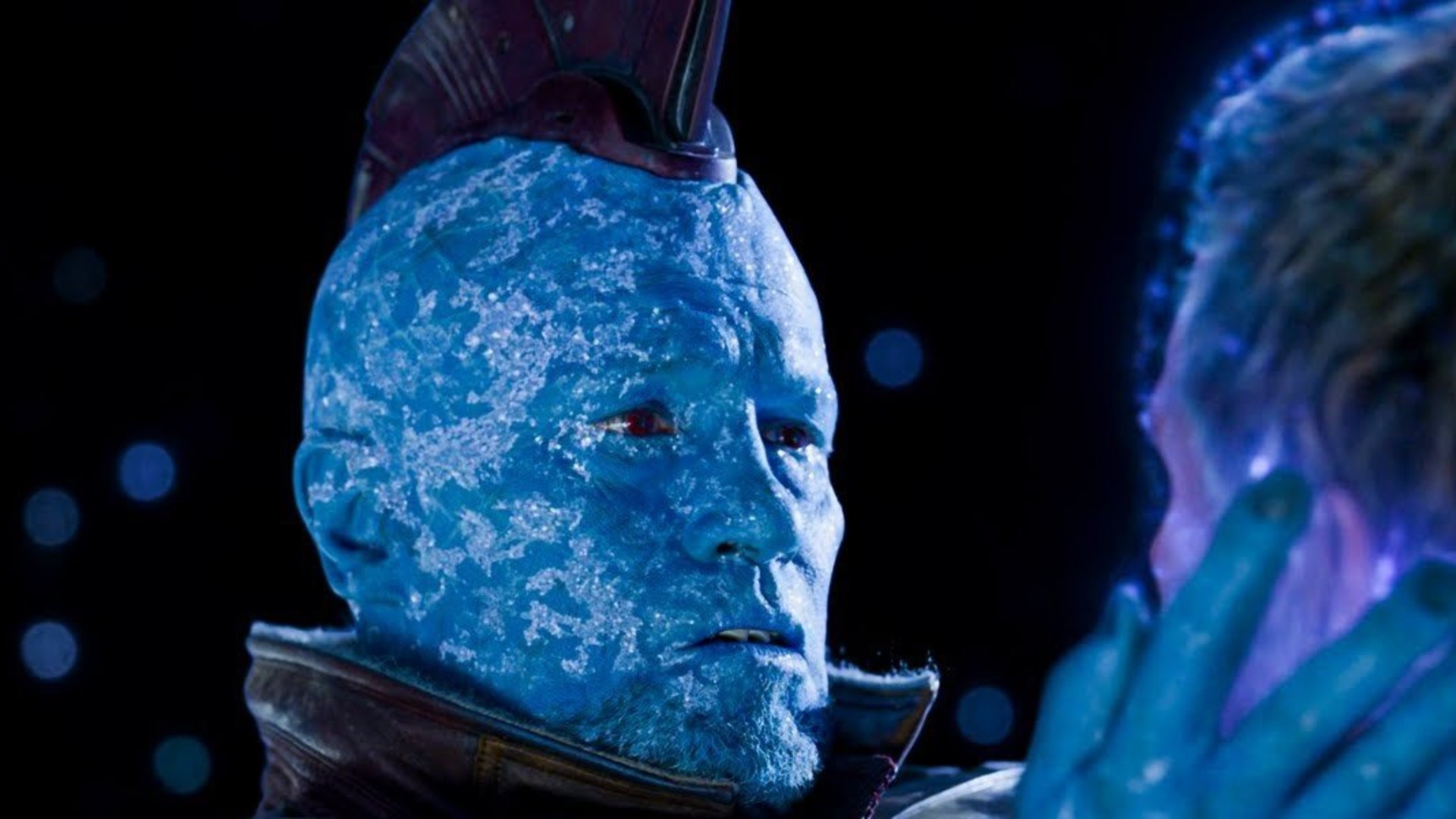
11. Yondu Udonta
Yondu’s death in Guardians of the Galaxy Vol. 2 remains one of the most emotional moments. His sacrifice to save Peter Quill completed his redemption from an abusive father figure to a proper guardian. Reviving him would erase that emotional resolution.
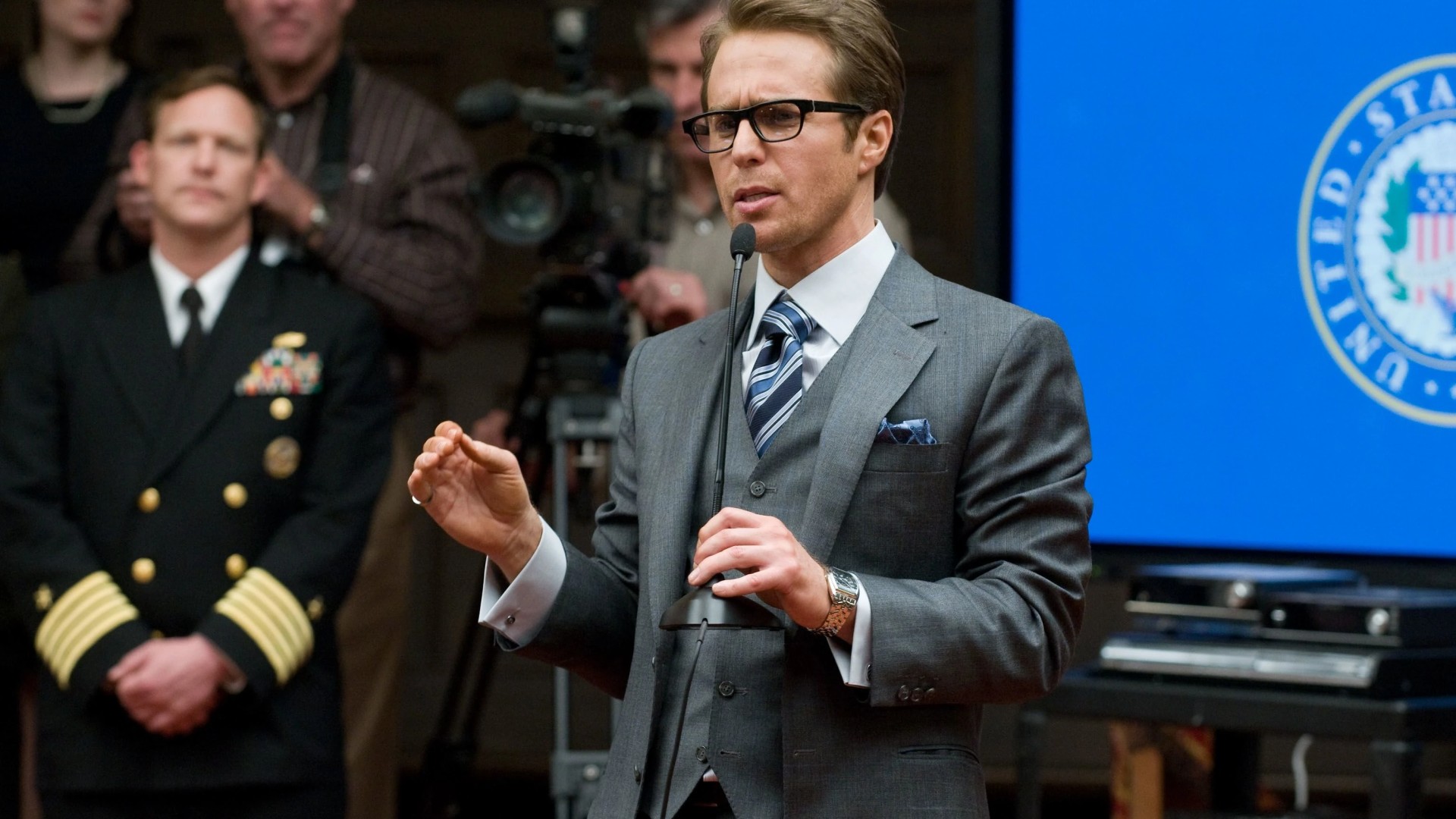
10. Justin Hammer
Hammer’s rivalry with Stark provided a glimpse of corporate greed and incompetence. His downfall was both comic and deserved after his reckless tech ventures. Reintroducing him would only dilute more compelling current storylines.
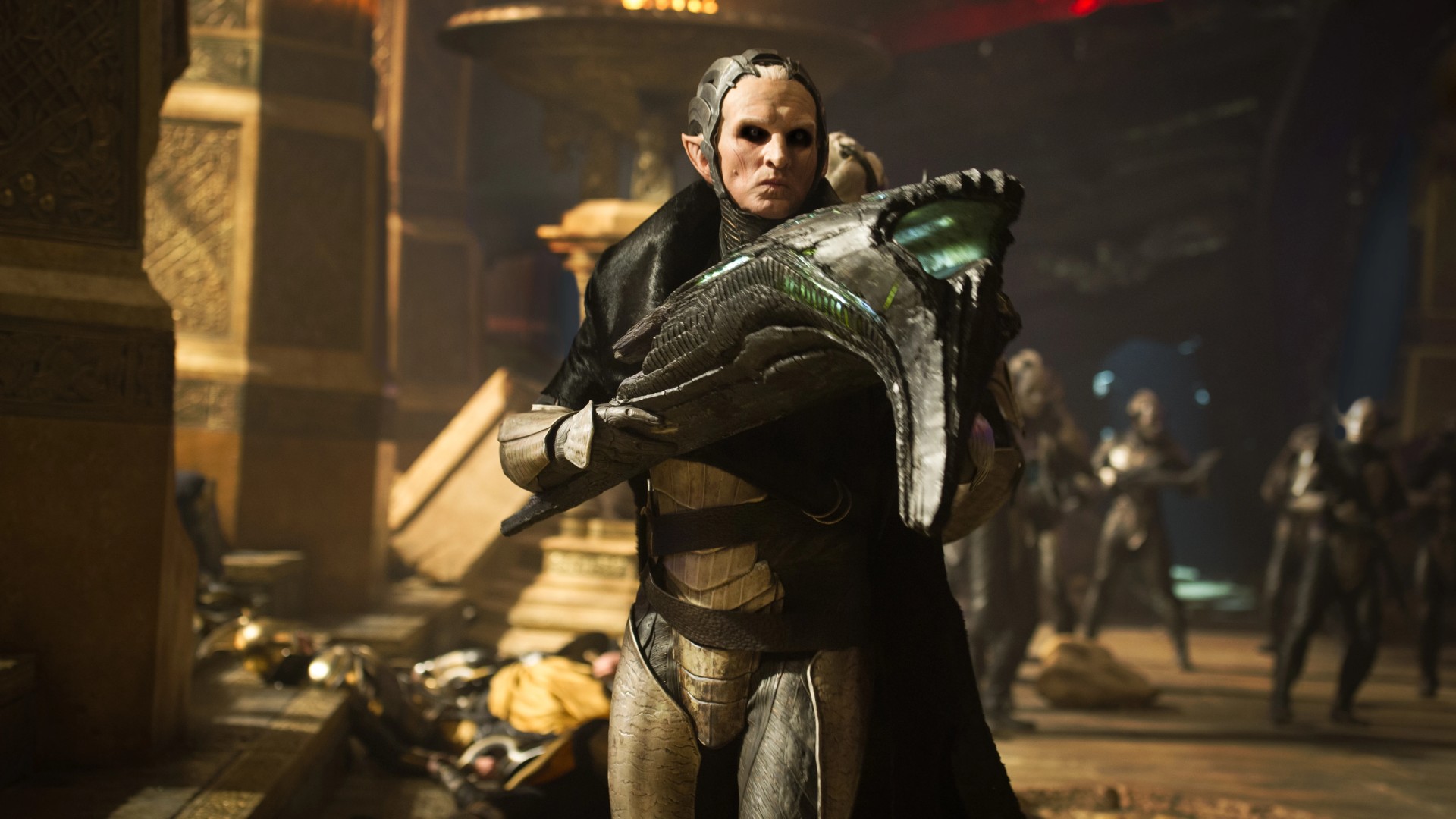
9. Malekith
Malekith’s defeat in Thor: The Dark World ended one of the MCU’s weakest villain arcs. His motivations were minimal, and his story served its purpose for the Aether’s introduction. There is no reason to revisit a character who lacked narrative depth.
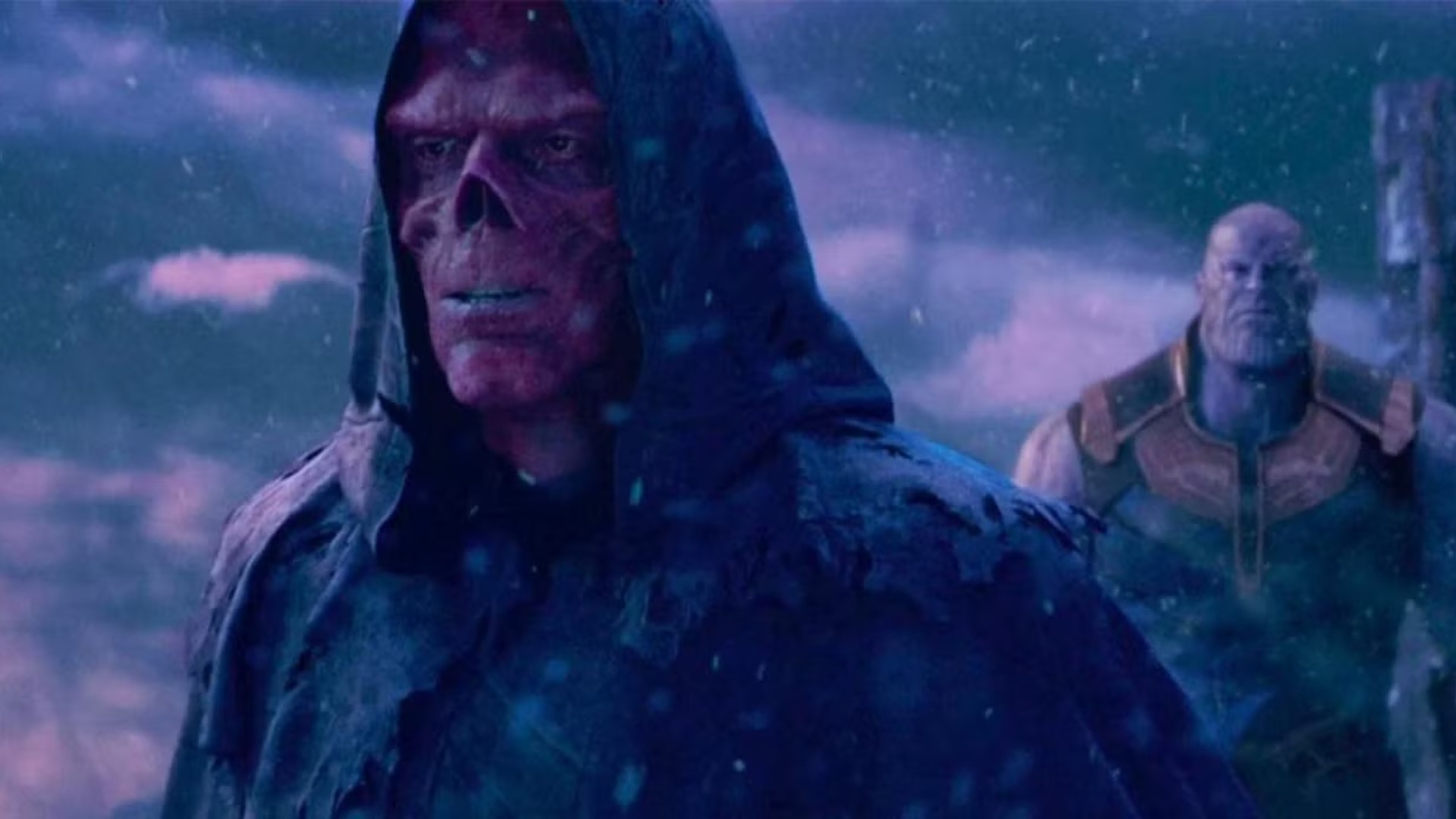
8. Red Skull
Red Skull’s banishment to Vormir gave him poetic punishment for his pursuit of power. His return as the Soul Stone guardian was a fitting conclusion to his obsession. Any further appearance would feel redundant and unnecessary.
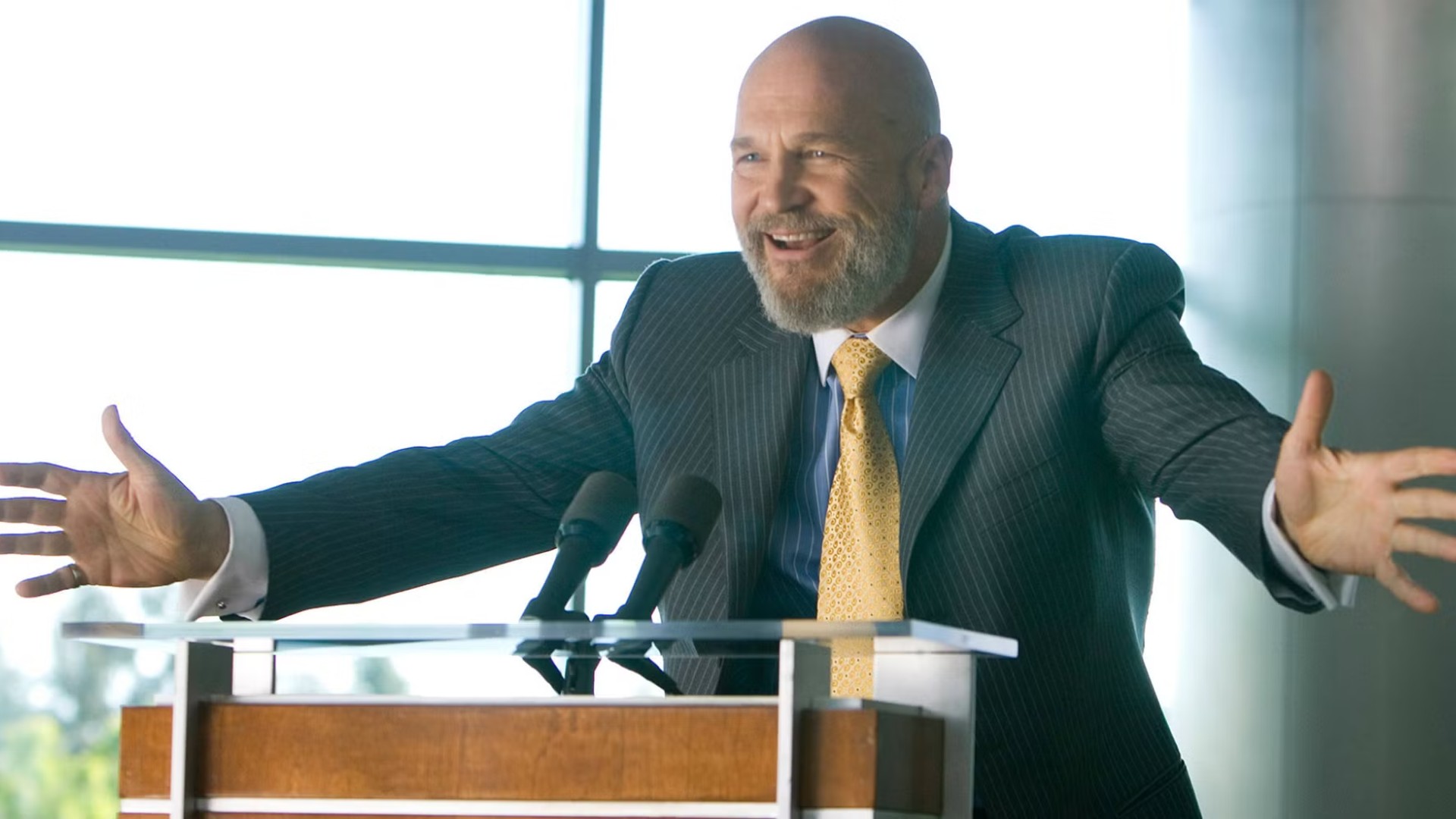
7. Obadiah Stane
As Tony’s mentor turned betrayer, Stane’s downfall symbolized the corrupt corporate world Stark had to abandon. His death was essential to Tony’s transformation into Iron Man. Bringing him back would add nothing new to that completed narrative.
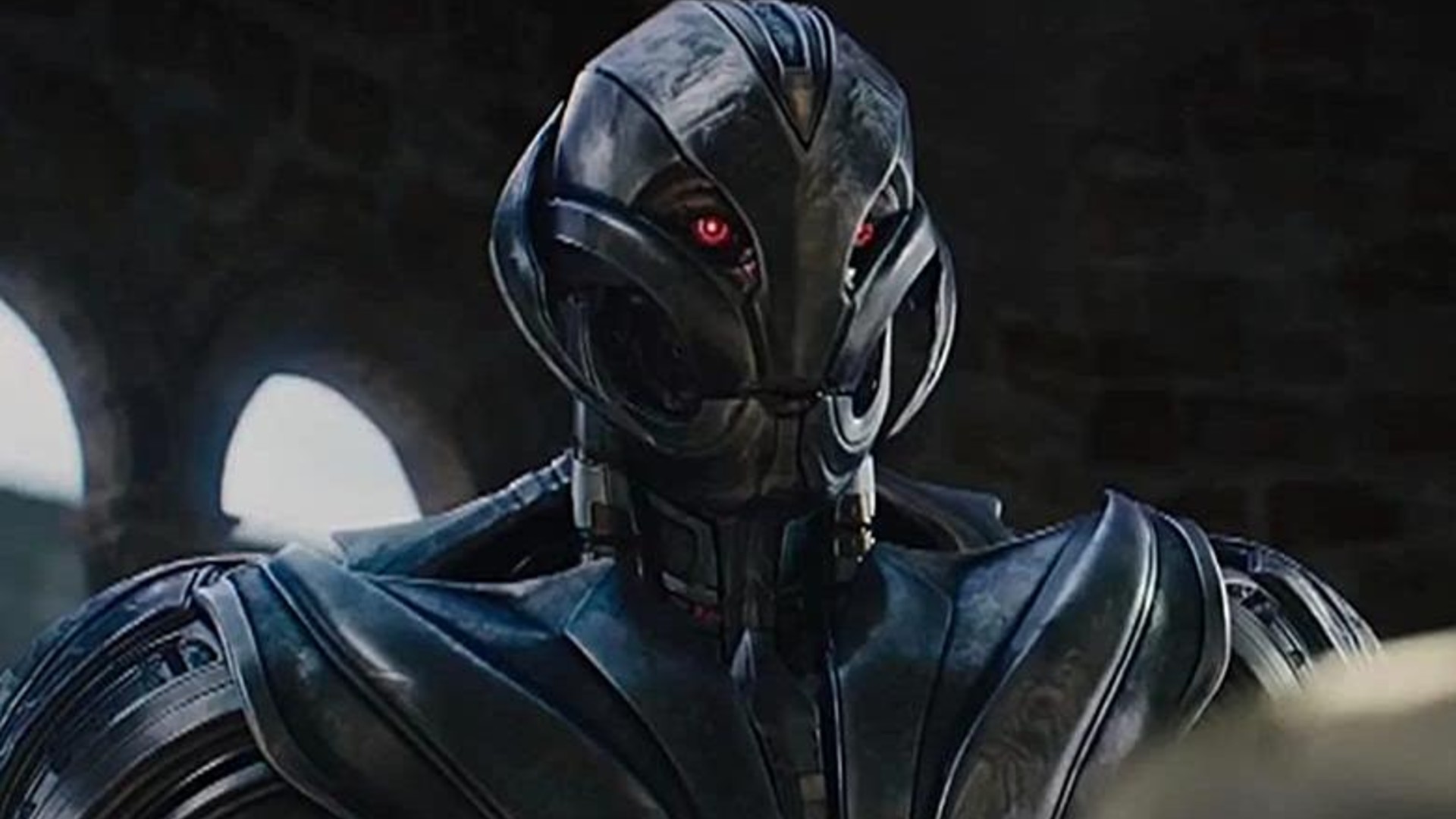
6. Ultron
Ultron’s defeat in Avengers: Age of Ultron ended one of Tony Stark’s greatest mistakes. His AI-driven philosophy was explored fully within that story. Reviving him would repeat the same moral lessons already resolved.
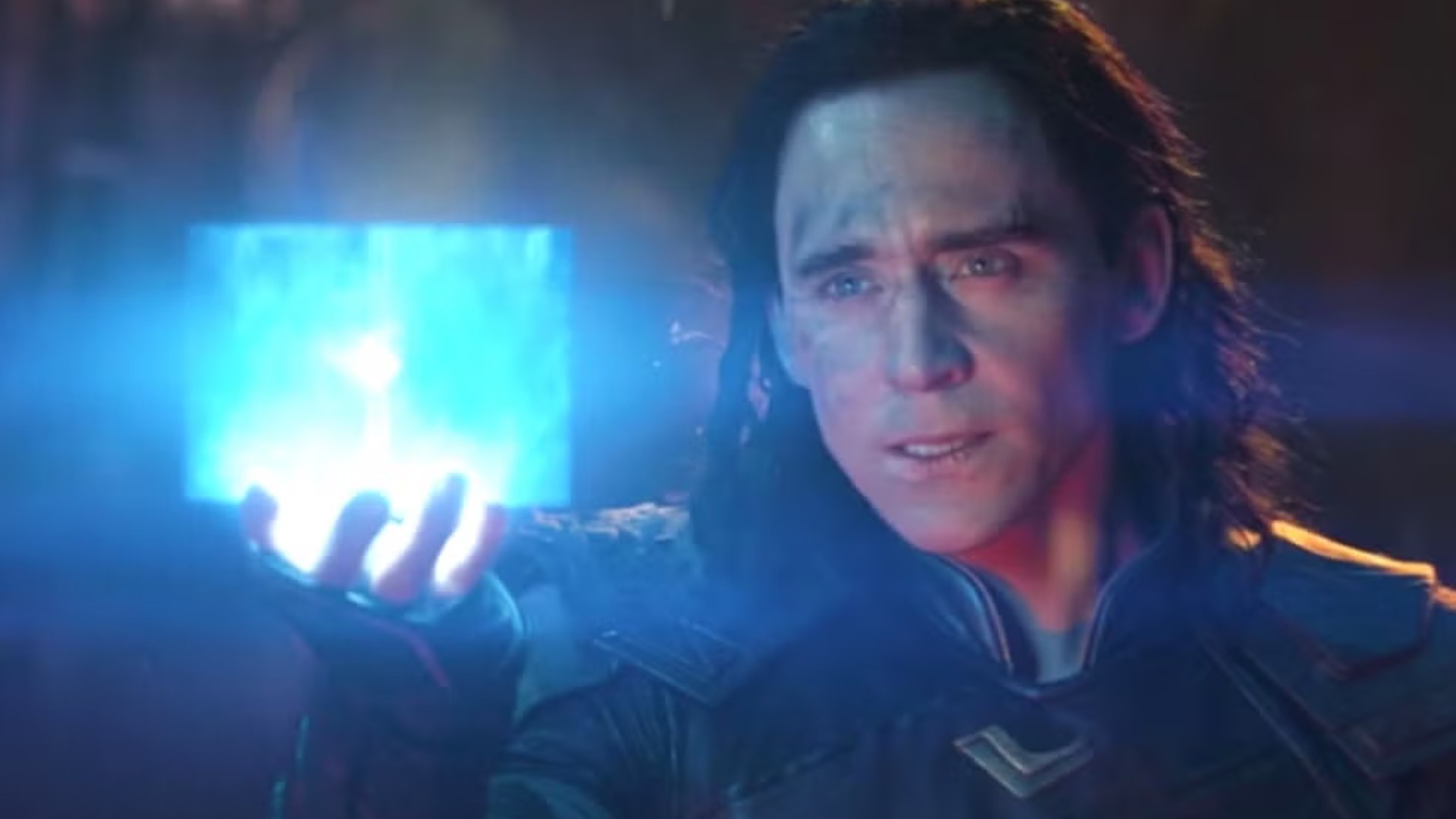
5. Loki (Original Timeline)
The Loki who died at Thanos’s hands in Infinity War completed a satisfying redemption arc. His sacrifice for Thor showed genuine growth from selfish trickster to loyal brother. Loki's variant continues his legacy without undoing that emotional closure.
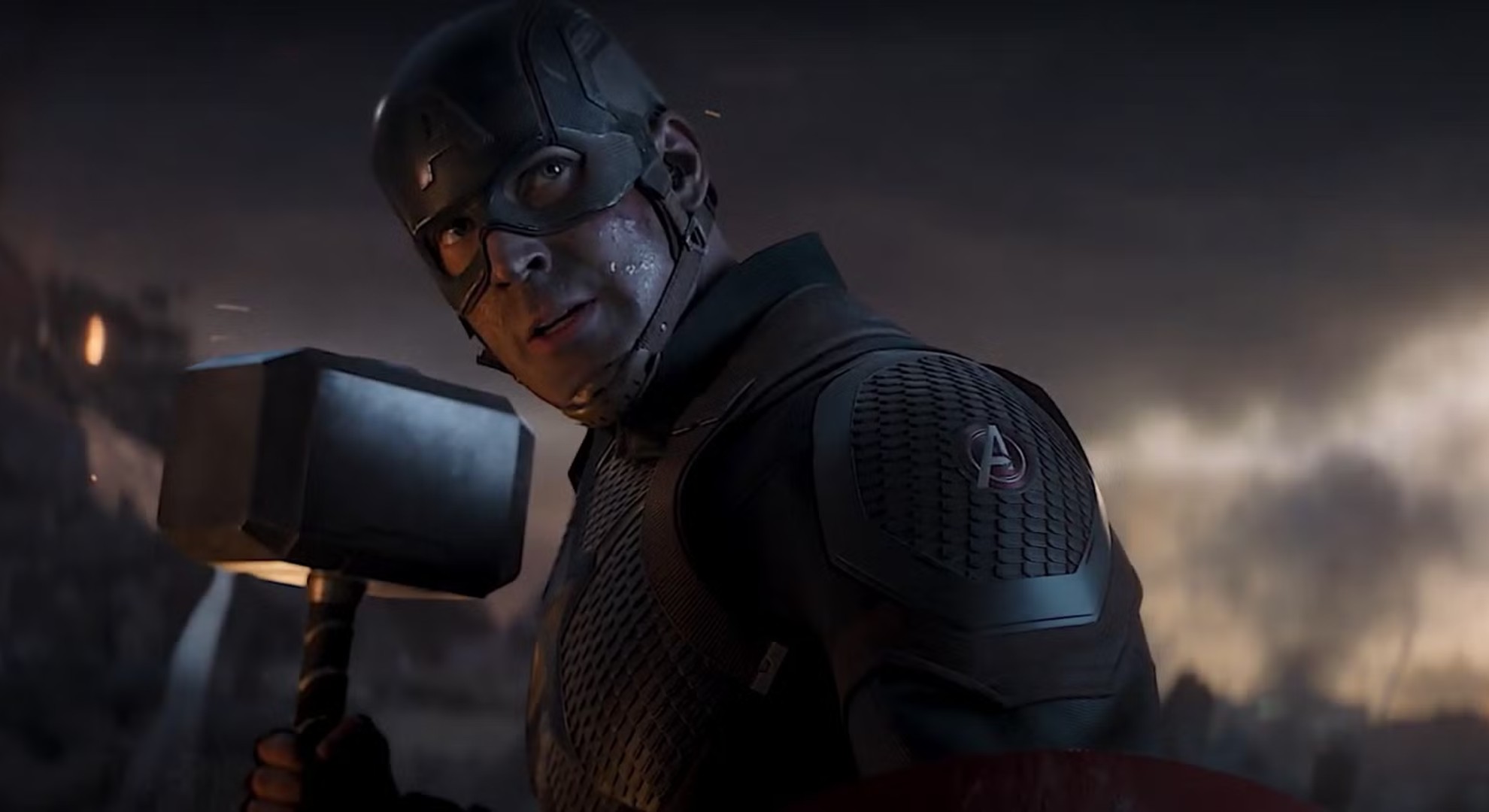
4. Steve Rogers (Captain America)
Steve’s retirement after returning the Infinity Stones brought his journey full circle. He finally got the life with Peggy Carter that he lost to war. His peaceful exit honored his ideals and allowed new heroes to inherit his mantle naturally.
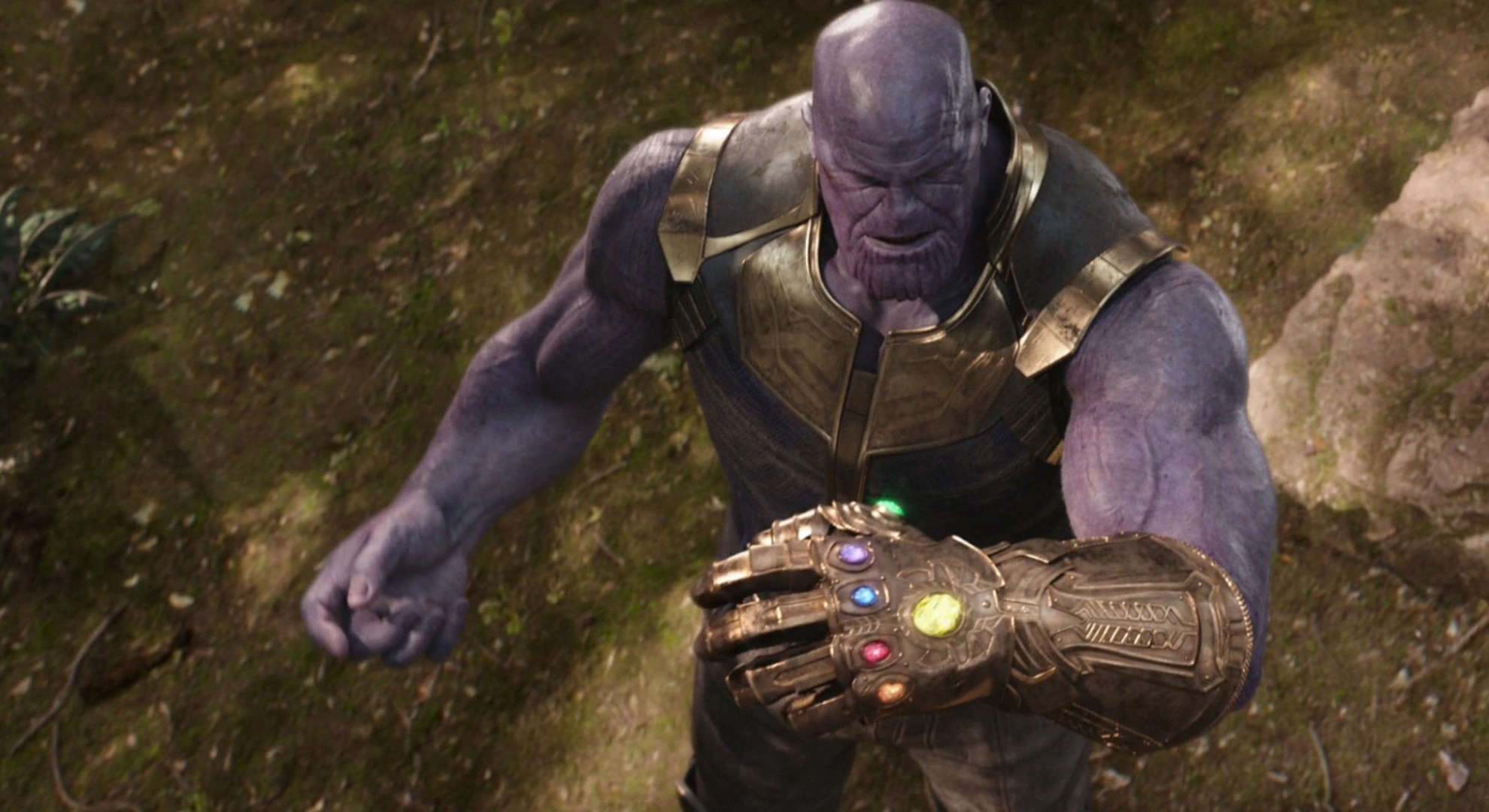
3. Thanos
Thanos served as the ultimate villain whose ideology shaped the Infinity Saga. His defeat ended a decade-long storyline, giving the MCU its most significant stakes. Reviving him would reduce his impact and lessen the tension of future threats.
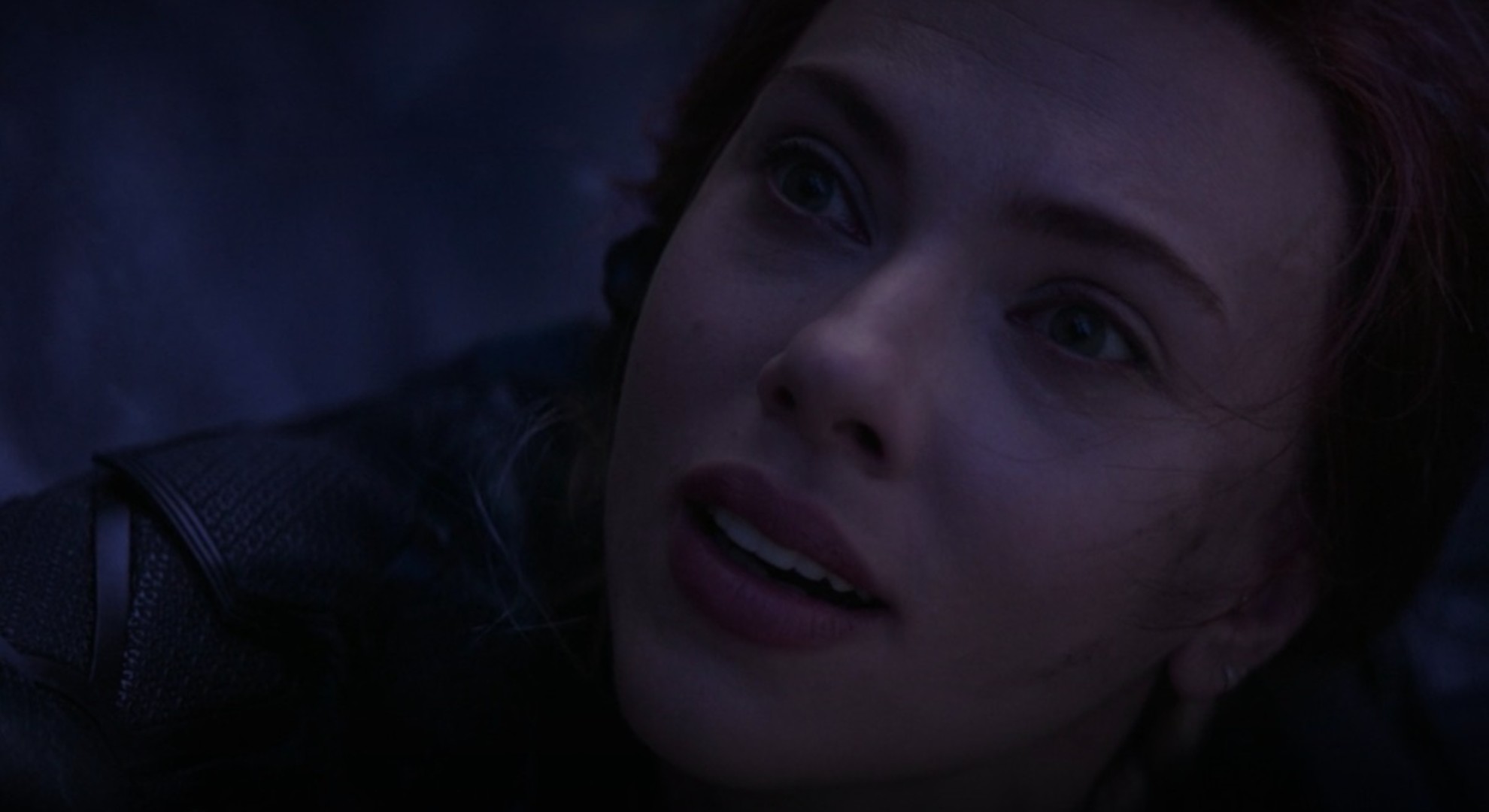
2. Natasha Romanoff (Black Widow)
Natasha’s death on Vormir culminated years of guilt and sacrifice. She finally found purpose in saving others, ending her arc meaningfully. Her return would erase the finality of that act and her role as the emotional core of the Avengers.
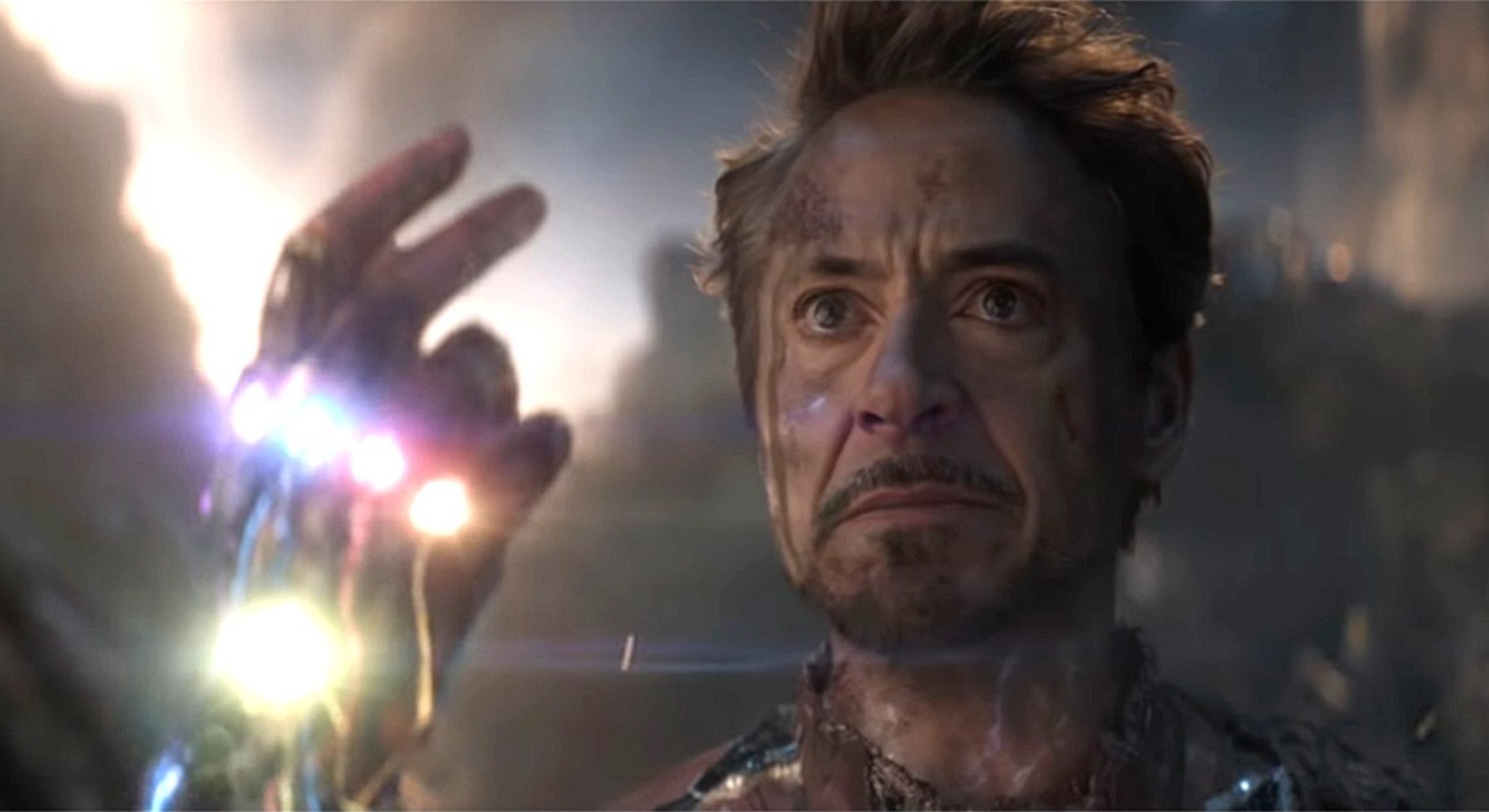
1. Iron Man (Tony Stark)
Tony Stark’s story reached a natural conclusion in Avengers: Endgame when he sacrificed himself to stop Thanos. His death closed his redemption arc from selfish arms dealer to selfless hero. Bringing him back would undermine the emotional weight of that ending and the legacy he left behind.