25 Marvel Characters Who Were Misunderstood All Along

25. Taskmaster (Antonia Dreykov)
Originally seen as a remorseless assassin in Black Widow, Taskmaster is revealed to be a victim of control. Her abilities are the result of manipulation, not choice. Once freed, she rejects violence and seeks peace. Her character represents how autonomy restores humanity. Taskmaster’s shift from weapon to survivor completes her arc.
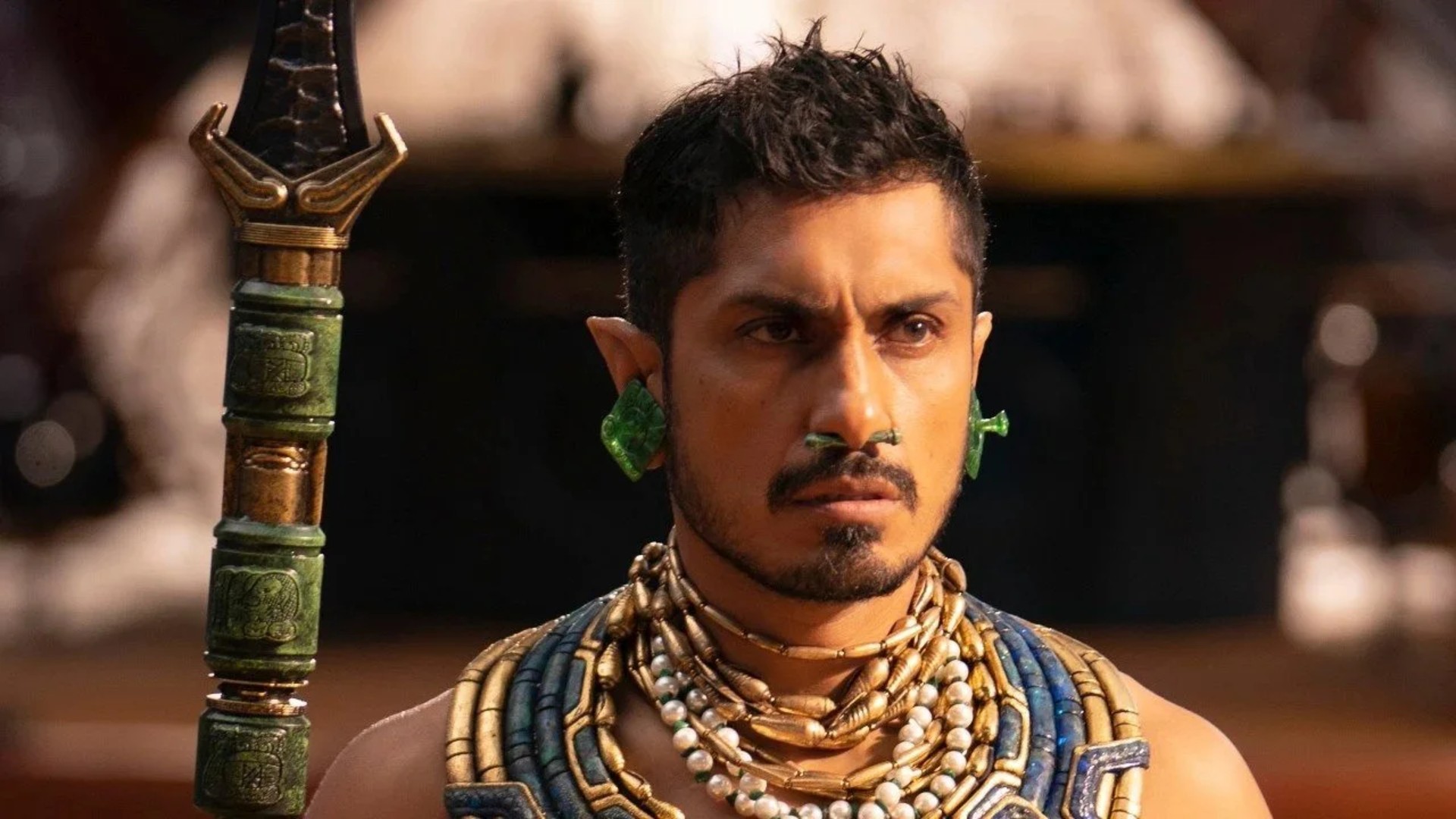
24. Namor
His aggressive defense of Talokan makes him seem antagonistic. Yet his actions arise from a desire to protect his people from exploitation. Namor’s confrontations with the surface world are political, not evil. His motives parallel those of leaders safeguarding sovereignty. His complexity makes him both a rival and an ally to heroes.
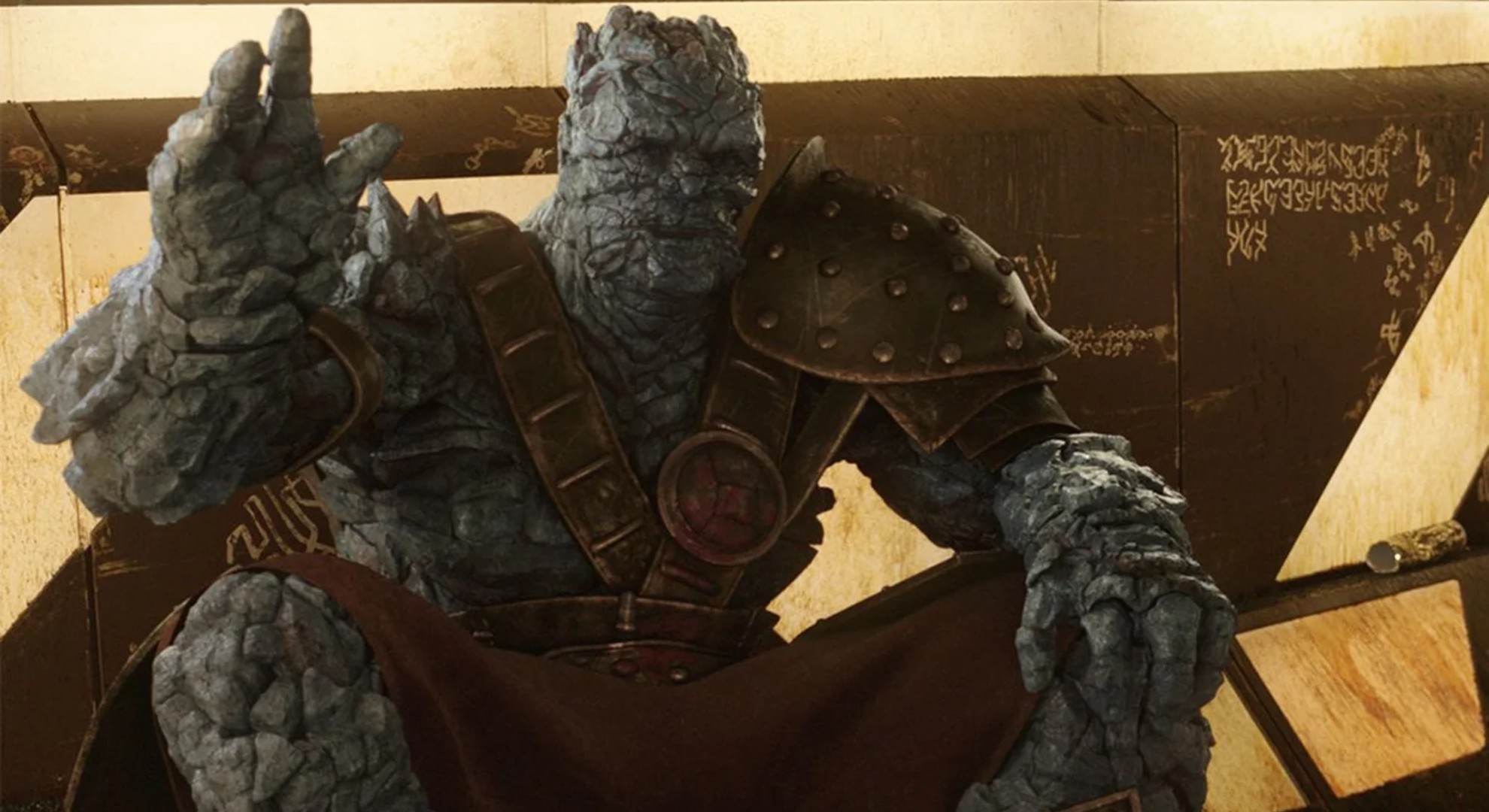
22. Korg
At first glance, Korg’s gladiatorial past makes him seem intimidating. Yet his gentle nature and humor reveal his kindness. He fights for freedom rather than dominance. His leadership in the revolution is peaceful and inclusive. Korg symbolizes strength expressed through compassion.
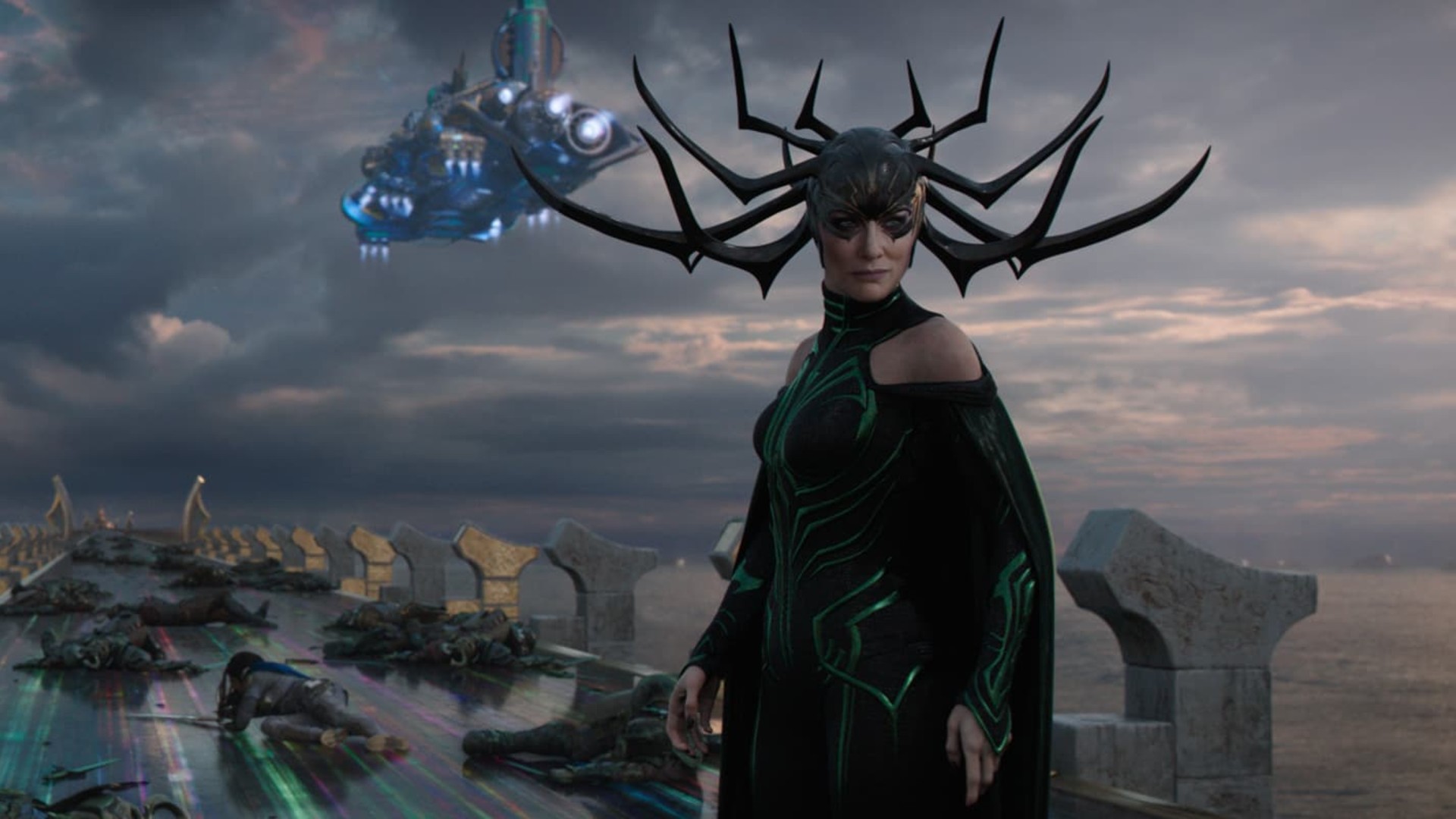
21. Hela
Though she is a destroyer in Thor: Ragnarok, her motivations reveal truths about Asgard’s violent past. Her rage stems from being erased from history by Odin’s hypocrisy. While her methods are merciless, her claim exposes hidden imperialism. Hela embodies justice corrupted by betrayal. Her villainy reflects systemic wrongdoing rather than pure evil.
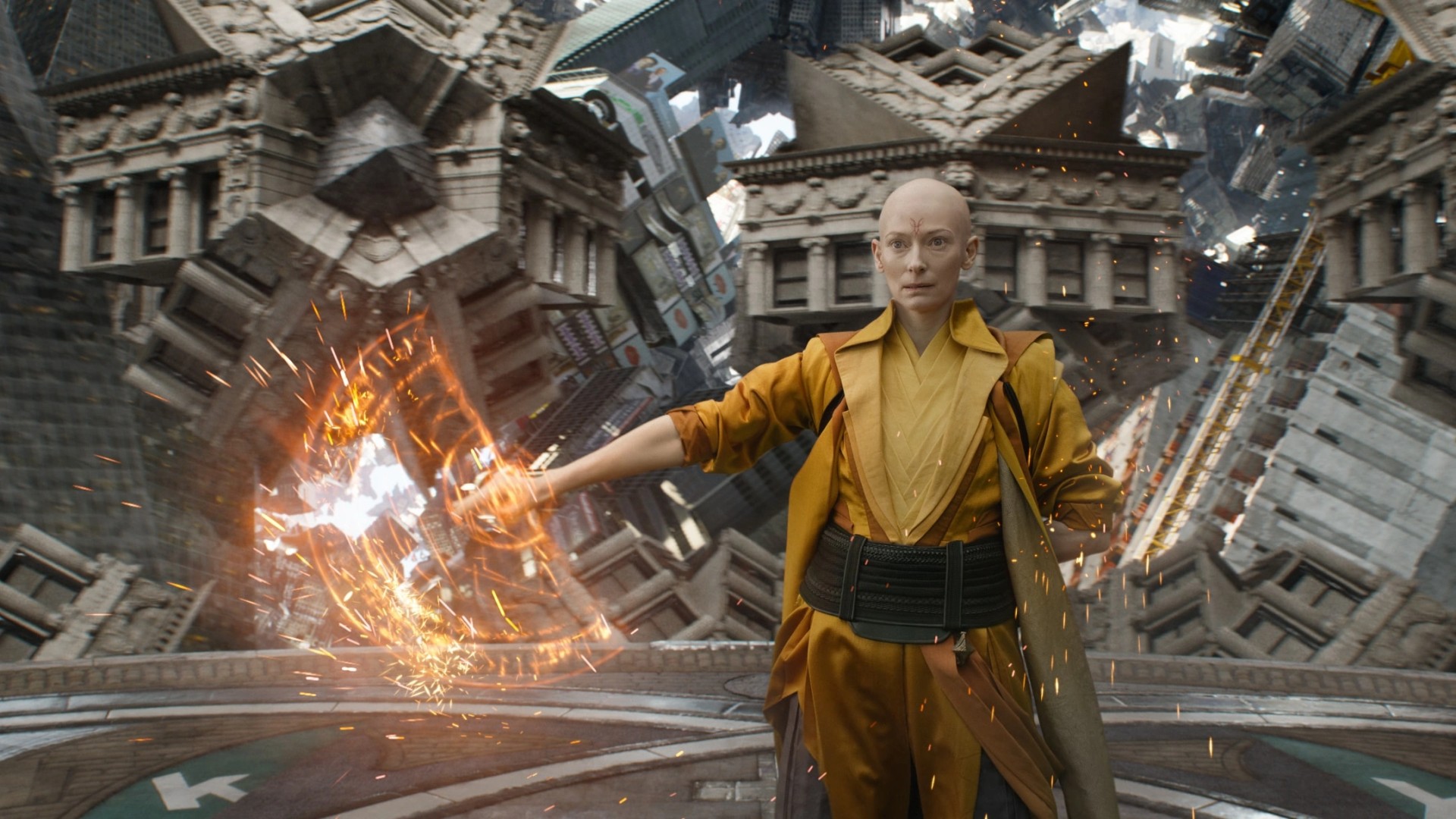
20. The Ancient One
Accused of hypocrisy for drawing on dark powers, the Ancient One’s actions are pragmatic. She uses forbidden knowledge to preserve balance in the universe. Though her methods raise questions, her intent is protection. Her mentorship shapes Doctor Strange’s destiny. She shows that wisdom often lives in moral complexity.
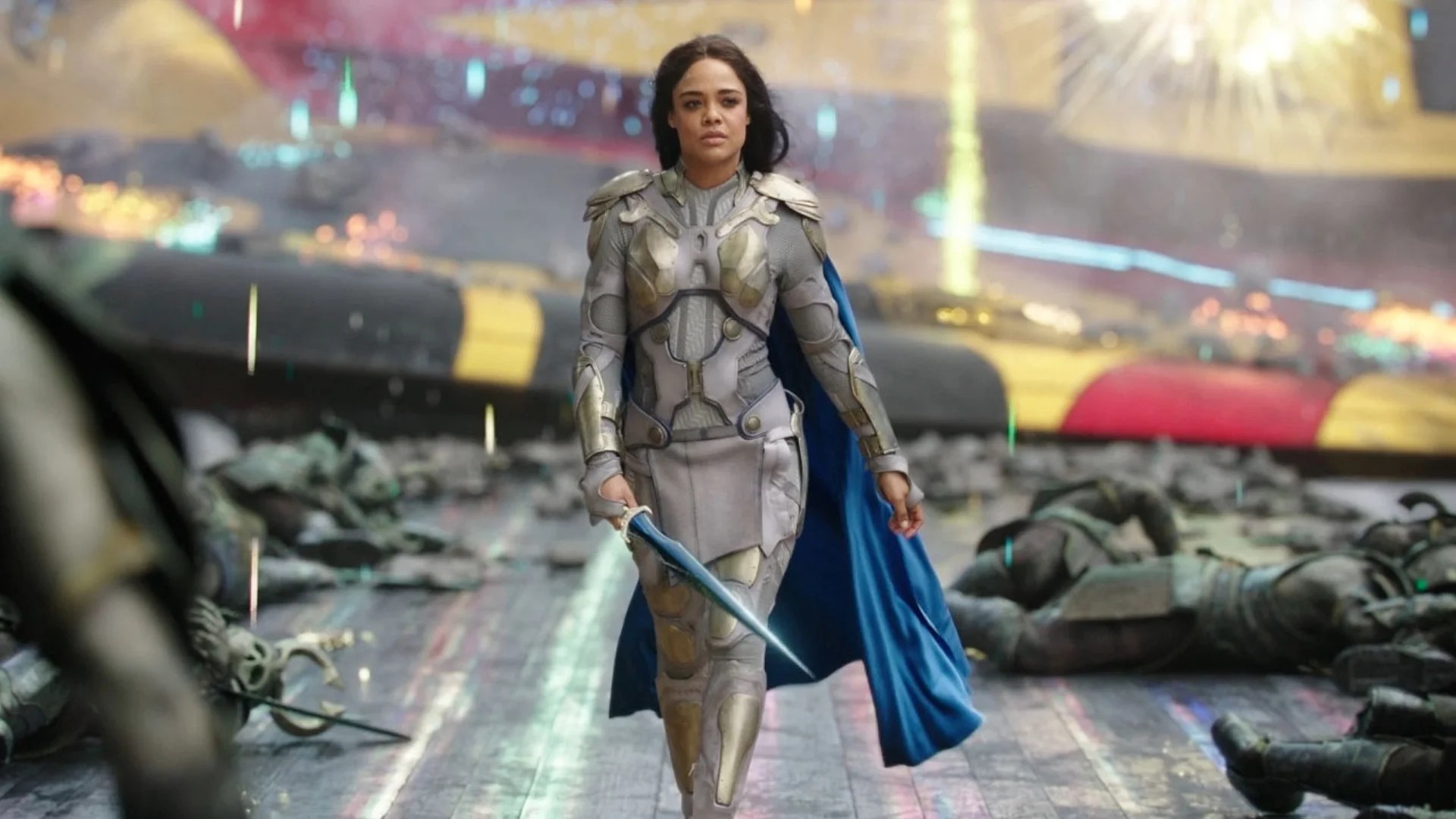
19. Valkyrie
First introduced as a disillusioned warrior and trader, Valkyrie hides her heroism behind cynicism. Her past trauma as the last surviving Valkyrie fuels her detachment. Yet when Asgard is threatened, she reclaims her role with honor. She becomes a leader driven by duty and courage. Her redemption lies in embracing legacy over despair.
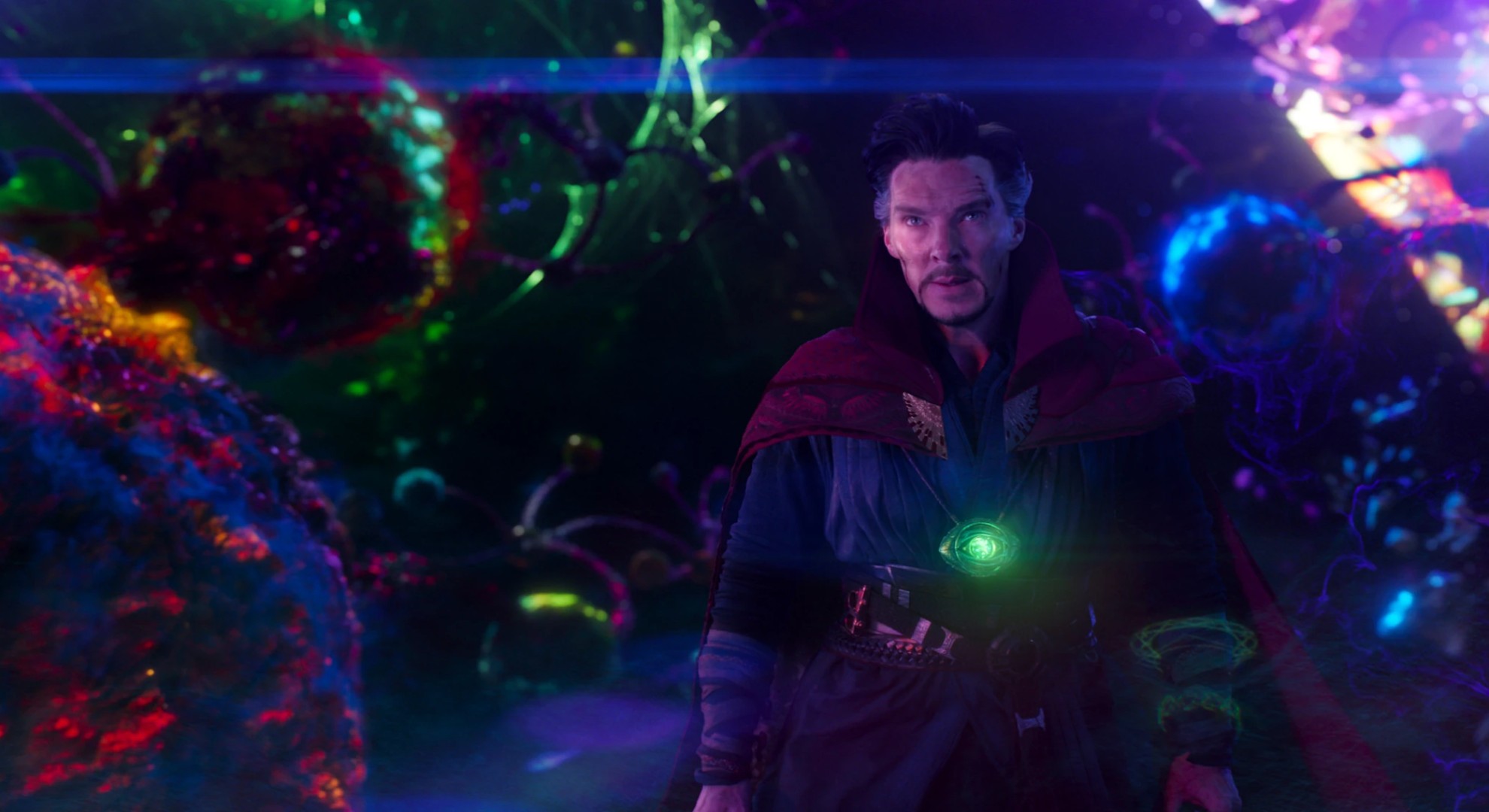
18. Doctor Strange
His arrogance and detachment initially make him unlikable. However, his devotion to mastering the mystic arts leads him to defend Earth selflessly. He learns humility through loss and discipline. Strange often makes hard choices for the greater good, even at personal cost. His journey embodies intellectual redemption through sacrifice.
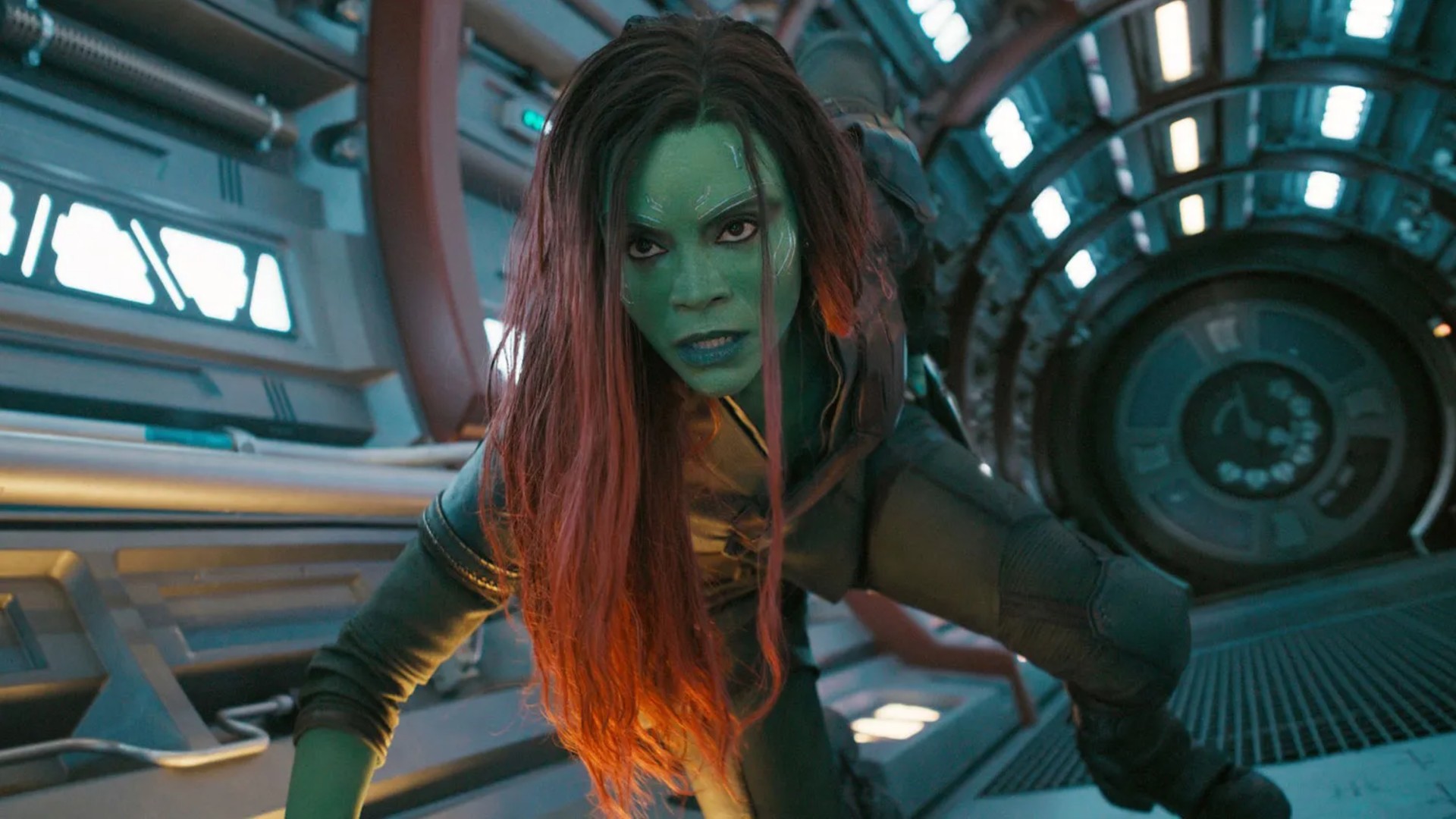
17. Gamora
Raised by Thanos to be a killer, Gamora spent years carrying out his missions. Once she realized his cruelty, she turned against him. She helped lead the Guardians of the Galaxy and later fought to defeat Thanos. Her transformation is rooted in empathy and justice. Gamora’s defiance symbolizes moral awakening amid violence.
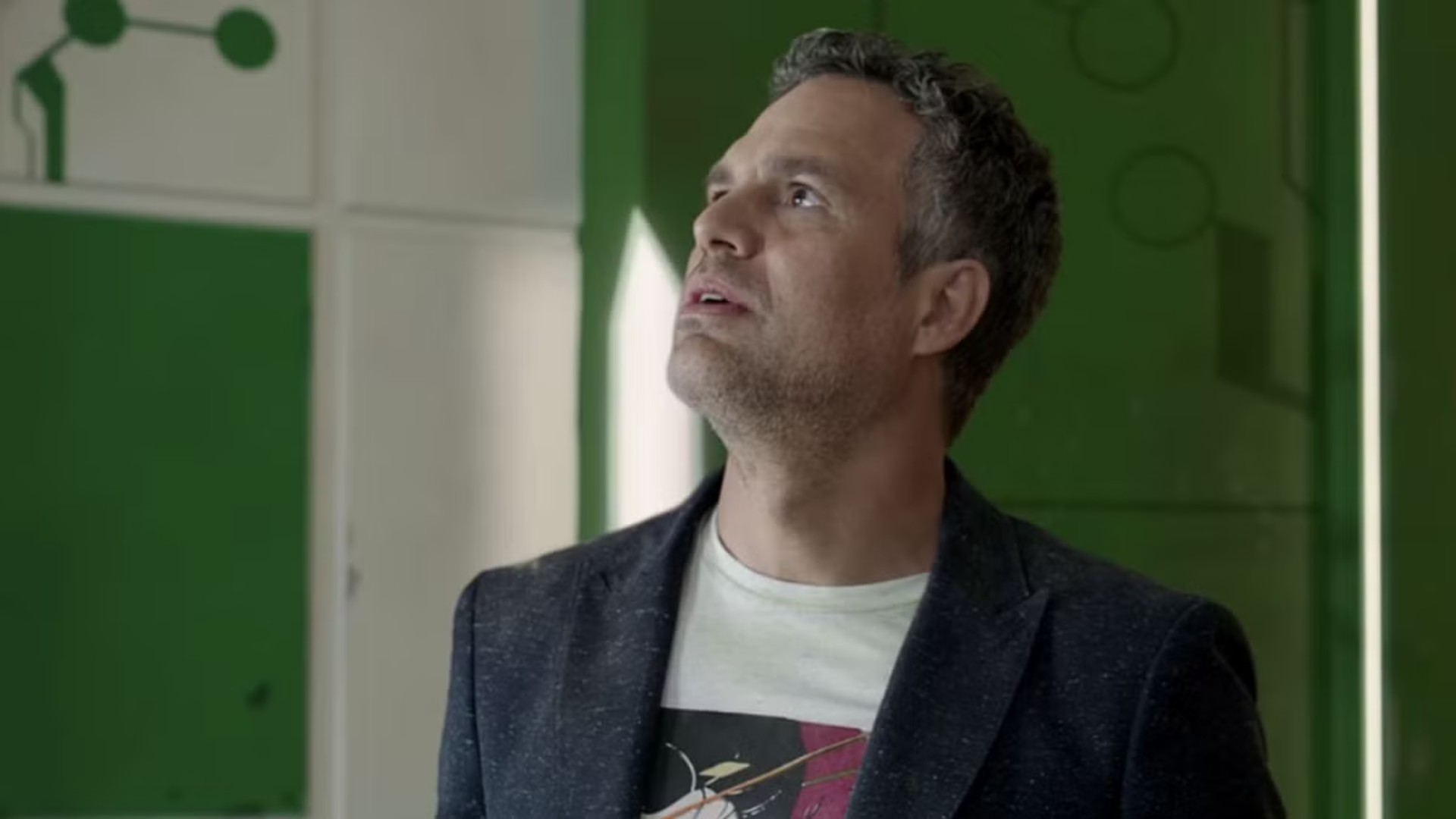
16. The Hulk (Bruce Banner)
Initially feared as a monster, Hulk was misunderstood due to his uncontrollable rage. Banner’s struggle to coexist with his alter ego defines his journey. Despite the destruction caused in his wake, he consistently fights for humanity. His scientific brilliance and heroism make him indispensable to the Avengers. Hulk represents the conflict between strength and restraint.
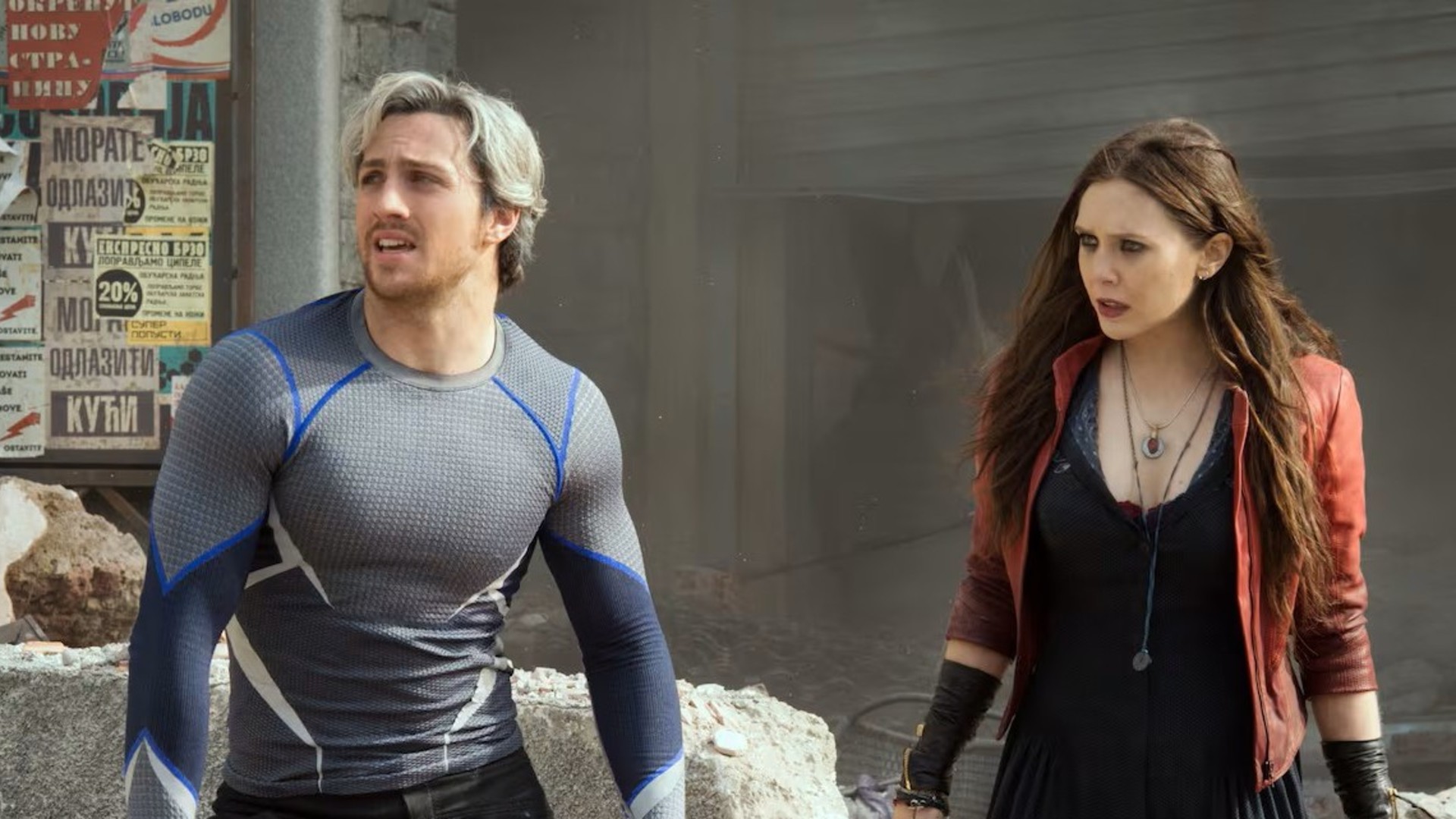
15. Quicksilver (Pietro Maximoff)
Pietro began as an antagonist due to his alliance with Ultron. However, he quickly realized Ultron’s destructive intentions. His ultimate sacrifice to save civilians and Hawkeye revealed his true nature. Despite his arrogance, he valued life over power. His death marked the completion of his redemption arc.
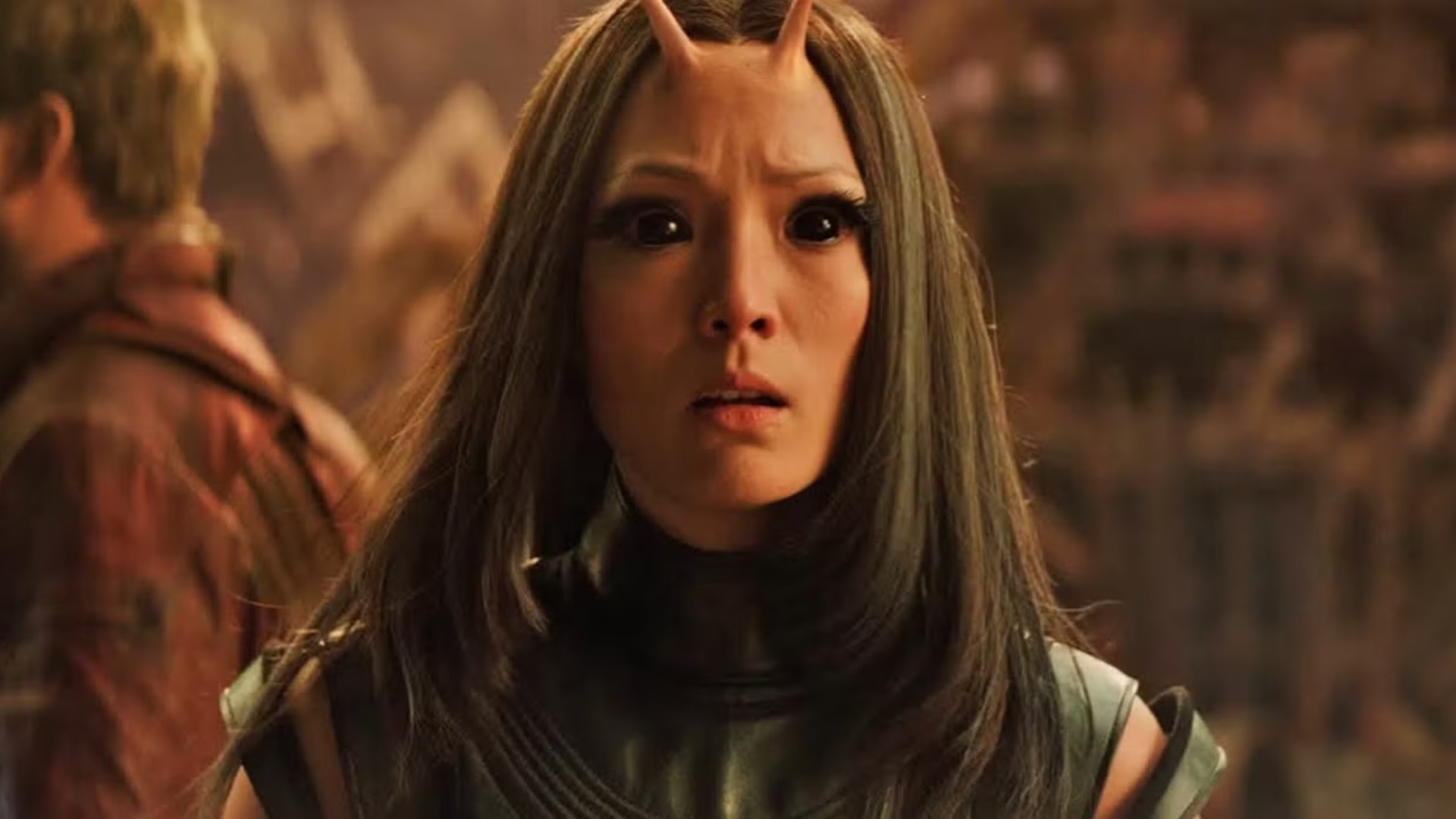
14. Mantis
Her eerie calm and association with the Ego made her seem complicit in evil. However, she was a captive forced to obey him. Mantis later aids the Guardians, showing compassion and courage. Her empathy becomes her greatest strength in defusing conflict. She represents innocence rediscovered through choice and bravery.

13. Ghost (Ava Starr)
Ava’s unstable quantum condition drove her desperation in Ant-Man and the Wasp. Her actions seemed villainous, but her intent was survival. Lacking control over her body, she sought relief, not domination. Once cured, she chooses peace over vengeance. Ghost’s story reflects how pain can blur moral boundaries.
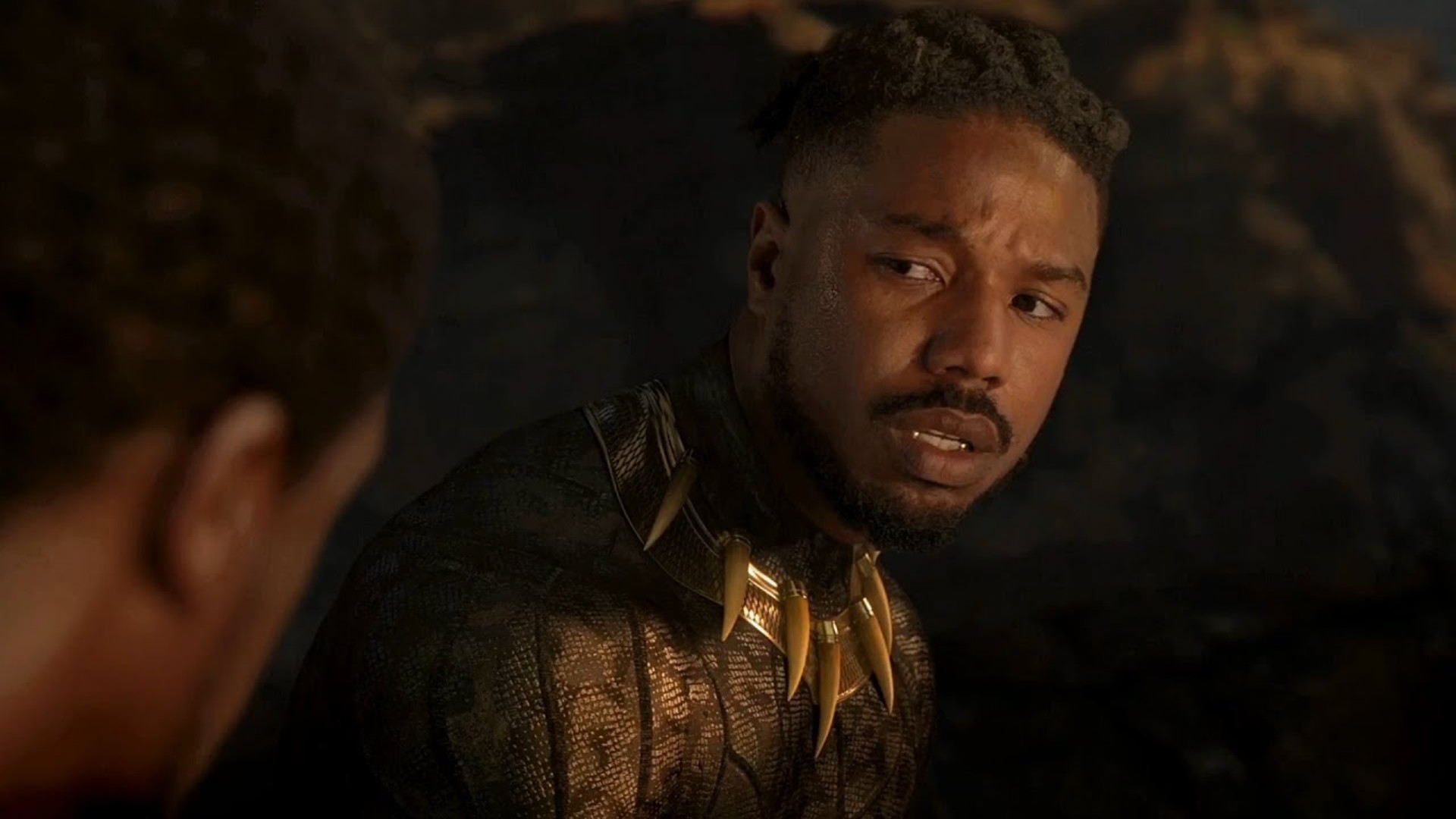
12. Killmonger
Erik Killmonger’s militant revolution in Black Panther made him seem irredeemable. Yet his motives, ending oppression and empowering the marginalized, were rooted in justice. His methods were violent but born from genuine pain. Even T’Challa acknowledged the truth in his cause. Killmonger’s tragedy lies in good intentions twisted by rage.
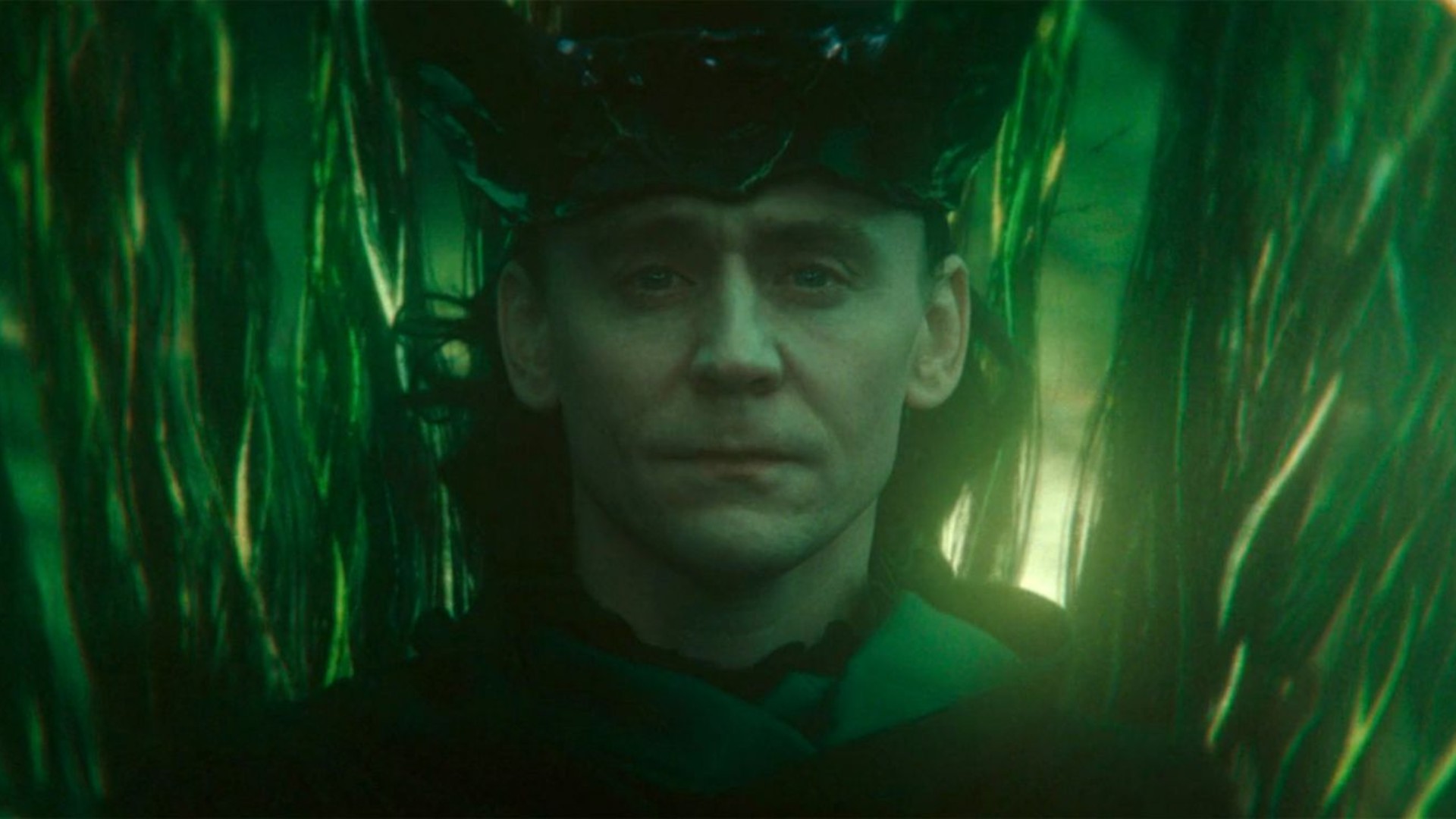
11. Loki Variant (TVA Loki)
This alternate version begins as self-serving, but exposure to the TVA and Mobius changes him. He confronts his fears and learns empathy for others. Unlike his original timeline, this Loki becomes self-aware and heroic. His final acts involve protecting reality itself. He matures into a leader who values sacrifice over trickery.
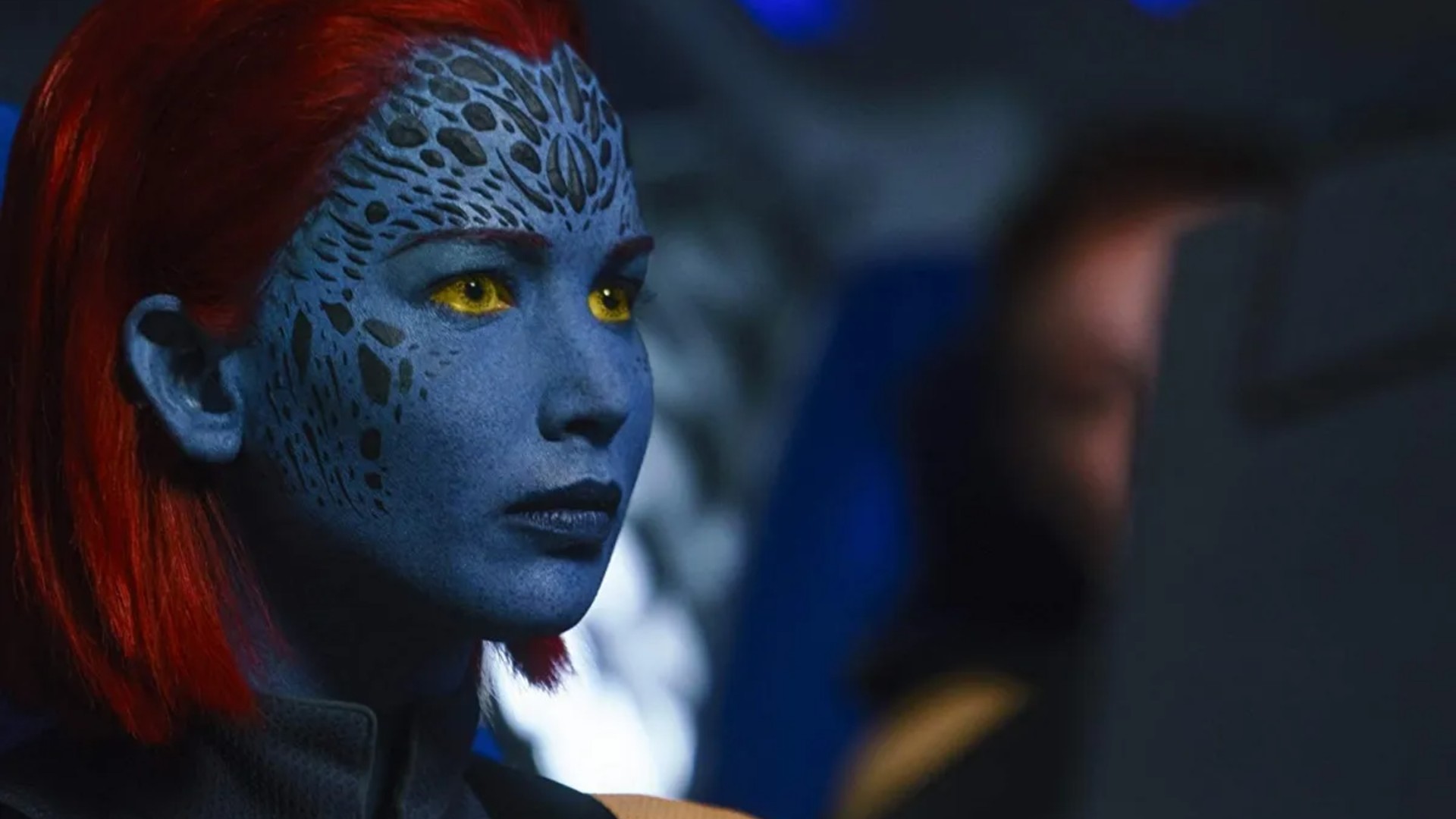
10. Mystique (Raven Darkhölme)
Mystique’s shape-shifting and espionage often paint her as a villain. Yet her motives usually align with mutant freedom and survival. Her harsh choices stem from decades of discrimination and trauma. She protects mutants even when her methods are brutal. Mystique’s loyalty to her kind makes her morally gray but deeply purposeful.

9. The Scarlet Witch (Wanda Maximoff)
Wanda’s immense powers led to destructive outcomes, often beyond her control. Her grief over losing loved ones drove her to make catastrophic choices, such as creating Westview. Yet her core remains compassionate and protective. She repeatedly risks herself to undo the harm she causes. Wanda’s journey reflects tragedy and the struggle to balance love with responsibility.

8. Deadpool (Wade Wilson)
His violent humor and mercenary nature make Deadpool seem reckless and immoral. However, beneath his sarcasm is a strong sense of loyalty and justice. He protects those he cares about, even if his methods defy convention. His suffering from experimentation shapes his moral ambiguity. Deadpool is proof that heroism can exist outside traditional rules.

7. Venom (Eddie Brock)
Initially, Spider-Man’s enemy, Venom’s violent nature was driven by the symbiote’s influence and Eddie’s resentment. Over time, the pair forms a bond that channels their power toward protecting innocents. Venom’s morality operates on his own terms, not society’s. Despite his brutal methods, he fights greater threats like Carnage. Venom stands as an anti-hero defined by control over chaos.

6. Black Widow (Natasha Romanoff)
Trained as a KGB assassin, Natasha’s past made her appear dangerous and untrustworthy. However, she defected to S.H.I.E.L.D. seeking redemption for her past crimes. Her intelligence and courage make her vital to the Avengers’ success. She continually risks her life to save others. Natasha’s evolution symbolizes personal responsibility and redemption through action.
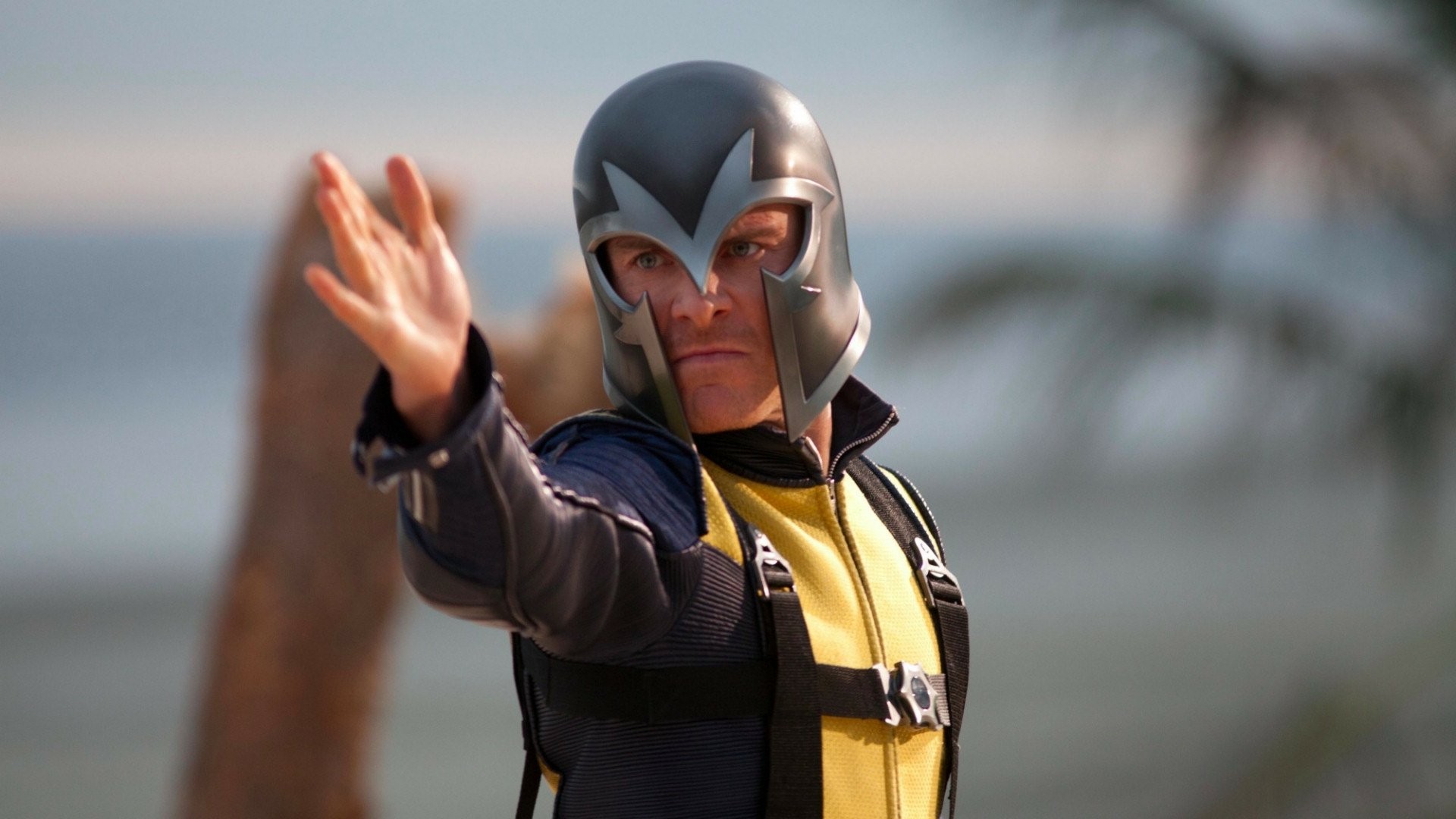
5. Magneto
Often portrayed as a villain, Magneto’s actions stem from trauma as a Holocaust survivor. His militant stance on mutant rights reflects his desire to prevent persecution. Though his methods are extreme, his goal, mutant survival, is just. He often allies with the X-Men when greater threats arise. Magneto embodies the blurred line between justice and vengeance.
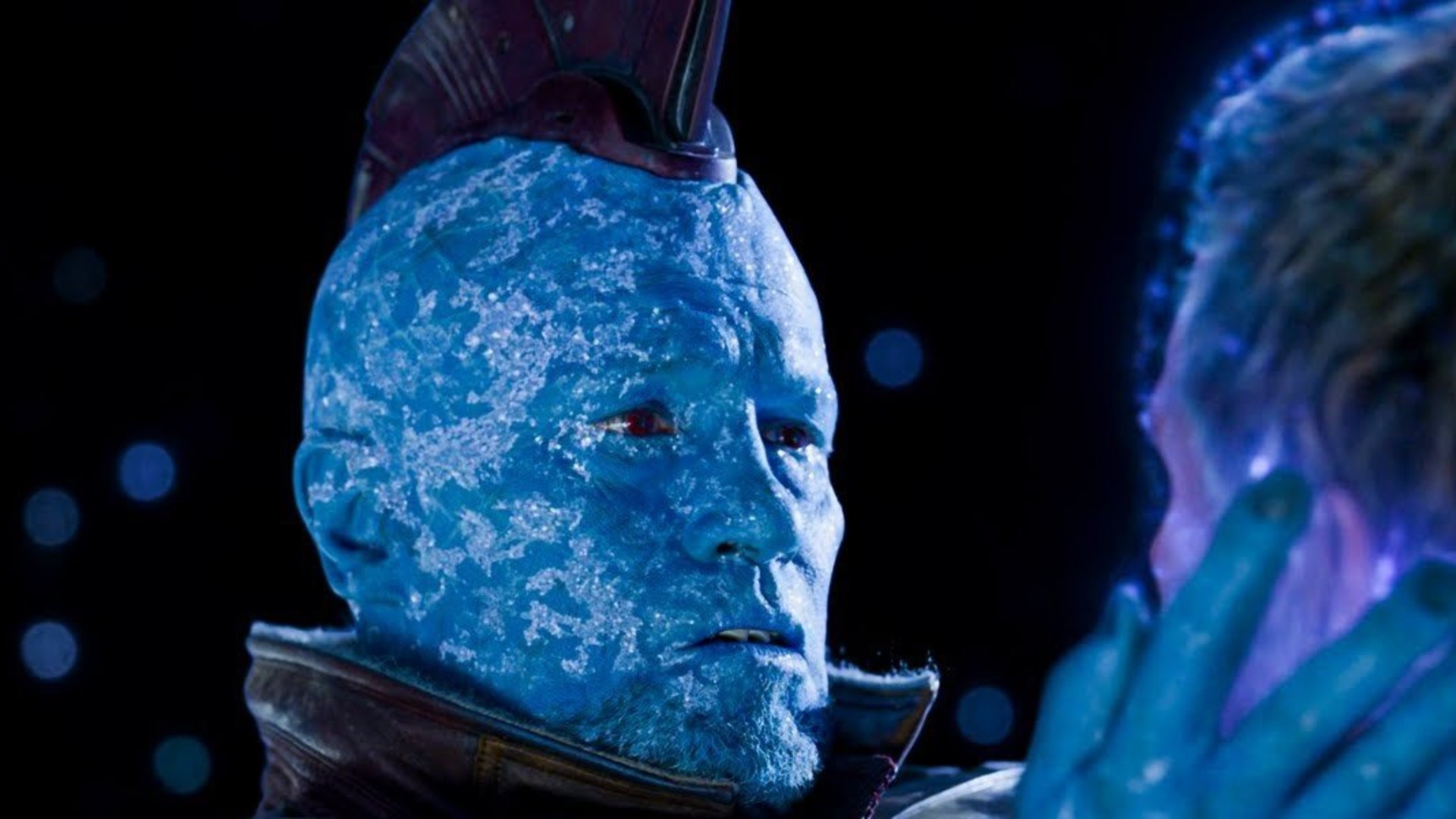
4. Yondu Udonta
A space pirate and Ravager captain, Yondu seemed selfish and ruthless at first. Yet his care for Peter Quill reveals a deep paternal bond. He protected Peter from Ego, sacrificing his own life in the process. His moral code, though unconventional, is rooted in loyalty. Yondu proves that redemption can exist even in outlaw lives.
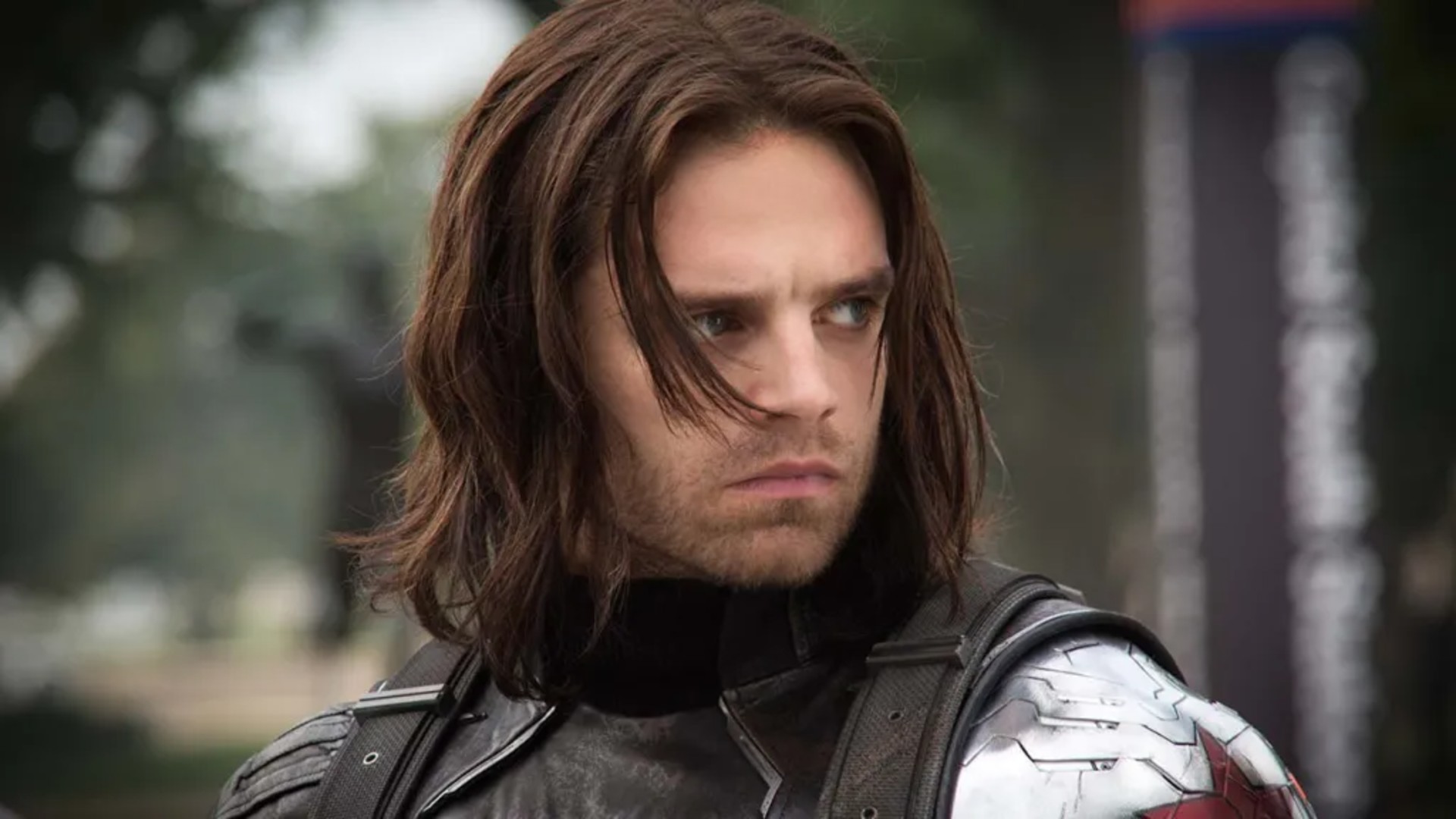
3. Winter Soldier (Bucky Barnes)
Bucky’s transformation into the Winter Soldier made him one of Hydra’s deadliest weapons. However, his actions were not his own, as he was brainwashed and controlled. Once freed, he seeks atonement for his past crimes. His friendship with Steve Rogers remains his moral anchor. Bucky’s story highlights guilt, trauma, and the slow path to redemption.
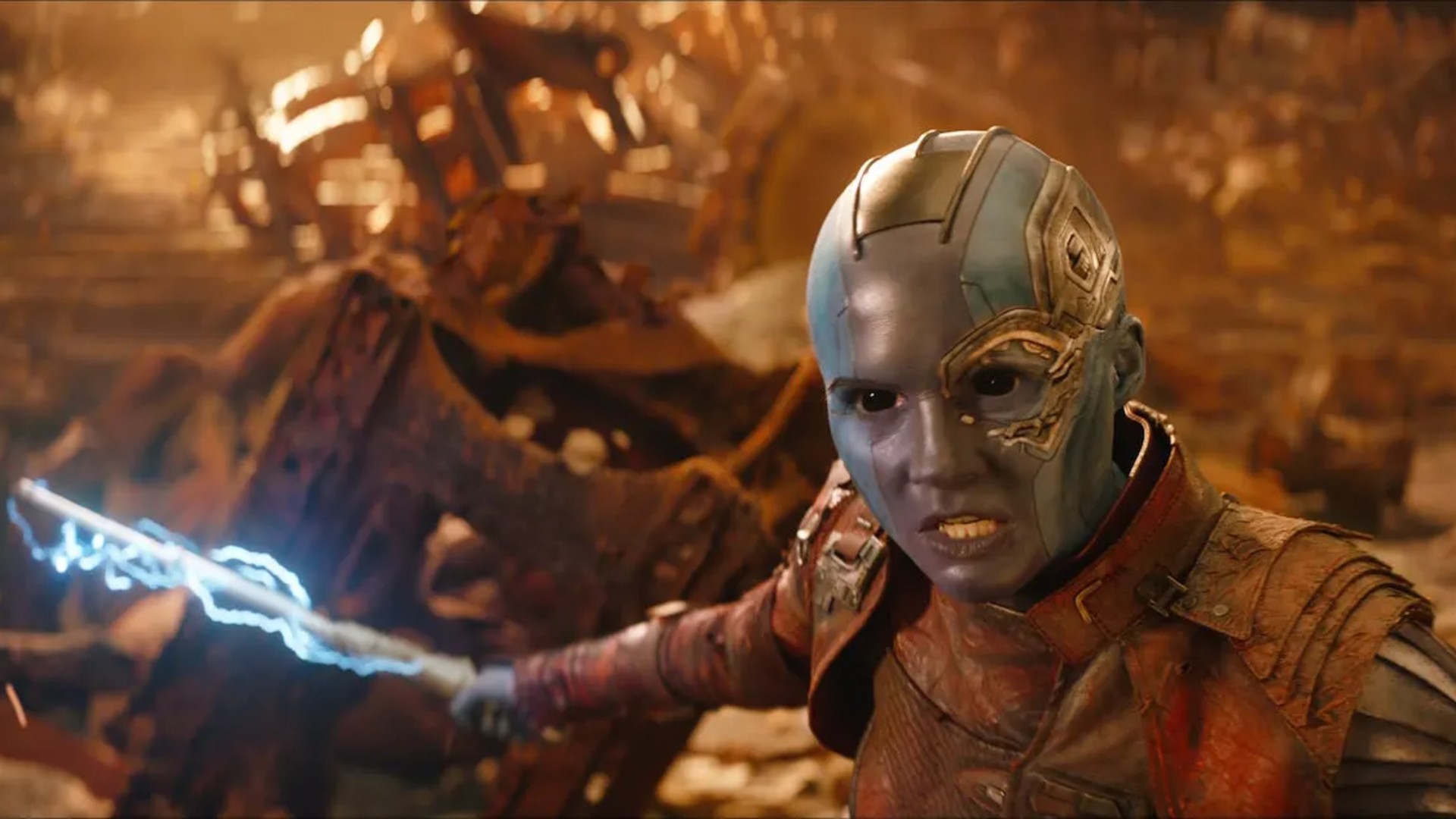
2. Nebula
Initially an assassin loyal to Thanos, Nebula’s ruthlessness came from years of abuse and competition with Gamora. Her journey toward redemption begins when she breaks free from Thanos’ control. She later joins the Avengers and fights to undo his damage. Nebula’s emotional arc emphasizes survival and self-forgiveness. By Endgame, she earns her place as a true hero.
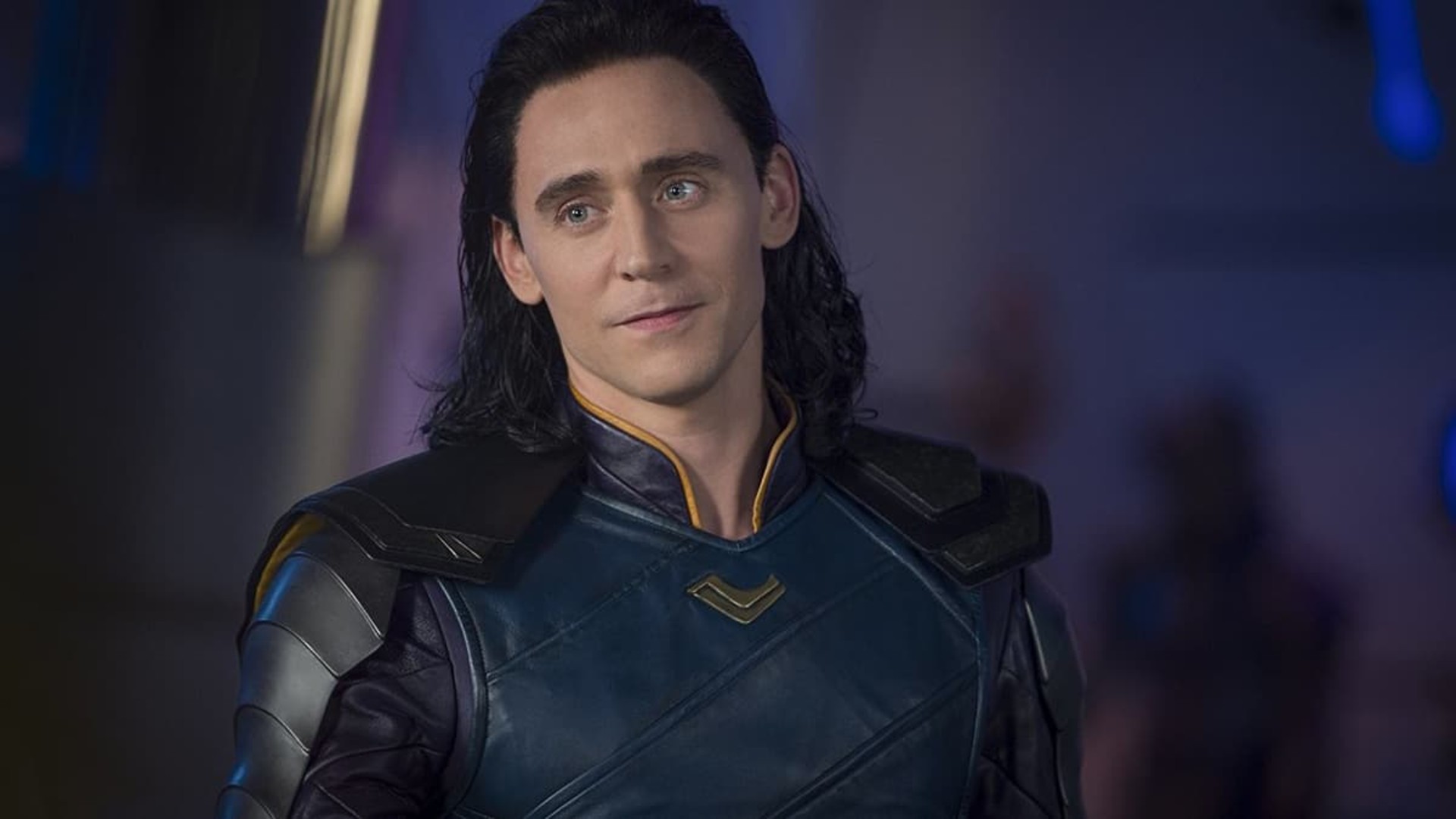
1. Loki
Often seen as a villain, Loki’s actions stem from jealousy and a desire for recognition rather than pure malice. Over time, he proves capable of change, especially in his efforts to save Asgard and later in his TVA work. His intelligence and charm conceal a complex moral compass. Loki’s story shows how identity and redemption coexist in conflict. He transitions from trickster to anti-hero, ultimately finding purpose beyond mischief.