25 Horror Films With Visuals That Haunt You
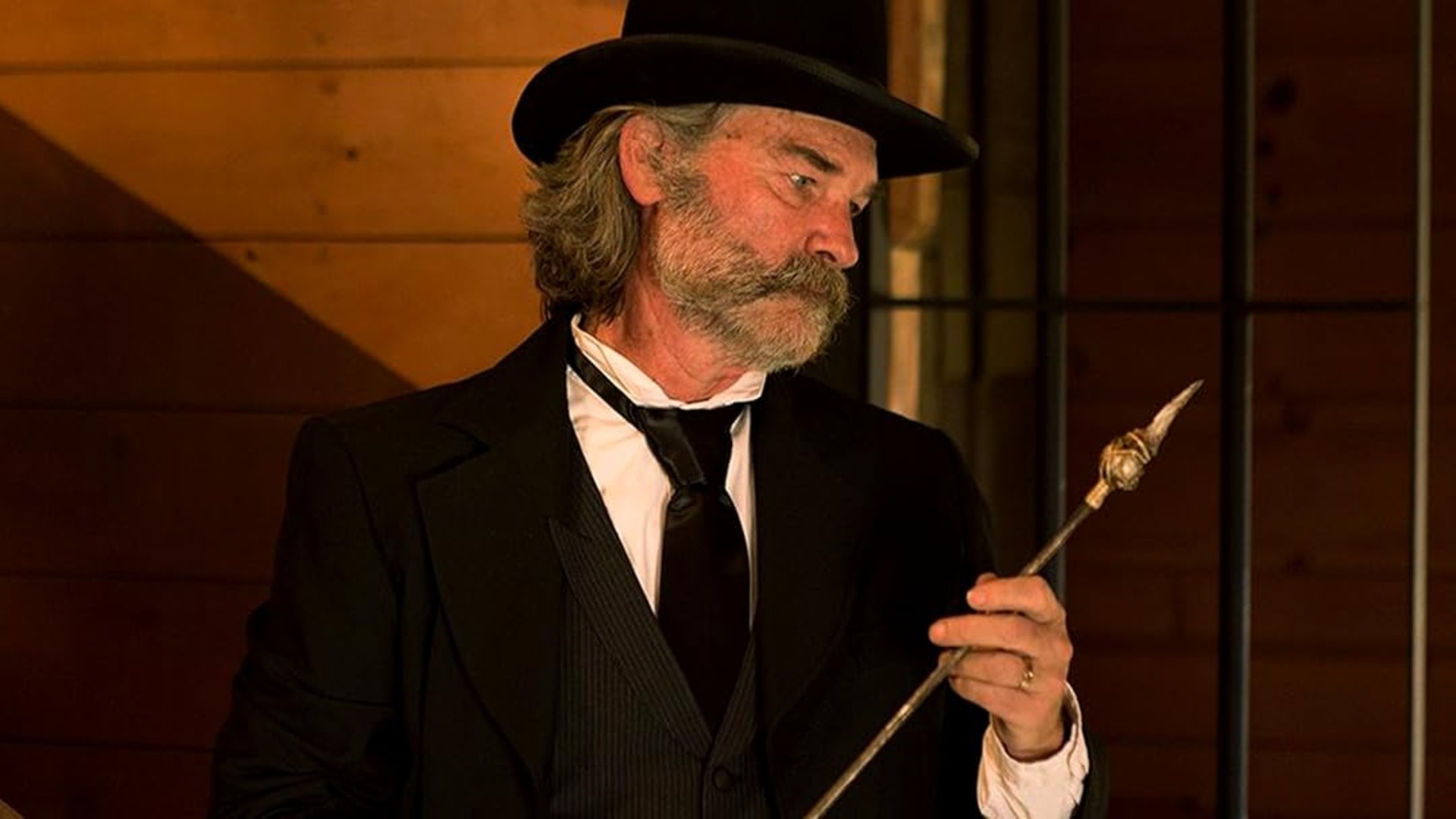
25. Bone Tomahawk (2015)
S. Craig Zahler’s film combines Western and horror genres. The narrative follows a rescue mission against cannibalistic antagonists in remote desert landscapes. Cinematography captures stark, sun-bleached terrain and practical effects for violence. Dialogue and pacing focus on character development and realistic tension.
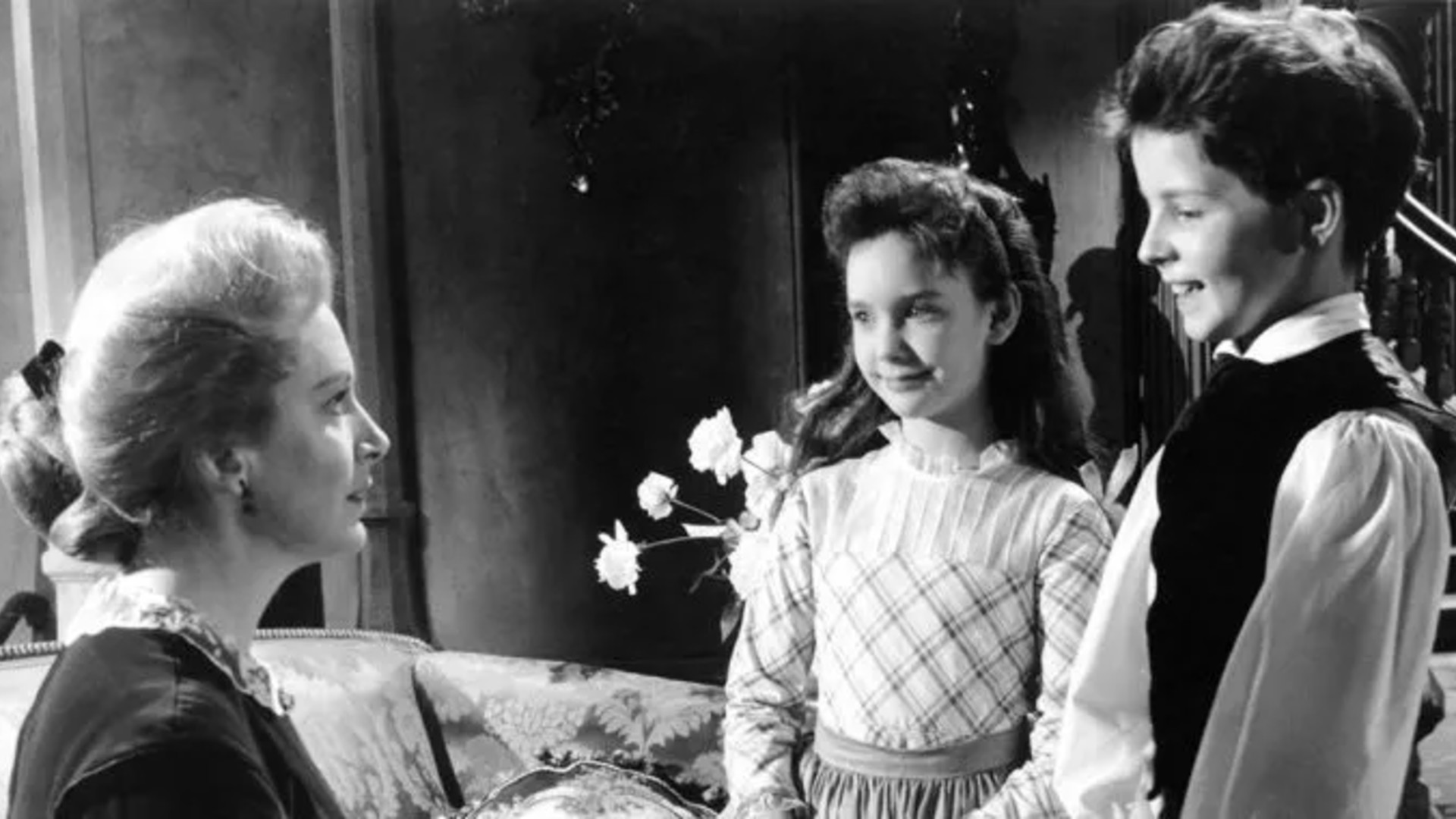
24. The Innocents (1961)
Directed by Jack Clayton, the British gothic film adapts Henry James’s The Turn of the Screw. Cinematography by Freddie Francis uses chiaroscuro lighting to emphasize psychological horror. The story follows a governess observing children who may be possessed. Production design creates eerie, enclosed interiors that mirror the characters’ fears.
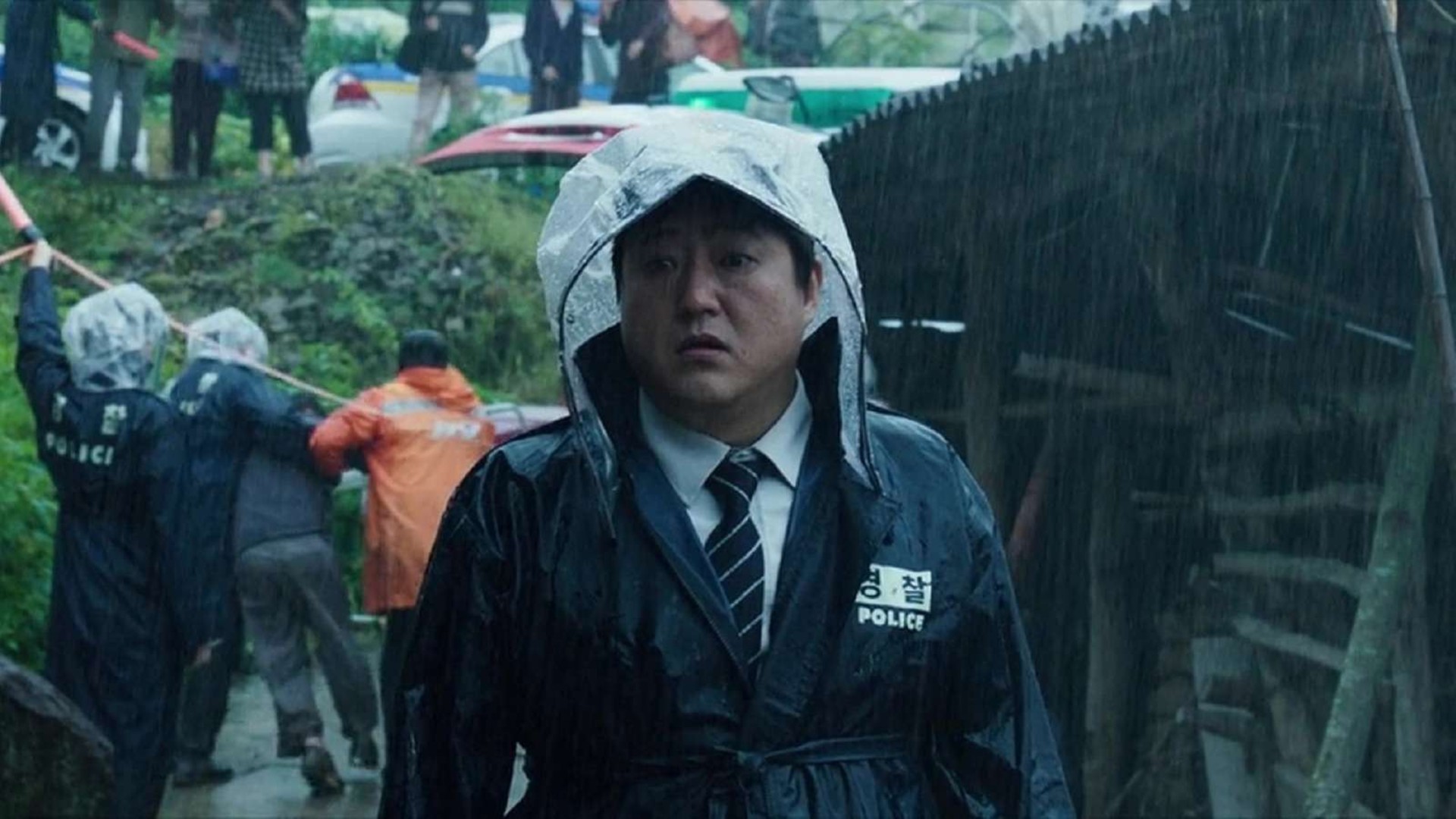
23. The Wailing (2016)
Na Hong-jin directs this South Korean thriller, blending infection, exorcism, and police procedural elements. The narrative combines folklore, religious ritual, and suspense. Cinematographer Kim Hyung-koo uses misty mountains, rural villages, and night scenes to create visual unease. Editing maintains a deliberate pacing, increasing tension over extended sequences.
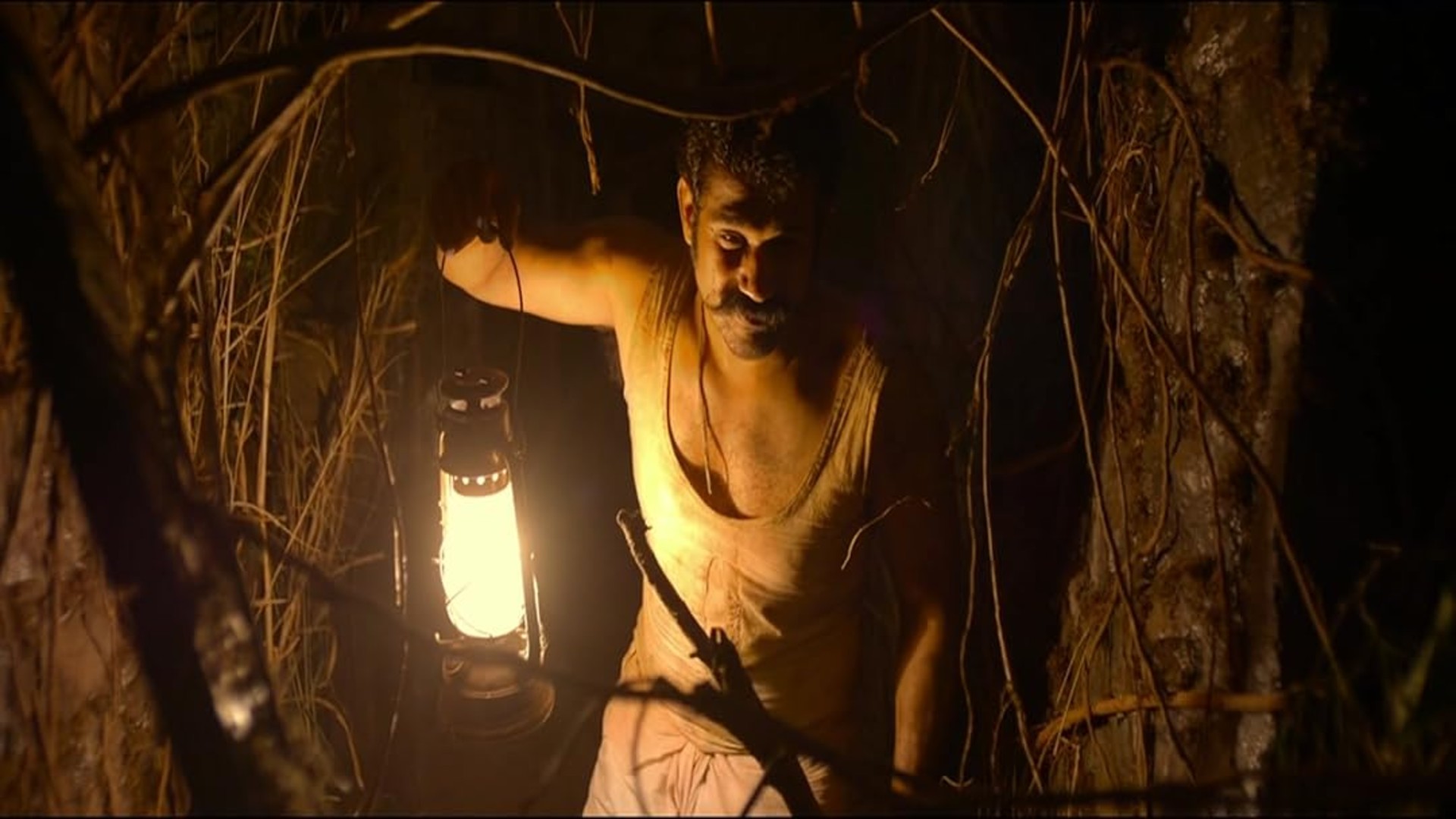
22. Tumbbad (2018)
Rahi Anil Barve and Adesh Prasad directed this Indian horror-fantasy, inspired by Marathi folklore. Rain-soaked sets and practical effects create a decaying, supernatural environment. The plot revolves around a mythical hidden treasure guarded by a demon. Cinematography and art direction emphasize shadows and textures to heighten tension.
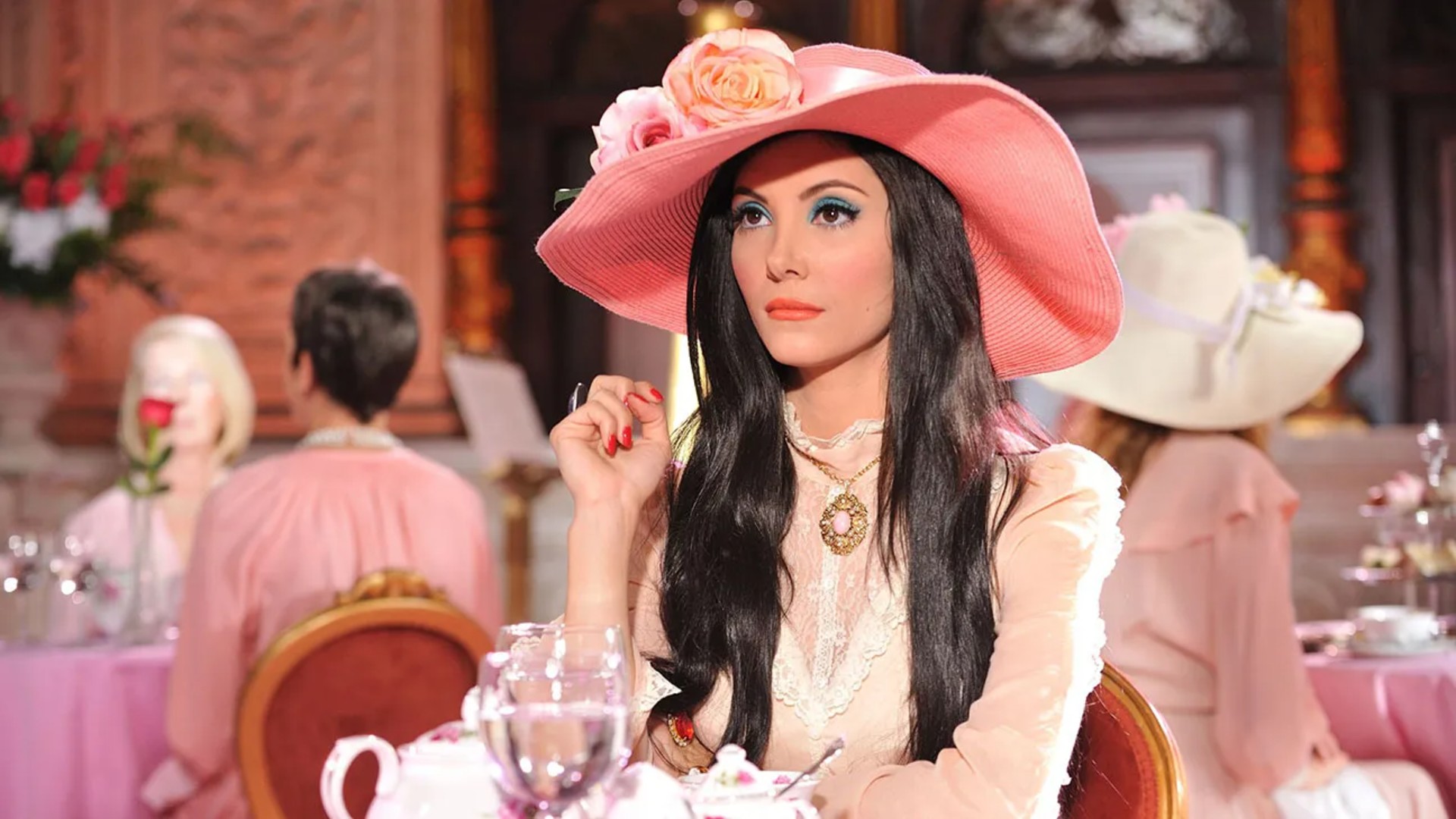
21. The Love Witch (2016)
The film, directed by Anna Biller, recreates 1960s Technicolor aesthetics with modern equipment. Set design includes saturated colors and ornate interiors. Storylines examine manipulation, femininity, and desire in a stylized manner. Costume and lighting choices reflect mid-century cinematic conventions.
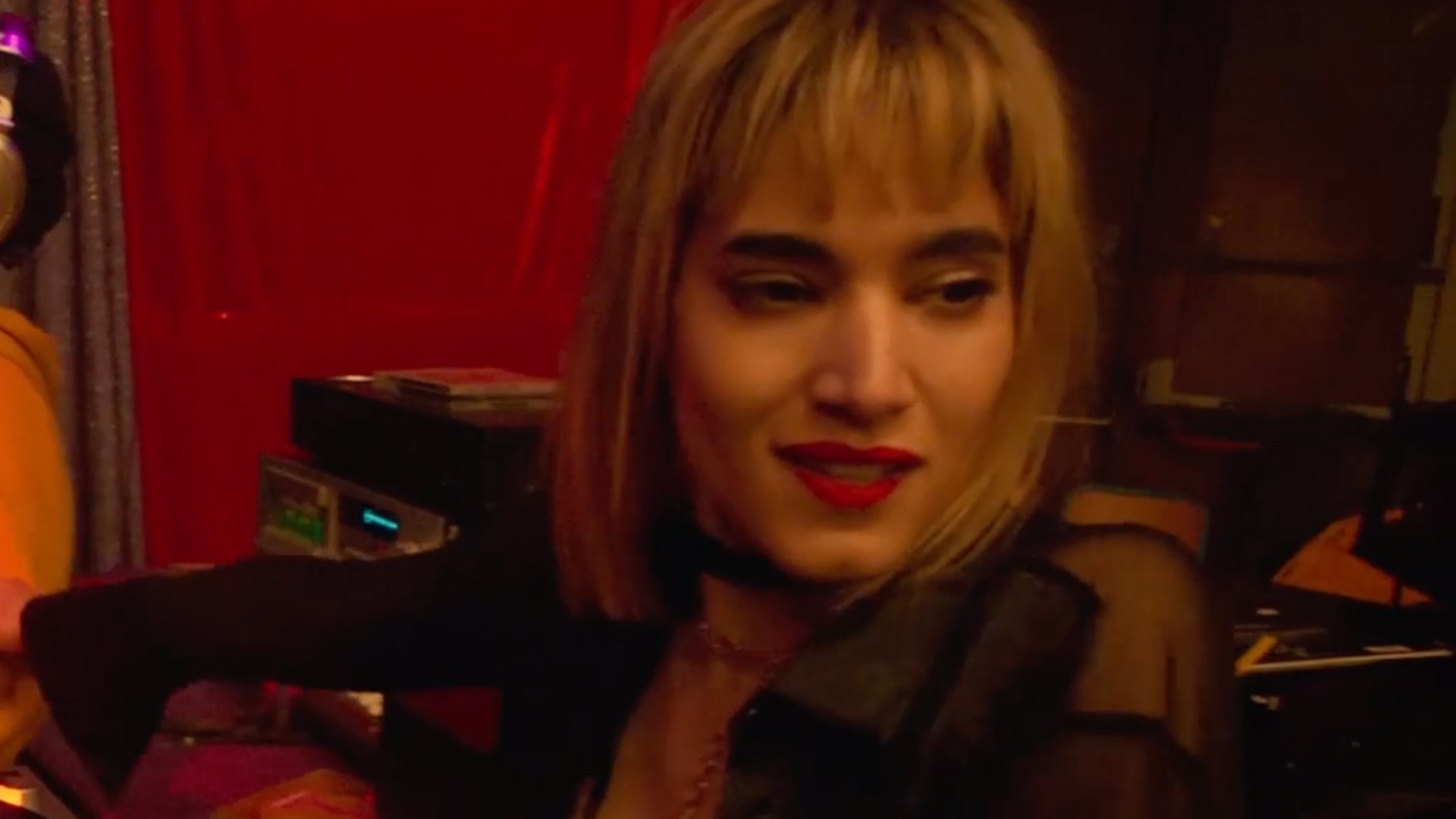
20. Climax (2018)
Gaspar Noé captures a French dance troupe’s descent into chaos with continuous long takes. The camera moves fluidly, following dancers through a labyrinthine space. Psychedelic lighting and sound contribute to sensory overload. The film’s choreography and cinematography create a sense of inevitability and panic.
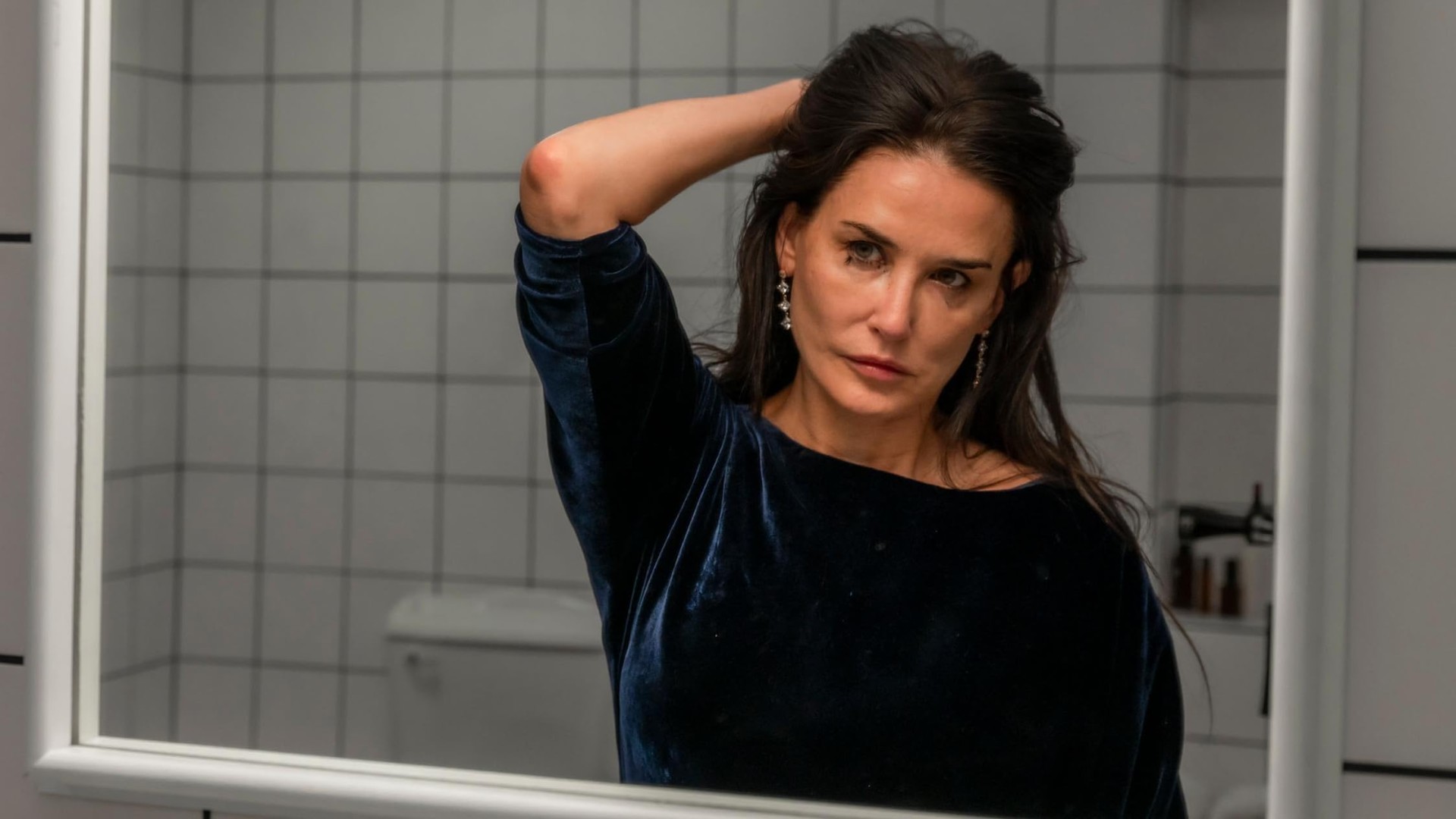
19. The Substance (2024)
Coralie Fargeat’s body horror explores human anatomy and identity with vivid imagery. The film’s high-gloss aesthetic contrasts with violent and dark events. Production design emphasizes color and texture to make physical transformations striking. Narrative themes examine obsession, control, and mortality through visual spectacle.
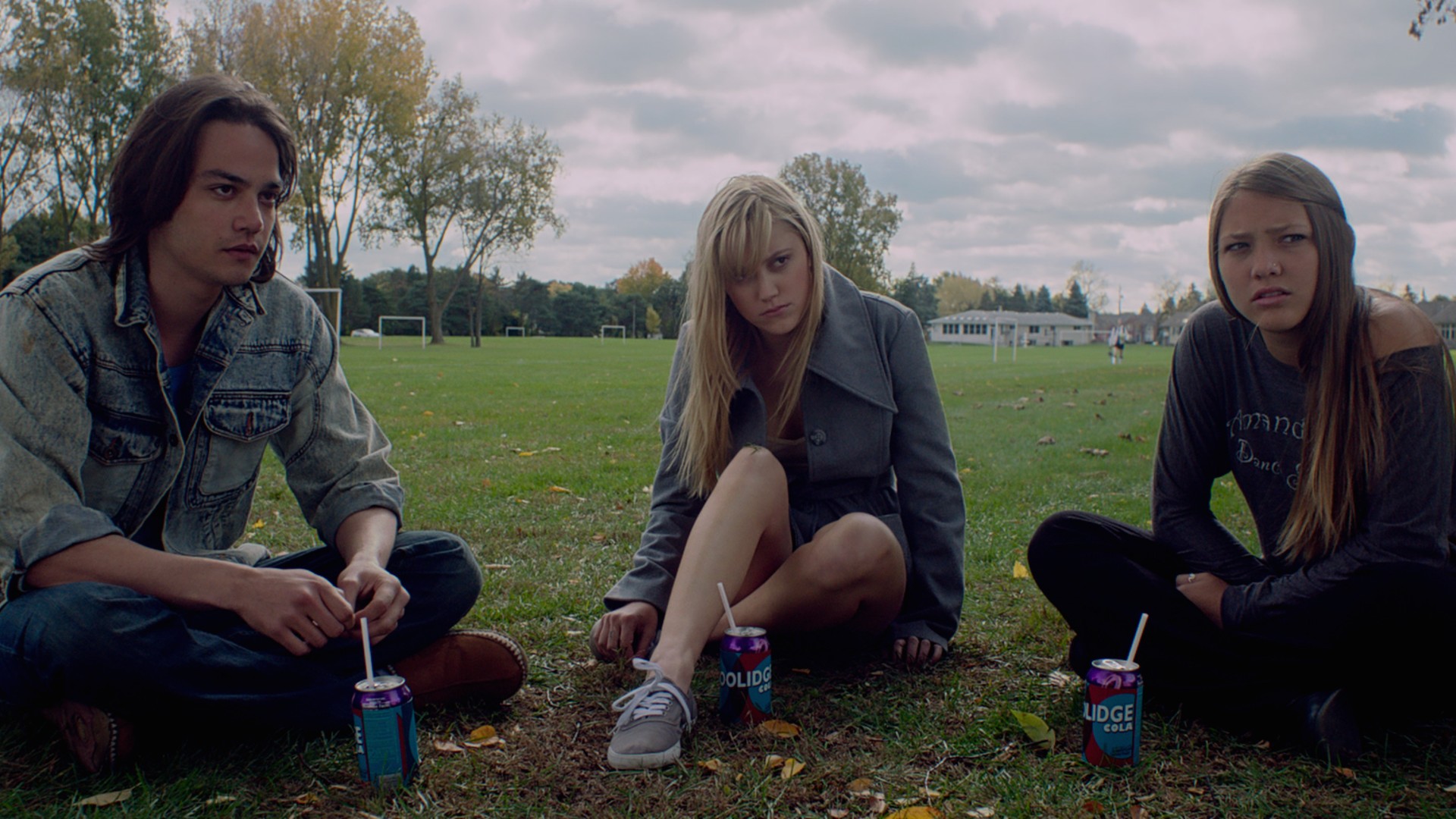
18. It Follows (2014)
David Robert Mitchell’s horror uses wide-angle shots and slow tracking to maintain suspense. The story follows a supernatural entity transmitted through physical contact, with constant pursuit creating tension. The background often contains clues to the entity’s approach, demanding visual attention. Sound design enhances dread with low-frequency tones and sparse music cues.
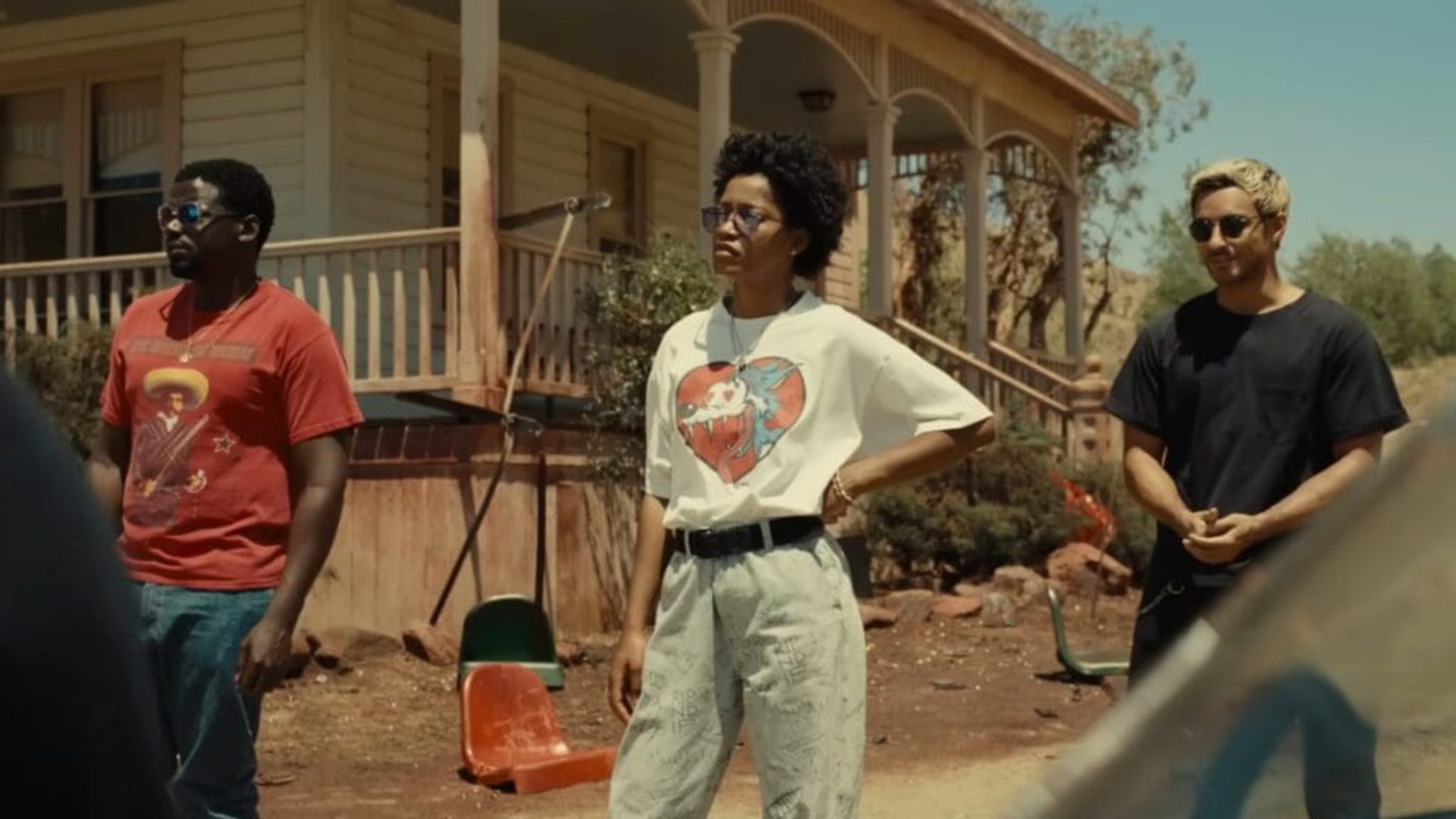
17. Nope (2022)
Jordan Peele’s science fiction horror uses innovative night photography techniques. Cinematographer Hoyte van Hoytema employs long lenses and precise framing for large-scale action sequences. The narrative combines an extraterrestrial threat with social commentary on spectacle. Visual effects integrate seamlessly with practical photography to enhance realism.
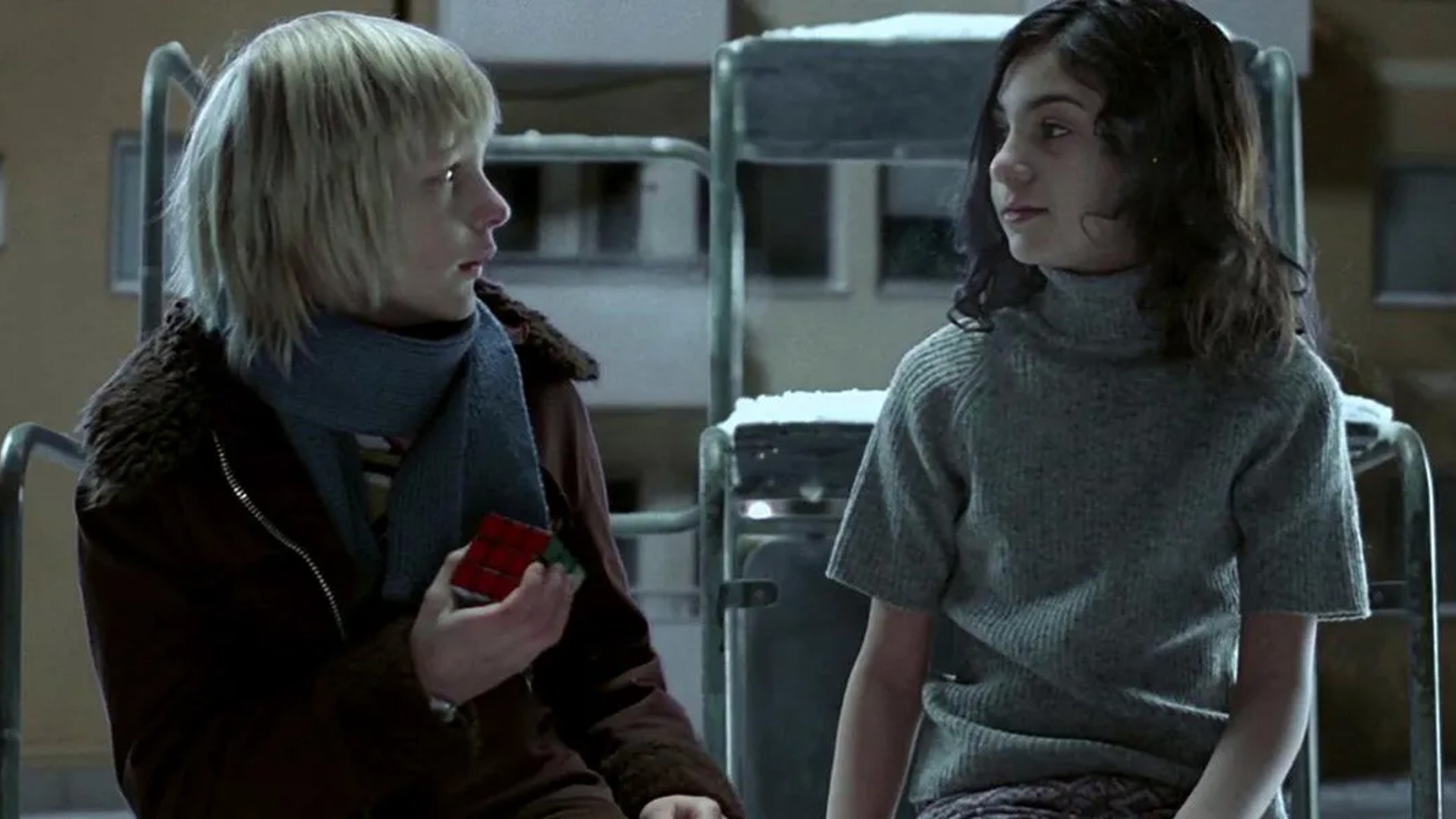
16. Let the Right One In (2008)
Tomas Alfredson directs this Swedish vampire story, focusing on mood and atmosphere. Muted colors, snow-covered landscapes, and sparse interiors reflect isolation. The story explores friendship and violence through the lens of a young boy and a vampire girl. Cinematography emphasizes long shots and natural lighting to evoke realism.
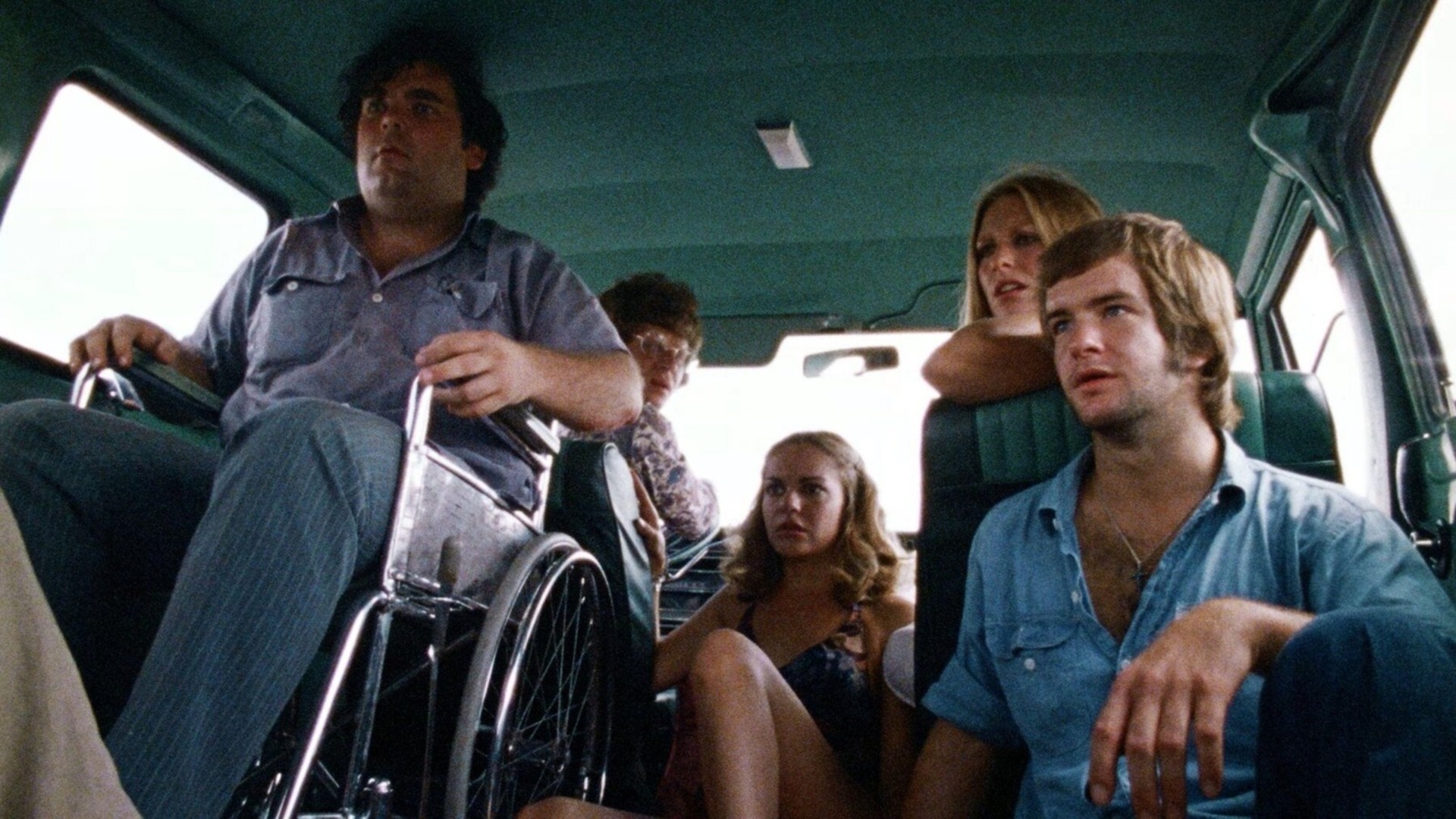
15. The Texas Chain Saw Massacre (1974)
Tobe Hooper’s film uses documentary-style cinematography to create realism. The narrative follows a group of young people encountering a cannibalistic family in rural Texas. Minimalist makeup and practical effects heightened tension. The film’s handheld shots and natural lighting immerse viewers in the terror.
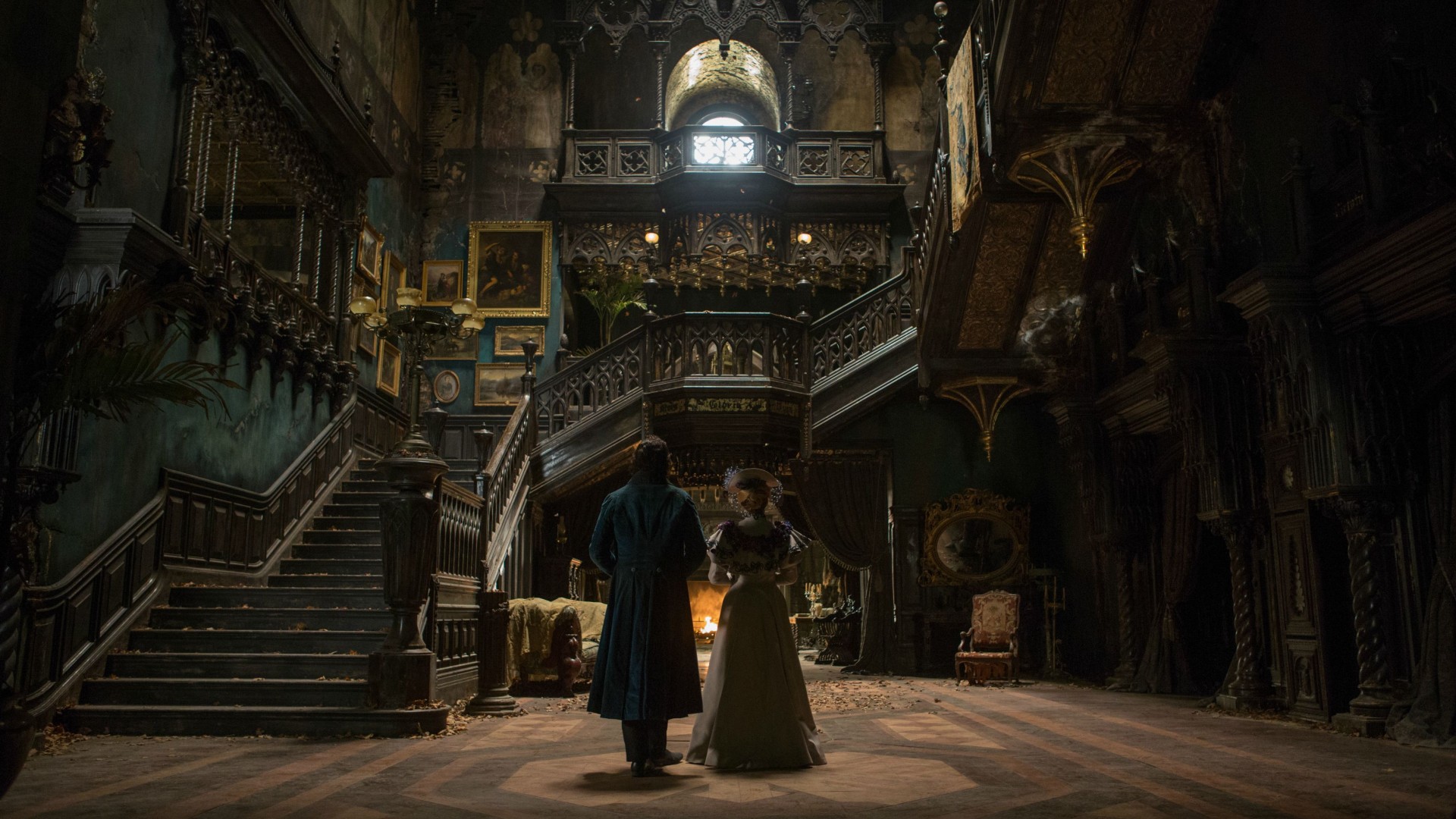
14. Crimson Peak (2015)
Del Toro’s gothic romance emphasizes ornate Victorian architecture and rich color schemes. Mia Wasikowska, Tom Hiddleston, and Jessica Chastain portray characters entangled in familial secrets. The lighting design accentuates supernatural elements and the textures of decaying interiors. The story examines love, betrayal, and vengeance in a haunted setting.
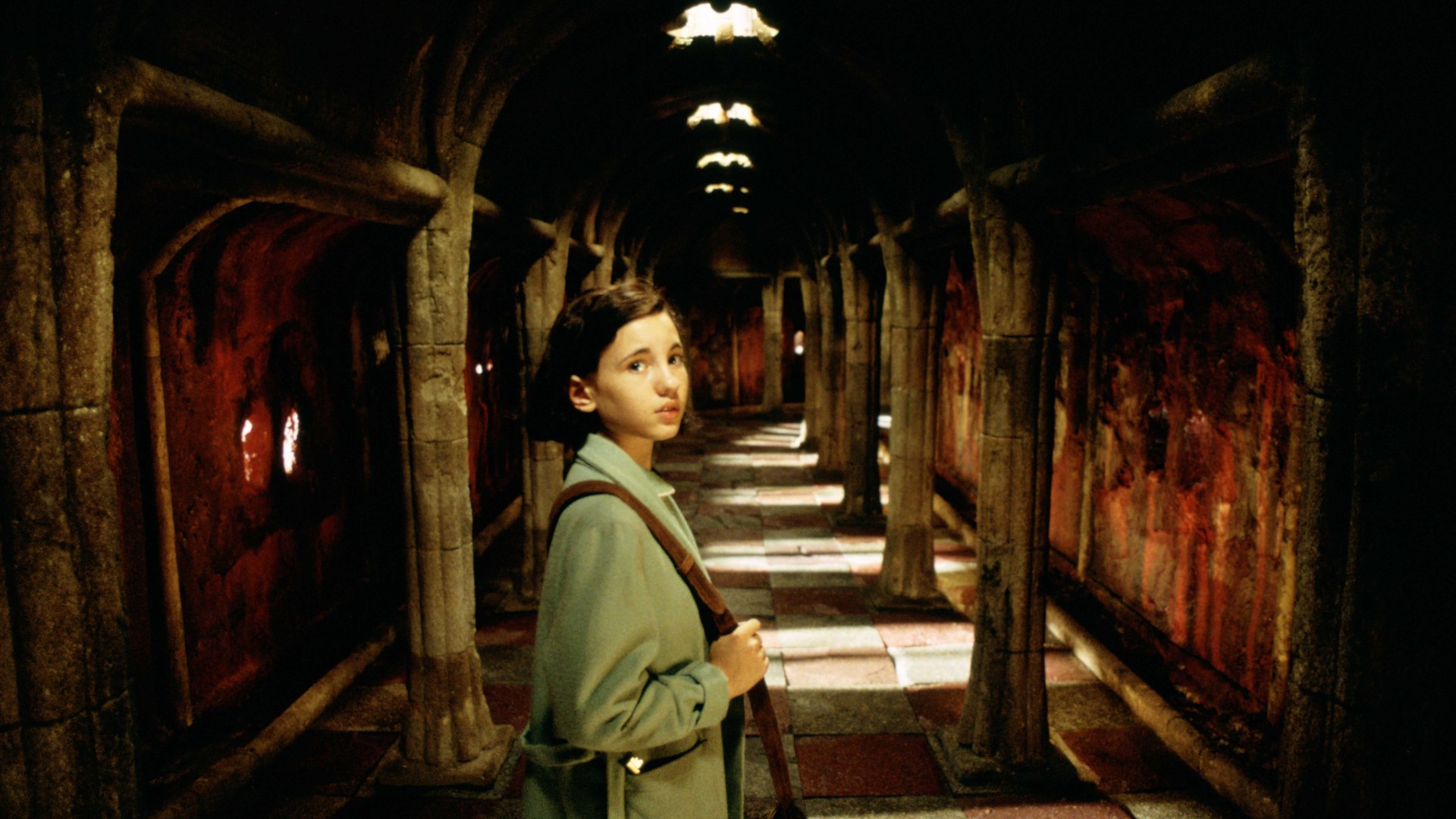
13. Pan’s Labyrinth (2006)
Guillermo del Toro blends fantasy and historical trauma during the Spanish Civil War. Creature design combines practical effects with CGI for a tactile, believable quality. Dark visual motifs mirror the protagonist’s psychological struggles. Del Toro uses color grading and lighting to differentiate between the real world and the fantastical labyrinth.
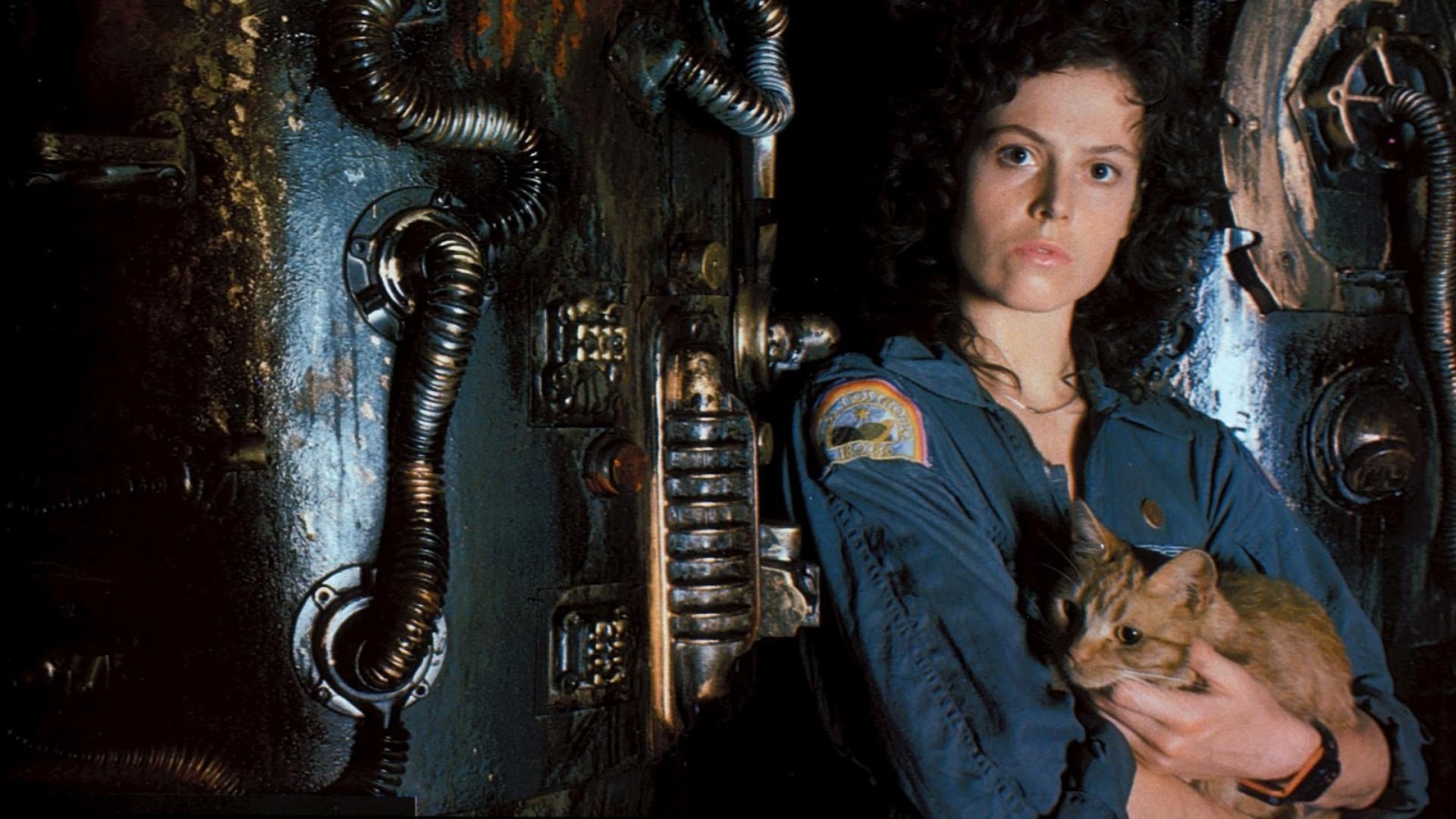
12. Alien (1979)
Ridley Scott collaborated with H.R. Giger to create the Xenomorph and the derelict spacecraft. The film’s industrial, utilitarian sets develop a sense of realism and claustrophobia. Sigourney Weaver’s character demonstrates intelligence and resilience under extreme stress. Lighting and sound design contribute to suspense, shaping the template for science fiction horror.
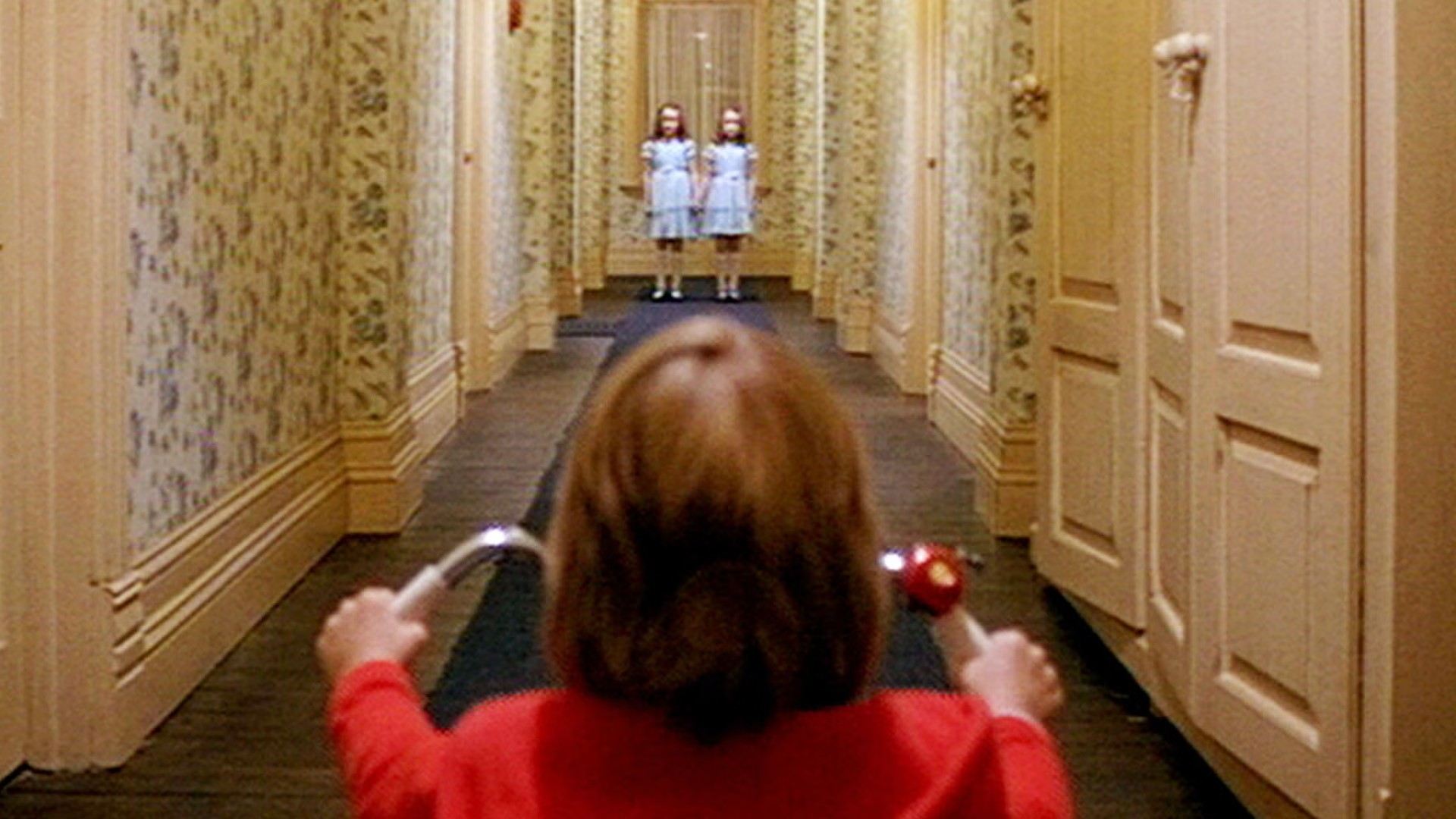
11. The Shining (1980)
Stanley Kubrick adapts Stephen King’s novel with exacting attention to symmetry and movement. Steadicam sequences follow Danny through the Overlook Hotel, creating immersive tension. Jack Nicholson’s performance balances psychological unraveling and menace. Production design emphasizes vast empty spaces, patterns, and reflections to reinforce isolation.
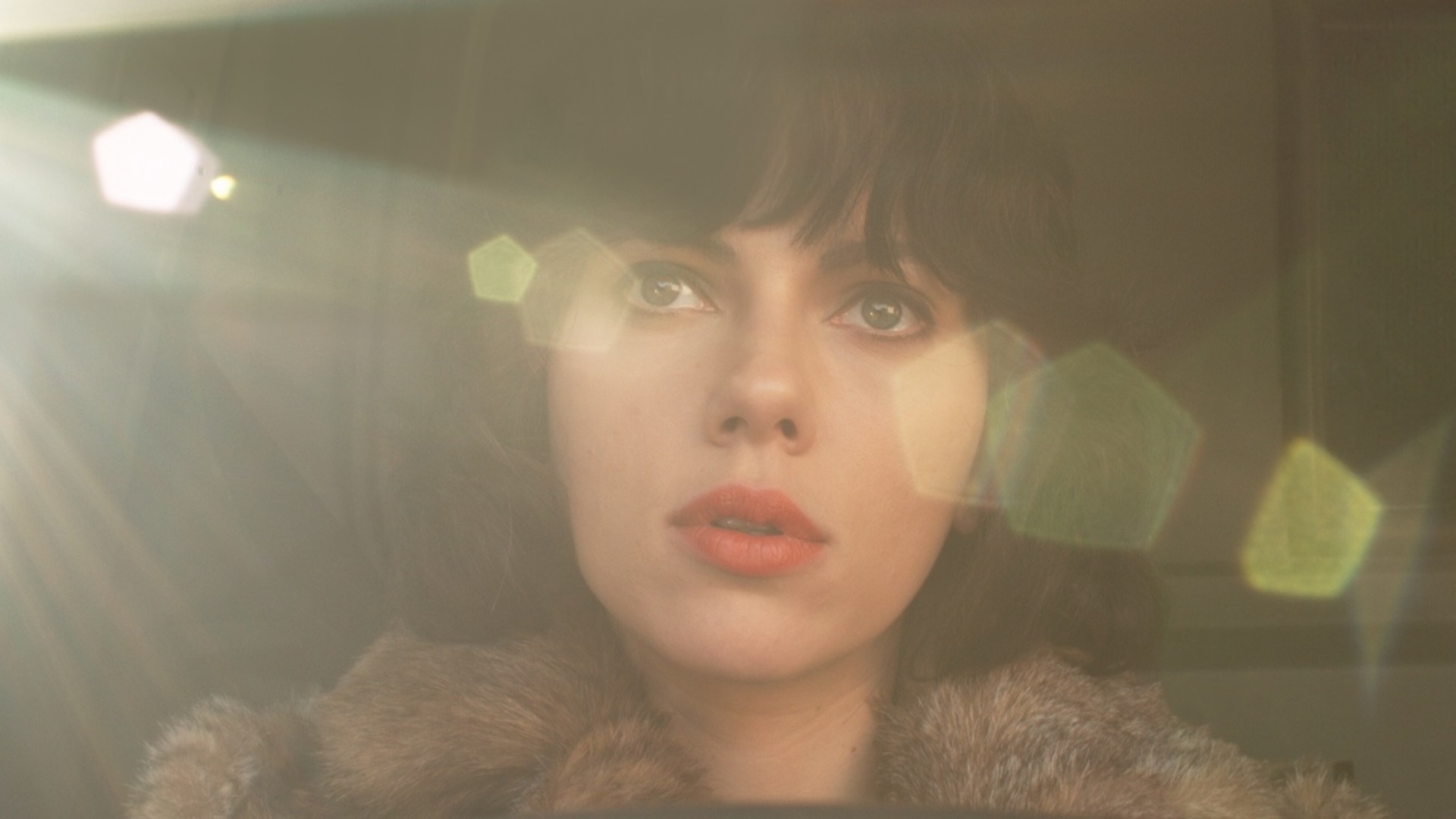
10. Under the Skin (2013)
Jonathan Glazer’s sci-fi horror adapts Michel Faber’s novel. Scarlett Johansson’s alien predator is filmed interacting with real people using hidden-camera techniques. Minimalistic sound design contrasts everyday urban life with alien predation. The film uses a detached, clinical style to highlight the alien perspective on human behavior and morality.
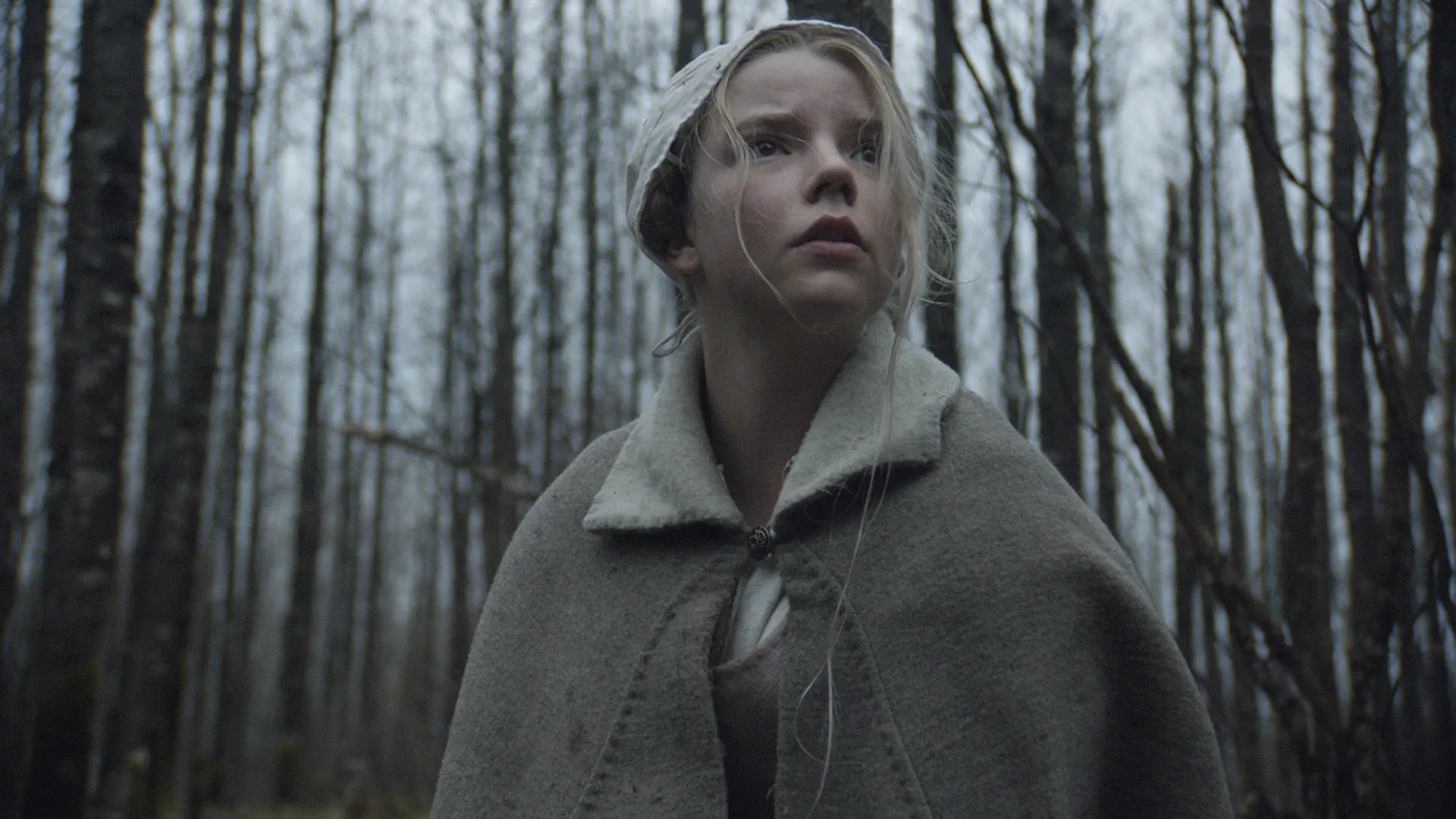
9. The Witch (2015)
Eggers’ period horror meticulously reconstructs 17th-century New England using authentic architecture, props, and language. Natural lighting and candlelight provide a sense of realism and tension. The plot follows a Puritan family unraveling under religious and supernatural pressures. Historical research informed costumes, dialogue, and domestic practices to ensure authenticity.
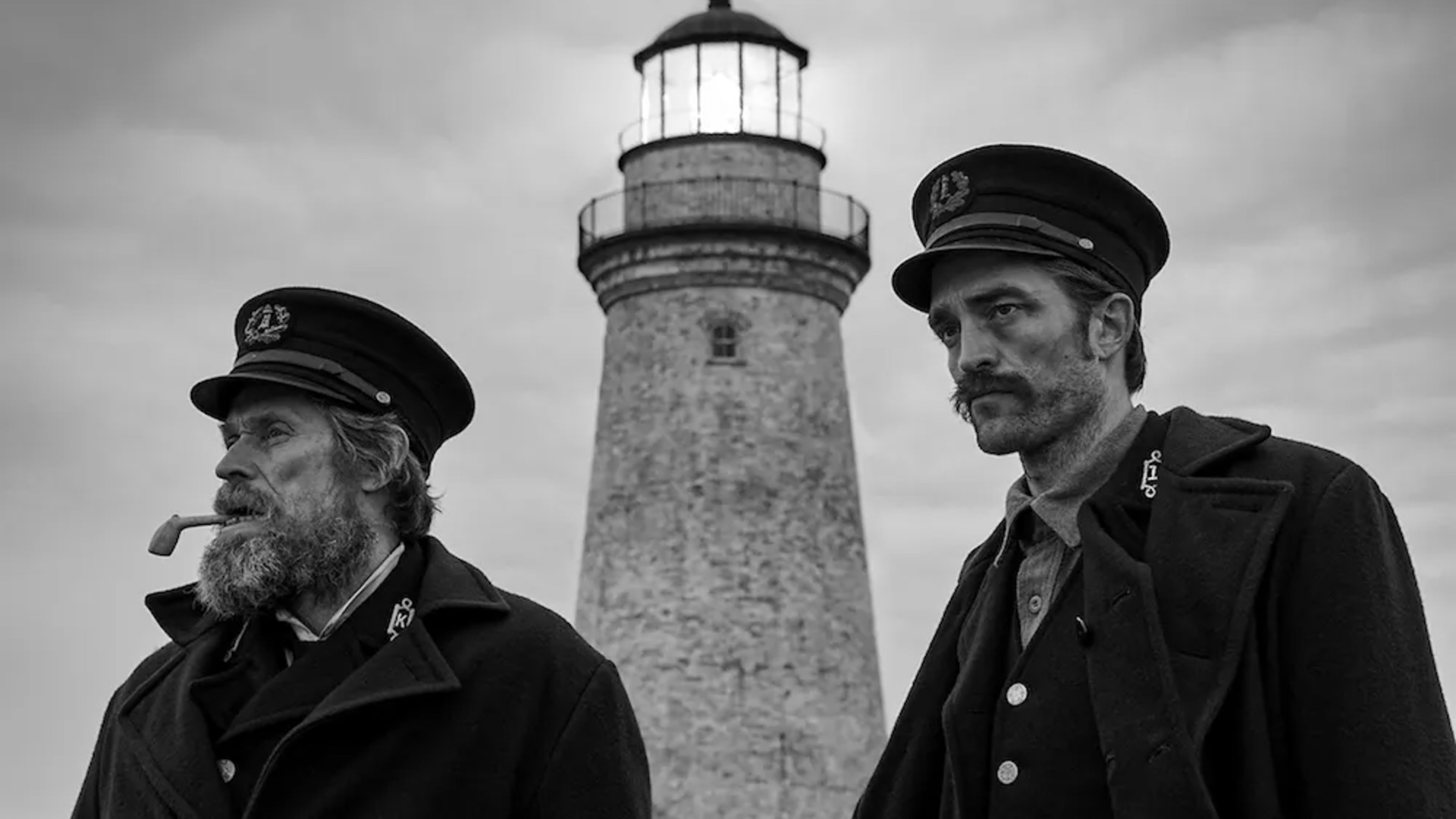
8. The Lighthouse (2019)
Robert Eggers’ black-and-white feature examines the mental decline of two lighthouse keepers. Shot on 35mm film with a near-square aspect ratio, the visuals enhance claustrophobia. Willem Dafoe and Robert Pattinson perform physically demanding roles using period-accurate dialogue and nautical terminology. The film combines folklore, myth, and naturalistic detail to explore obsession and isolation.
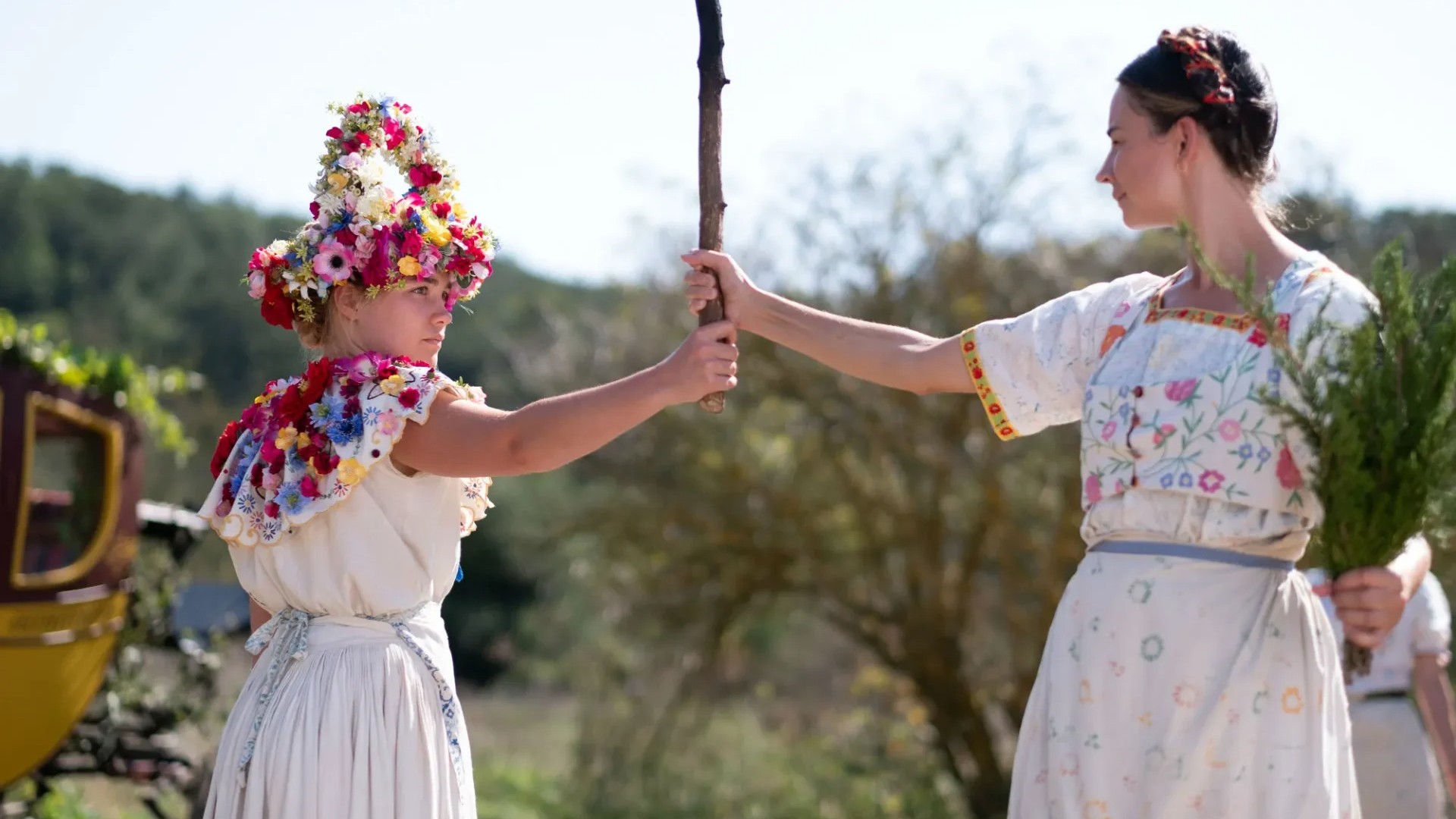
7. Midsommar (2019)
Ari Aster’s follow-up is set in a Swedish commune with constant daylight. Brightly lit exteriors contrast with disturbing rituals, subverting conventional horror aesthetics. Florence Pugh’s character experiences psychological deterioration amid culturally foreign customs. The film’s production involved extensive location scouting and detailed costume and set design based on Scandinavian folk traditions.
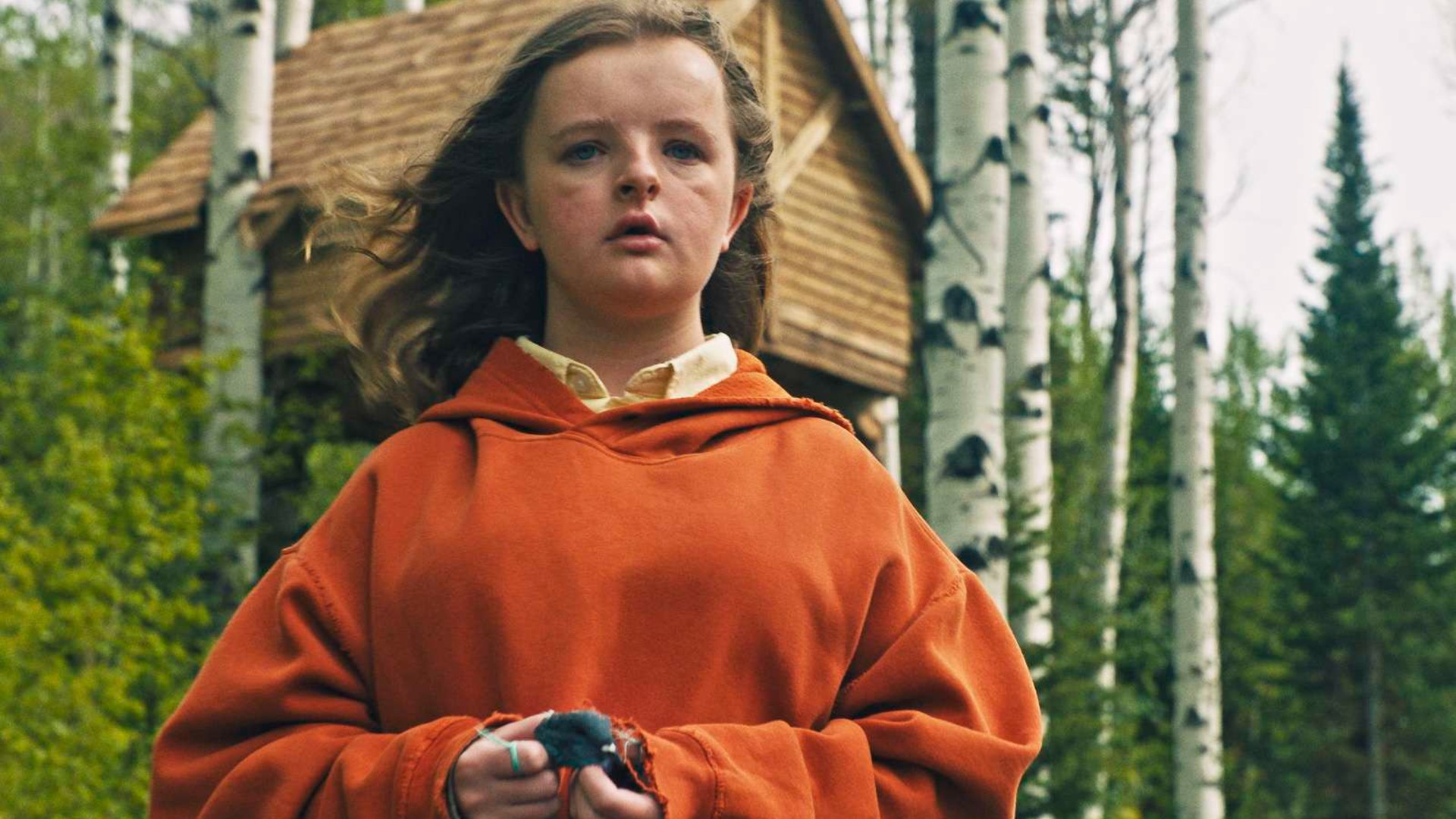
6. Hereditary (2018)
Ari Aster’s debut feature explores grief and family trauma alongside supernatural horror. Cinematographer Pawel Pogorzelski employs dollhouse-like framing to emphasize the family’s isolation. Subtle visual cues, such as miniature figures and long takes, create continuous unease. The narrative gradually reveals a connection between inherited trauma and occult forces.
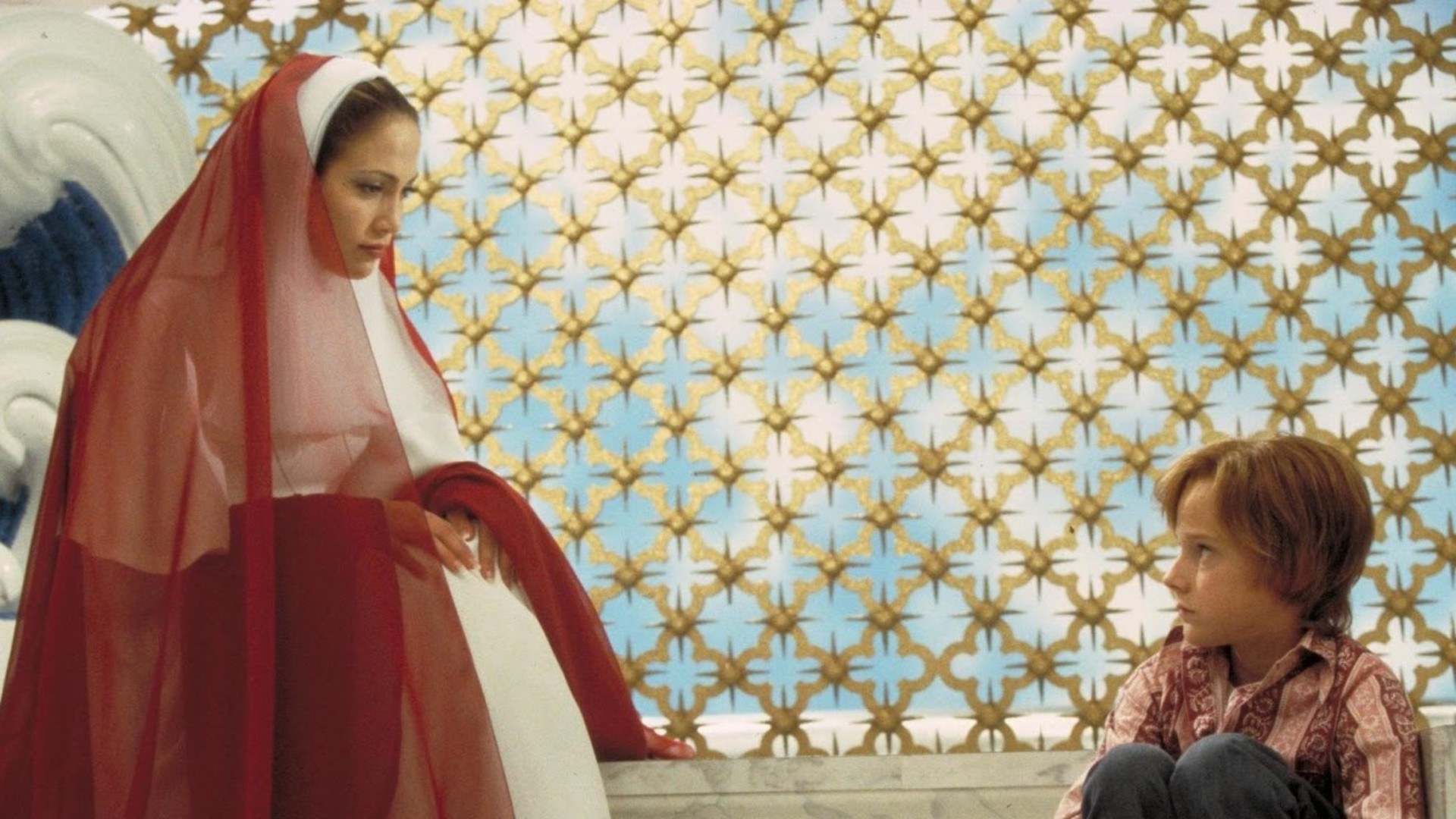
5. The Cell (2000)
Directed by Tarsem Singh, this psychological thriller visualizes the mind of a comatose serial killer. Stylized sets combine surrealism and abstract art, including impossible structures and vivid color schemes. Jennifer Lopez’s character uses experimental technology to enter these dreamlike environments. The film’s imagery influenced later media, combining horror with visual effects-driven narratives.
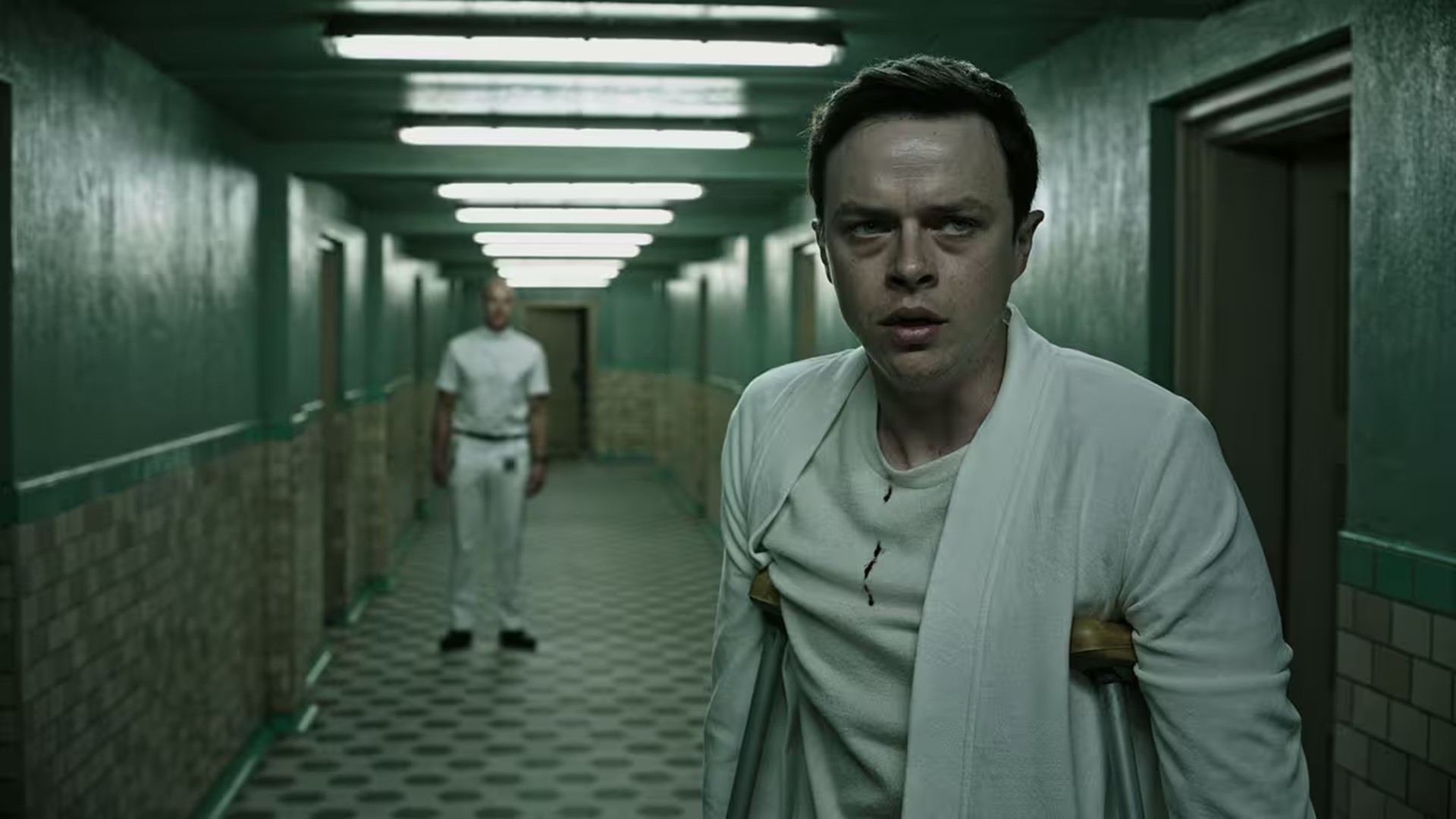
4. A Cure for Wellness (2016)
Gore Verbinski directed this thriller set in a remote Swiss sanatorium. Gothic architecture, snow-covered landscapes, and symmetrical shots create a sense of entrapment. The story revolves around a young executive uncovering sinister medical practices. Production design emphasizes verticality and scale to reinforce characters’ vulnerability and isolation.
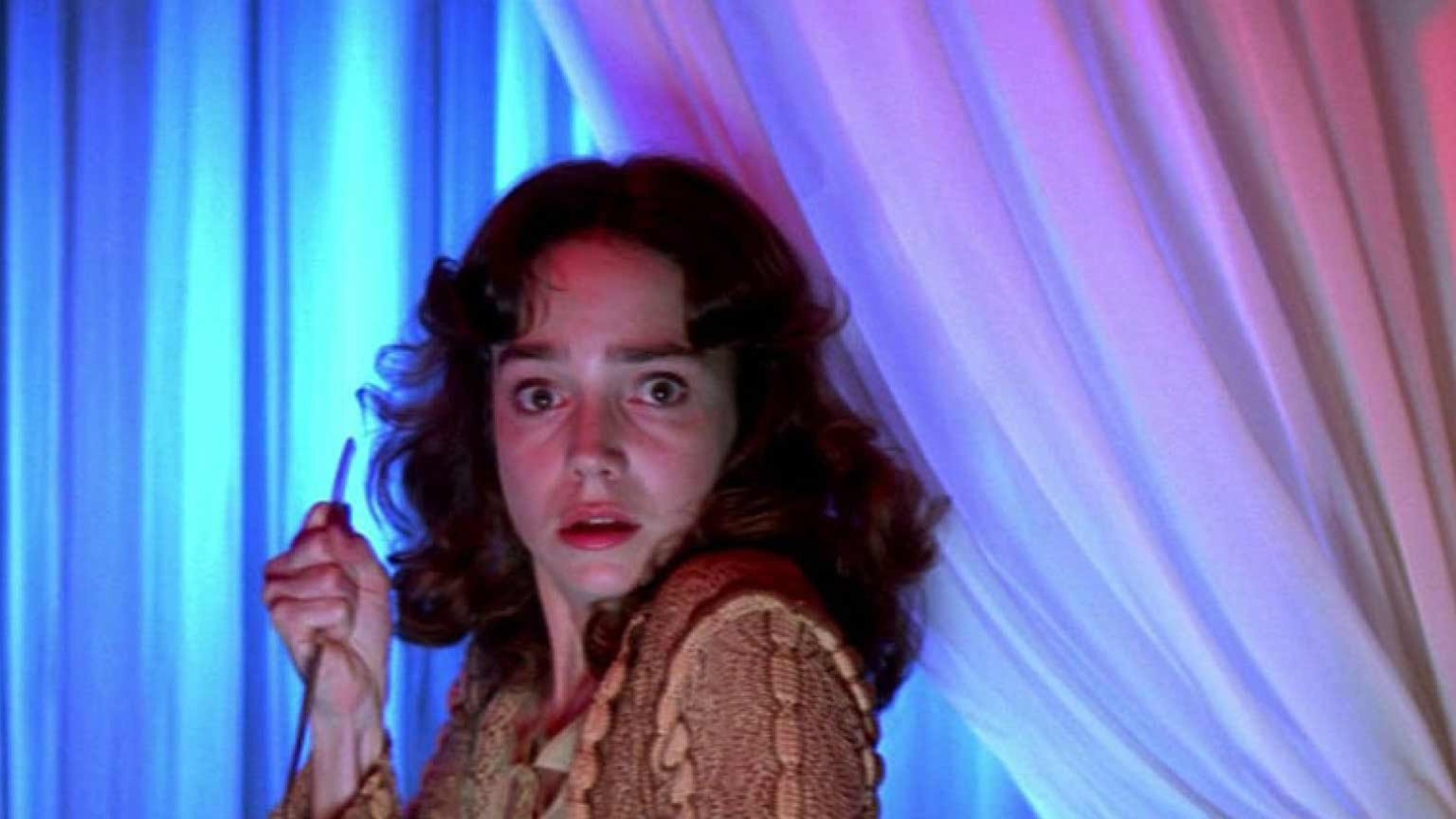
3. Suspiria (1977)
Dario Argento’s horror masterpiece uses vibrant red, blue, and green lighting to construct a hallucinatory visual style. The story follows an American ballet student encountering a coven of witches in a German academy. Luciano Tovoli’s cinematography enhances tension with unusual camera angles and composition. The film’s soundtrack, composed by Goblin, synchronizes with visual cues to heighten psychological impact.
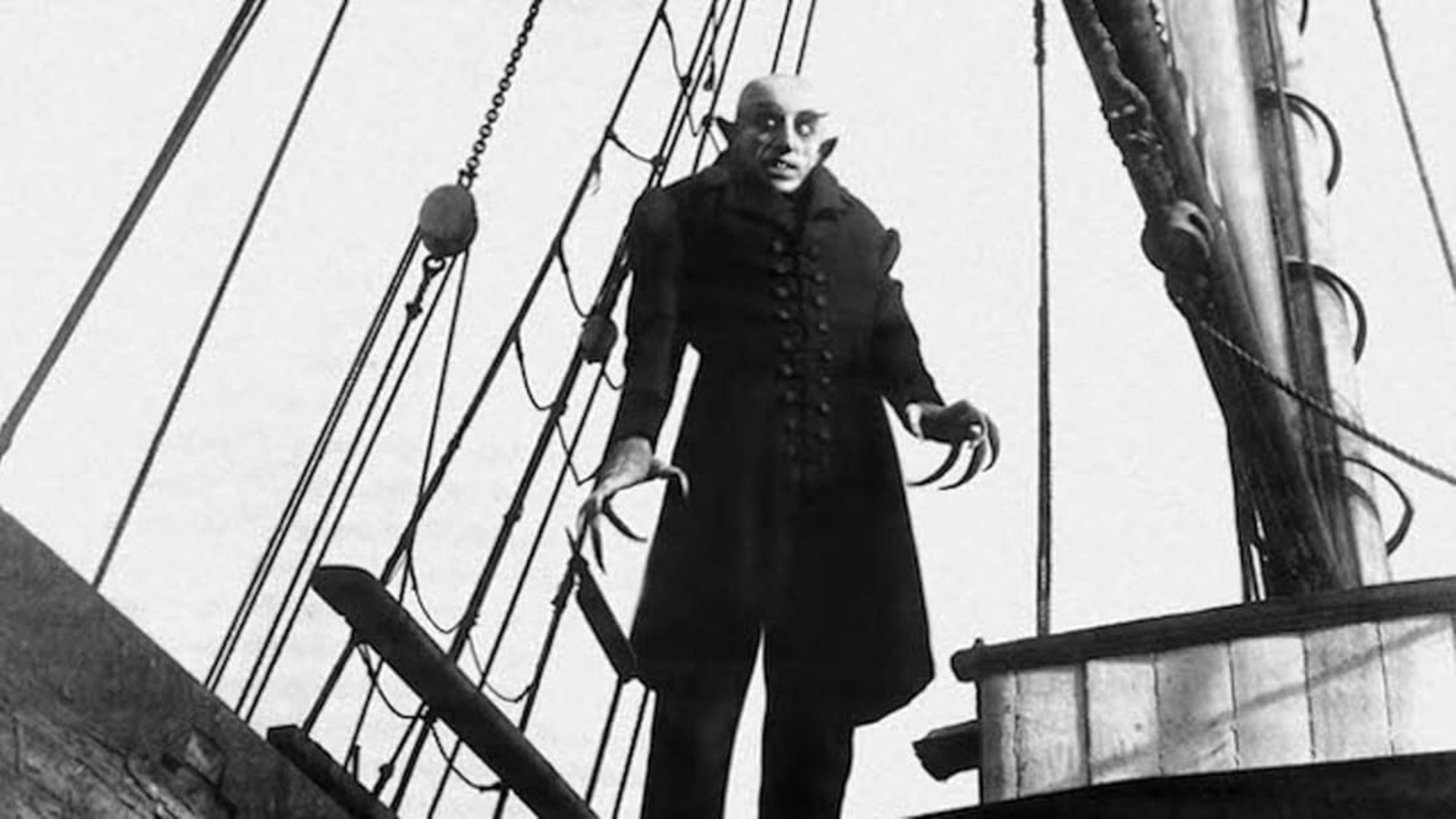
2. Nosferatu: A Symphony of Horror (1922)
F.W. Murnau’s unauthorized adaptation of Bram Stoker’s Dracula uses shadow and light to create fear without dialogue. Max Schreck’s portrayal of Count Orlok emphasizes predatory movement and grotesque facial expressions. Filming locations included abandoned castles and rural landscapes in Germany. The movie introduced techniques for suspense, such as framing figures in silhouettes and emphasizing eerie architecture.
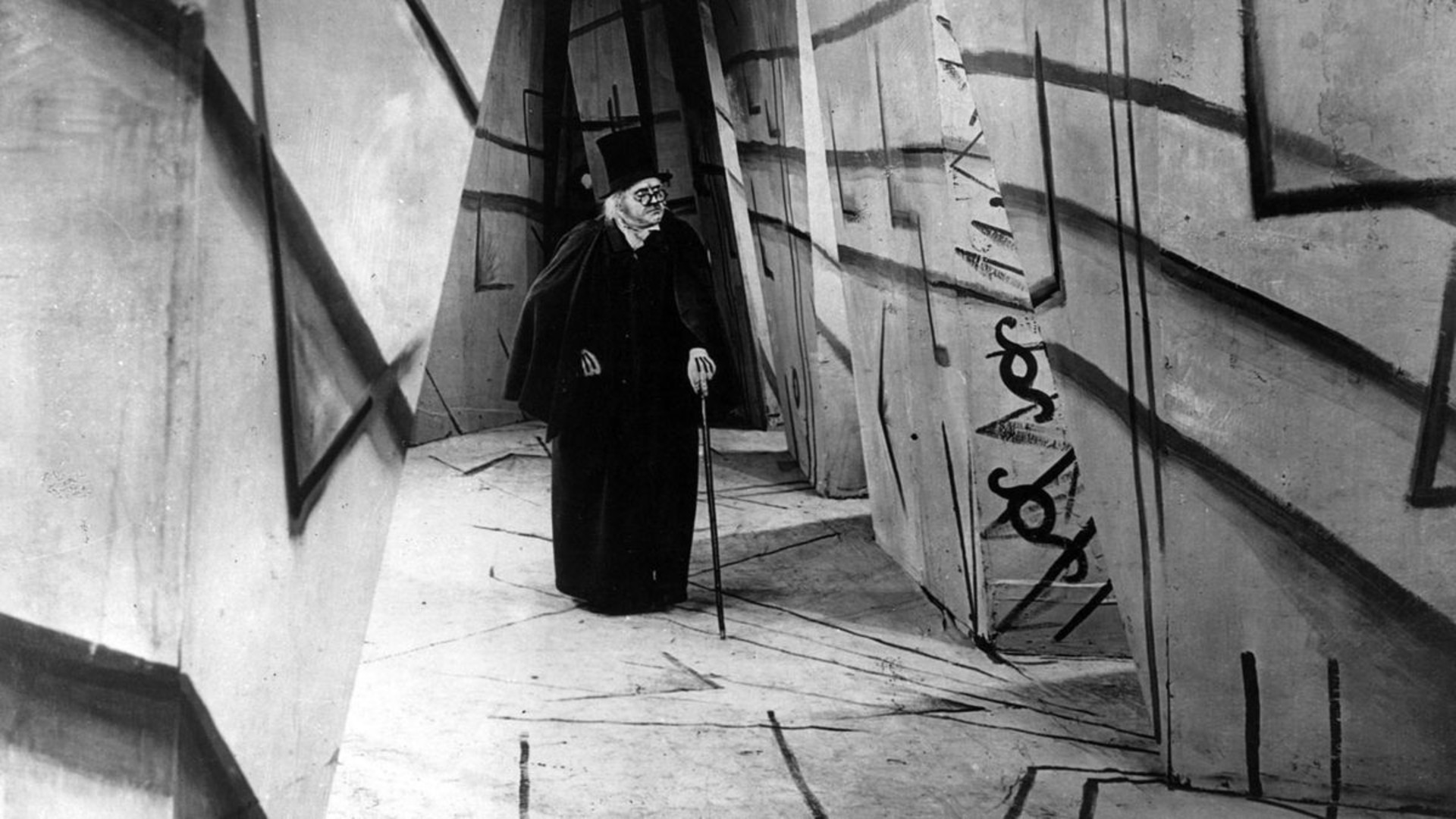
1. The Cabinet of Dr. Caligari (1920)
Directed by Robert Wiene, this German Expressionist silent film is considered one of the first psychological horror movies. The angular sets, twisted perspectives, and painted shadows distort reality, reflecting the protagonist's disturbed mind. The narrative involves a somnambulist who commits murders under hypnosis. Its influence is seen in later horror and noir films, especially in visual storytelling and set design.