25 Anime Shows & Films Everyone Should Watch
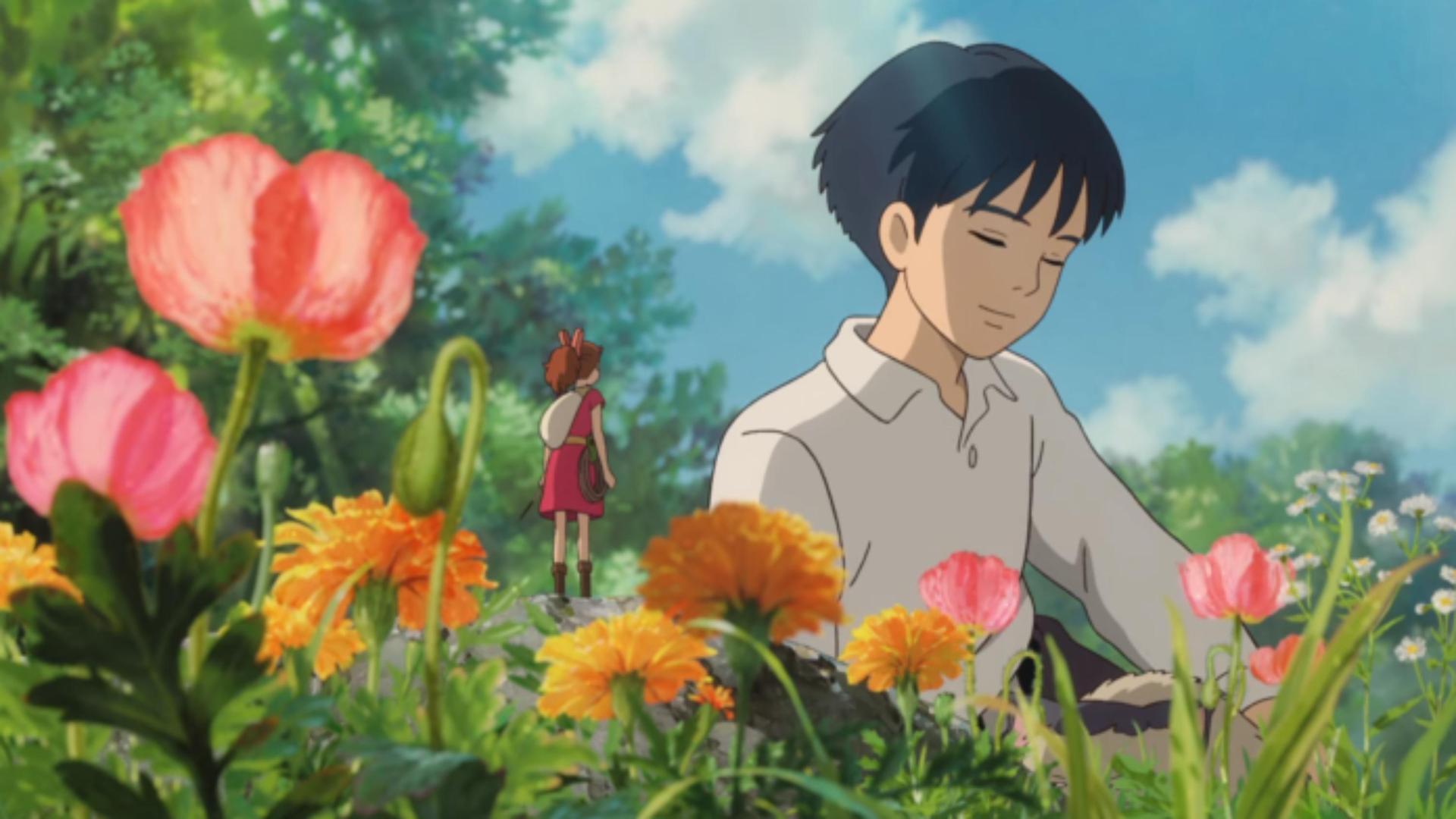
25. The Secret World of Arrietty (2010)
Studio Ghibli’s quietest gem focuses on the “borrowers,” tiny people who survive by scavenging unnoticed in human homes. At its heart, it’s a meditation on scale, fragility, and resilience. Every shot emphasizes the world from Arrietty’s miniature perspective, making ordinary objects feel vast and dangerous. Unlike Ghibli’s grand fantasies, the stakes here are intimate trust, survival, and the possibility of connection across divides. It’s a story that whispers rather than shouts, proving that even the smallest voices can carry profound weight.
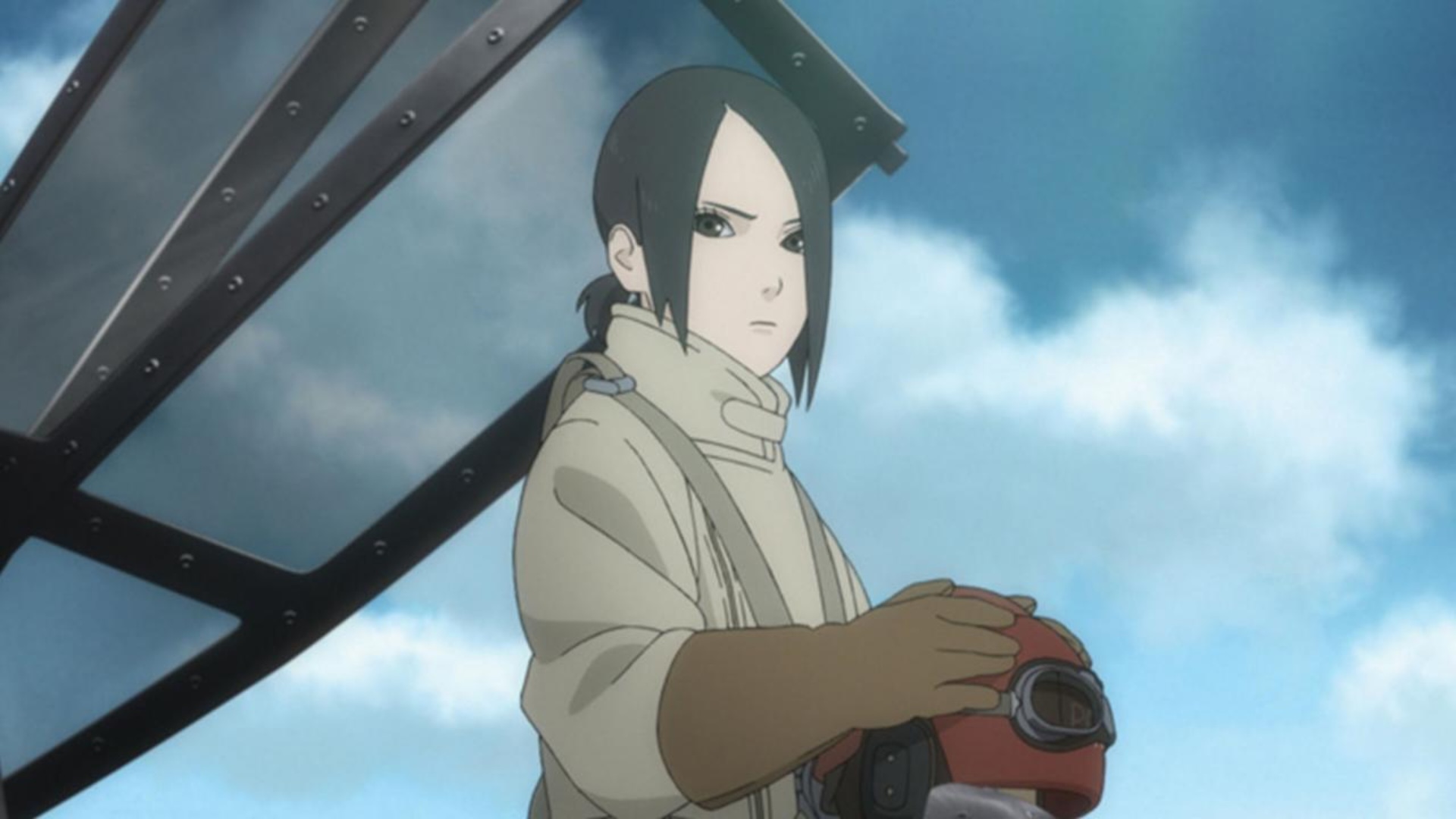
24. The Sky Crawlers (2008)
Mamoru Oshii constructs a chilling dystopia where war has become an endless spectacle, sustained by engineered fighter pilots who never grow old. The children are soldiers, doomed to live and die in cycles of violence without purpose. The muted color palette and long silences reinforce the suffocating stagnation of a society addicted to conflict. Oshii uses aerial dogfights not as thrills but as metaphors for futility and repetition. It’s less about victory than the emptiness of fighting battles designed never to end. The result is an anime that lingers, gnawing at the soul with quiet despair.
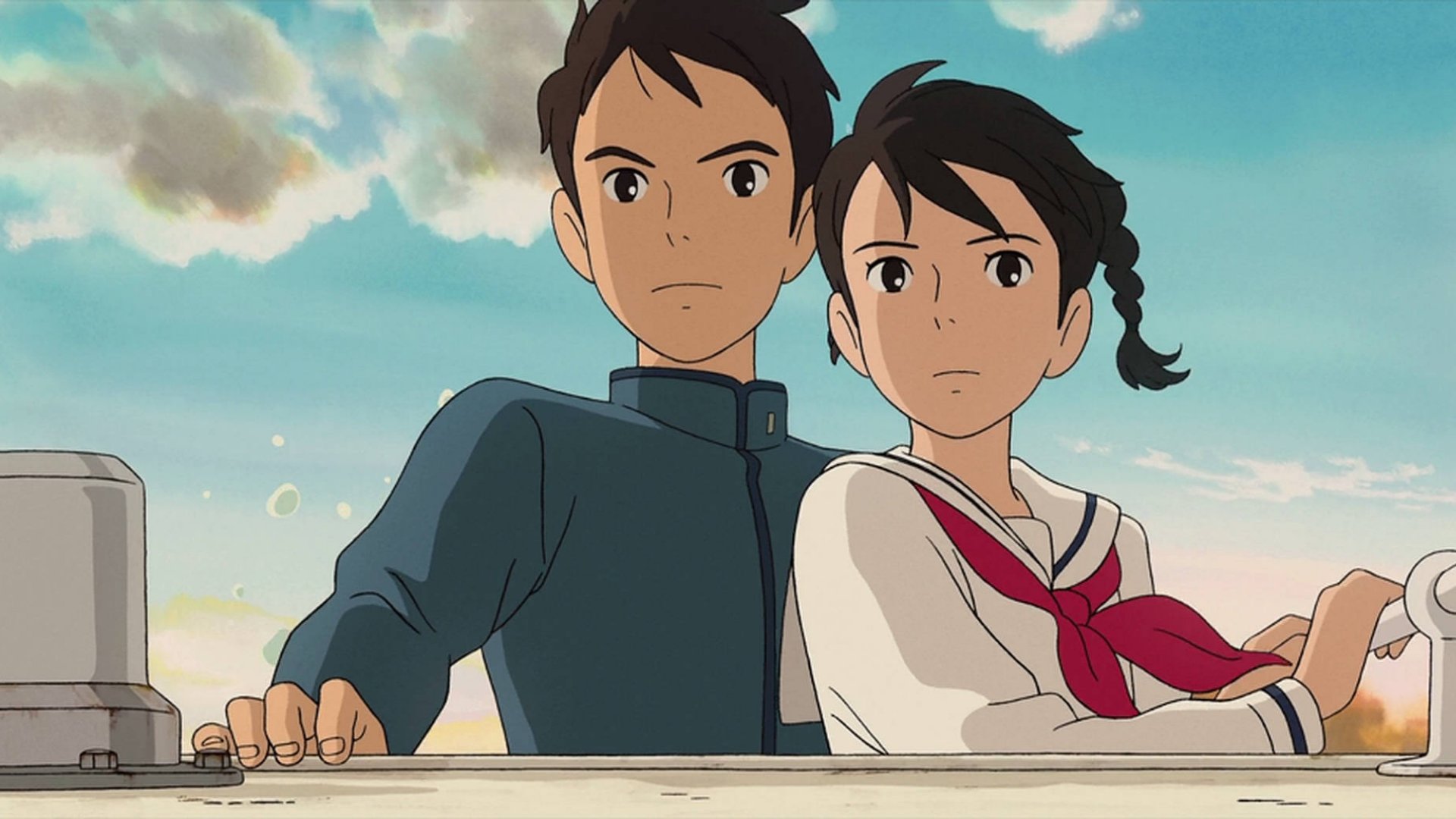
23. From Up on Poppy Hill (2011)
Unlike Ghibli’s fantasy epics, this film stays grounded in 1960s Yokohama, capturing a country in transition. Students fight to preserve their crumbling clubhouse, turning a simple restoration into a symbol of memory and identity. Beneath the nostalgia lies a poignant tension. The old world colliding with Japan’s rush into modernization. Through soft animation and tender storytelling, the film honors everyday resilience and the need to protect heritage. It’s less fantastical than Ghibli’s usual fare, but no less magical in its ability to show how personal struggles reflect national change. At once wistful and hopeful, it’s a love letter to memory itself.

22. Tokyo Revengers (2021)
At first glance, 'Tokyo Revengers' looks like another delinquent-gang anime. But its time-travel twist transforms it into a dystopian meditation on cycles of violence and second chances. Takemichi’s desperate attempts to alter the future reflect our yearning to escape the traps of fate and circumstance. Each gang war feels less about territory than about the human cost of loyalty, betrayal, and regret. The show also mirrors social collapse through its depiction of youth culture spiraling without guidance or stability. While not “sci-fi” in the traditional sense, its dystopian energy comes from how fragile human choices can topple entire lives.
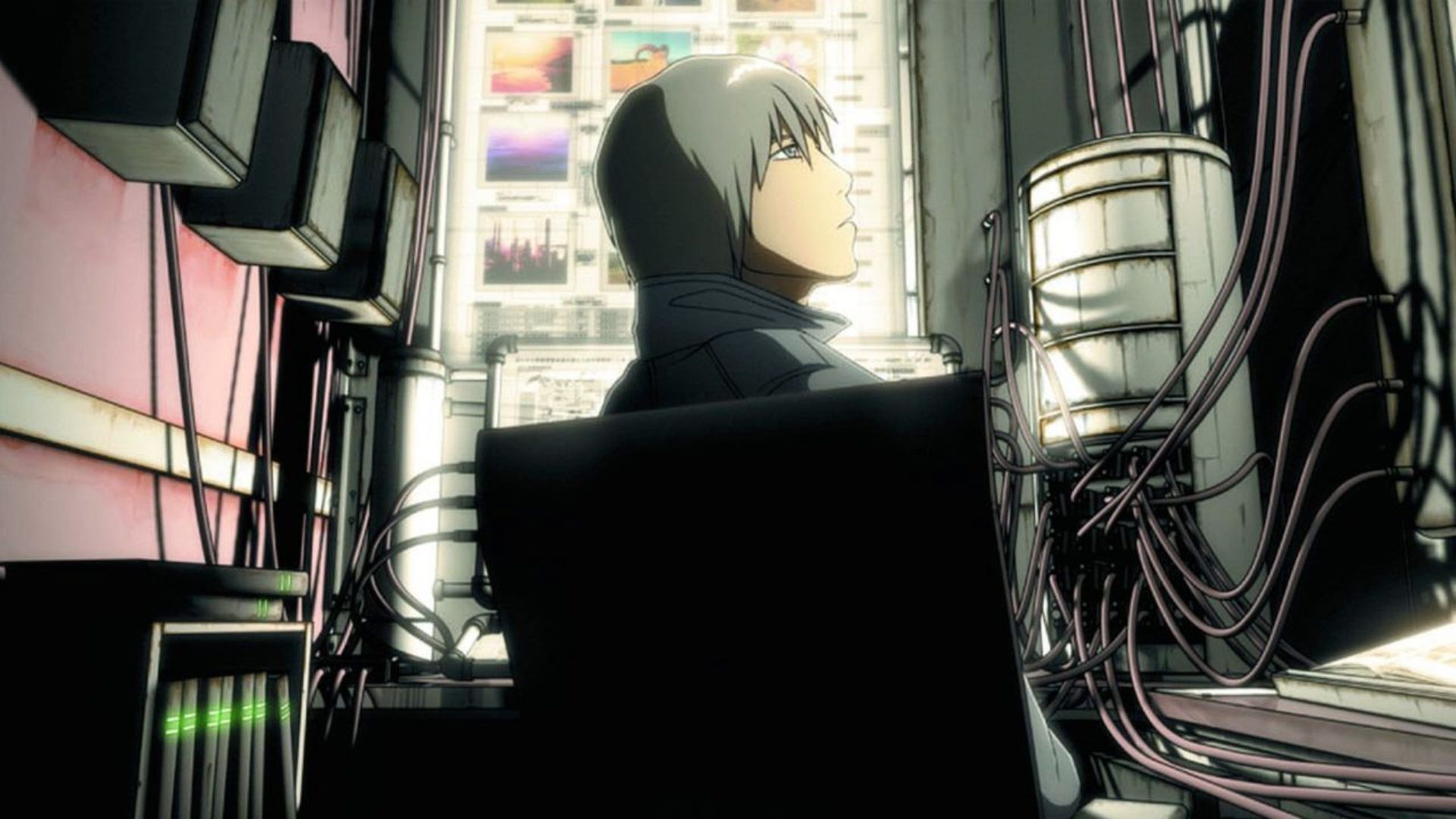
21. Pale Cocoon (2006)
This underrated OVA presents a world where history itself has been erased by catastrophe. Humanity survives in artificial habitats, with archivists tasked to recover scraps of corrupted data. Through one worker’s discoveries, the film meditates on the fragility of memory and the cost of disconnection from the past. The visuals emphasize isolation, as it shows the sterile environments contrasted with the beauty of lost Earth. As truth gradually resurfaces, it hits with quiet devastation, reminding us that without history, identity itself collapses. In just under 30 minutes, 'Pale Cocoon' achieves what many longer series struggle to do: leave you questioning the essence of being human.
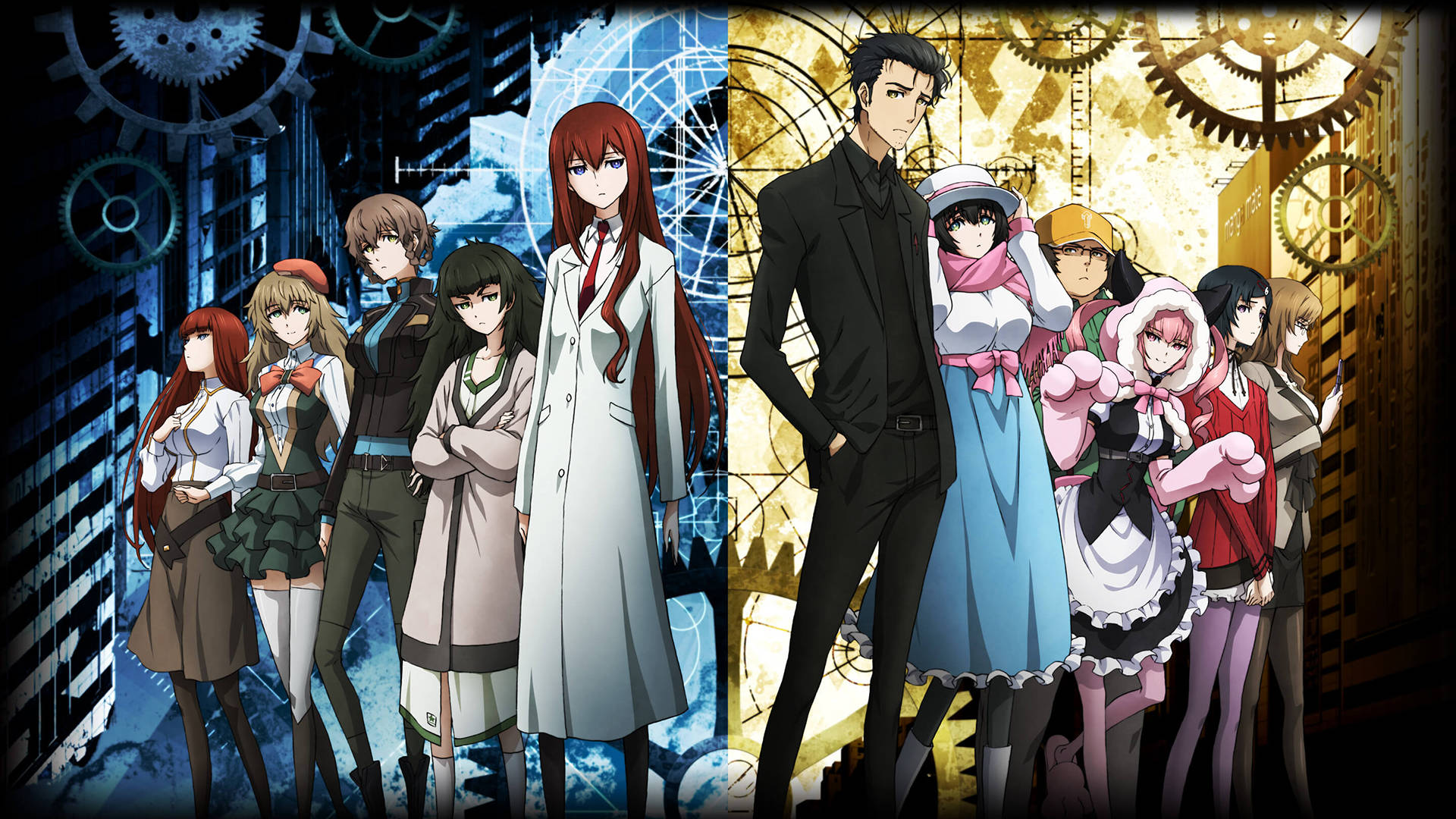
20. Steins;Gate (2011)
If there’s one anime that captures the terrifying fragility of timelines, it’s 'Steins;Gate.' Okabe and his friends start with playful experiments in time travel, only to spiral into tragedies they can’t undo. The show’s brilliance lies in how it blends otaku humor with an increasingly heavy descent into despair. Each character becomes a casualty of the butterfly effect, forcing Okabe into impossible choices. It’s a reminder that even small acts, an email, a decision, a hesitation can shape futures in ways we never foresee. At once exhilarating and heartbreaking, it’s the gold standard of science-fiction anime storytelling.
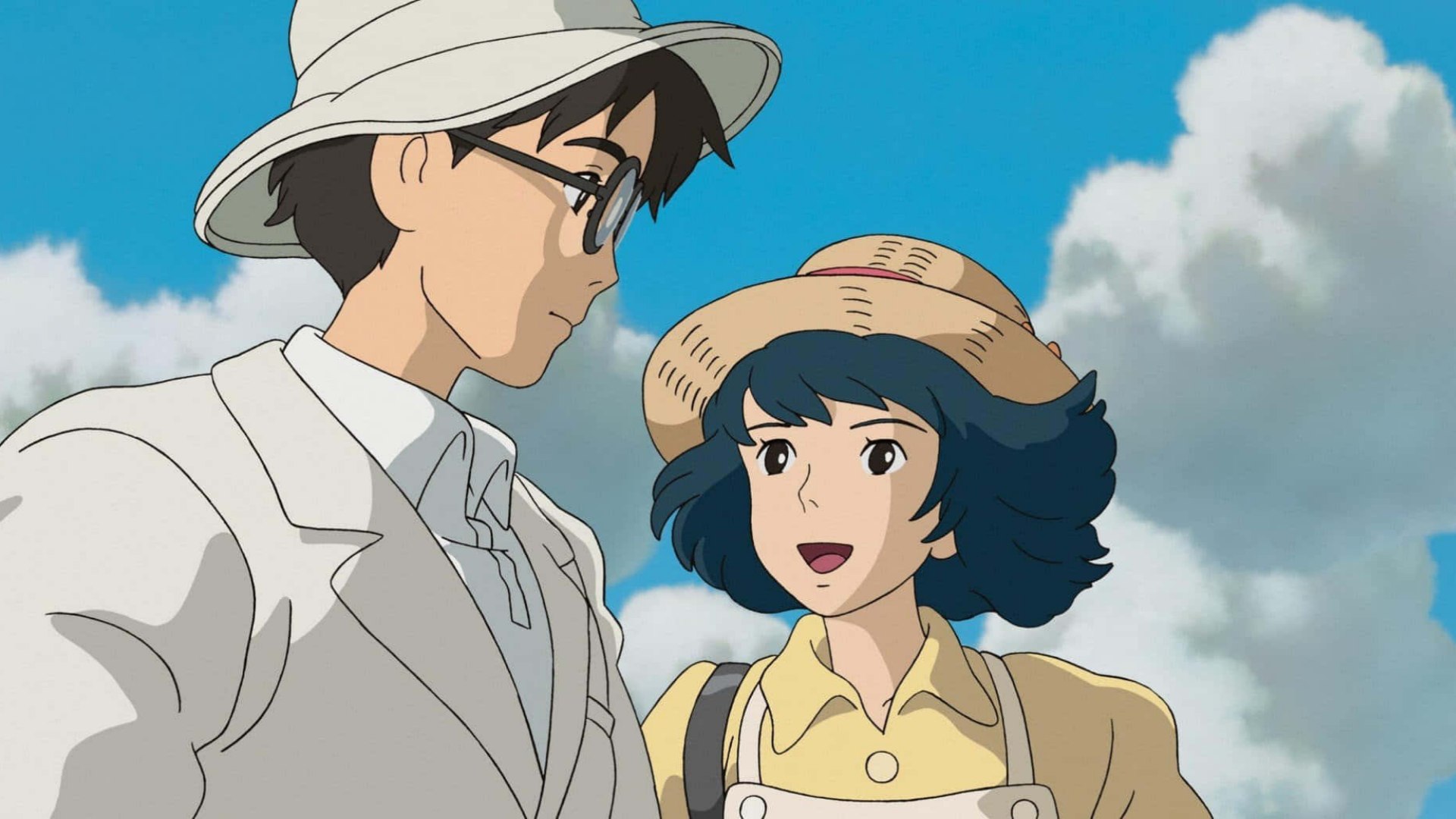
19. The Wind Rises (2013)
Miyazaki’s final feature (before his brief retirement) isn’t fantasy, but a grounded portrait of Jiro Horikoshi, the man who designed Japan’s WWII fighter planes. It wrestles with the contradictions of beauty and destruction and how can one love invention when it becomes a tool for war? The dreamy sequences, where Jiro speaks with Italian engineer Caproni, offer escape into imagination, yet reality always pulls him back. It’s deeply personal for Miyazaki, who grew up in the shadow of war yet adored airplanes. The film isn’t just biographical, after all it’s an exploration of the moral gray zones of creation itself.
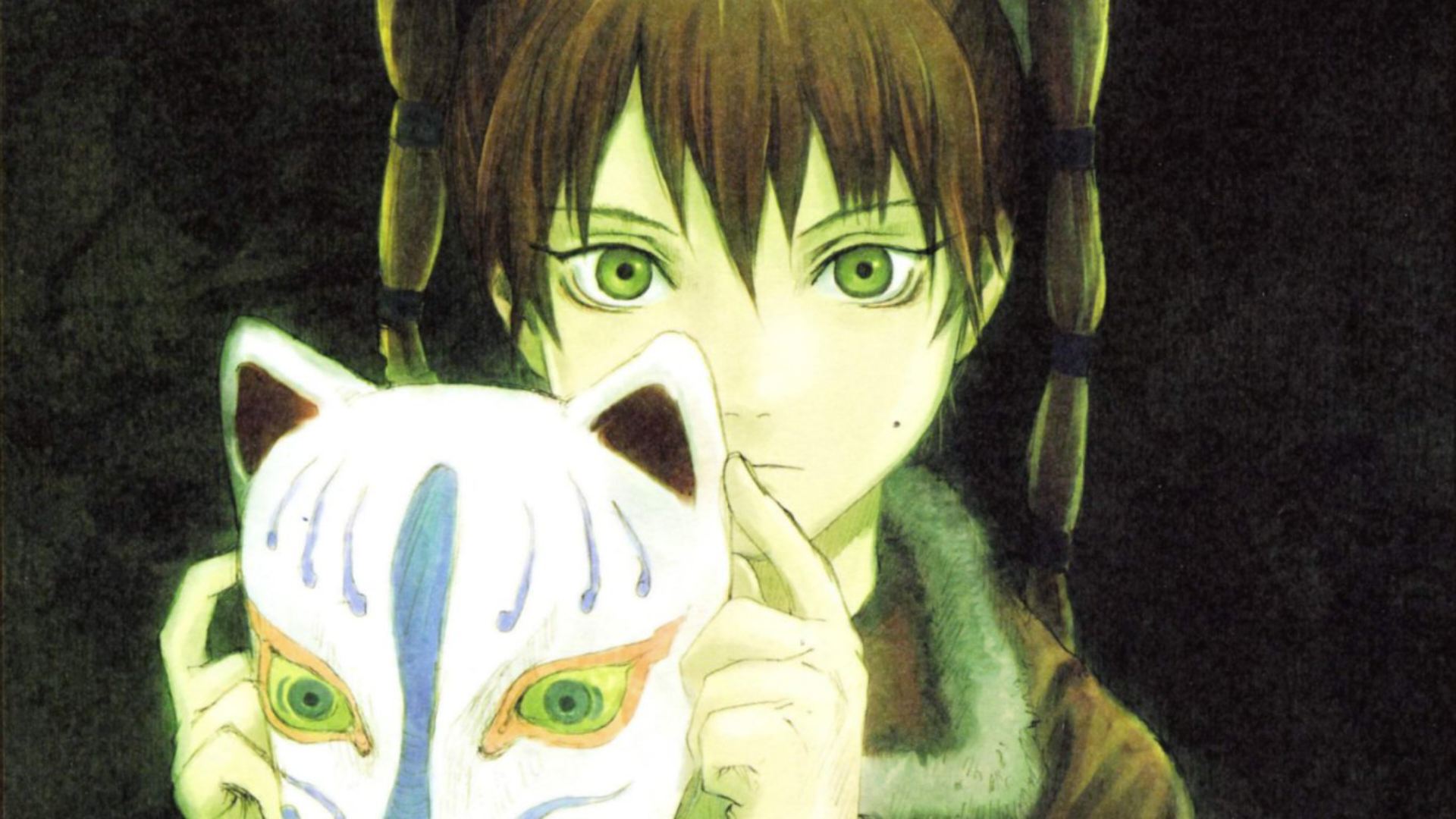
18. Texhnolyze (2003)
Bleak doesn’t even begin to describe 'Texhnolyze.' Set in a decaying underground city, its story unfolds with minimal dialogue and oppressive silence, demanding patience from its viewers. The series dismantles any illusion of human progress, showing instead a community locked in cycles of violence, technology, and existential emptiness. Protagonist Ichise is less a hero than a body stripped and remade, forced into the machinery of survival. It’s as much visual poem as narrative, with symbolism dripping from every frame. For those willing to endure its suffocating darkness, it offers one of anime’s most unflinching visions of collapse.
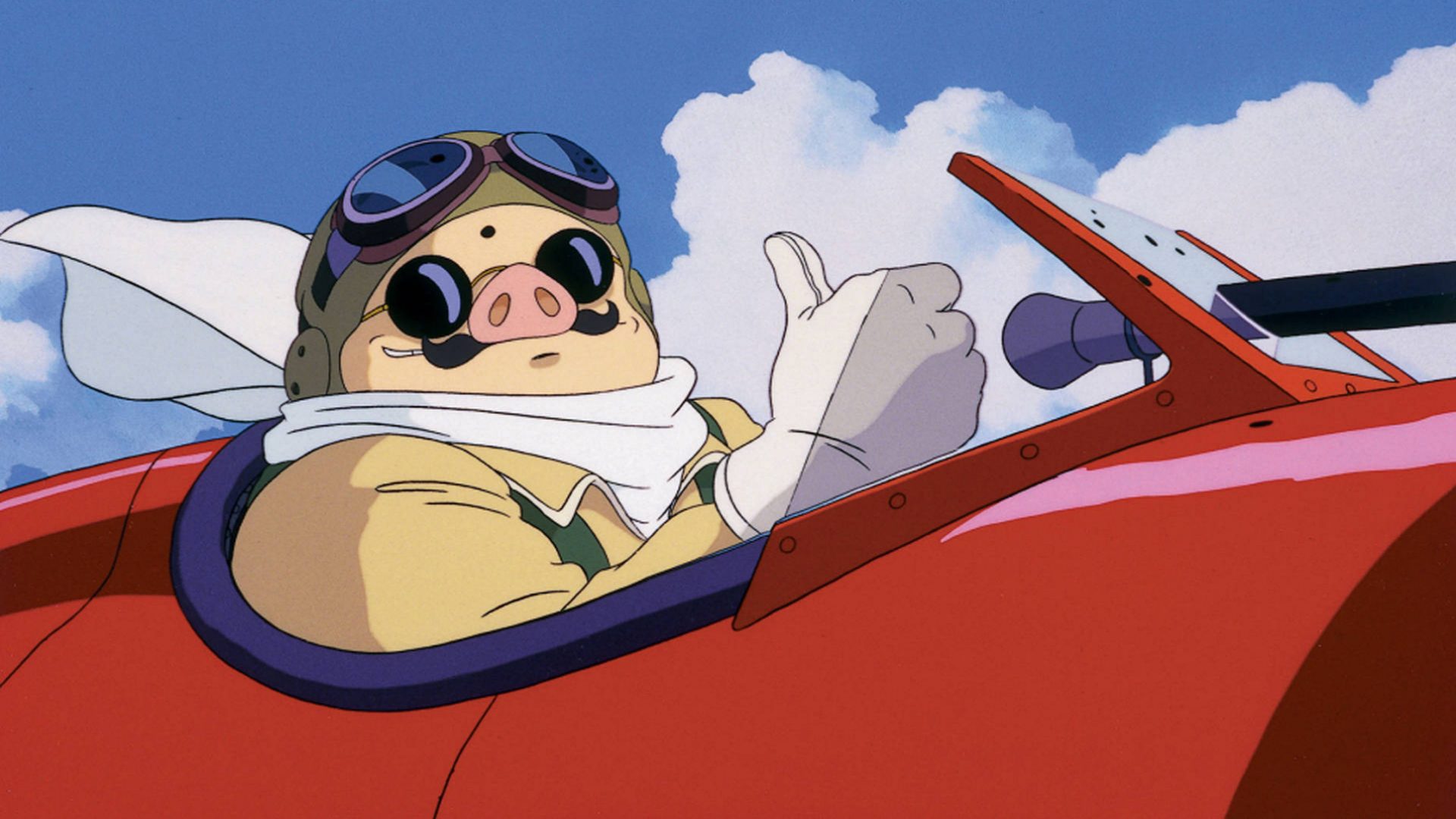
17. Porco Rosso (1992)
On the surface, 'Porco Rosso' is a whimsical pig-faced pilot flying through Adriatic skies. But dig deeper and it’s a war-haunted reflection on disillusionment and lost ideals. Porco, once human, embodies the scars of conflict, and choosing to remain a pig as a rejection of humanity’s cruelty. The film balances breezy aerial battles with undercurrents of melancholy, romance, and resignation. It critiques both fascism and hollow heroism, while still celebrating freedom in flight. Miyazaki laces charm with tragedy, creating a film that’s lighthearted and crushingly sad at once.
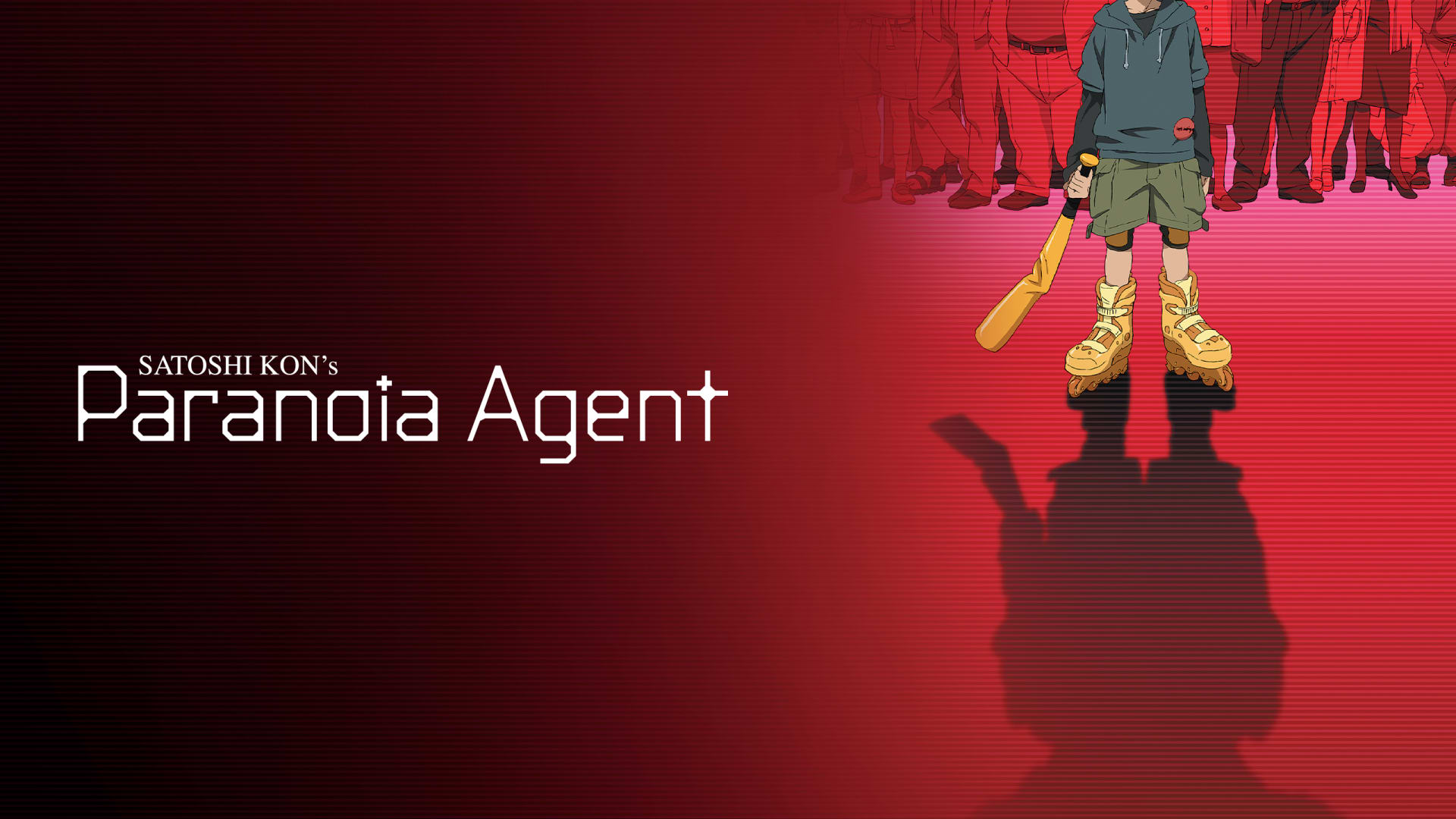
16. Paranoia Agent (2004)
Satoshi Kon’s only TV series starts with a boy on rollerblades attacking strangers, but quickly unravels into a surreal dissection of collective anxiety. Each episode shifts focus to different victims, showing how fear, guilt, and denial manifest in society. “Shōnen Bat” isn’t just a character, he’s a symbol of collapse, a release valve for the unbearable pressures of modern life. Kon twists reality until it’s impossible to know what’s true, mirroring the destabilization of those who can’t cope. Both thriller and allegory, the show remains one of anime’s sharpest critiques of social fragility.
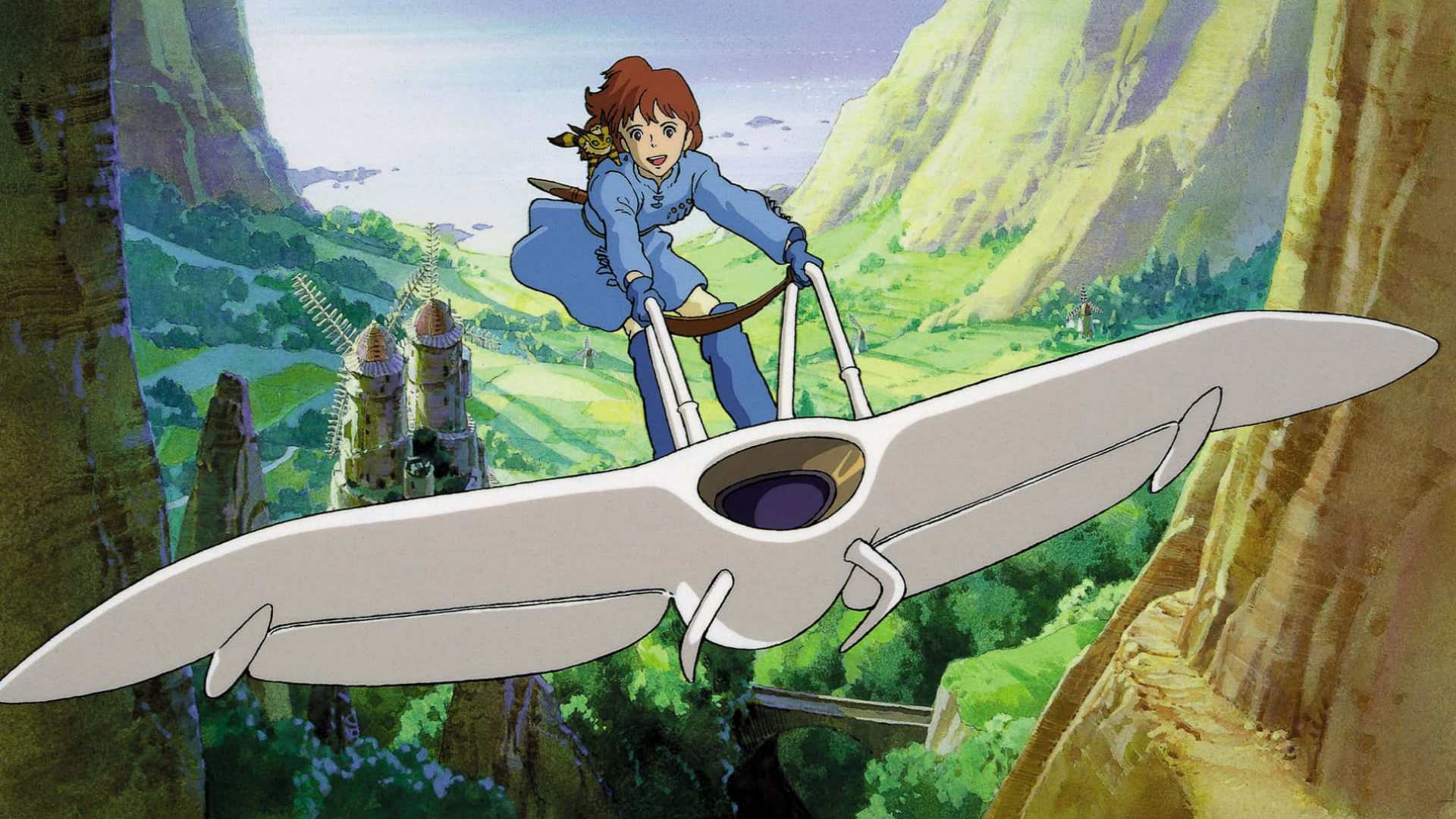
15. Nausicaä of the Valley of the Wind (1984)
Though predating Studio Ghibli, Nausicaä embodies its spirit. In a poisoned world where giant insects rule, humanity claws for survival, yet the film rejects simple binaries of good and evil. Nausicaä herself is not a warrior, but a bridge, someone who listens to nature rather than conquering it. The toxic jungle is frightening, yet it’s also alive, regenerating Earth’s balance. Miyazaki crafts a heroine who represents compassion as resistance, reminding us that true leadership comes not from dominance but understanding. It’s as urgent today as it was in 1984.

14. Ergo Proxy (2006)
Cyberpunk philosophy meets gothic atmosphere in Ergo Proxy. In a domed city governed by AI, humans and androids coexist uneasily, until a string of murders sparks existential unraveling. Protagonist Re-l Mayer investigates, but the deeper she delves, the more the line between human and machine blurs. With its muted colors and fragmented narrative, the show forces viewers to question free will, identity, and whether truth even exists. It’s not an easy watch, but that’s its strength, as it embraces complexity rather than resolution. For fans of dystopian philosophy, it’s anime’s most intoxicating riddle.
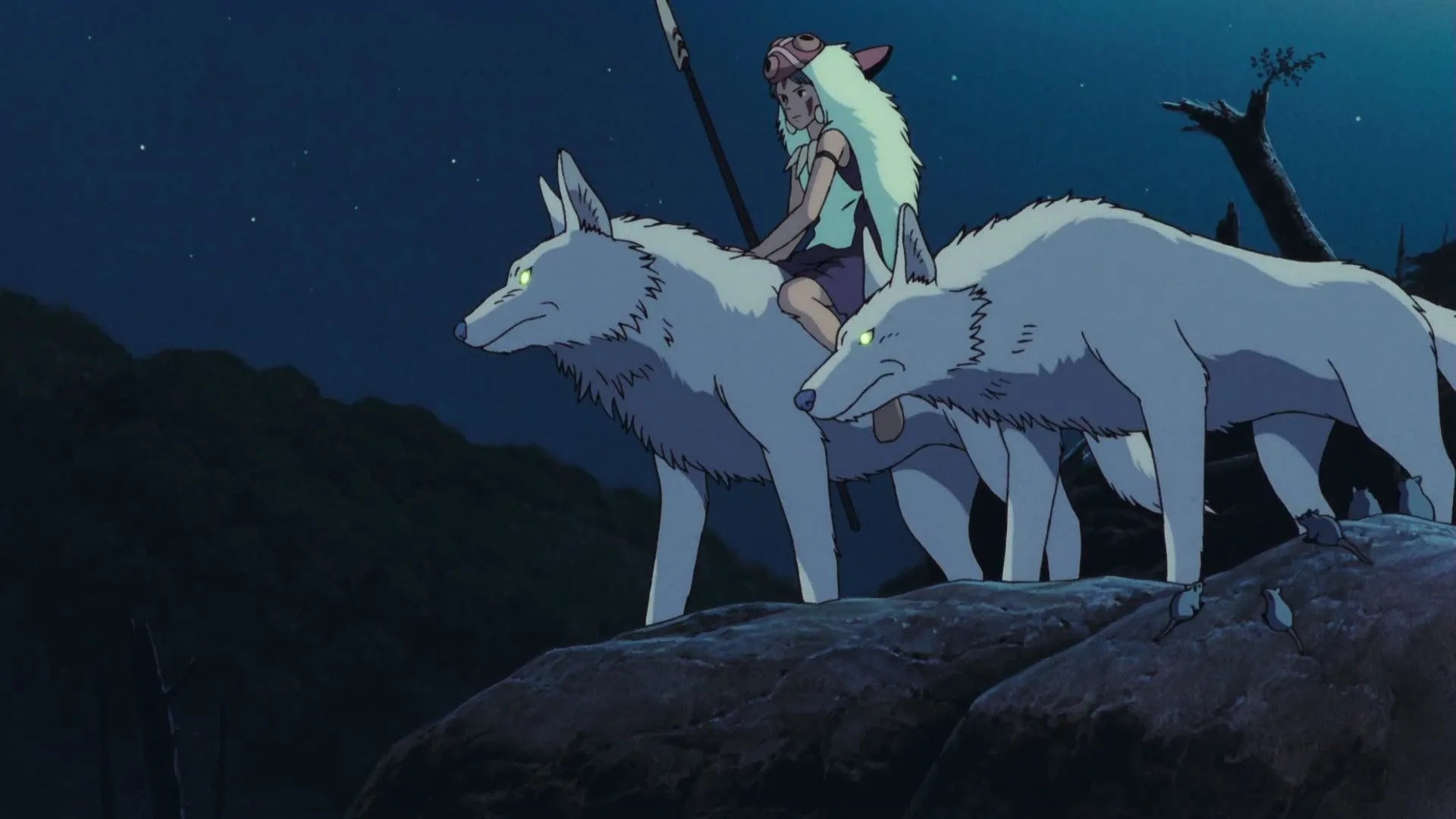
13. Princess Mononoke (1997)
Perhaps Miyazaki’s darkest epic, Mononoke presents a world torn between nature’s fury and human ambition. Ashitaka, cursed by violence, seeks balance but finds none. Only conflict, compromise, and survival. Lady Eboshi and San are not heroes or villains but embodiments of competing truths. The forests drip with gods, demons, and spirits, yet the violence is all too human. What lingers is the film’s refusal to offer easy answers: coexistence is possible, but only at great cost. Its relevance in today’s climate-crisis era makes it more prophetic than ever.
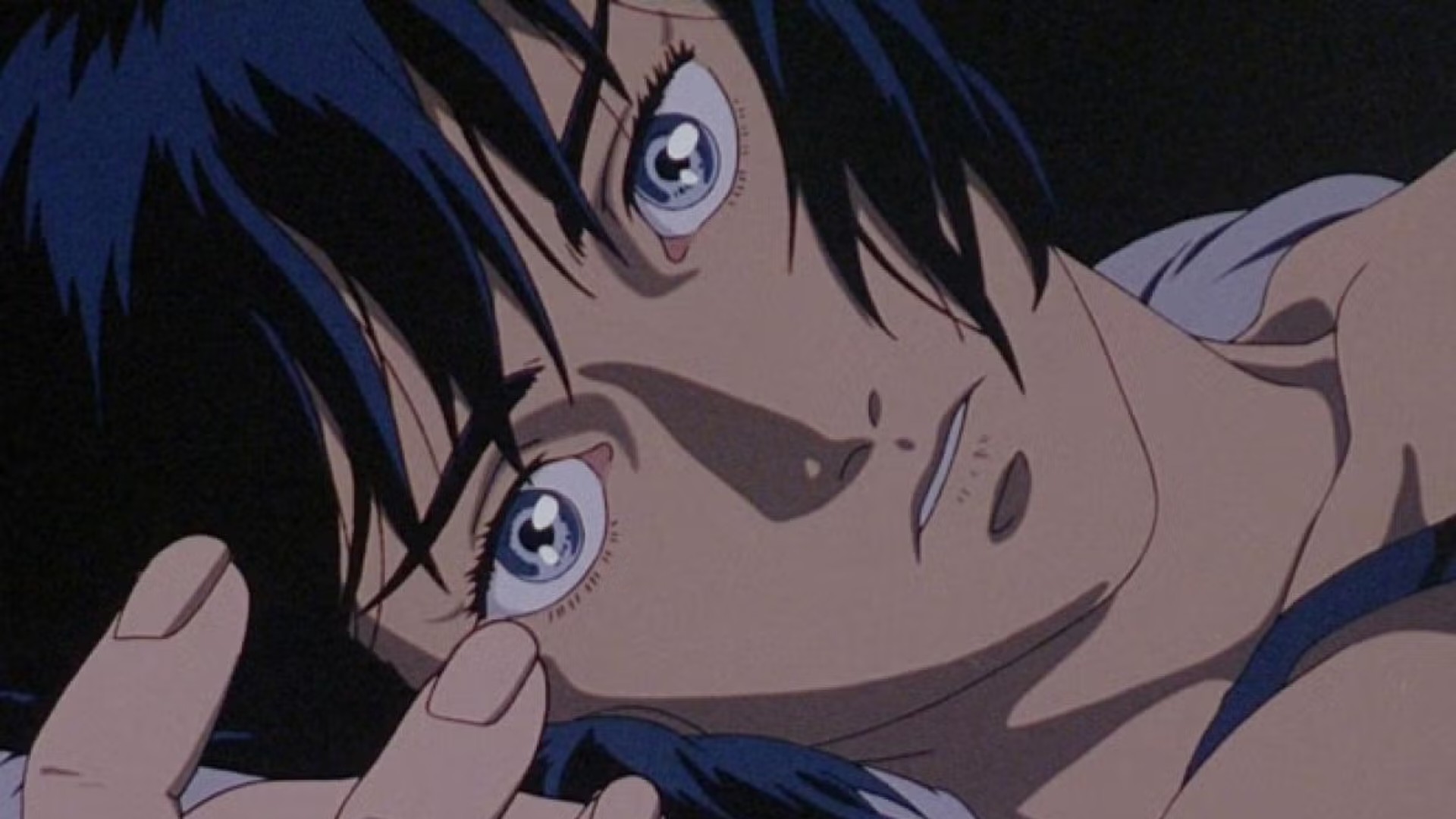
12. Ghost in the Shell (1995)
Few films shaped anime’s global image like 'Ghost in the Shell.' In its rain-drenched cyberpunk sprawl, Major Motoko Kusanagi grapples with what it means to have a body, a soul, or even an identity. The Puppet Master’s intrusion forces us to confront how technology can erase boundaries we thought unbreakable. With its haunting visuals and meditative pacing, the film isn’t just about hacking, it’s about consciousness itself. Every philosophical conversation lingers, inviting viewers to ask: where does the human end, and the machine begin? Its legacy echoes in 'The Matrix' and beyond.
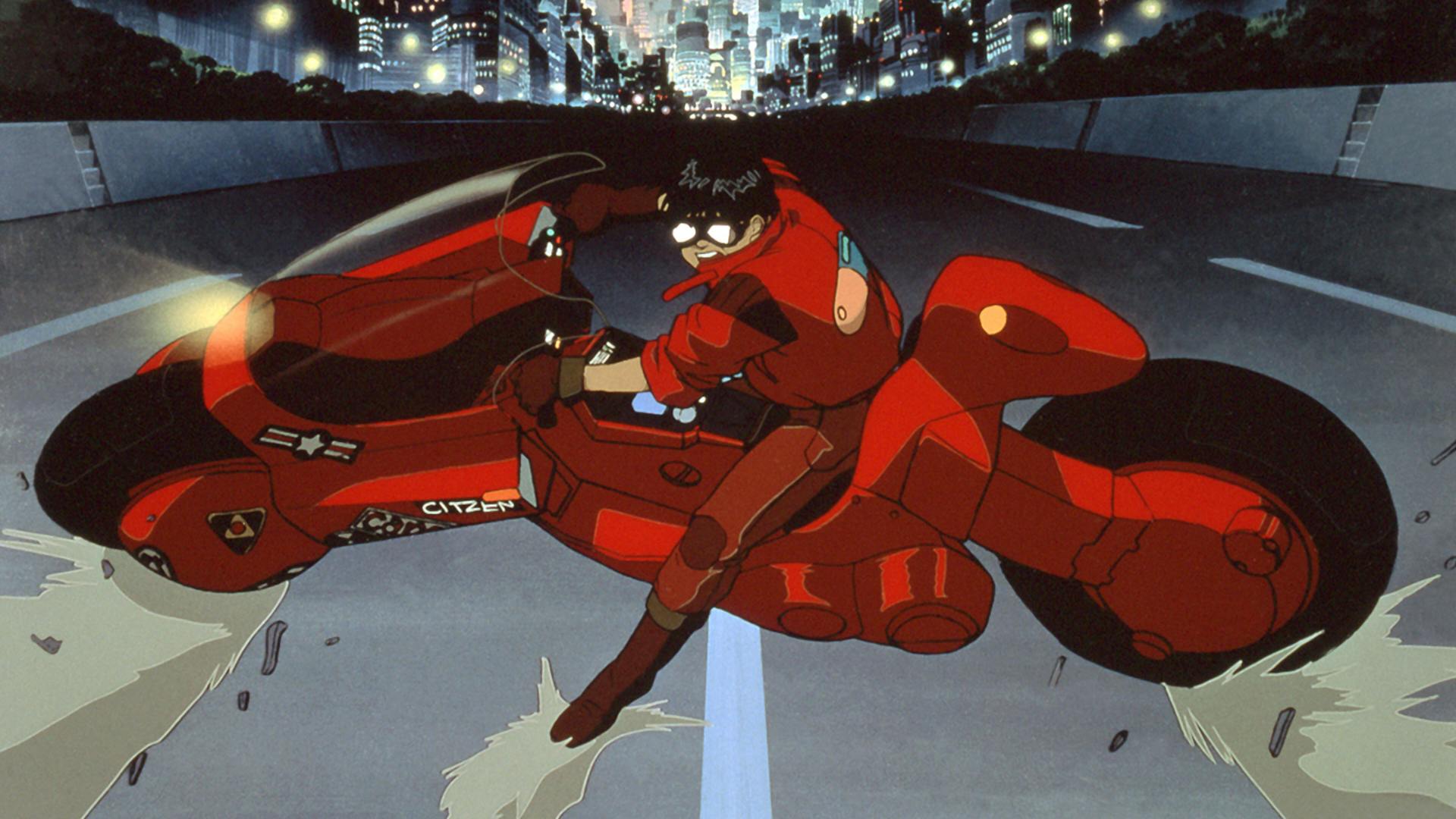
11. Akira (1988)
Katsuhiro Otomo’s 'Akira' is chaos incarnate. It is an explosion of psychic power, motorcycle gangs, and dystopian paranoia. Neo-Tokyo pulses with energy, teetering between rebirth and destruction. Kaneda and Tetsuo’s fractured friendship anchors the spectacle, turning personal betrayal into a metaphor for societal collapse. Its body horror imagery, such as mutations, explosions, grotesque transformations, which remains some of the most disturbing in animation. More than just a cyberpunk classic, it’s a prophecy of unchecked ambition and state corruption. Even 30 years later, its energy feels radioactive.
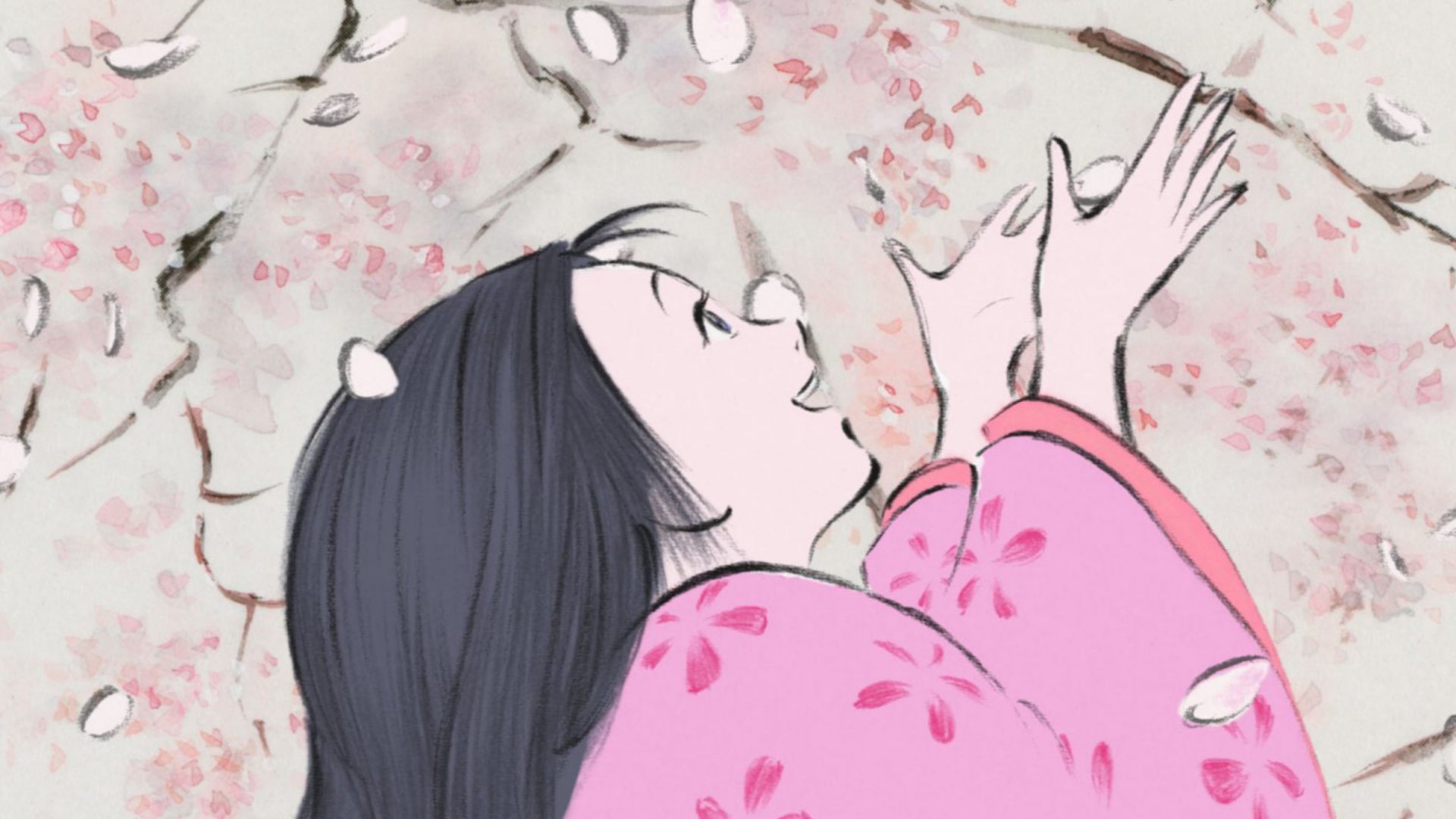
10. The Tale of the Princess Kaguya (2013)
Isao Takahata’s swan song is less a film than a moving watercolor painting come to life. Every brushstroke feels ephemeral, echoing the fleeting joy of childhood and the inevitability of loss. Based on Japan’s oldest folktale, it reimagines Princess Kaguya not as a mythic figure but as a girl suffocated by societal demands. Her laughter and freedom are gradually taken away until only resignation remains. The ending, her tearful return to the moon, and it feels less like fantasy than tragedy. It’s an ode to impermanence and the cruelty of expectations.
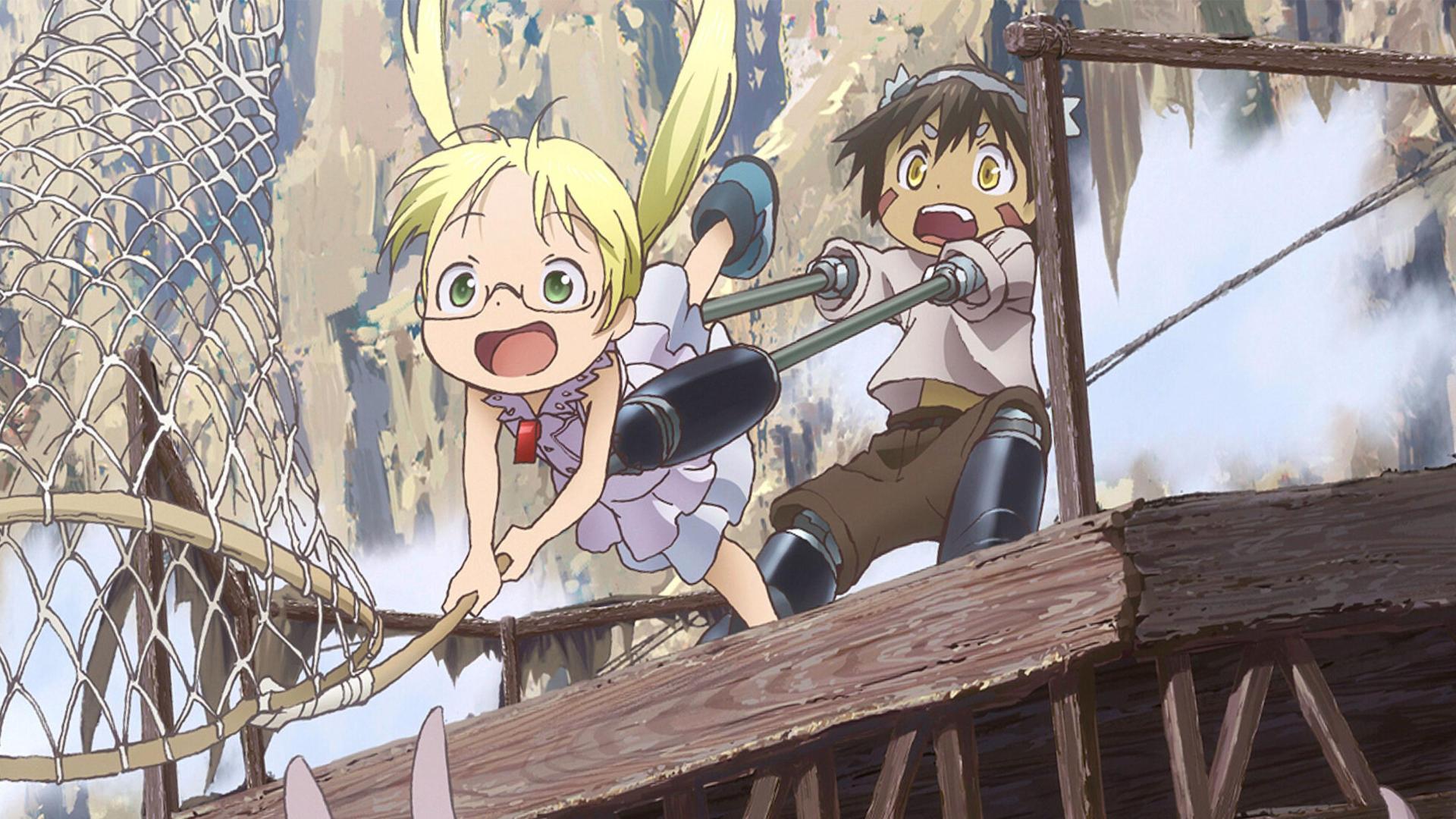
9. Made in Abyss (2017– )
Few series capture the contrast between innocence and horror as mercilessly as 'Made in Abyss.' The descent of Riko and Reg into the Abyss mirrors humanity’s pursuit of knowledge: wonder at the cost of suffering. The deeper they go, the more grotesque the beauty becomes. The creatures, landscapes, and relics drip with mystery and menace. But the show’s emotional anchor lies in its cruelty toward children who embody hope. Each step further is irreversible, both physically and psychologically. It’s a haunting meditation on curiosity, survival, and the costs of chasing the unknown.
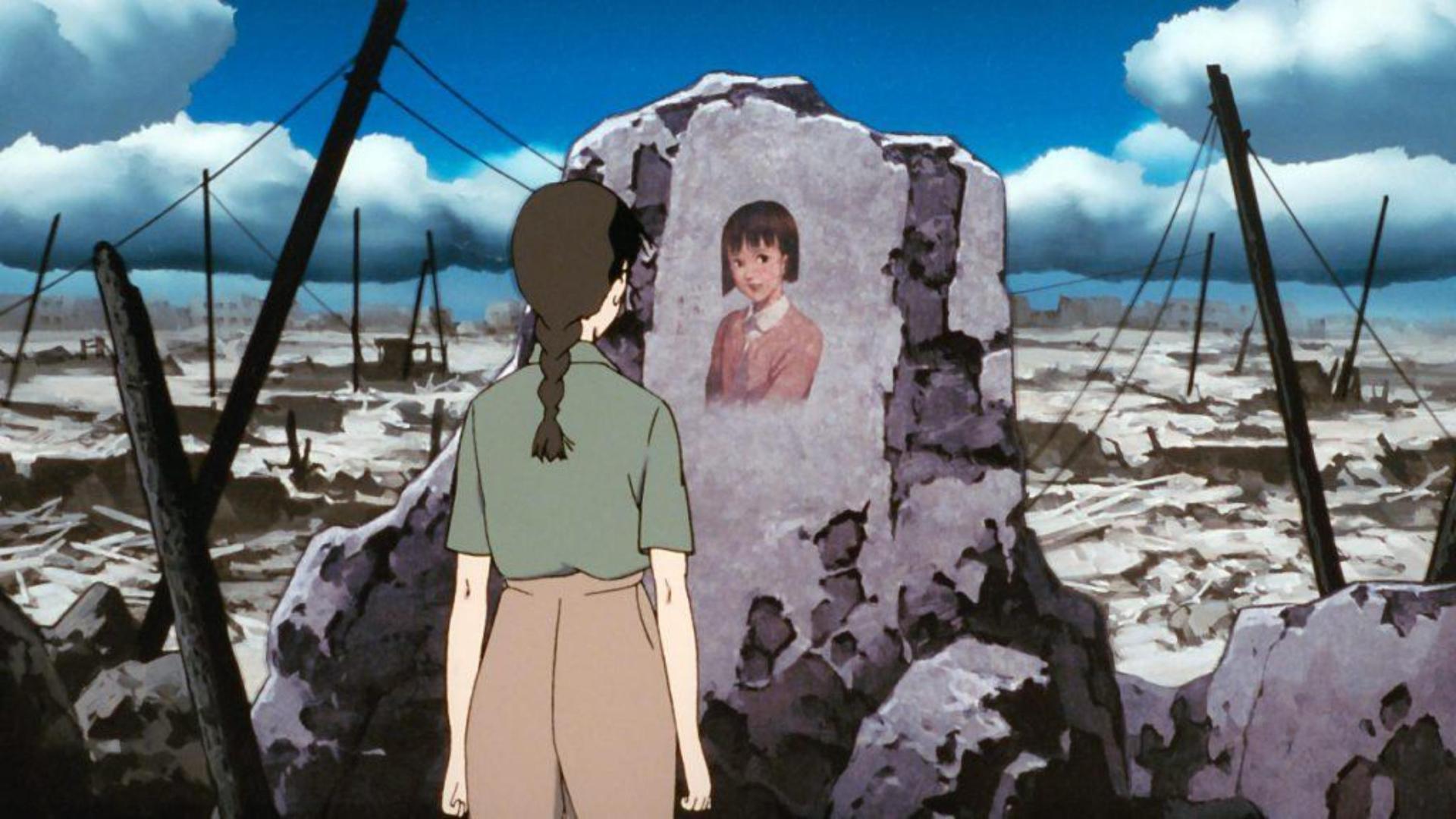
8. Millennium Actress (2001)
Satoshi Kon’s masterpiece blends biography, cinema, and memory into a kaleidoscope of identity. Chiyoko Fujiwara’s life as an actress becomes indistinguishable from the films she made, each performance a reflection of her longing and regrets. As two documentarians follow her story, the audience is pulled into a surreal montage of history and fantasy colliding. What’s stunning is how Kon redefines memory, not as static but as living cinema, constantly re-edited by longing. It’s less about a lost love than about how art and life intertwine. A love letter to cinema, it’s Kon at his most tender.
7. Perfect Blue (1997)
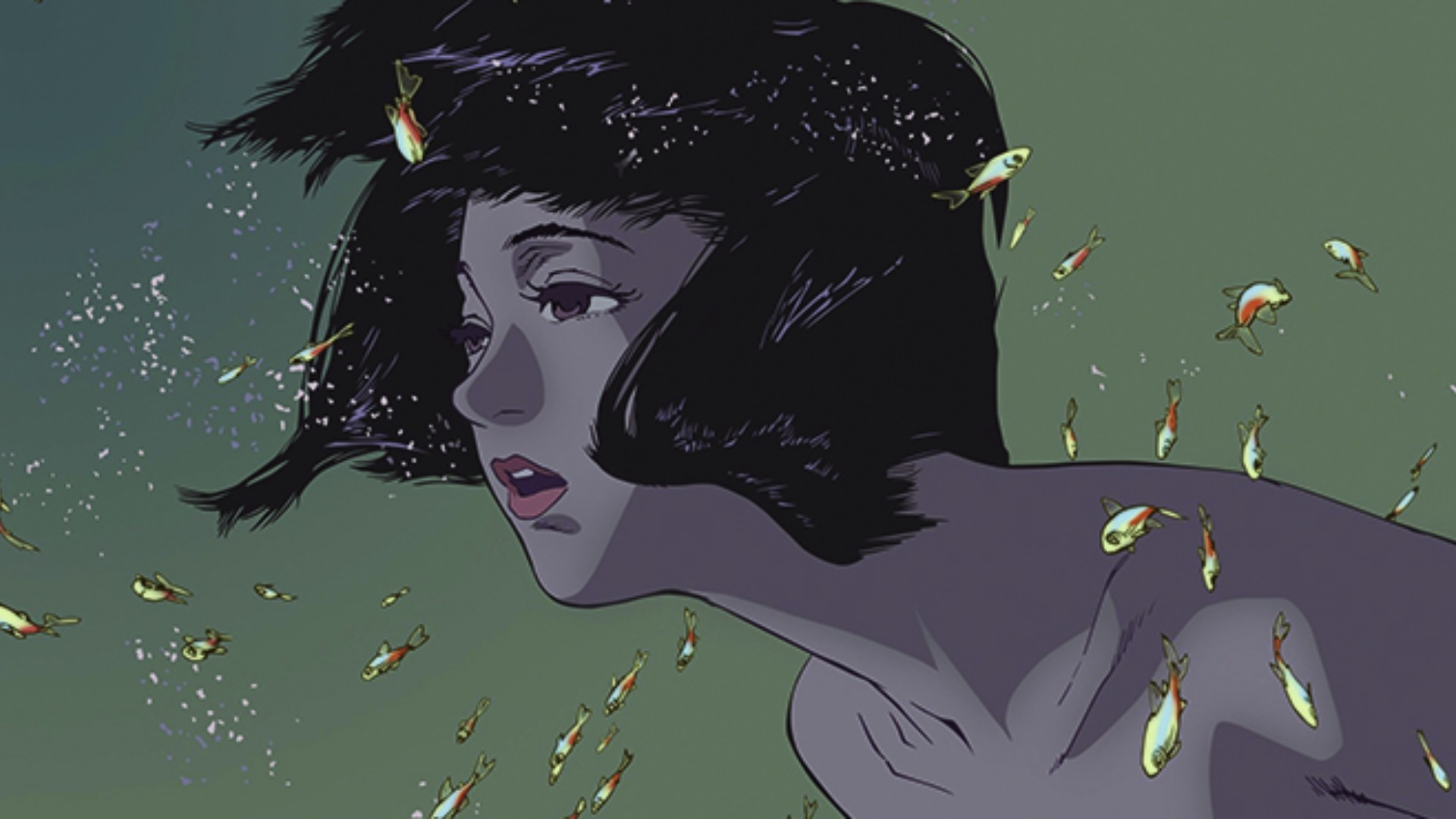
Where 'Millennium Actress' was gentle, 'Perfect Blue' is a razor’s edge. Kon crafts a psychological thriller that dismantles the idol industry, exposing how fame erodes identity. Mima’s descent into paranoia, haunted by stalkers, online personas, and hallucinations, as if it feels more prescient now than ever in the age of social media. Reality and delusion blur until even the viewer can’t untangle them. Its violence is shocking not for spectacle but for its psychological intimacy, forcing us to confront how obsession and objectification can consume. It’s one of the most disturbing, brilliant critiques of celebrity ever made.
6. My Neighbor Totoro (1988)
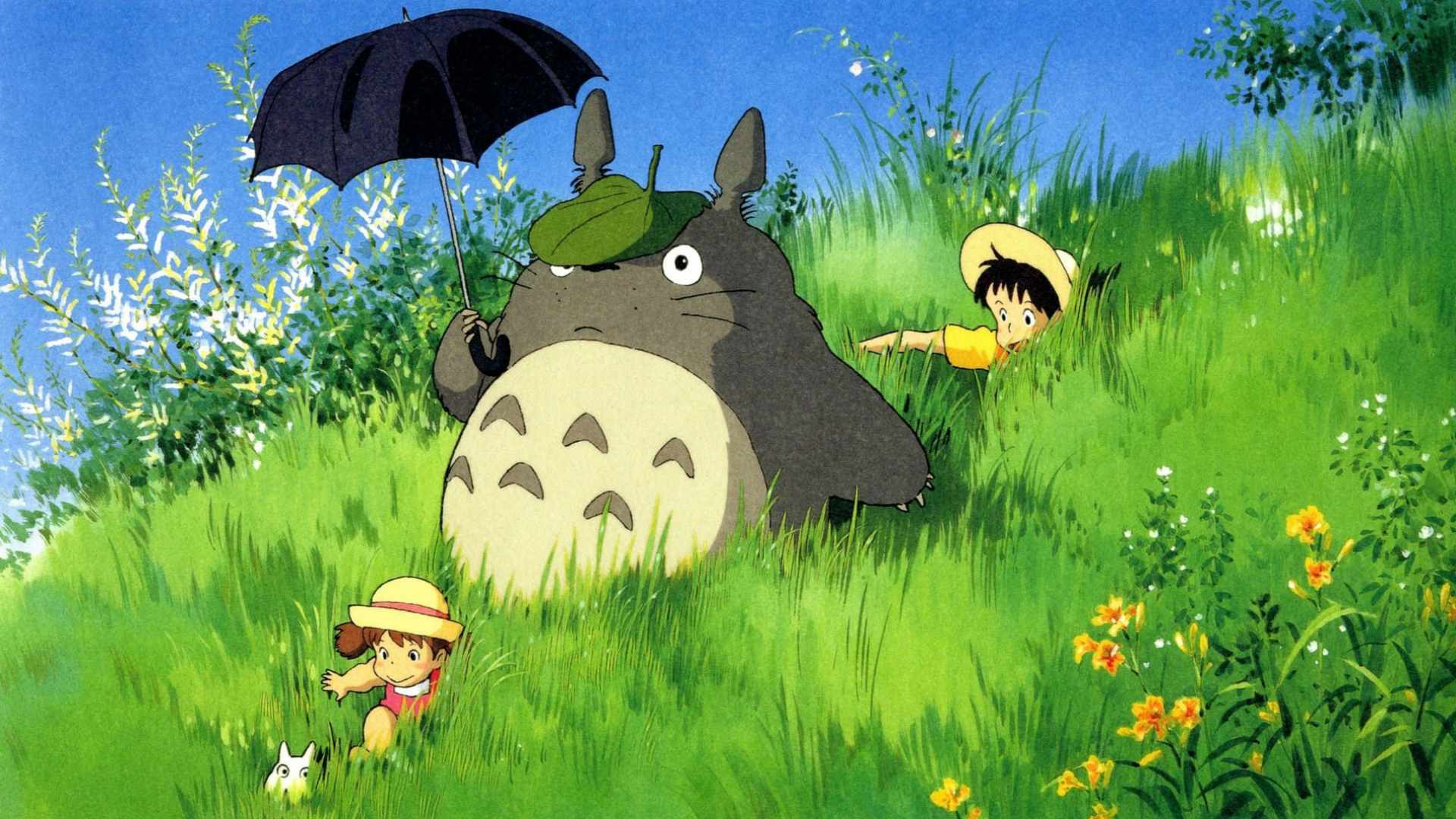
On paper, Totoro is simple, as it shows two sisters move to the countryside and meet forest spirits. But beneath its gentle surface is Miyazaki’s most profound celebration of childhood wonder. The absence of a villain allows the film to linger on small, magical moments, the texture of raindrops, laughter, wind in the grass. Totoro himself isn’t explained; he simply is, like childhood imagination manifesting into something real. The looming illness of the girls’ mother adds quiet weight, reminding us how fragile happiness can be. It’s a film of comfort, of joy, of remembering what it means to believe.
4. Howl’s Moving Castle (2004)
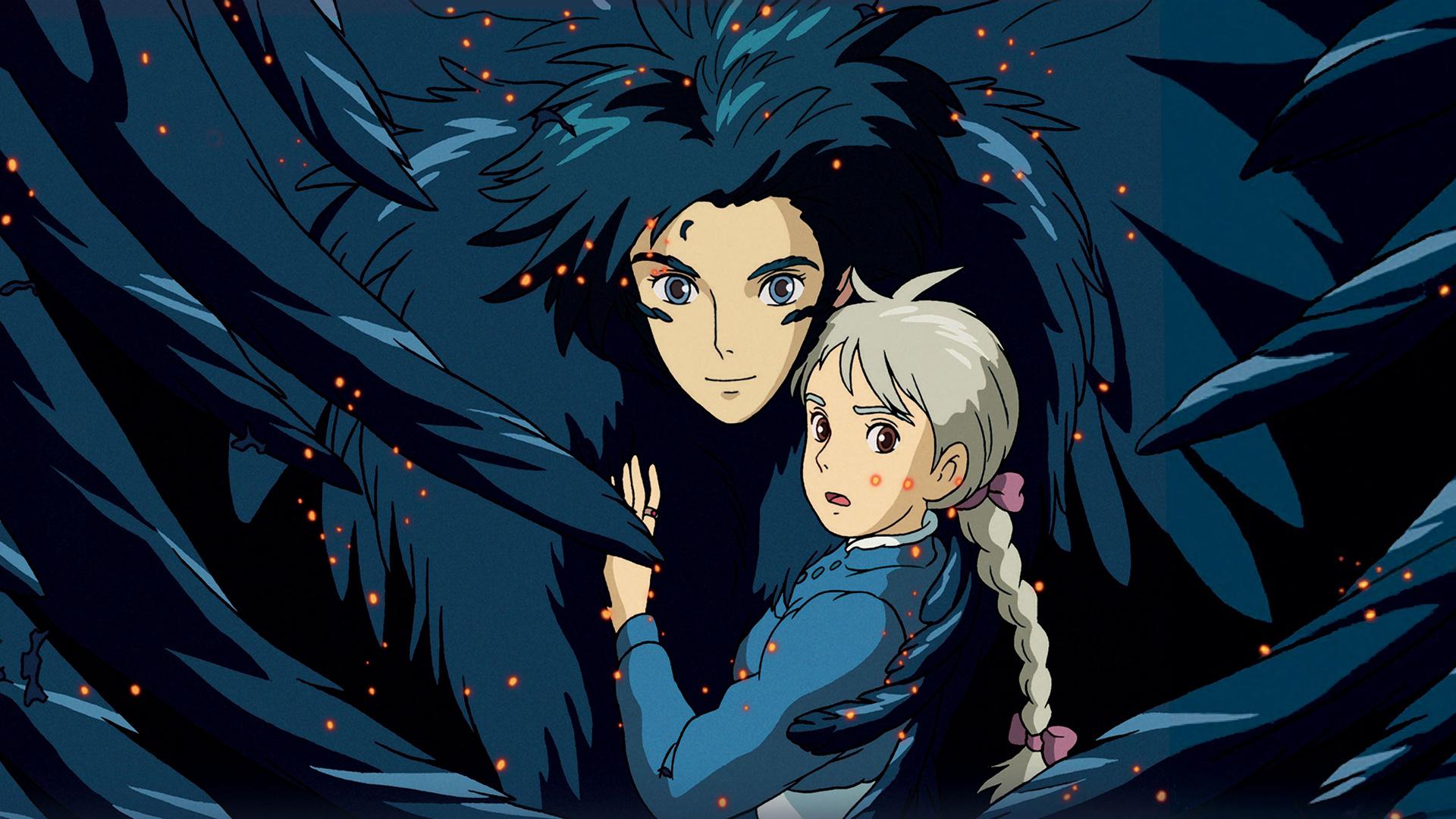
At first glance, 'Howl’s Moving Castle' is fairy-tale about a cursed girl, a vain wizard, and a walking house. But beneath the magic lies Miyazaki’s anti-war rage. Released during the Iraq War, it critiques both authoritarian violence and the apathy of those who turn away. Sophie’s journey is one of reclaiming agency, not waiting to be saved but saving herself and others. Howl, meanwhile, represents the artist retreating from a cruel world, consumed by vanity yet yearning for courage. Together, they find humanity in resistance. It’s romance, fantasy, and political allegory in one.
3. Paprika (2006)
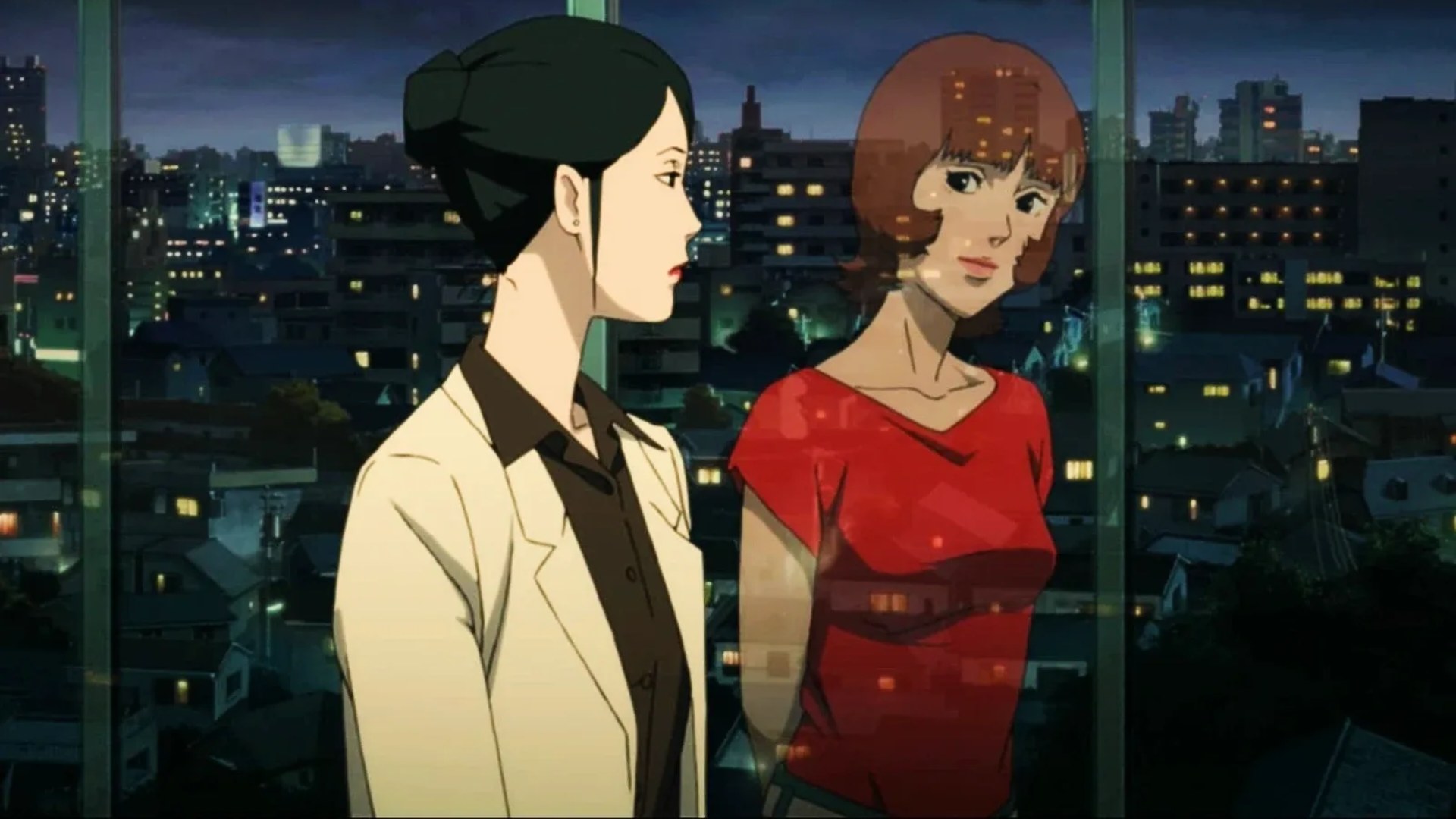
If dreams could be hacked, what would we see? Satoshi Kon’s 'Paprika' imagines exactly that, long before Inception. Its dreamscapes are dazzling, terrifying, and constantly shifting. The parades of dolls, endless reflections, collapsing identities. At its core, it asks whether the human psyche can withstand unfiltered access to its subconscious. The duality of Dr. Chiba and her dream persona Paprika highlights how we mask ourselves in daily life. But when those masks dissolve, chaos erupts. Kon’s vision is exhilarating but also deeply unsettling, suggesting our minds are both limitless playgrounds and ticking bombs.
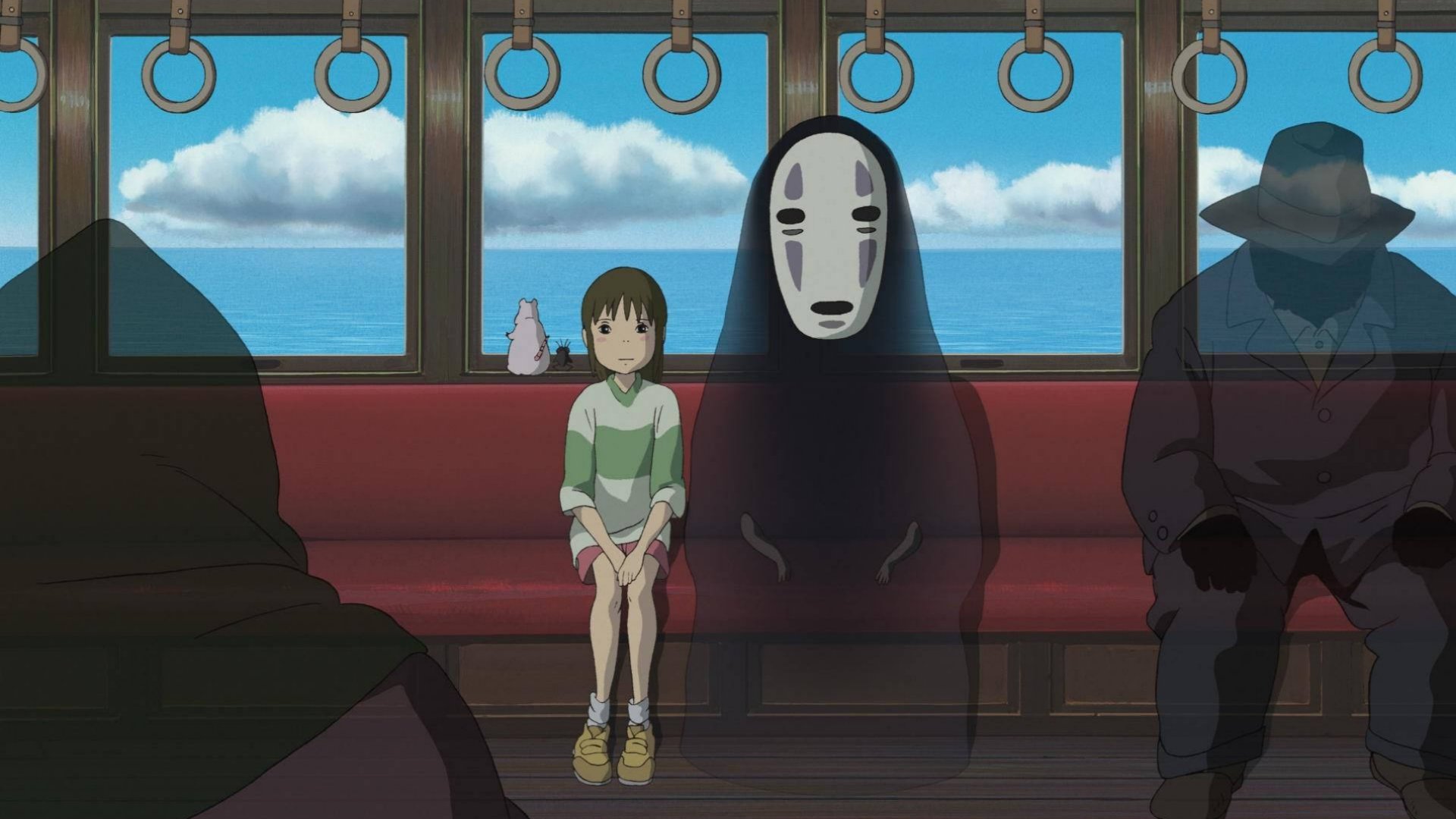
2. Spirited Away (2001)
Miyazaki’s global triumph is more than a fantasy, it’s a coming-of-age odyssey wrapped in surreal wonder. Chihiro’s journey through a spirit bathhouse mirrors every child’s terrifying leap into adulthood. The grotesque yet mesmerizing spirits reflect greed, pollution, and the corruption of innocence, yet the film never loses its warmth. Every detail, from soot sprites to No-Face’s tragic hunger, lingers like a dream you can’t shake. It’s not a story about conquering but about adapting, growing, and remembering who you are. Timeless, haunting, and endlessly layered, it’s anime’s closest thing to a myth for the modern world.
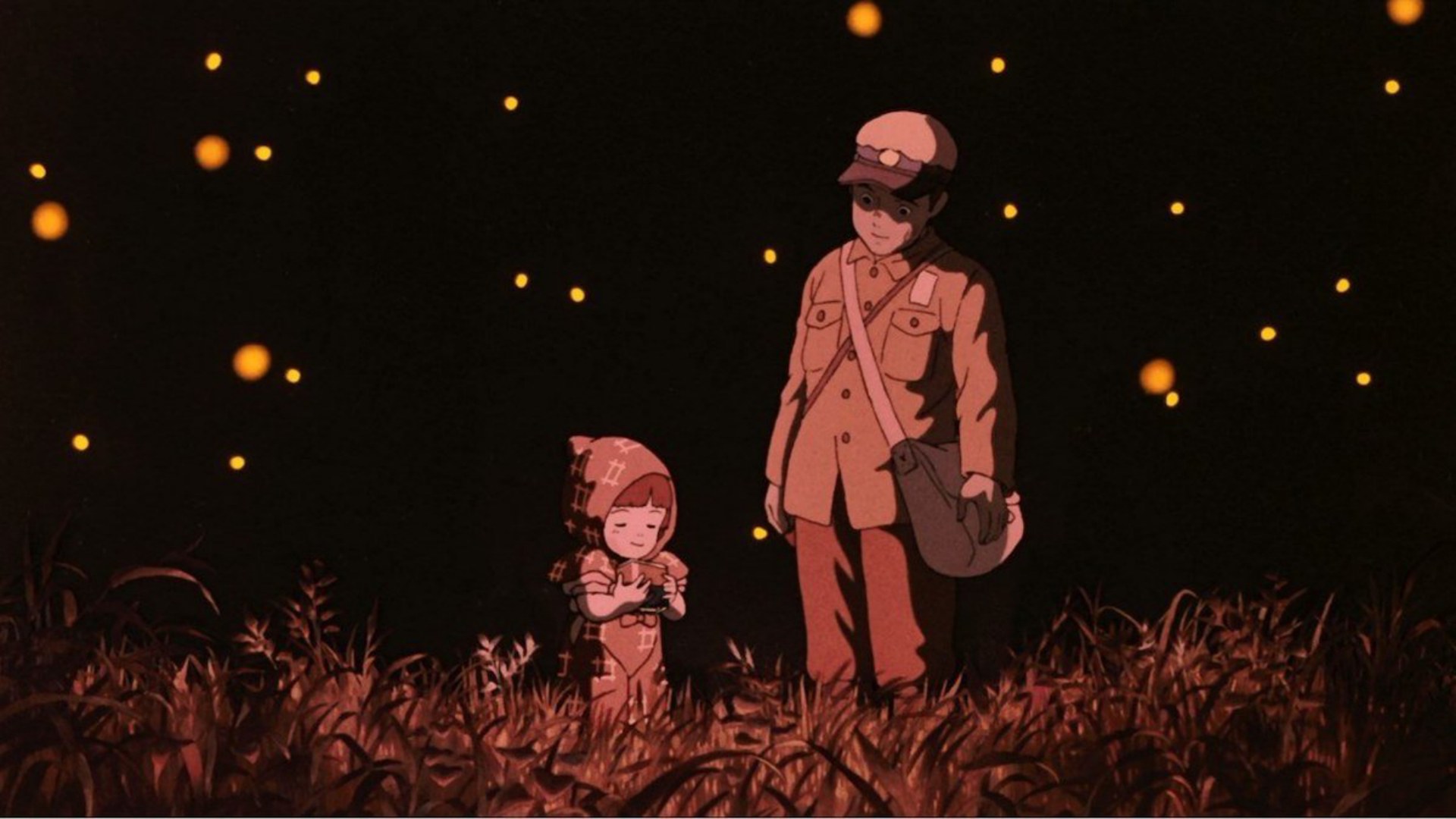
1. Grave of the Fireflies (1988)
At the pinnacle sits Takahata’s devastating masterpiece. 'Grave of the Fireflies' isn’t just an anti-war film, it’s one of the most human films ever made. The story of Seita and Setsuko, siblings struggling to survive in wartime Japan, transcends culture or nationality. It strips war of glory, showing instead hunger, loss, and the quiet cruelty of indifference. The fireflies, so fleeting and fragile, mirror the children’s lives: beautiful, brief, extinguished too soon. Few films demand as much emotional surrender, leaving viewers hollow yet profoundly moved. To watch it is to remember, to grieve, and to honor.