10 Underrated Thriller Films of All Time
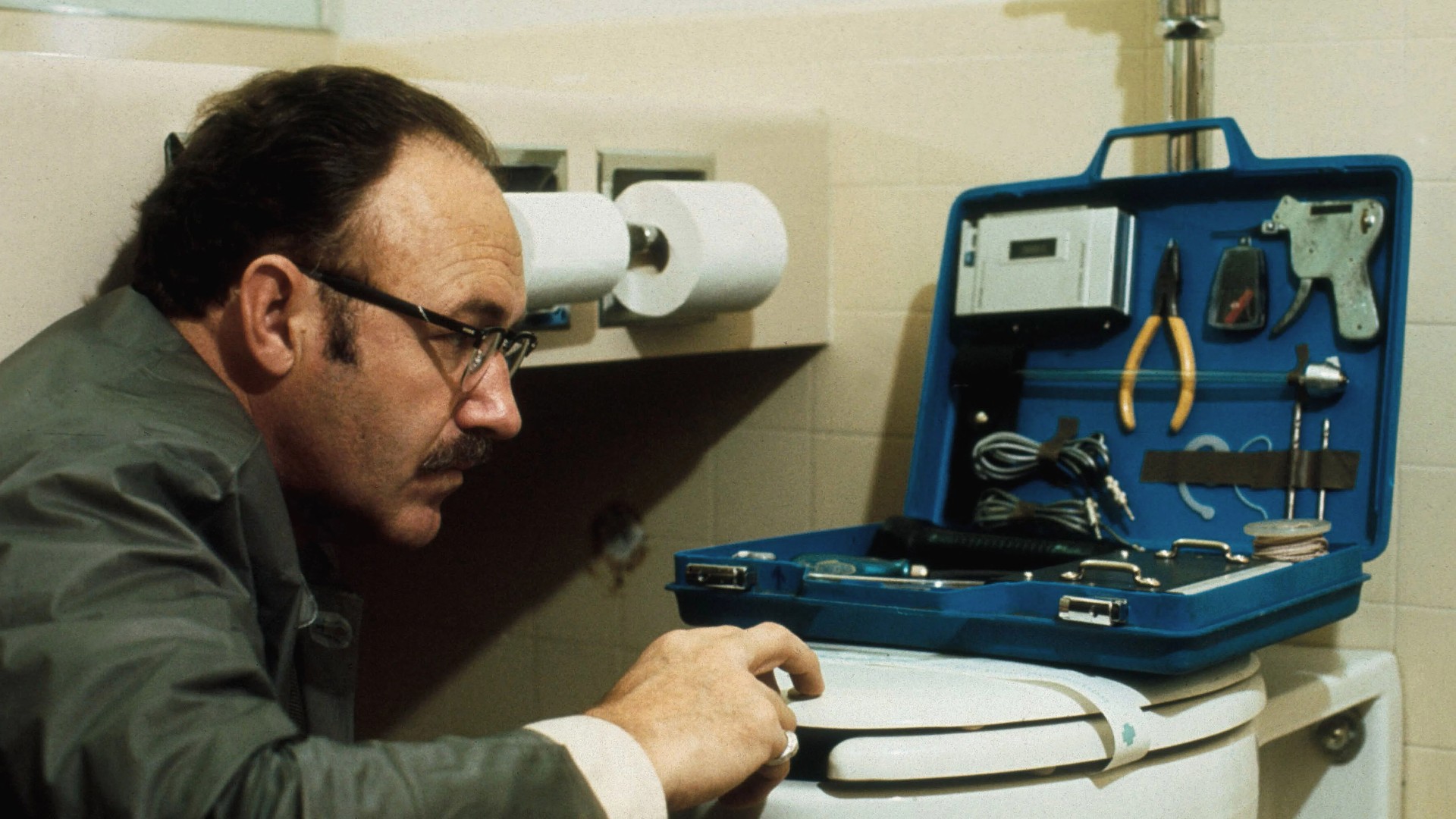
10. The Conversation (1974)
Francis Ford Coppola's The Conversation is far more concerned with guilt and paranoia than with violence. Gene Hackman's Harry Caul is a surveillance expert, but he thinks that emotional distance is the only way that he can be professional, though paradoxically, his work undercuts his sense of identity. What's terrifying is that he doesn't hear anything threatening but may be misunderstanding everything that he hears. In the end, privacy is but an illusion, and his disintegration is our own.
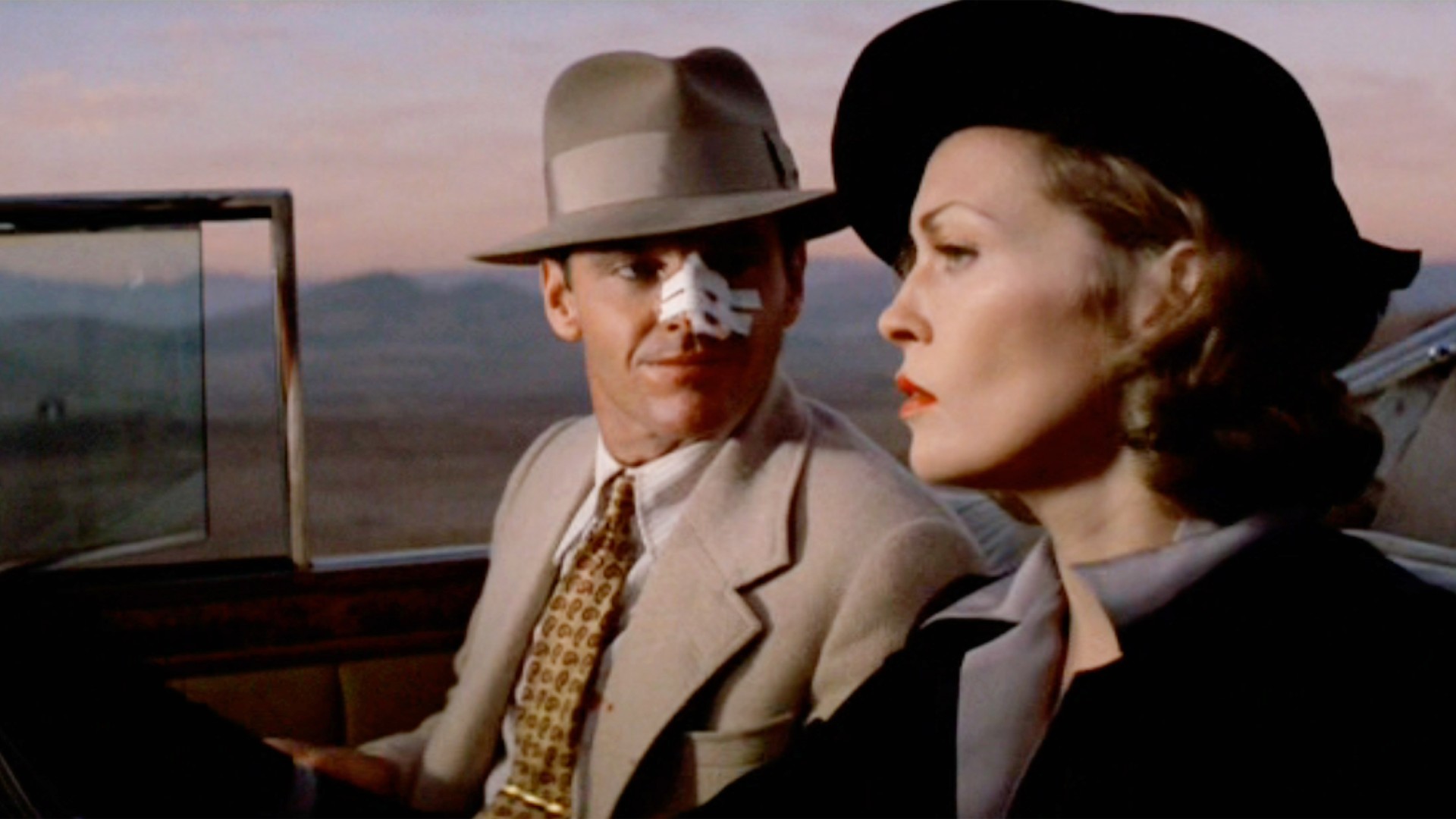
9. Chinatown (1974)
Chinatown claims to be a "noir mystery," and what we find instead is a far more disturbing vision of a universe where might makes right. In "Chinatown," Jack Nicholson’s Jake Gittes knows that brains and perseverance can unravel the truth, but the truth he finds is only the tip of a corrupted iceberg. Chinatown's terror is not gore but hopelessness. Chinatown's evil is not explosive but institutional.
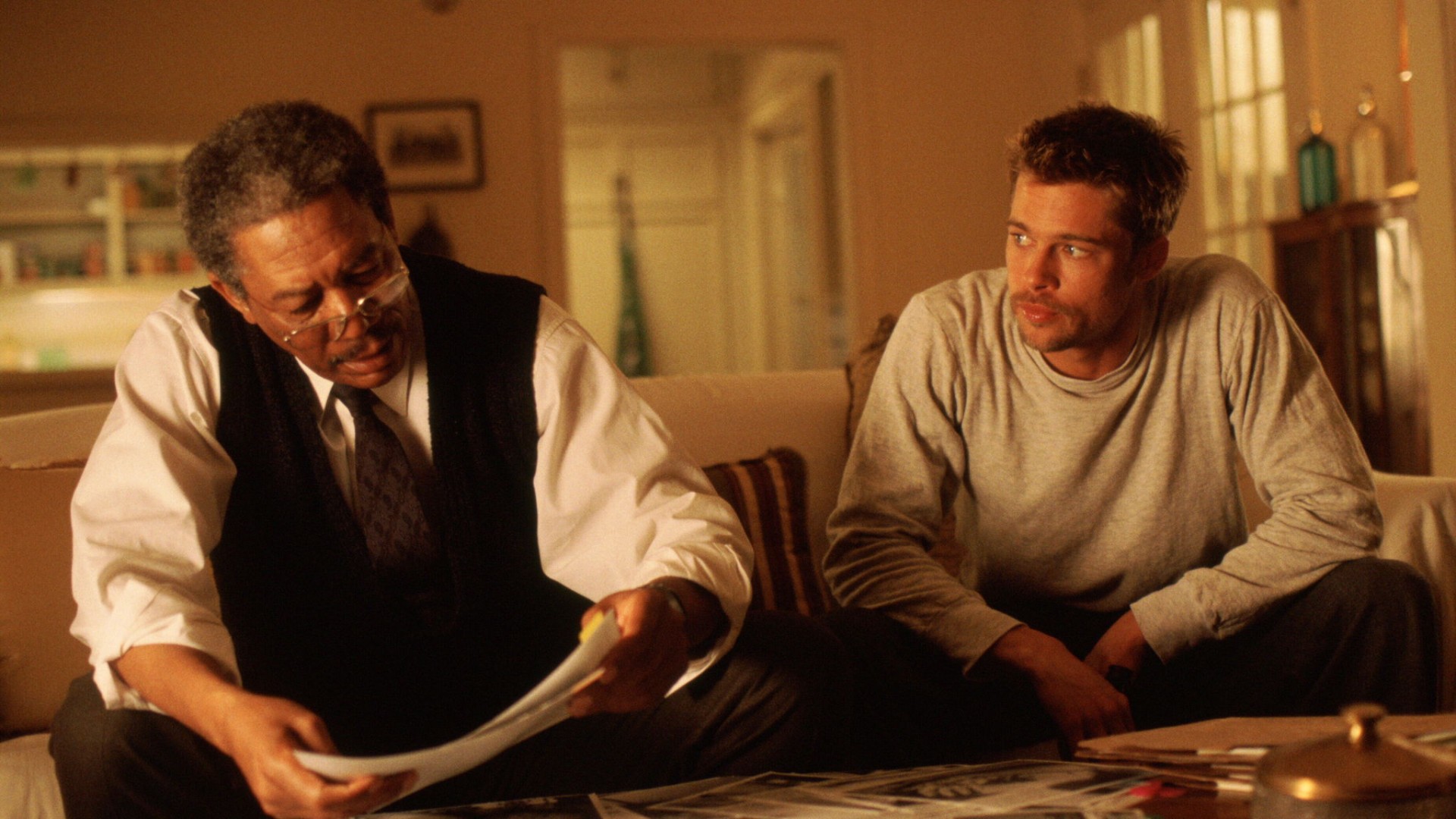
8. Se7en (1995)
Se7en is a movie about despair, not a serial killer’s movie. The city itself is a decaying place that has already lost any semblance of hope. It is not just that a series of murders is taking place; it is that a series of moral debates is being posed. The two detectives are not trying to stay ahead of the murderer as much as trying to retain their humanity. The ending is a commentary on us for even thinking it would have a resolution.
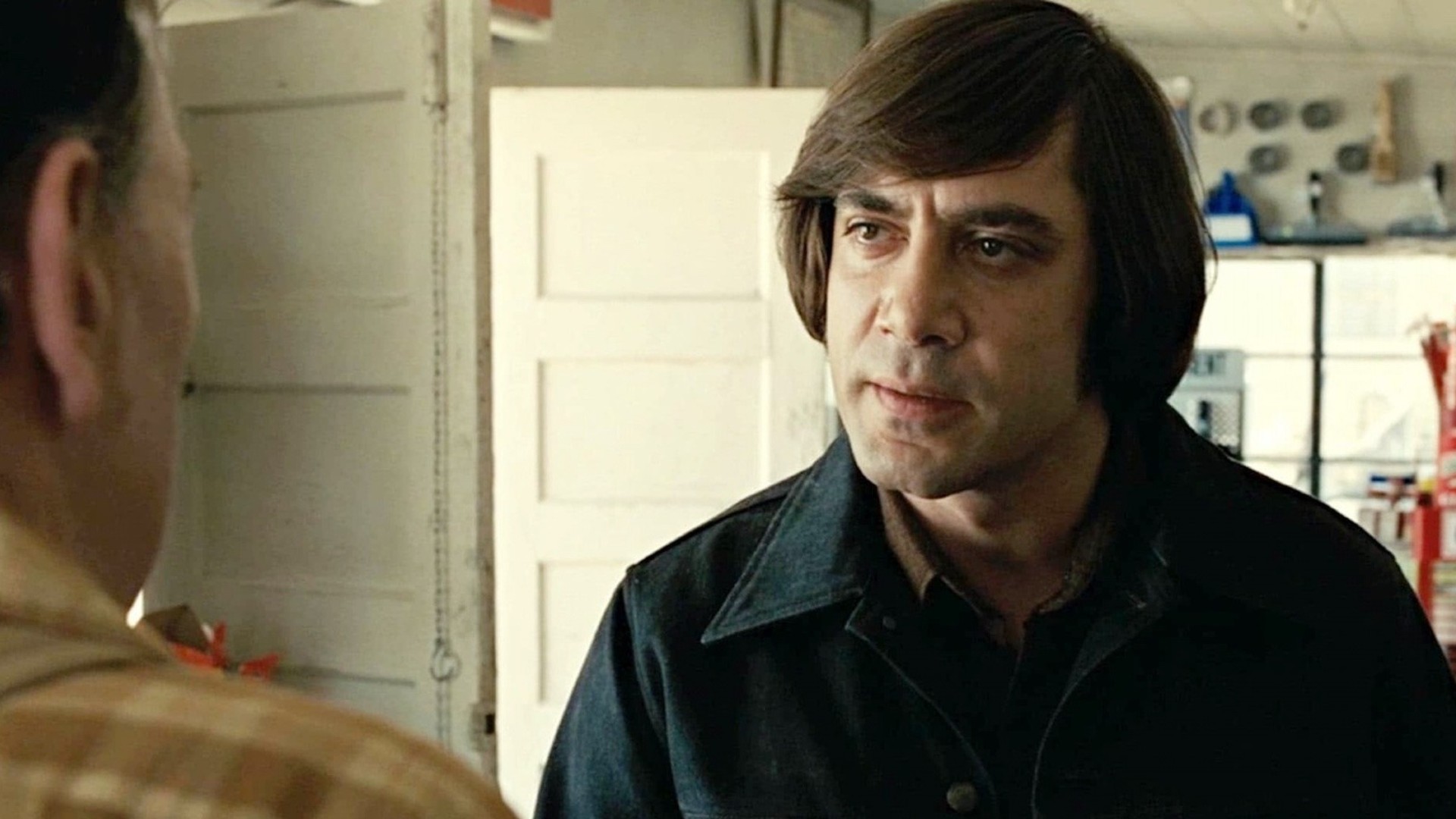
7. No Country for Old Men (2007)
What makes this movie so impactful is the way it completely debunks the notion that evil can either be argued with or conquered. Chigurh is no agent of chaos, but rather inevitability. Sheriff Bell observes a reality that he can no longer comprehend, coming to realize that his experience and his morality are useless. Violence is sudden and inexplicable. “The absence of catharsis is itself the point: it indicates that sometimes one survives by mere happenstance, morality being optional.”
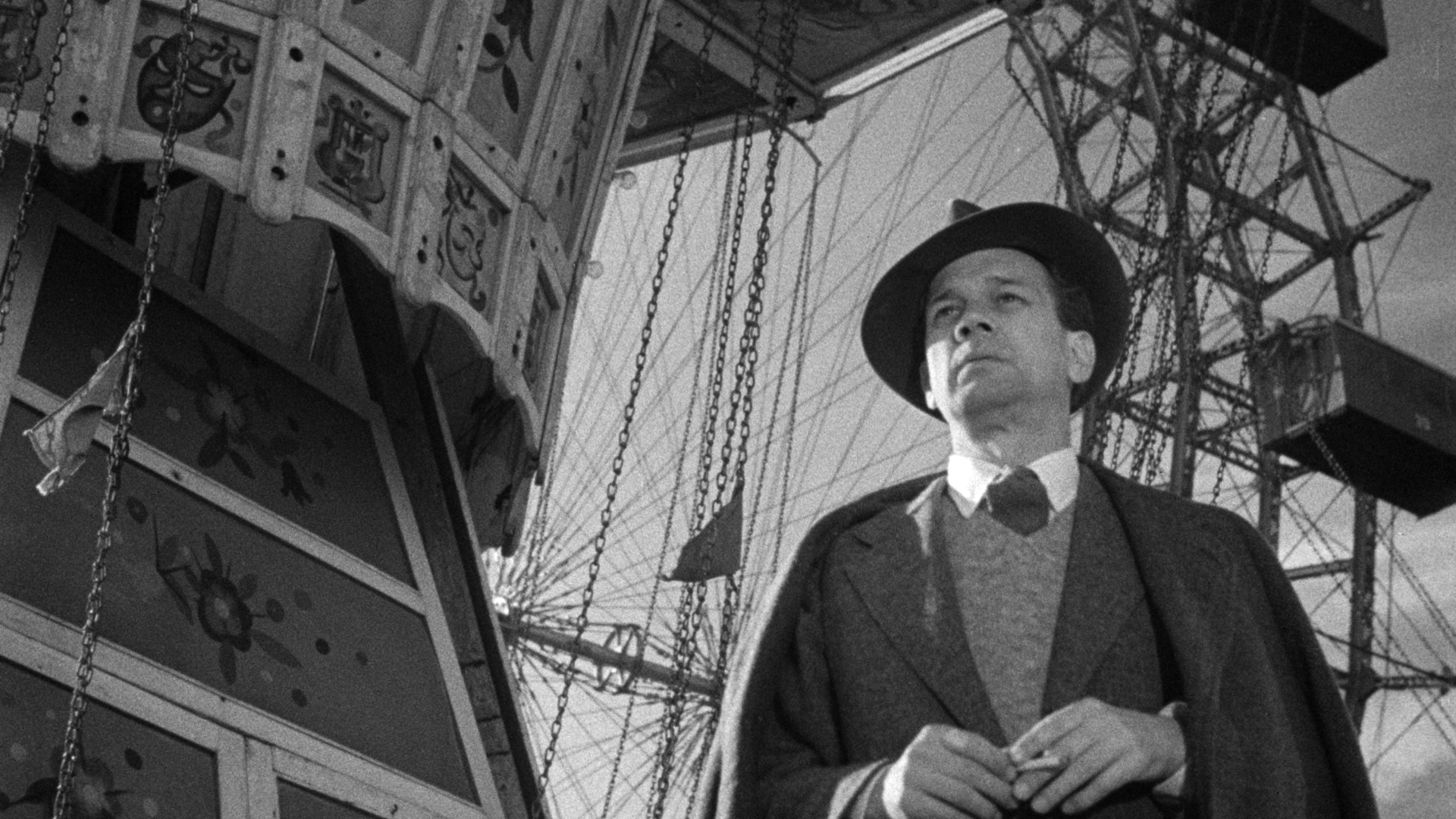
6. The Third Man (1949)
The Third Man envelops moral ambiguity in an atmosphere through the ruins of post-war Vienna. Themes of friendship, loyalty, and idealism dissolve with the ruined streets. Harry Lime’s character is charismatic, intelligent, and resilient in the face of human pain. In the celebrated Ferris wheel monologue, the value of human life is likened to nothing more than a dot. It’s a movie that lingers in memory through its refusal to pass judgment and its silence on the question of forgiveness.
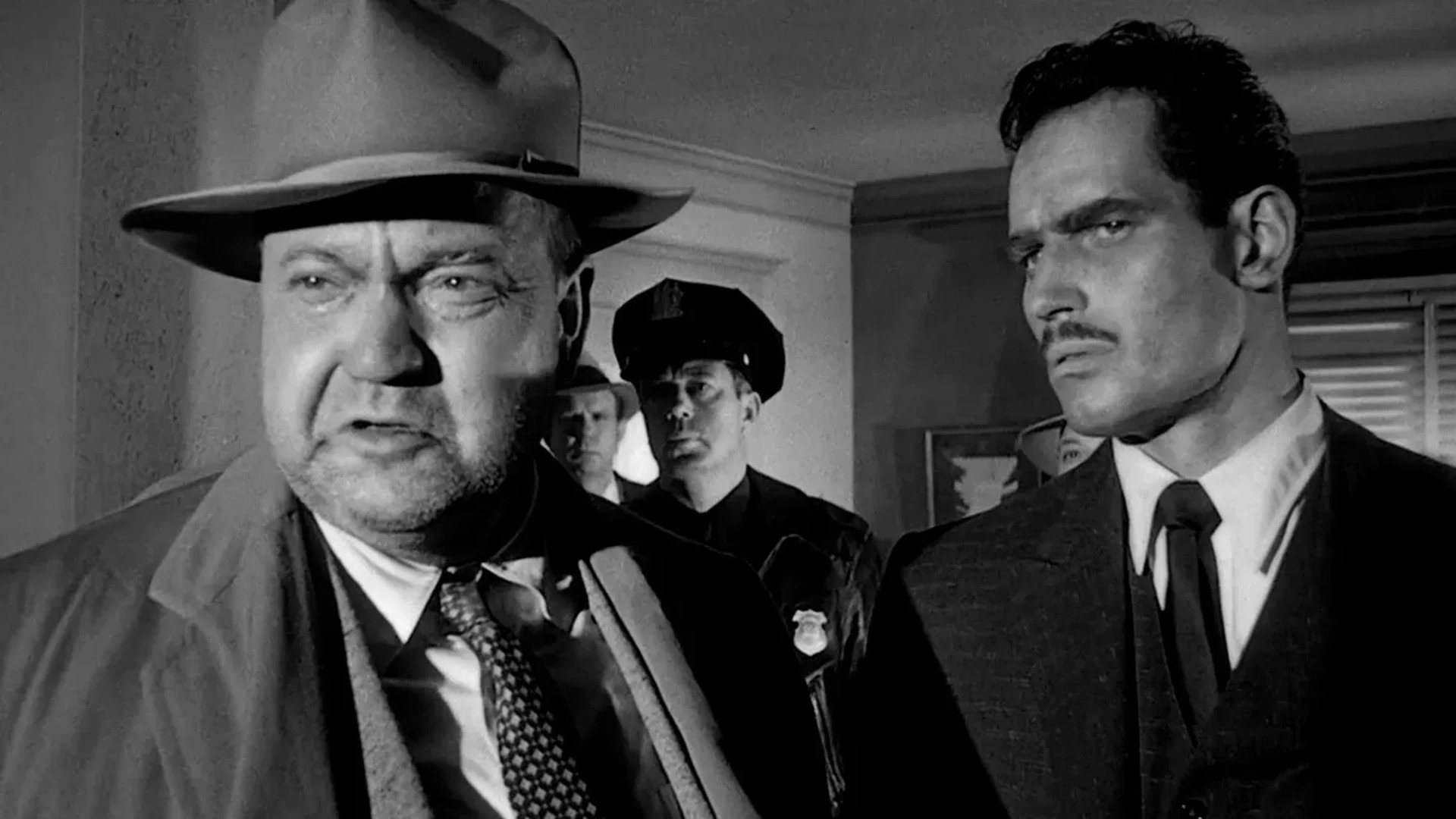
5. Touch of Evil (1958)
In The Touch of Evil, Orson Welles’ obsessive film noir reveals corruption as the norm rather than the deviation. Hank Quinlan justifies the means by the ends, even as he plants false evidence and wrecks people’s lives. The film calls into question the notion that the powerful are always right. The dizzying cinematography corresponds well with the topsy-turvy world that is careening out of balance. The distinction between savior and destroyer is blurred beyond recognition.
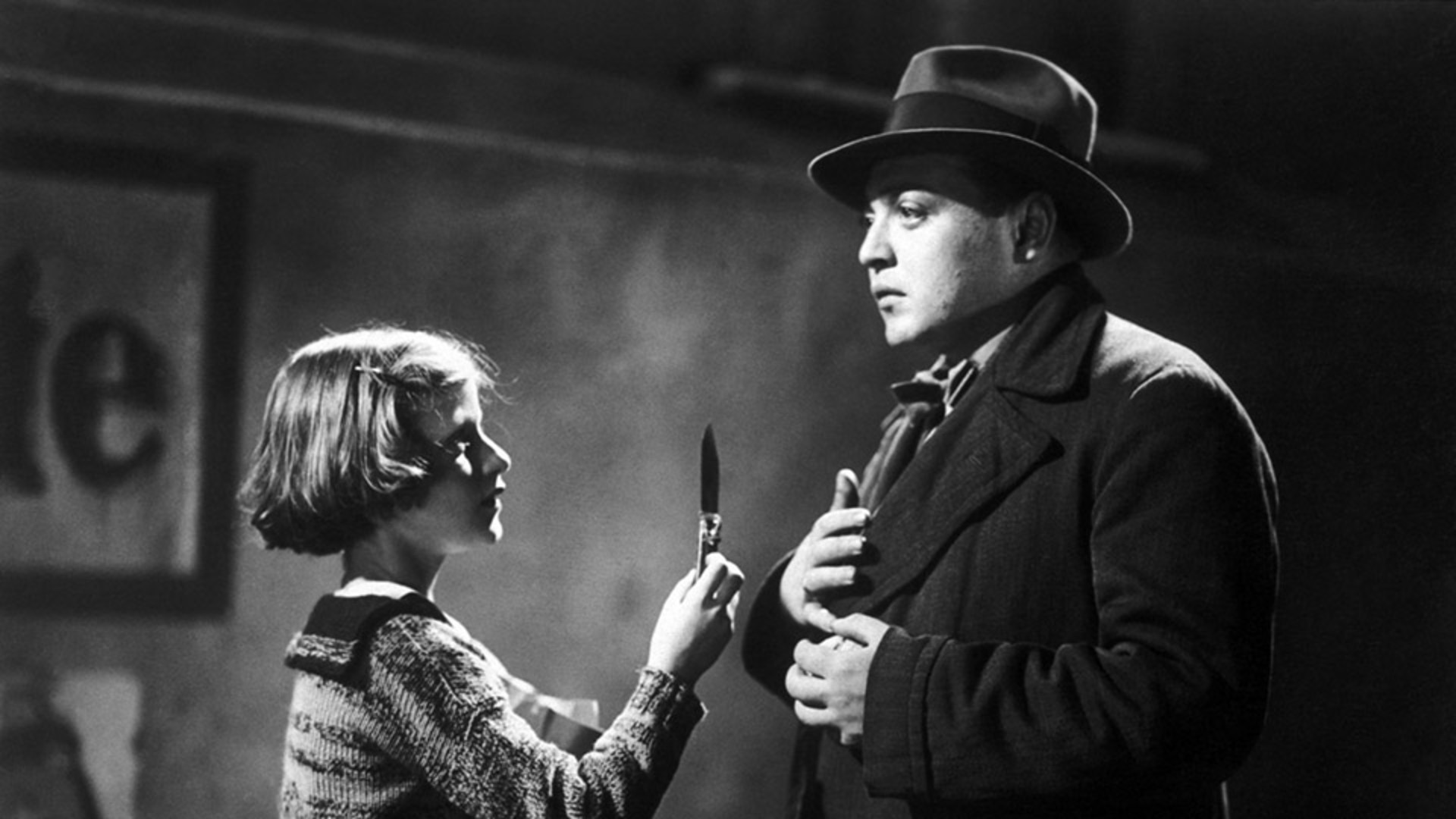
4. M (1931)
M is scary because it makes the monster human but doesn't forgive him. In Peter Lorre's "M," there are not only the cops after the child murderer, but there are also criminals in search of a way to instill order in their world. This movie reveals the necessity to define evil in the form of the "other." Then, when the killer asks, "I can’t control myself! Understand me!” the audience is left in an uncomfortable position.
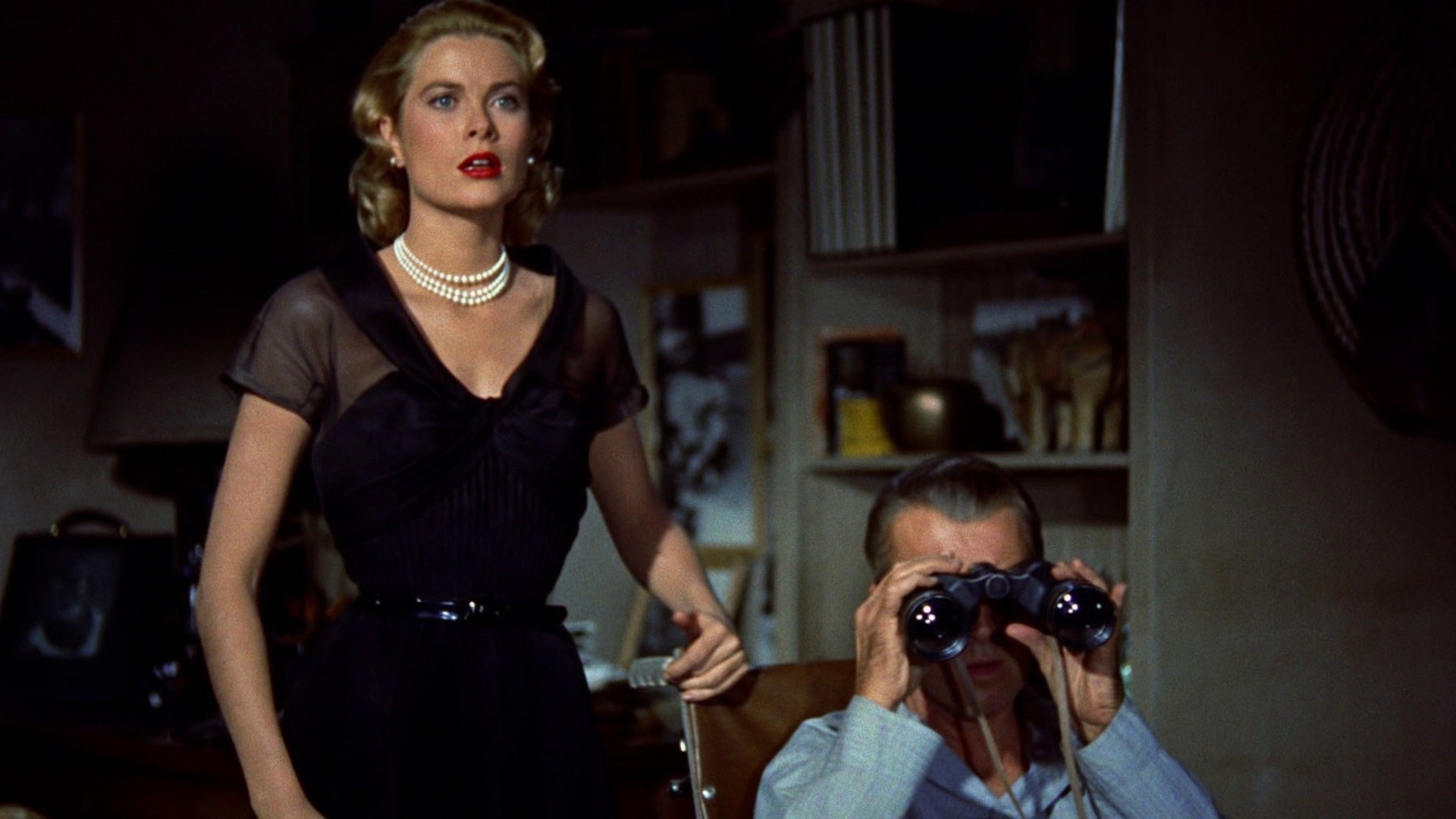
3. Rear Window (1954)
Voyeurism is a moral snare for Hitchcock. Watching is an indulgence, then finally a shocking act. James Stewart’s paralyzed photographer is at first a passive witness, but interest devolves into obsession. We, in turn, are voyeurs as we watch along with him, privy to a private existence for our entertainment. The tension is generated less from what we witness and more from recognizing how easily we excuse our intrusion.
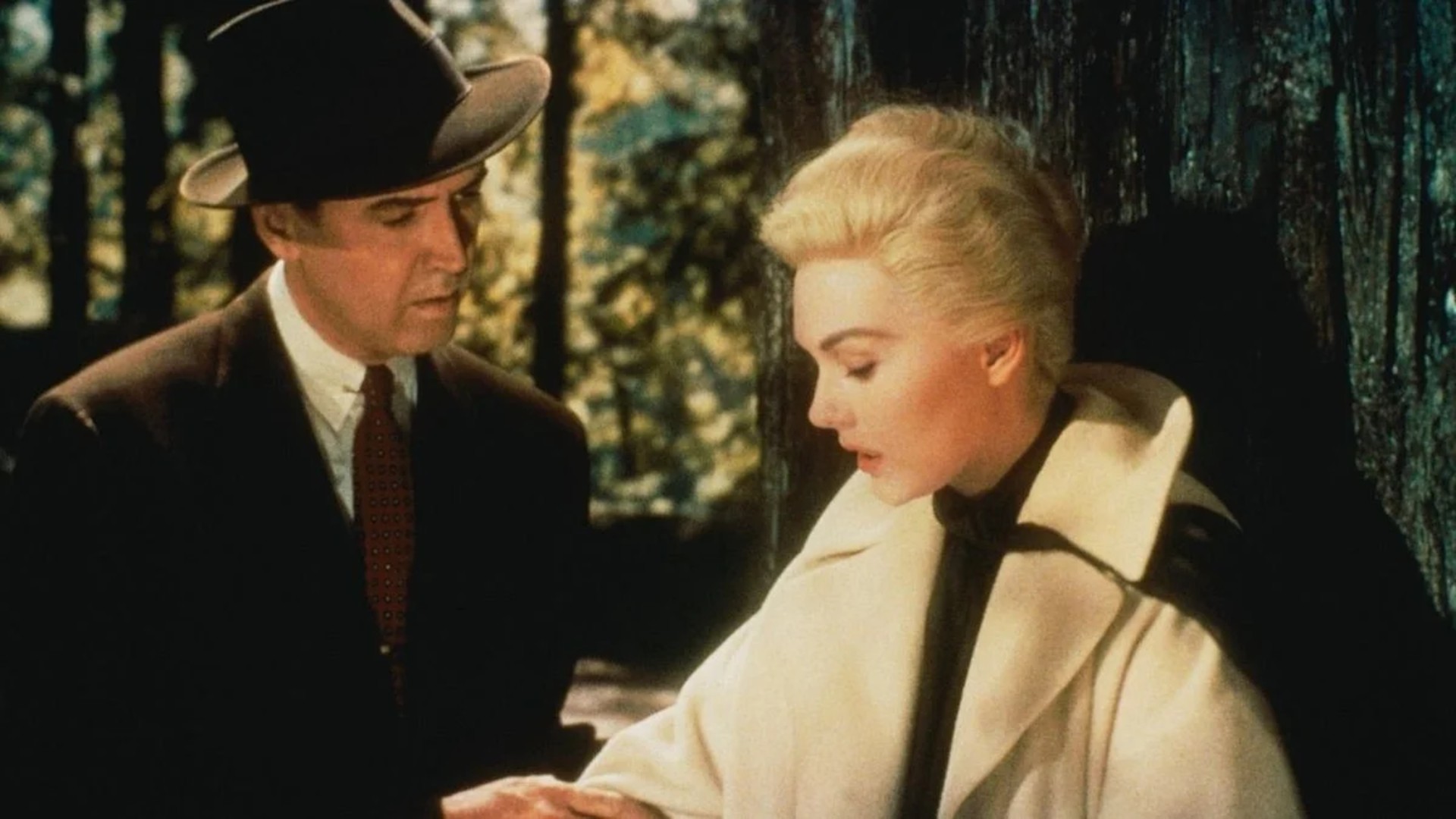
2. Vertigo (1958)
The movie is a love story that has been corrupted by control and illusion. Scottie’s obsession is not an obsession with a female but an obsession with an idea that he has not allowed to die. Also, Hitchcock shows how love turns into control because of the way that fantasy has consumed reality. Finally, love becomes not an act that is necessarily romantic, but one that has the potential to annihilate identity.
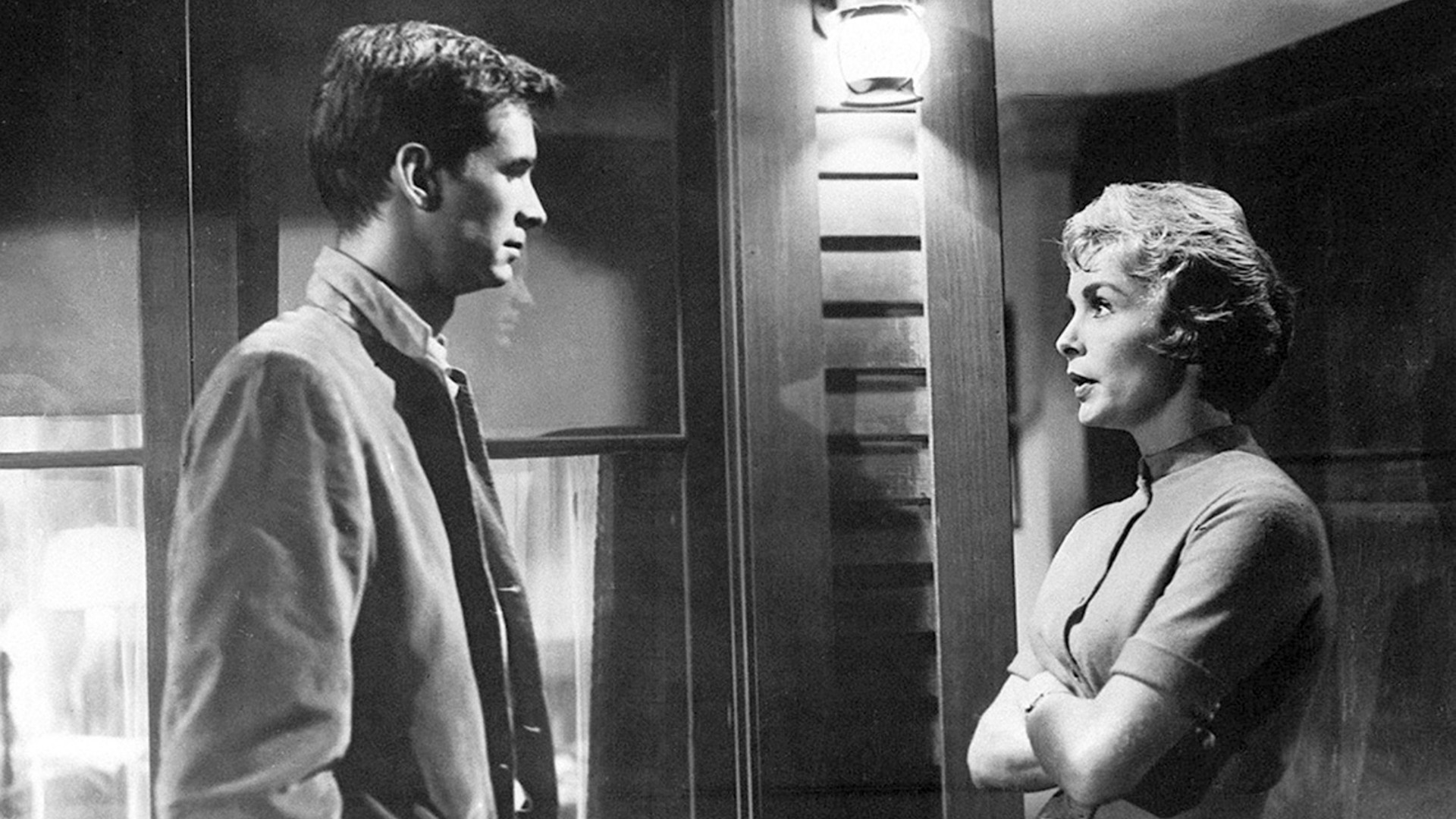
1. Psycho (1960)
It’s not only terrifying, but it’s also a film that rewired how thrillers are supposed to operate. The shock of murdering what appears to be your protagonist halfway through a movie completely destroyed any narrative trust. "Norman Bates is no monster; he’s delicate, mannered, and very damaged."