10 TV Shows Whose Titles Stopped Making Sense After Season 1
10. Two and a Half Men
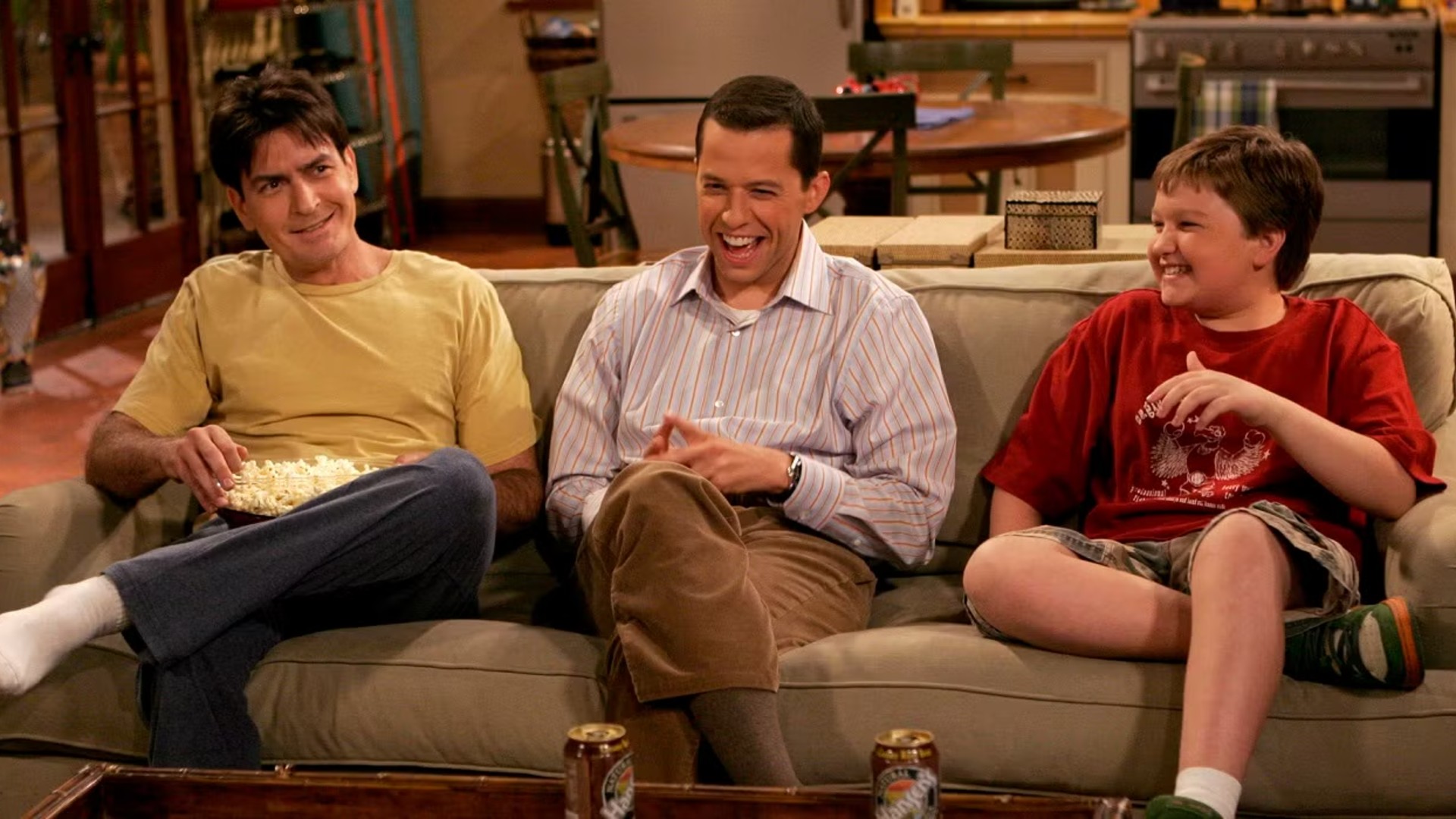
The title referred to Charlie, Alan, and young Jake—the “half” being the child. Over time, Jake grew into a fully grown adult, and Charlie Sheen exited the series altogether. The dynamic shifted, new characters rotated in, and the arithmetic no longer quite added up. By the finale, the title endured mostly as a brand, long after its literal meaning stopped making sense.

9. Agents of S.H.I.E.L.D.
The series launched as an extension of the Marvel Cinematic Universe, following operatives of the global intelligence agency S.H.I.E.L.D. However, after the events of Captain America: The Winter Soldier disbanded the organization within canon, the team spent multiple seasons operating unofficially, often as fugitives. They remained “Agents of S.H.I.E.L.D.” even when S.H.I.E.L.D. itself technically didn’t exist, creating a title that described an agency more than an active reality.

8. Search Party
Season 1 centers on searching for a missing woman—a sharp, satirical noir mystery. The search concludes in the finale. What follows across subsequent seasons includes a murder trial, abduction, cult dynamics, and eventually a full-blown apocalyptic scenario. The original premise is long resolved, yet the title lingers like a relic from a far more grounded beginning.

7. Smallville
Named after Superman’s Kansas hometown, the early seasons focused heavily on Clark Kent’s formative years among cornfields and high school drama. But as the show expanded, Clark relocated to Metropolis, worked at the Daily Planet, and interacted with future Justice League members. By the later seasons, the setting that defined the title had largely faded into the background. “Smallville” remained onscreen even when the narrative had clearly outgrown it.

6. The Rookie
Nathan Fillion’s John Nolan starts as the LAPD’s oldest rookie—a compelling fish-out-of-water concept. But rookie status only lasts so long. As seasons progressed, Nolan gained experience and promotions and eventually became a training officer mentoring new recruits. By 2026, he’s no longer a rookie in any meaningful sense. The title feels more like a permanent nickname than an accurate job description.

5. Jane the Virgin
The central hook—a devout young woman accidentally artificially inseminated while still a virgin—is built directly into the title. But as the seasons progressed through romantic entanglements and dramatic telenovela twists, Jane’s life naturally evolved. Eventually, she was no longer “the Virgin.” In a clever meta move, the show crossed out parts of its own title card and replaced them with updated descriptors like “The Widow” and “The Author,” acknowledging that the premise had moved on even if the branding hadn’t.
4. New Girl
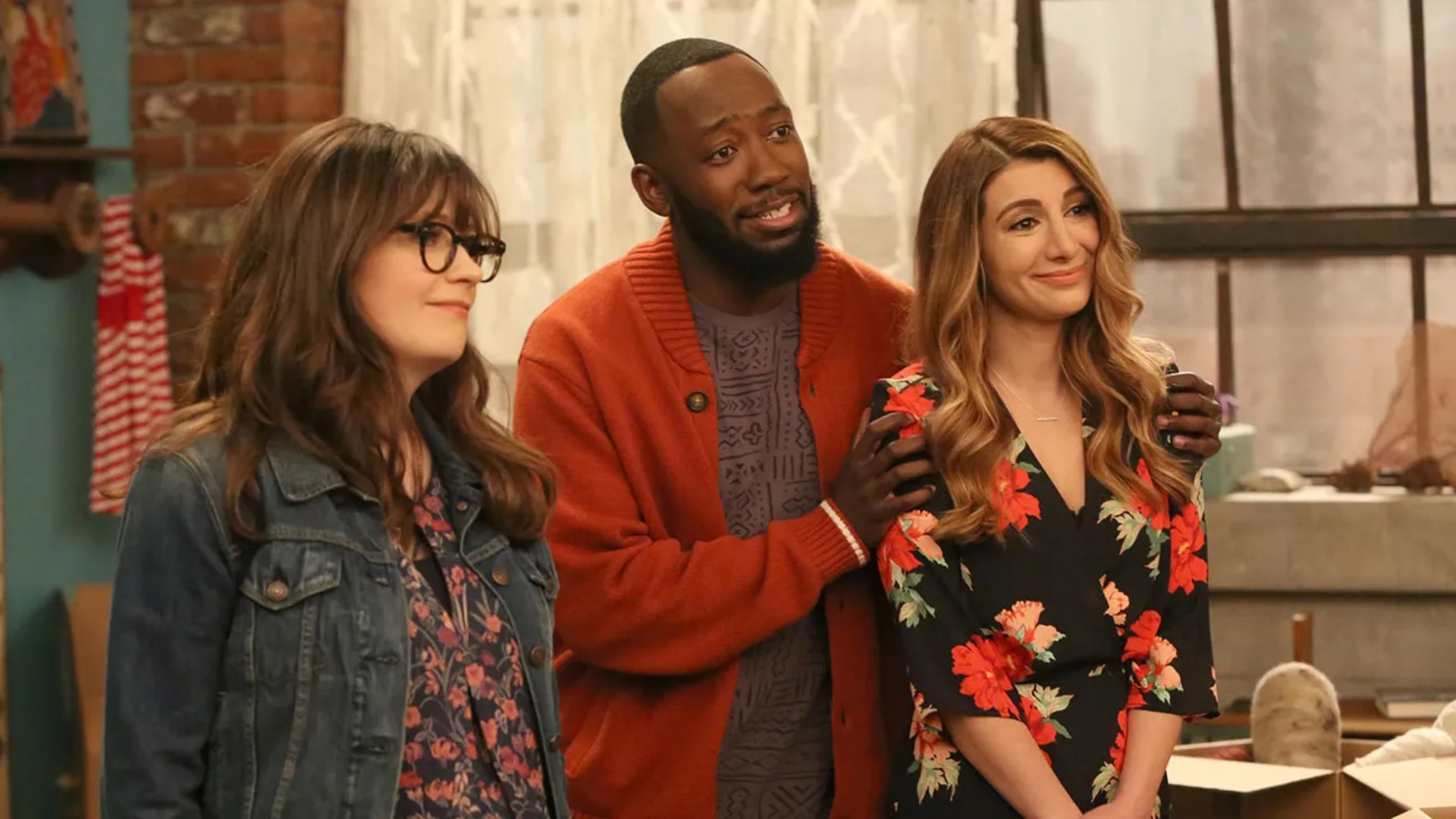
Jess Day begins the show as the quirky new roommate moving into a loft full of guys. That identity lasts about a season. After that, she’s simply part of the group. By the final season, she’s married, deeply rooted in the apartment’s history, and arguably the emotional anchor of the household. Yet the title never evolved. “New Girl” became less a description and more a nostalgic label for a character who hadn’t been new to anything in years.

3. The 100
The premise is simple: 100 juvenile delinquents are sent to a post-apocalyptic Earth. That number, however, starts shrinking almost immediately. Over the seasons, the series escalates into nuclear disasters, interplanetary travel, artificial intelligence overlords, and metaphysical afterlives. By the final stretch, the original headcount is almost irrelevant. There haven’t been “100” of anything in years—unless you’re tallying betrayals, shifting alliances, or moral gray areas.
2. Cougar Town
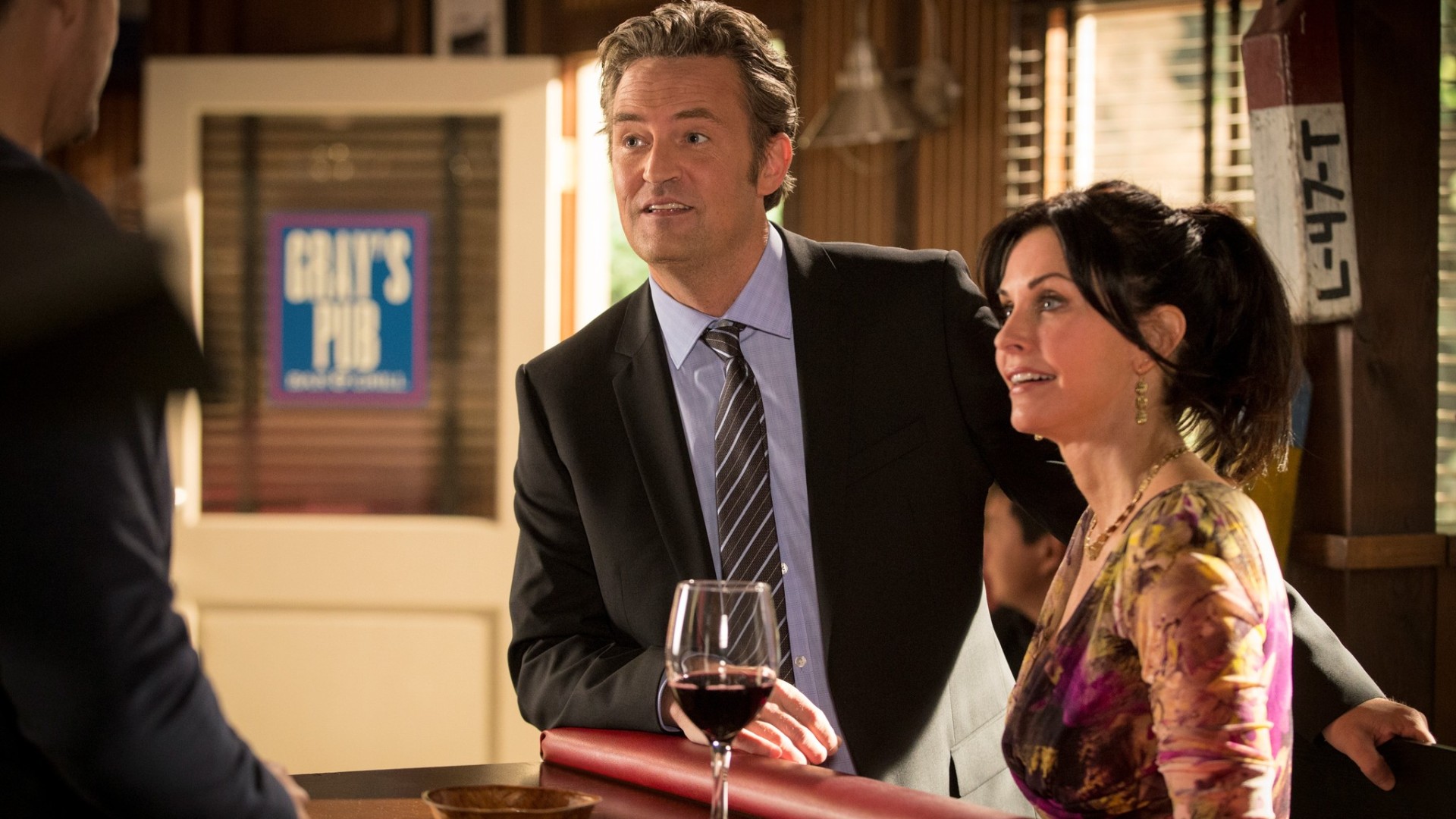
Originally pitched as a comedy about a recently divorced woman (played by Courteney Cox) dating younger men, the “cougar” angle was quietly abandoned almost immediately. By the end of Season 1, the show had transformed into a hangout sitcom about a tight-knit group of friends bonding over oversized wine glasses. The creators openly disliked the title and repeatedly joked about it in the opening credits with self-aware title cards apologizing to viewers. The result was a beloved ensemble comedy stuck carrying a name that described a version of itself that barely existed.

1. Prison Break
Season 1 delivered exactly what the title promised: Michael Scofield masterminds a prison escape. Mission accomplished. Except the show kept going—for four additional seasons and a revival. What began as a tightly constructed breakout thriller evolved into a globe-trotting conspiracy saga involving shadow governments, assassins, and elaborate espionage plots. At various points, the characters even broke back into prisons just to keep the branding intact. By the end, the “prison” felt less like a setting and more like a nostalgic memory of when the premise actually matched the title.