10 TV Shows That Were Killed by One Bad Season
10. Prison Break (Season 3)
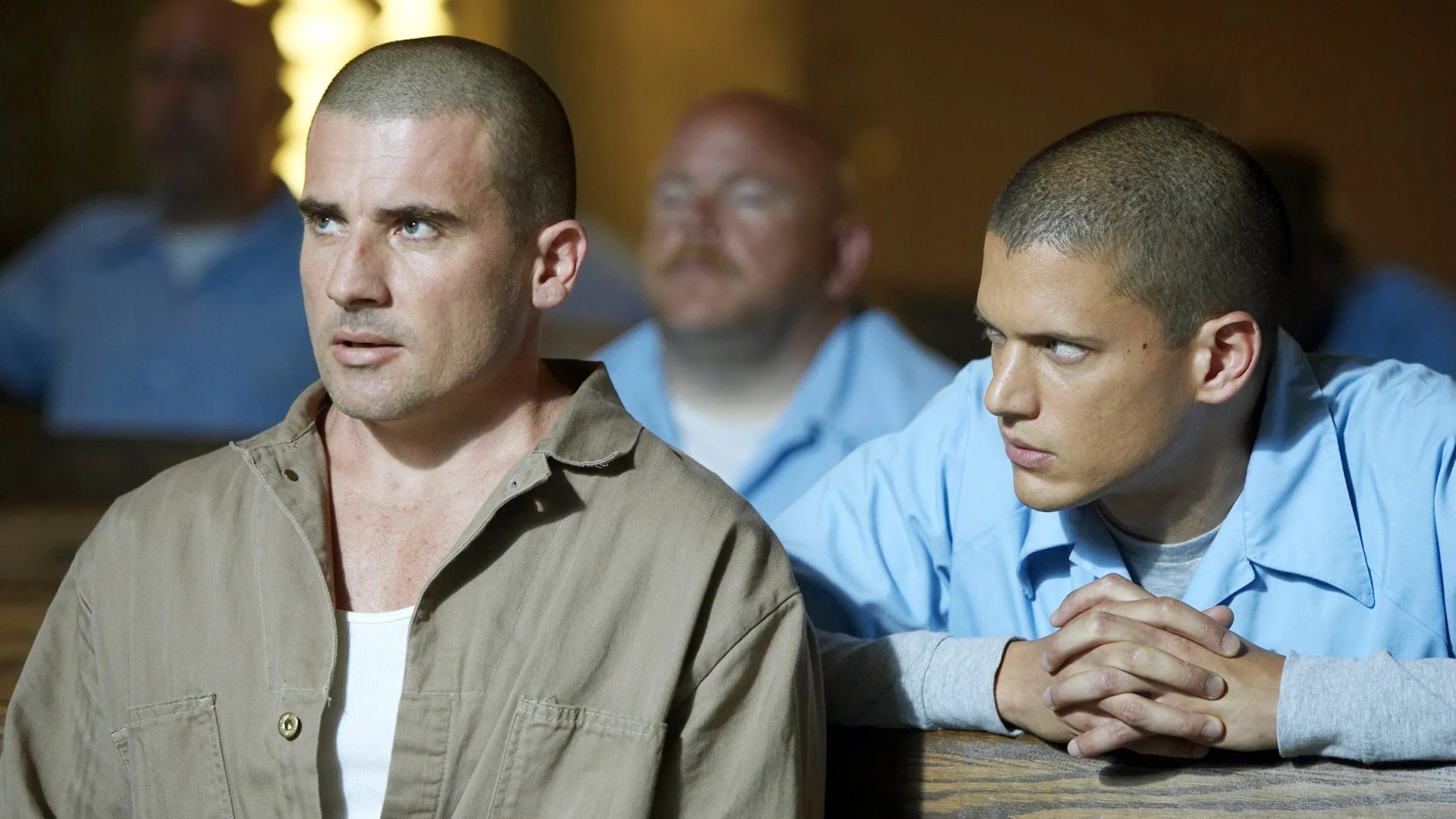
It was perfect, down to every minute detail, like Homelander says, but only for the first two seasons. I remember when I first started watching it, I thought it would just be about cons digging tunnels like usual, but I couldn’t believe what I saw. After those first two seasons, though, I was personally very disappointed. It could have been my all-time number one if not for the repetitive storyline starting in Season 3. Season 3 throws the characters into another prison in Panama, but instead of raising the stakes, it feels like a scaled-down repeat. The sharp planning and tension that defined the early seasons are replaced by a more stretched, less convincing plot. It keeps going, but never recaptures that original edge.
9. Dexter (Season 8)
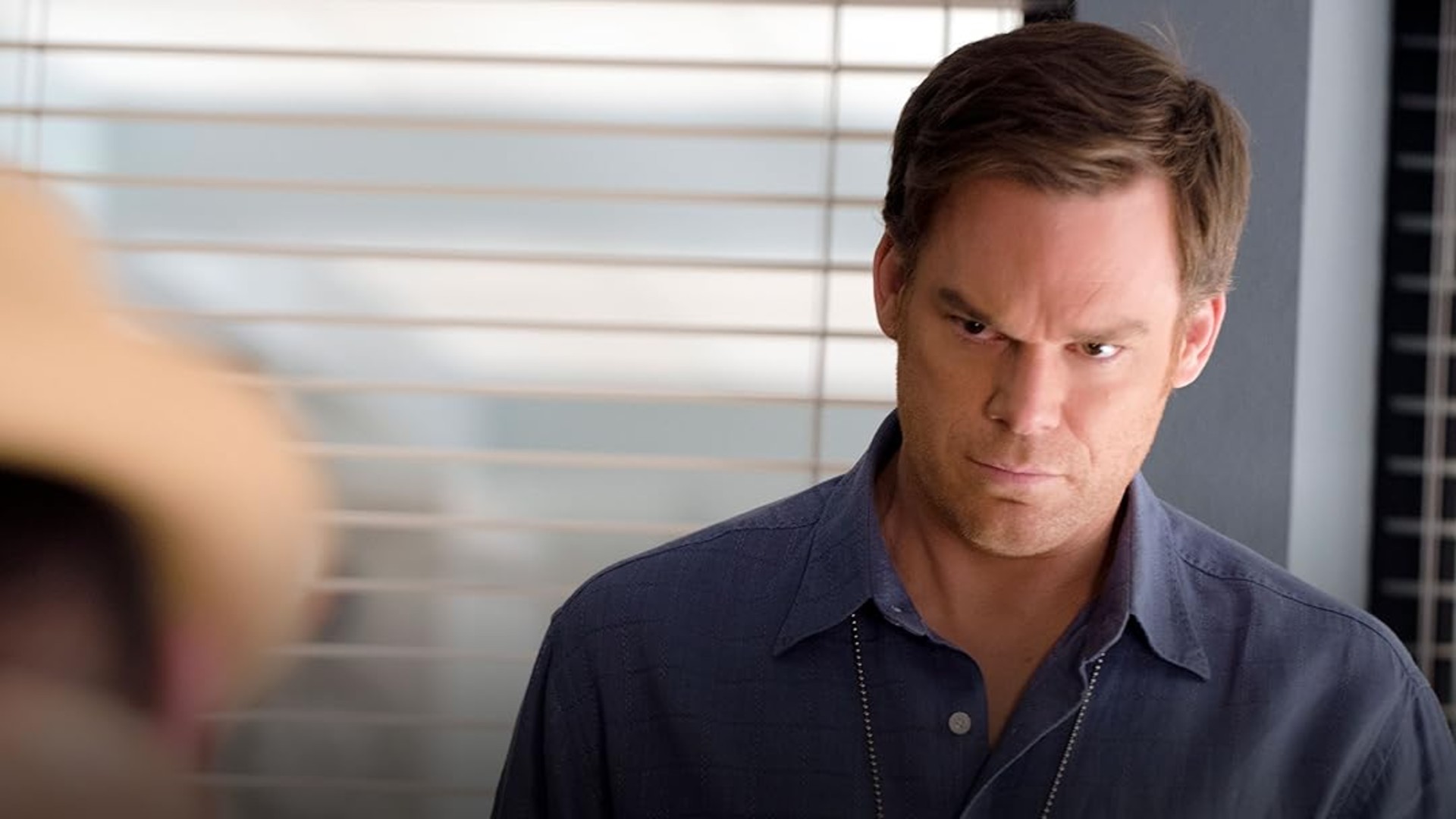
Tonight is the night we talk about this again. I know Resurrection Season 1 has helped recover things somewhat, but the original Dexter Season 8 could have been something truly great. After years of strong storytelling, the final season loses focus. It adds new elements that don’t fully connect while sidelining the momentum from Season 7. The ending, Dexter choosing isolation, became one of the most talked-about finales, but not for the right reasons. Dexter: New Blood tried to fix that, with mixed results, and now Dexter: Resurrection looks to address those long-standing issues.
8. Game of Thrones (Season 8)
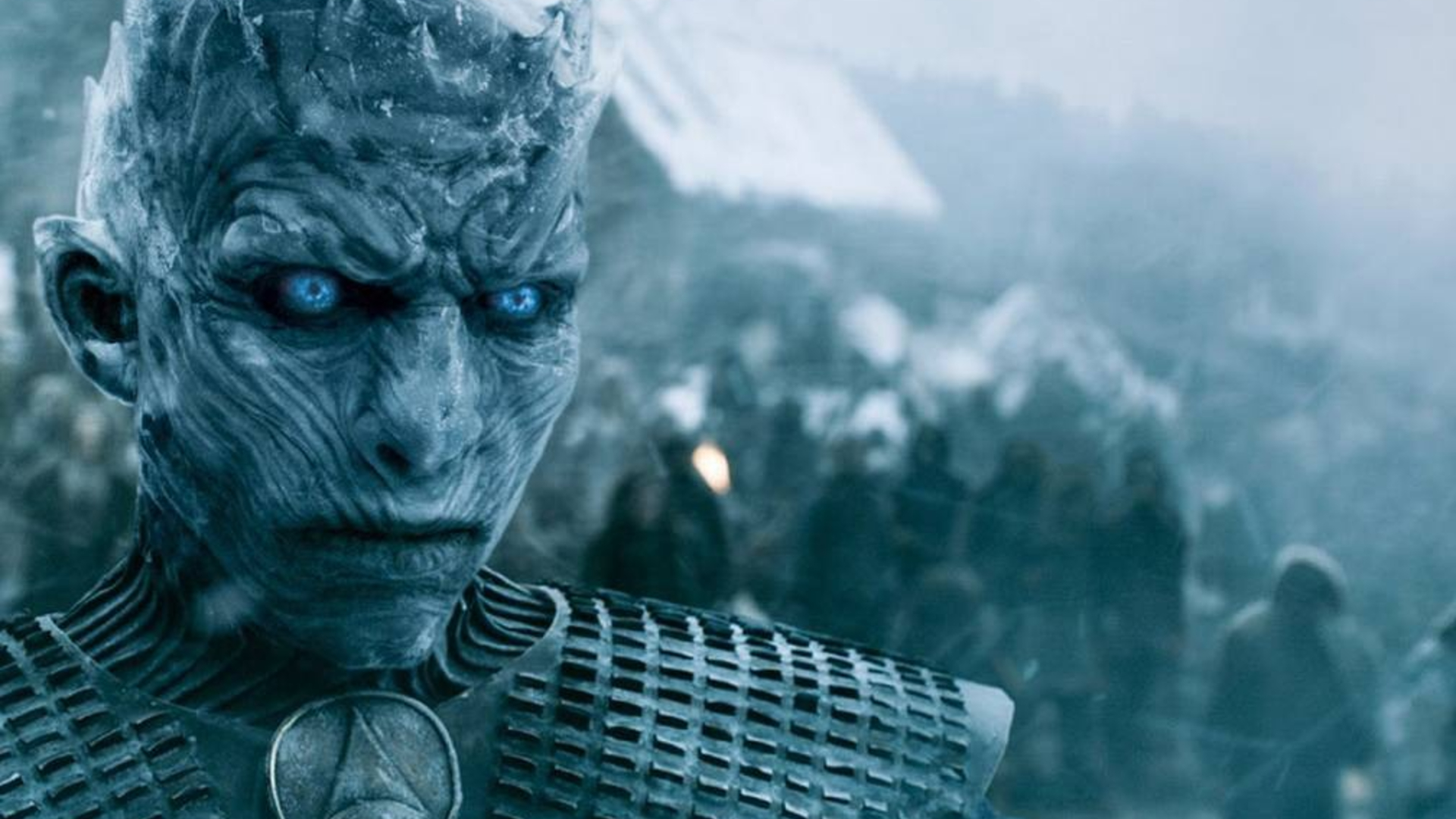
Where do you even begin with Game of Thrones Season 8? Despite the show’s status as one of television’s most influential series, its final season is often seen as a rushed conclusion. Without direct source material to guide the final stretch, the story was condensed into six episodes, causing major developments to feel accelerated. Key character arcs and long-building storylines reached their endpoints in ways that sparked widespread debate. While the series remains a landmark in TV history, its ending significantly shaped how audiences reflect on its overall legacy.
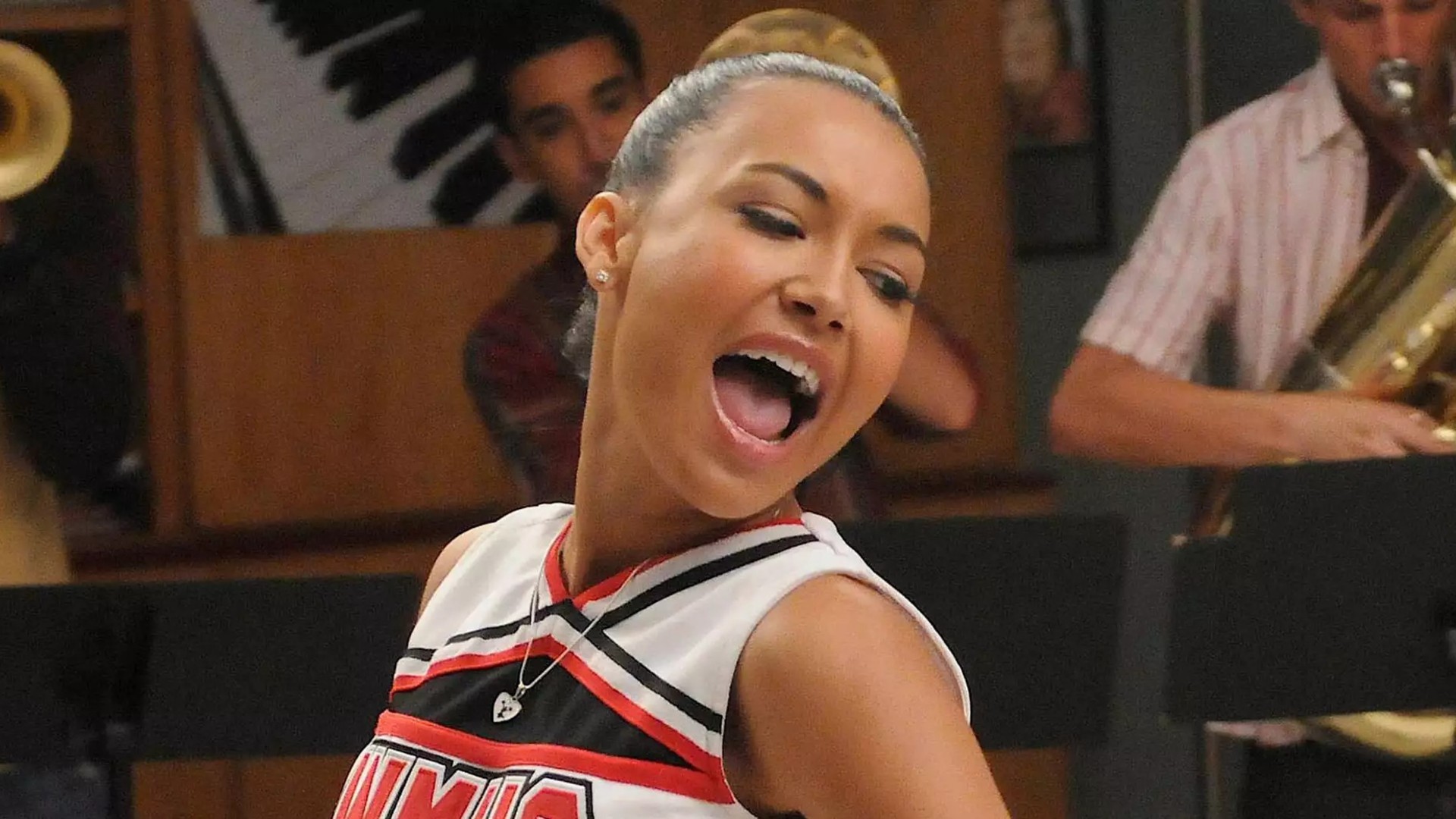
7. Glee (Season 4)
Following the graduation of its core cast, Glee attempted to expand its narrative by splitting focus between new characters and established ones in a different setting. This dual structure created an uneven viewing experience, as newer additions struggled to capture the same connection audiences had with the original group. At the same time, the tone of the series shifted, becoming less sharp in its storytelling. As a result, the show experienced a steady decline in both ratings and cultural relevance.
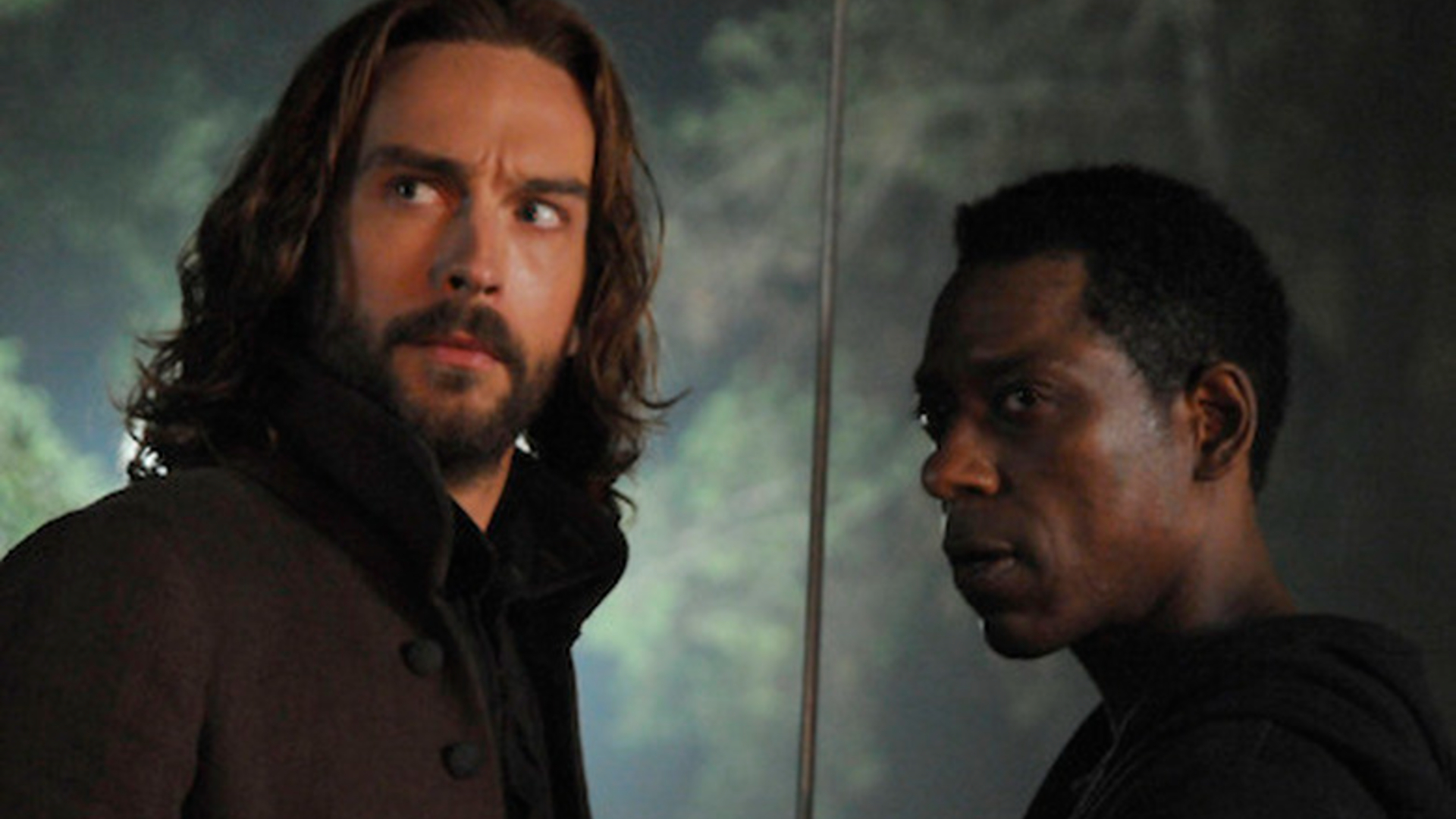
6. Sleepy Hollow (Season 2)
After a strong and distinctive first season, Sleepy Hollow struggled to maintain its identity in Season 2. The show shifted focus away from the central character dynamic and toward a more complex family-driven storyline, which didn’t resonate as strongly with audiences. The balance between episodic storytelling and overarching mythology became harder to follow, leading to a noticeable drop in engagement. Despite attempts to course-correct in later seasons, the show never fully regained its initial appeal.
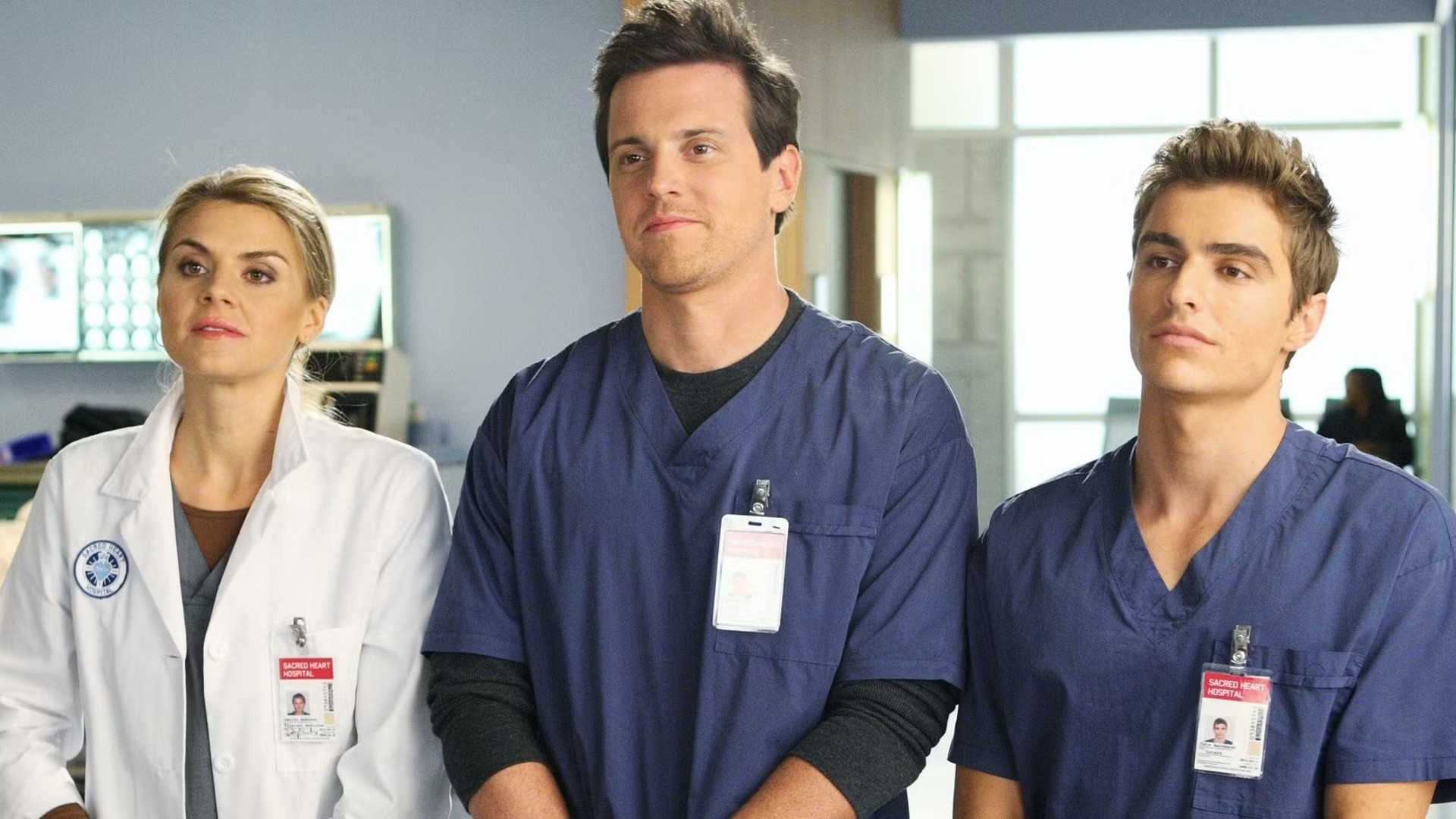
5. Scrubs (Season 9)
Season 9 of Scrubs, subtitled Med School, functioned more as a spin-off than a true continuation. Shifting the setting to a university environment and introducing a new group of characters, it moved away from the core dynamics that defined the original series. While familiar faces appeared in limited roles, the tone and structure felt significantly different. Audience response was lukewarm, and the season ultimately struggled to justify its place as a continuation of the show’s original run.
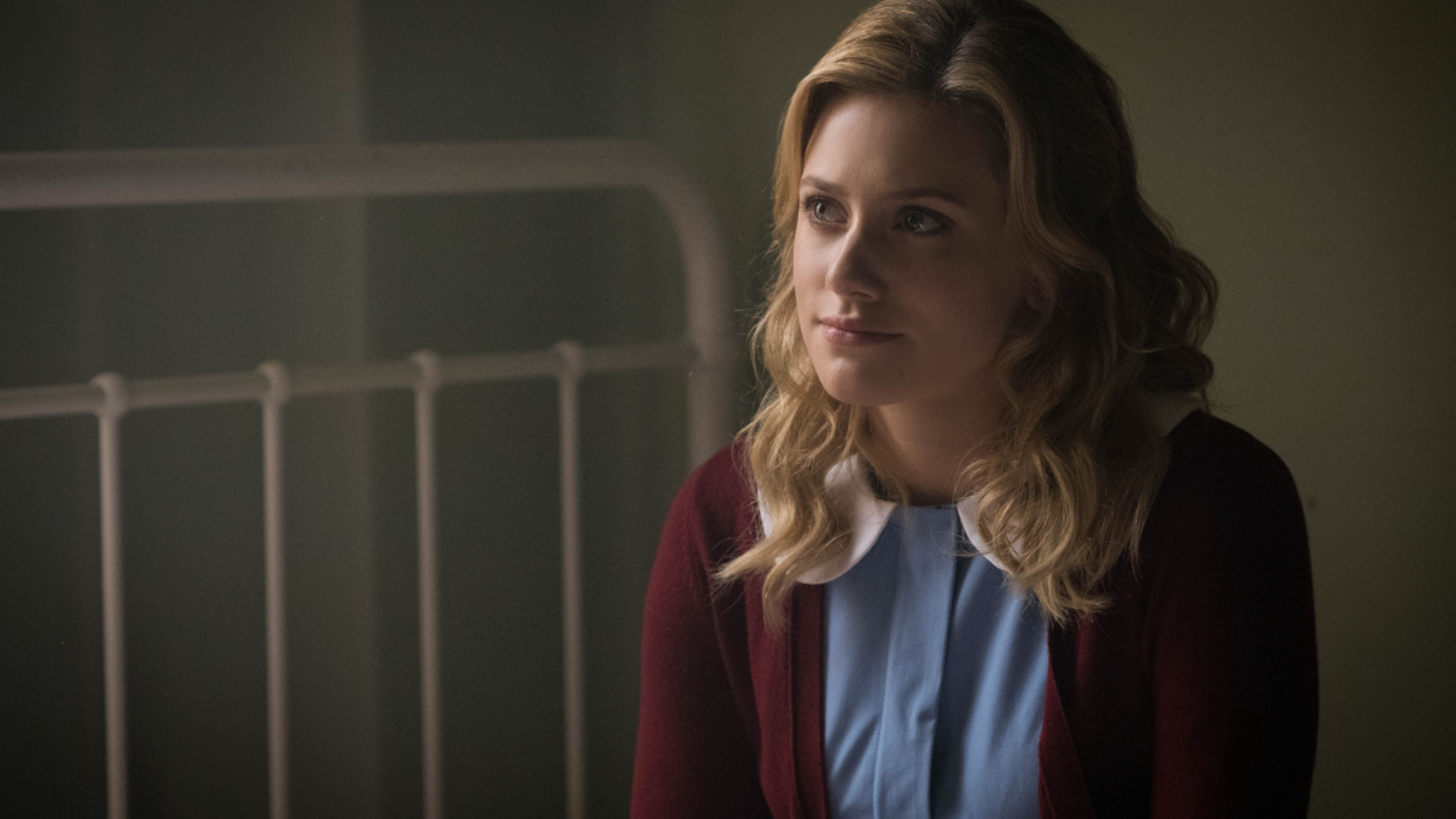
4. Riverdale (Season 2)
While Season 1 of Riverdale was praised for its focused and atmospheric mystery, Season 2 marked a clear tonal shift. The introduction of a masked antagonist storyline and increasingly exaggerated plot elements pushed the show into a more stylized and unconventional direction. While this approach eventually attracted a niche audience that embraced its unpredictability, it distanced viewers who preferred the grounded storytelling of the first season. From that point on, the series leaned fully into its more heightened identity.
3. Altered Carbon (Season 2)
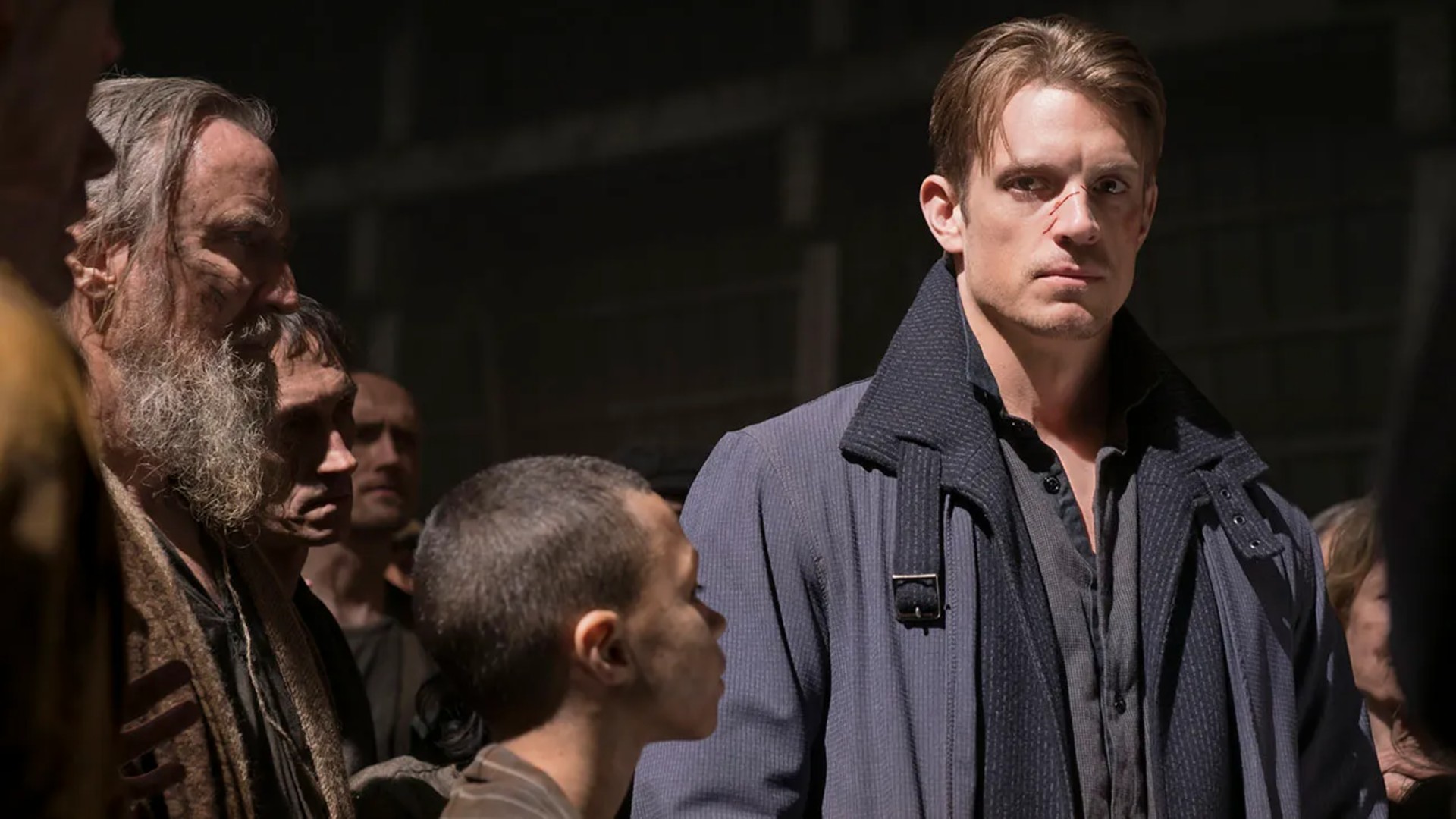
Netflix’s ambitious cyberpunk series underwent a noticeable shift in its second season. While the change in lead actor was built into the show’s concept, the overall tone and scale felt different. The gritty, noir-inspired atmosphere of the first season gave way to a more straightforward sci-fi approach, and the storytelling lost some of its earlier complexity. Combined with a more contained production feel, the season struggled to match expectations, leading to the show’s early conclusion.
2. Westworld (Season 2)
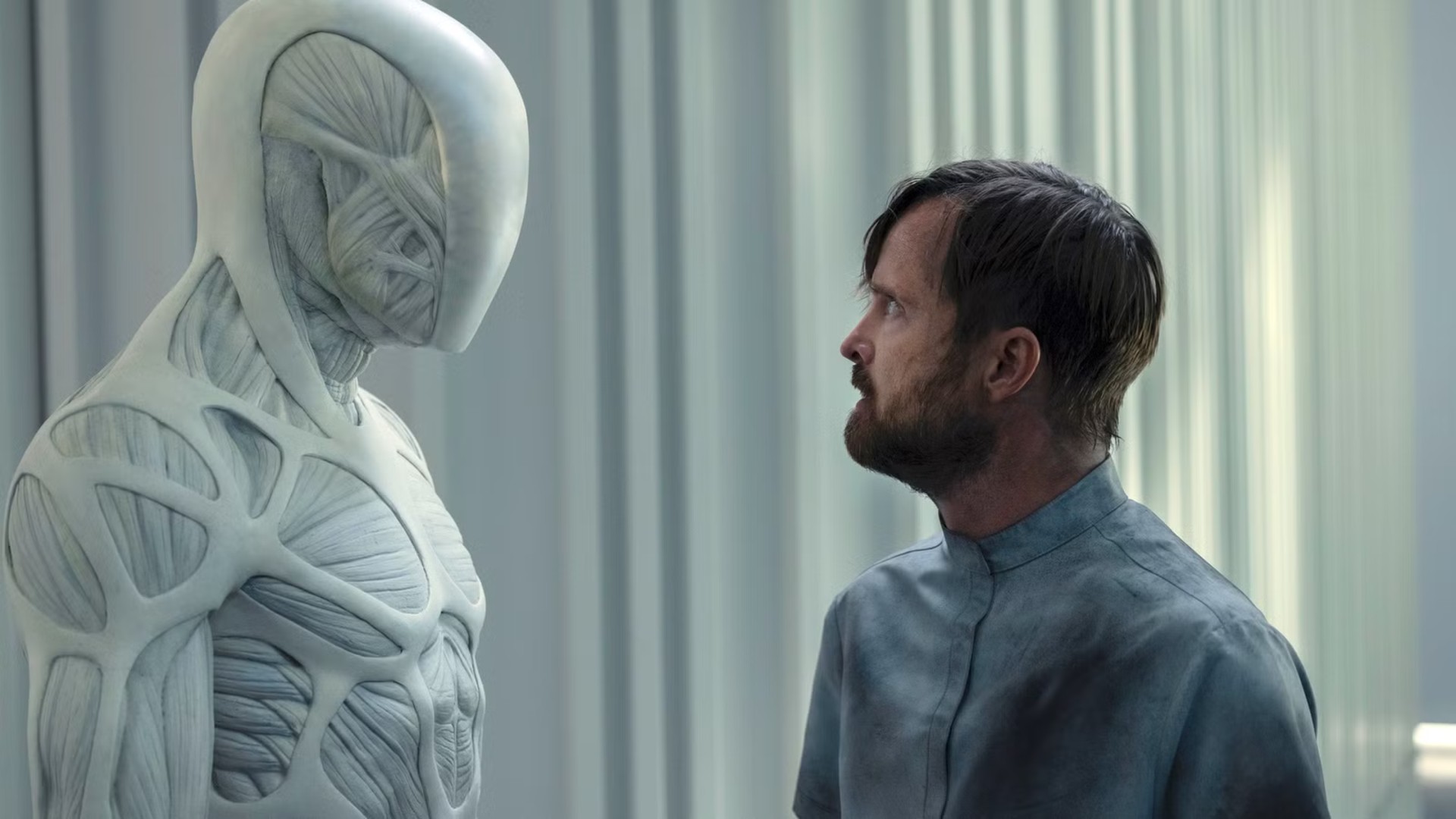
The first season of Westworld stood out as a carefully crafted, high-concept narrative that balanced mystery with emotional depth. In Season 2, however, the storytelling leaned more heavily into complex timelines and layered structure, which proved challenging for many viewers to follow. Critics noted that the focus shifted away from character-driven storytelling toward a more intricate narrative design. As the series progressed, audience engagement declined, and the show was eventually concluded before fully resolving all its major arcs.
1. Heroes (Season 2)
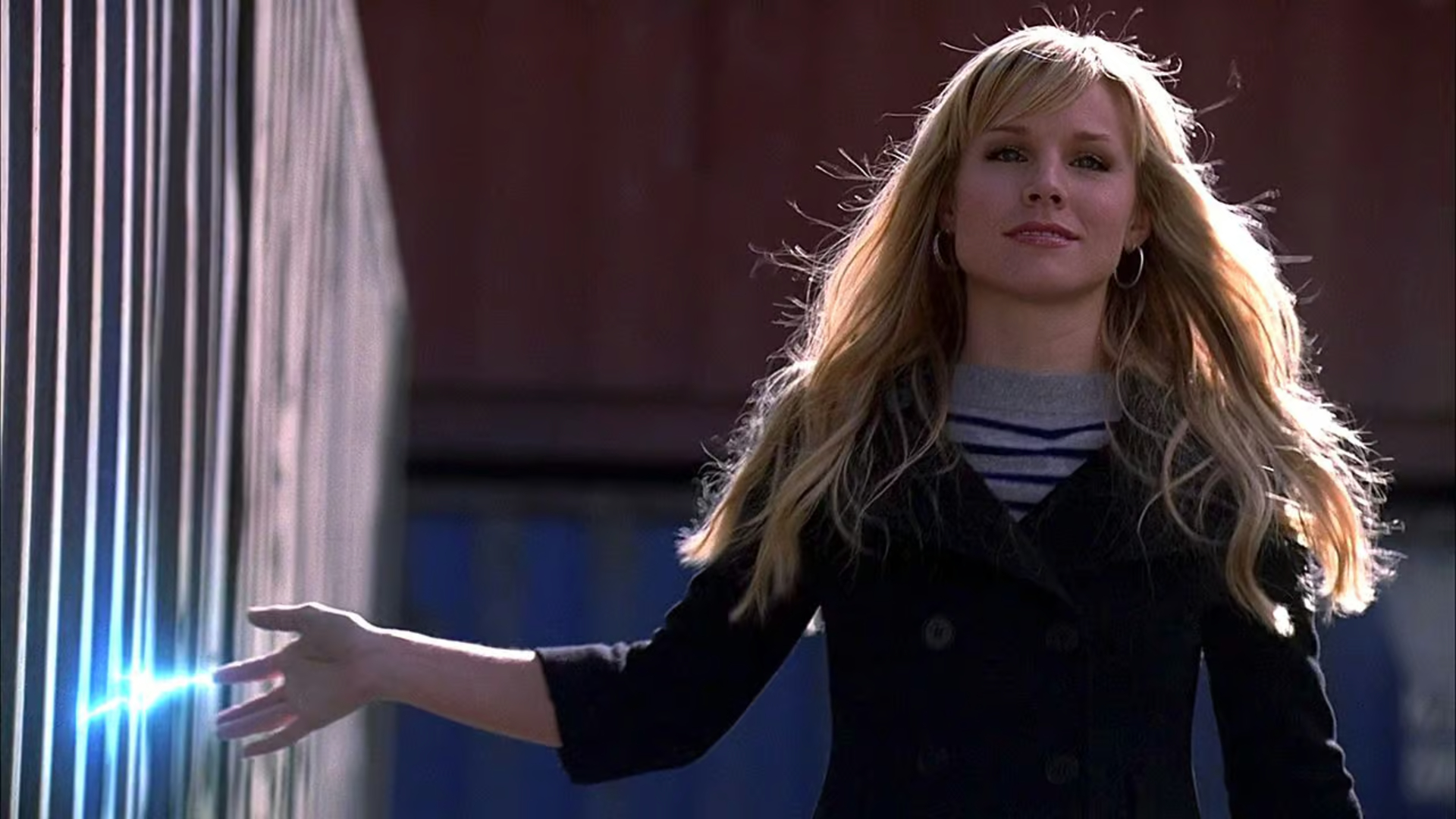
Following a breakout debut that reshaped superhero storytelling on television, Heroes faced a sharp decline in its second season. Impacted by the 2007–2008 Writers’ Strike, the narrative felt uneven and slower-paced, particularly in Hiro’s extended storyline in feudal Japan. The high-stakes “save the world” urgency of Season 1 gave way to a more complicated and less engaging central plot. While the show continued for two more seasons, it lost a significant portion of its audience and never fully regained its early cultural impact.