10 TV Reboots That Officially Ruined My Childhood
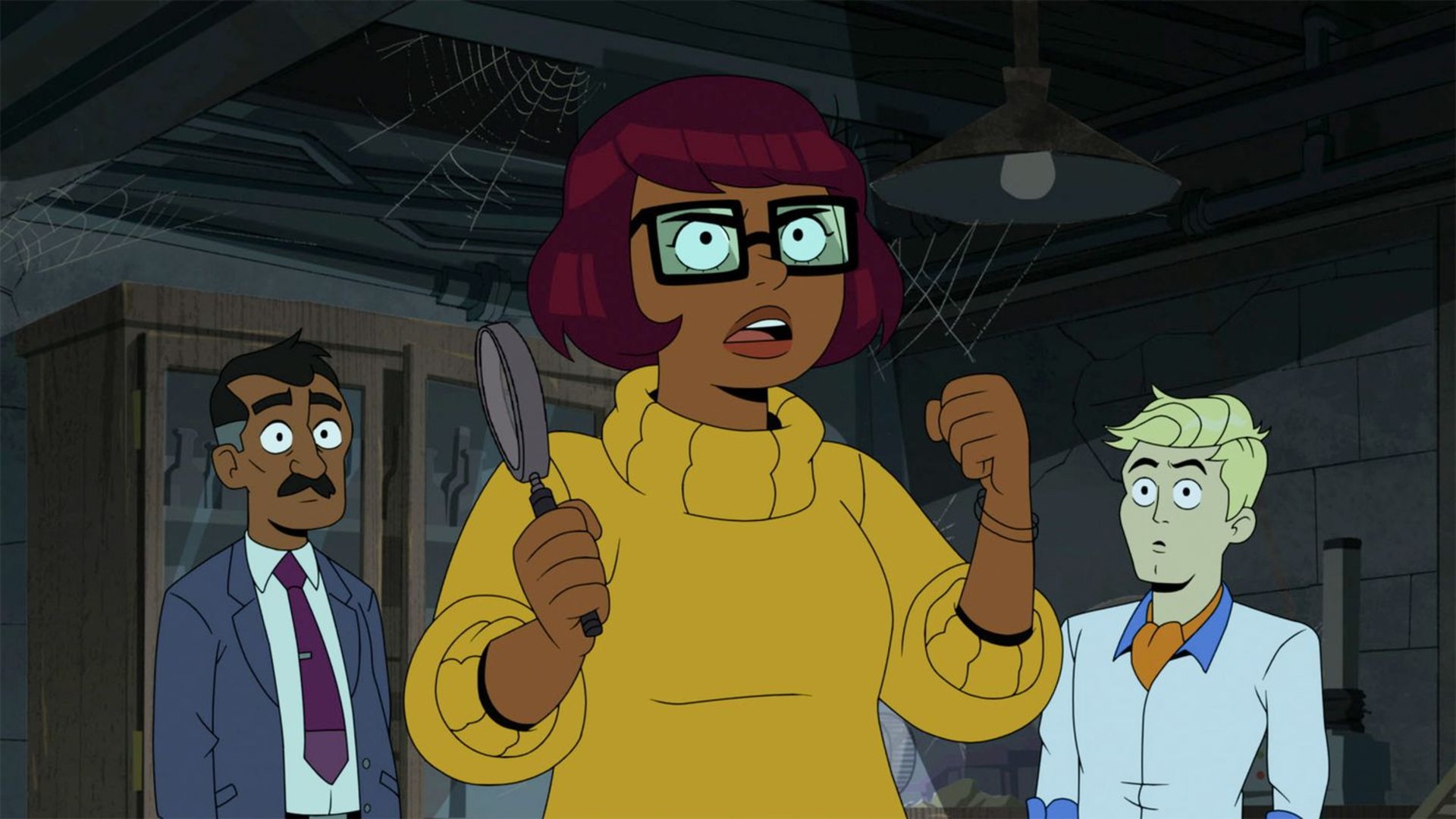
10. Velma (2023)
This animated reimagining of the Scooby-Doo franchise removed Scooby-Doo himself and reframed Mystery Inc. as cynical, meta-aware teenagers in a darker, adult-oriented mystery-comedy. The series leaned heavily into self-referential humor and abrasive character dynamics, portraying the gang as frequently antagonistic toward one another rather than tightly bonded. While intended as a bold reinvention, it received largely negative audience reactions, with criticism focused on its mean-spirited tone, heavy-handed commentary, and lack of the lighthearted mystery structure that defined earlier iterations. Although it generated online discussion and initial viewership curiosity, many longtime franchise fans felt disconnected from its direction, arguing it resembled a parody of Scooby-Doo more than an evolution of it.
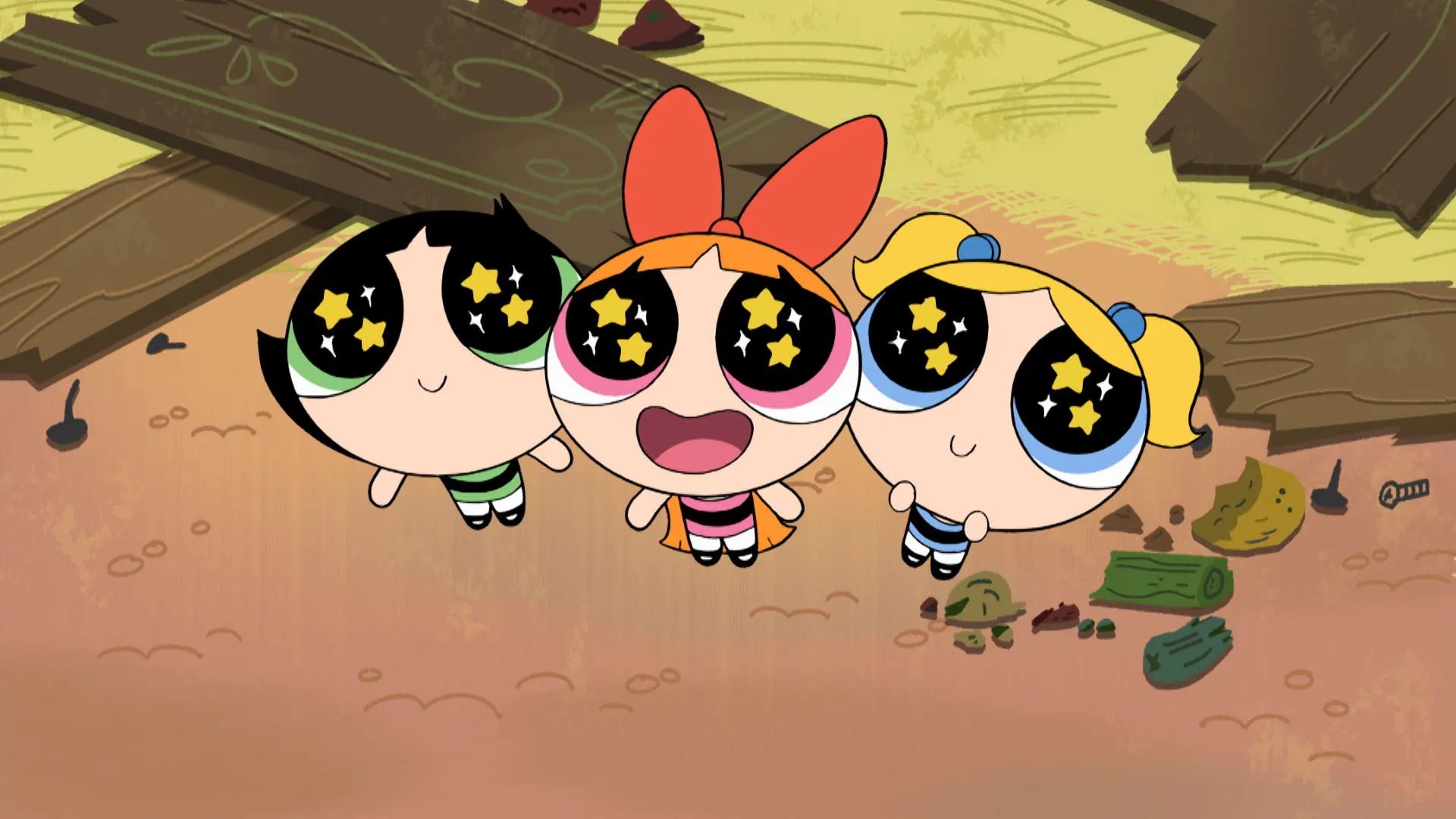
9. The Powerpuff Girls (2016)
This reboot of the original late-1990s animated hit attempted to modernize the trio with updated humor and contemporary cultural references but was criticized for shifting focus away from action-driven superhero storytelling toward slice-of-life school drama. Fans of the original series noted the reduced emphasis on high-energy battles and sharp satire, replaced instead with internet-age jokes and social media-style humor that some viewers found dated or awkward. The tonal shift led to comparisons that favored the original’s balance of absurd action and clever writing. While the reboot ran for multiple seasons, it struggled to achieve the same cultural impact or critical acclaim as its predecessor.
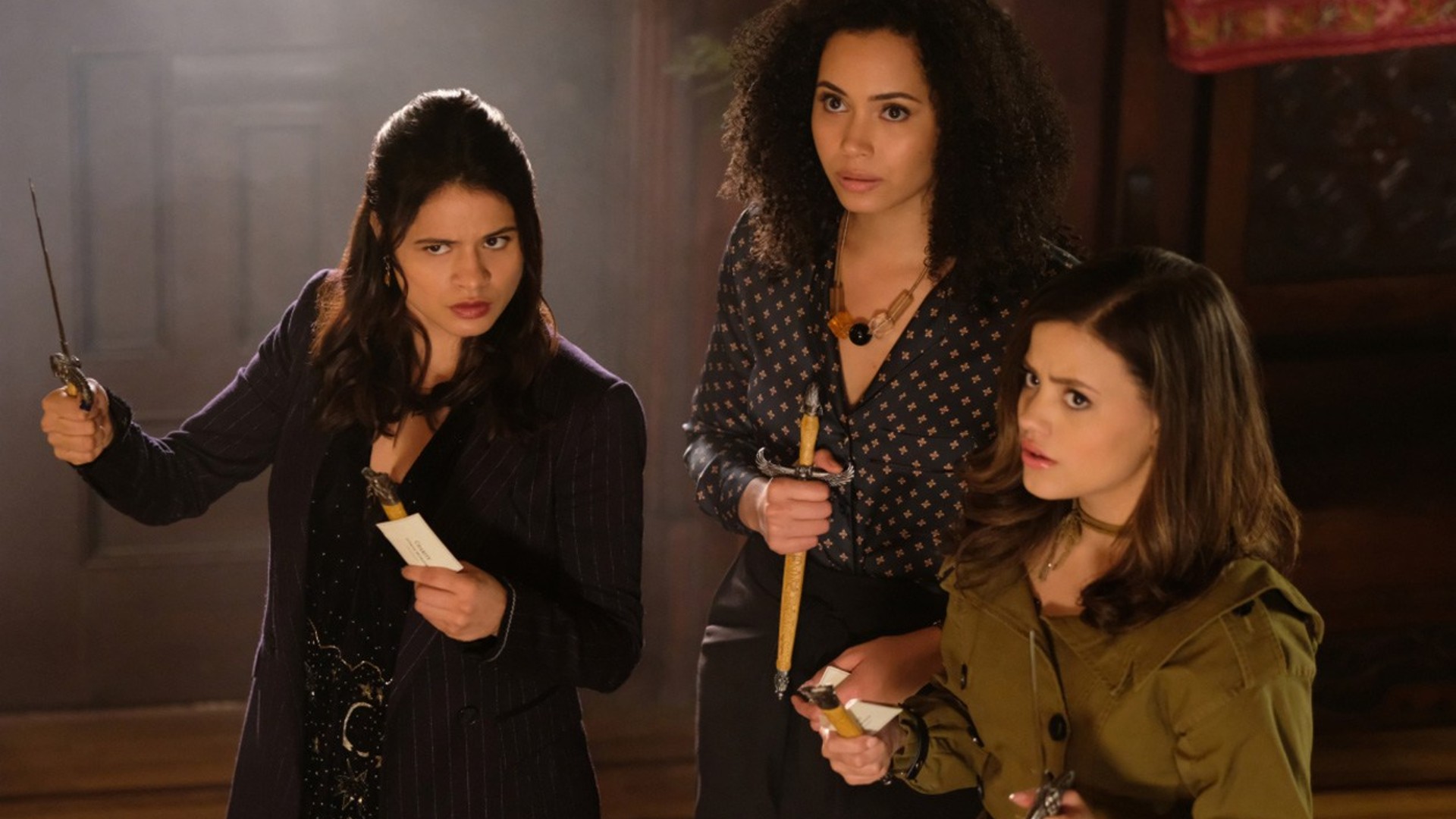
8. Charmed (2018)
The reboot of the supernatural drama introduced a new trio of witches and aimed to update themes for contemporary audiences, emphasizing modern social issues alongside magical storylines. However, it faced immediate comparison to the original series and was criticized by some viewers for lacking the on-screen chemistry and character depth that defined the Halliwell sisters. Public comments from cast members of the original show added to the perception of division around the reboot. Although it ran for four seasons, reception remained mixed, with critiques centered on uneven writing and tonal inconsistency rather than its core premise.
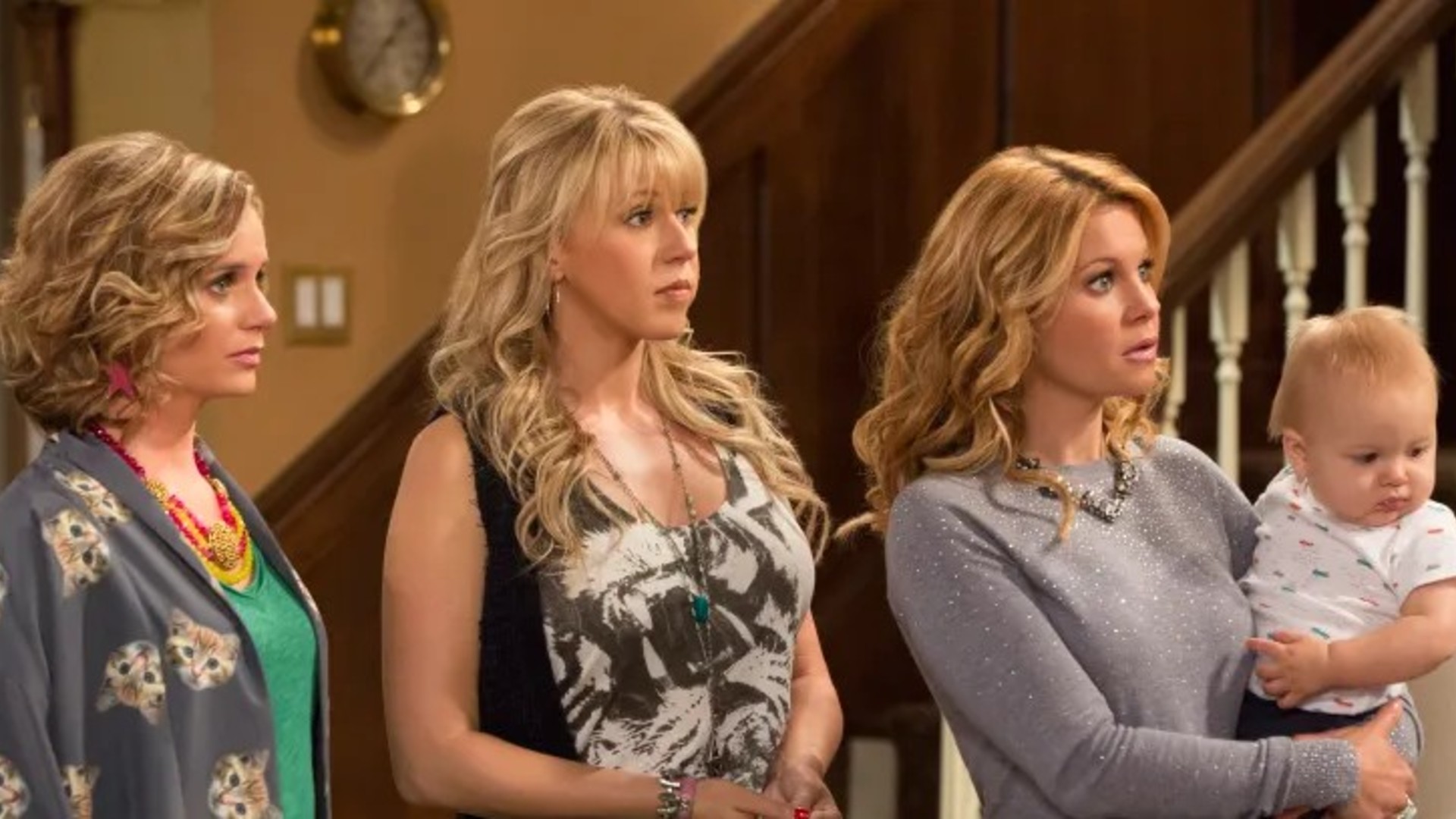
7. Fuller House (2016)
As a continuation of the family sitcom Full House, this Netflix revival leaned heavily into nostalgia, frequently referencing catchphrases, recurring jokes, and legacy characters. While the show maintained a loyal audience and ran for five seasons, critics often described it as overly sentimental and reliant on callbacks instead of building a distinct narrative identity. The humor and tone remained intentionally wholesome and exaggerated, which resonated with some longtime fans but felt overly saccharine or repetitive to others. Its legacy is largely tied to its nostalgia appeal rather than critical acclaim.
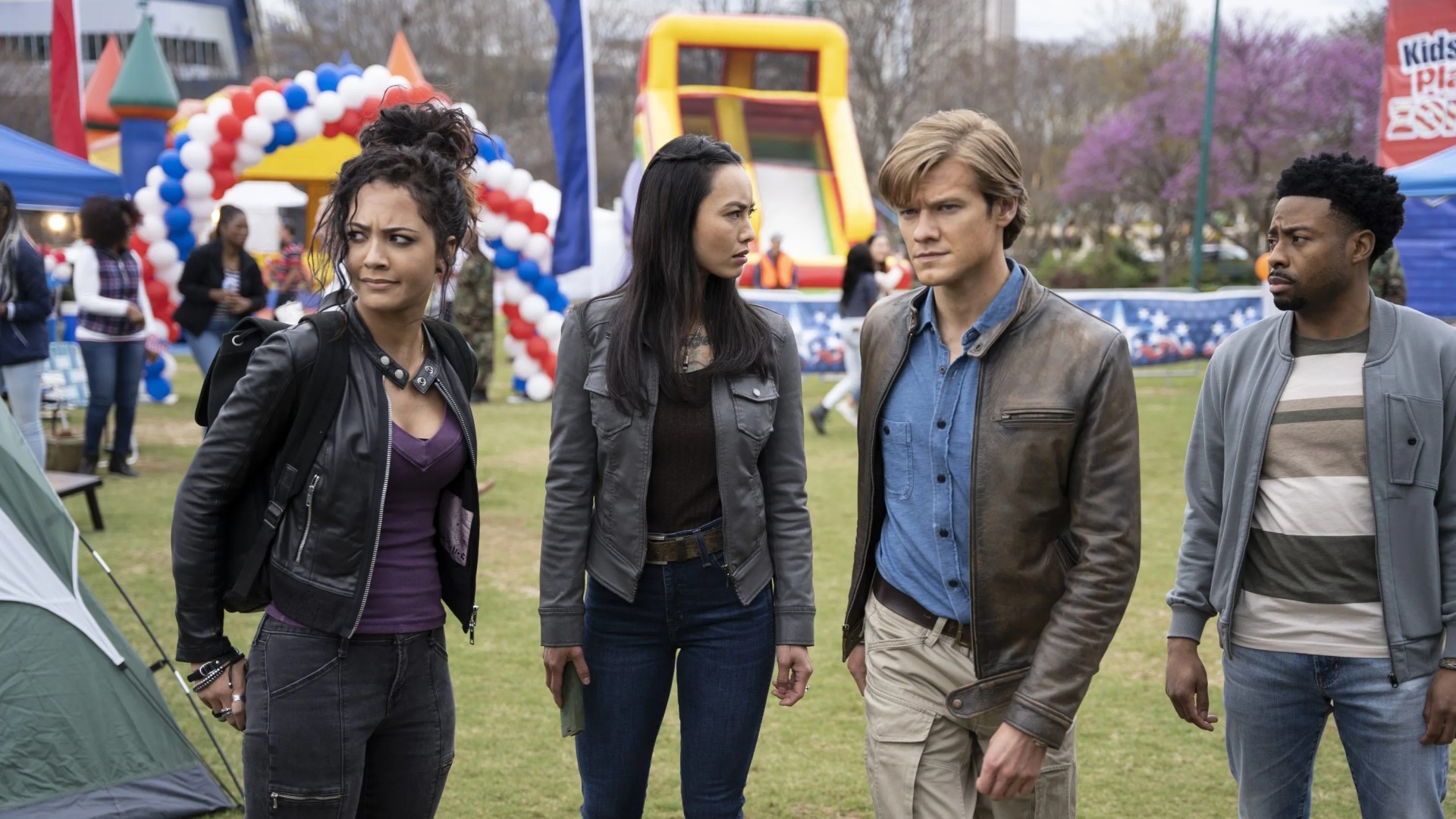
6. MacGyver (2016)
This reboot reintroduced the resourceful problem-solver character but shifted the tone toward a more conventional action-procedural format with a team-based structure. Unlike the original series, which emphasized nonviolent problem-solving and scientific ingenuity as defining traits, the reboot incorporated more standard action tropes and weapon-based confrontations. Critics and longtime fans noted that this tonal adjustment diluted the unique identity that made the original stand out. Despite these concerns, the series ran for five seasons, though it was often viewed as a competent but generic entry in the modern action-drama landscape.
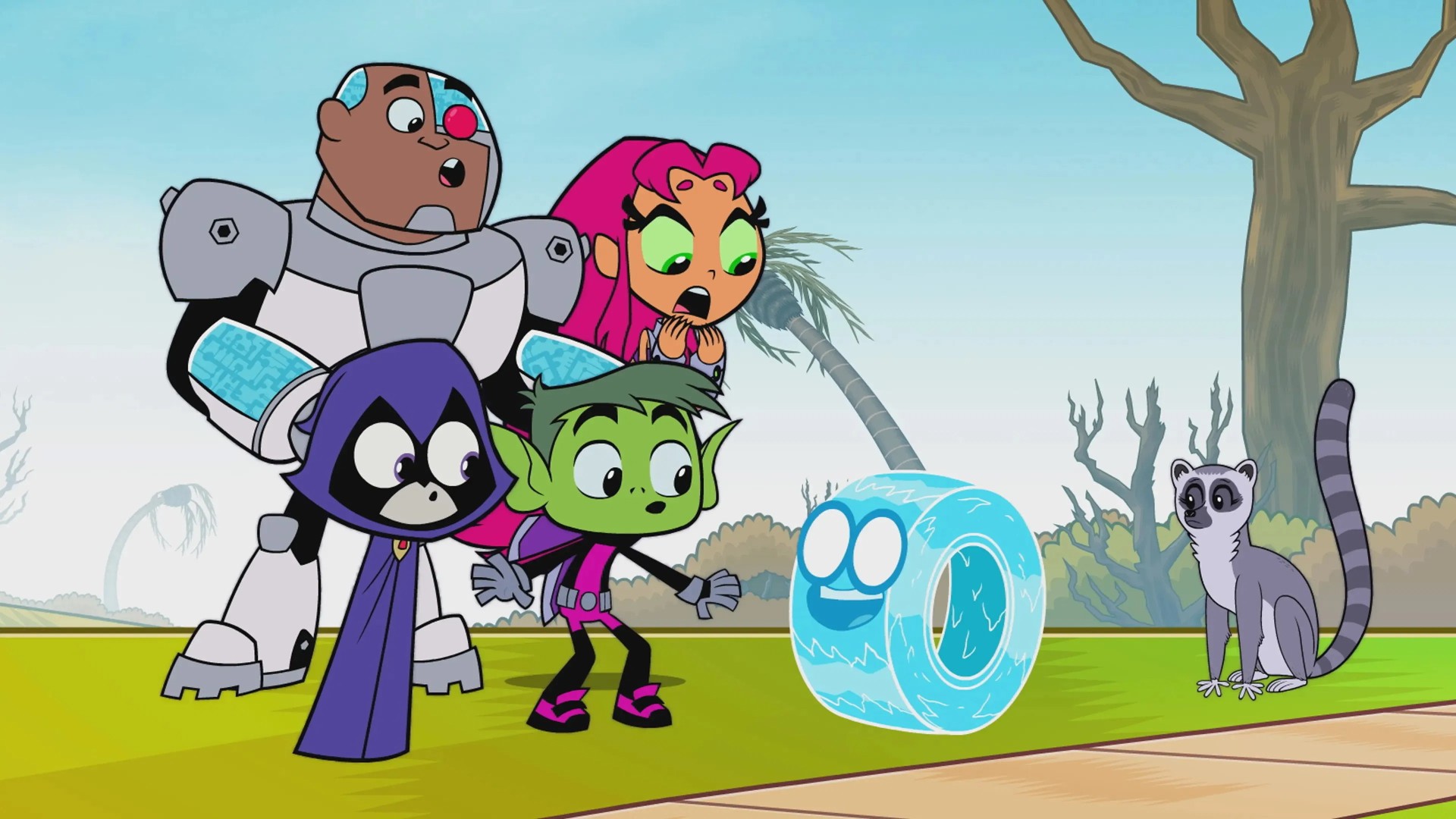
5. Teen Titans Go! (2013)
A comedic spin-off of the 2003 Teen Titans animated series, this version adopted a brightly colored, exaggerated animation style and focused on absurd humor and self-parody rather than serialized storytelling and character arcs. The tonal departure divided fans, with supporters praising its irreverent comedy and detractors criticizing it for abandoning the emotional depth and action-heavy storytelling of the original. Despite criticism from segments of the fandom who preferred a continuation of the earlier series, the show became one of Cartoon Network’s longest-running programs, demonstrating strong ratings and a distinct audience separate from its predecessor.
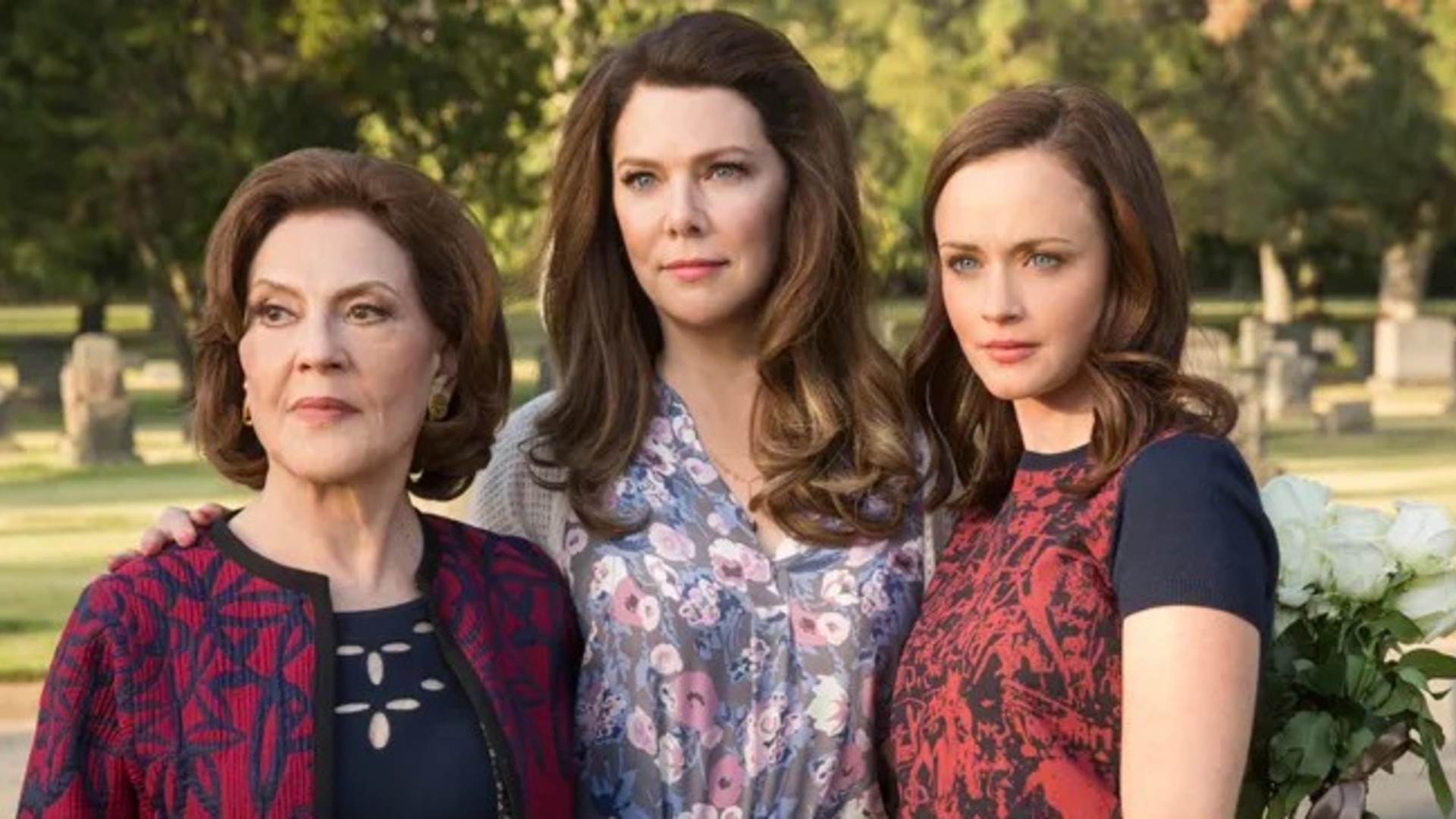
4. Gilmore Girls: A Year in the Life (2016)
This limited-series revival revisited Rory and Lorelai years after the original finale, presenting a more mature and at times less idealized portrayal of the characters. Some viewers were surprised by Rory’s professional stagnation and personal decision-making, which contrasted with expectations of a triumphant post-college success story. While the return to Stars Hollow and the fast-paced dialogue were praised, criticism centered on character development choices and the unresolved final twist, which left the story open-ended. Reception was mixed, blending nostalgia appreciation with debate over whether the revival honored or undermined long-established character arcs.
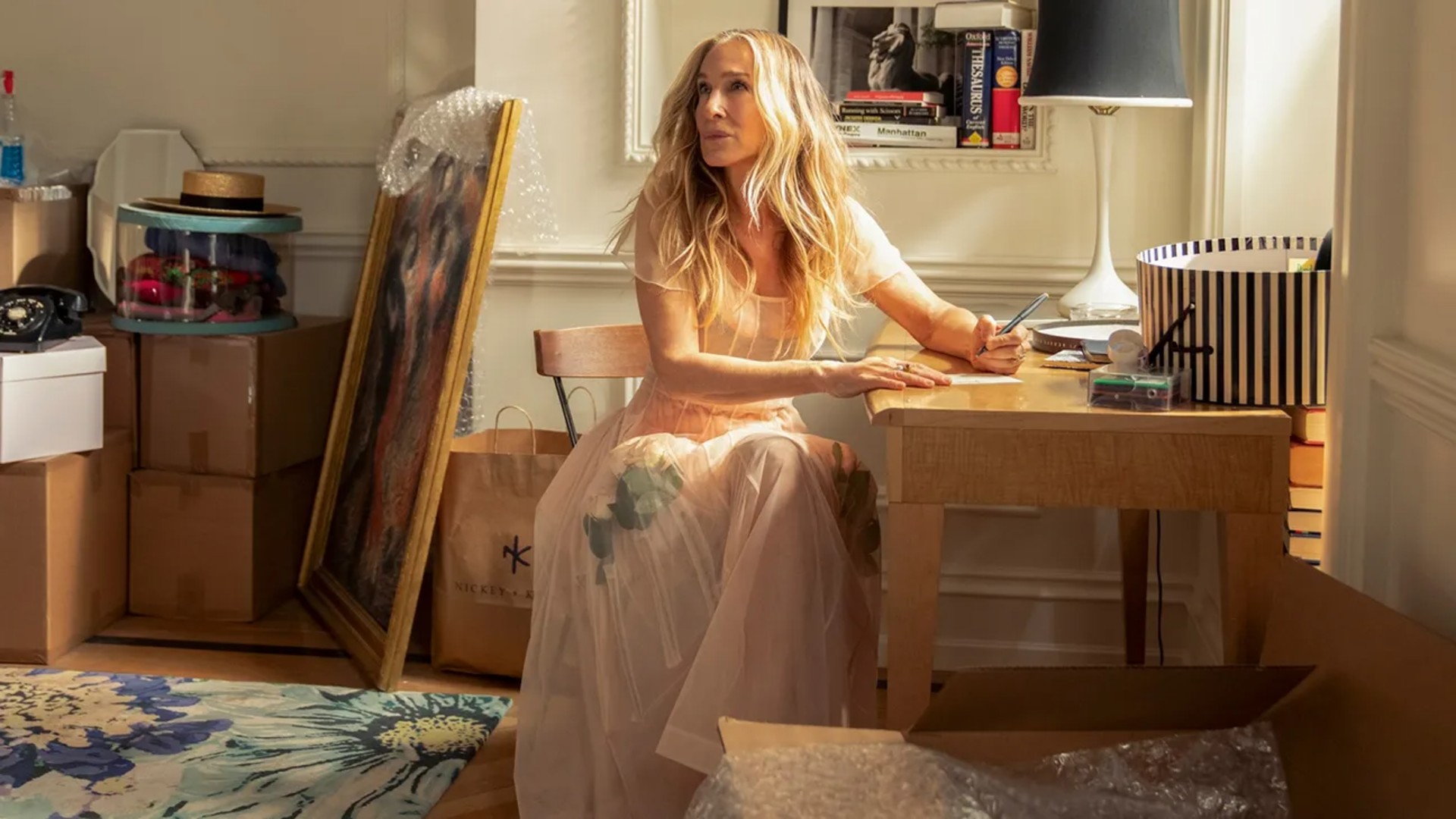
3. And Just Like That… (2021)
This continuation of SATC followed the characters navigating midlife in a modernized New York City, incorporating contemporary social conversations into its narrative. While some praised its attempt to address evolving cultural dynamics, others felt the tone shifted from witty escapism to more awkward, issue-driven storytelling. The absence of Kim Cattrall’s Samantha Jones significantly altered the ensemble dynamic, contributing to mixed audience reactions. The series achieved strong viewership but sparked ongoing debate about whether it successfully updated the franchise or struggled under the weight of expectations tied to its predecessor.
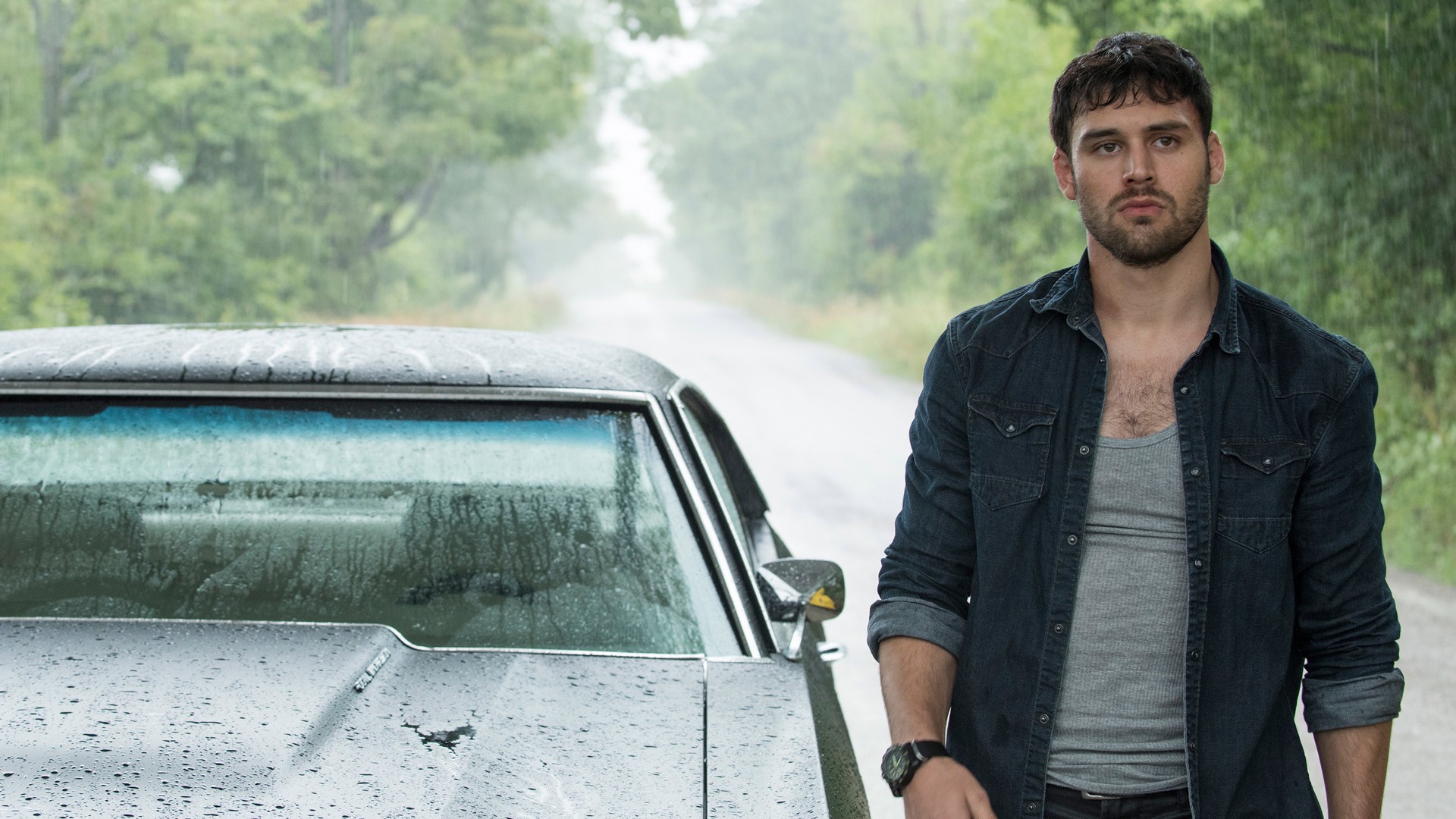
2. Heroes Reborn (2015)
Marketed as a revival of the once-popular superhero drama Heroes, this miniseries attempted to reignite interest in the franchise after the original series declined in later seasons. While it reintroduced superpowered characters and large-scale threats, critics described the narrative as convoluted and overly reliant on visual effects without the grounded emotional storytelling that defined the first season of the original show. Audience reception was lukewarm, and the revival did not generate sufficient momentum for continuation, effectively concluding the franchise’s television run.
1. Knight Rider (2008)
This modern reboot updated the iconic talking car KITT into a technologically advanced Ford Mustang capable of dramatic transformations while replacing the original lead dynamic with a more conventional action-hero framework. Despite upgraded special effects and contemporary styling, the series struggled to replicate the charm and personality-driven appeal that defined the 1980s original. Critics cited formulaic storytelling and a lack of distinctive character chemistry. It lasted only one season before cancellation, reinforcing the challenge of modernizing nostalgic properties without losing the qualities that made them memorable.