10 TV Disasters So Bad That They Refuse to Fade From Memory
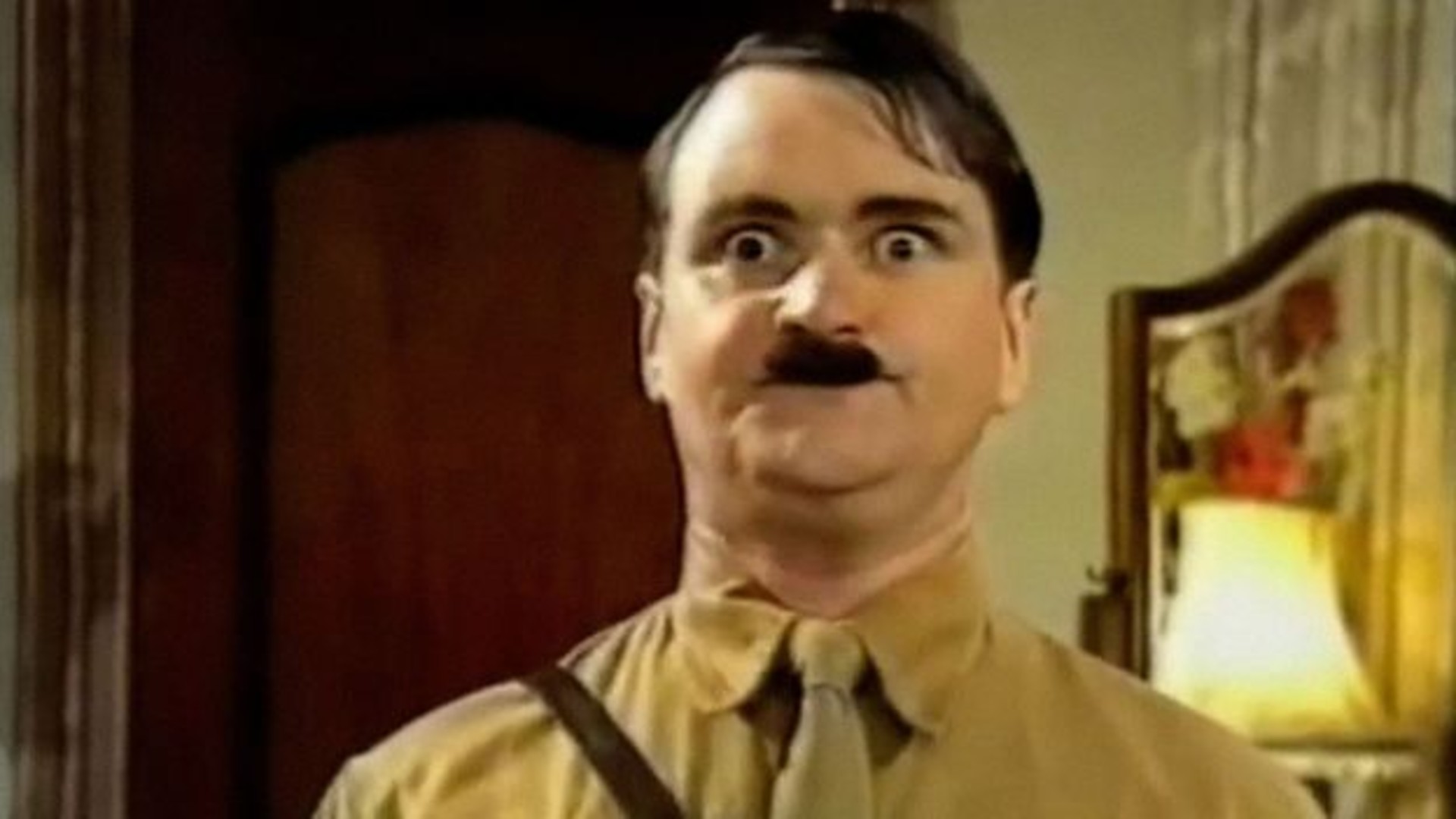
10. Heil Honey I’m Home! (1990)
This British sitcom presented Adolf Hitler and Eva Braun as a bickering suburban couple living next to a Jewish family. Marketed as satire, it instead drew instant condemnation for trivializing historical atrocities. Audiences and critics called it tasteless and offensive rather than subversive. The outrage was so intense that the show was canceled after its first episode aired. It remains a cautionary example of comedy gone too far.
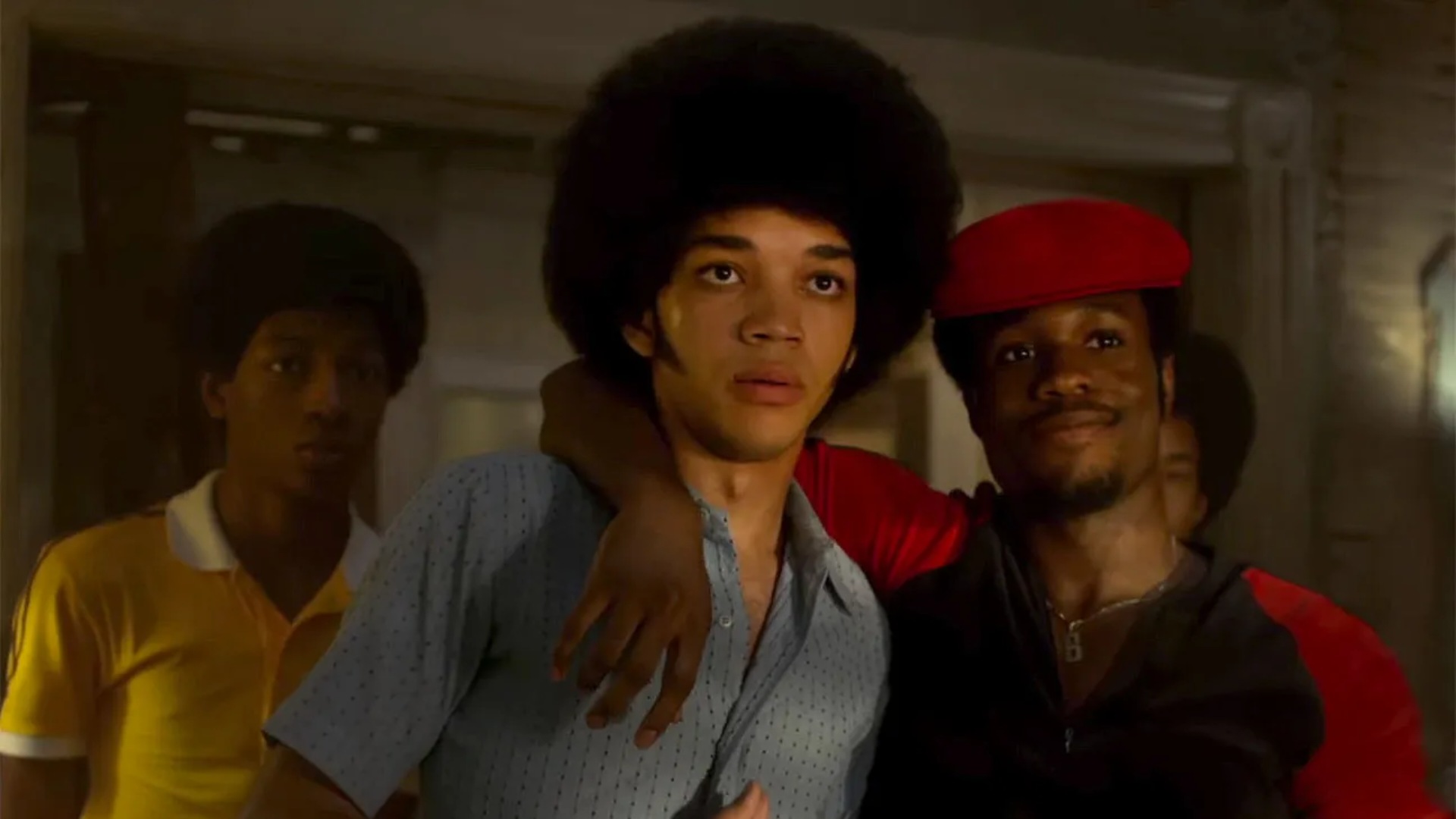
9. The Get Down (2016–2017)
Baz Luhrmann’s The Get Down aimed to chronicle the birth of hip-hop in 1970s New York through a lavish, musical lens. Netflix invested heavily, costing around $16 million each episode due to production delays and creative overhauls. Though praised for its style and performances, the narrative struggled to sustain momentum. The series gained a loyal niche following but couldn’t justify its enormous expense. It was quietly canceled after one season.
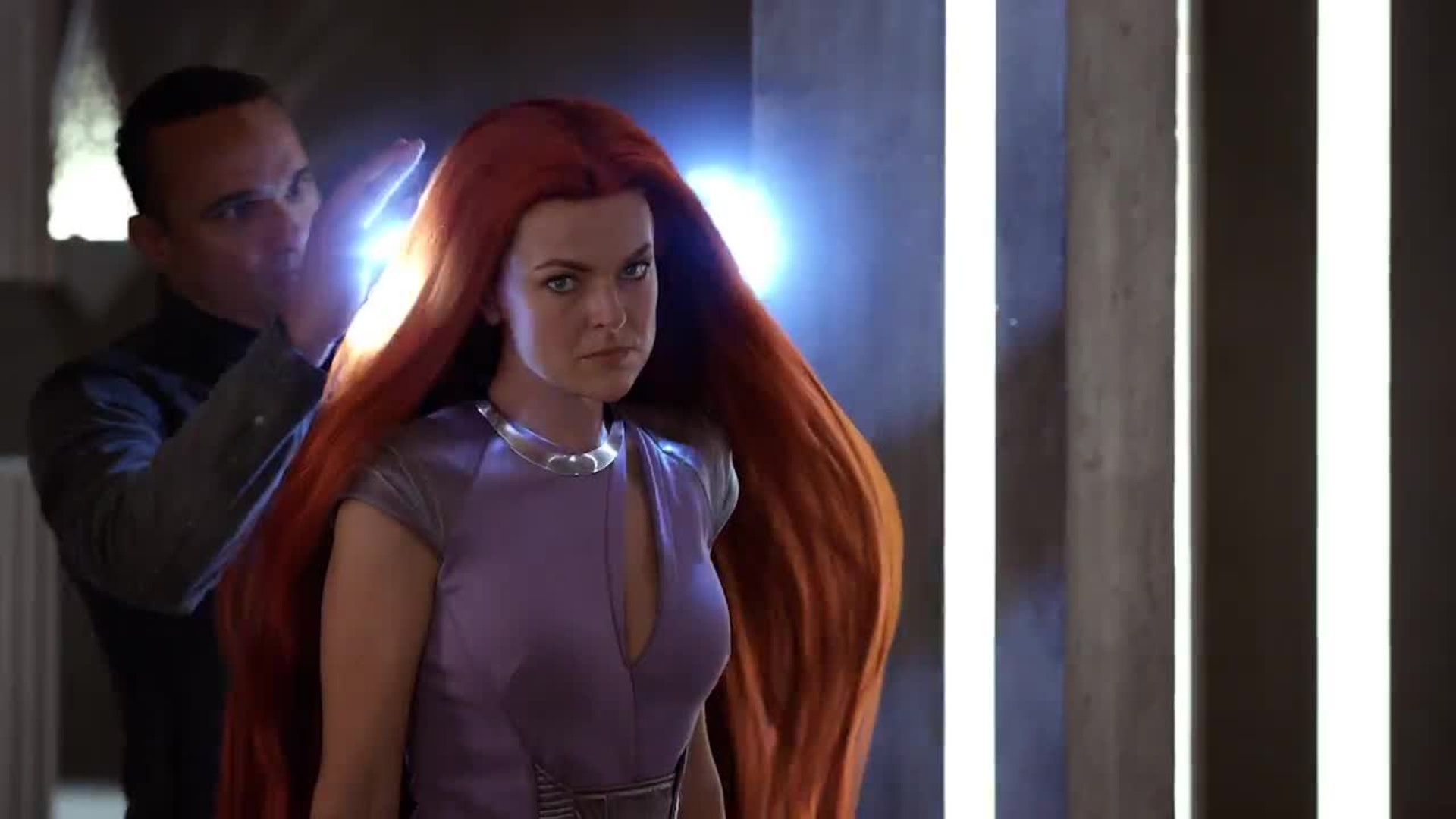
8. Inhumans (2017)
Marvel’s Inhumans was promoted as a significant addition to the MCU, even premiering its first episodes in IMAX theaters. The story focused on the royal family of Attilan and their internal power struggles. Despite the grand rollout, the series was plagued by weak scripts, poor performances, and cheap-looking effects. Fans and critics agreed it failed to meet Marvel’s usual standards. ABC canceled it after one short and poorly received season.

7. Terra Nova (2011)
Terra Nova followed a family escaping a dying future Earth by traveling back to prehistoric times to rebuild civilization. With Steven Spielberg as an executive producer and a pilot costing around $14 million, expectations were high. However, the show’s uneven tone, conventional writing, and heavy use of CGI disappointed viewers. Ratings failed to justify its enormous budget, and Fox opted not to renew it. It ended after a single 13-episode season.

6. The Idol (2023)
HBO’s The Idol, starring Lily-Rose Depp and The Weeknd, explored a pop star’s return to fame after a breakdown and her entanglement with a manipulative cult leader. Anticipation turned to backlash as critics called it exploitative and directionless. Its attempt to critique celebrity culture was overshadowed by explicit content and uneven storytelling. Despite prominent names behind it, the show failed to connect with audiences. It was canceled after one widely criticized season.
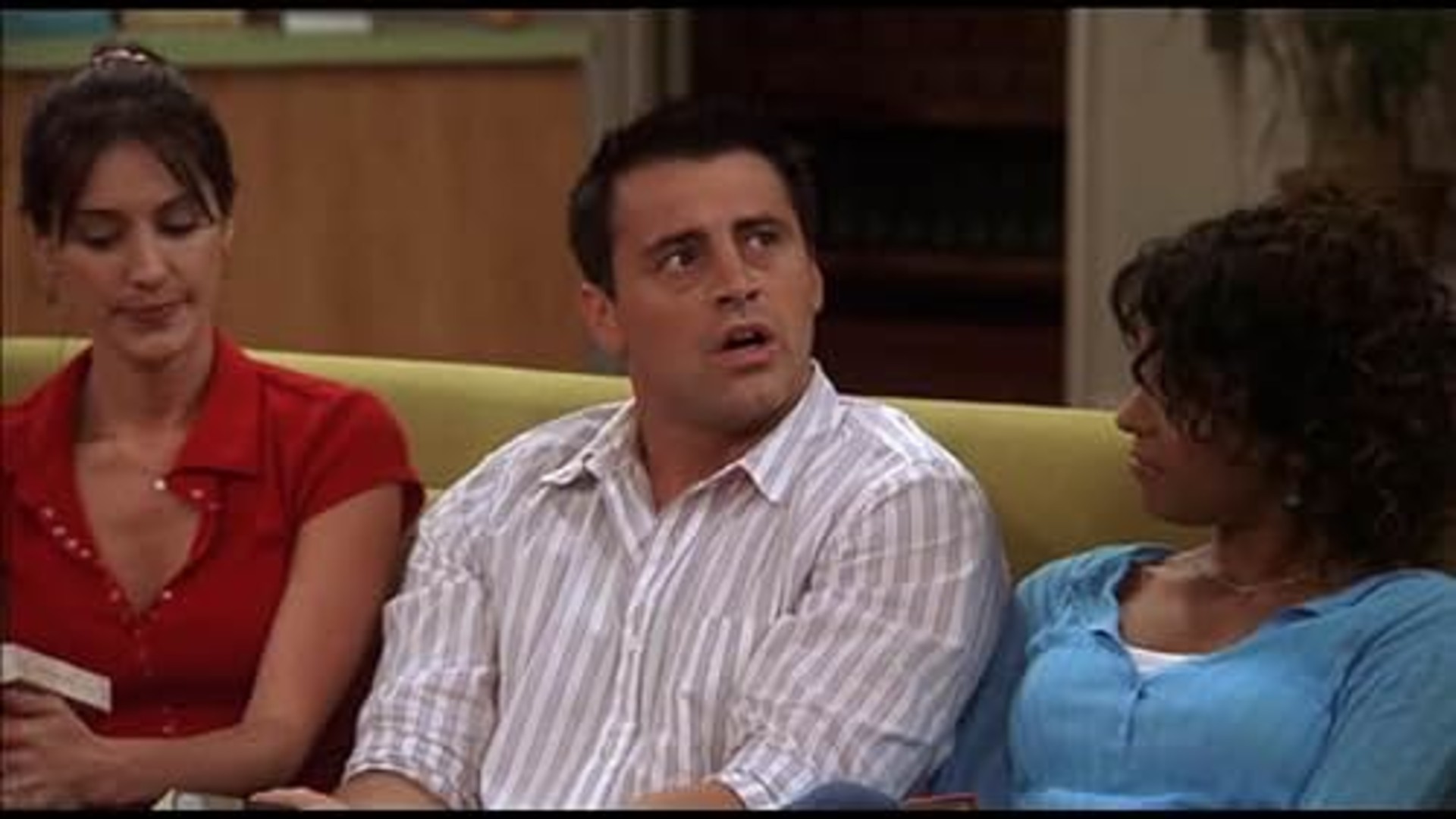
5. Joey (2004–2006)
Following Friends, Joey attempted to continue the story of Joey Tribbiani as he moved to Los Angeles to pursue acting. While early interest was high, the show struggled to capture the ensemble charm that defined its predecessor. Viewers felt the character worked better in a group dynamic than as a lead. The humor was seen as forced, and audience enthusiasm faded rapidly. Declining ratings led NBC to end the series after two uneven seasons.
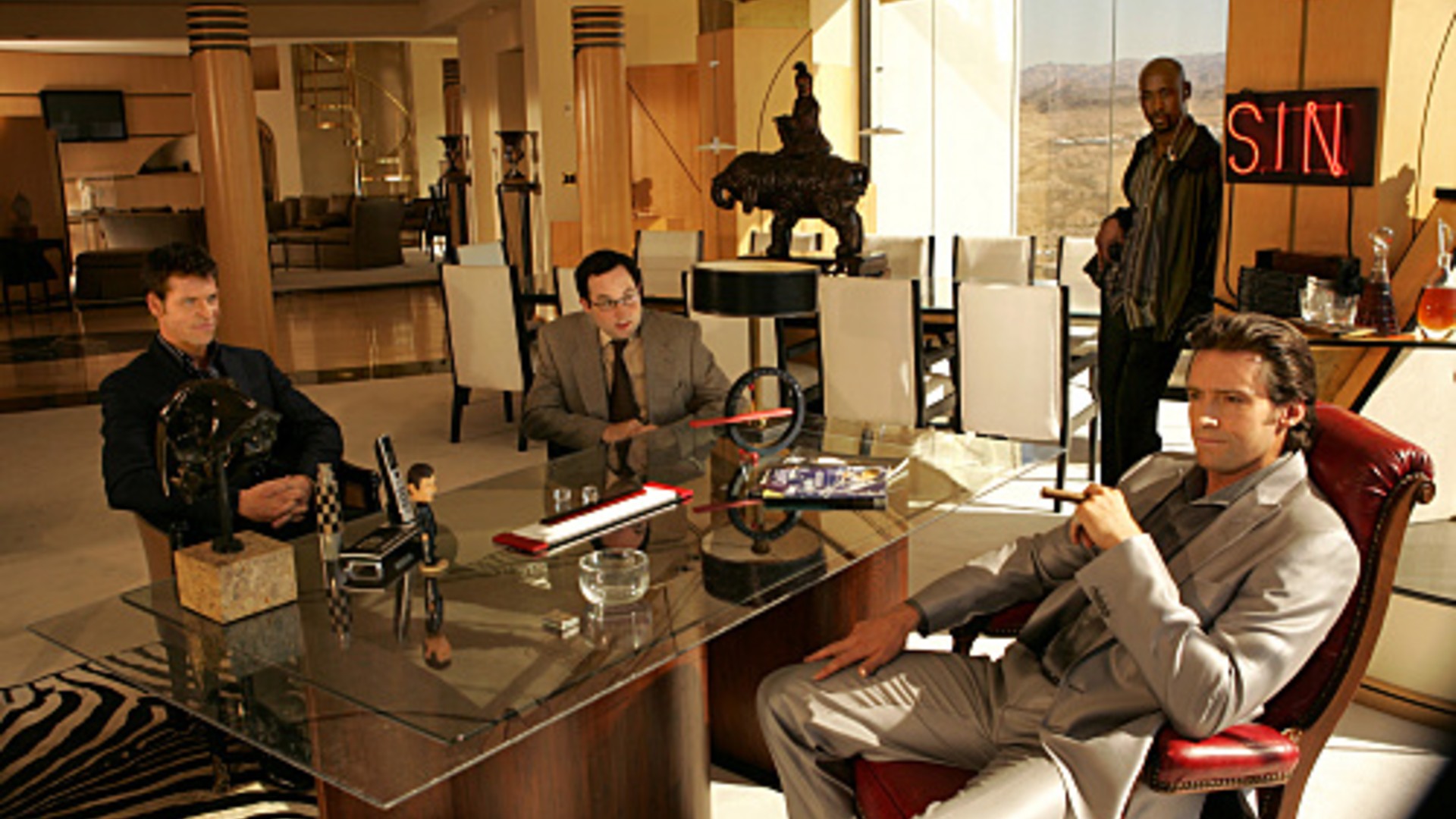
4. Viva Laughlin (2007)
CBS promoted Viva Laughlin as a bold musical drama, with Hugh Jackman both starring and producing. The show centered on a Nevada businessman whose life and troubles unfolded through musical numbers. Viewers and critics found the concept confusing and tonally off, calling it “wrongheaded” rather than inventive. Despite heavy marketing, audiences tuned out almost immediately. The network canceled the series after just two episodes.
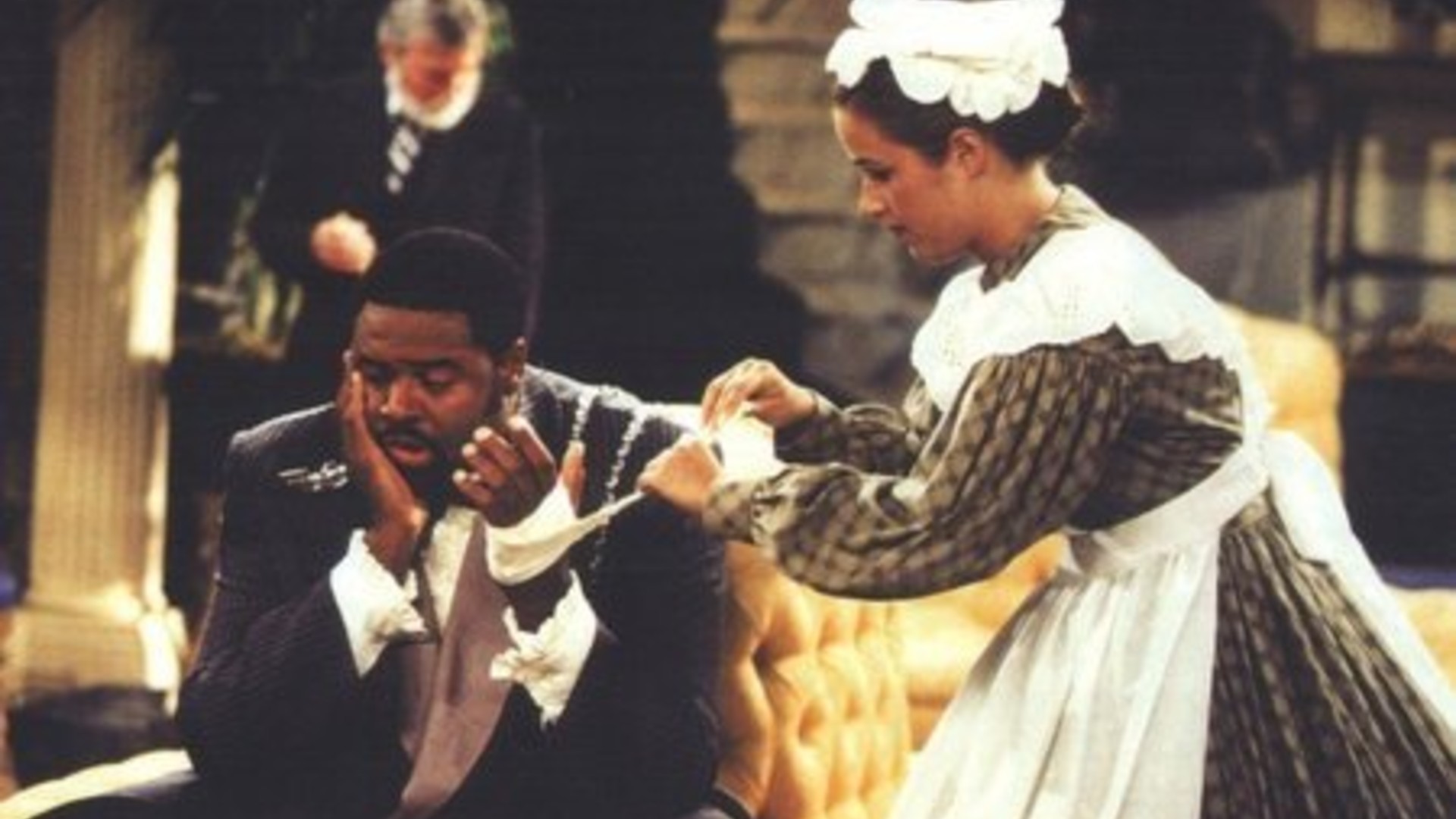
3. The Secret Diary of Desmond Pfeiffer (1998)
This UPN sitcom followed a Black English nobleman who becomes Abraham Lincoln’s valet during the Civil War. Even before its premiere, it sparked outrage for trivializing slavery and race relations. Critics condemned its tasteless humor and historical insensitivity. Ratings plummeted after a disastrous debut, and public backlash forced the network to cancel it swiftly. Only four episodes aired, sealing its reputation as one of television’s most ill-conceived comedies.
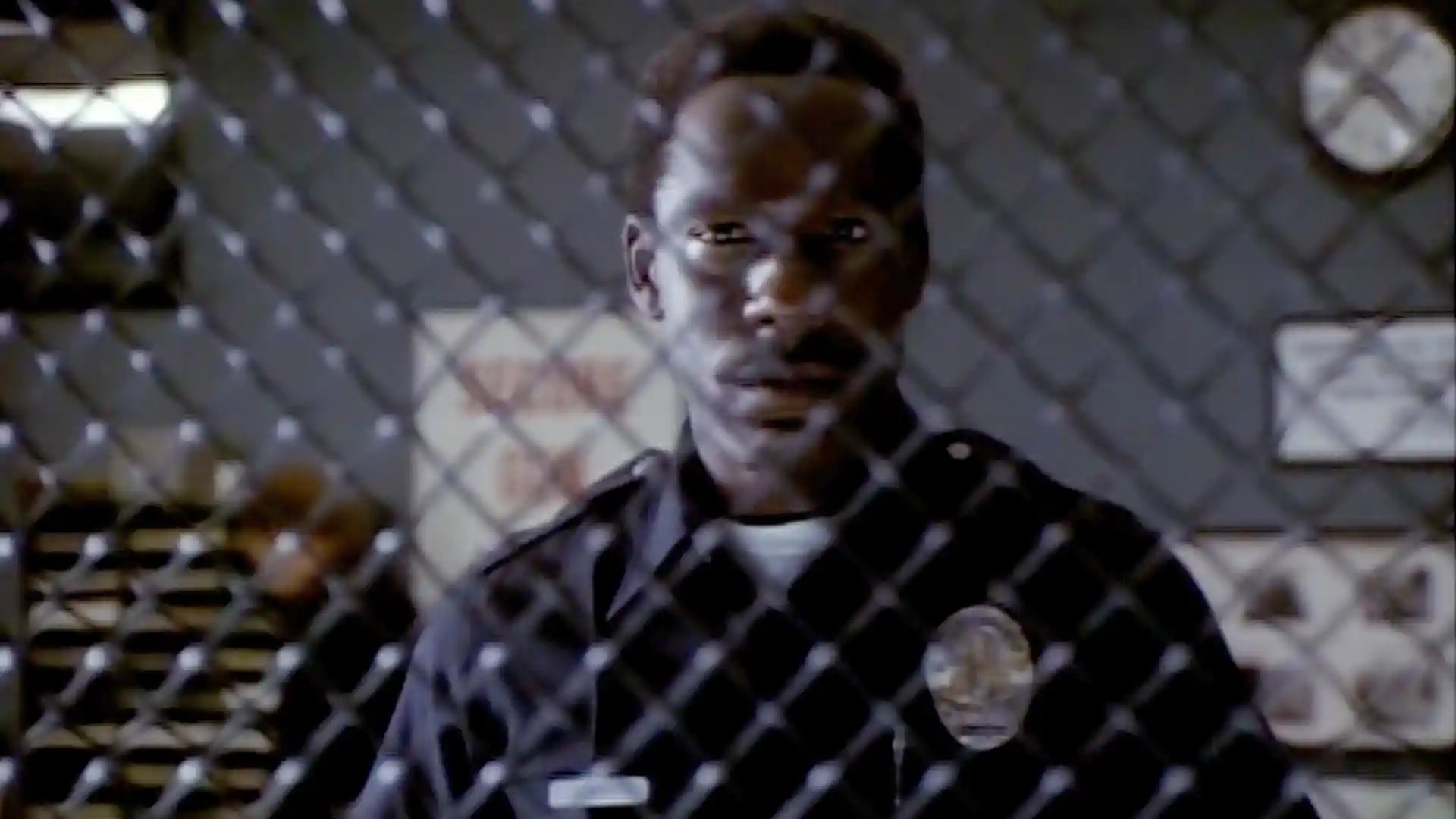
2. Cop Rock (1990)
Created by Steven Bochco, Cop Rock attempted to merge a police procedural with a musical, where officers and suspects broke into song amid investigations. Its strange blend of gritty storytelling and upbeat performances alienated viewers and critics. Each episode cost nearly $2 million, yet the concept was seen as unintentionally comical rather than innovative. The tonal confusion left audiences uncertain whether to take it seriously or laugh. It was pulled from the schedule after only eleven episodes.
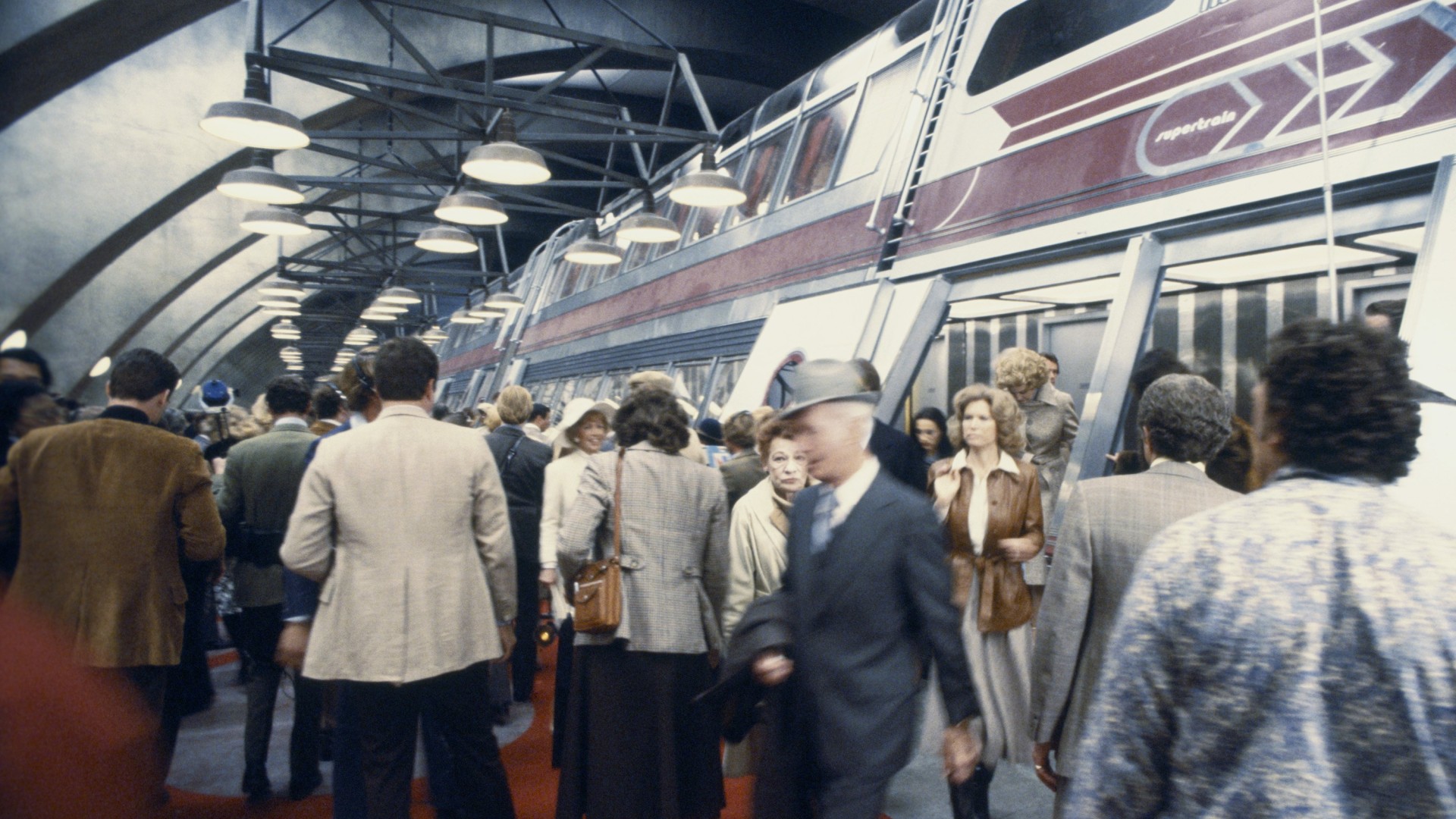
1. Supertrain (1979)
Supertrain was an ambitious NBC drama about a luxurious, nuclear-powered train crossing America, featuring rotating guest stars in Love Boat-style storylines. Despite its grand premise, the production’s massive cost and unconvincing visual effects drew ridicule. It became the most expensive U.S. TV show of its time, yet its execution failed to match its scale. Poor reception and disastrous finances led NBC to cancel it after only three months, nearly driving the network to bankruptcy. The show remains one of television’s most significant financial failures.