10 Times MCU Plots Made Absolutely No Sense
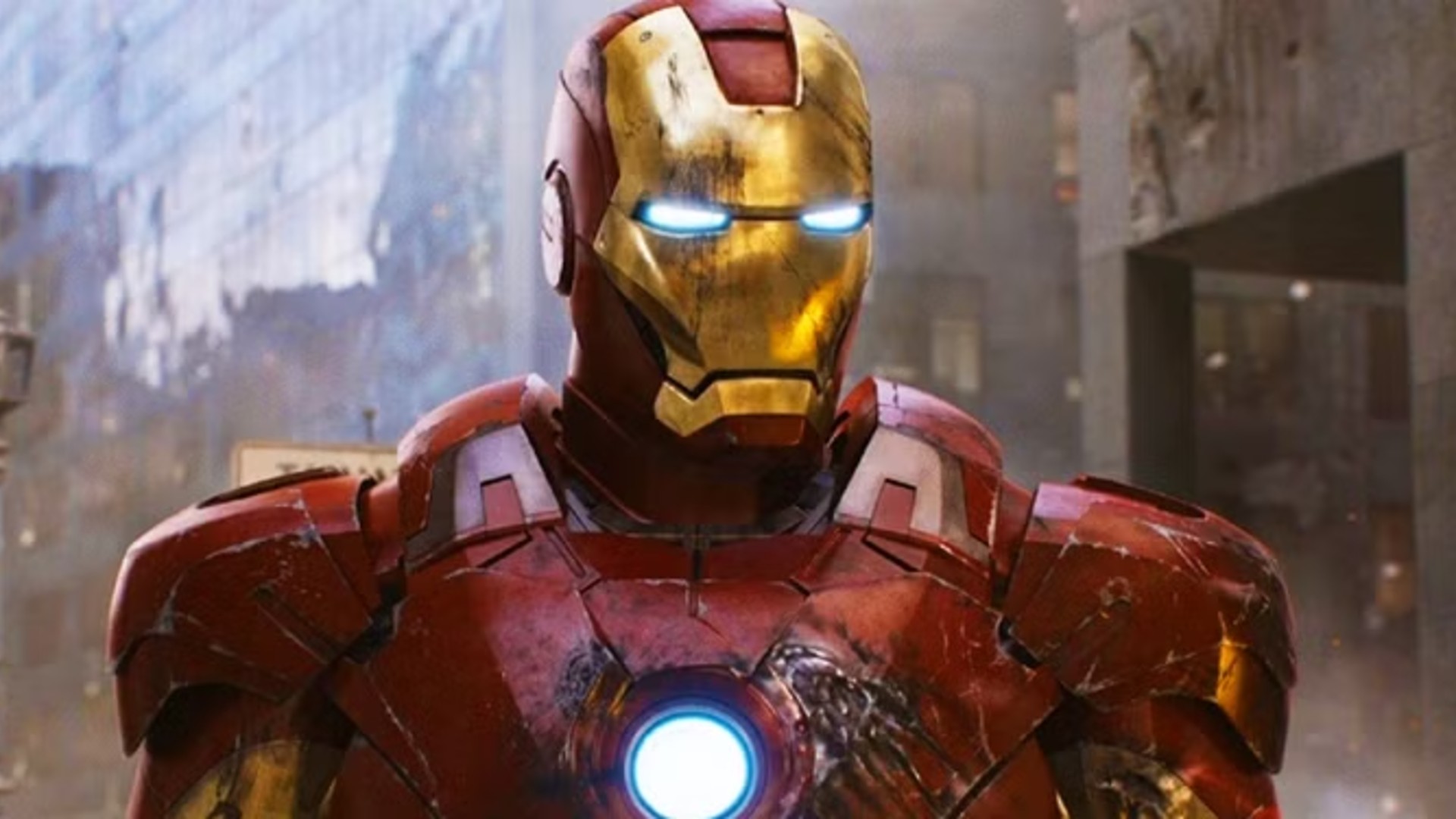
10. Tony Stark's Recklessness (Iron Man 3)
We watch Tony publicly reveal his home address, and it instantly feels jarring. You can’t help but think, “Would Tony really do this so carelessly?” The choice is made purely for drama, but it undermines his usual cleverness. We feel tension, yet it’s paired with disbelief. On reflection, it’s a moment where storytelling overrides character logic.
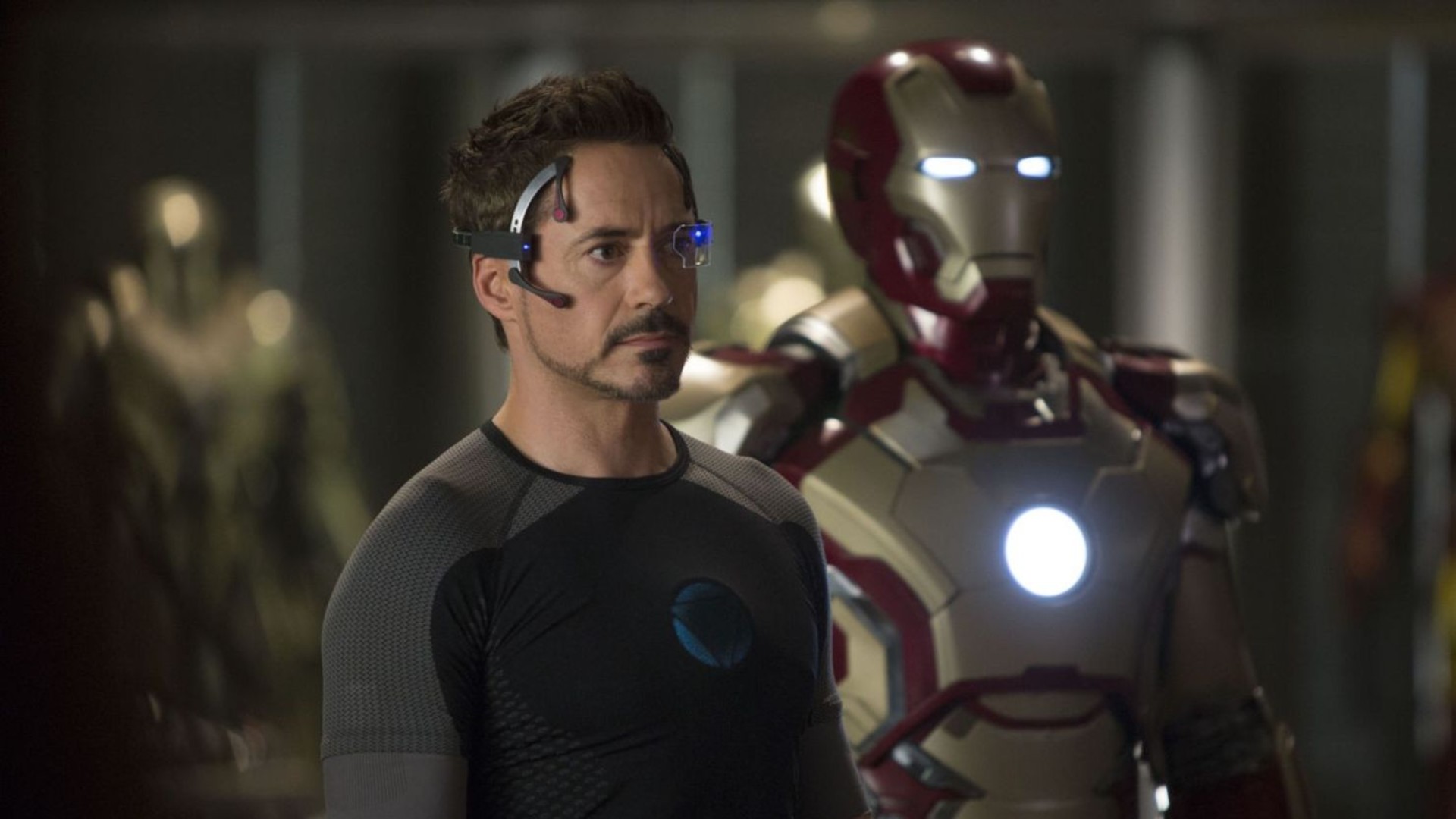
9. Tony Creates a New Element (Iron Man 2)
We see Tony synthesize a completely new element almost instantly, and it’s hard not to pause. You feel impressed but also skeptical; the timeline for such a feat seems impossibly short. It breaks the sense of realism even in a world of super-science. We’re reminded that sometimes the story demands genius over plausibility. It’s thrilling but a little too convenient.
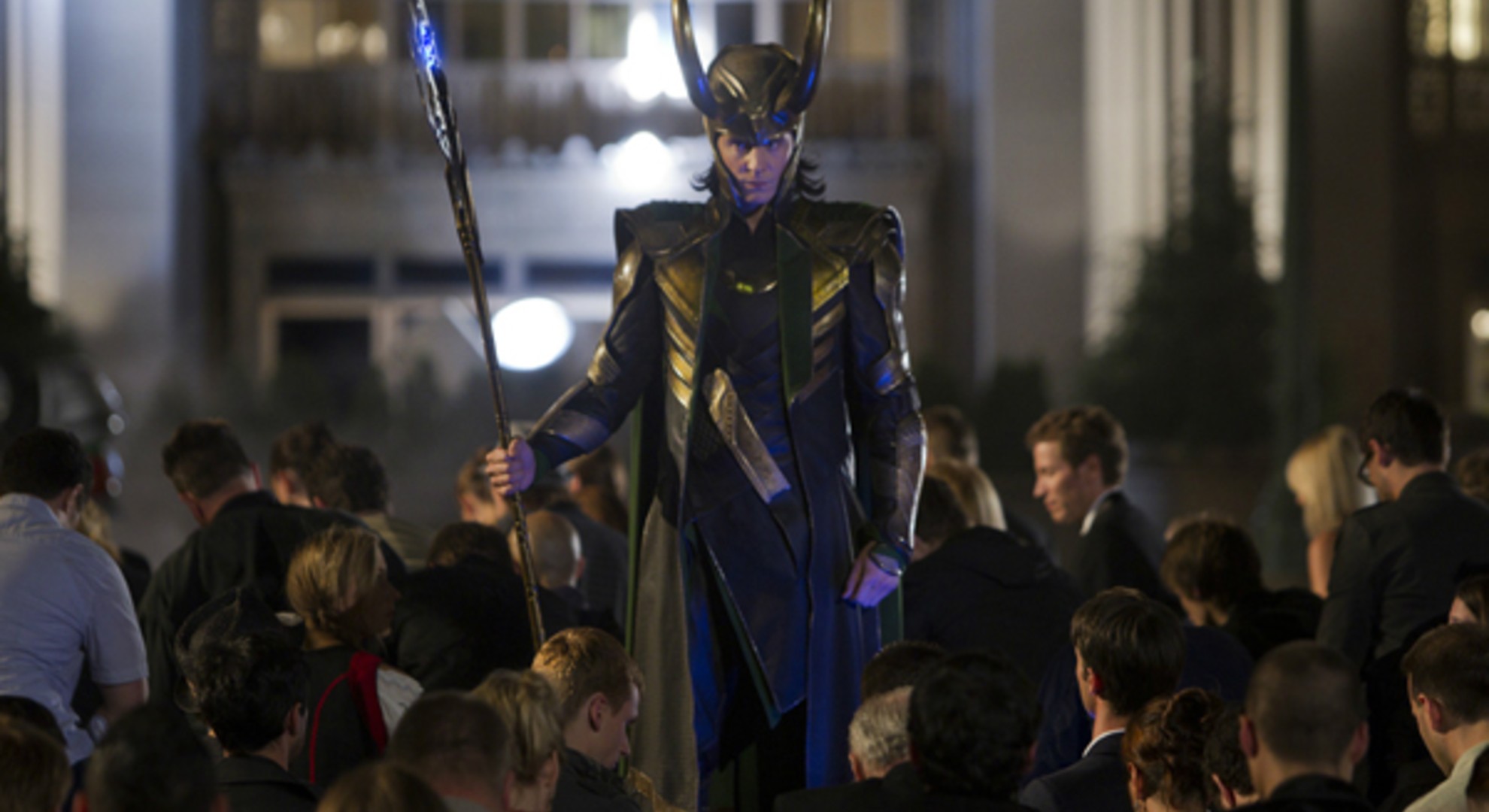
8. Loki Arrives with the Mind Stone (The Avengers)
We watch Thanos willingly give Loki the Mind Stone to conquer Earth, and it feels counterproductive. You can’t help but question his strategy; why hand over a powerful weapon that could be used against him later? It’s a decision that seems to sacrifice logic for narrative speed. We feel the tension, but the logic gap lingers. It’s one of those moments where the plan is more cinematic than strategic.
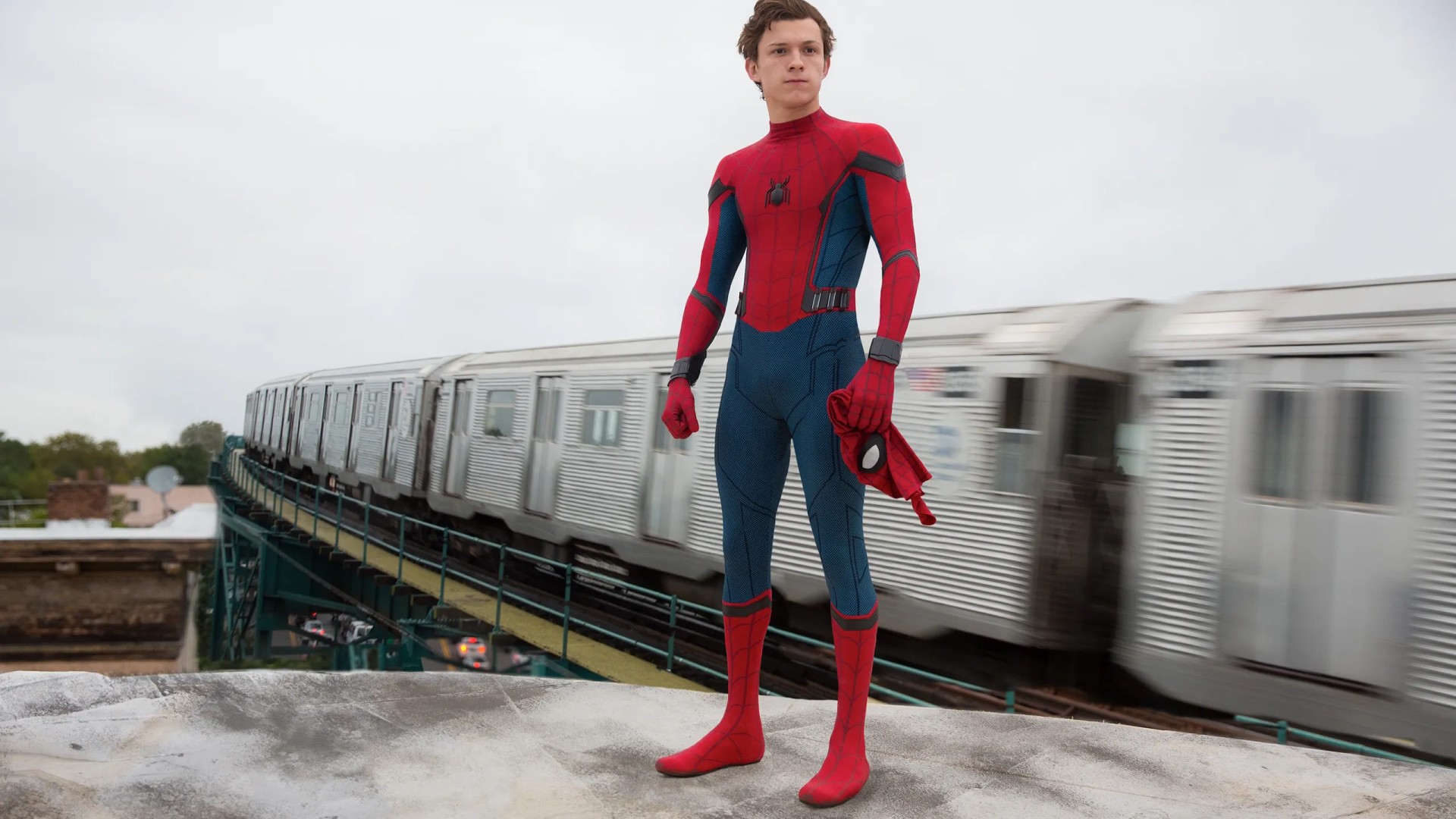
7. Timeline Confusion (Spider-Man: Homecoming)
We read “8 years later” after The Avengers and immediately do the math. You realize the timeline doesn’t add up, leaving a gap that’s impossible to reconcile. We feel pulled out of the story because the chronology seems off. Small details like this can confuse even the most attentive fans. It’s a rare slip in otherwise careful continuity.
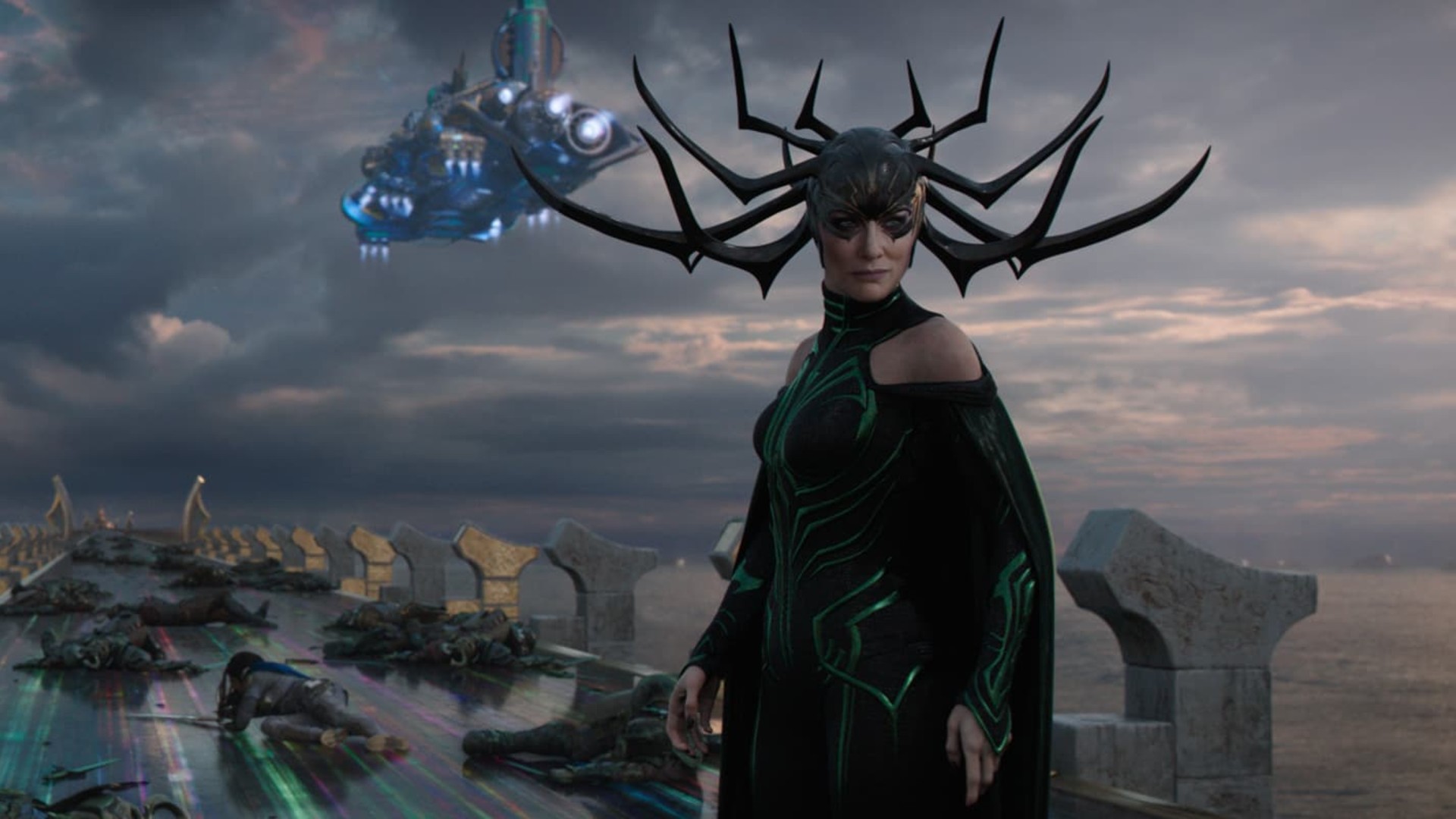
6. The Fake Infinity Gauntlet (Thor)
We watch Hela dismiss the Gauntlet in Odin’s vault as fake, and it looks identical to the real one. You can’t help but wonder, “How did Odin even get this, and why hide it?” The scene raises more questions than it answers. We feel curiosity and mild frustration. It’s a continuity wrinkle that leaves the audience guessing.
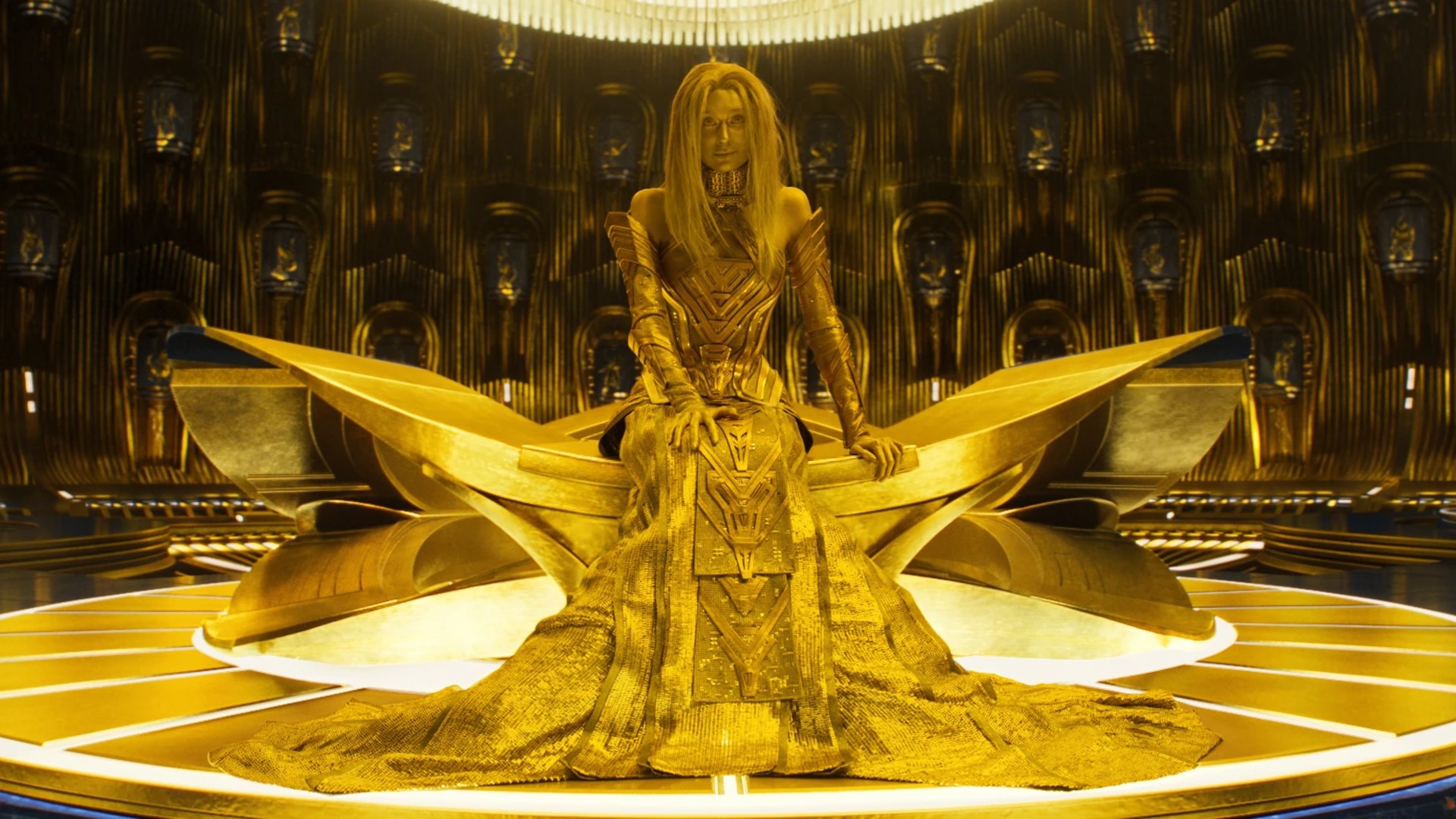
5. Ayesha’s Over-the-Top Revenge (Guardians of the Galaxy Vol. 2)
We see Ayesha, ruler of the Sovereign, send only a single ship against the Guardians. You notice she clearly has far greater resources, but doesn’t use them. It feels illogical given her intelligence and power. We’re left scratching our heads while enjoying the action. It’s a rare case where dramatic pacing outweighs realism.
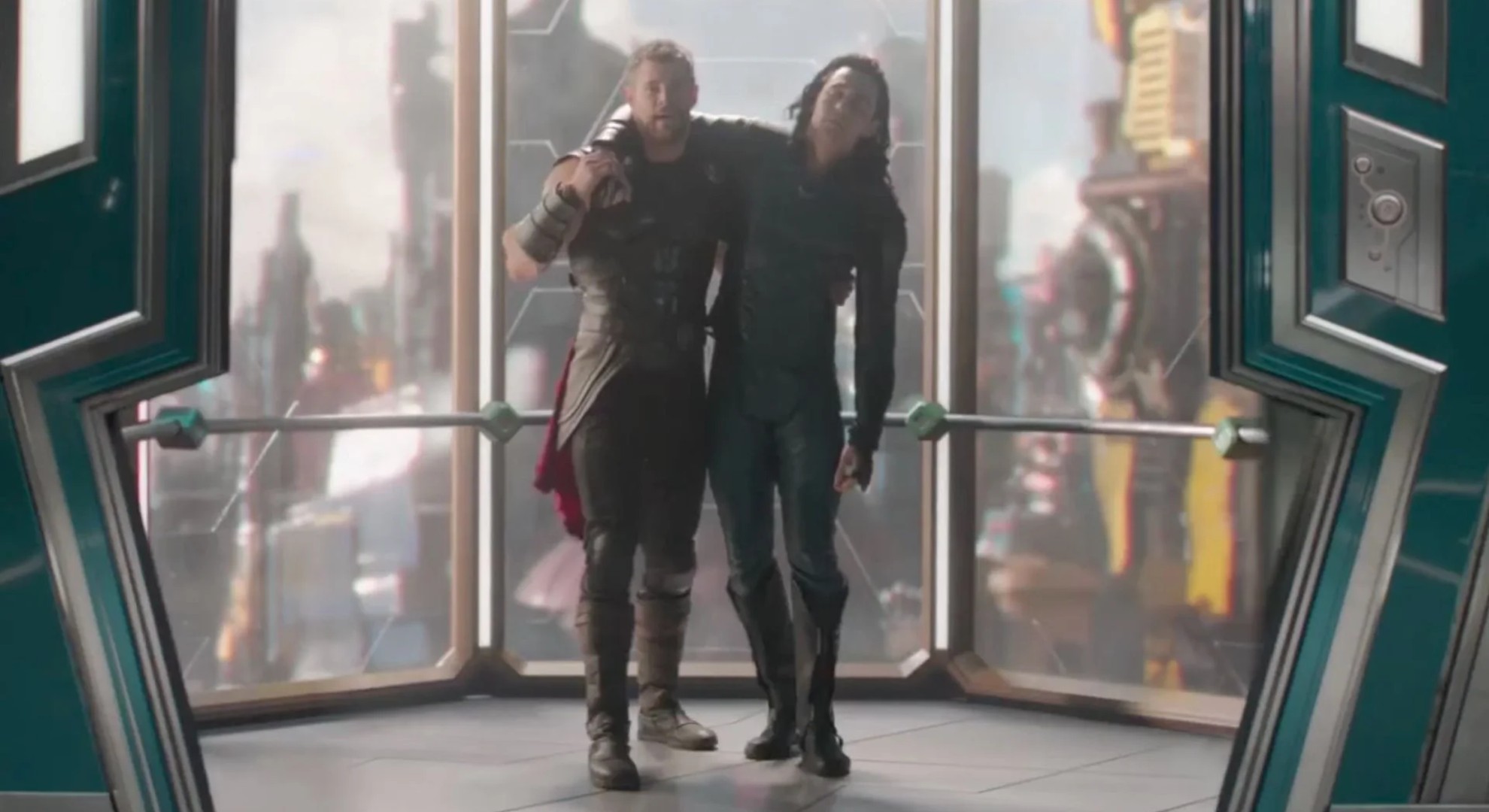
4. Thor’s Weakness to Loki’s Manipulation (Thor / Avengers)
We watch Thor fall for Loki’s schemes repeatedly, despite all past betrayals. You feel frustrated because he should know better by now. Yet we also empathize with the family and loyalty cloud his judgment. The moments are believable emotionally, but they stretch logic. It’s a reminder that even heroes have blind spots.
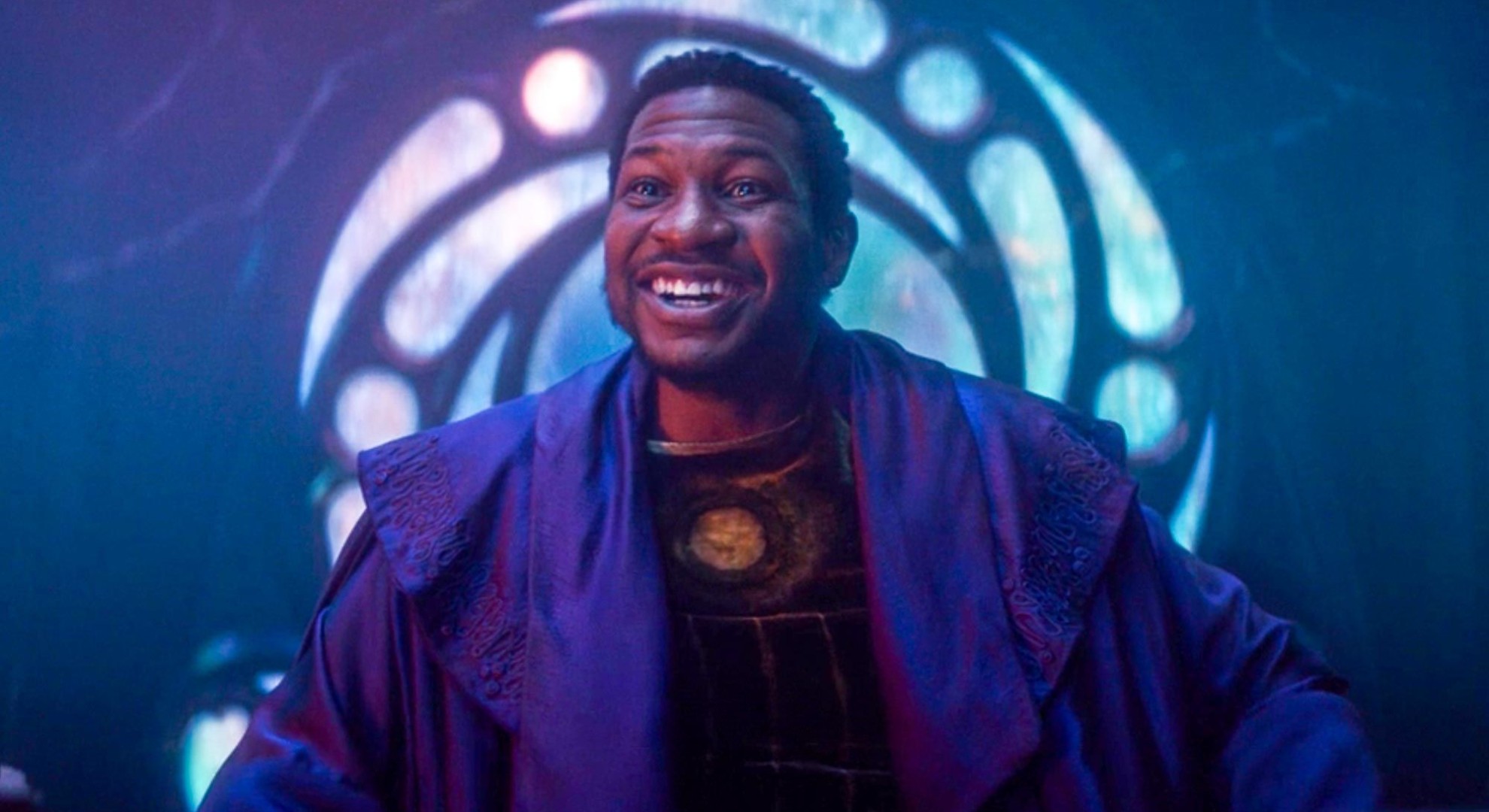
3. The Fate of Multiverse Villains
We see pruned variants like Kang’s timeline duplicates acting dangerously, and it’s confusing. You start asking how they can affect the main timeline if they were erased. We feel tension, but the rules of time travel aren’t clearly defined. It leaves us thinking about the mechanics more than the story. Marvel asks us to accept chaos in the service of spectacle.
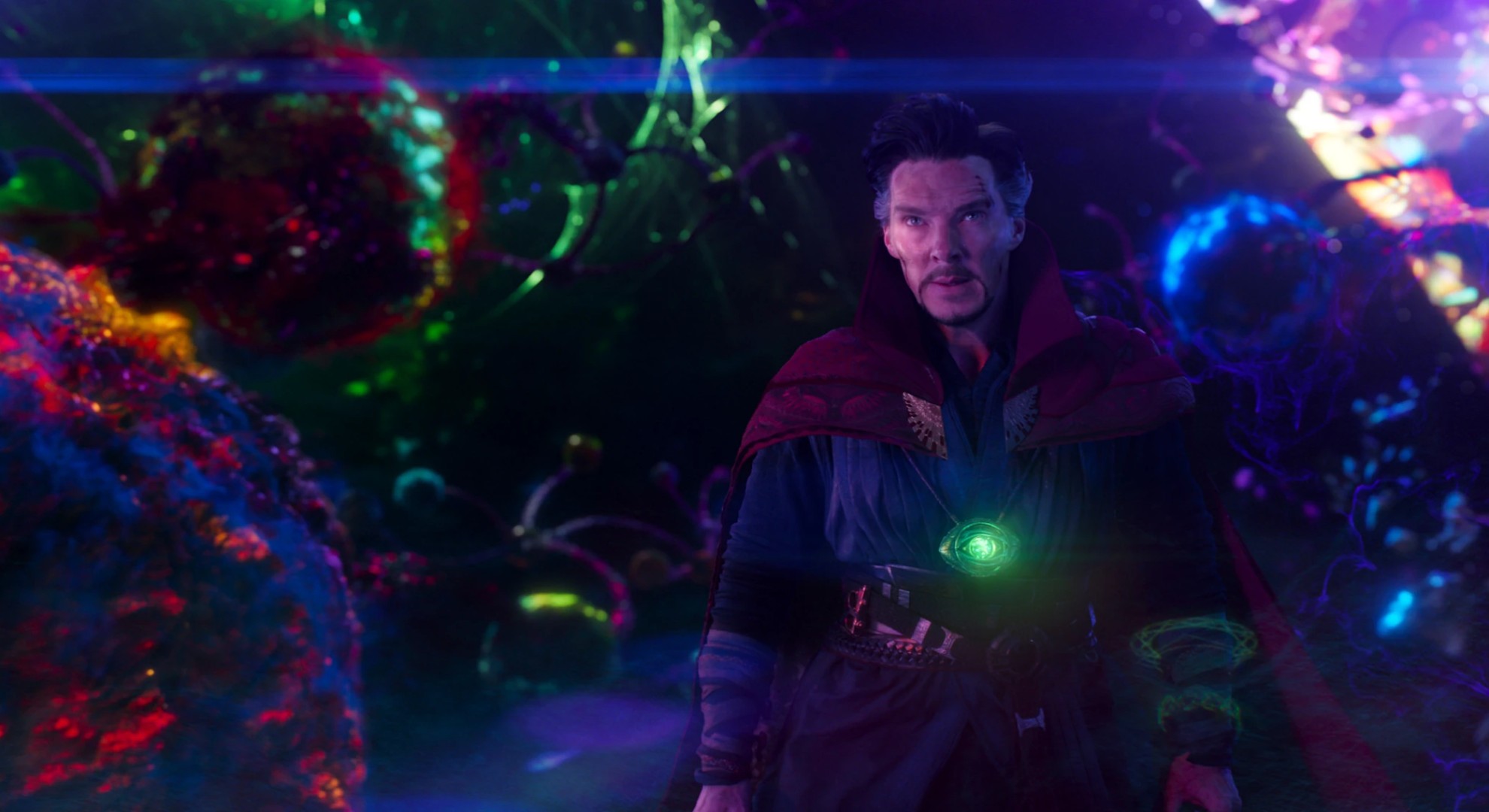
2. Strange’s “Perfect” Plan in Endgame
We remember Strange’s “one” path in Infinity War and rewatch Endgame, hoping for clarity. You notice the plan unfolds messily, relying on improvisation more than the perfect foresight promised. We feel both awe and frustration. The story works dramatically, but logically it seems convoluted. It’s a rare moment where the narrative bends for surprise.
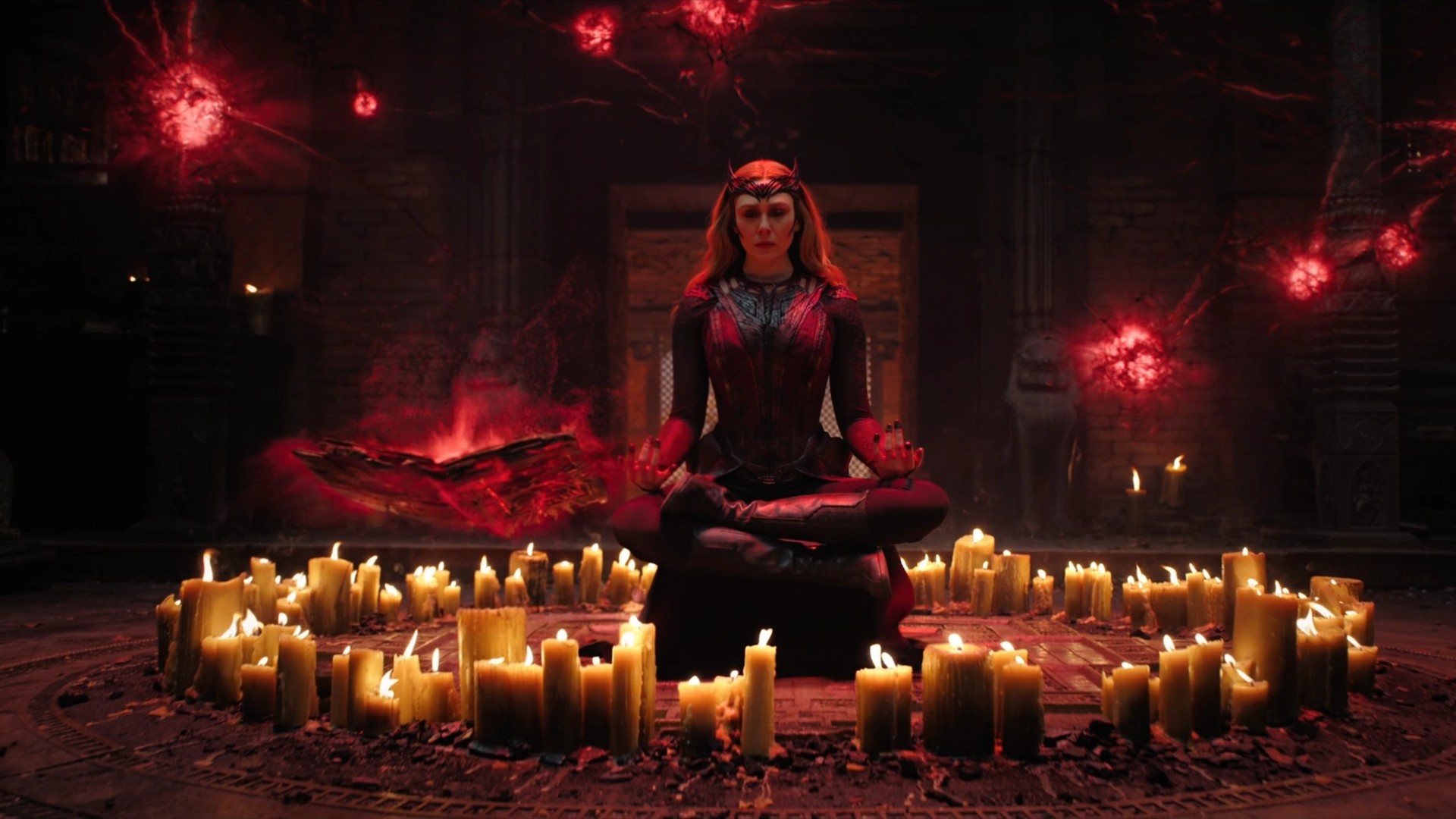
1. The “Dangerous Books” Left Out
We see artifacts like the Darkhold casually left lying around. You can’t help but think, “Wouldn’t someone steal this?” The carelessness strains credibility in a universe usually meticulous about power. We feel curiosity and mild disbelief simultaneously. It’s a subtle, recurring inconsistency that sparks fan debates.