10 Times Marvel’s Visual Effects Looked Like a PS2 Game
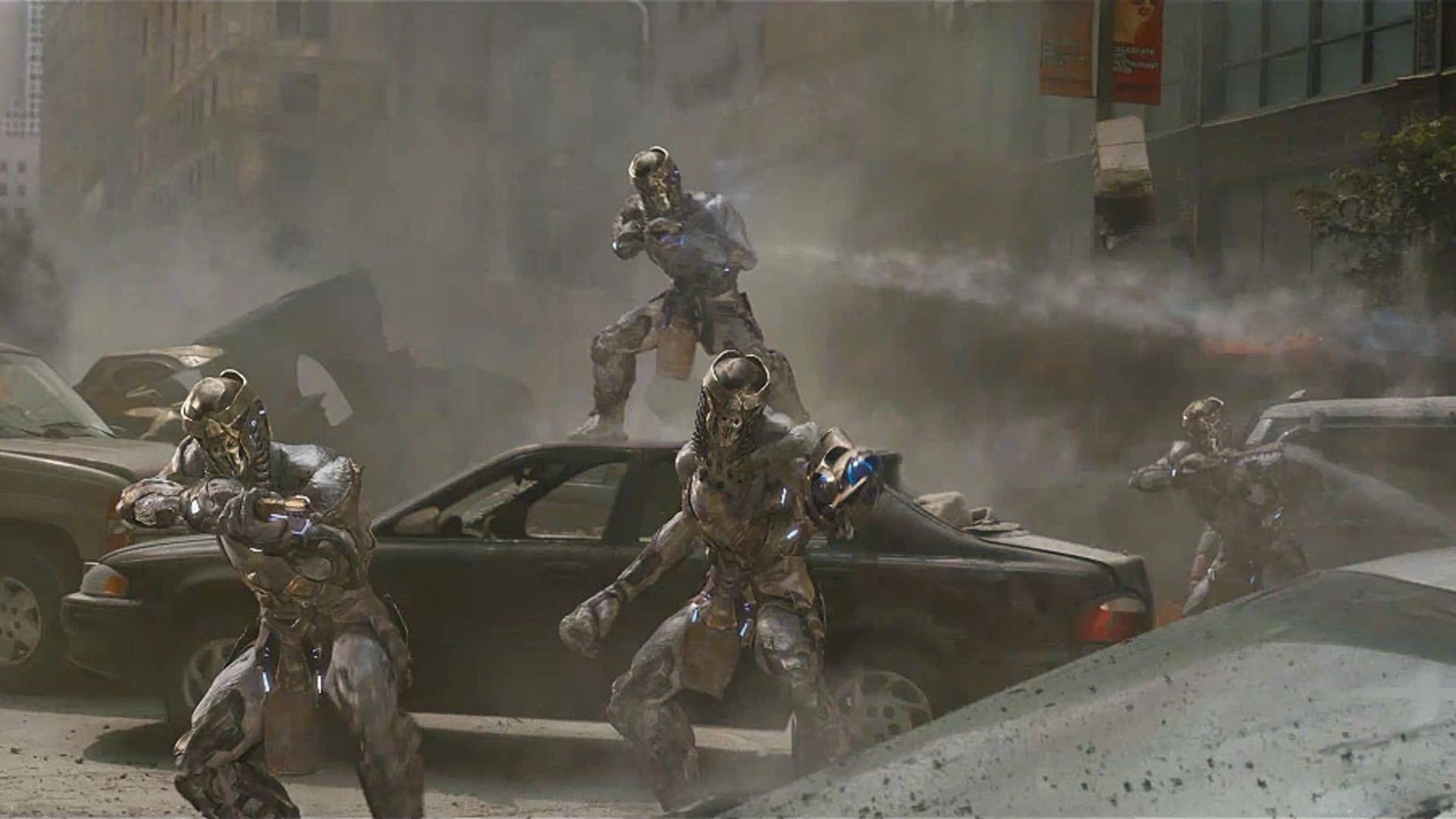
10. The Chitauri Army (The Avengers)
The Chitauri were designed to populate the screen in massive numbers during the Battle of New York, which required simplified models to meet production demands. While effective at the time, modern high-resolution displays reveal the lack of fine detail in their armor and movement. The emphasis on scale over refinement becomes more noticeable with repeat viewings.

9. Najma’s Clandestine Demise (Ms. Marvel, 2022)
In Ms. Marvel, Najma, the leader of the Clandestines, comes to the realization that reopening the Veil of Noor would destroy Earth. In a sudden act of sacrifice, she chooses to close the rift herself, giving her life to save her son, Kamran. While the moment is meant to be emotionally resonant, the visual execution undermines its impact. As Najma is absorbed by the portal, her body crystallizes, briefly reveals a glowing digital skeleton, and then disintegrates into dust. The skeletal textures appear flat and artificial, and the shattering effect lacks convincing weight or lighting, making the sequence feel visually unfinished rather than tragic. Many viewers compared the effect to outdated video game graphics, noting that the debris resembled digital noise rather than tangible matter. This visual style also clashes with the show’s tonal progression.

8. Goose in Zero Gravity (Captain Marvel)
Animating realistic fur remains one of the most challenging tasks in visual effects. When Goose floats in zero gravity, the lack of responsive fur movement makes the character appear rigid. This was likely the result of limited time and resources allocated to fur physics, which require extensive simulation work to look convincing.
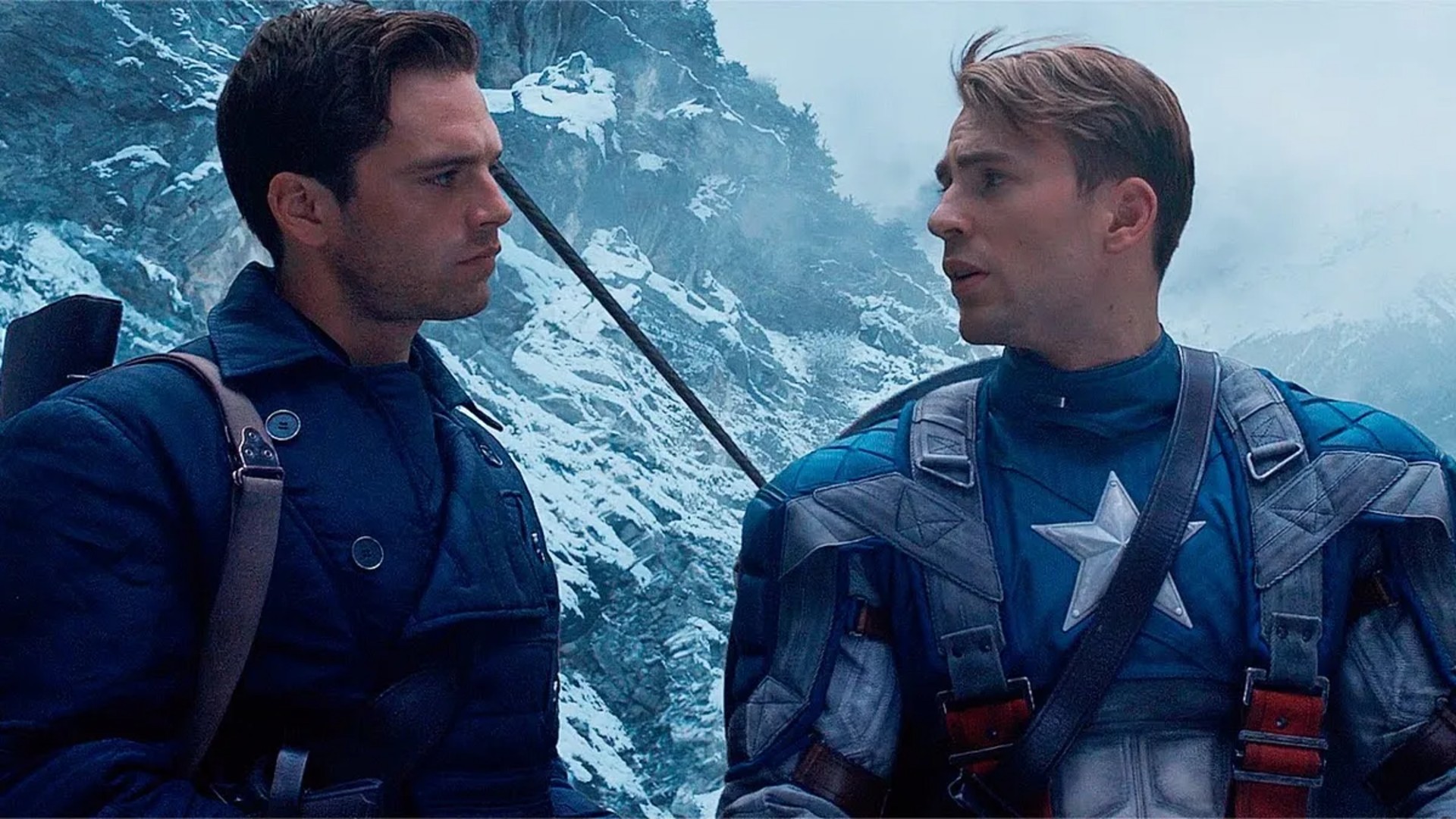
7. Bucky Barnes’ Fall (Captain America: The First Avenger)
Bucky’s fall from the train reflects the technical limitations of Marvel’s early visual effects pipeline. At the time, blending live-action performances with expansive digital environments was still developing, and the studio’s resources were more limited than in later phases. As a result, the scene lacks the seamless integration seen in later MCU films.
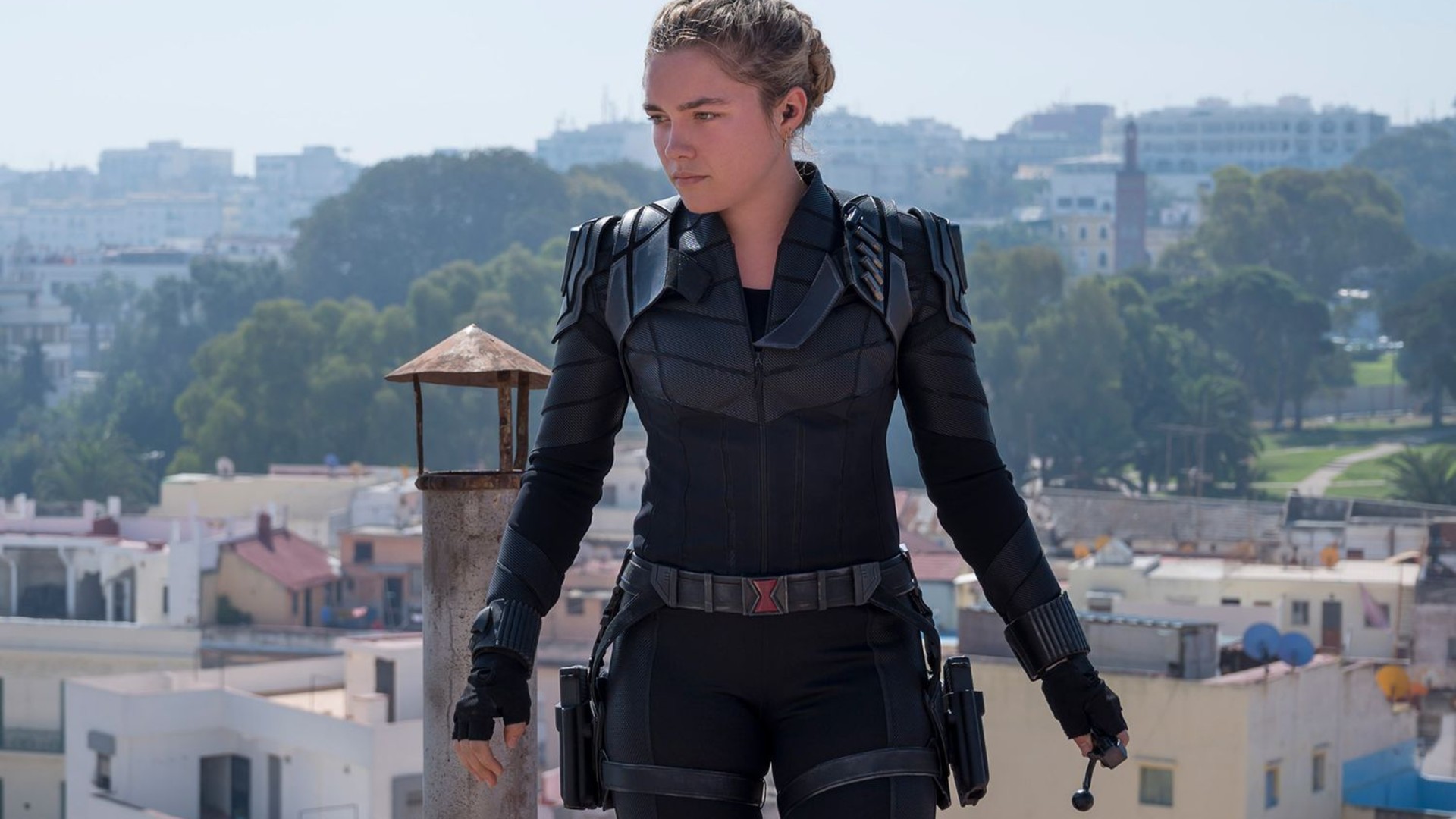
6. Yelena’s Helicarrier Explosion (Black Widow)
During the film’s climax, Yelena Belova destroys a turbine while falling through the sky, but the digital environment surrounding her lacks depth and realism. The lighting on her face does not fully match the bright, chaotic setting, making the green-screen elements more noticeable. This sequence was part of a heavily revised third act. The original ending was reportedly more grounded, but the decision to pursue a large-scale aerial finale required extensive digital environments to be created on a compressed timeline, leading to visible inconsistencies.
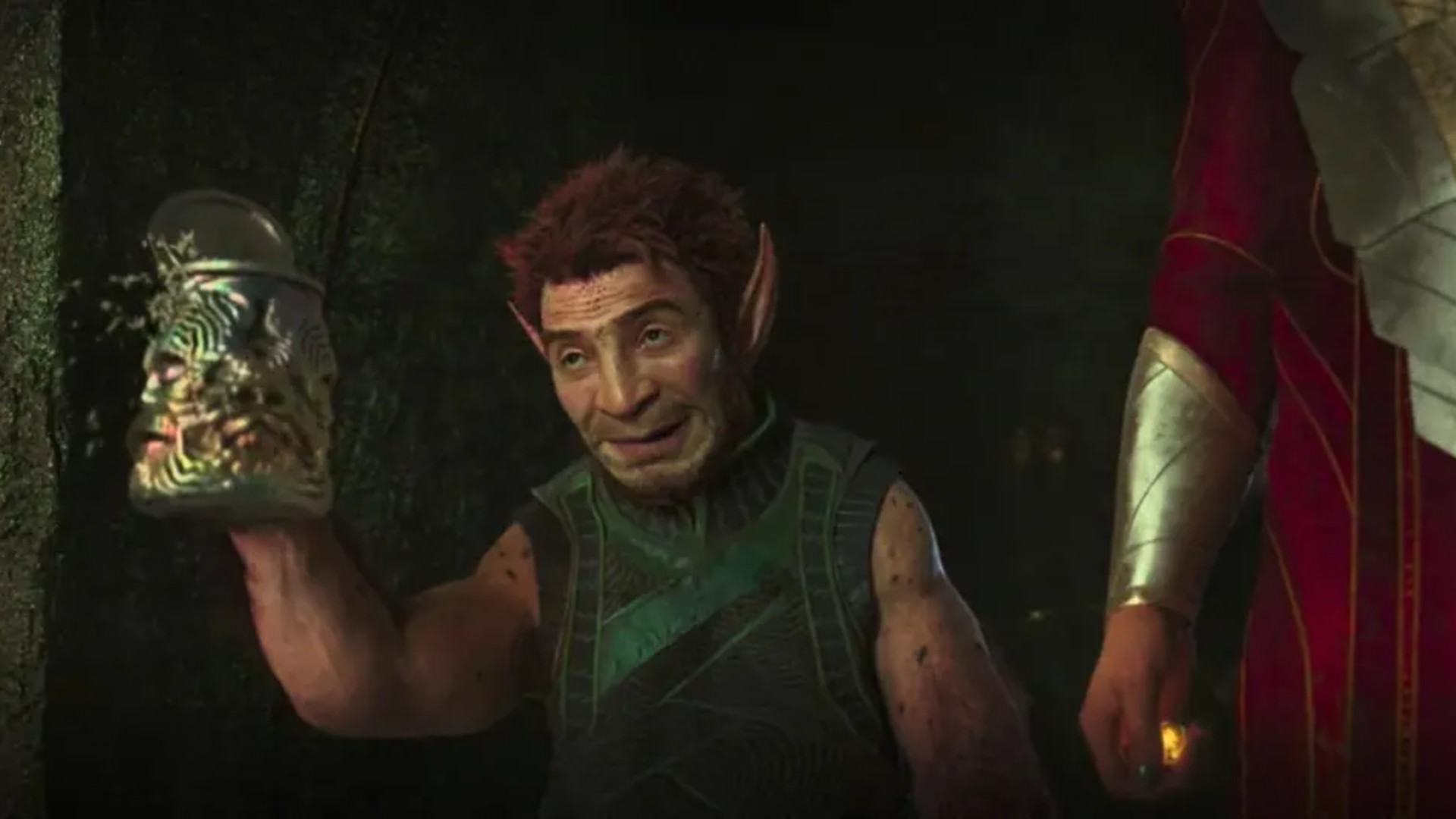
5. Pip the Troll (Eternals)
Pip the Troll’s appearance in the post-credit scene of Eternals stood out negatively against the otherwise grounded visual environment. The character appeared stiff, with limited animation and underdeveloped textures. This can be attributed to the nature of post-credit scenes, which are often completed near the end of production. Director Chloé Zhao confirmed that Pip was a late addition, and because he required full motion capture and complex rendering, the rushed schedule resulted in a less polished final appearance.
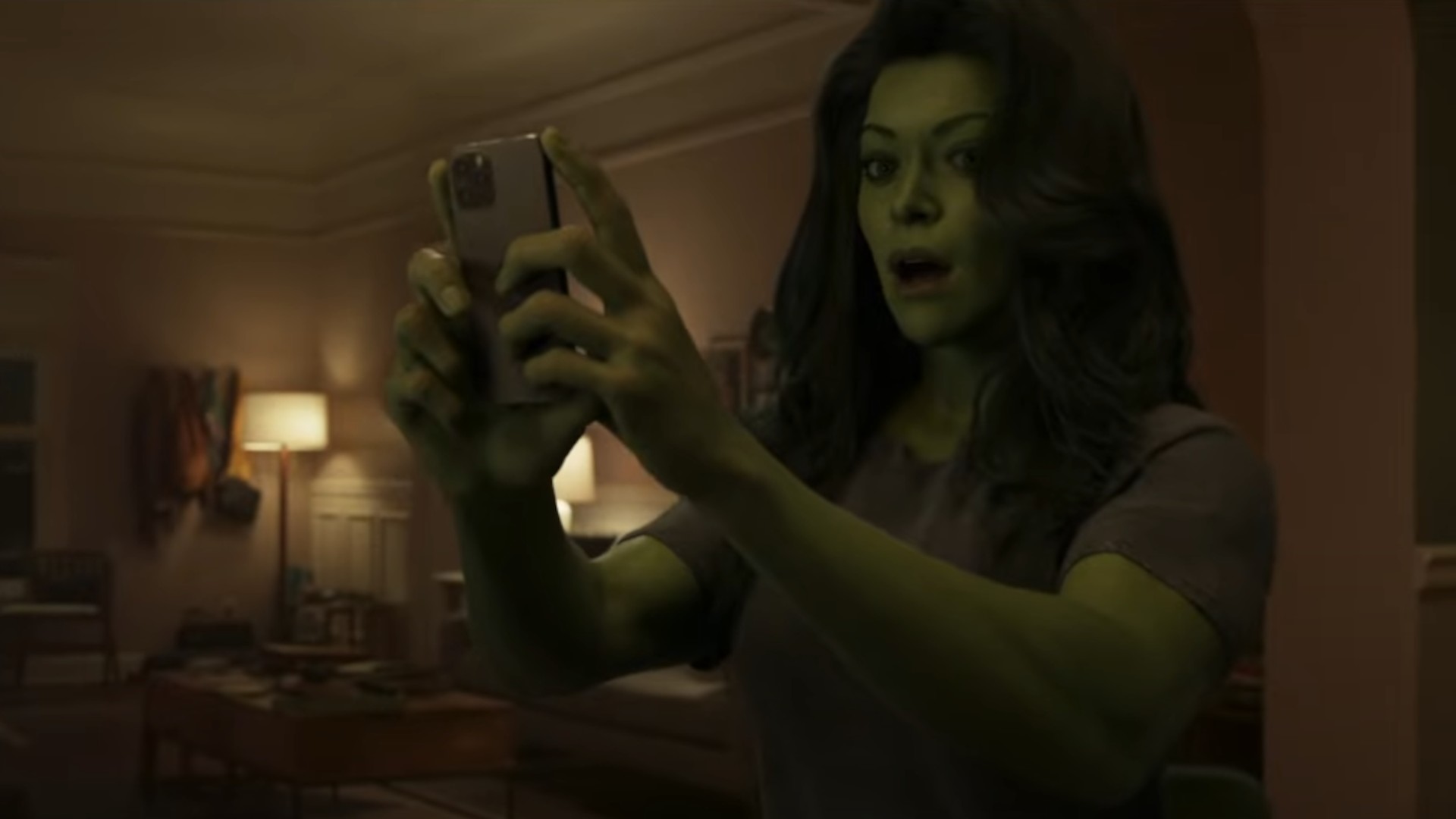
4. The Early Trailer for She-Hulk: Attorney at Law
The first trailer for She-Hulk: Attorney at Law drew significant attention due to the unfinished appearance of Jennifer Walters’ digital character. Her skin texture and facial movement appeared flat and unnatural, creating an uncanny effect. This was largely the result of unfinished visual effects being used for marketing purposes. The series required an unusually high volume of detailed CGI for a television schedule, and She-Hulk’s human-like proportions made even minor flaws more noticeable. The final episodes showed substantial improvement, but the trailer remains an example of how early marketing can shape public perception.
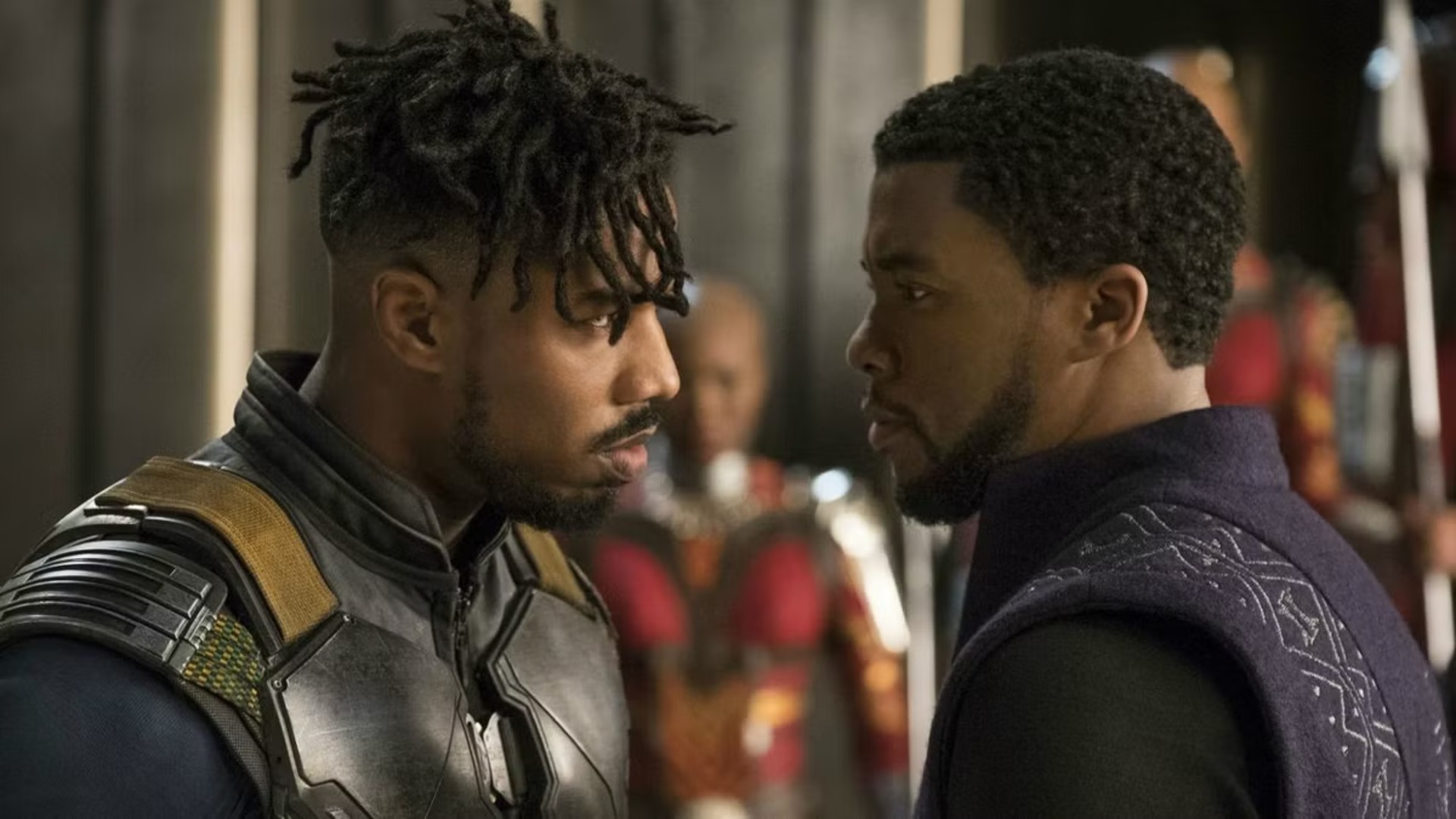
3. Black Panther vs. Killmonger (Black Panther)
The climactic battle between T’Challa and Killmonger in the vibranium mines is often criticized for its video game-like appearance. Both characters transition into digital doubles with overly smooth textures and weightless movement, diminishing the sense of physical impact. According to visual effects supervisors, this sequence suffered from severe time constraints. Marvel expanded the large-scale surface battle late in production, diverting resources away from the underground fight. The effects studio responsible for the mine sequence was brought in very late and had only weeks to complete an extremely complex scene, leading to the uneven final result.
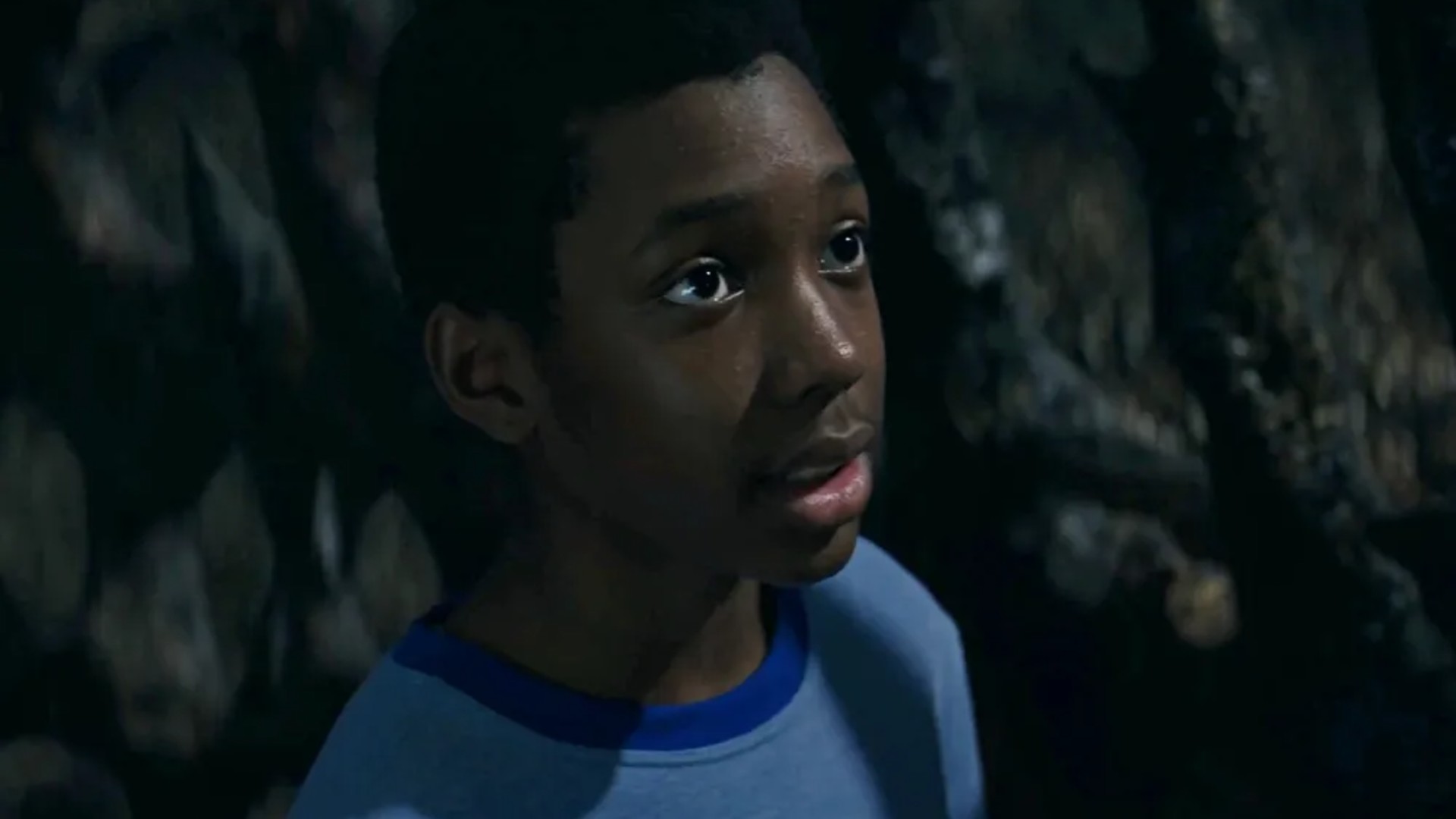
2. Axl’s Astral Message (Thor: Love and Thunder)
When Heimdall’s son Axl projects his head to communicate with Thor, the effect resembles a low-resolution digital overlay rather than a convincing three-dimensional projection. The edges of the image appear soft, and the lighting does not match the surrounding environment, making the effect feel visually detached from the scene. This sequence was added late during reshoots, and actor Kieron L. Dyer filmed his portion alone with minimal equipment. Because the scene was not part of the original production plan, the visual effects team had limited time to fully integrate the projection into the environment. Marvel later improved the effect for the Disney+ release, though the original version remains widely discussed.
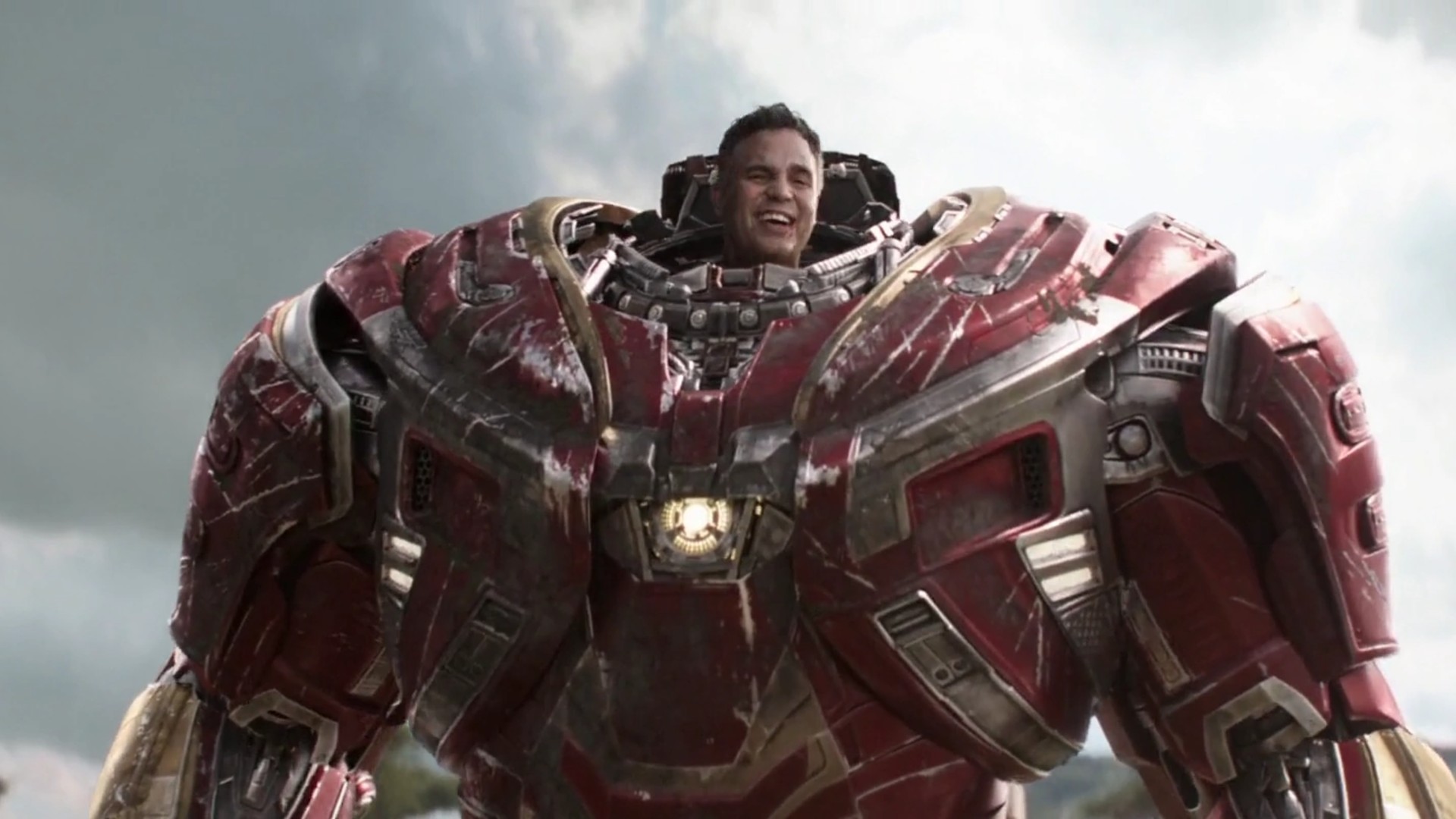
1. Bruce Banner in the Hulkbuster (Avengers: Infinity War)
One of the most criticized visual effects moments in the Marvel Cinematic Universe occurs whenever Bruce Banner opens the Hulkbuster helmet during the Wakanda battle. Banner’s head appears visually disconnected from the armor, with mismatched lighting and physics that make it seem artificially placed rather than naturally integrated. Behind the scenes, this issue is widely believed to stem from a late narrative change. Early plans, supported by promotional merchandise, indicated that the Hulk would emerge from the armor during the battle. When Marvel chose instead to save the “Smart Hulk” reveal for Avengers: Endgame, visual effects artists had to rapidly composite Mark Ruffalo’s performance onto pre-existing shots of the armor, resulting in a noticeably awkward final image.