10 times Hollywood actors overstepped
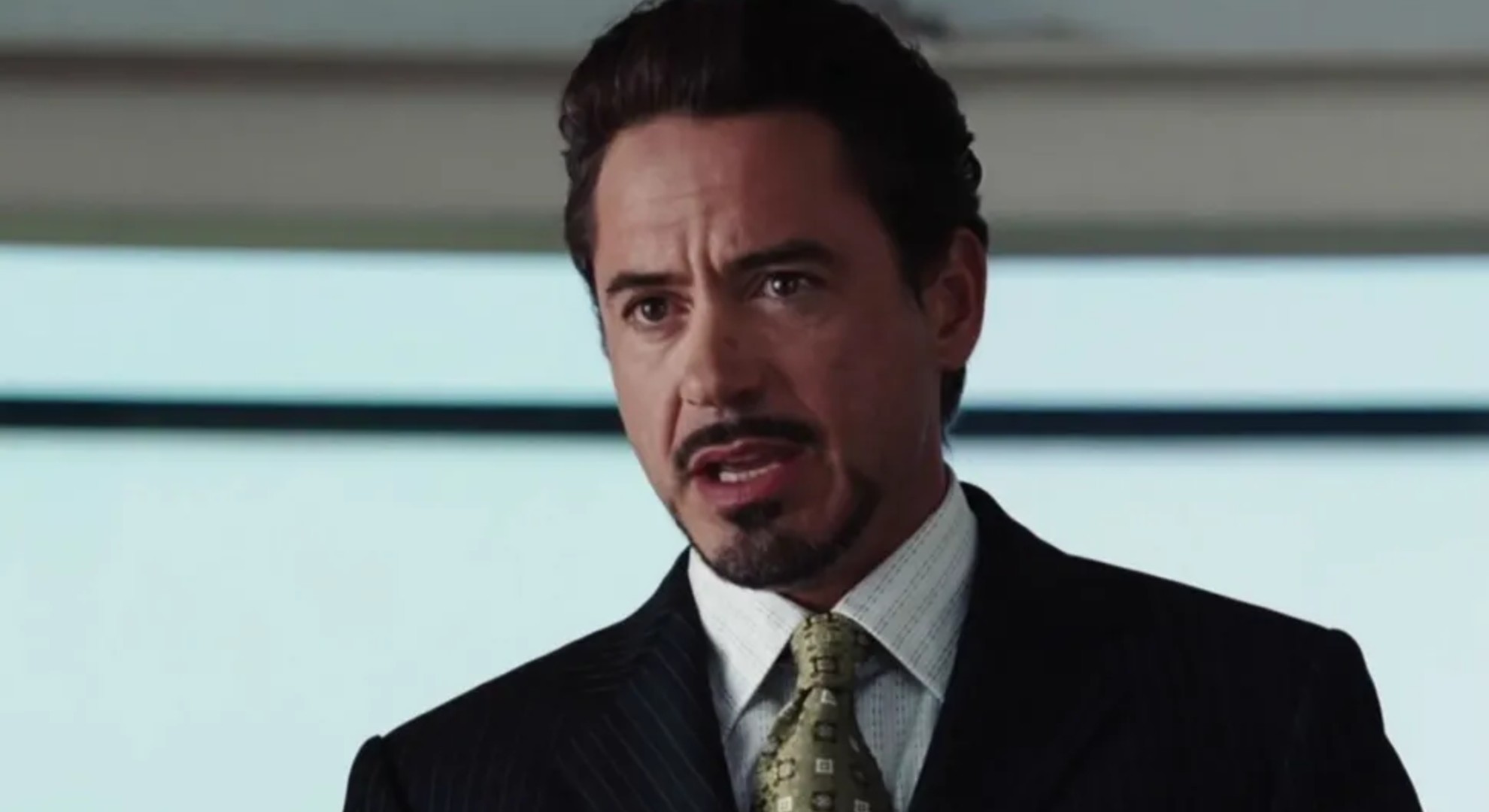
10. Robert Downey Jr.
In 2015, Robert Downey Jr. provided a viral masterclass in setting boundaries during a junket interview with Krishnan Guru-Murthy. When the interviewer pivoted away from the film to ask increasingly invasive questions about RDJ’s "dark periods," susbtance use, and relationship with his father, the actor abruptly walked out. He later famously remarked, "I'm an actor... what am I doing? I'm an adult man, and I'm being interviewed by a 'shmuck' who is bringing up my past." This moment marked a shift in how celebrities handle the "press gauntlet." It was a public refusal to participate in the "trauma-mining" that often characterizes modern journalism. Downey Jr.’s stance was widely supported by fans, signaling that an actor’s past struggles are not "fair game" just because they are promoting a movie. It reinforced the idea that an actor owes the public a performance, but they do not owe them their soul or their trauma.
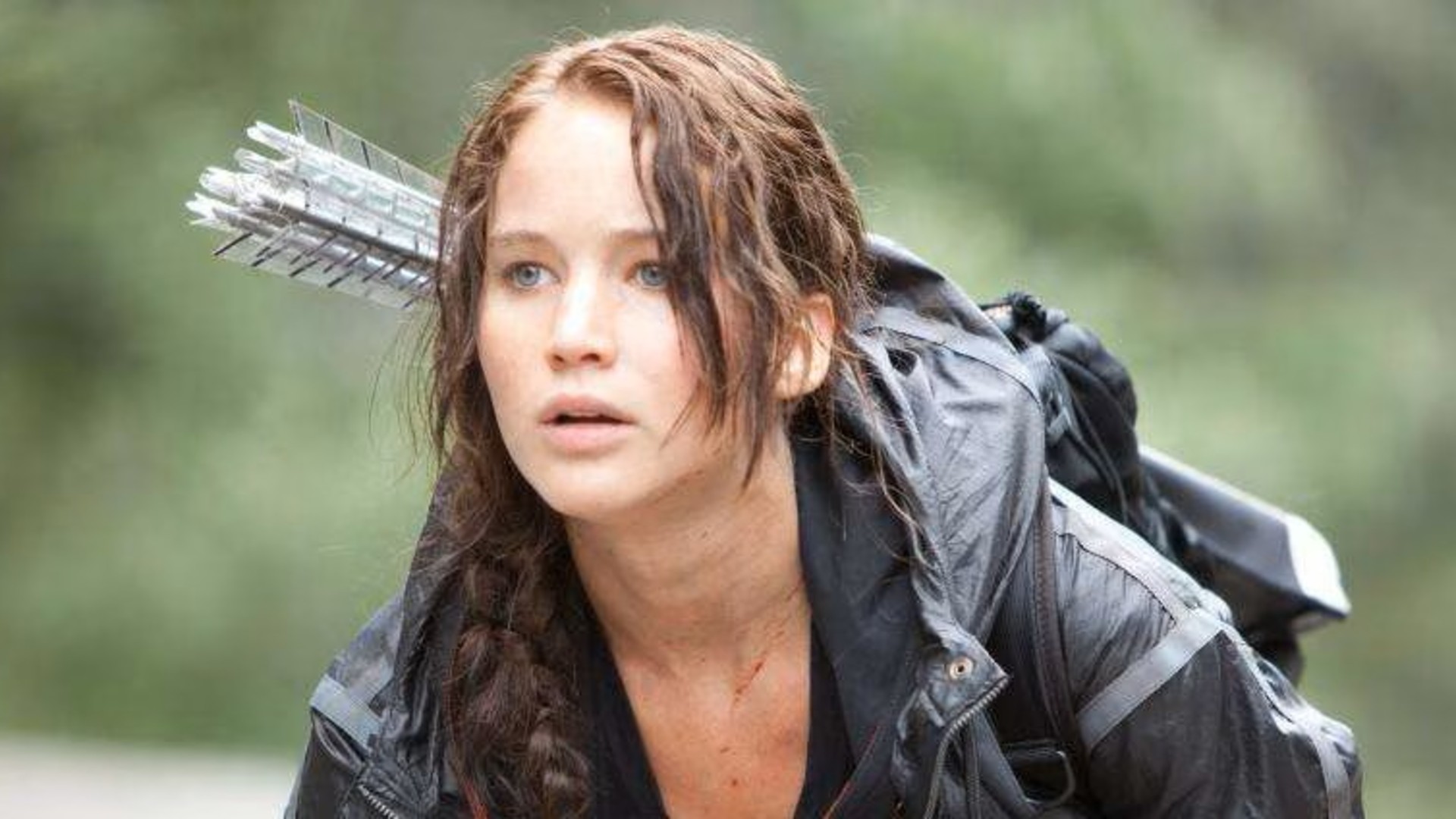
9. Jennifer Lawrence
During a 2015 press conference, Jennifer Lawrence made headlines for a "rude" interaction with a journalist who was looking at his phone while asking a question. Lawrence shut him down, saying, "You can't live your whole life behind a phone, bro." While some saw it as a witty "call-out," others described it as an unnecessary "firing back" at a reporter who may have been reading a translated question or taking notes. This interaction highlighted the "Burnout" that occurs during global press tours. Lawrence, once praised for her "relatable" and "cool" attitude, found herself at the center of a debate about the power imbalance between stars and the press. It served as a reminder that the high-pressure environment of a press junket—where actors answer the same questions for ten hours a day—can lead to moments of friction that quickly go viral, forever changing an actor's public image.
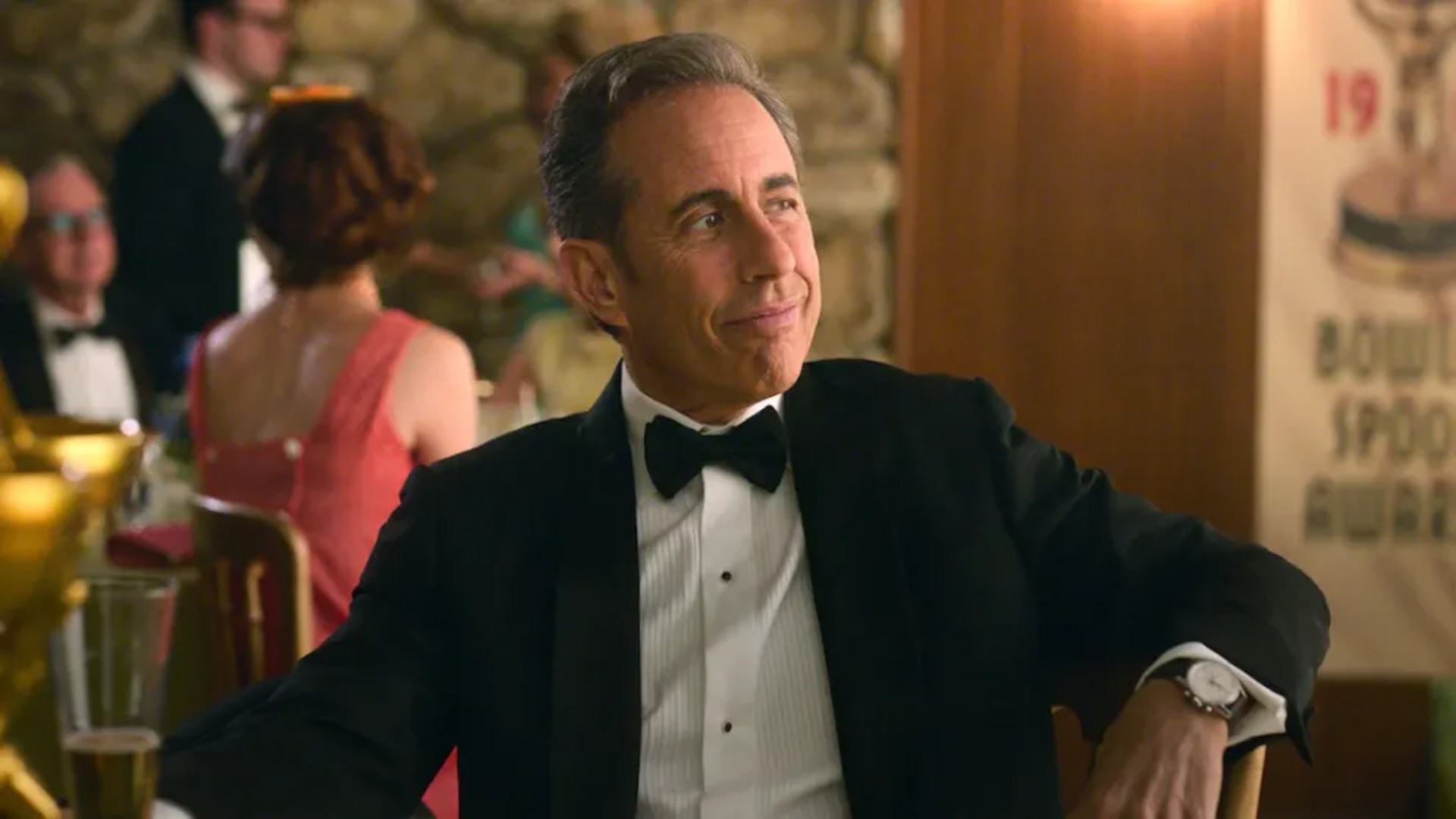
8. Jerry Seinfeld
In a legendary 2014 interview on Larry King Now, Jerry Seinfeld went on a "testy" offensive when King mistakenly suggested that Seinfeld had been canceled by the network. Seinfeld, visibly insulted, reminded King that it was the number one show on television and that he had walked away from $110 million. He spent the next several minutes mocking King’s preparation, asking, "Do you know who I am?" This interaction is a classic example of a "Power Flip" in an interview. Seinfeld used his status and wit to dismantle the interviewer's credibility in real time. It remains a favorite among fans for its sheer audacity. It highlights the reality that legendary figures in the industry often have little patience for "lukewarm" research or factual errors, proving that in the world of high-level entertainment, the interviewee is often the one holding the most power in the room.
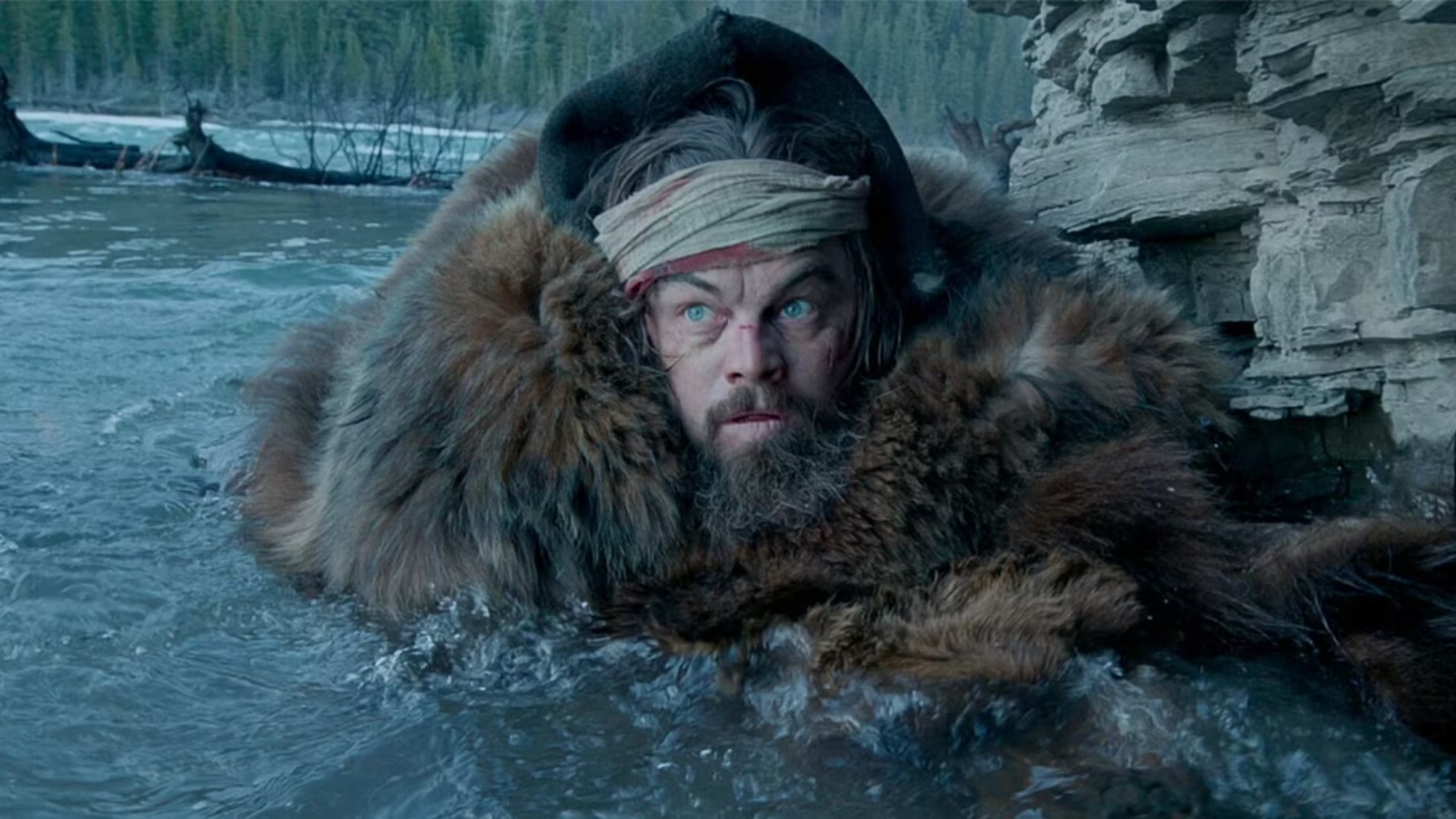
7. Leonardo DiCaprio
Leonardo DiCaprio’s work on The Revenant was a grueling physical ordeal that bordered on the masochistic. To capture the desperation of Hugh Glass, DiCaprio actually slept inside the hollowed-out carcasses of animals and ate raw bison liver—despite being a vegetarian at the time. Filming in sub-zero temperatures, he and the crew faced constant risks of hypothermia and frostbite as they chased "natural light" in remote locations. DiCaprio’s method was about "Reaction over Acting." He believed that the audience could tell the difference between a fake shiver and a real one. While he finally secured an Oscar for the role, the production was described as a "living hell" by many on set. It stands as a monument to the "Suffering for Art" trope, proving that some directors and actors are willing to risk life and limb for a visual realism that can't be replicated on a soundstage.
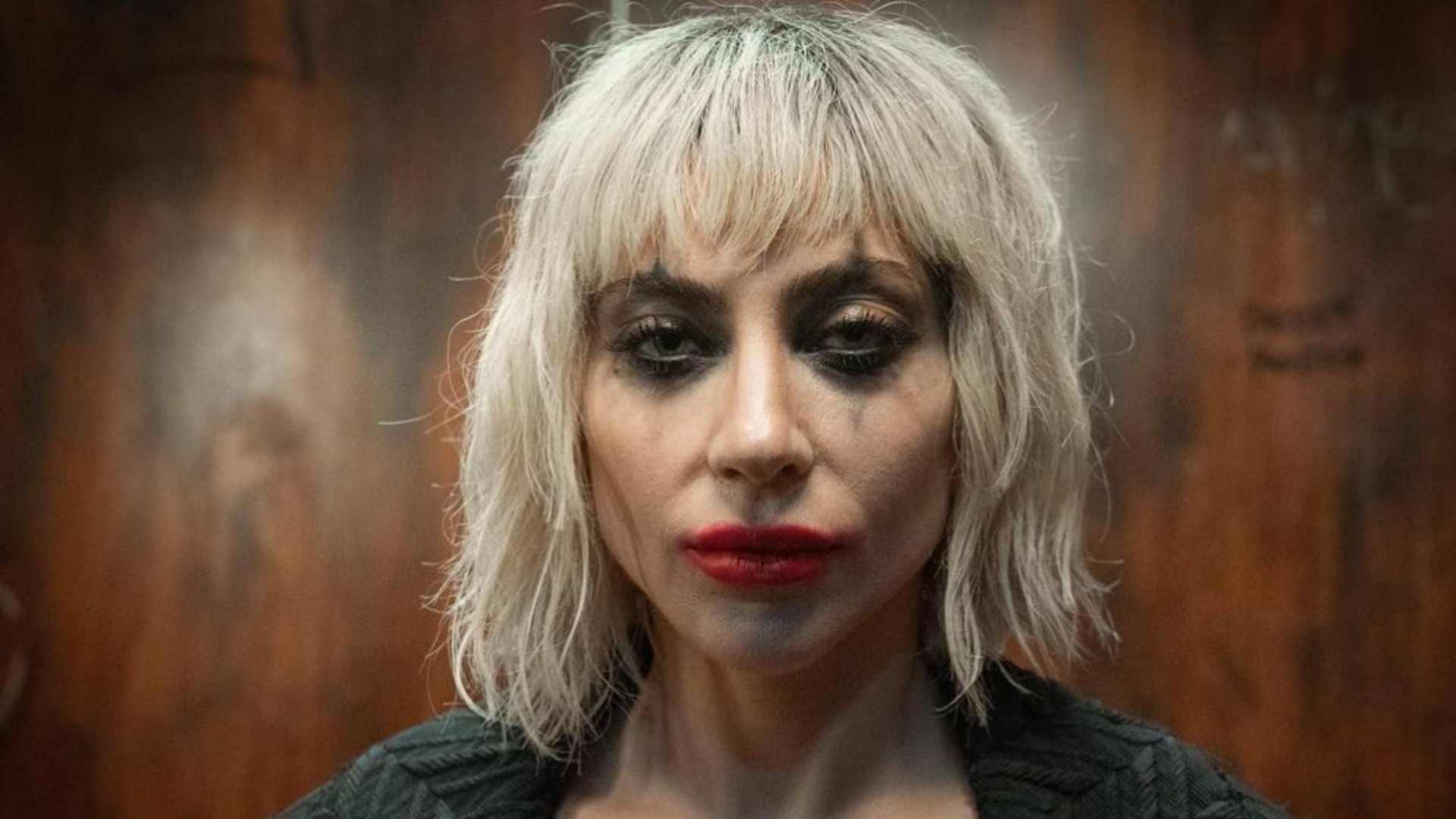
6. Lady Gaga
For her role as Patrizia Reggiani in House of Gucci, Lady Gaga took Method Acting into the realm of a marathon. She remained in character, speaking with a heavy Italian accent and viewing the world through Patrizia's eyes, for eighteen consecutive months. The mental toll was so severe that Gaga reportedly experienced "psychological difficulty" toward the end of the shoot, leading the production to keep a psychiatric nurse on standby. Gaga’s experience highlights the "Mental Residue" that can linger when an actor refuses to turn off a character. By 2026, her Gucci prep is often discussed as a "limit-testing" event for actors coming from a musical background. It poses the question: if the art requires a professional medical intervention to keep the artist safe, is the method sustainable? Her dedication was unquestionable, but it underscored the reality that playing a "villain" for too long can start to stain the actor’s own reality.
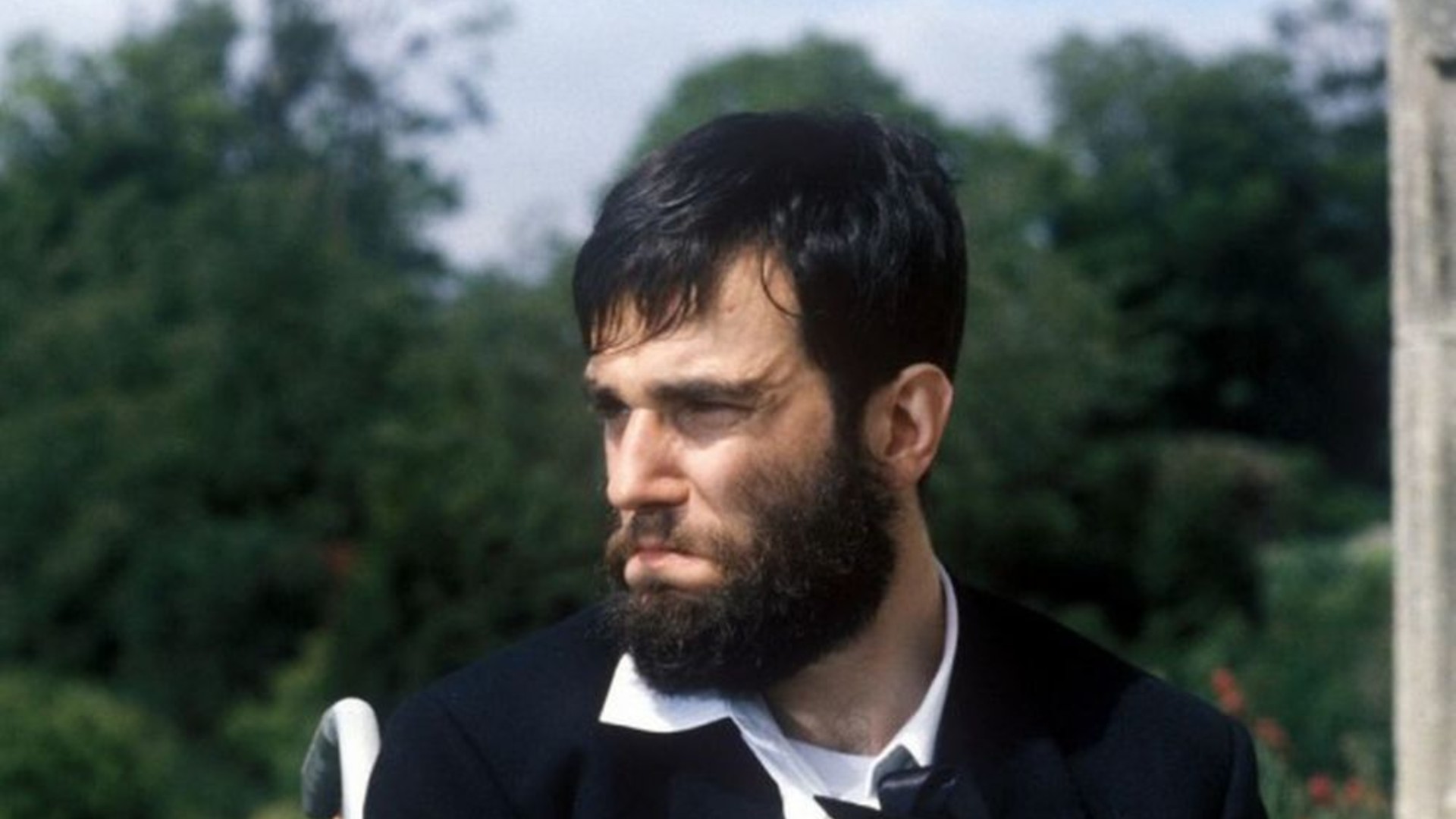
5. Daniel Day-Lewis
Daniel Day-Lewis is perhaps the most legendary practitioner of Method Acting, but his work on My Left Foot pushed his collaborators to the limit. To portray Christy Brown, a man with cerebral palsy, Day-Lewis refused to leave his wheelchair for the entire duration of the shoot—even when the cameras weren't rolling. He required crew members to spoon-feed him and carry him over obstacles, leading to significant delays and physical strain on the production staff. While the performance is considered one of the greatest in cinema history, the "behind-the-scenes" narrative is often cited as an example of an actor’s ego overshadowing the collaborative nature of filmmaking. The crew, many of whom were working for low wages, found the "demands" of the actor to be an unnecessary burden. This sparked an ongoing industry conversation about whether a great performance justifies making the workplace miserable for the hundreds of people tasked with supporting the star.
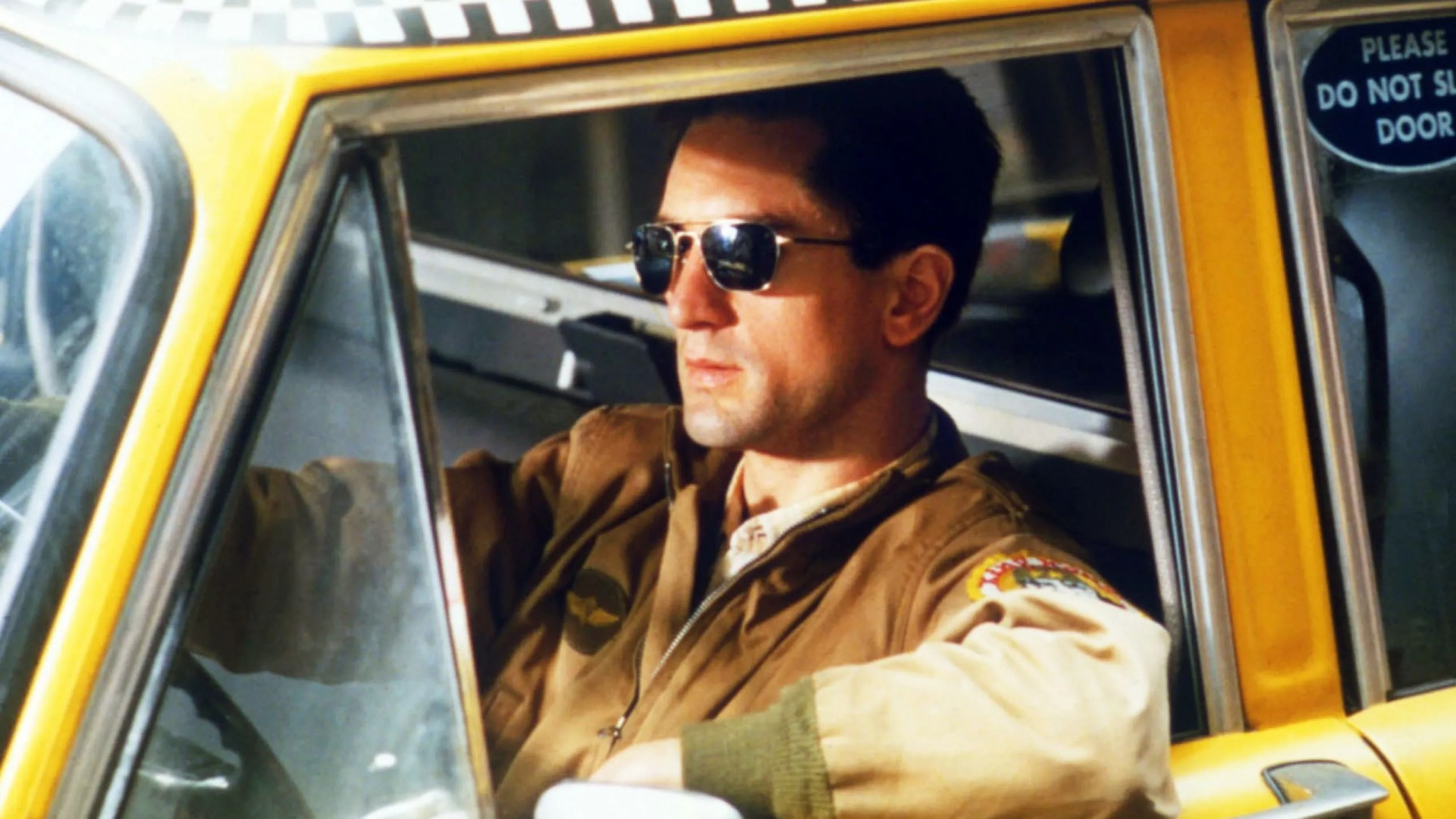
5. Daniel Day-Lewis
Daniel Day-Lewis is perhaps the most legendary practitioner of Method Acting, but his work on My Left Foot pushed his collaborators to the limit. To portray Christy Brown, a man with cerebral palsy, Day-Lewis refused to leave his wheelchair for the entire duration of the shoot—even when the cameras weren't rolling. He required crew members to spoon-feed him and carry him over obstacles, leading to significant delays and physical strain on the production staff. While the performance is considered one of the greatest in cinema history, the "behind-the-scenes" narrative is often cited as an example of an actor’s ego overshadowing the collaborative nature of filmmaking. The crew, many of whom were working for low wages, found the "demands" of the actor to be an unnecessary burden. This sparked an ongoing industry conversation about whether a great performance justifies making the workplace miserable for the hundreds of people tasked with supporting the star.
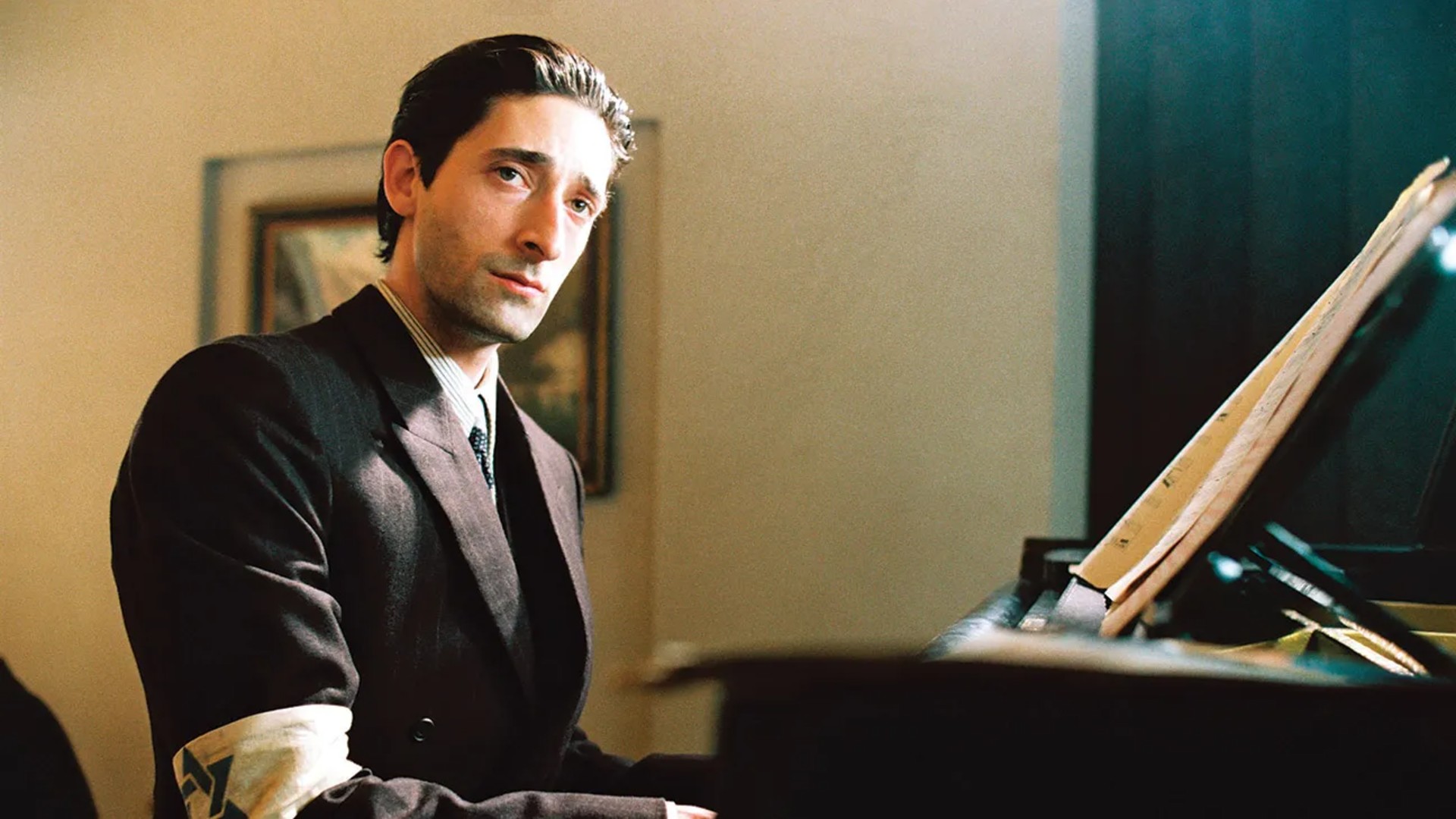
3. Adrien Brody
Adrien Brody’s performance in The Pianist earned him an Academy Award, but the cost was a total upheaval of his personal life. To understand the profound loss and misery of Wladyslaw Szpilman, Brody gave up his apartment, sold his car, disconnected his phones, and moved to Europe with nothing. Most dangerously, he underwent a drastic physical transformation, starving himself to reach a skeletal weight that his doctors considered a health risk. Brody described the experience as a period of genuine mourning, stating that he "didn't know if he would ever get his life back." This level of commitment is often romanticized in Hollywood, but Brody’s journey highlights the mental and physical toll of "Living the Role." While the resulting performance was a masterpiece of empathy, it serves as a cautionary tale about the thin line between artistic sacrifice and self-destruction in the name of a character’s pain.
2. Jamie Dornan
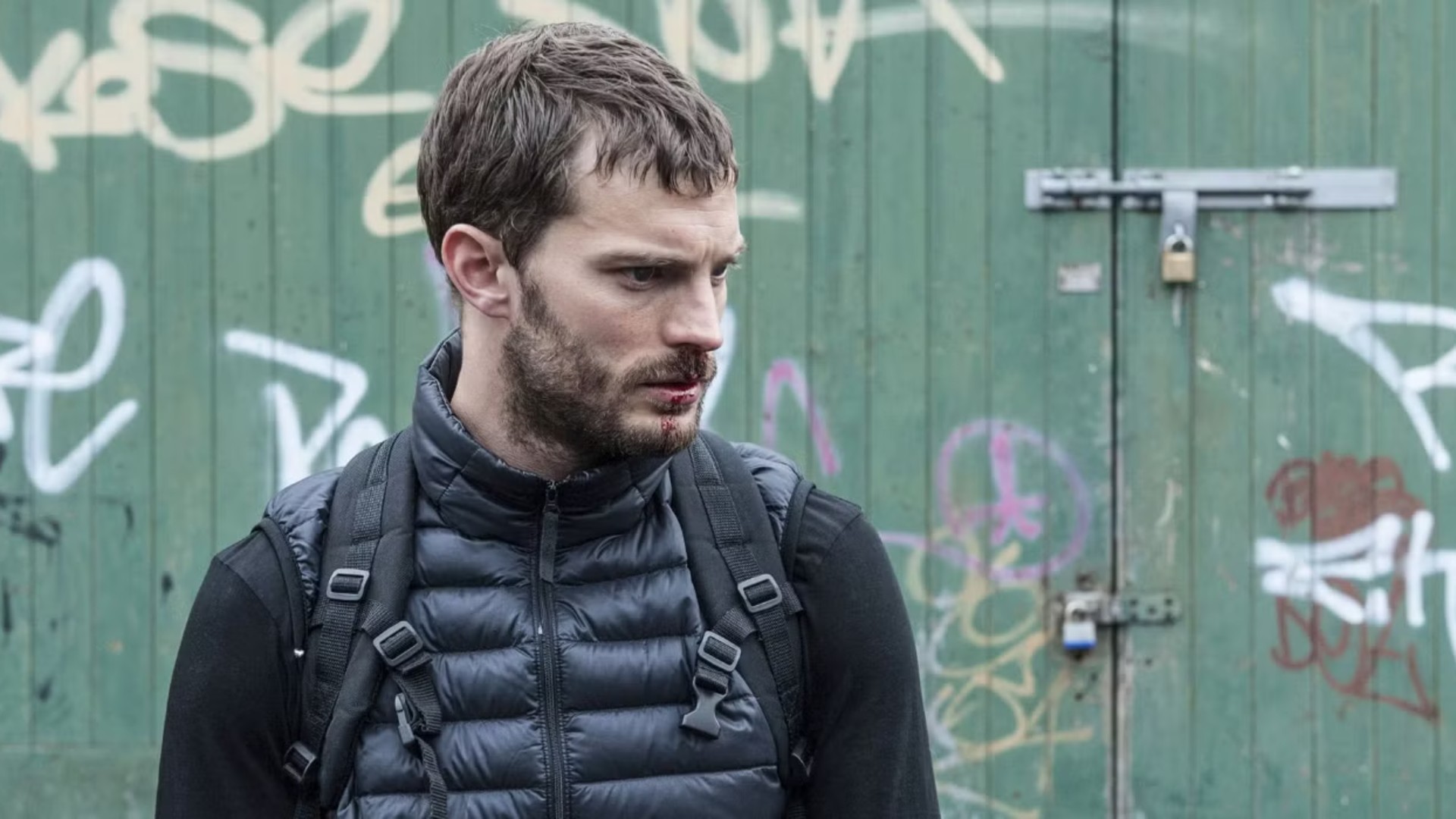
To prepare for his role as the cold-blooded serial killer Paul Spector in The Fall, Jamie Dornan took a controversial approach to research. He admitted to following a random woman off the London Underground and tracking her for several blocks to understand the "exciting" yet "dirty" mindset of a stalker. While Dornan clarified that he maintained distance and felt "sick" doing it, the revelation sparked a massive debate about the ethics of acting prep. Critics argued that using a real, unsuspecting woman as a "prop" for a role was an invasion of safety and privacy. It highlighted a dark side of method acting, where the pursuit of "authenticity" can lead an actor to engage in the very predatory behaviors they are meant to be critiquing. Dornan’s admission serves as a stark reminder of the ethical responsibility actors have toward the public, even when trying to portray the most "truthful" version of a monster.
1. Jared Leto
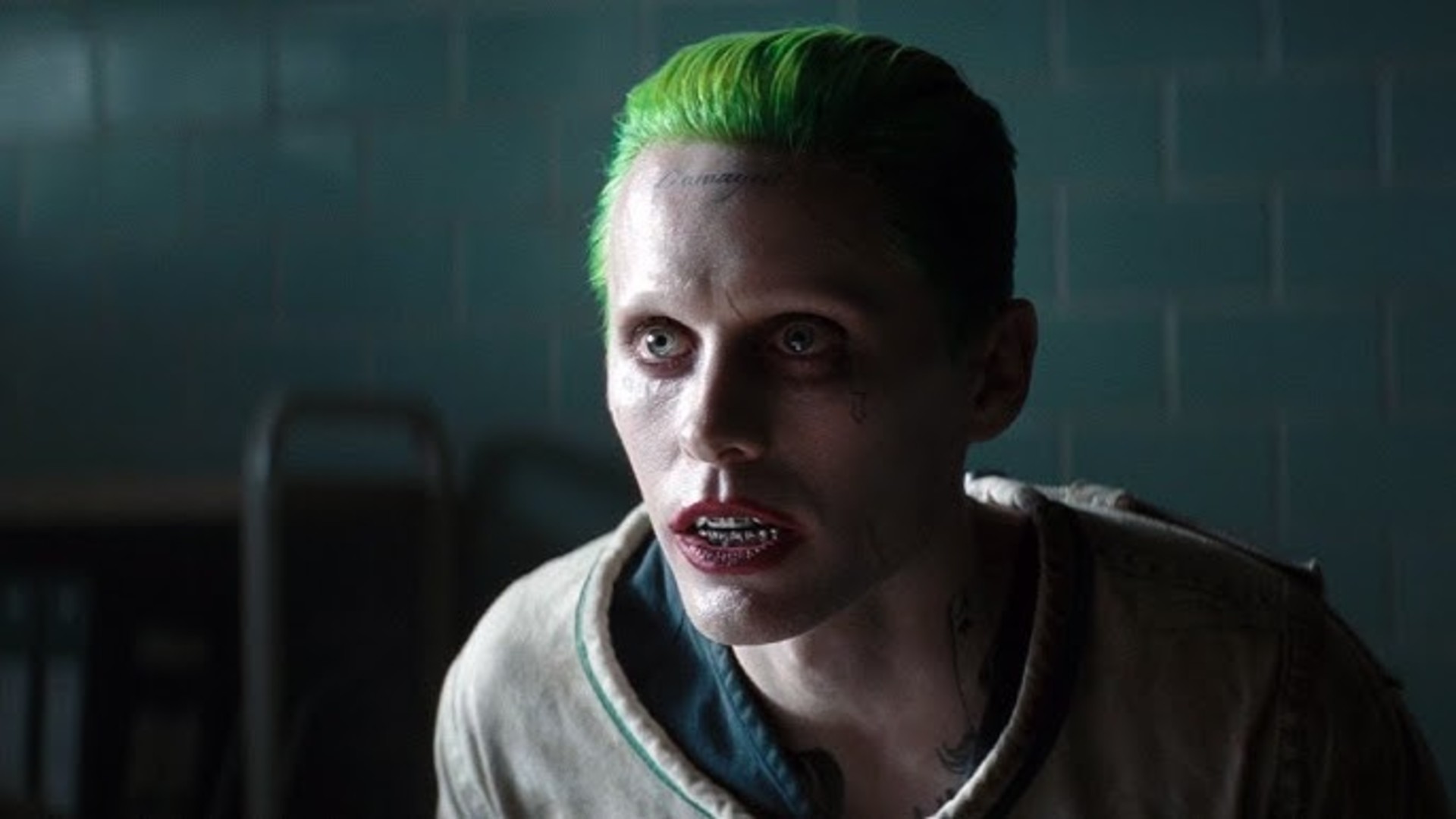
Jared Leto’s portrayal of the Joker in 2016’s Suicide Squad remains a case study in "Method Acting" gone wrong. In an attempt to cultivate a "dynamic of surprise" and psychological unease among his castmates, Leto admitted to sending "horrific" gifts to other actors. While Leto argued this was an artistic choice to inhabit the Joker’s chaotic mind, the backlash was swift and lasting. Many critics and peers argued that this bypassed artistic dedication and entered the territory of workplace harassment. It raised a serious question in the industry: at what point does "getting into character" become an excuse for unprofessional and "not right" behavior? By 2026, this incident is frequently cited as the catalyst for the modern push toward "Intimacy Coordinators" and stricter onset conduct guidelines, proving that even for a villainous role, there must be boundaries.