10 Times Ghibli Movies Got Surprisingly Dark
Dark Ghibli Moments
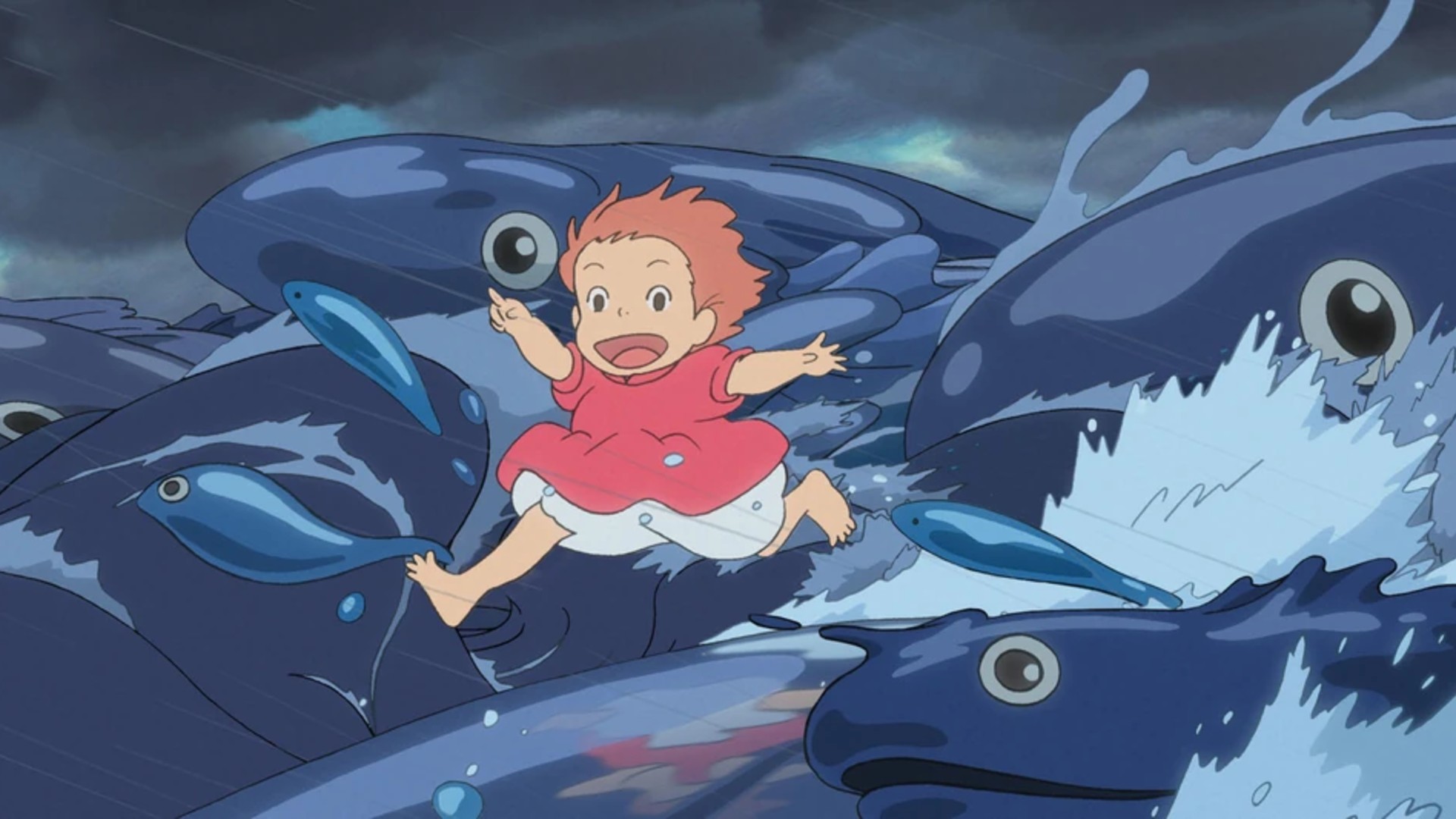
We all know Studio Ghibli is famous for its warmth and wonder, but every fan has felt those moments where the tone suddenly shifts and things get much darker than expected. Whether it’s emotional honesty, quiet tragedy, or unsettling imagery, these scenes remind us that Ghibli never talks down to its audience.
10. Castle in the Sky (1986)
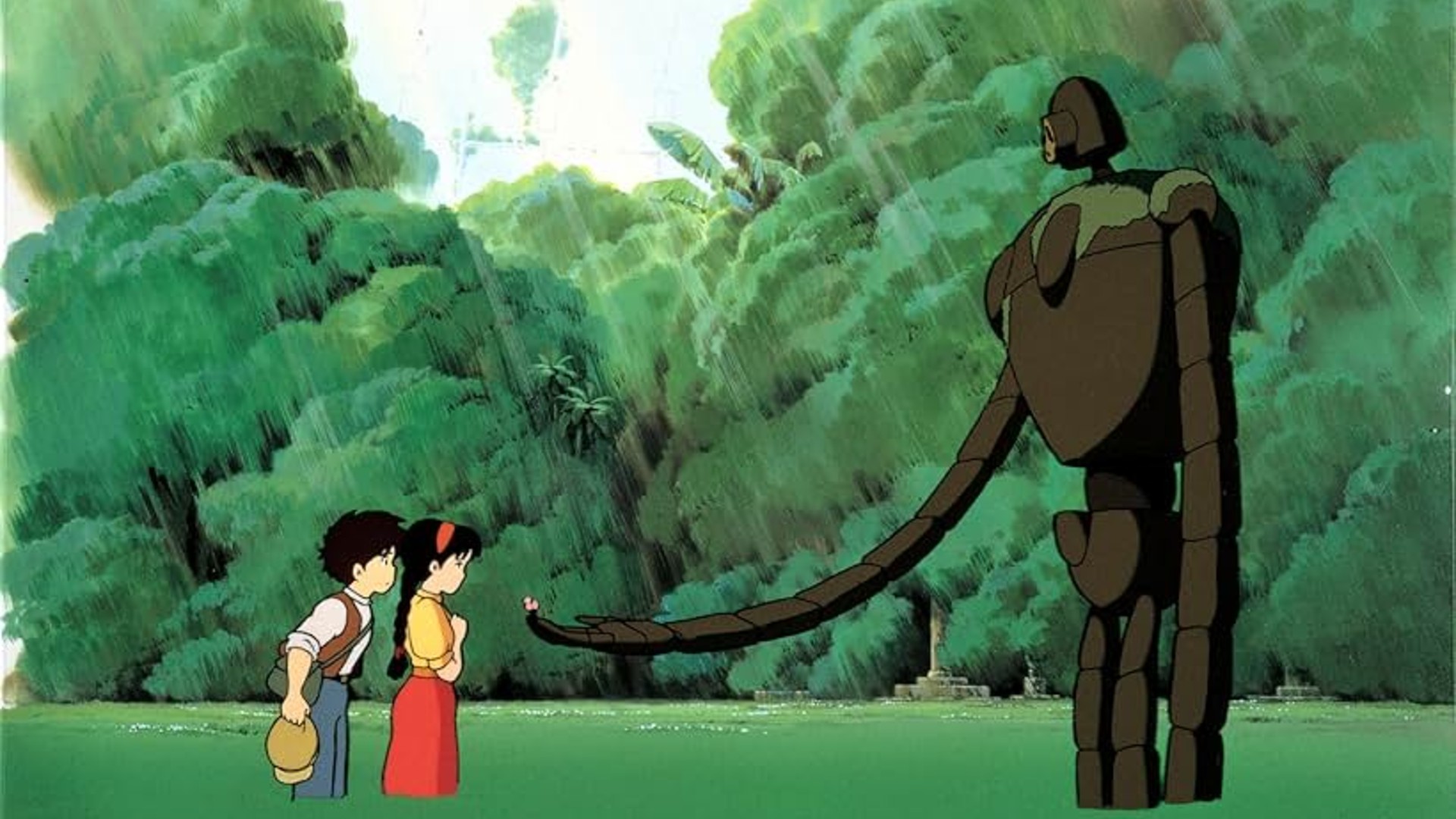
Castle in the Sky delivers adventure, but it also brings us a very dark portrayal of greed and power. Colonel Muska stands out as one of Studio Ghibli's most ruthless villains. The film explores forgotten power, obsession, and the destructive nature of advanced technology. The finale shows Laputa's military force unleashed in a violent and dramatic way.
9. When Marnie Was There (2014)
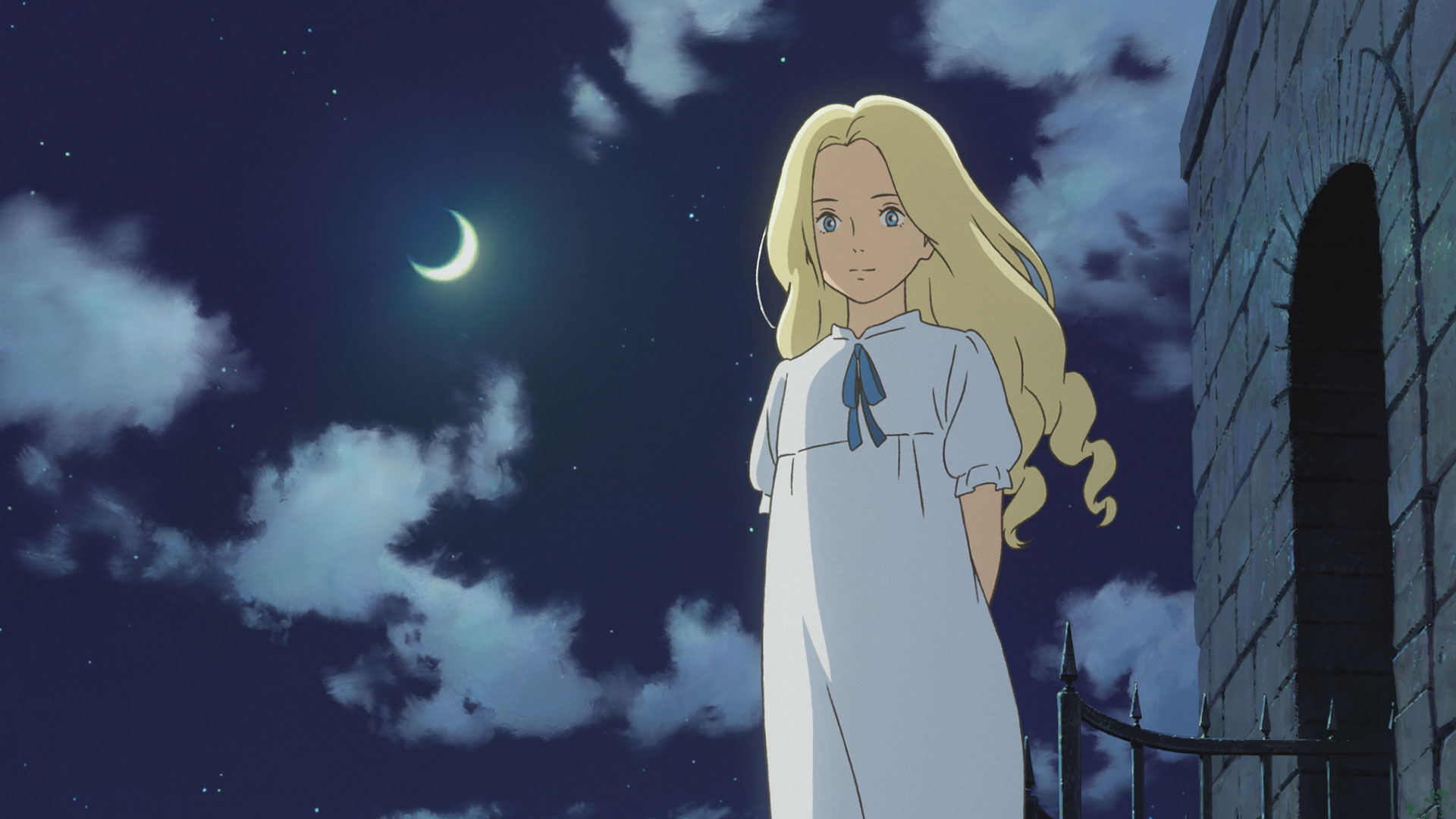
When Marnie Was There explores loneliness, adoption, chronic illness, and identity. Anna deals with severe anxiety, asthma, and the struggle of being an orphan who does not feel she belongs anywhere. These elements create a surprisingly heavy narrative centered on trauma, healing, and the deep desire for connection.
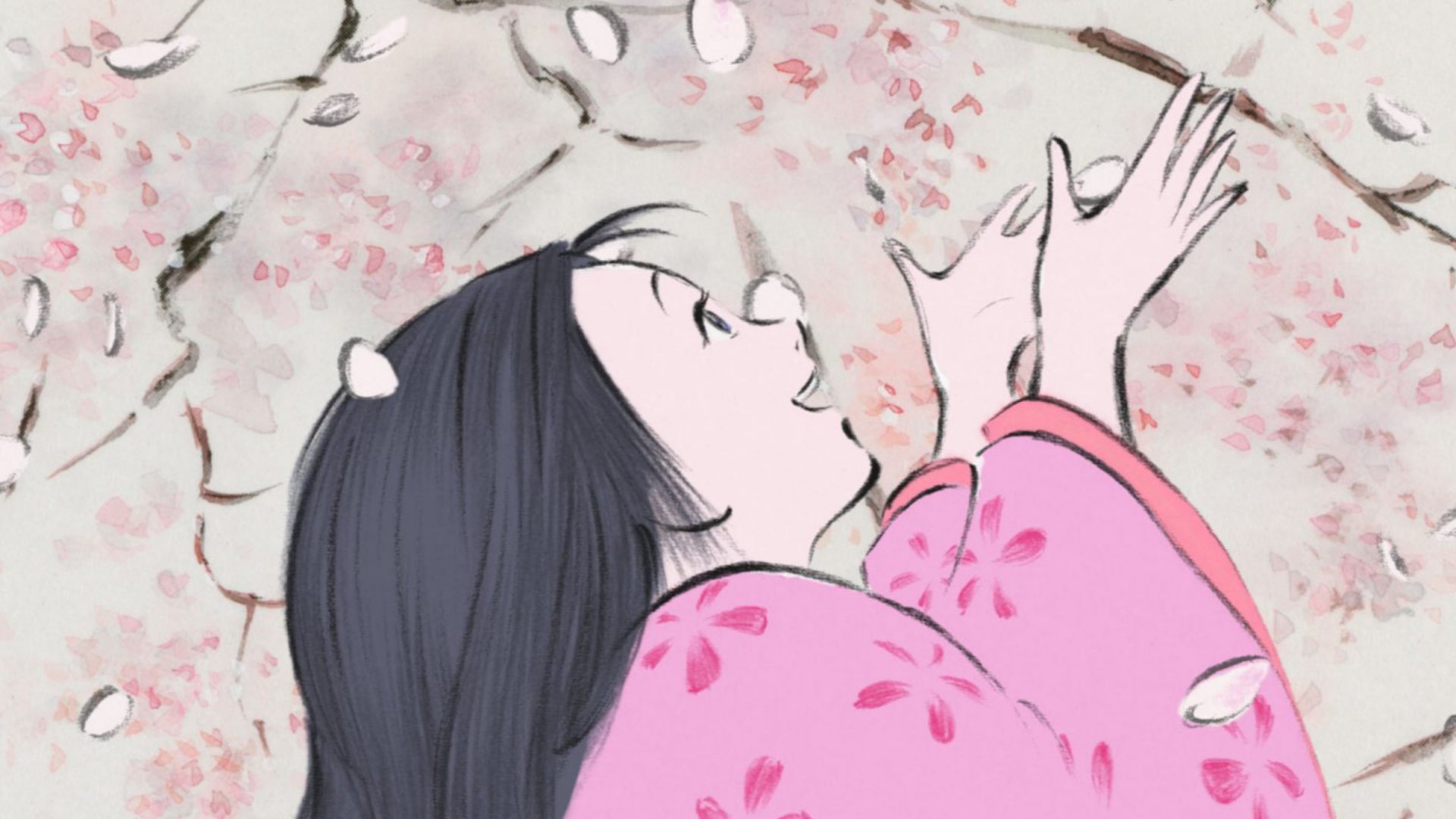
8. The Tale of the Princess Kaguya (2013)
The Tale of the Princess Kaguya is visually stunning, but its ending is deeply sorrowful. Kaguya is forced to leave her earthly family and return to the moon, showing the sadness of being trapped by fate and the pain of parting from loved ones. The story reminds us of the emotional cost of obligations that cannot be changed.
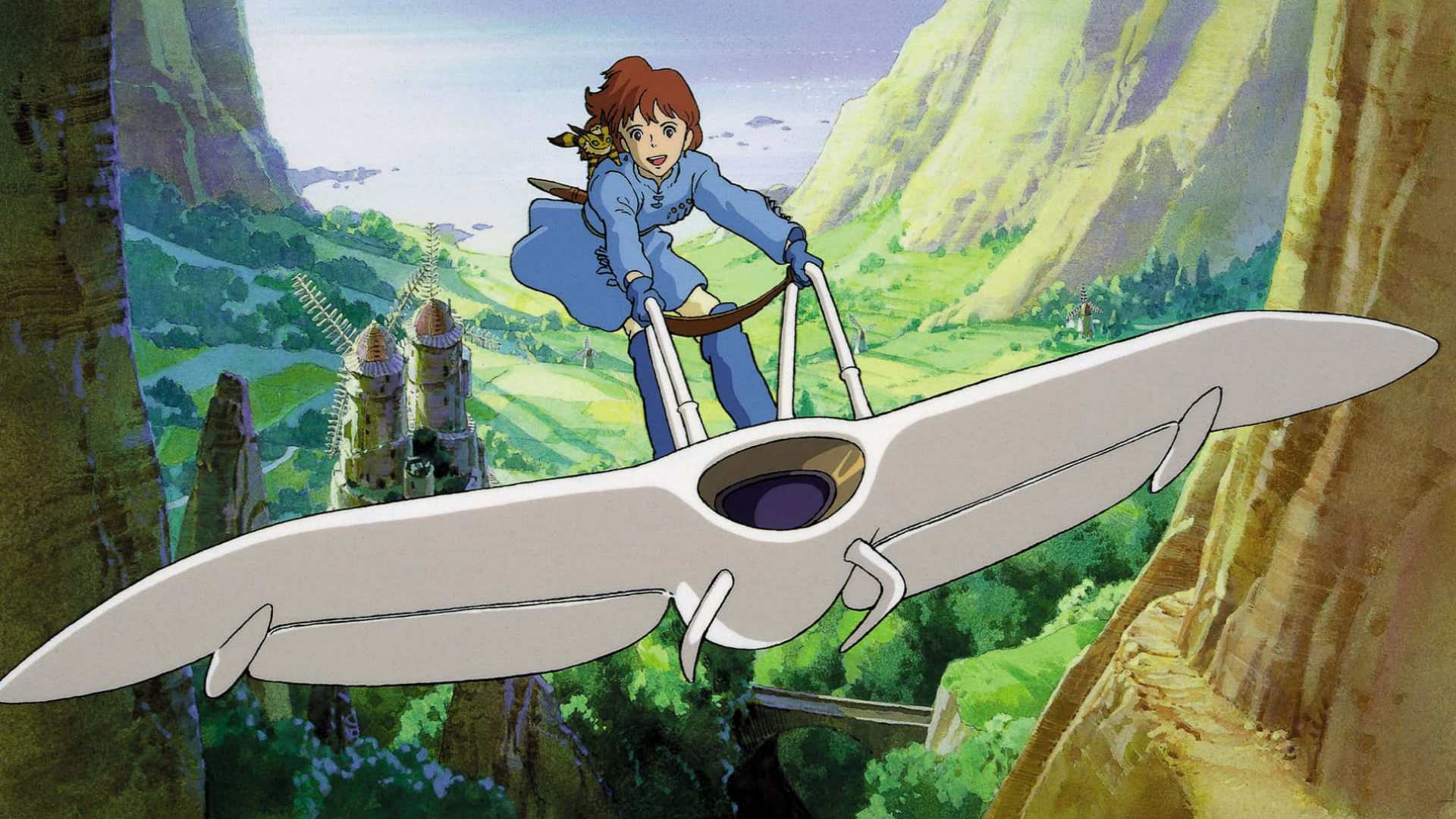
7. Nausicaa of the Valley of the Wind (1984)
Even though it was released before Studio Ghibli was officially founded, Nausicaa is often included in the studio's catalog. The film deals with ecological disaster, war, and humanity's potential self-destruction. The toxic jungle and the giant insect-like Omu highlight environmental devastation and the extreme measures humans take in order to survive, including full-scale warfare.
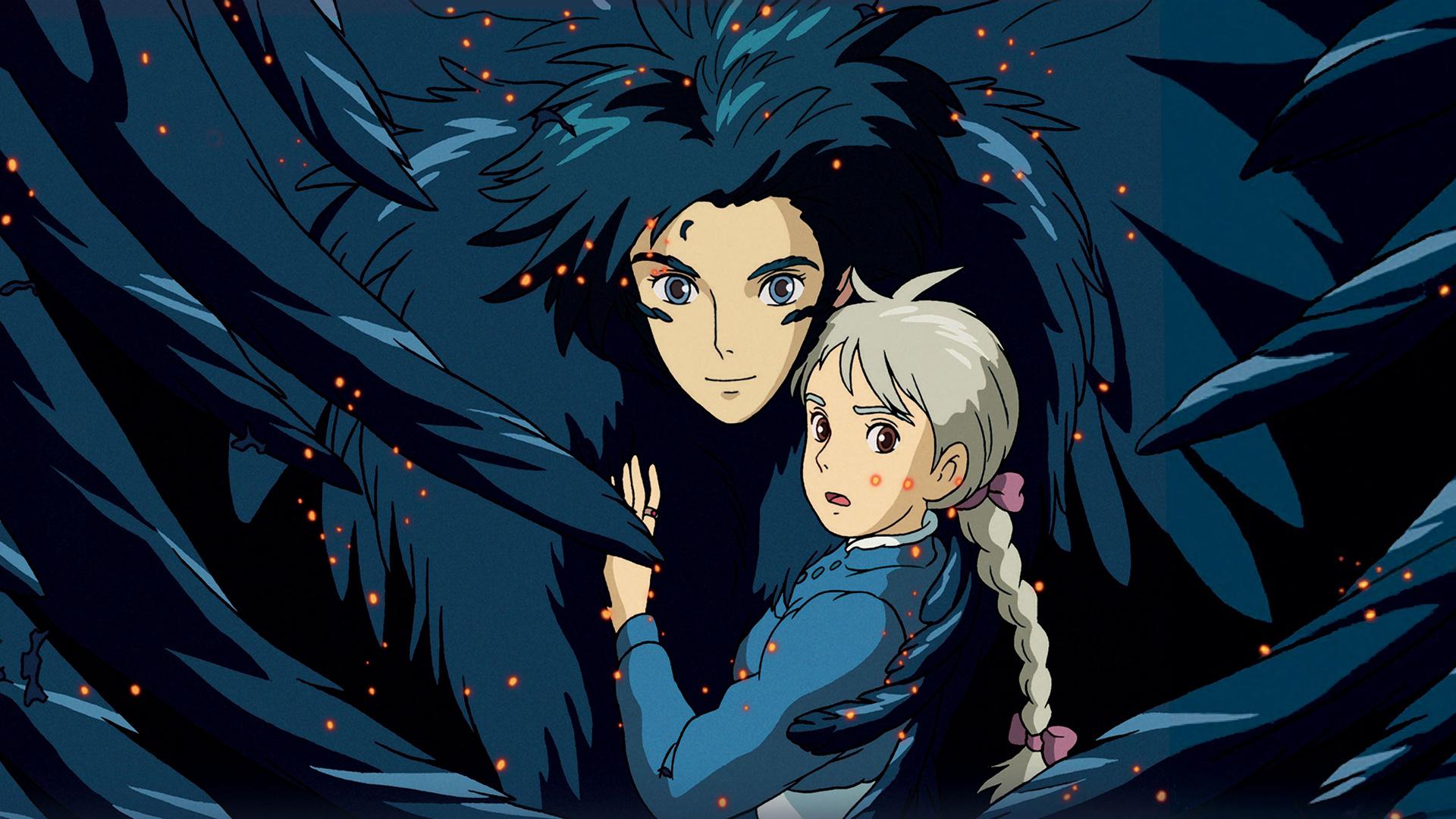
6. Howl's Moving Castle (2004)
Howl's Moving Castle presents the horrors of war in a straightforward way. We see aerial bombings, destruction, and how war affects ordinary people. An exceptionally dark moment happens when the Witch of the Waste curses Sophie and transforms her into an old woman, creating a frightening scene that emphasizes vulnerability and the loss of youth.
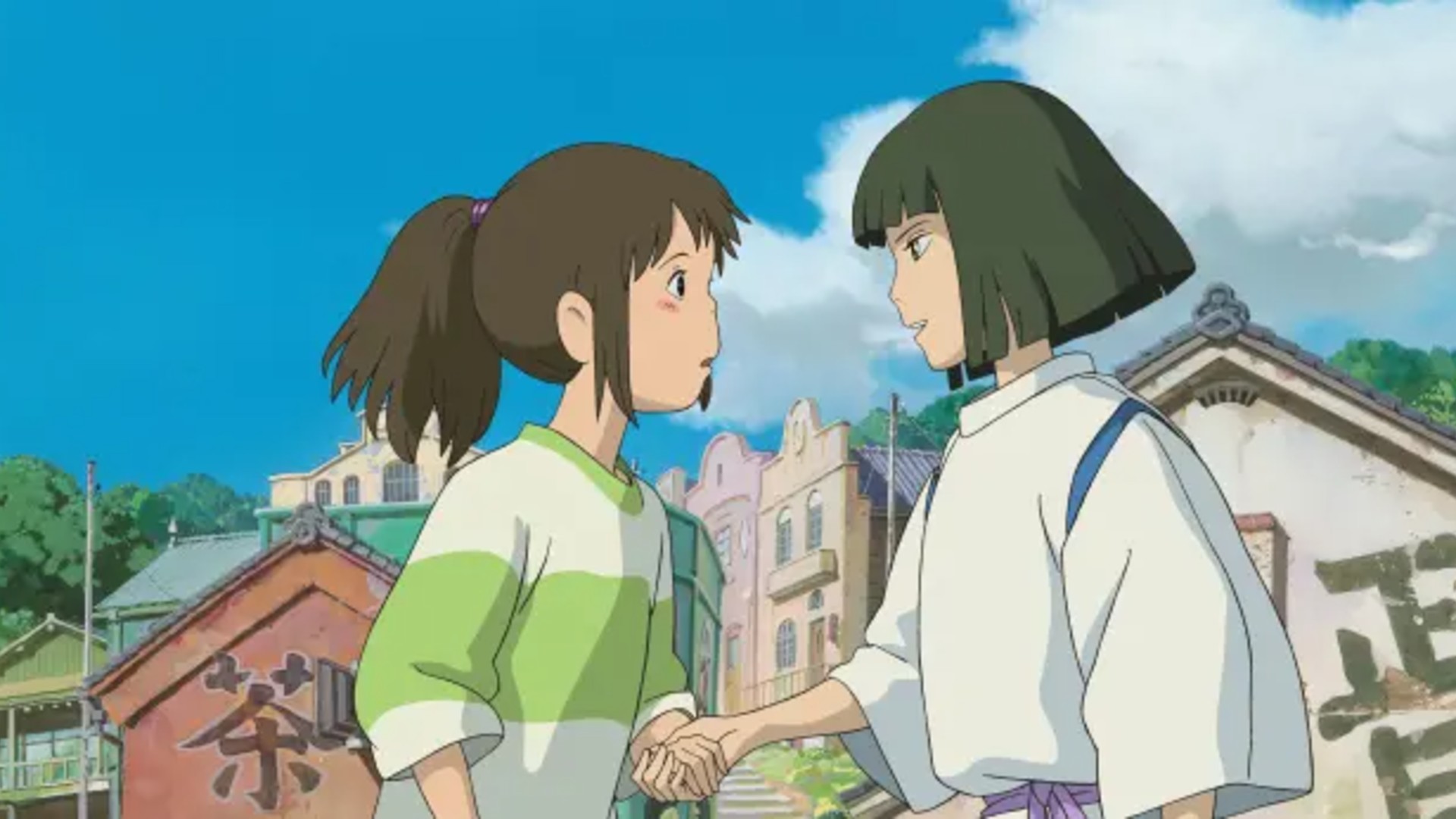
5. Spirited Away (2001)
Spirited Away may appear magical at first, but its themes can be pretty dark. The bathhouse can be seen as an allegory for the Japanese sex industry, where Chihiro loses her identity and is forced into labor. No Face, who consumes others to gain power, offers a strong message about materialism and the dangers of uncontrolled desire. The film invites us to look deeper beneath its fantasy world.
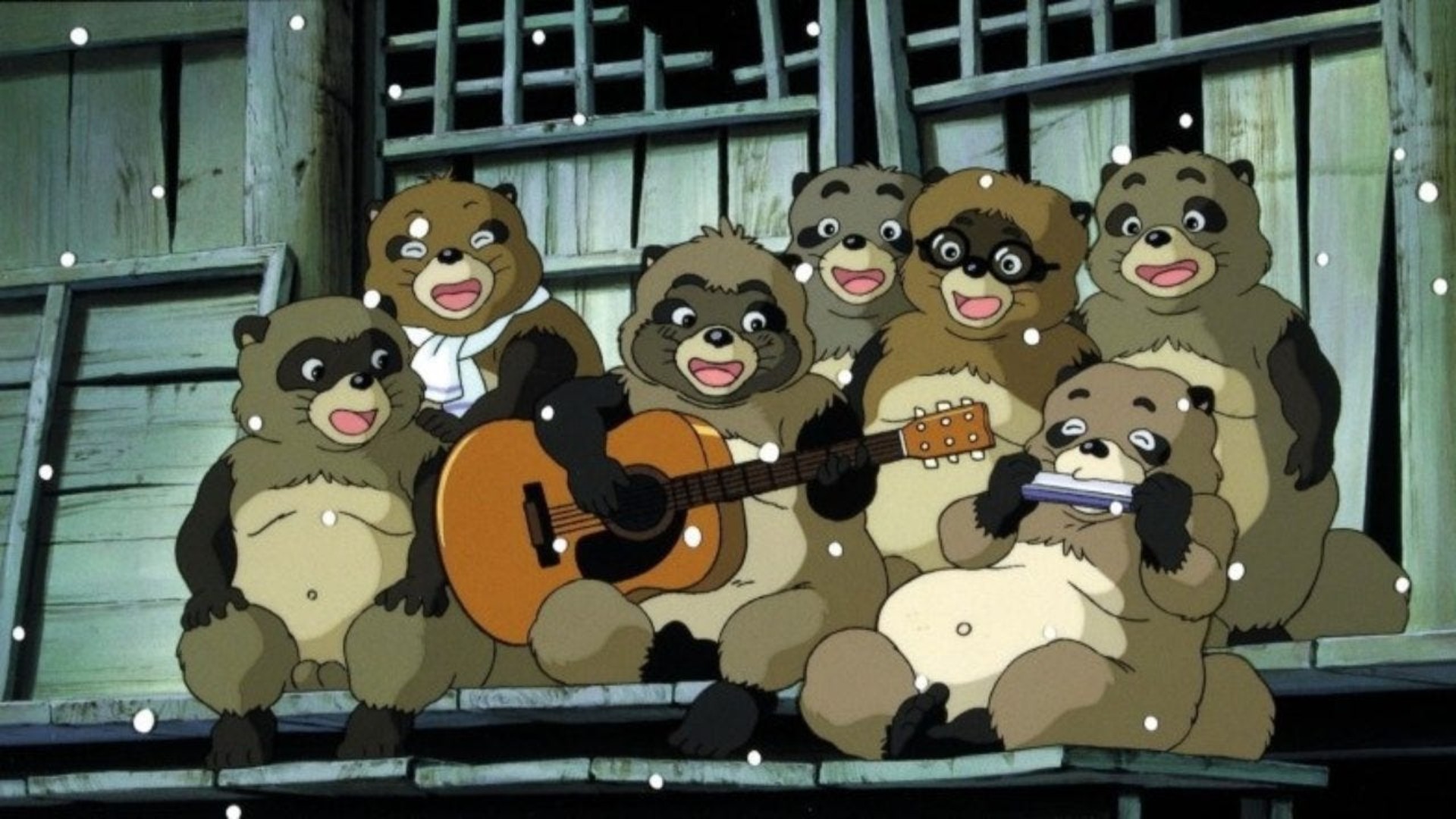
4. Pom Poko (1994)
Pom Poko uses humorous, shape-shifting tanuki, but the story underneath is serious and emotional. The tanuki fight to protect their forest home from humans who are destroying it to build a new town. The film includes scenes of starvation, road accidents, and animals caught in traps, reminding us how environmental destruction affects every living creature involved.
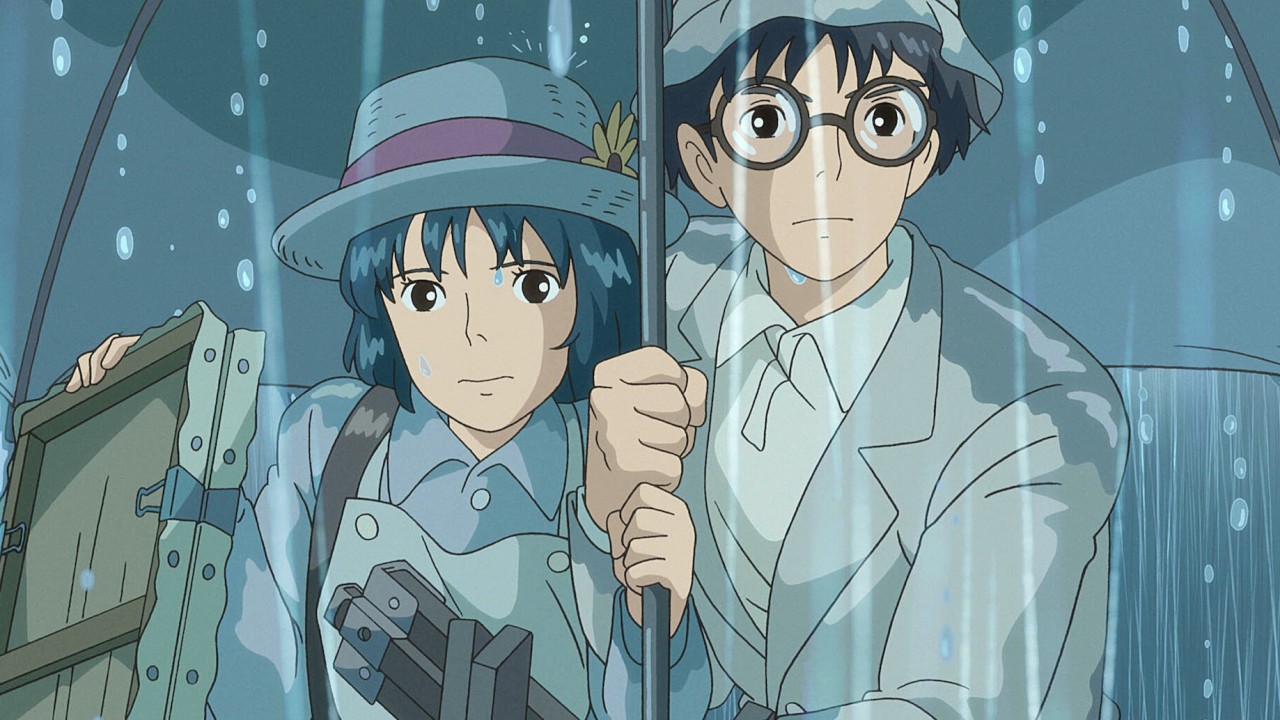
3. The Wind Rises (2013)
The Wind Rises takes us into a historical drama based on Jiro Horikoshi's life. It deals with the Great Kanto Earthquake of 1923, which caused more than 100,000 deaths. The film also explores the heavy moral burden of designing fighter planes during World War II and the tragedy of losing Jiro's fiancée to tuberculosis. It encourages us to think about the cost of innovation and the sorrow tied to personal loss.
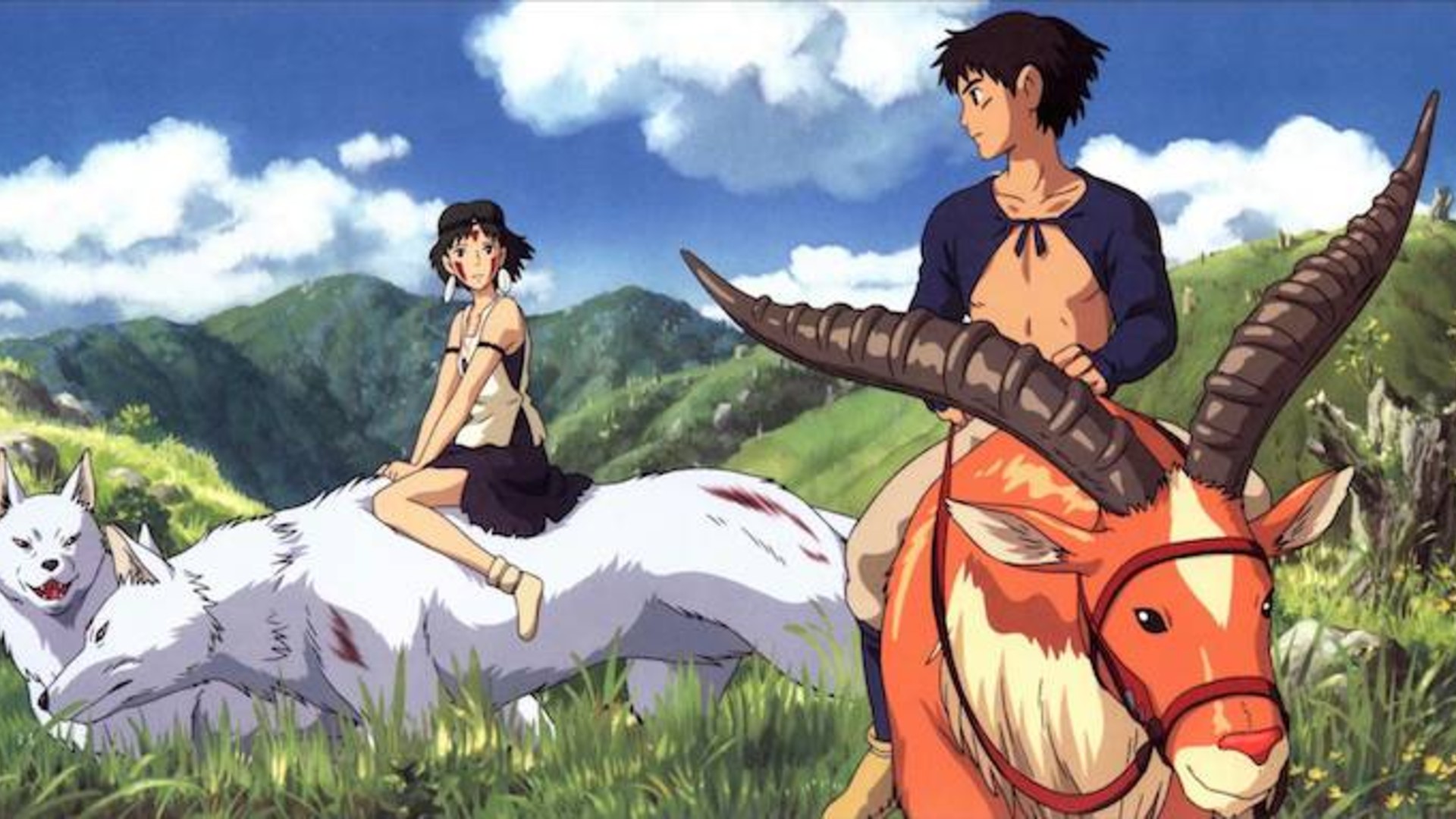
2. Princess Mononoke (1997)
Princess Mononoke may be a fantasy epic, but it does not avoid intense violence or mature themes. We see the complex and bloody conflict between human civilization and nature, where both sides commit violent acts. The film includes graphic scenes of characters losing limbs, a man being decapitated, and a curse that spreads with horrifying, worm-like tendrils. It shows how fierce the struggle between nature and progress can become.
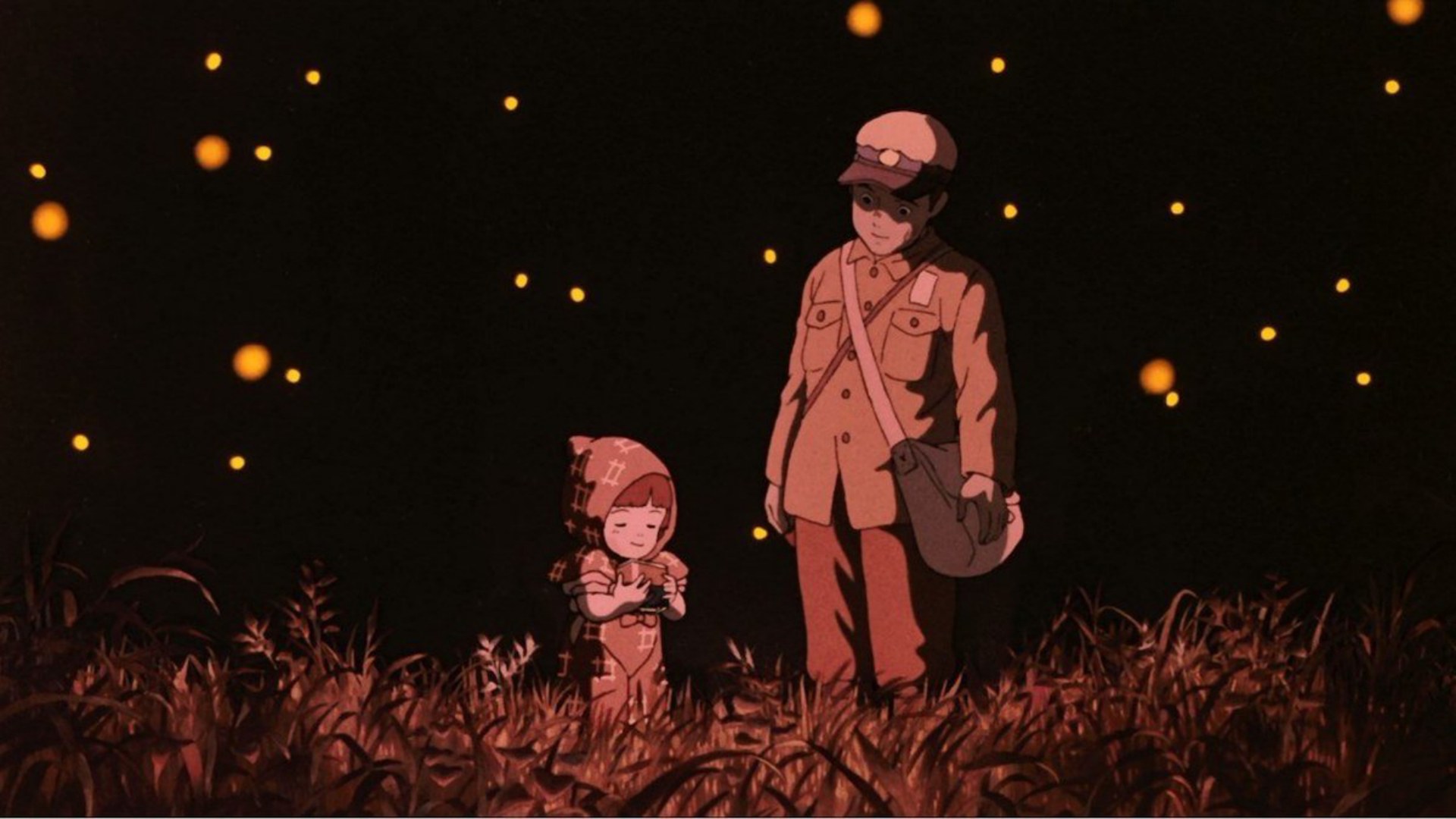
1. Grave of the Fireflies (1988)
When we look at Grave of the Fireflies, we can immediately feel why it is often called one of the most heartbreaking films ever made. The story shows us Seita and Setsuko trying to survive in war-torn Japan during World War II, and the film opens with Seita's death. The harsh realities of famine, starvation, and the emotional weight of war are shown with complete honesty, which makes the film very different from what people usually expect from family-friendly animation.