10 Studio Ghibli villains I despise the most
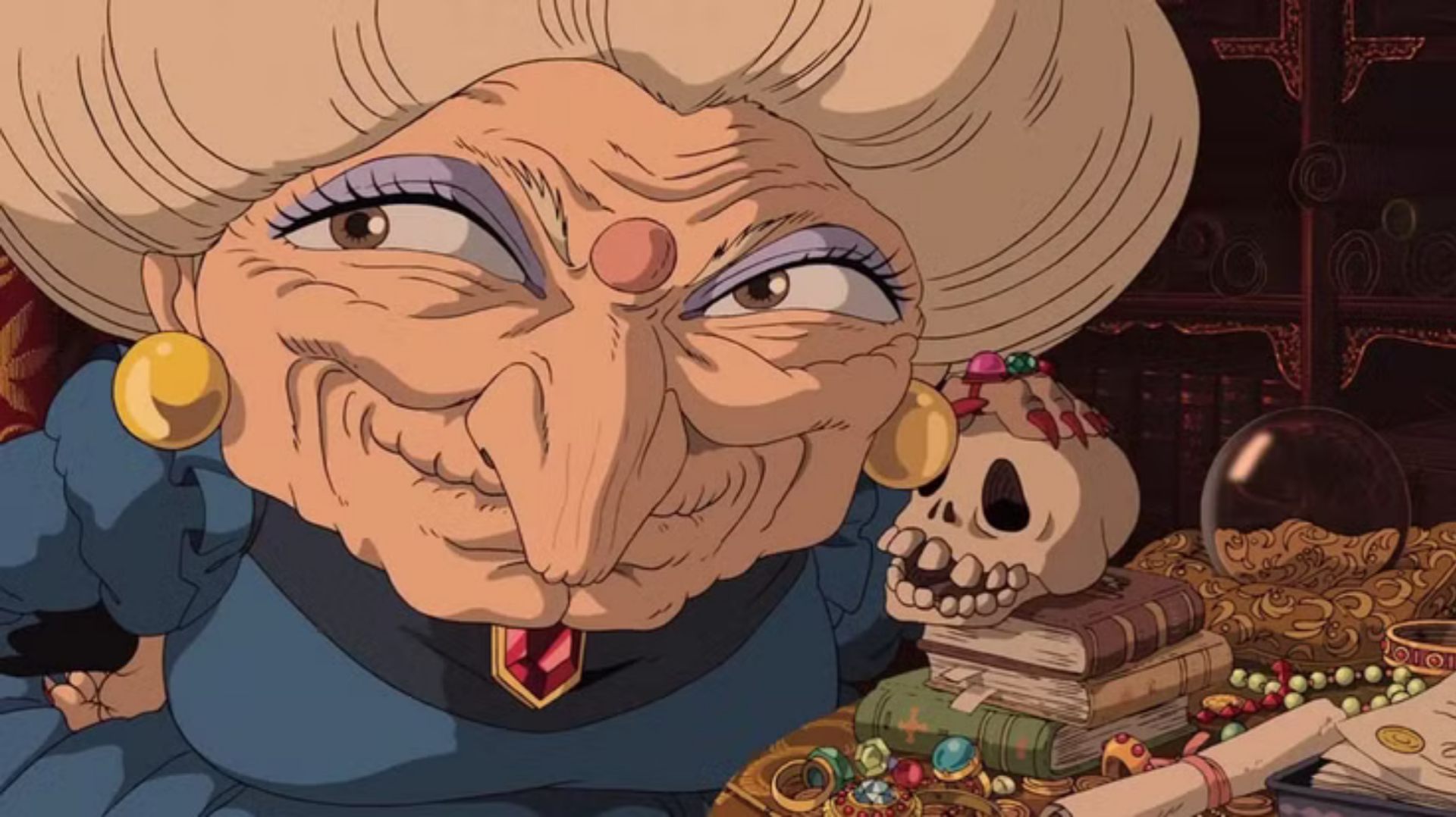
10. Yubaba
Yubaba is the quintessence of "Greedy Management" in the spirit world. As the owner of the bathhouse, she exploits her workers by literally stealing their names, stripping them of their identities and their pasts to ensure they can never leave her service. She views every interaction through the lens of profit and contract, making her a symbol of predatory capitalism. Even her maternal love for her giant baby, Boh, is stifling and toxic, showing how her controlling nature extends to those she claims to care for. While she has moments of professional integrity—honoring a contract or rewarding hard work—she remains a villain because she values gold over human (or spirit) life. She is the "Boss from Hell" who sees the world as a balance sheet, and her rivalry with her kinder twin sister, Zeniba, highlights the choice between cold accumulation and warm community.
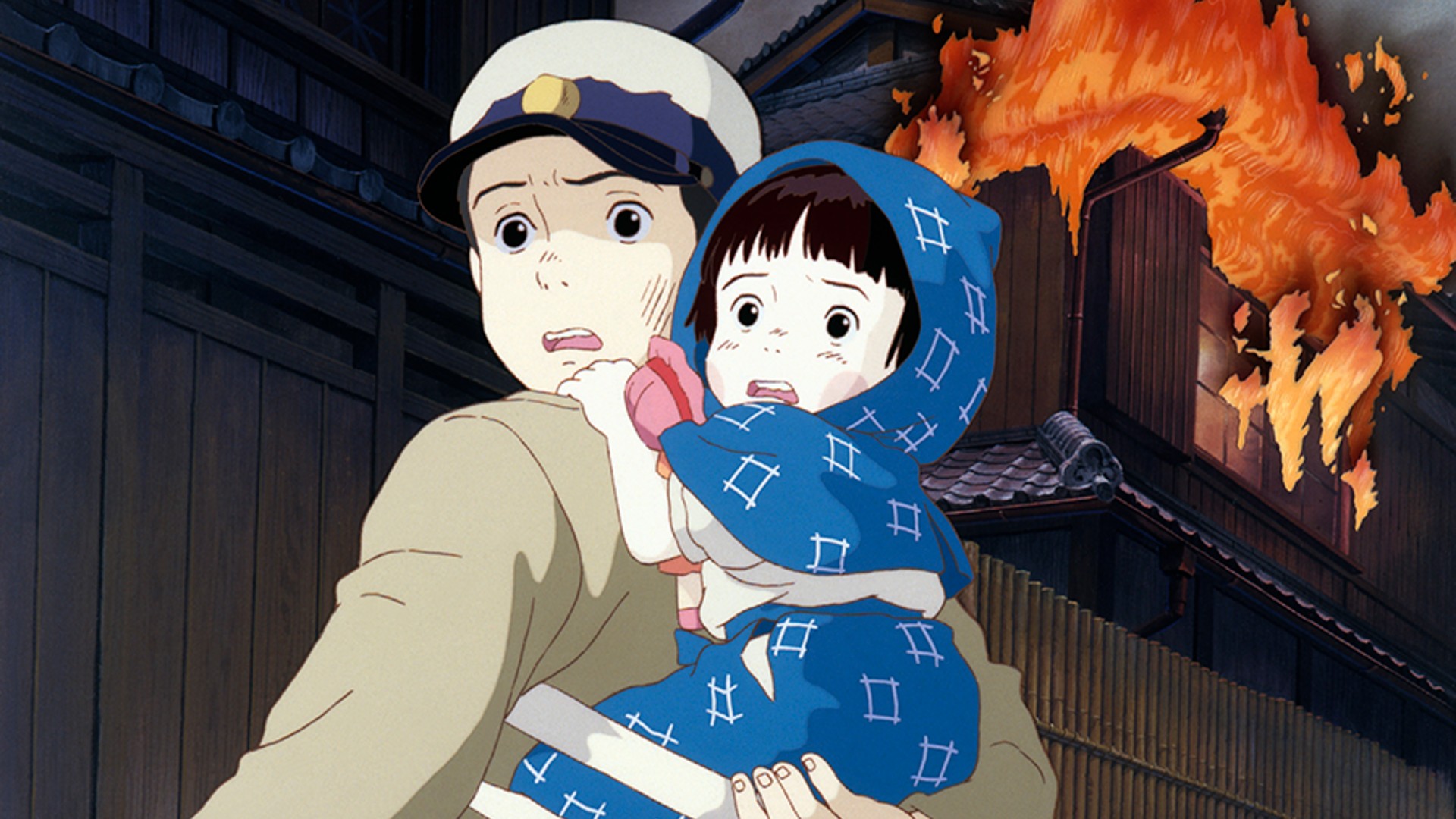
9. The Firebombers
In Grave of the Fireflies, the "villain" is not a single person, but the faceless, mechanical force of the Firebombers. These planes, dropping napalm over civilian cities, are the catalysts for the unimaginable suffering of Seita and Setsuko. They represent the "Total War" that treats children as collateral damage. Because they are faceless and distant, they are even more terrifying; they cannot be reasoned with or defeated by a hero’s journey. This "villain" is universally despised because it represents a historical truth. The planes are a symbol of a world that has lost its humanity, where the machinery of death outpaces the ability of society to protect its most vulnerable. In Takahata’s masterpiece, the firebombers aren't just an antagonist; they are a manifestation of human failure on a global scale. They are the most hated "characters" because their "evil" is not a fantasy—it is a memory.
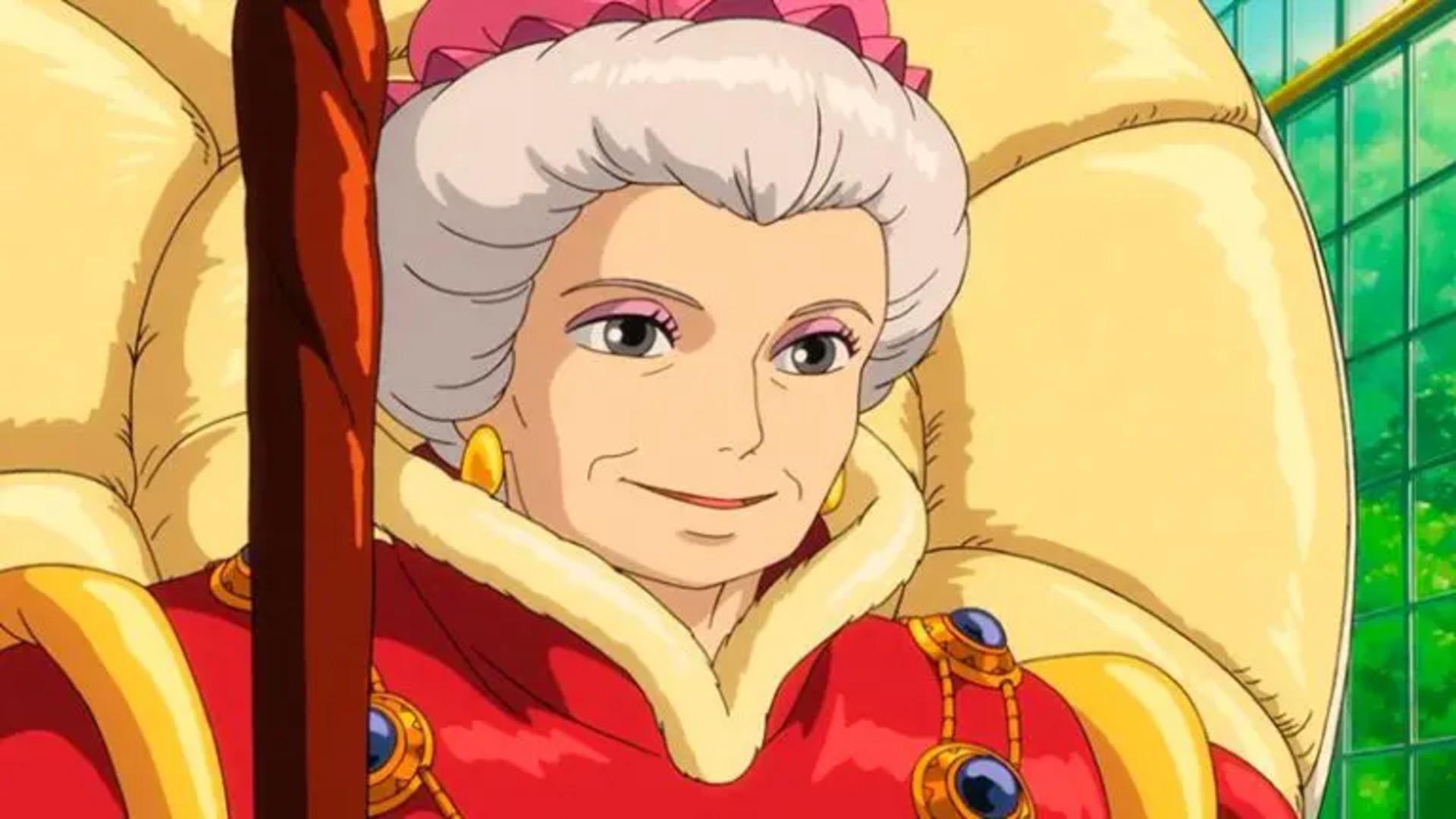
8. Madame Suliman
Madame Suliman is the true "Big Bad" of Howl’s Moving Castle, representing the "State as a War Machine." While the Witch of the Waste is petty, Suliman is strategic and cold. She is the one funding and prolonging a senseless war, using magic to transform young men into mindless monsters for the military. She is the "Grandmaster" who views Howl as nothing more than a lost weapon that needs to be brought back into the fold. Her elegance and soft-spoken nature hide a terrifying lack of emotion. She dispatches the Witch with a smile and threatens Sophie with the same fate. She is the "Architect of Conflict," the person who stays in the shadows while others die on the front lines. Fans despise her because she represents the cold heart of government power—the kind that treats people as pawins and only stops the war when she realizes she can no longer control the outcome.
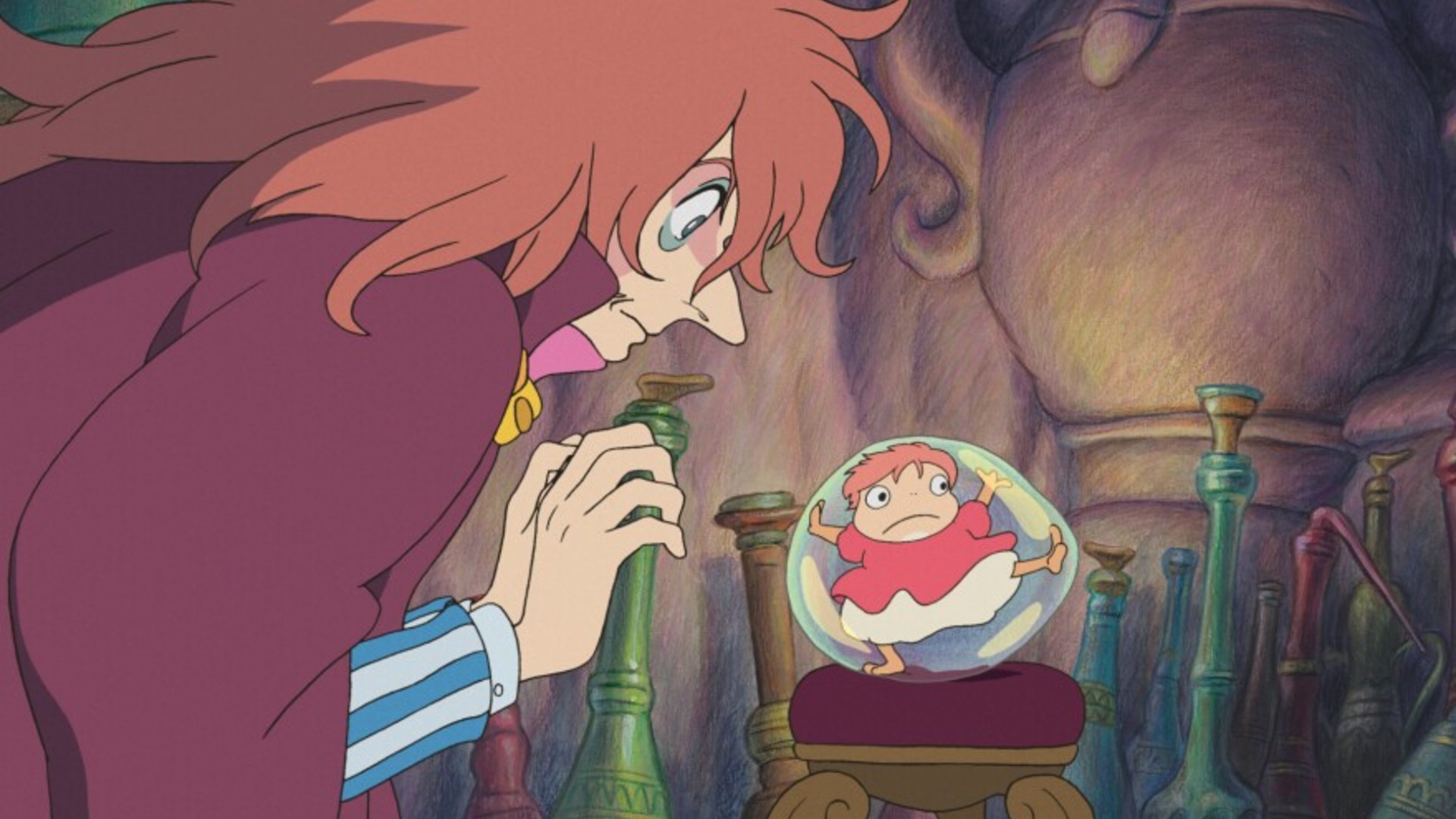
7. Fujimoto
Fujimoto is a tragic antagonist who is "hated" for his controlling and paranoid behavior. A former human who abandoned society for the sea, he views the human world as a polluted, disgusting mess. While his environmental concerns are valid, his methods are suffocating. He keeps his daughter, Ponyo, in a literal bubble, refusing to let her explore or grow beyond his control. He represents the "Helicopter Parent" whose fear for their child’s safety becomes a form of imprisonment. His frantic attempts to "reclaim" Ponyo cause an ecological disaster, nearly drowning the world because he refuses to let go. While he eventually reconciles with Ponyo’s choice, for most of the film, he is the obstacle to joy and discovery. He is a reminder that even "good intentions" can become villainous when they deny others the right to live their own lives.
6. The Parakeet King
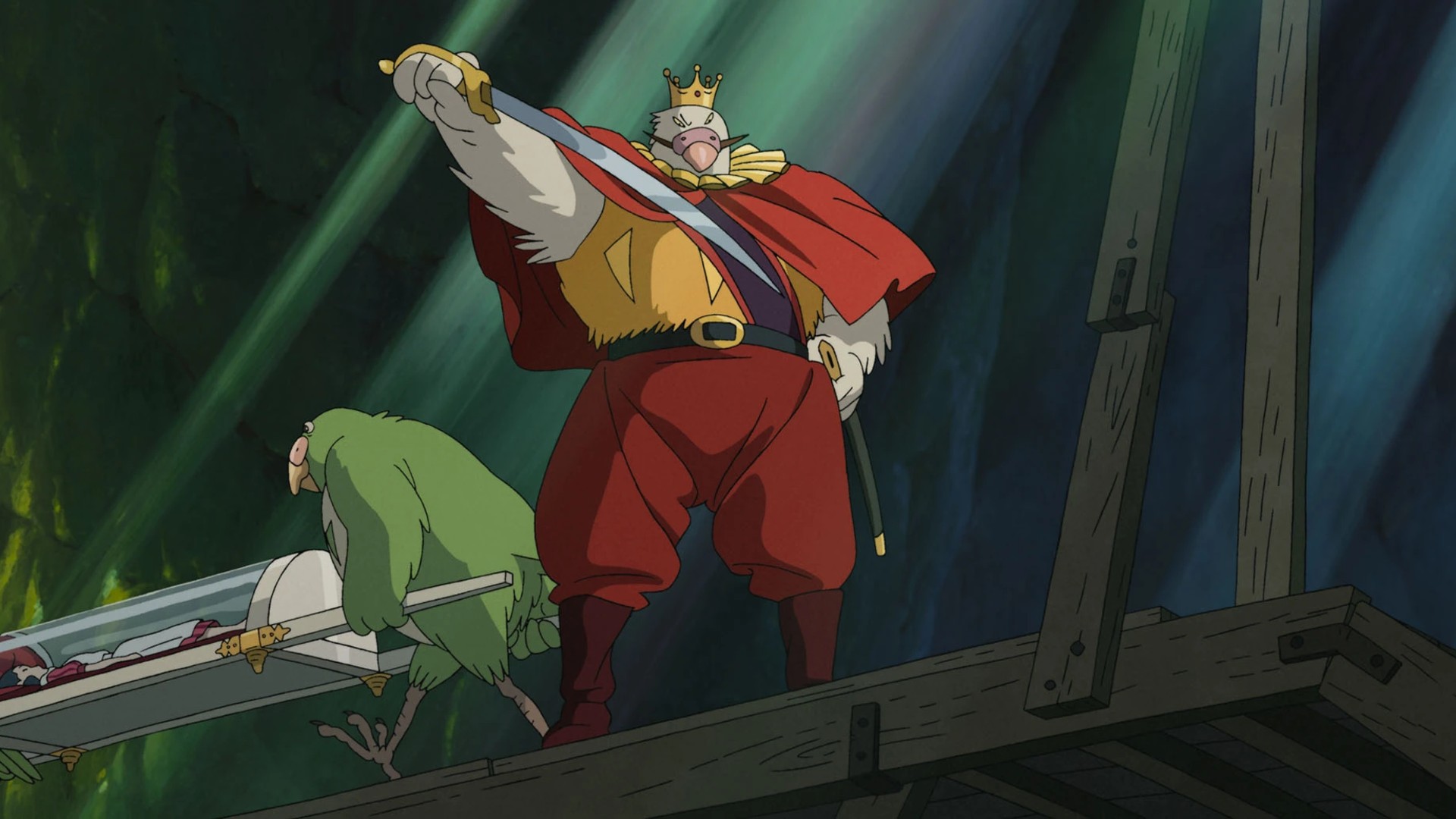
Introduced in The Boy and the Heron, the Parakeet King is a militaristic, man-eating leader who reigns over a crumbling, magical realm. He represents the "arrogant leader" who attempts to take control of a world he does not understand. His desire to replace the Great Uncle as the "Architect" of reality is driven by a lack of imagination and a reliance on brute force. His actions lead to the literal collapse of his world because he tries to balance the "stones of power" with a hand guided by malice and pride. He is a caricature of war-time leaders—flashy, demanding, and ultimately destructive to the very people he claims to lead. Fans dislike him for his loud, disruptive energy that threatens the delicate, melancholic balance of the tower, proving that some people are more interested in "winning" than in the survival of the world itself.
5. The Cat King
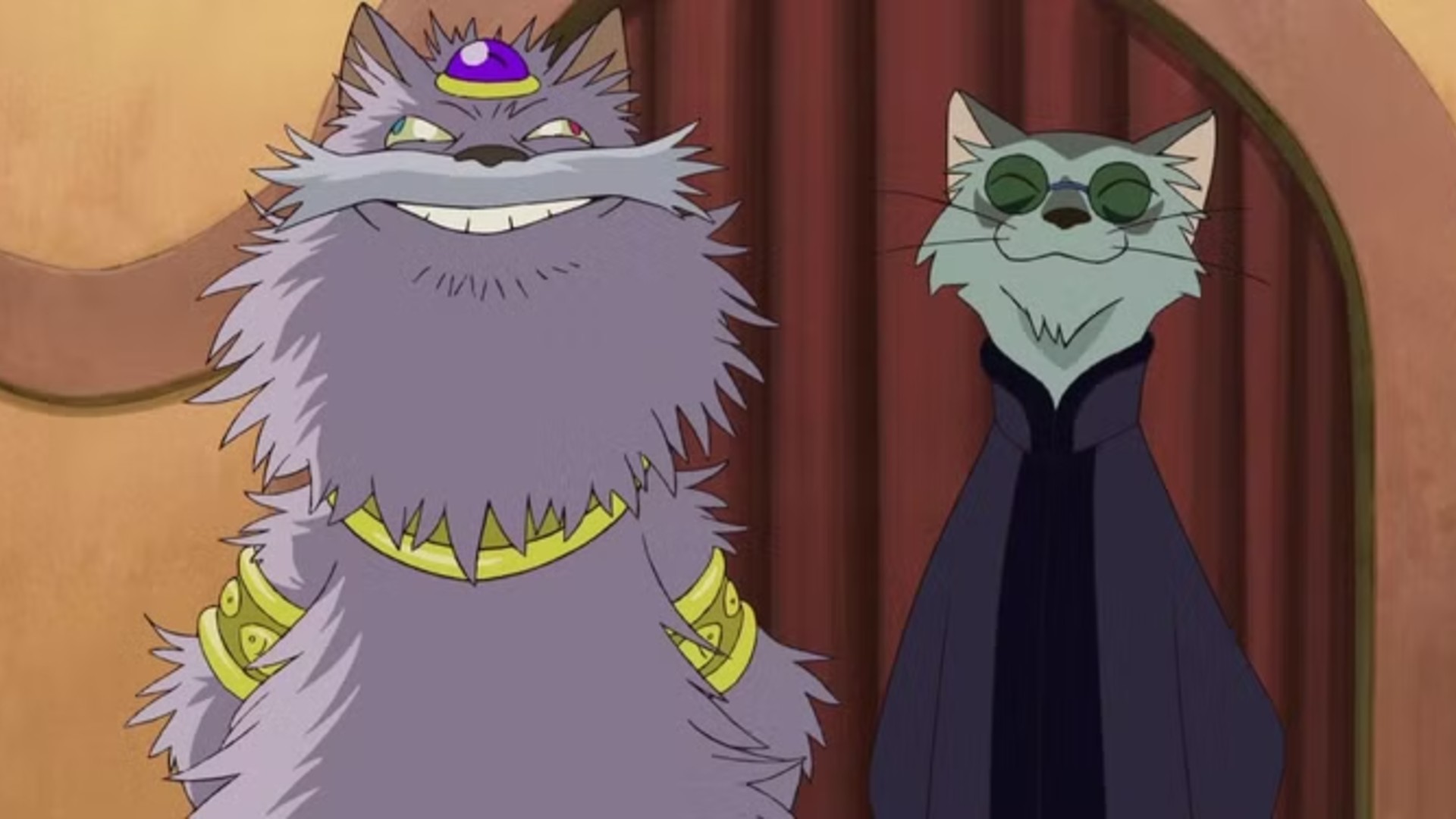
In The Cat Returns, the Cat King serves as a comedic yet deeply frustrating antagonist. He represents the "Selfish Parent" and the "Entitled Ruler" who believes that his whims are more important than the autonomy of others. By kidnapping Haru to force her into a marriage she never asked for, he treats her as a trophy rather than a person. His villainy is less about "world domination" and more about the "casual disregard for consent." He is chaotic and pampered, throwing tantrums when things don't go his way. While the film is lighthearted, the Cat King’s actions reflect a darker theme of losing oneself to the expectations of others. He is the person who tries to "fix" your life by forcing you into a box that fits their vision, making him a highly relatable "nuisance villain" for audiences who value independence.
4. Lady Eboshi
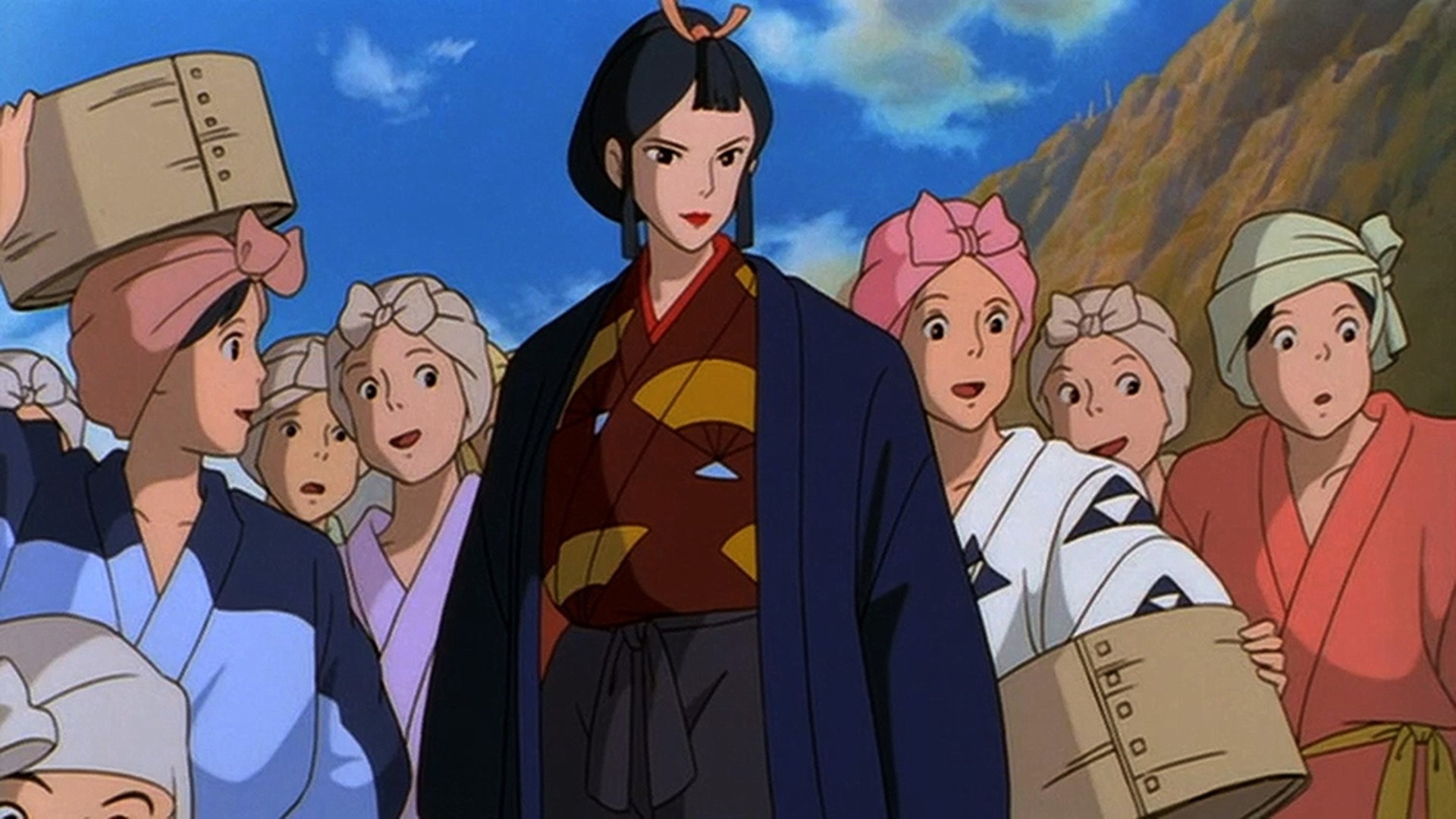
Lady Eboshi is perhaps Miyazaki’s most complex antagonist, as she is not "evil" in the traditional sense, but she is the primary engine of destruction in Princess Mononoke. She is a visionary leader who provides a home for the marginalized, giving them dignity and work. However, her compassion for humans is balanced by an utter contempt for the natural world. She represents the "Violent Industrialist" who believes nature is merely an obstacle to be conquered. Her willingness to decapitate the Forest Spirit is the ultimate act of human hubris, believing that man can live independently of the gods. Fans find her "detestable" for her cold efficiency and her inability to see the middle path. She is the face of modern progress: enlightened and humanitarian on the inside, but ecologically devastating on the outside.
3. The Witch of the Waste
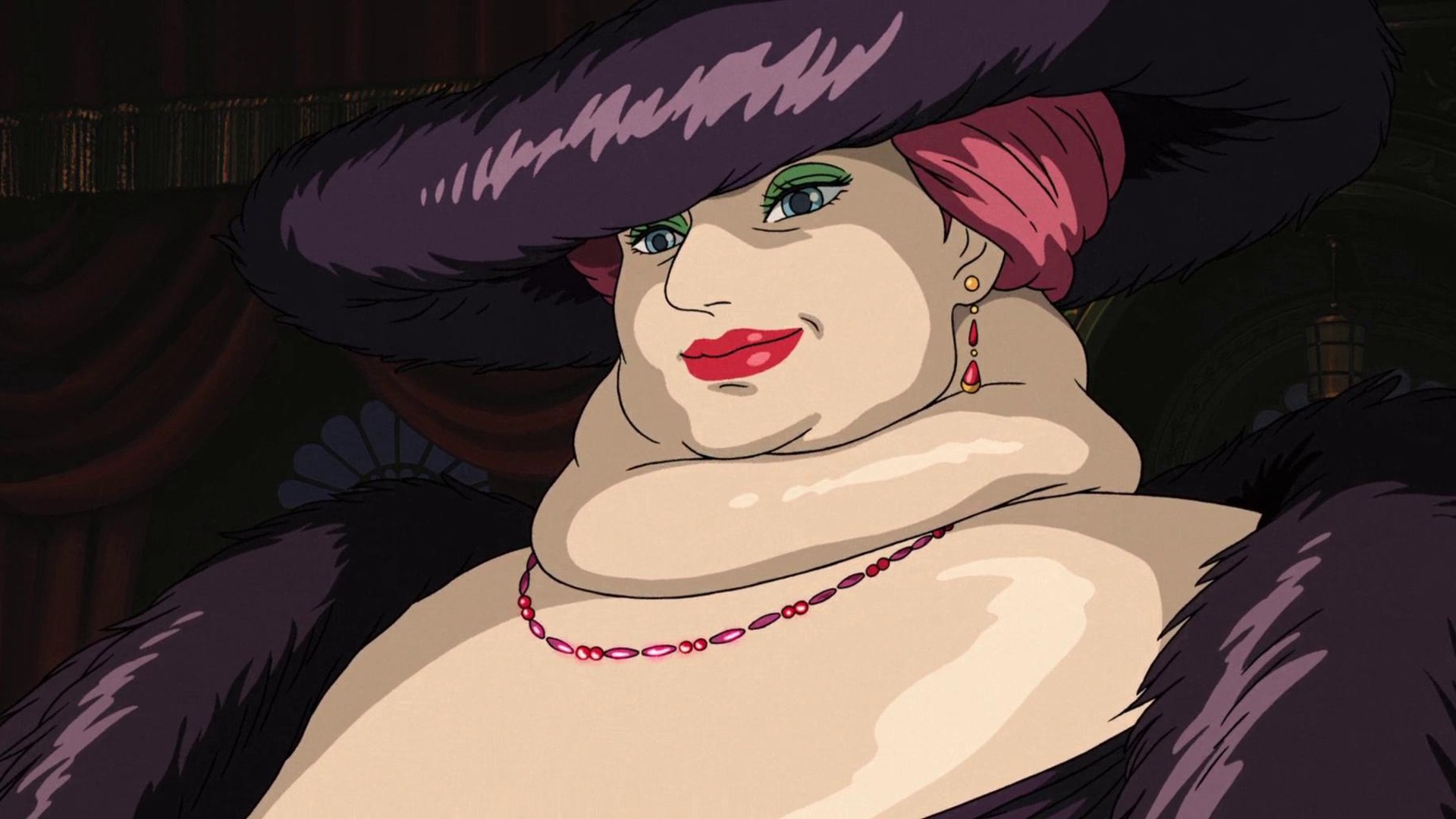
The Witch of the Waste begins as a traditional "fairytale" villain, driven by petty jealousy and an obsessive desire for Howl’s heart. Her curse on Sophie is an act of pure spite, born from her own insecurities about aging and her loss of favor in the royal court. She represents the "Demon of Greed" that can consume a person when they prioritize superficial beauty and power over genuine human connection. What makes her fascinating is her transformation. Once her magic is stripped away by Madame Suliman, she is revealed to be a helpless, senile old woman. This pivot forces the audience (and Sophie) to move from hatred to pity. She serves as a thematic mirror to Howl; both used magic to mask their true selves, but while the Witch became a slave to her desires, Howl found redemption through love. She remains a "villain" for much of the film because her selfishness nearly destroys everyone around her before her eventual quietude.
2. Lord Cob
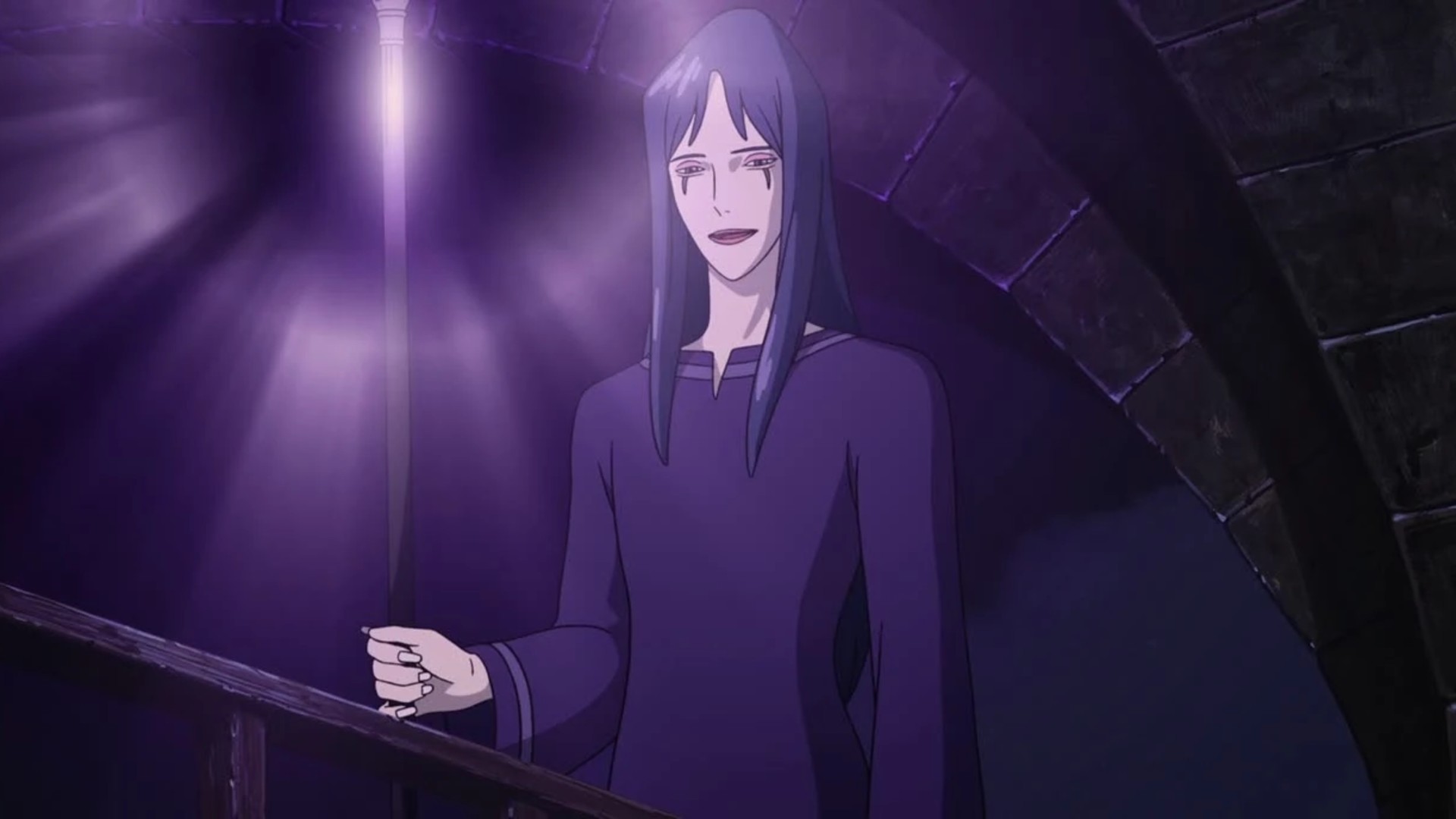
Lord Cob serves as a chilling representation of the ultimate narcissistic pursuit: immortality at any cost. As a sorcerer who fearfully rejects the natural cycle of life and death, Cob causes the world’s balance to collapse by opening the door between realms. His evil is existential; he is willing to drain the world of its magic and vitality just to preserve his own fading existence. Cob is particularly loathsome because of his manipulative nature. He uses the fear and insecurities of others to control them, most notably attempting to corrupt Prince Arren. His physical appearance—often unnaturally young or androgenous—reflects his rejection of his own humanity. He represents the "Death of the Soul" that occurs when one values their own life over the welfare of the collective. In Ghibli’s filmography, he stands as a stark warning that the refusal to accept mortality is the ultimate act of selfishness.
1. Colonel Muska
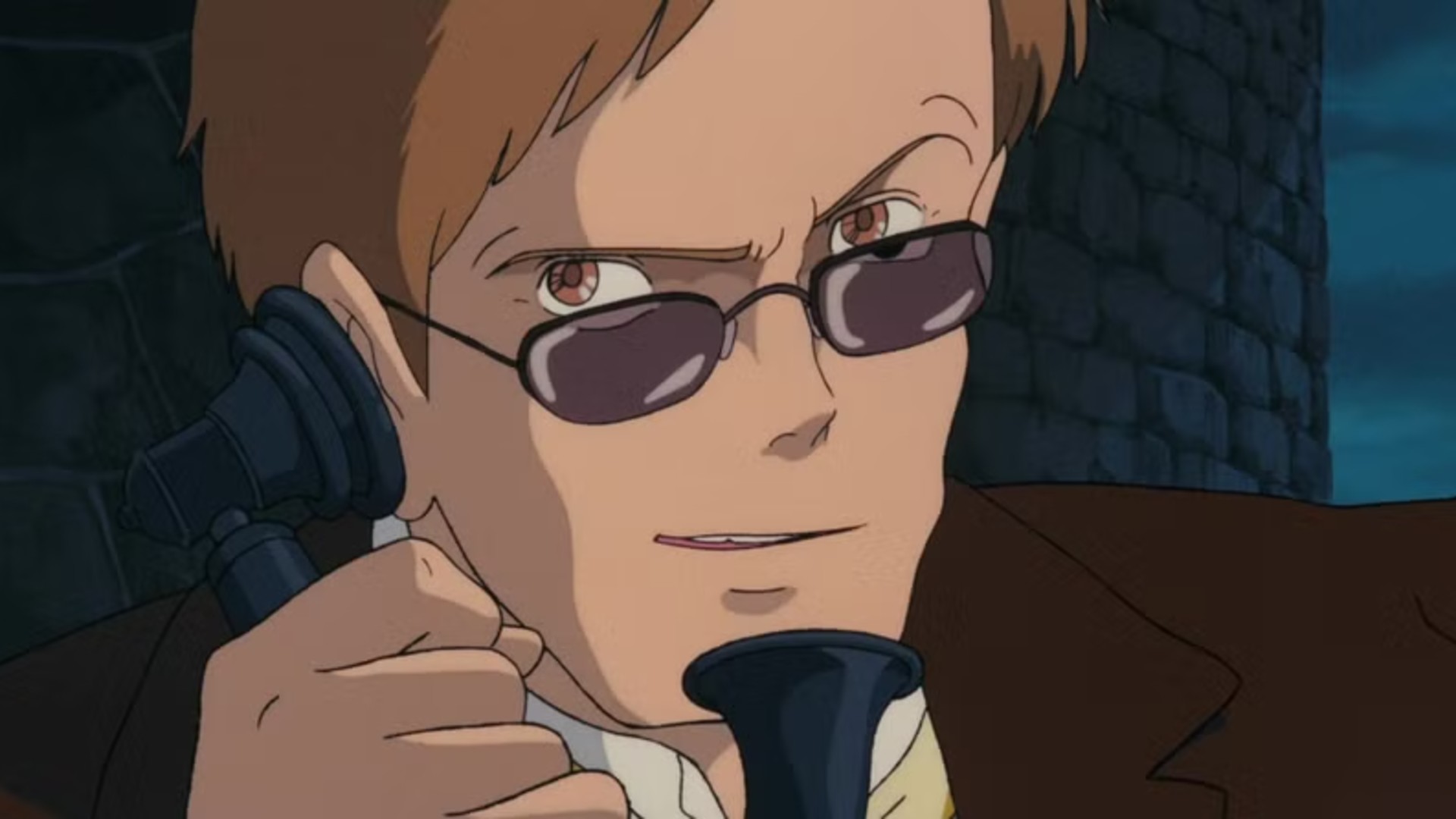
Colonel Muska is often cited as the most "traditionally evil" villain in the Studio Ghibli canon. As a secret agent of the government and a descendant of the Laputian royal line, Muska is driven by a singular, sociopathic desire for absolute power. Unlike other Ghibli antagonists who possess shades of grey, Muska is cold, calculating, and entirely devoid of empathy. He views the ancient technology of Laputa not as a marvel of history, but as a weapon to achieve global subjugation. His villainy is highlighted by his willingness to betray everyone—his military superiors, his subordinates, and even his distant relative Sheeta. He represents the corrosive nature of human ego and the danger of combining ancient knowledge with modern militarism. In the end, his blindness (both literal and metaphorical) serves as a classic cautionary tale: those who seek to rule through fear and technology alone are eventually consumed by the very power they try to wield.