10 Studio Ghibli Masterpieces That Put Disney, Pixar to Shame
10. The Boy and the Heron (2023)
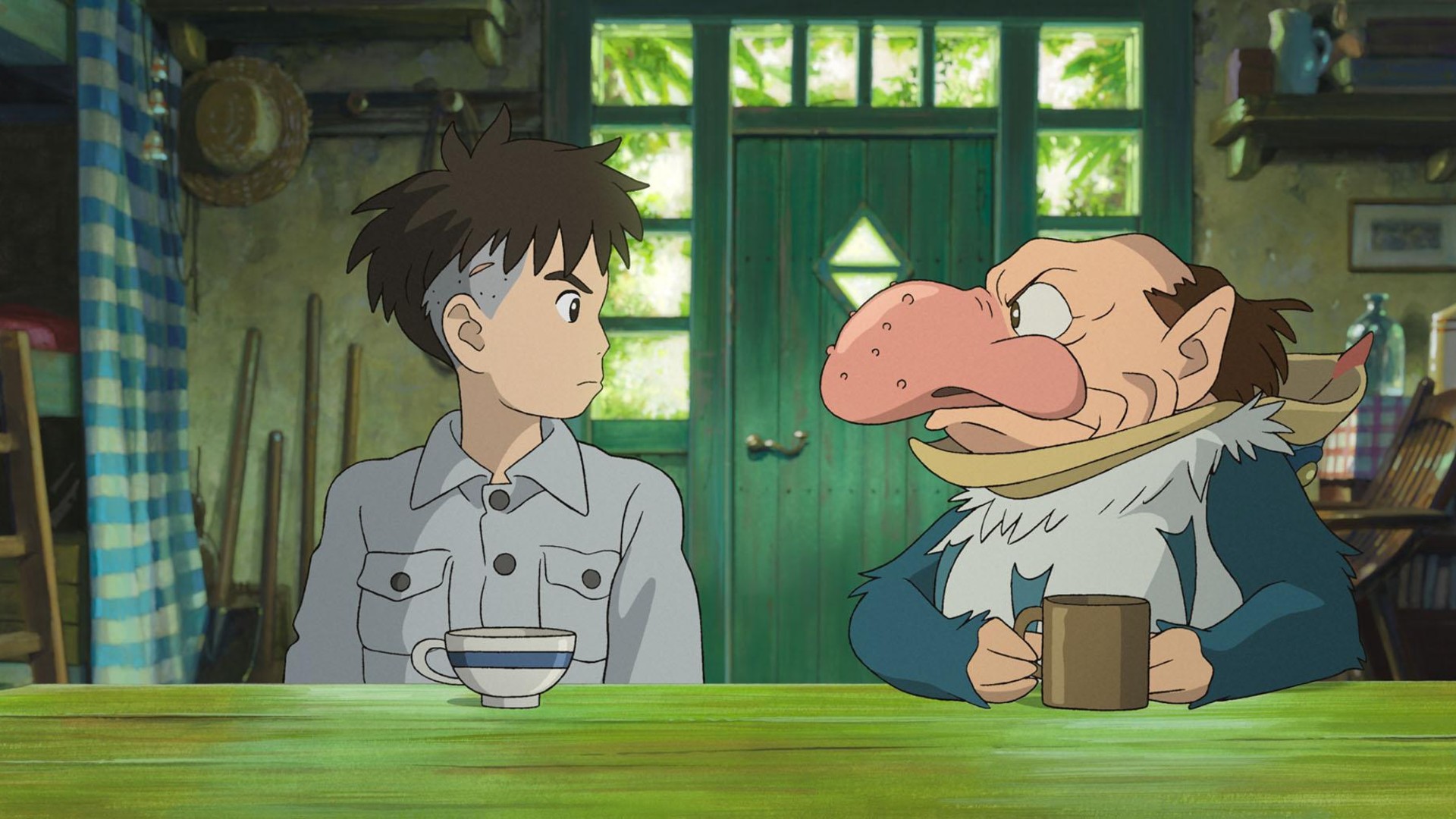
In his eighties, Miyazaki returned with a dense, abstract meditation on grief, legacy, and artistic creation. It refuses easy interpretation and does not pause to explain itself. Fans see it as a defiant statement in an era dominated by sequels, spin-offs, and algorithm-driven storytelling. Where some studios refine software pipelines, Ghibli still refines soul.
9. Only Yesterday (1991)
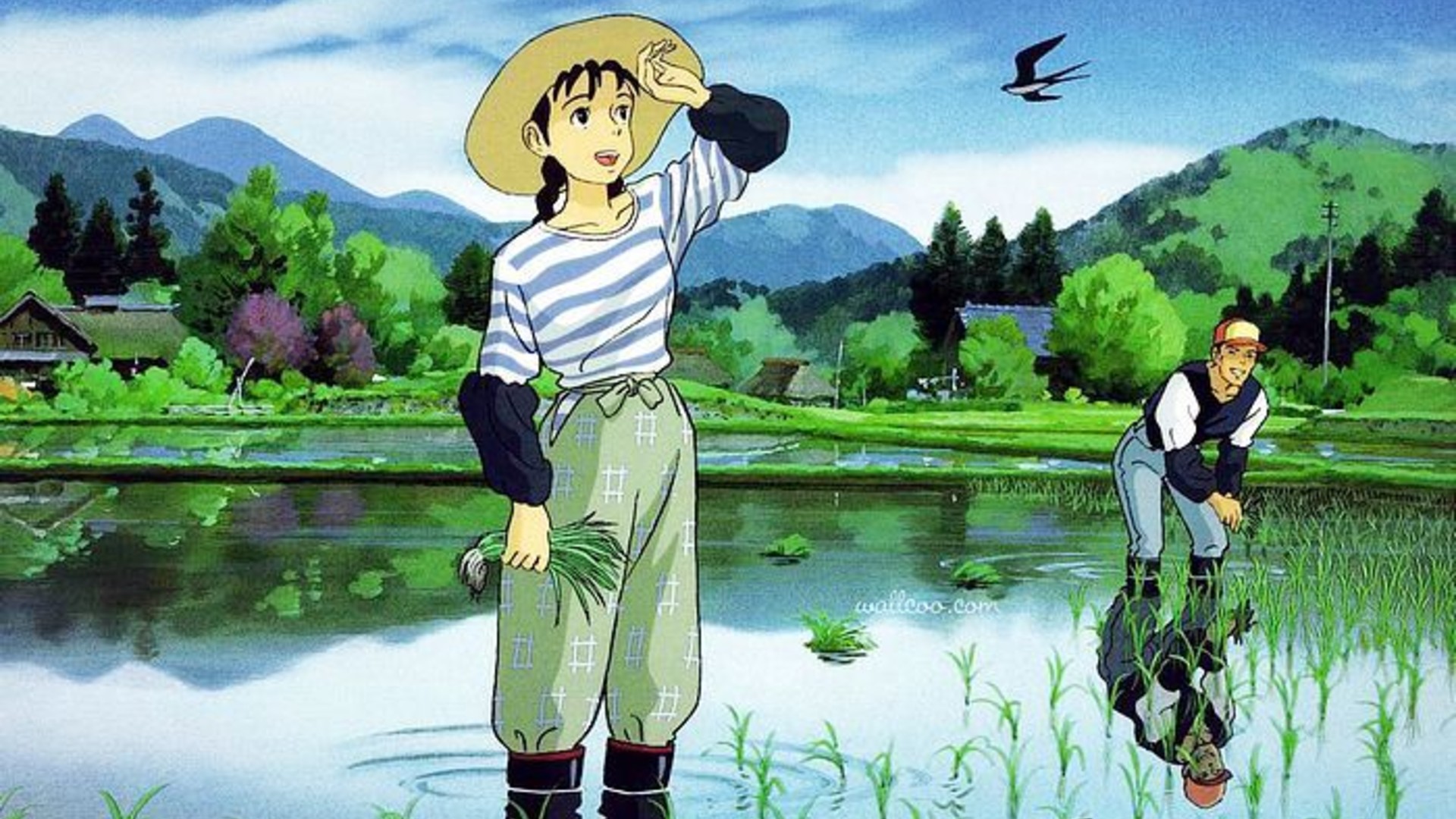
A woman in her twenties reflecting on childhood memories while visiting the countryside does not scream box-office blockbuster. Yet Only Yesterday resonates deeply with adult viewers who see their own nostalgia, regret, and quiet longing mirrored on screen. It proves that animation can explore mundane life with just as much beauty as fantasy epics.
8. Howl’s Moving Castle (2004)
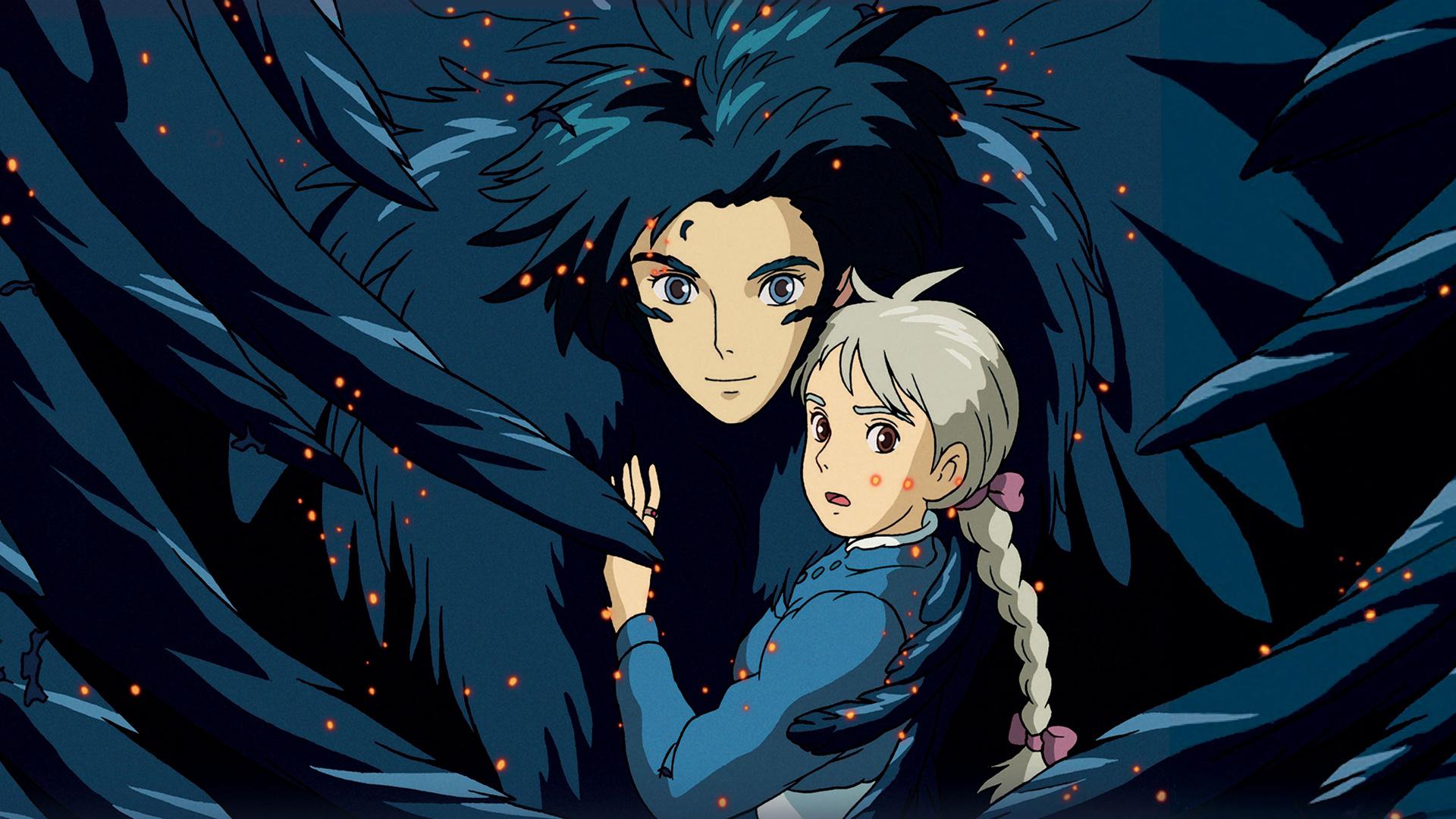
Is the plot tidy? Not exactly. Does it follow a clean three-act structure? Not really. But Howl’s Moving Castle thrives on feeling—romance, fear, vanity, war, and transformation—all swirling together in a dreamlike haze. Fans love that it chooses atmosphere and emotional texture over rigid formula, something many argue modern studio animation has sacrificed for predictability.
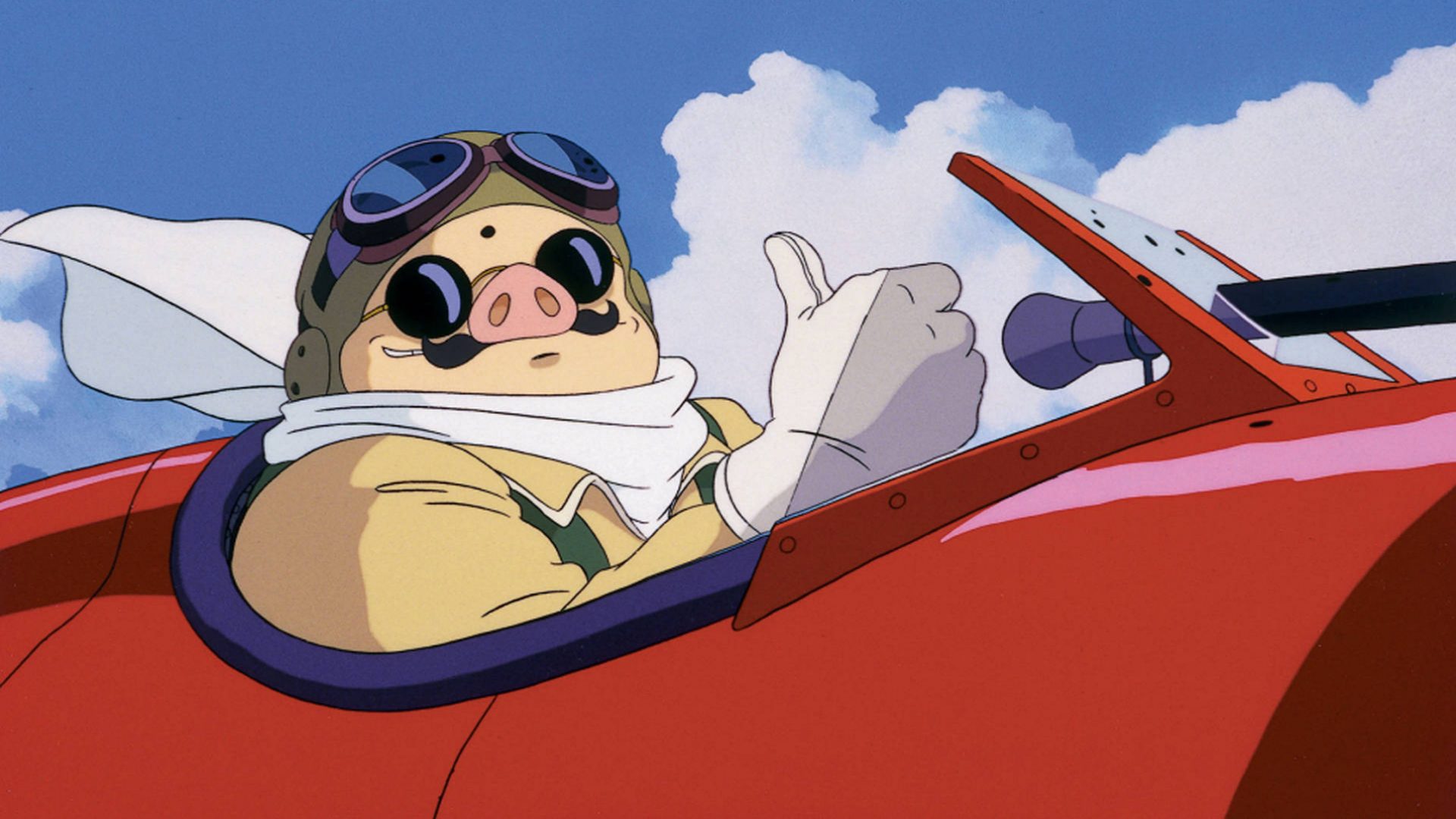
7. Porco Rosso (1992)
A middle-aged pilot cursed to look like a pig, drifting through post-war Europe and quietly wrestling with fascism and regret, does not sound like standard family entertainment. Yet Ghibli makes it charming, funny, and politically sharp. The line “Better a pig than a fascist” carries more weight than entire scripts built around safe, sanitized messaging.
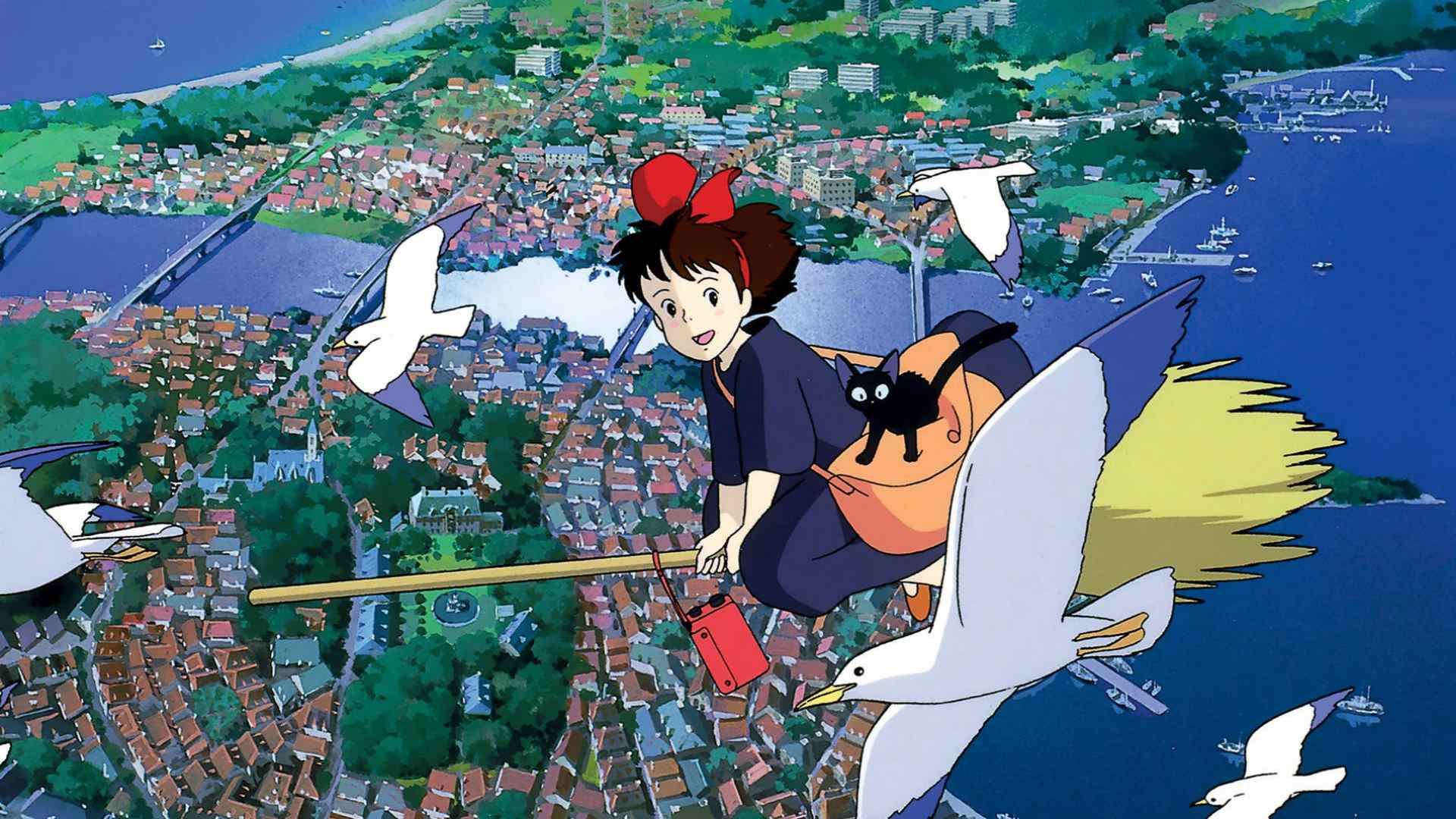
6. Kiki’s Delivery Service (1989)
Forget saving the world. Kiki’s real battle is burnout. She loses confidence. She questions her talent. She feels isolated in a new city. For many fans, that emotional honesty hits harder than any supervillain showdown. It’s a coming-of-age story that understands creative exhaustion long before “mental health arcs” became fashionable in Hollywood storytelling.
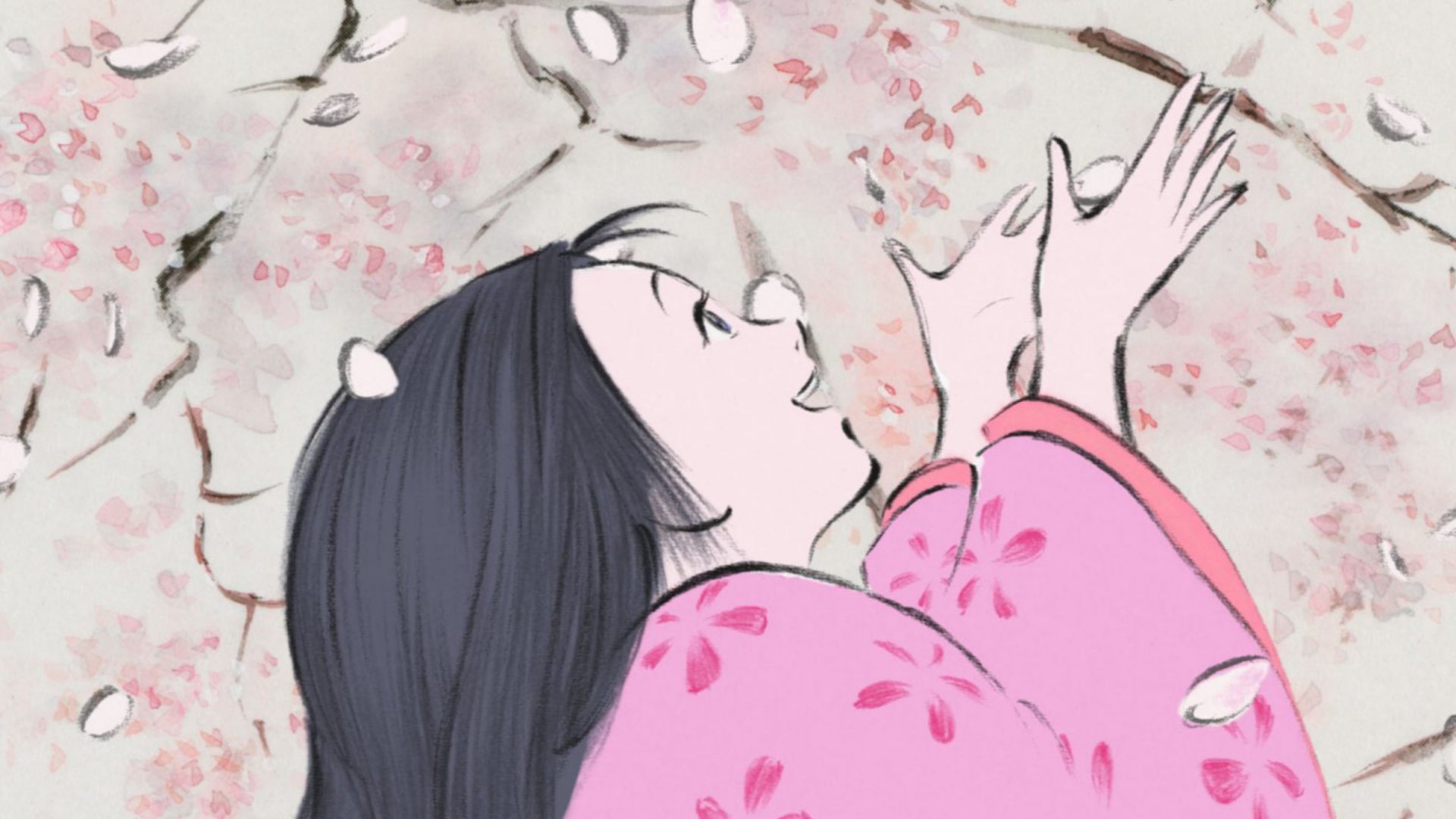
5. The Tale of the Princess Kaguya (2013)
While much of mainstream animation races toward hyper-detailed realism, Kaguya embraces watercolor smudges and charcoal lines that feel alive and fragile. Every brushstroke carries emotion. Fans often describe it not as a movie but as a moving painting. It stands as a reminder that animation’s power lies in expression, not in how realistically it can render grass.
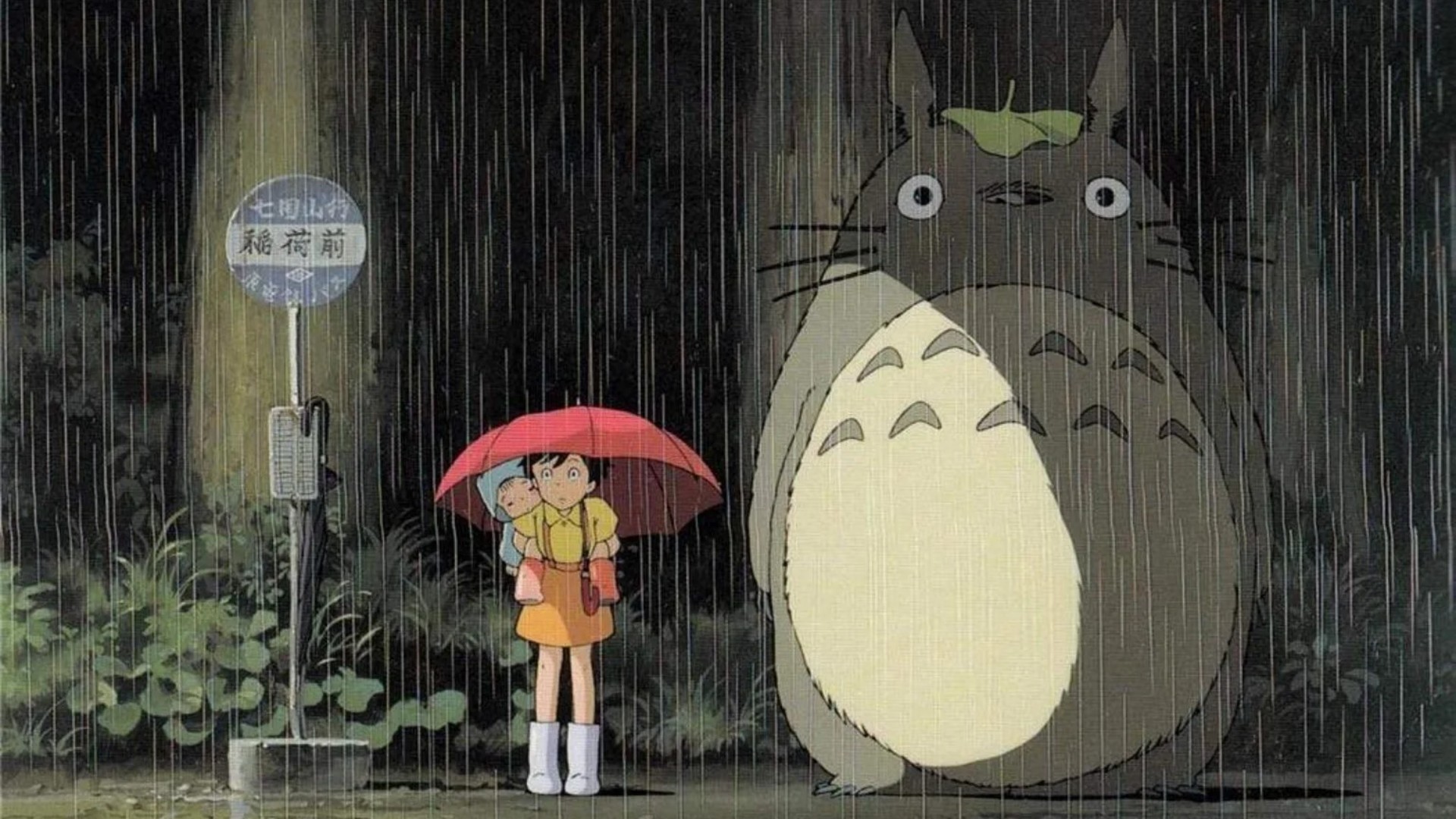
4. My Neighbor Totoro (1988)
Studio executives obsessed with conflict charts would probably panic at a script like this. Two girls move to the countryside. They wait for their dad. They meet a forest spirit. That’s it. And yet, the quiet bus-stop scene in the rain feels more magical than many nine-figure animated action finales. Totoro proves that stillness, patience, and childhood wonder can be more powerful than spectacle.
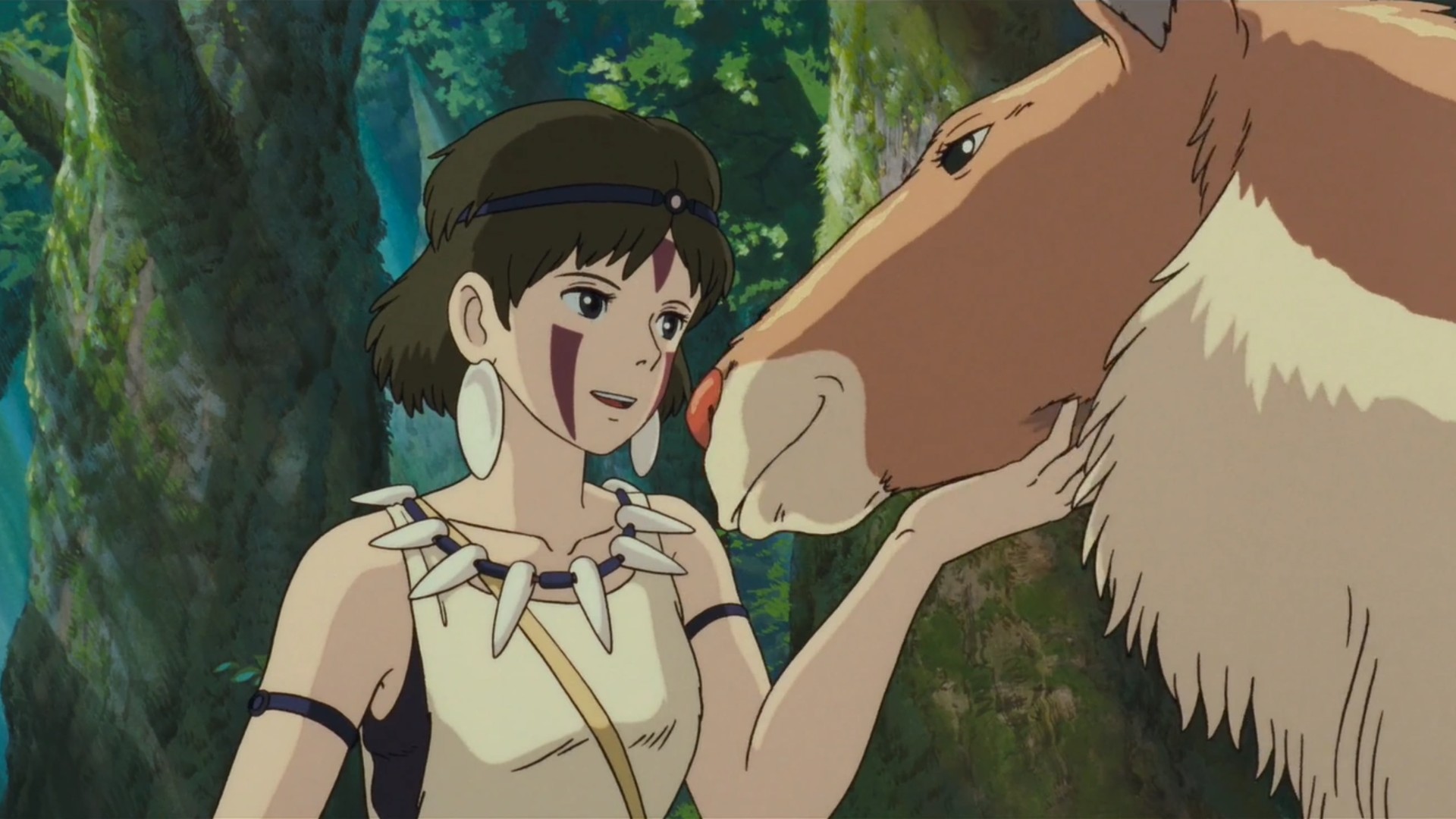
3. Princess Mononoke (1997)
Pixar’s WALL-E offered a charming warning about consumerism. Princess Mononoke delivers a brutal, morally complex war between industry and nature. There are no cartoon villains twirling mustaches here. Every character has a point, and every victory costs something. Fans praise it for refusing easy answers and for presenting environmental conflict as messy, violent, and heartbreakingly human.
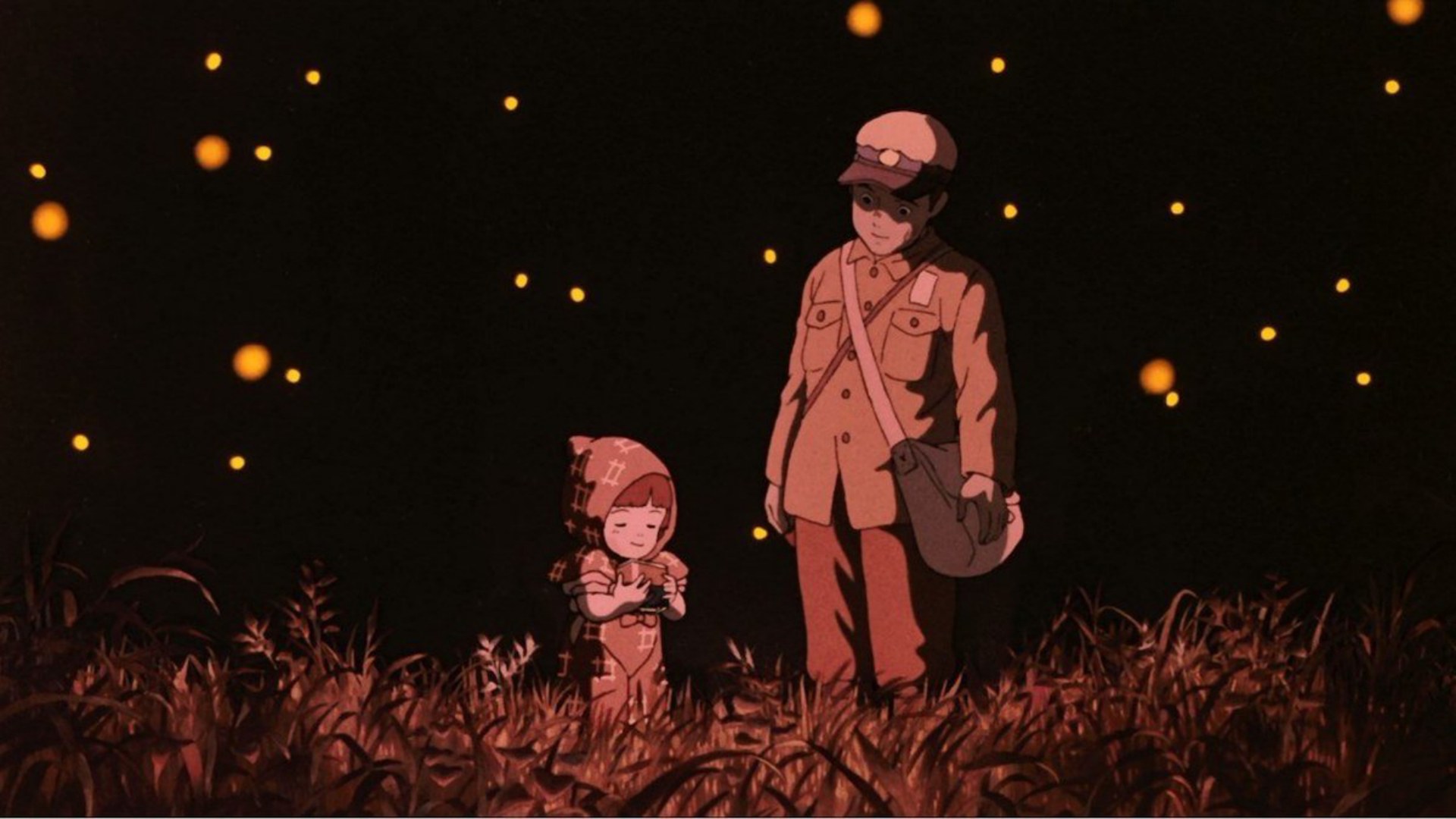
2. Grave of the Fireflies (1988)
Disney sadness often arrives quickly and then pivots back to hope. Grave of the Fireflies does not pivot. It sits with grief, hunger, and wartime devastation in a way that is almost unbearable. For many viewers, it remains the ultimate reminder that animation is not a genre—it is a medium. The emotional weight of this film leaves audiences stunned in silence, something no talking snowman could ever soften.
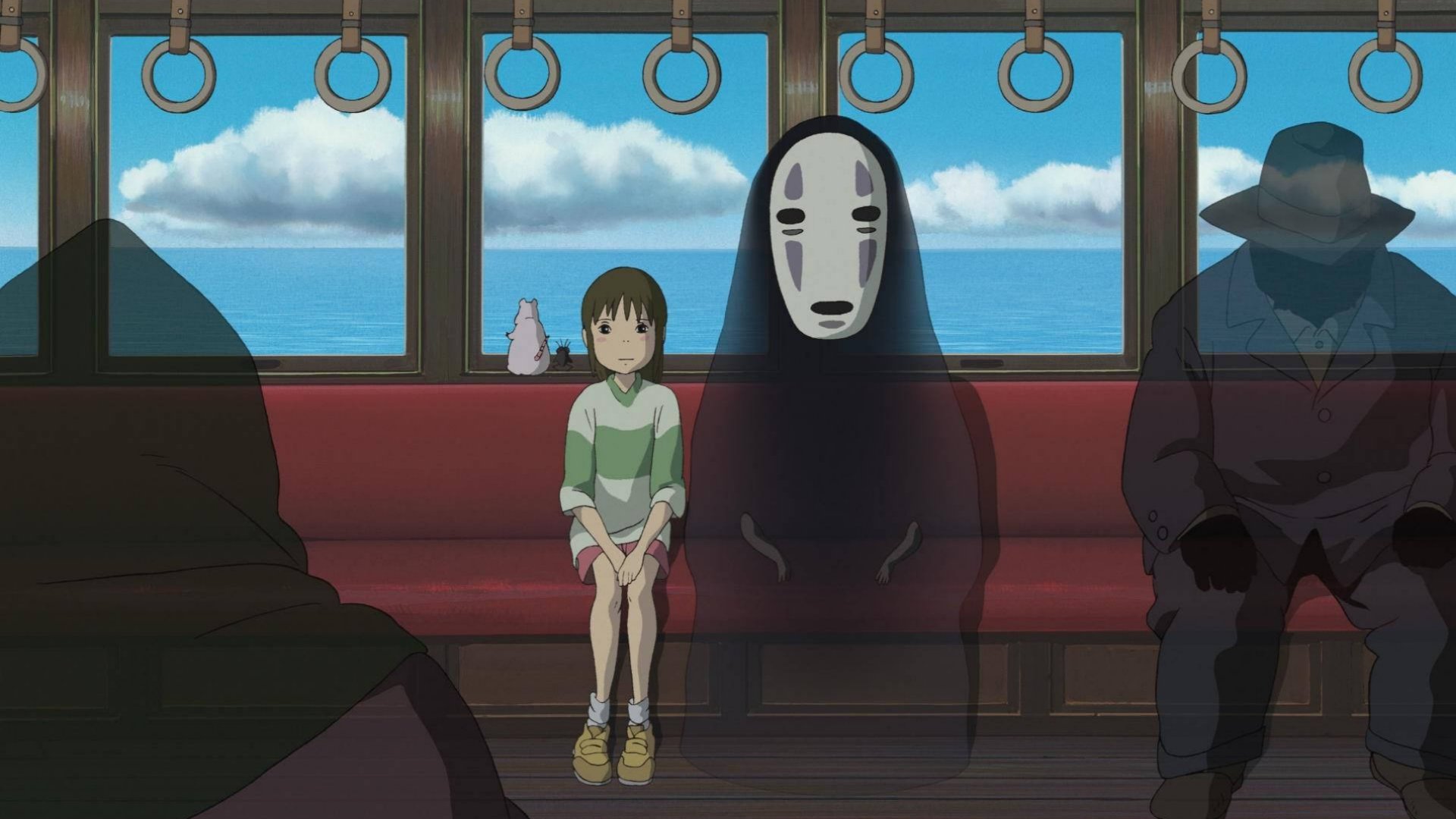
1. Spirited Away (2001)
While Disney was perfecting its marketable “Princess” formula, Hayao Miyazaki gave us Chihiro—an ordinary, frightened, sometimes irritating kid who actually has to grow up the hard way. There’s no animal sidekick cracking jokes and no soaring “I Want” anthem explaining her dreams. Instead, we get a surreal bathhouse nightmare filled with greed, loneliness, and identity crises. Fans often argue that Spirited Away makes many Western animated heroines feel prepackaged by comparison.