10 Studio Ghibli Antagonists Who Were Misunderstood
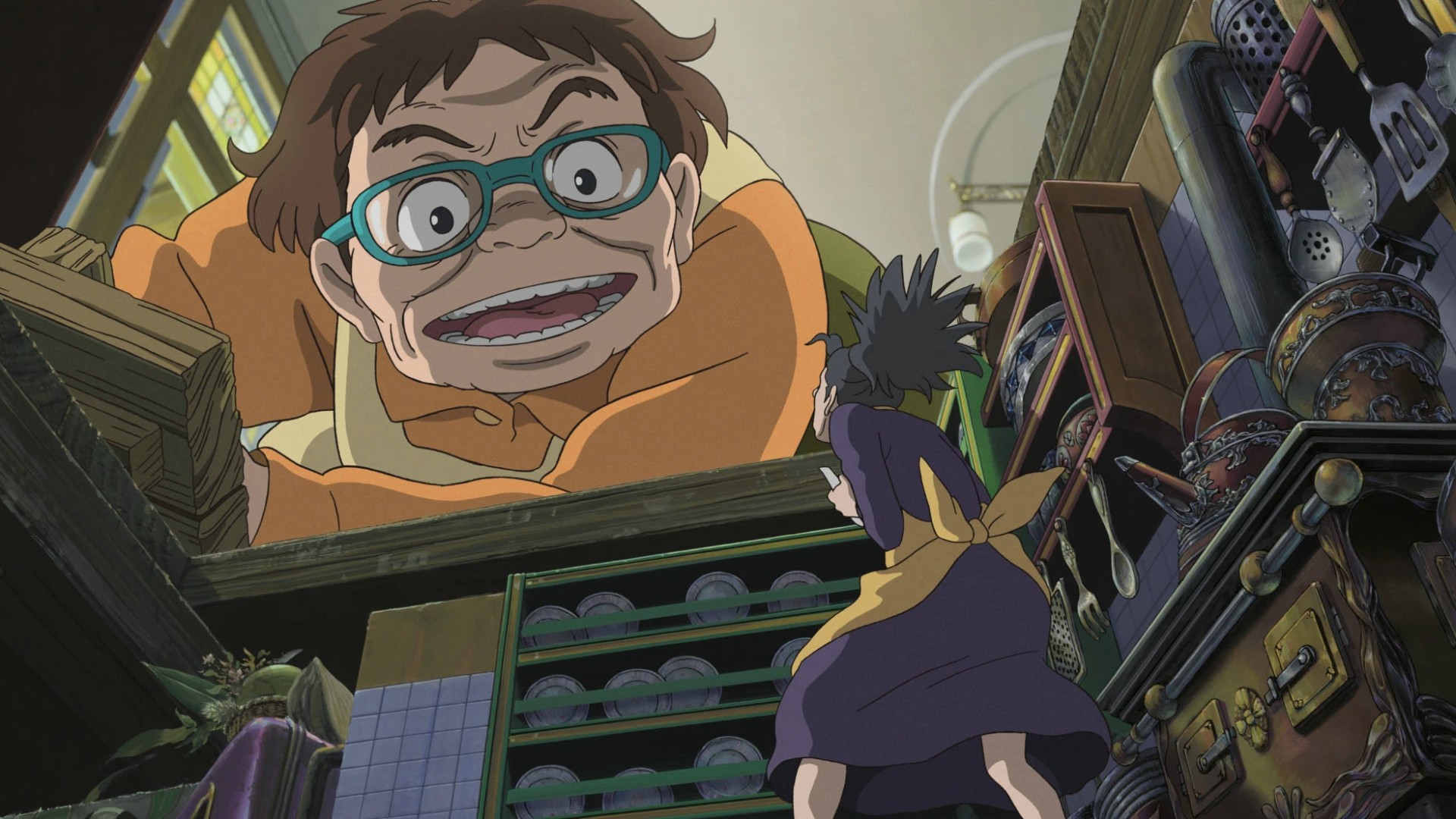
10. Haru — The Secret World of Arrietty
Haru is not the villain; she is a lonely individual in a way that is painful. This desperation for connection is what shines through in each move she makes, regardless of how intrusive it may be. Haru is so fascinated with the Borrowers because she wants to be noticed and understood. She wants magic to exist because she knows how small and lonely her own world is.
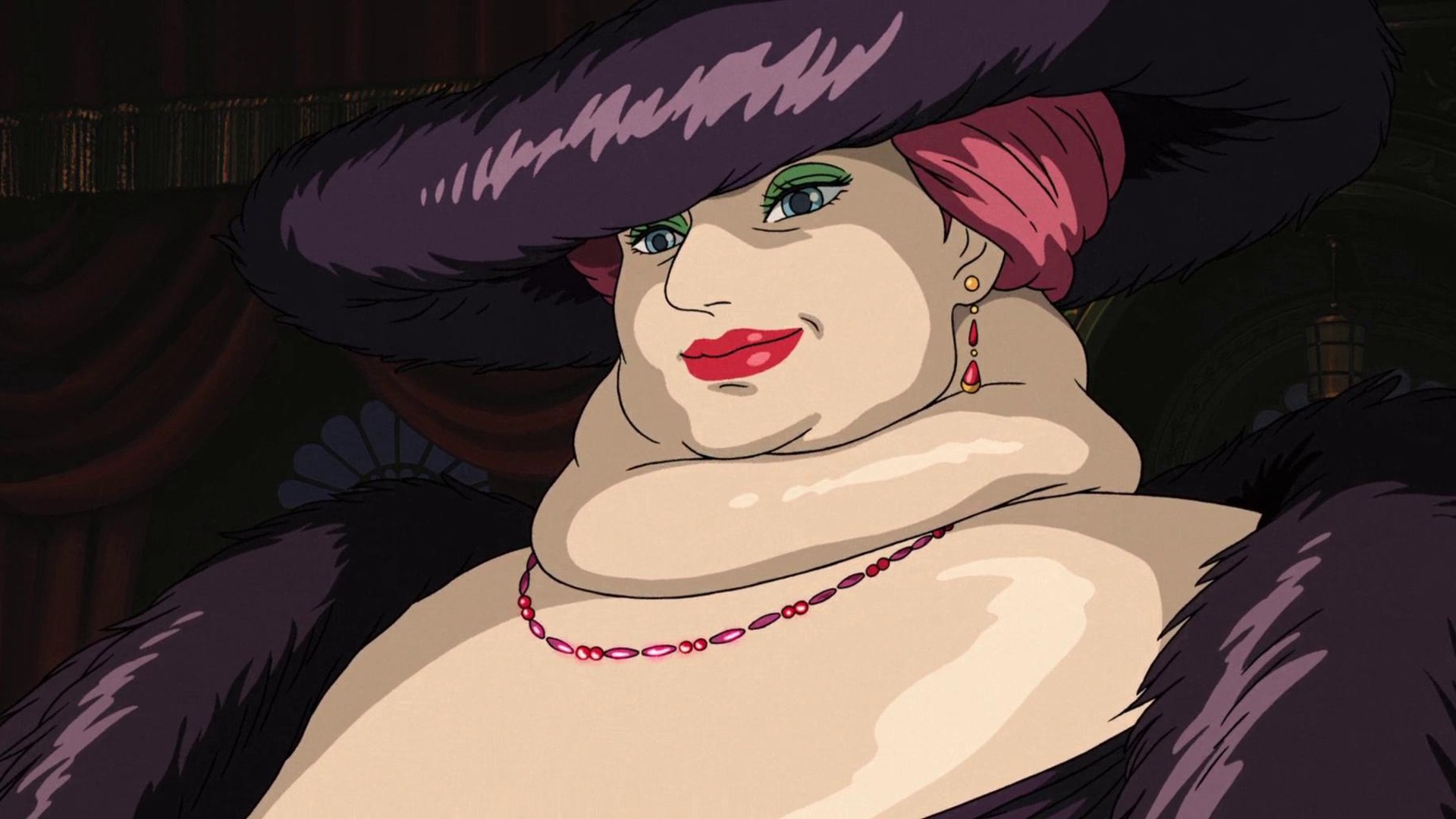
9. The Witch of the Waste — Howl's Moving Castle
She comes into the story as a strong and vindictive presence driven by vanity. But without magic, she becomes vulnerable and confused and strangely empathetic. One sees that she was mean and hurtful out of obsession and fear of growing old. This character becomes no longer threatening—just lonely and pathetic. One comes to care for this person despite herself—again, Miyazaki's kindness.
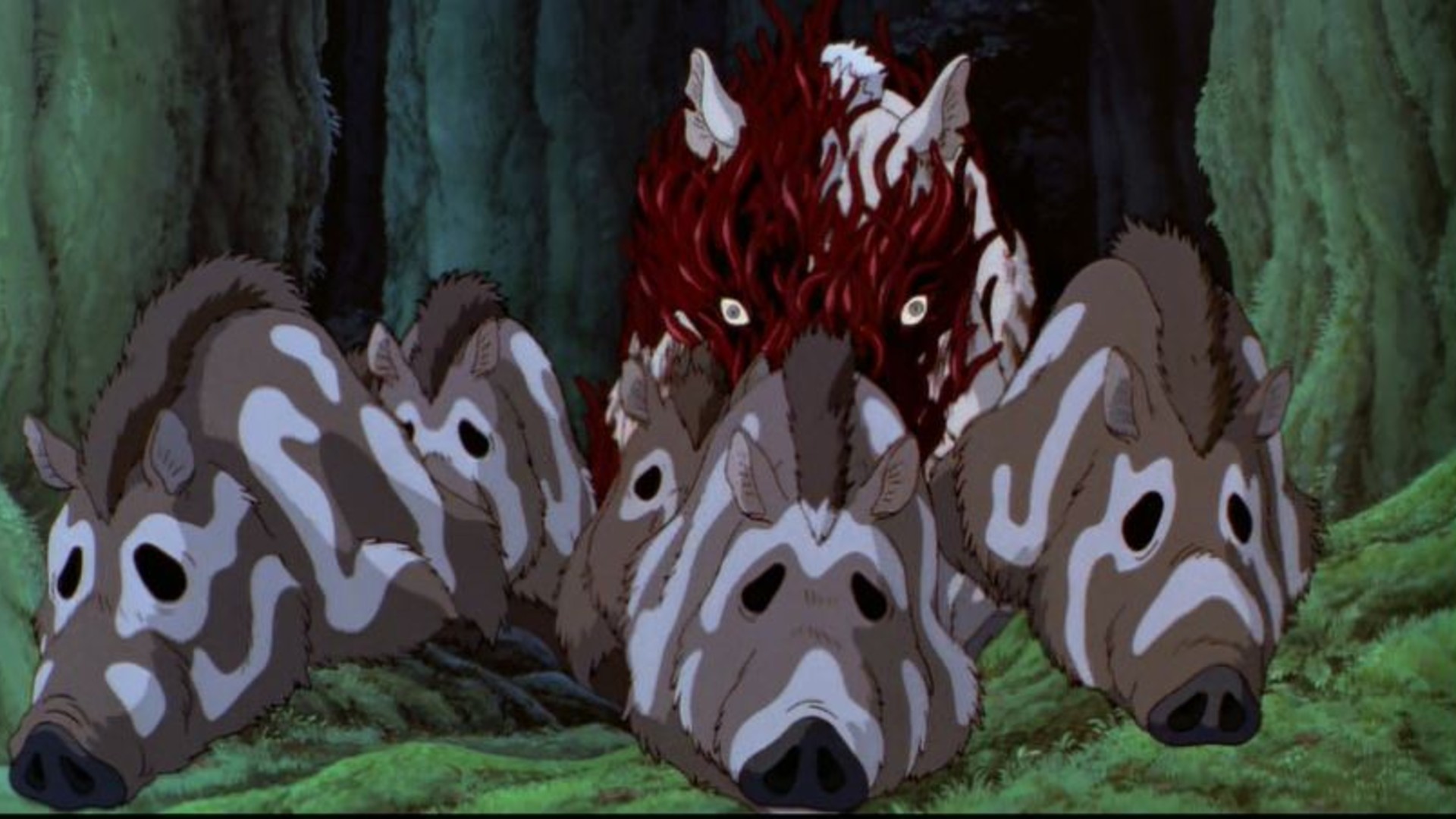
8. Okkoto — Princess Mononoke
Okkoto is terrifying in his anger, but poignant in his motive. You sense his desperation as he watches his forest die, bit by bit. His anger is a result of continuous betrayals and losses. Pushed beyond reason, he becomes what he despises, driven by a hatred that is meant to protect. We weep for him, a victim of violence that began much, much sooner than this battle.
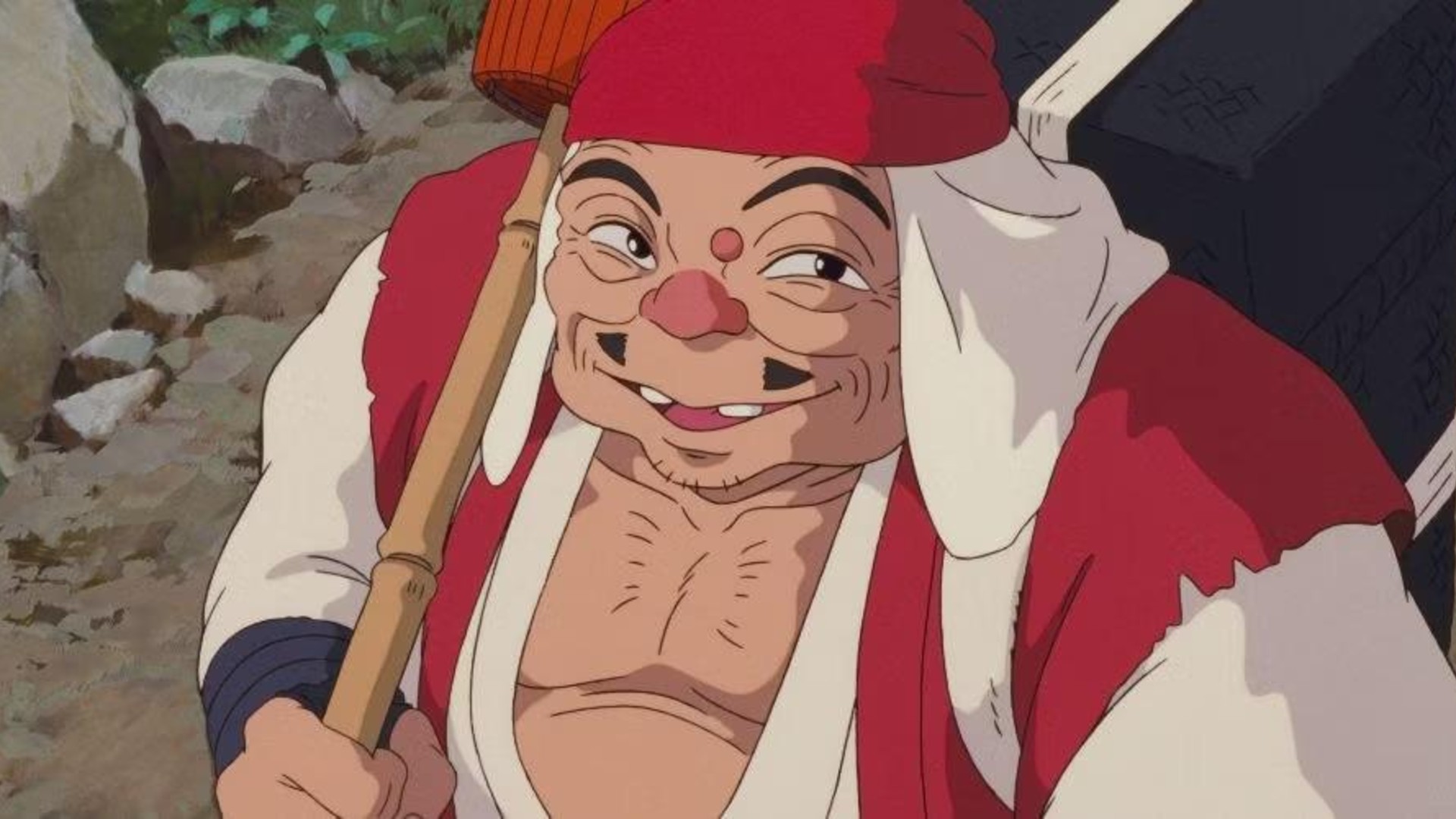
7. Jikobō — Princess Mononoke
The character of Jikobō appears to be kind, joke-loving, and innocent. But gradually, you realize that his actions are driven entirely by survival and self-centeredness. This character commits none of these acts out of hatred or conviction but out of gain and, more often, the fear of poverty.
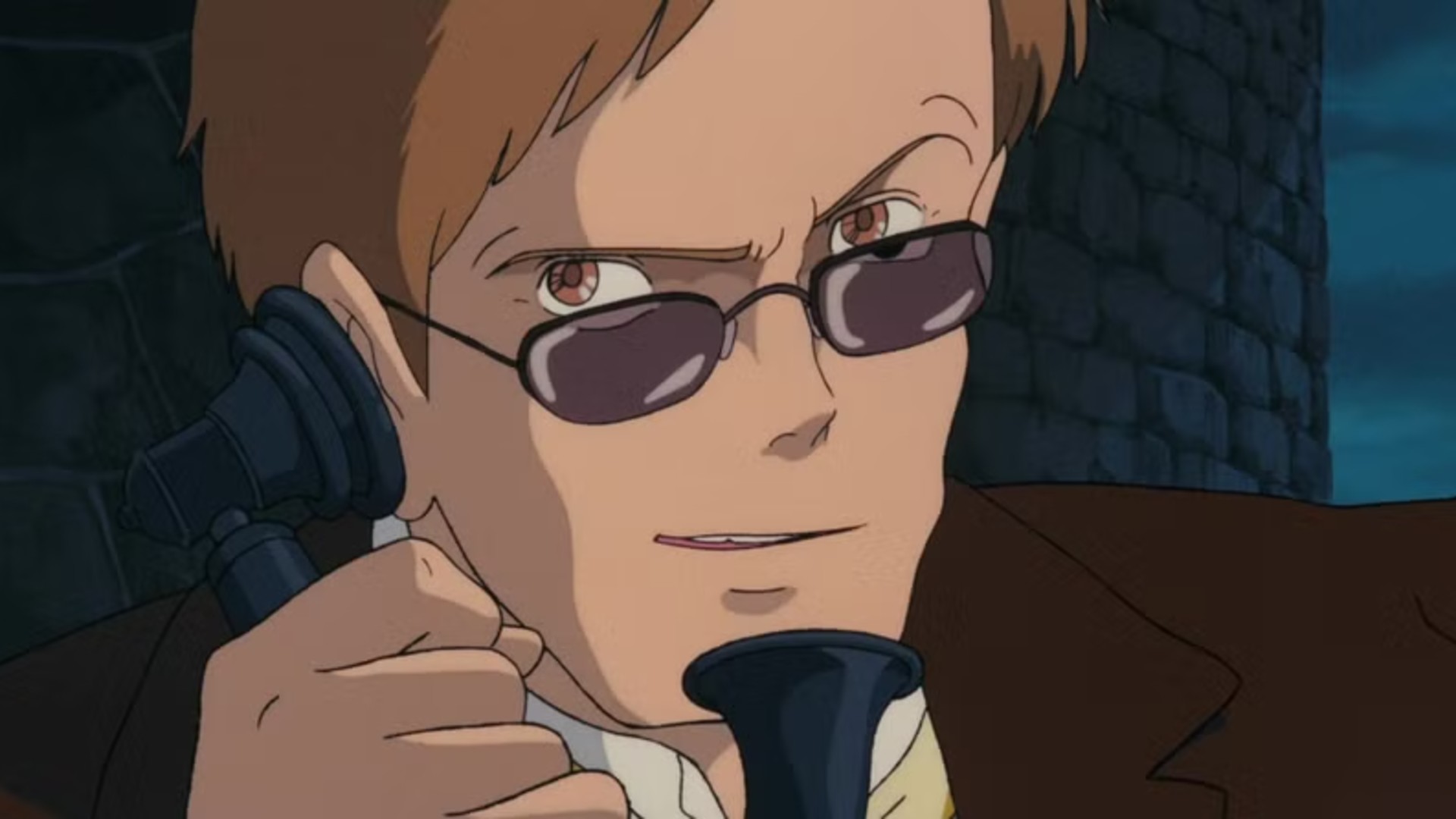
6. Colonel Muska — Castle in the Sky
Muska is a firm believer in his own destiny. It feels as if his monomania about Laputa isn't mere ambition, but a mandate he’s decided upon due to his heritage and position. It’s as if he’s destined to be the rightful inheritor of a long-lost civilization. Though he’s very dictatorial and brutal with his deeds, they originate from his entitlement and not randomness.
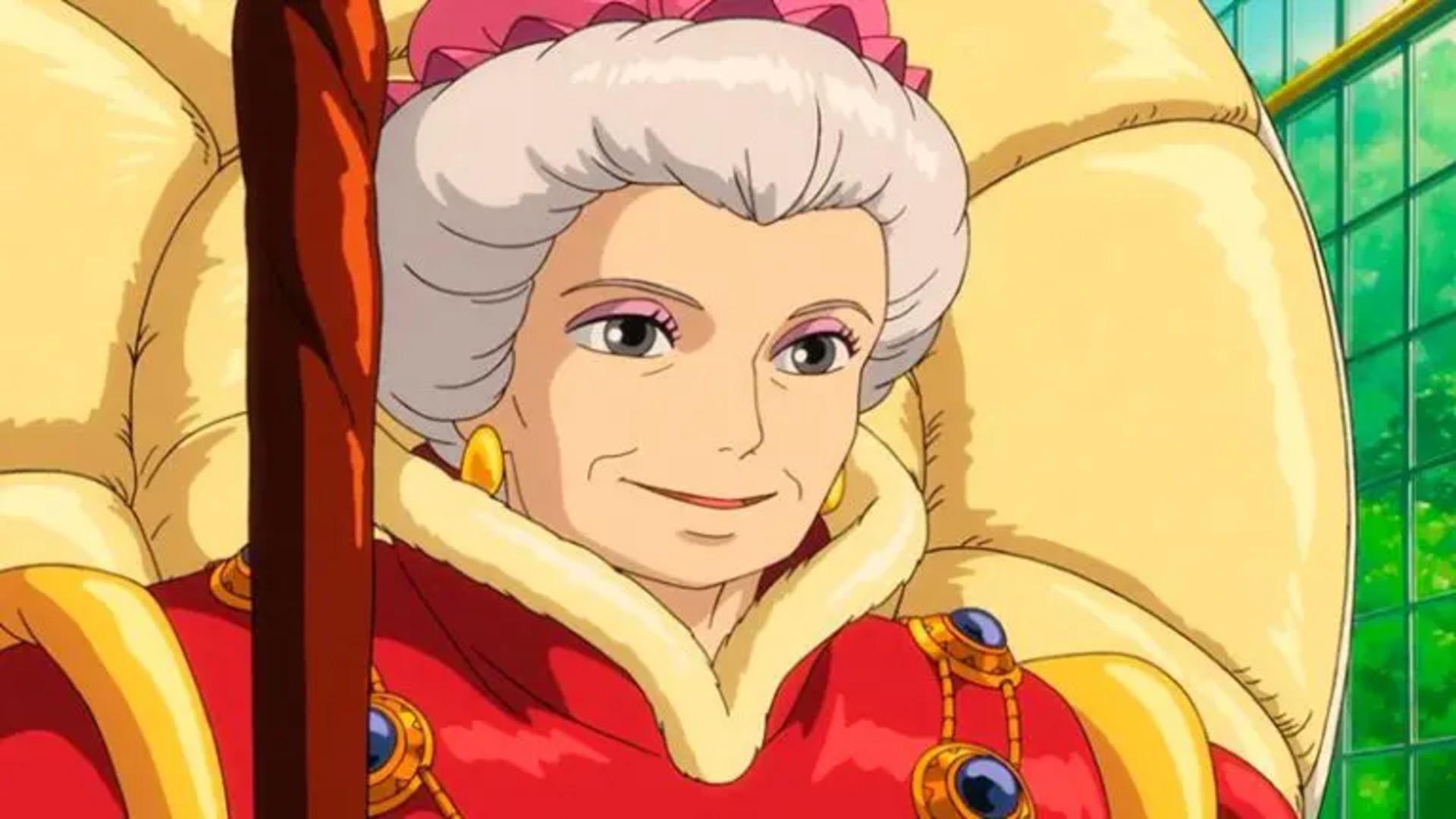
5. Madam Suliman — Howl's Moving Castle
Playing a calculating puppetmaster comes easily to Suliman, and there’s a sense of her pulling Howl’s strings, using his vanity and doubts to meet the needs of the crown. But her ultimate aim isn't power—it’s to end a pointless, destructive war. She observes, waits, and changes tactics when seeing love as a success where armed power has failed. It becomes apparent that Suliman isn't evil; instead, she learns to think practically in a world where idealists are historically common among the deceased.
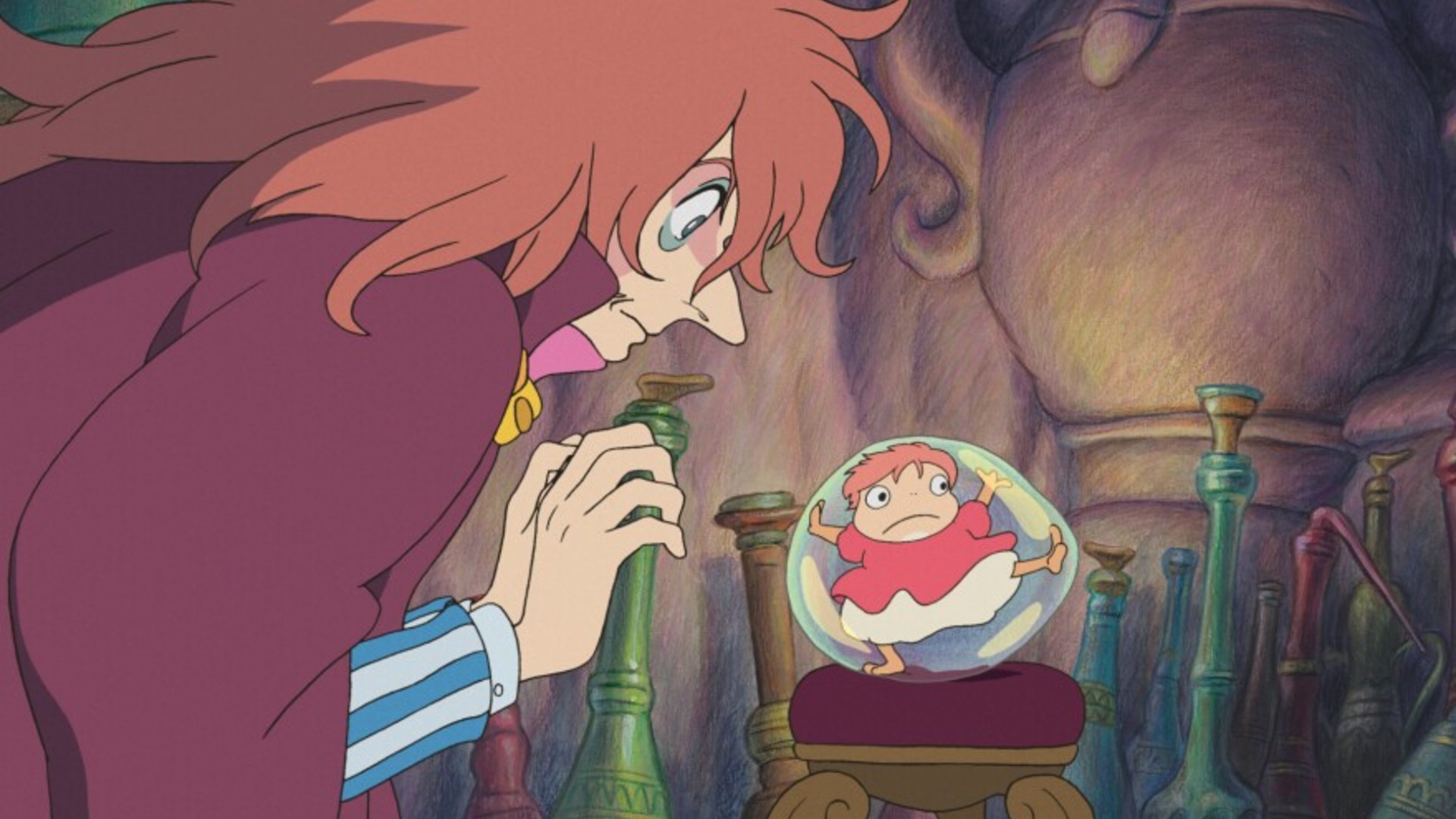
4. Fujimoto — Ponyo
To begin with, Fujimoto is very erratic, obsessive, and controlling. You’re made to believe that he is the enemy of happiness himself. However, beneath that chaotic presentation lies a man who was once human himself and had the privilege of seeing the damage that humanity does to the ocean. His fear is far from irrational; in fact, it's born out of loss, pollution, and love. Everything that he does is motivated by a singular passion for protecting his daughters and the ocean.
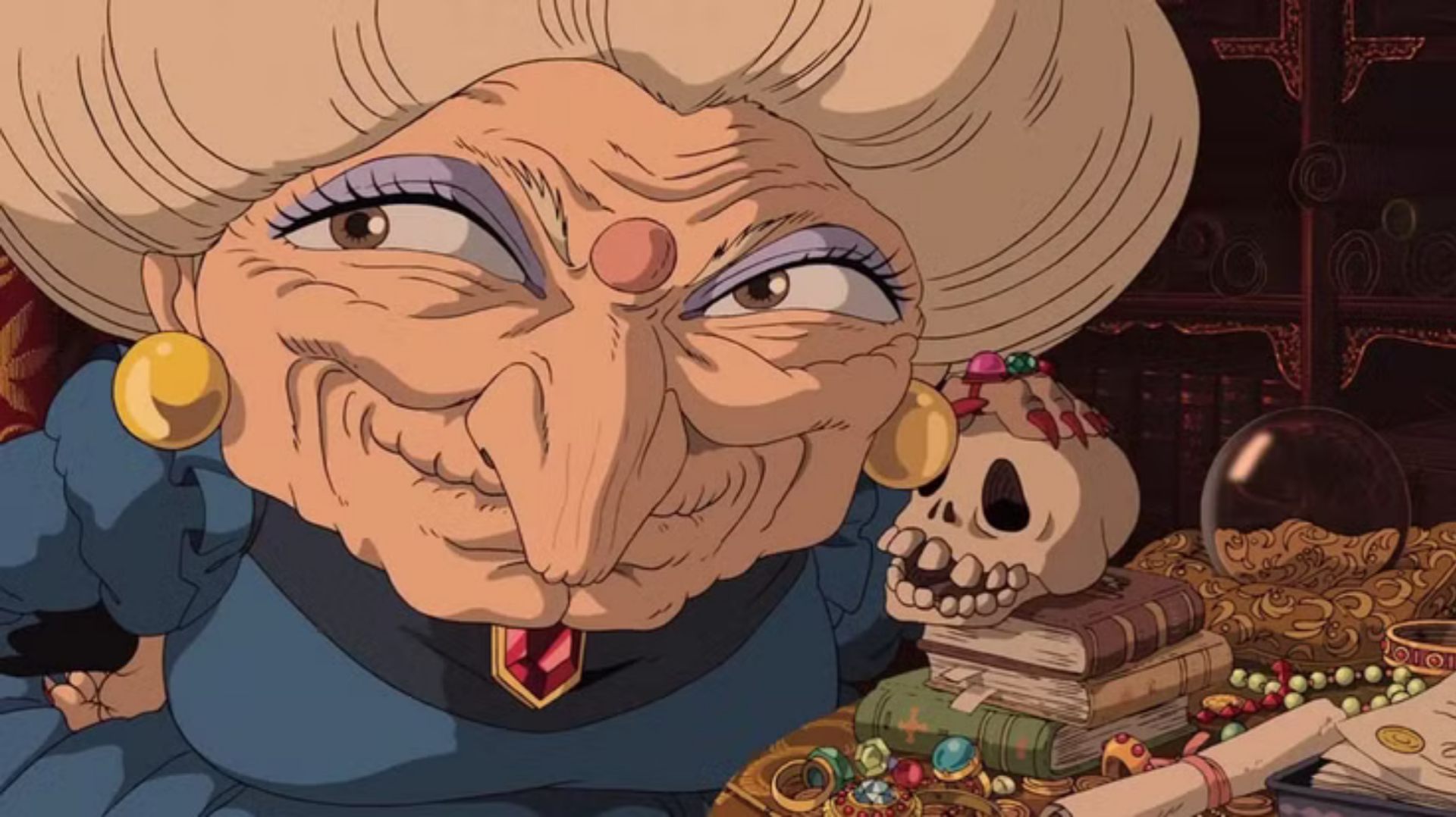
3. Yubaba — Spirited Away
Yubaba frightens us with her greed, sharp talk, and iron control of the bathhouse. However, upon further inspection, Yubaba is sustaining a delicate balance of spirits, contracts, and workers. Yubaba’s passion for Boh reveals a much warmer and very protective side of her character, which rings very true in its humanity. Yubaba isn’t mean-spirited simply for the sake of being mean-spirited; she’s a ruler behaving as she believes she must.
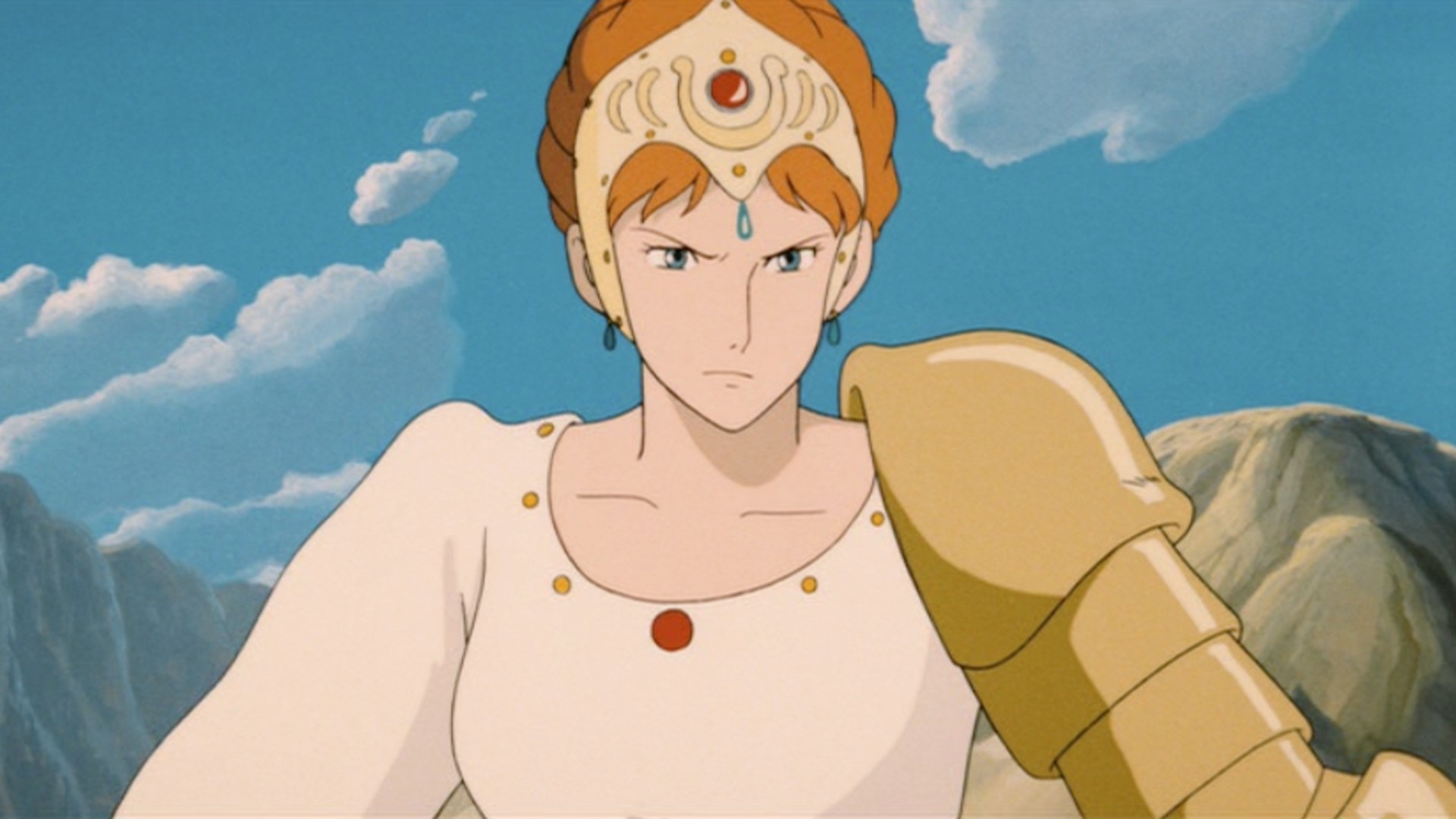
2. Kushana — Nausicaä of the Valley of the Wind
Kushana appears to be the traditional military villain: stern, brutal, and unrelenting. It is obvious, however, how much of this exterior has been hardened by a series of betrayals and wounds she suffered in her youth. You understand she has sacrificed her body to this poisonous environment and her trust to her own kin’s brutality. Kushana clearly has love for her soldiers, not to mention her armies. In the end, Kushana has transformed into a ruler with a longing for justice, tempered—not softened—by her affection for Nausicaä’s beliefs.
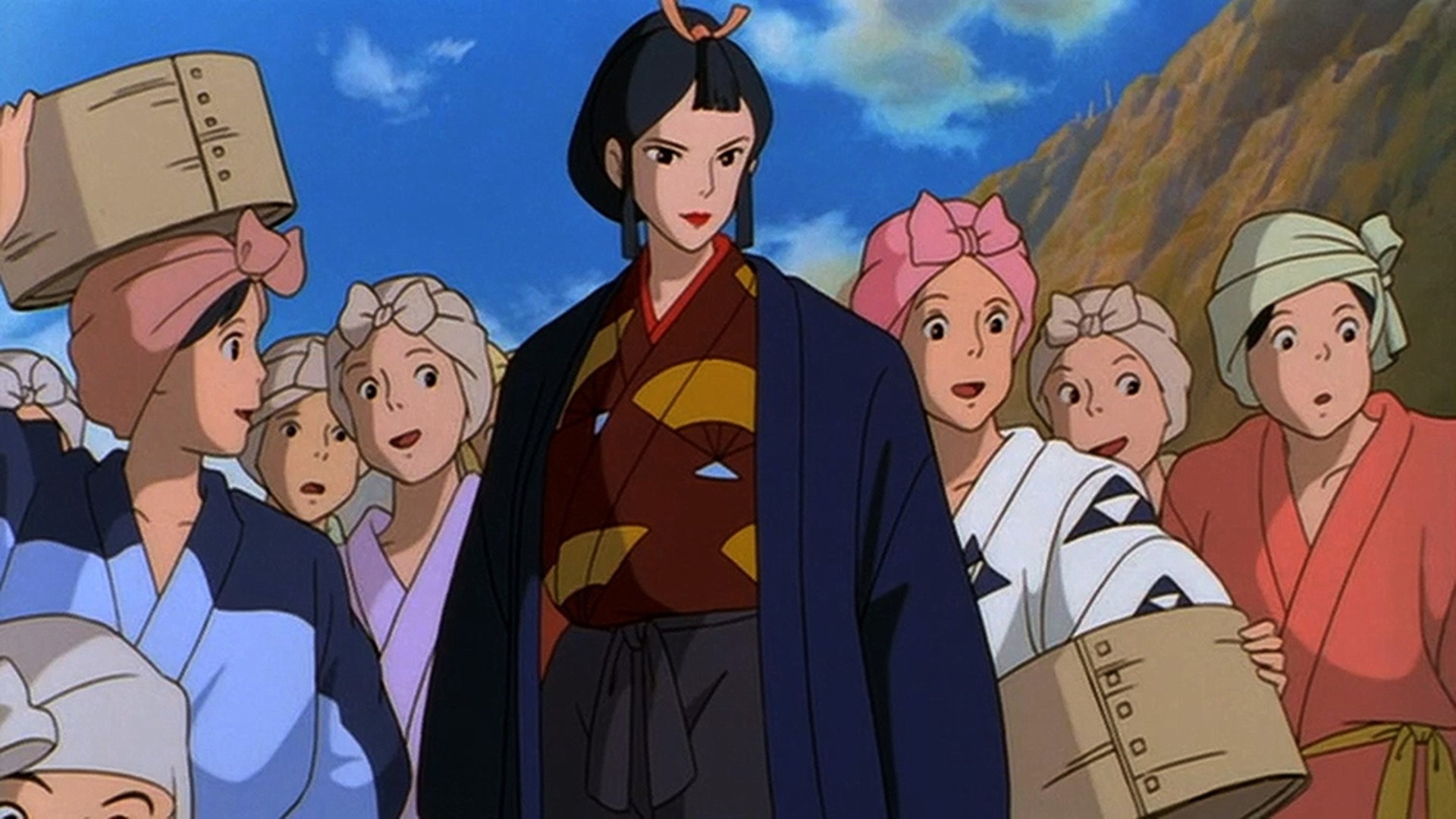
1. Lady Eboshi — Princess Mononoke
We are initially led to view Lady Eboshi through the lens of a Lady Bountiful who is going about destroying nature. However, the longer we observe her, the more complex she becomes. We understand that there is a need for the existence of Iron Town. This town has come into existence because Lady Eboshi refuses to see the brutality of the world as an inevitability. In lepers, she reinstates dignity through labor. In women, she plucks them out of an existence that entails abuse.