10 Sci-Fi Villains Who Saw the Truth Before Anyone Else

10. Darth Vader (Star Wars)
Darth Vader’s transformation was born from fear, grief, and a yearning for control in a chaotic universe. His belief that order could bring peace reflected a tragic misunderstanding of power. In his quest to impose stability, he lost the very humanity he sought to protect, making his downfall both inevitable and deeply sad.
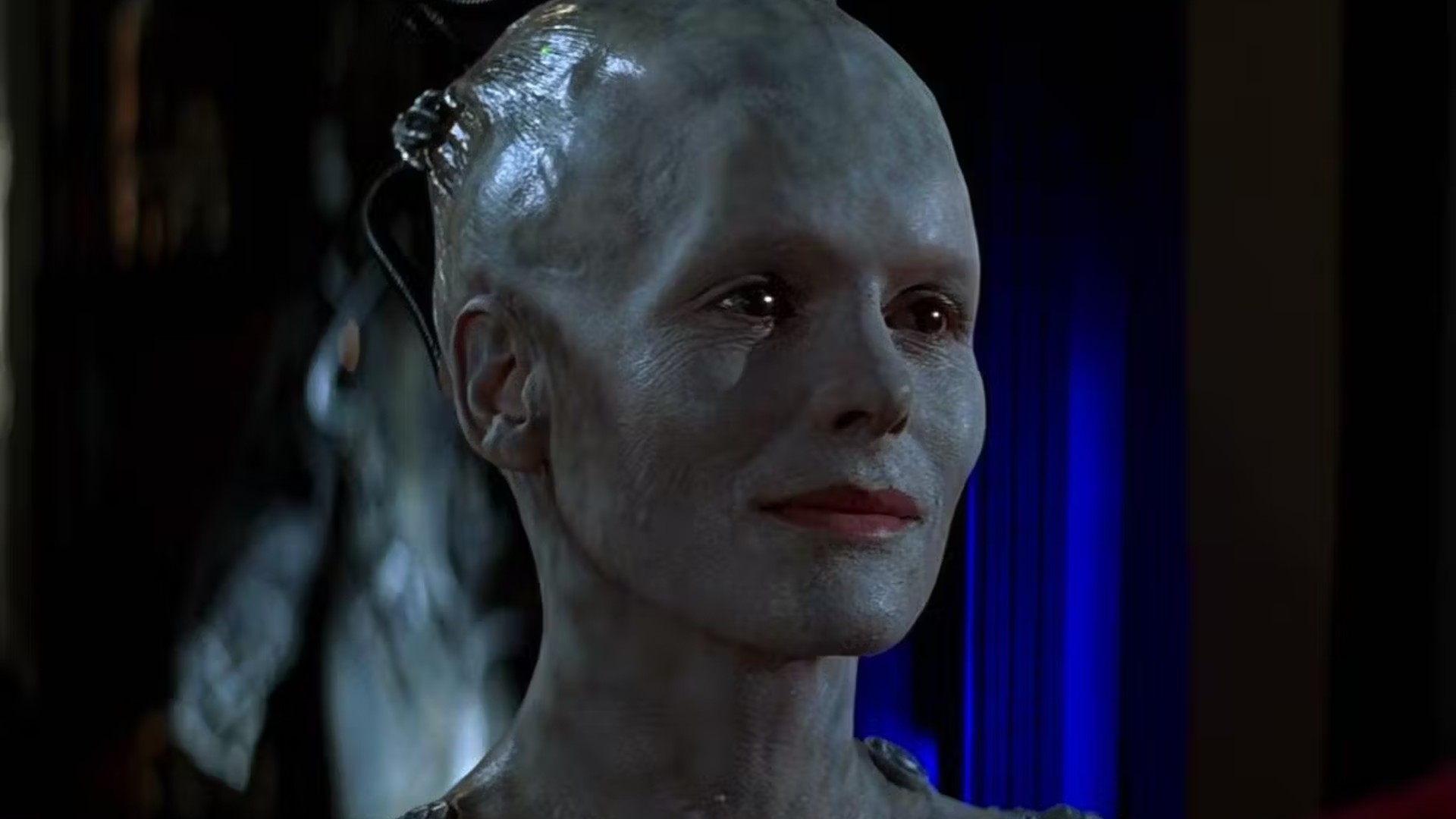
9. The Borg (Star Trek)
The Borg’s goal of assimilation was cold, yet their desire for unity and the elimination of conflict carried an underlying idealism. Their pursuit of perfection represented a distorted vision of collective harmony. What made them monstrous was not their logic but their disregard for individuality and freedom.
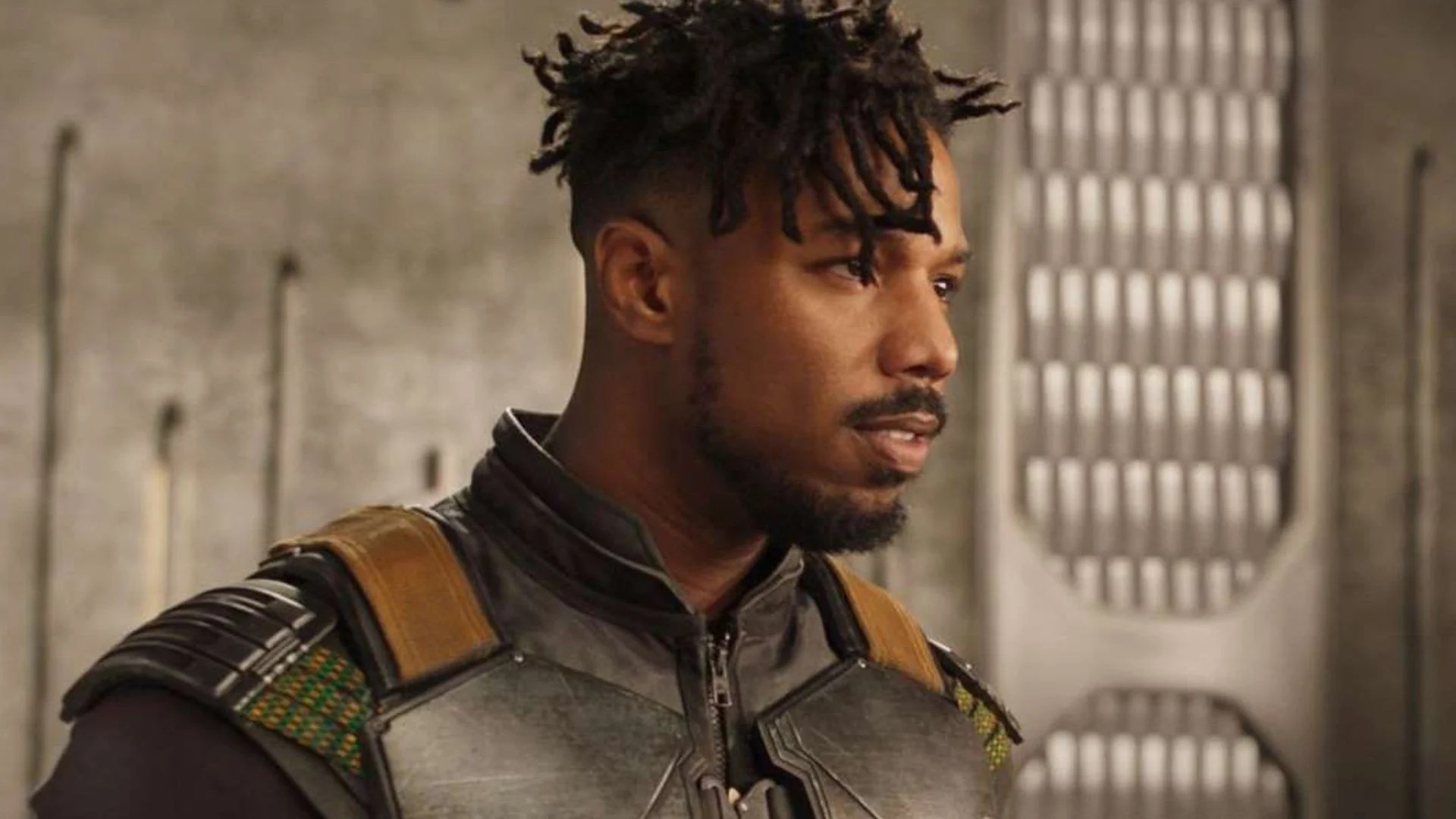
8. Killmonger (Black Panther)
Killmonger’s ambition to use Wakanda’s power to liberate the oppressed came from lived pain and righteous anger. His critique of global inequality and Wakanda’s isolationism resonated deeply with histories of colonialism. Though his revolution was violent, his message about justice and empowerment was powerfully resonant.

7. Dr. Maruki (Persona 5 Royal)
Dr. Maruki’s dream of creating a reality free from suffering arose from compassion and loss. His philosophical pursuit raised profound questions about whether a painless world would truly be better. His manipulation of reality challenged the value of human resilience and the importance of genuine emotional experience.
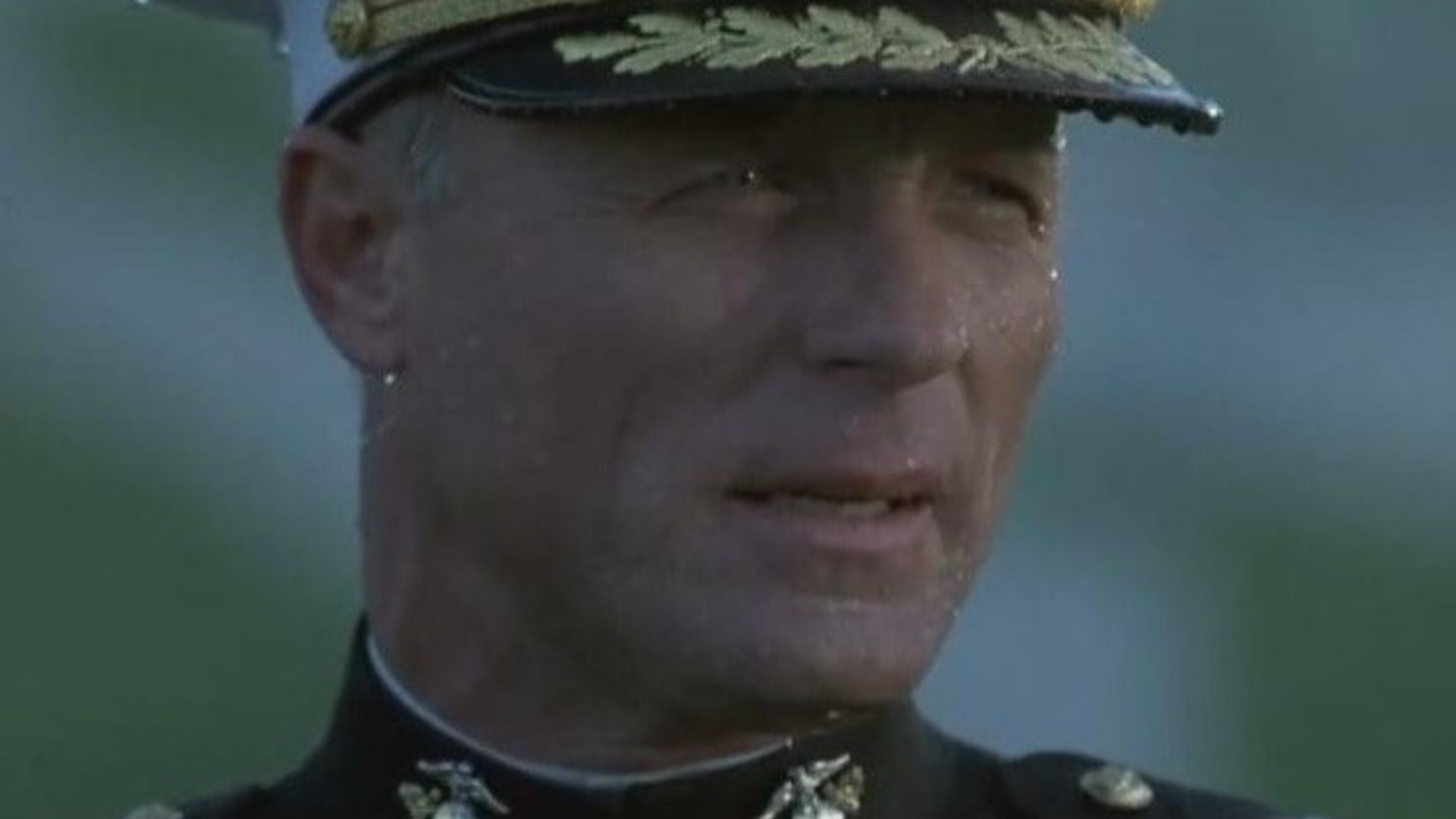
6. General Hummel (The Rock)
General Hummel’s outrage stemmed from the mistreatment and neglect of fallen soldiers. While his tactics were violent, his cause was morally complex and deeply rooted in a sense of loyalty and commitment. He sought acknowledgment and justice for those who had been forgotten by the system they served.

4. Magneto (X-Men)
Magneto’s militant vision for mutantkind was born from a life scarred by persecution and loss. His commitment to protecting mutants from discrimination mirrored real struggles against oppression. Though his methods were extreme, his goal of ensuring equality and safety for his people came from an undeniably just place.
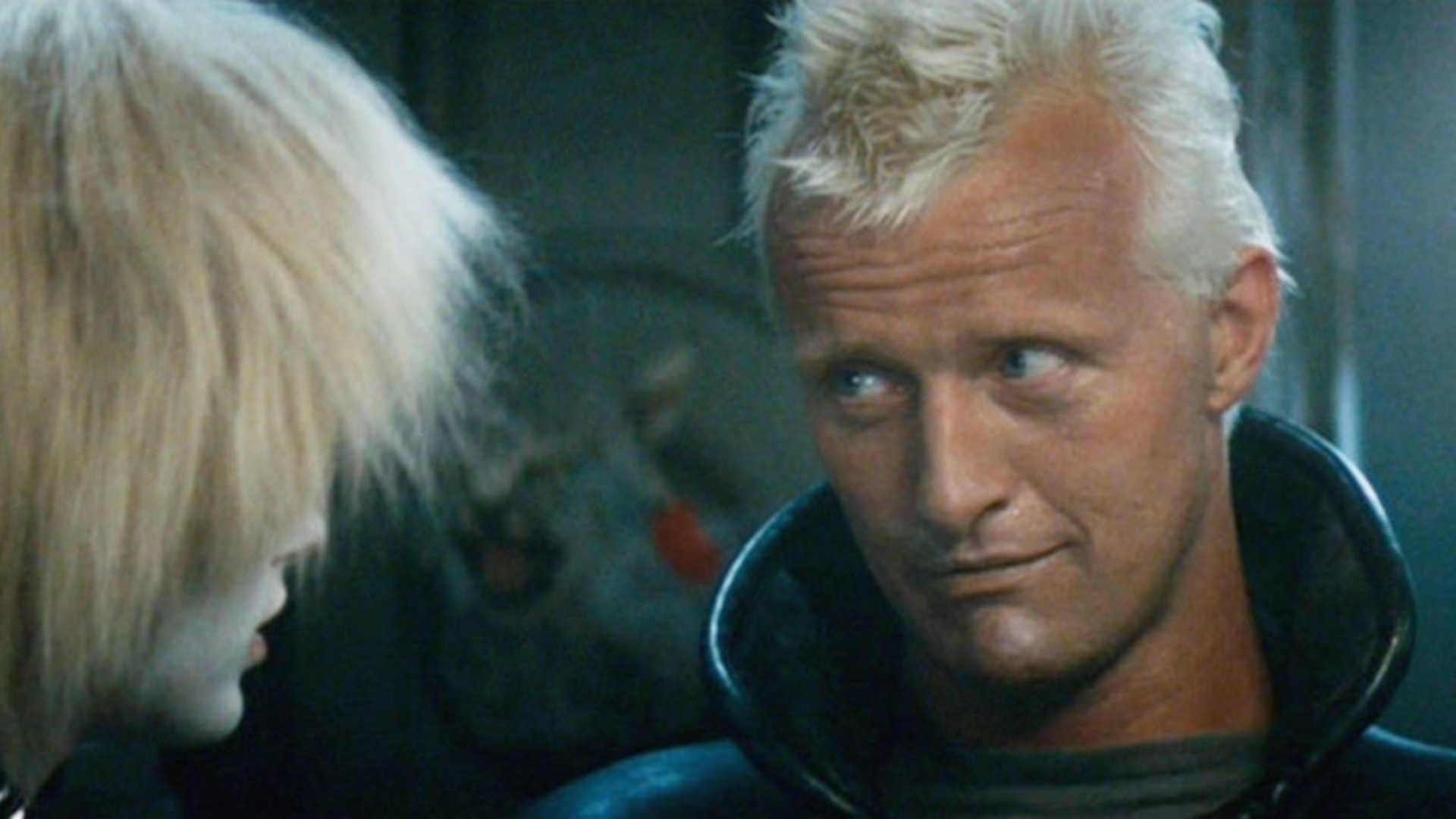
3. Roy Batty (Blade Runner)
Roy Batty’s rebellion against his creators was not driven by malice but by an existential yearning for life. His quest for longevity raised questions about the morality of creating sentient beings only to deny them agency and time. In his final moments, he embodied the profound human desire to be remembered and understood.
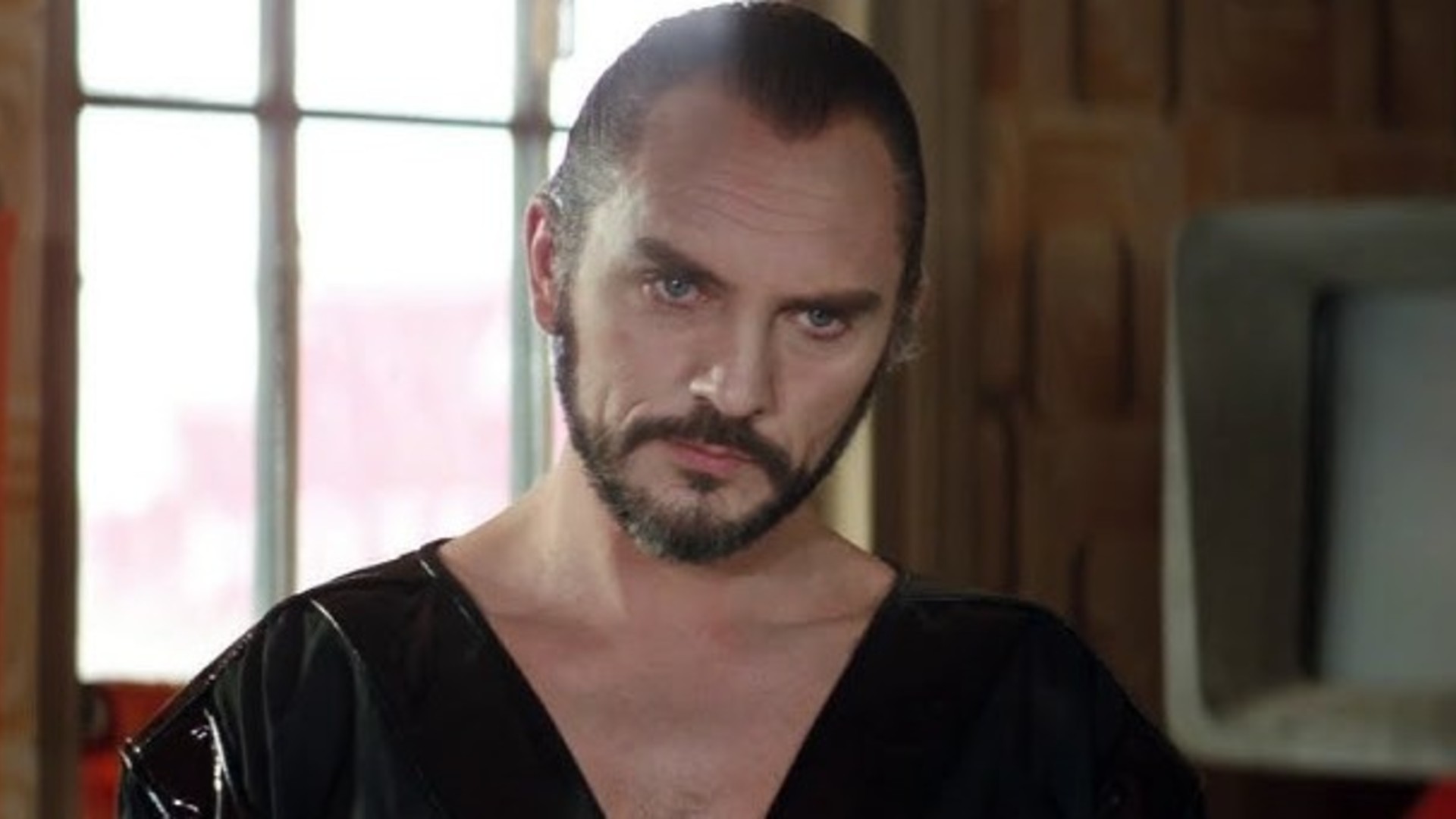
2. General Zod (Superman II)
General Zod’s plan to terraform Earth into a new Krypton would have meant humanity’s demise, yet his motivations were rooted in grief and a desire for survival. His attempt to rebuild his lost world stemmed from a loyalty to his people and a desperate effort to preserve a civilization that had been wiped out by catastrophe.
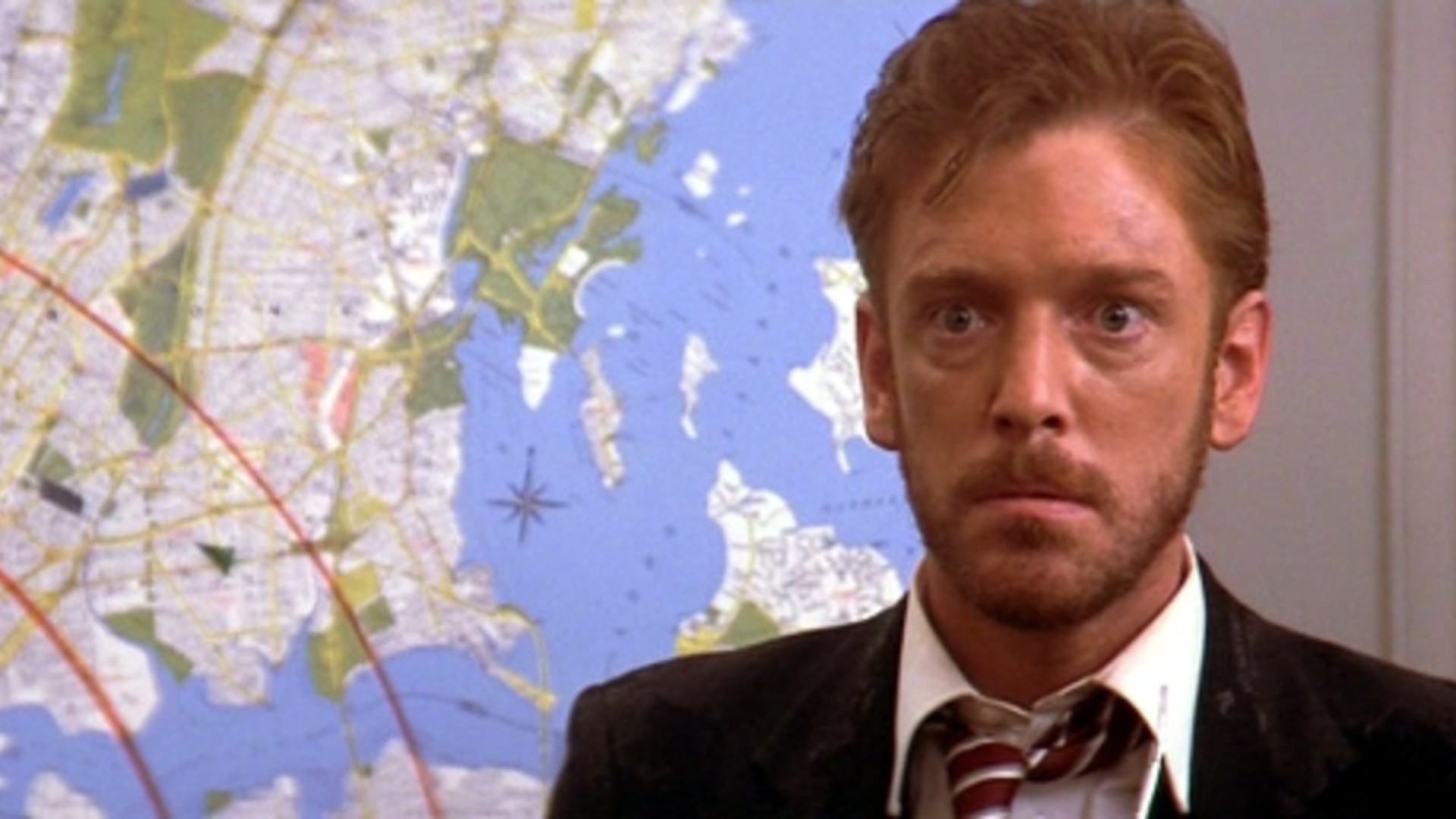
1. Walter Peck (Ghostbusters)
Often dismissed as a bureaucratic nuisance, Walter Peck’s objections were not without reason. His concerns about the Ghostbusters’ unregulated containment system and the potential risks of storing volatile supernatural energy within a city facility reflected a genuine commitment to public safety and environmental responsibility.