10 perfect movies that failed to win a single Oscar
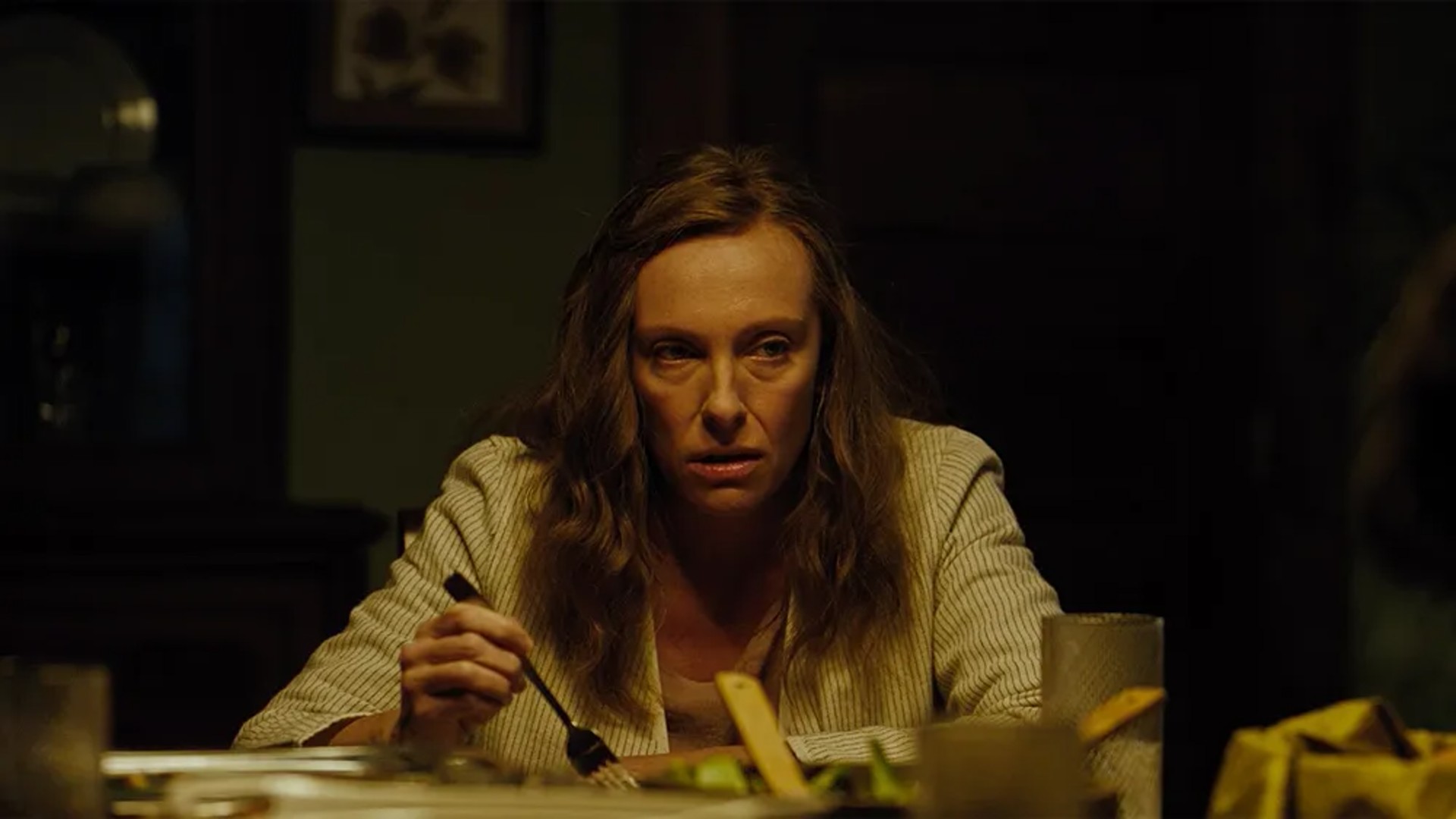
10. Hereditary
Fans are still furious about how this one was handled. Toni Collette didn’t just “act”—she detonated on screen. That dinner table monologue alone should’ve secured a nomination, if not a win. The film didn’t just scare audiences; it elevated horror into operatic tragedy, blending grief with dread in a way that reshaped the genre overnight. Yet the Academy treated it like horror is still some B-tier playground unworthy of prestigious recognition. That snub feels ideological, not accidental. In fan circles, Hereditary isn’t just a great film—it's proof that the Oscars still hesitate when horror gets too intelligent, too disturbing, or too real. A modern classic dismissed because it made voters uncomfortable.
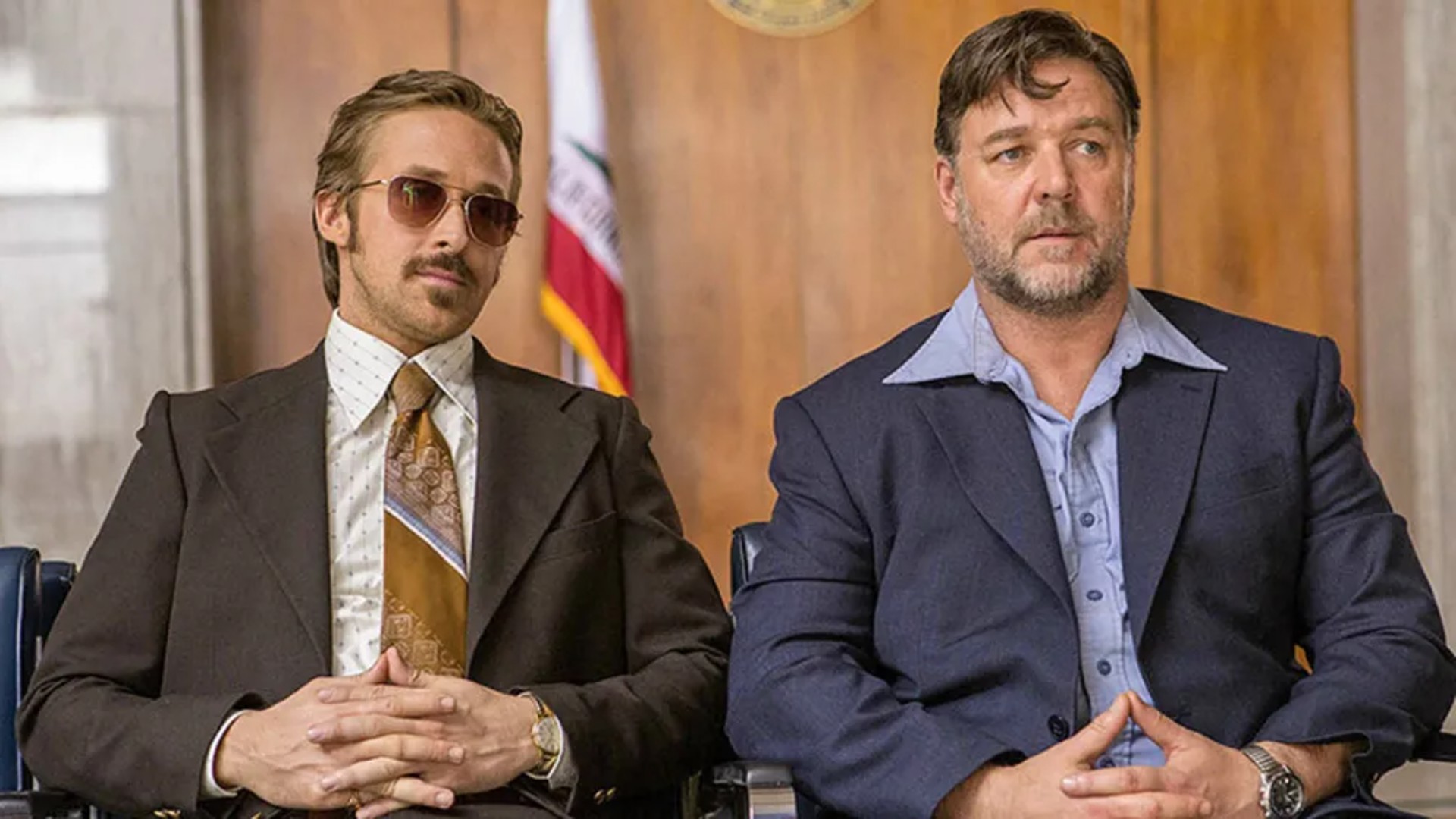
9. The Nice Guys
The movie deserved far louder applause. Ryan Gosling and Russell Crowe delivered chaotic, razor-sharp chemistry that revived the buddy-cop genre without feeling nostalgic or stale. Shane Black crafted a script packed with rapid-fire wit, layered plotting, and comedic timing that actually trusted the audience to keep up. Fans still quote it because the writing snaps. Yet awards season brushed it aside for heavier, “important” films that barely linger in cultural memory a decade later. That’s what stings — The Nice Guys aged into a cult favorite while the so-called prestige picks faded. It wasn’t just funny; it was technically tight, structurally smart, and endlessly rewatchable. Ignoring it feels like penalizing joy.
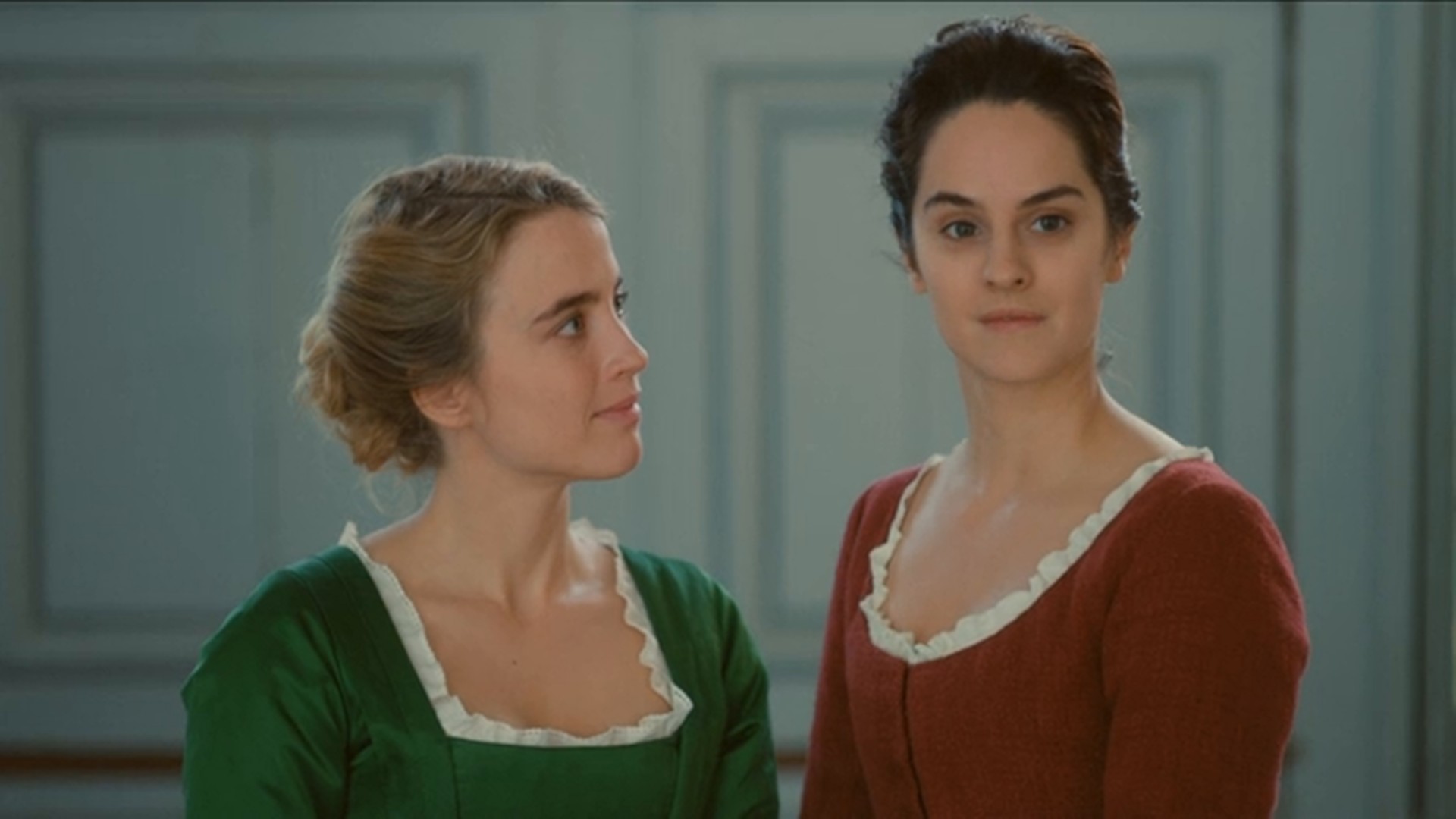
8. Portrait of a Lady on Fire
This isn’t just cinema—it's composition. Céline Sciamma directed with such restraint and precision that every glance felt louder than dialogue. Fans still talk about the absence of a score, the framing, and the way desire is constructed through silence and space. The Academy missing its cinematography and directing brilliance feels baffling in hindsight. It’s the kind of film that film students dissect frame by frame because nothing is accidental. The emotional payoff is devastating precisely because it’s earned slowly. For many viewers, this wasn’t just the best romance of 2019—it was one of the decade’s defining works. That it walked away empty-handed only amplified its legend. Sometimes the snub becomes part of the myth.
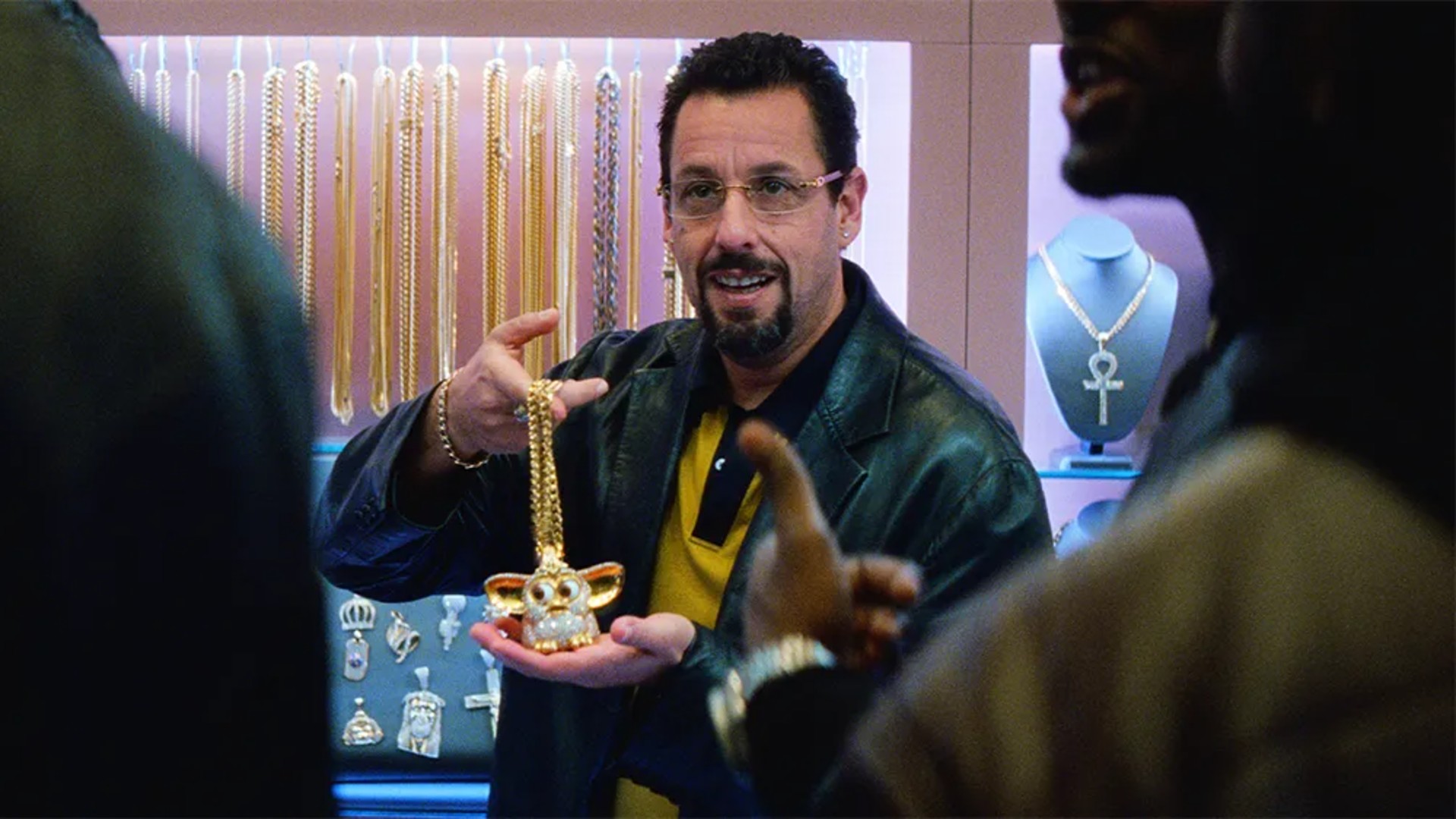
7. Uncut Gems
The movie weaponized anxiety. Adam Sandler delivered a performance so raw and nerve-shredding that audiences left theaters exhausted. The Safdie Brothers constructed chaos with surgical control—overlapping dialogue, relentless pacing, no emotional release valve. Fans argue it’s one of the most immersive character studies of compulsion ever put on screen. Yet awards chatter stalled because Sandler carried decades of comedy baggage in voters’ minds. That feels less like oversight and more like bias. The film didn’t just thrill; it trapped you inside a man spiraling beyond reason. Years later, it’s still referenced as the ultimate “stress-watch,” a near-perfect thriller that proved intensity alone doesn’t guarantee recognition. Sometimes the Academy just can’t recalibrate fast enough.
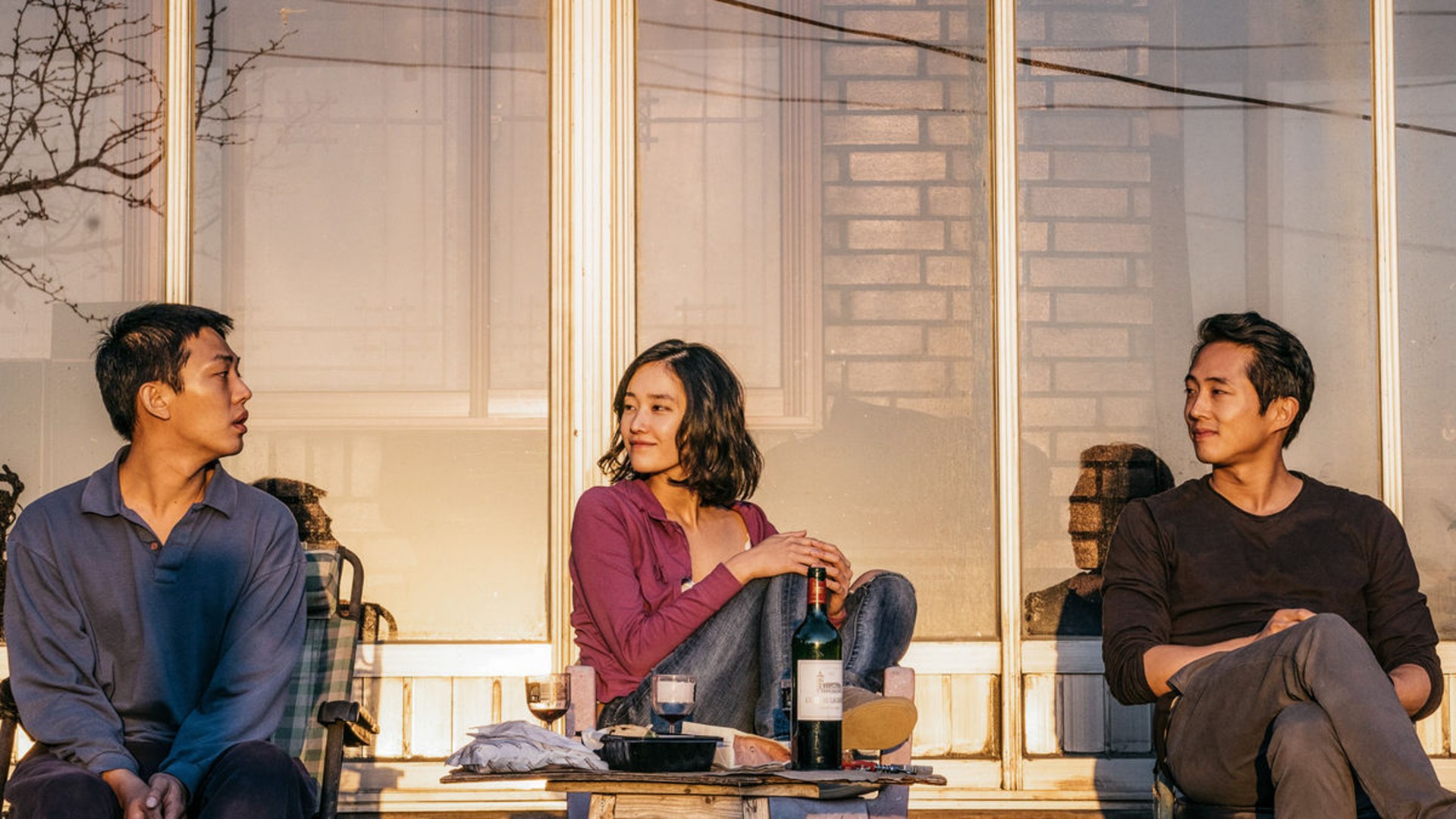
6. Burning
It lingers like smoke long after it ends. Directed by Lee Chang-dong and adapted from Haruki Murakami, it’s a masterclass in ambiguity and class tension. Fans obsess over its unanswered questions—was it jealousy, delusion, or something darker? That uncertainty is the point. It paved psychological groundwork that global audiences later embraced more openly with Parasite, yet Burning itself didn’t secure a nomination. That omission feels glaring in retrospect. Its slow-burn pacing demands patience, but the payoff is existential dread rather than plot resolution. It’s the kind of film that improves on rewatch, revealing subtle performance shifts and thematic layering. For many cinephiles, Burning isn’t just underrated—it's one of the sharpest examinations of invisible rage in modern cinema.
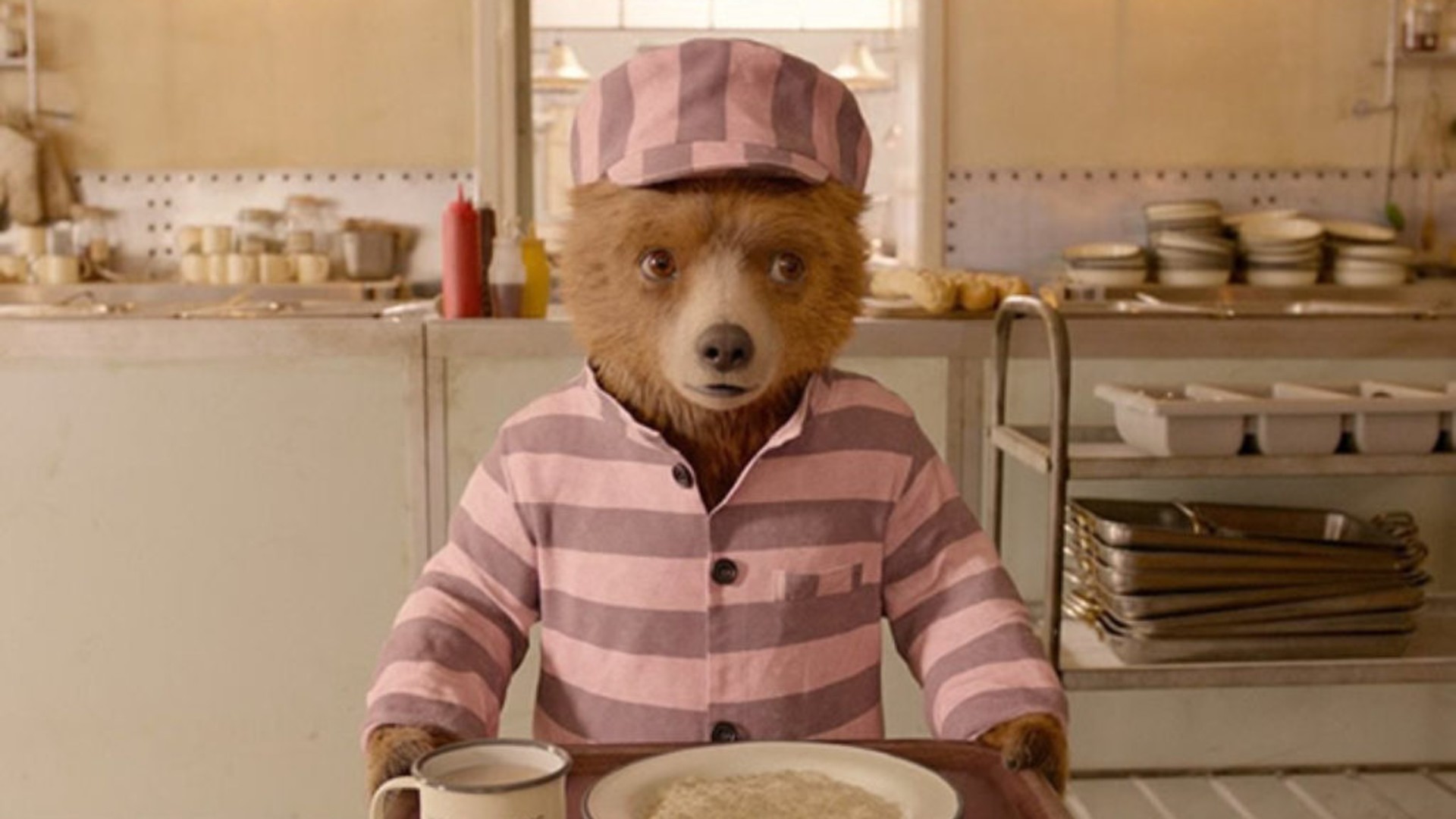
5. Paddington 2
Paddington 2 being left out of serious awards conversations still feels absurd to fans. Beneath the marmalade and warmth lies a structurally airtight screenplay. Every planted detail pays off. Every side character matters. It’s Chekhov’s Gun disguised as a family comedy. The emotional sincerity never tips into cynicism, and that purity is harder to engineer than prestige gloom. Holding a near-perfect Rotten Tomatoes score for years wasn’t a fluke—it resonated across age groups because it respected storytelling fundamentals. The refusal to even nominate it for Adapted Screenplay suggests a bias against films that choose optimism over trauma. Fans argue that Paddington 2 achieved something rarer than darkness: genuine kindness without sacrificing craft. That balance is elite filmmaking, whether voters admit it or not.
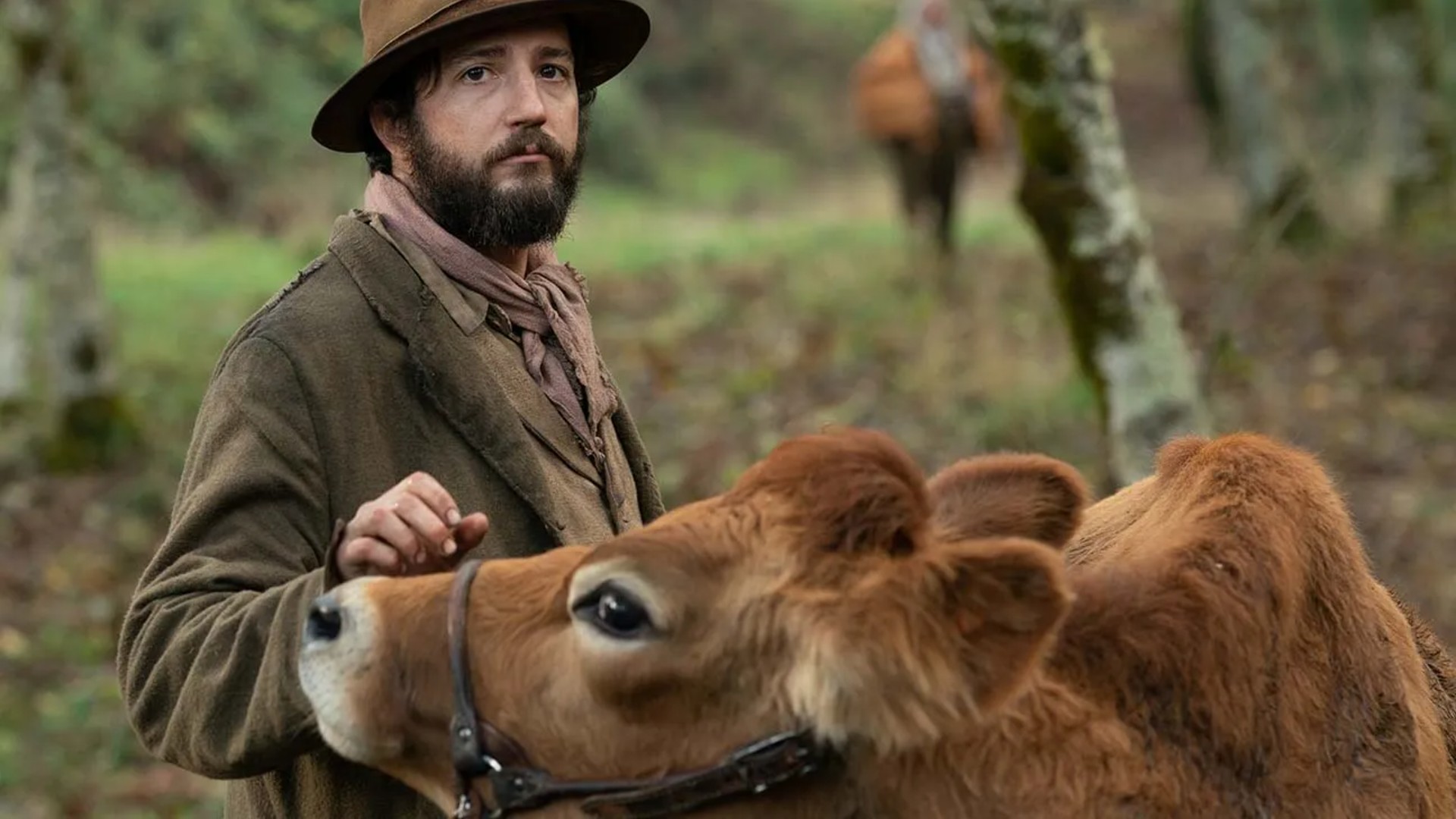
4. First Cow
First Cow thrives in quiet spaces. Kelly Reichardt built a frontier story around friendship, labor, and fragile capitalism with minimalist precision. Fans cherish how much the film communicates through stillness—the rhythm of baking, the tension of borrowed milk, and the inevitability of consequences. There’s no swelling score demanding emotion; it trusts the viewer to lean in. That subtlety likely contributed to its awards invisibility. In a season dominated by spectacle, First Cow whispered. But for those who connected with it, that whisper carried weight. It’s a film about small dreams colliding with systemic reality, told with restraint that feels radical. The lack of bombast wasn’t a flaw—it was the point. Recognition would’ve validated quiet artistry. Instead, it became a cult treasure.
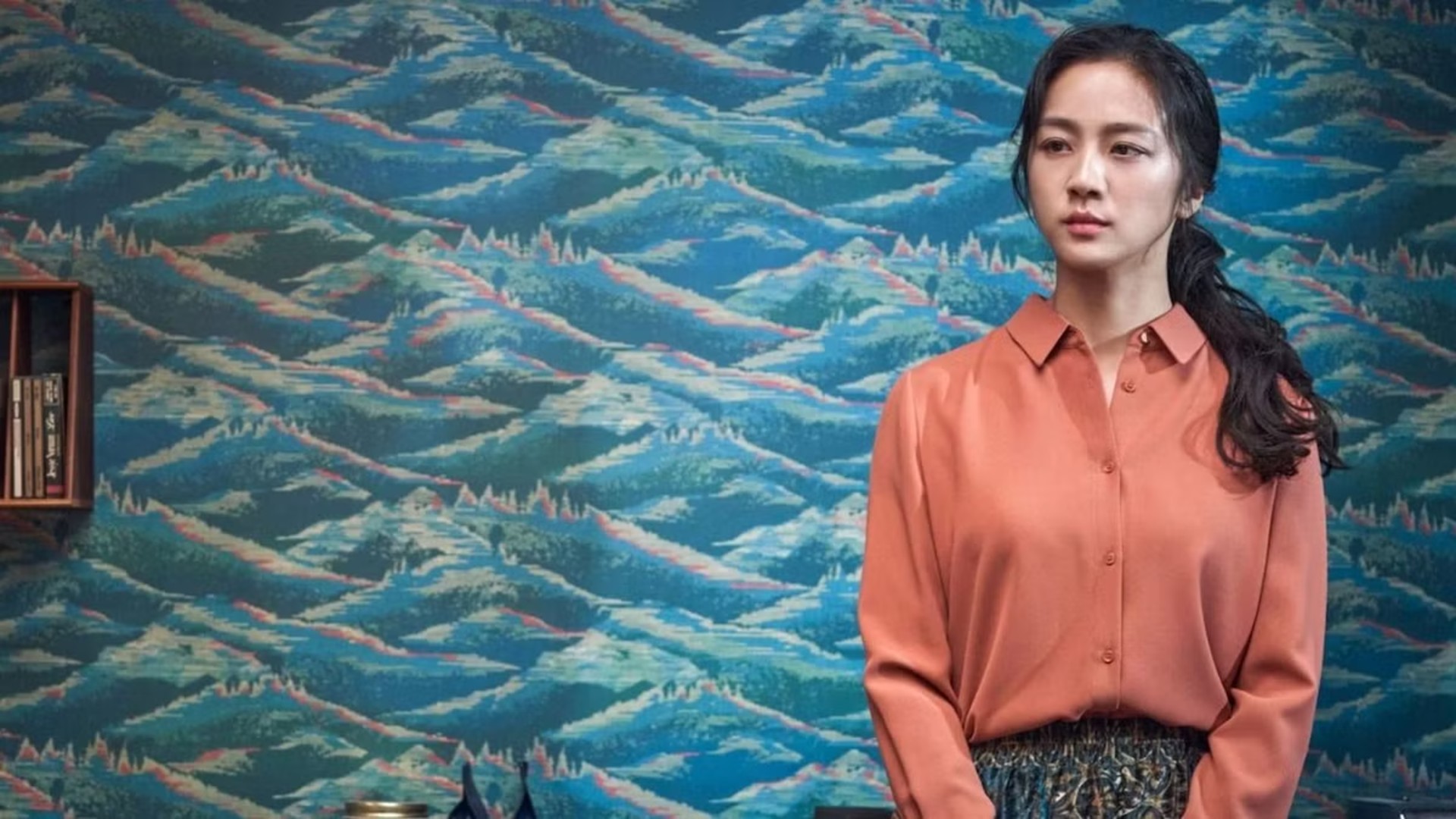
3. Decision to Leave
The decision to Leave reignited debates about international oversight. Park Chan-wook crafted a neo-noir so visually inventive that each transition felt like a sleight of hand. Fans dissect its editing choices, its romantic melancholy, and its genre subversion. Yet it failed to land a Best International Feature nomination, fueling talk of an ongoing blind spot when it comes to certain auteurs. The frustration isn’t just about one category—it's about pattern recognition. Decision to Leave balanced procedural tension with aching intimacy in ways few thrillers manage. Its craft was undeniable; its absence from the nominee list felt louder than some wins. Years later, it’s still cited as one of 2022’s most technically daring films. The discourse hasn’t cooled because the oversight still feels fresh.
2. The Handmaiden
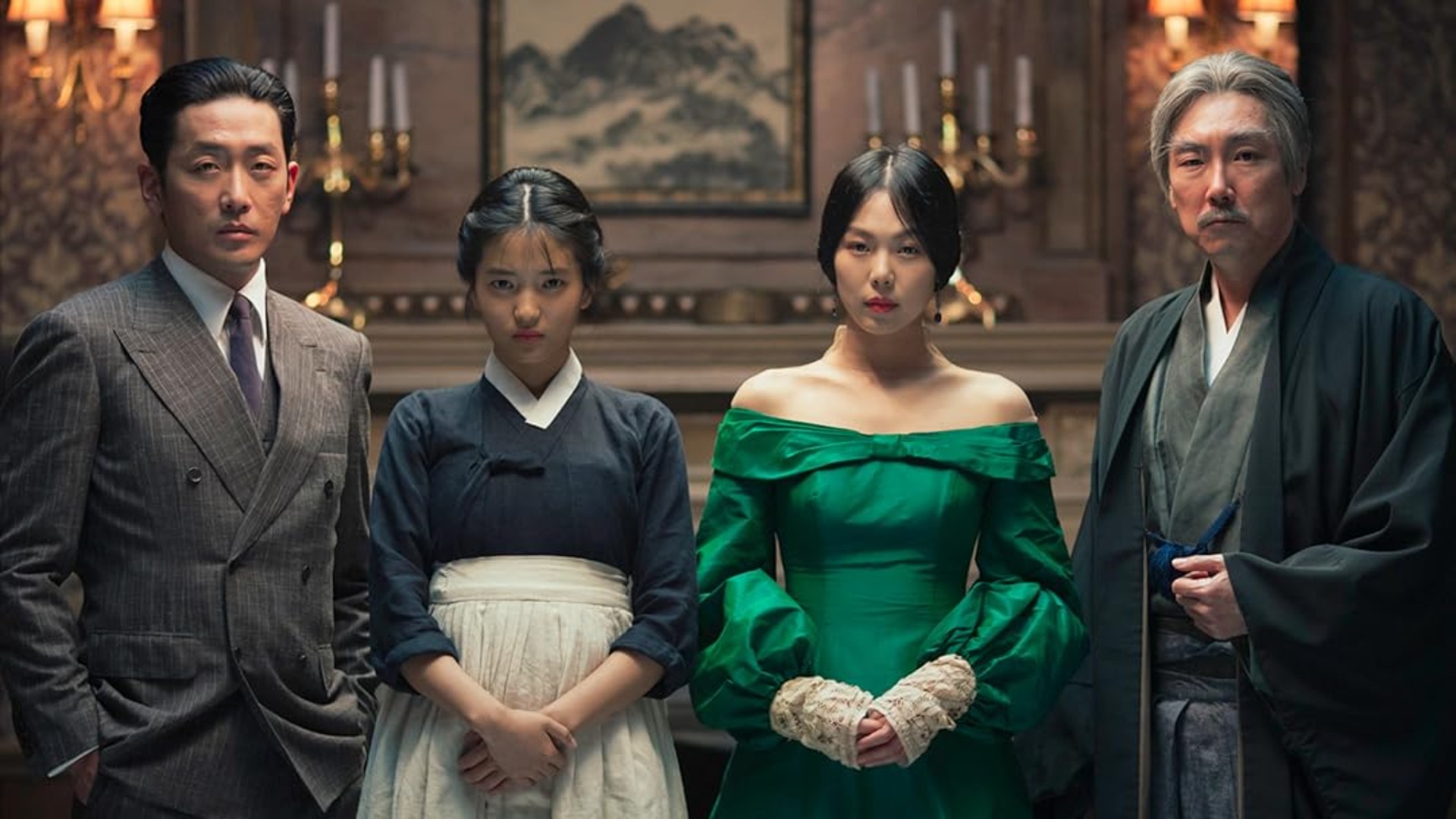
The Handmaiden is excess executed with precision. Park Chan-wook delivered a labyrinth of deception, tension, and shifting power dynamics that feels engineered to perfection. Fans still cite its production design, its structure, and its audacious narrative pivots as textbook examples of controlled storytelling. Winning a BAFTA only sharpened the confusion around its Oscar invisibility. The film balances operatic sensuality with razor-sharp pacing—not a single reveal feels wasted. In classrooms and video essays, it’s referenced as peak 2010s craftsmanship. The snub isn’t just about awards; it’s about global cinema repeatedly having to prove itself twice. The Handmaiden didn’t need validation to become iconic, but the absence of recognition remains one of the decade’s most glaring oversights.
10. Eighth Grade
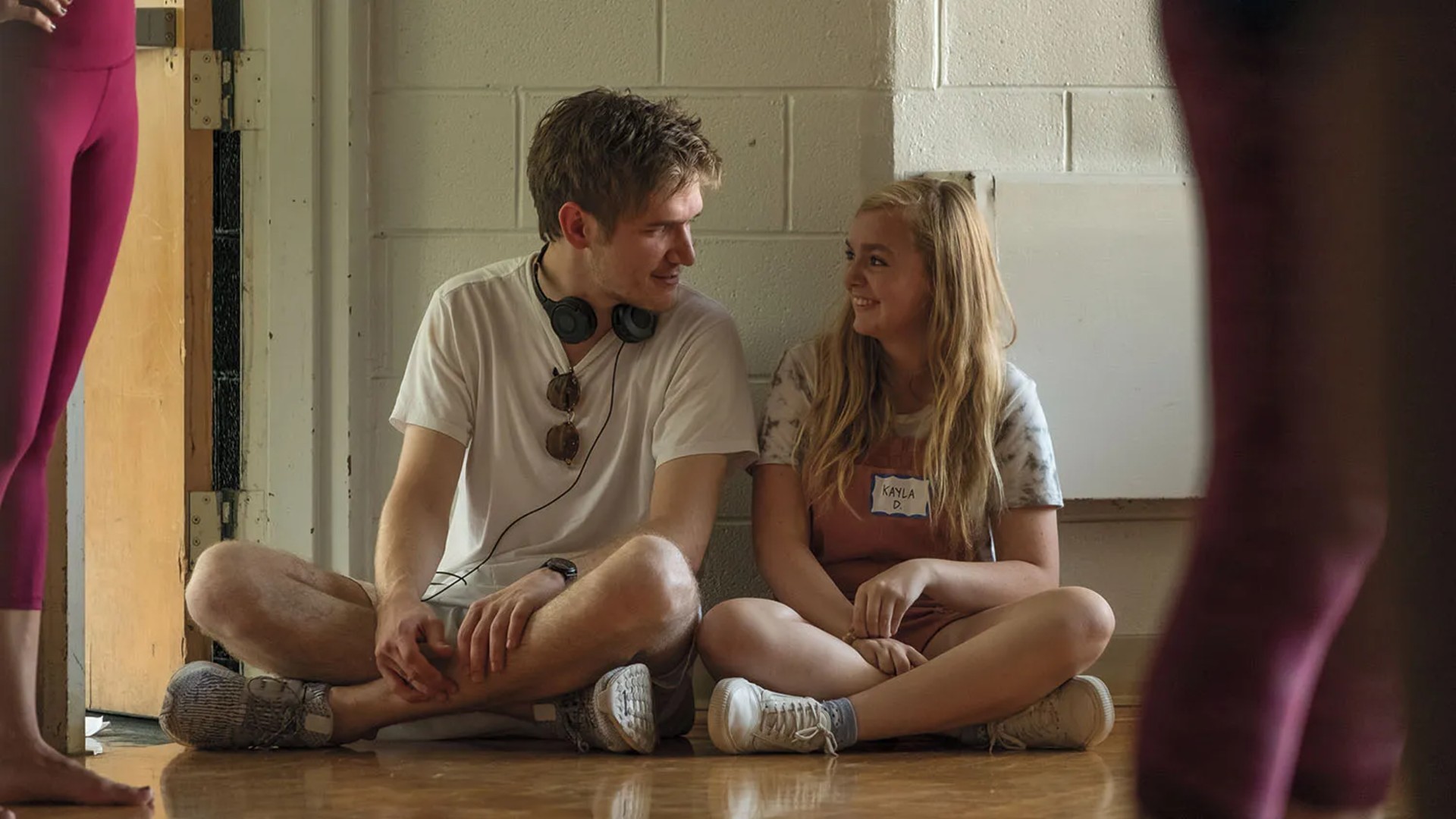
Eighth Grade captured adolescence with unnerving accuracy. Bo Burnham directed Middle School not as nostalgia, but as social horror—awkward silences, forced confidence, and algorithm-driven insecurity. Fans connected deeply because it didn’t dramatize trauma; it observed it. The pool party scene alone is a masterclass in tension without spectacle. Its focus on a 13-year-old girl navigating digital identity likely made it seem “small” to awards voters chasing historical gravitas. But emotionally, it hit harder than many prestige dramas that year. Eighth Grade understood humiliation, longing, and self-construction in a way that felt painfully contemporary. The shutout reinforced a familiar pattern: intimate coming-of-age stories often get sidelined. For viewers who saw themselves in Kayla, that omission still stings.