10 overrated Netflix Sci-Fi TV shows, ranked
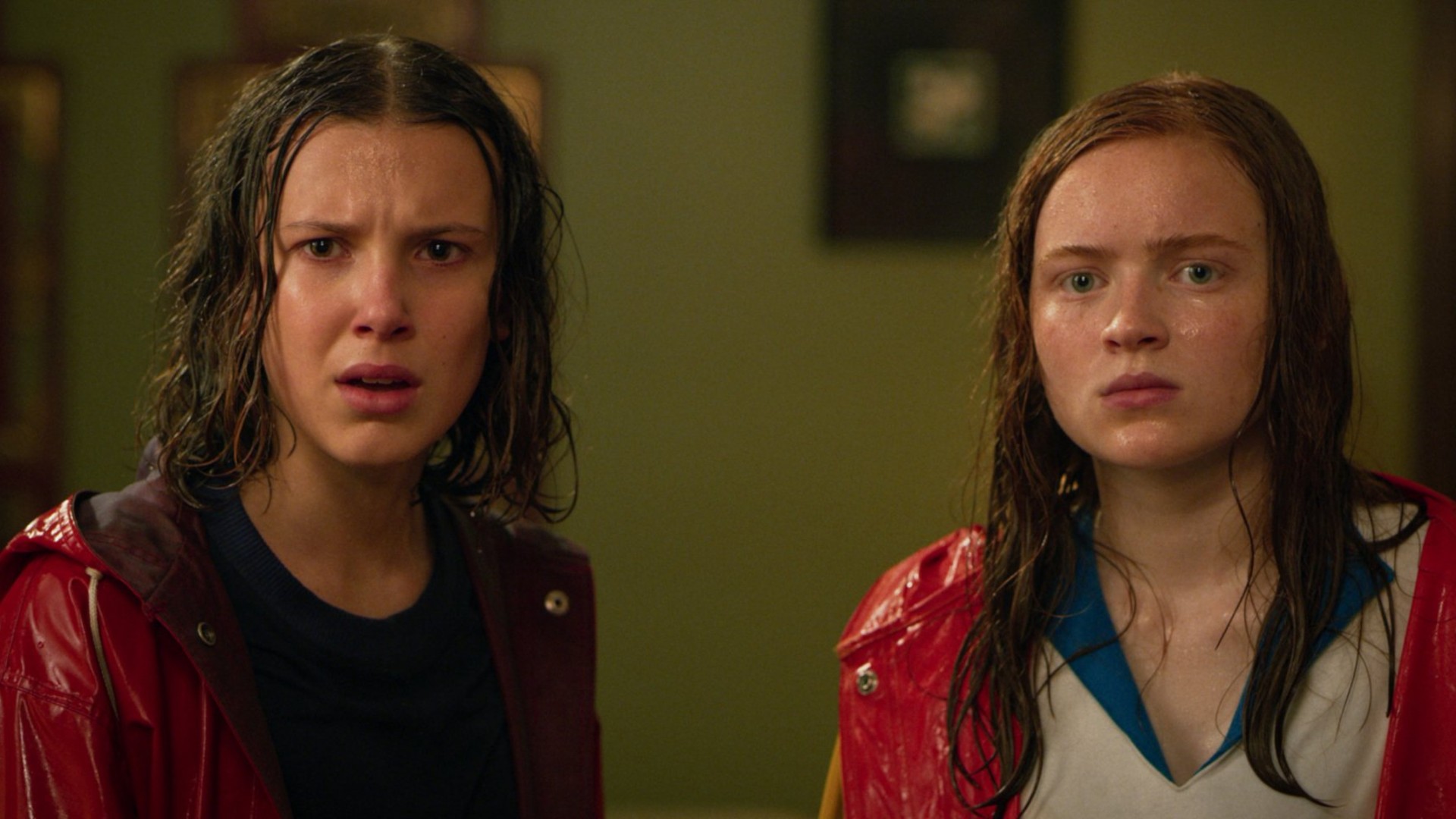
10. Stranger Things (Seasons 4 & 5)
I know fans will probably come for me over this, but the later seasons honestly disappointed me. I still remember watching the first season, I couldn’t even get up between episodes. It was just “next episode,” and then another, completely hooked from start to finish. The first season was perfect, but as the show expanded, it started to feel bloated. By the series finale on New Year’s Eve 2025, even critics noted that the “80s nostalgia” had become a bit of a crutch. While it remains a cultural juggernaut, the constant “fake-out” and the massive episode lengths made the final seasons feel more like a chore than the lean, suspenseful adventure that hooked audiences back in 2016.
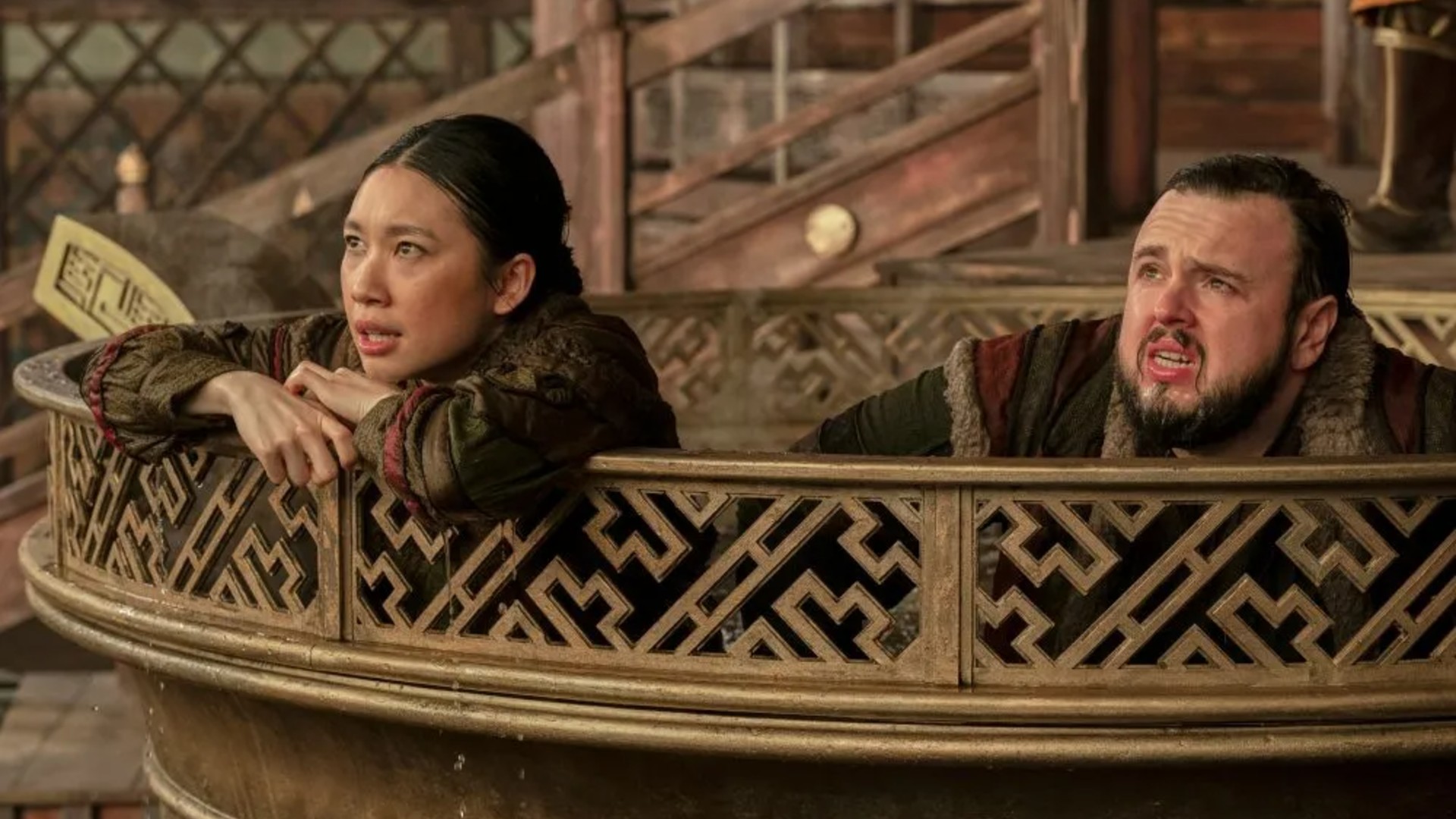
9. 3 Body Problem (2024–Present)
A global hit with significant anticipation for its upcoming second season, yet it remains divisive among fans of the original novels. While visually ambitious, some critics argue the adaptation simplifies complex philosophical themes into a more conventional narrative. With the next season reportedly shorter, there are concerns it may continue to favor spectacle over depth.
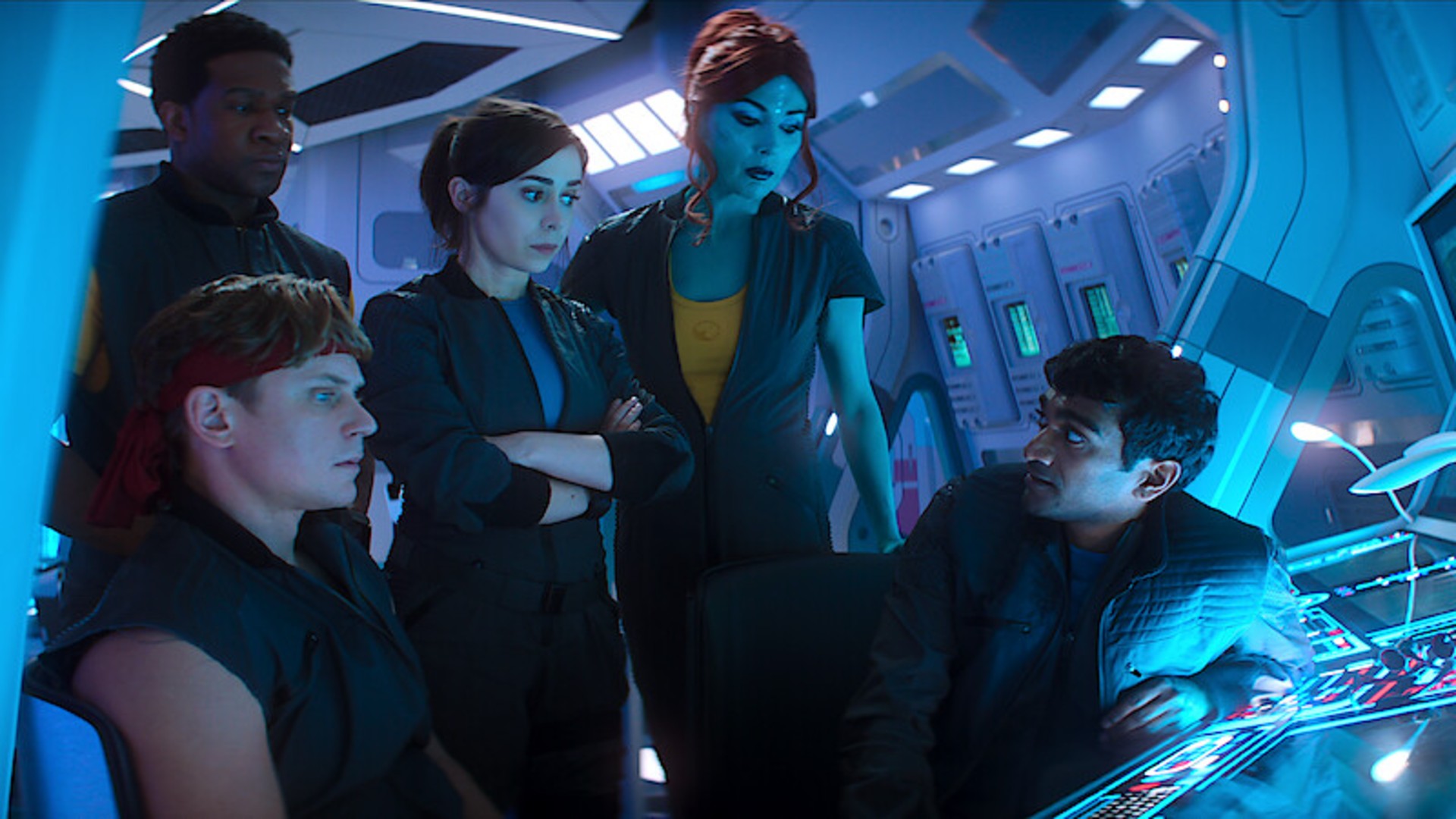
8. Black Mirror (Later Seasons)
Recent installments have struggled to match the sharp impact of earlier seasons. The core concept, exploring the darker side of technology, has become more familiar over time, and some episodes leaned more on star power than unsettling ideas. As a result, the series has felt less provocative than it once did.
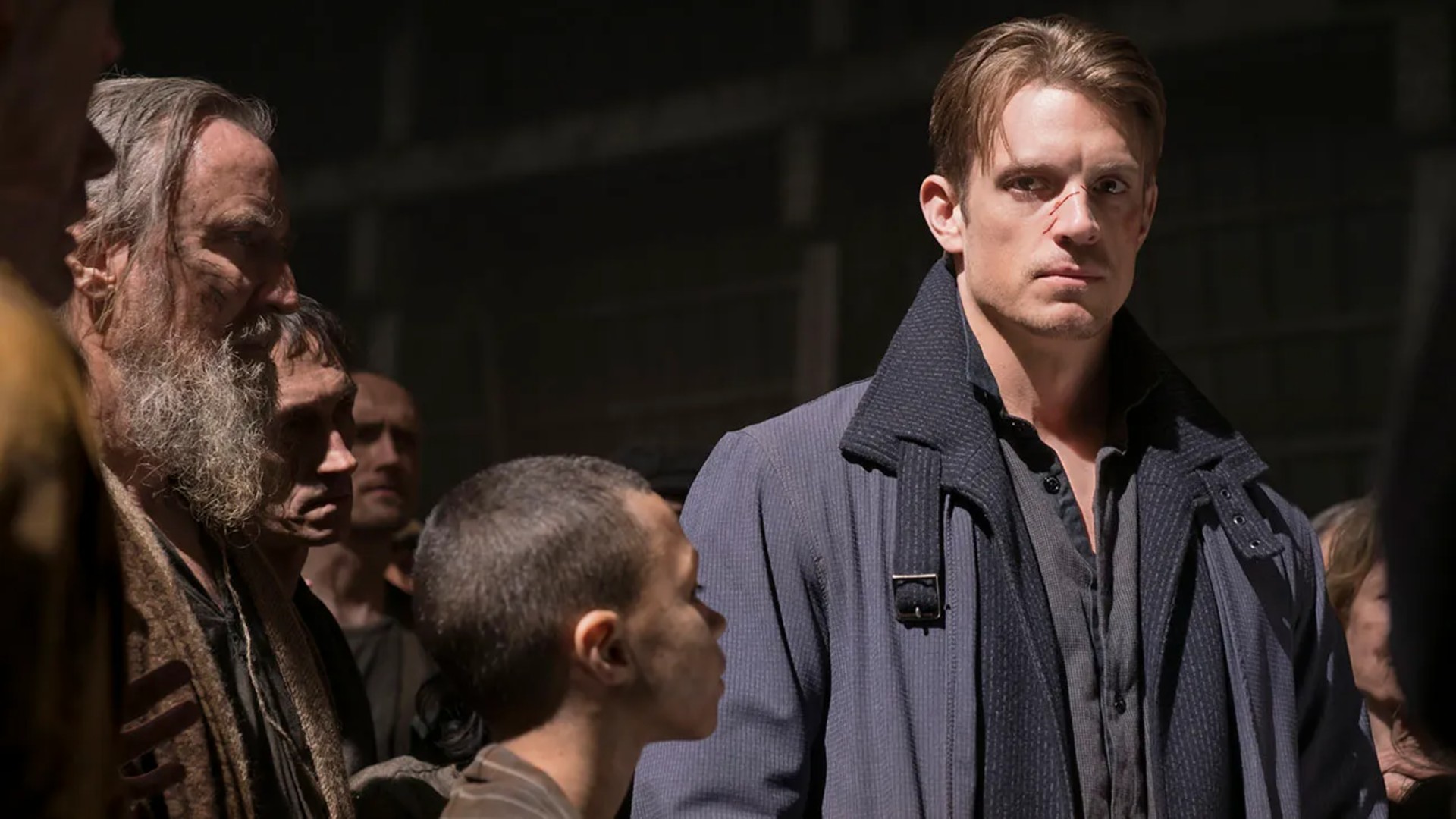
7. Altered Carbon (Season 2)
Season 1 set a high bar with its rich cyberpunk atmosphere. Season 2, however, was widely seen as a step down. Even with Anthony Mackie in the lead, the shift toward more generic action elements diluted the noir tone that defined the original. Expectations remained high, but the follow-up struggled to recapture that initial appeal.
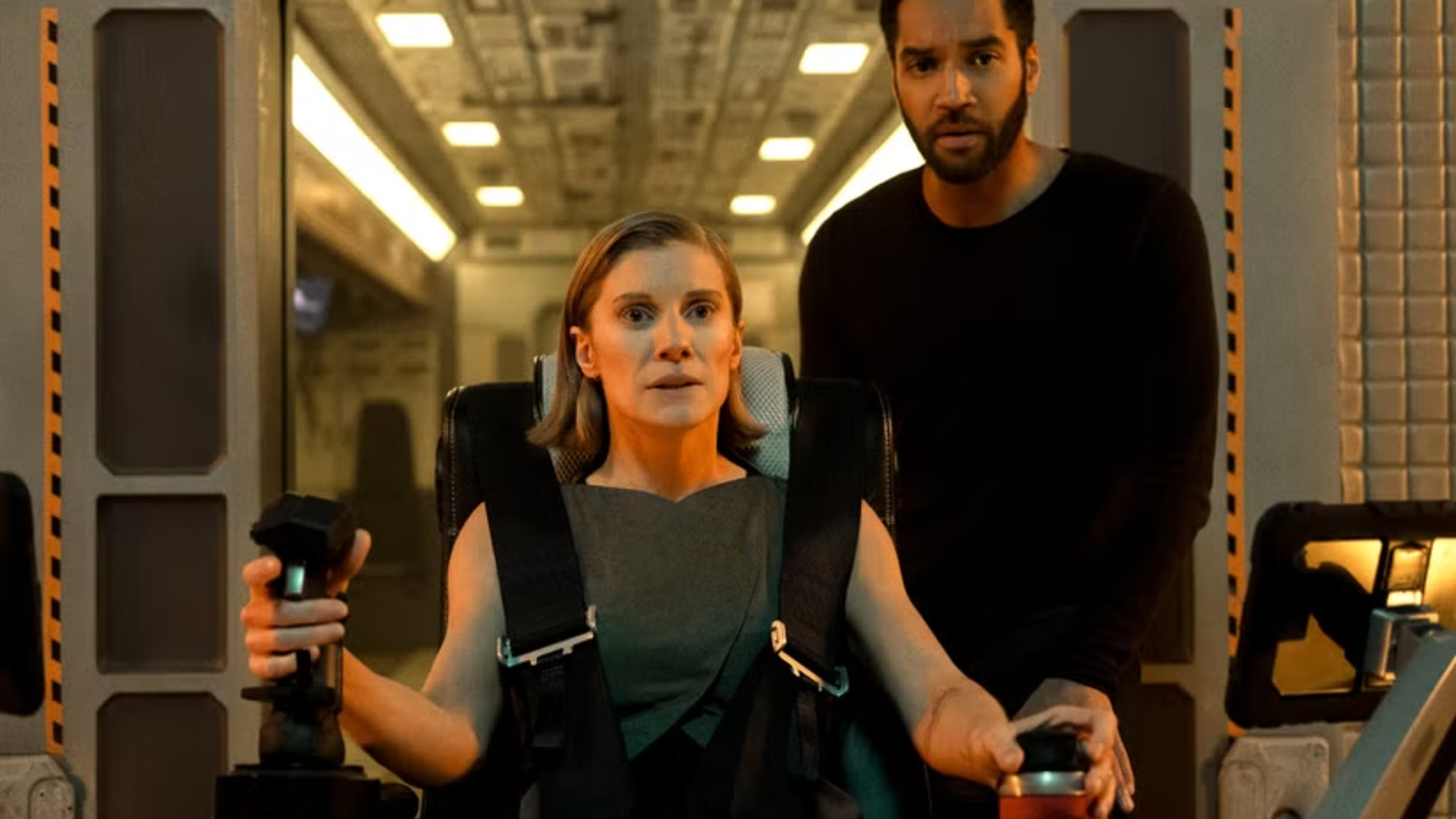
6. Another Life
Despite a largely negative reception, this show still managed to secure a second season. Marketed as a high-stakes space drama, it often came across as overly melodramatic, with inconsistent scientific grounding and questionable character decisions. The contrast between its ambition and execution made it a frequent target of criticism.
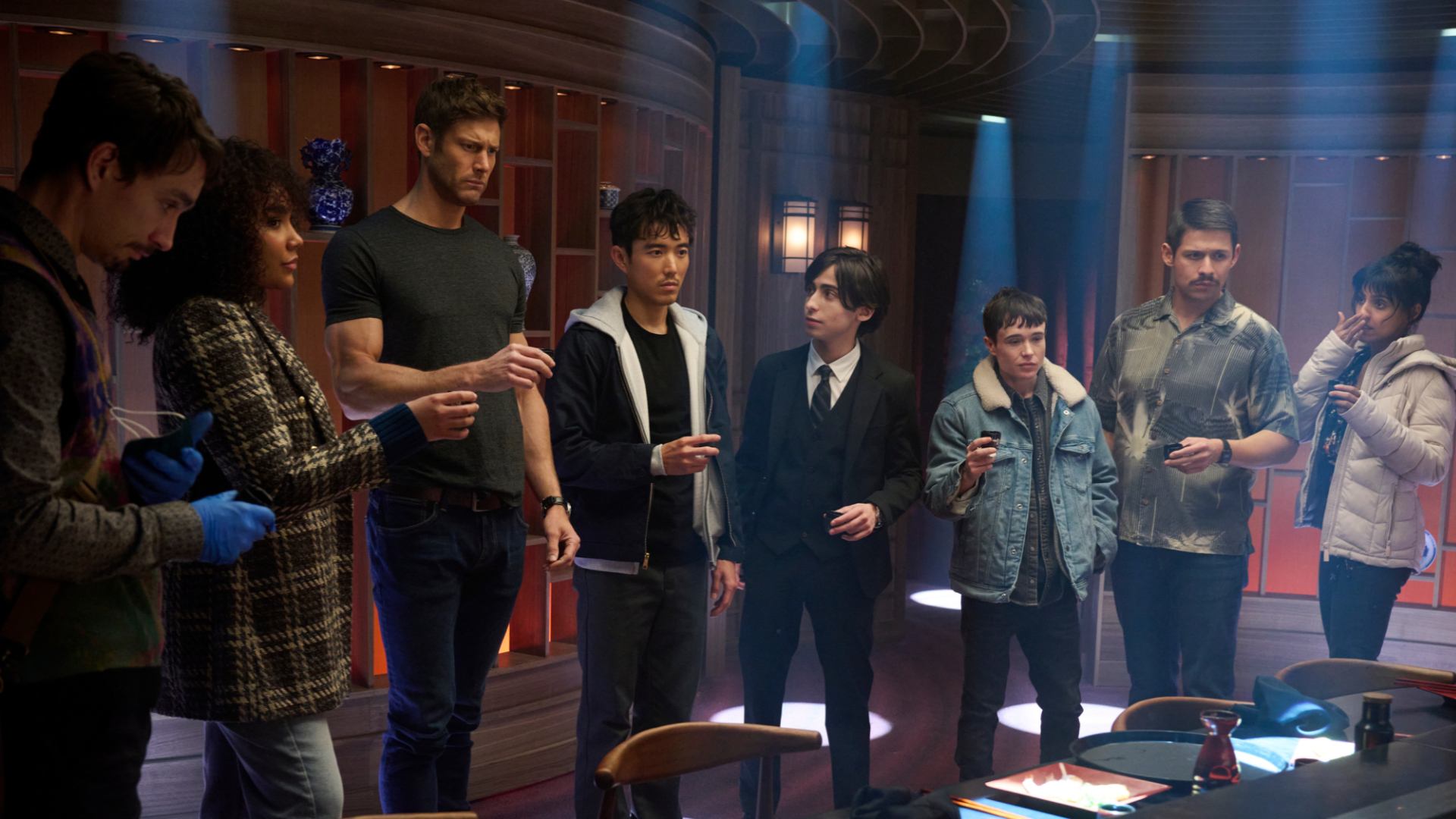
5. The Umbrella Academy (Final Season)
What began as a stylish and unconventional superhero series ended on a polarizing note in 2024. The shortened final season leaned heavily on unpredictability, sometimes at the expense of character development. For many viewers, the constant resetting of stakes reduced the emotional payoff, leaving the conclusion feeling rushed.
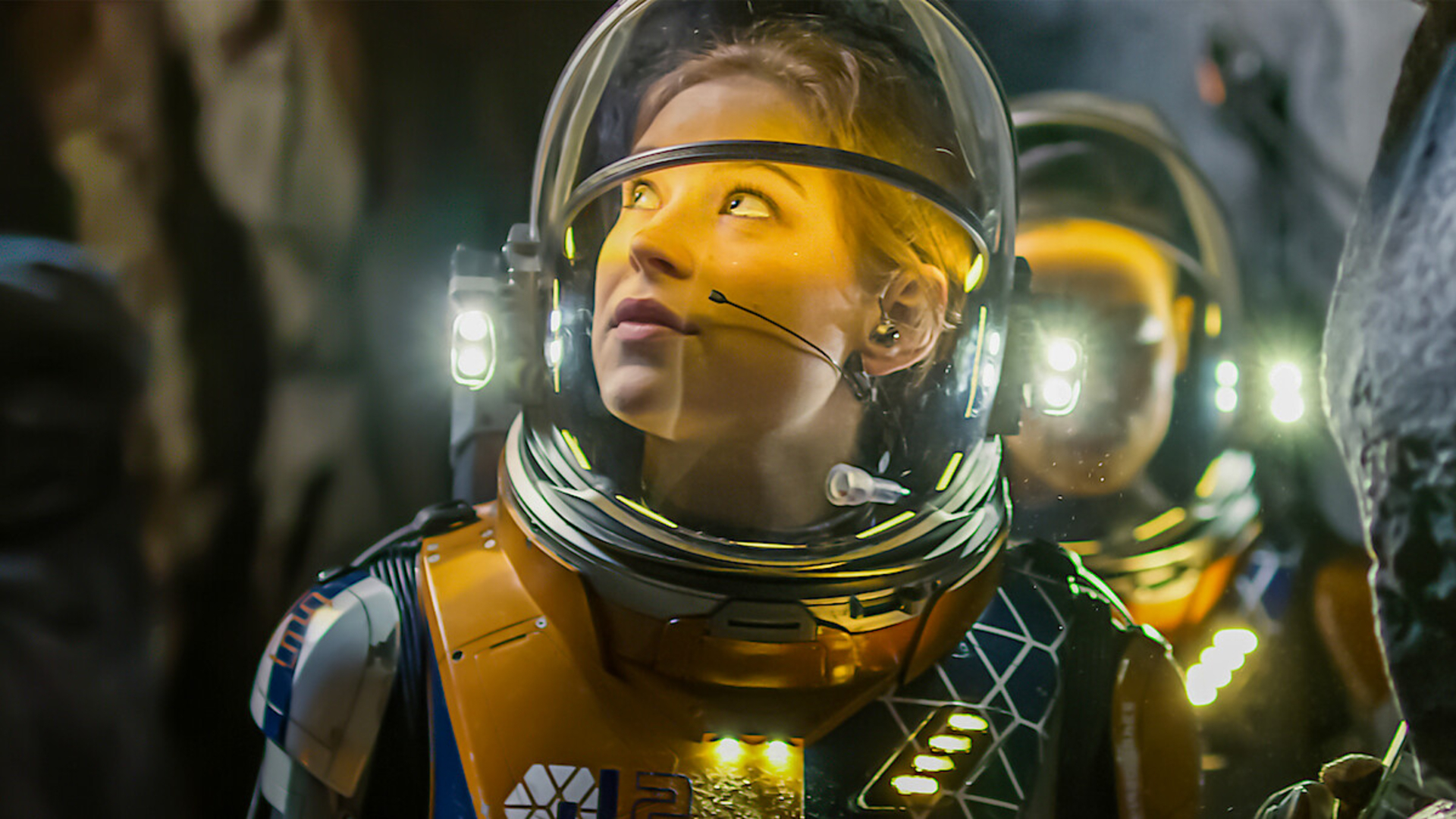
4. Lost in Space (2018–2021)
A solid family-friendly adventure, but often labeled as a "must-watch" sci-fi epic. In practice, the narrative frequently followed a repetitive cycle of problems and resolutions, often driven by Dr. Smith’s interference. While the visual effects stood out, the storytelling didn’t always match that scale, making its placement on some “best of” lists feel slightly overstated.
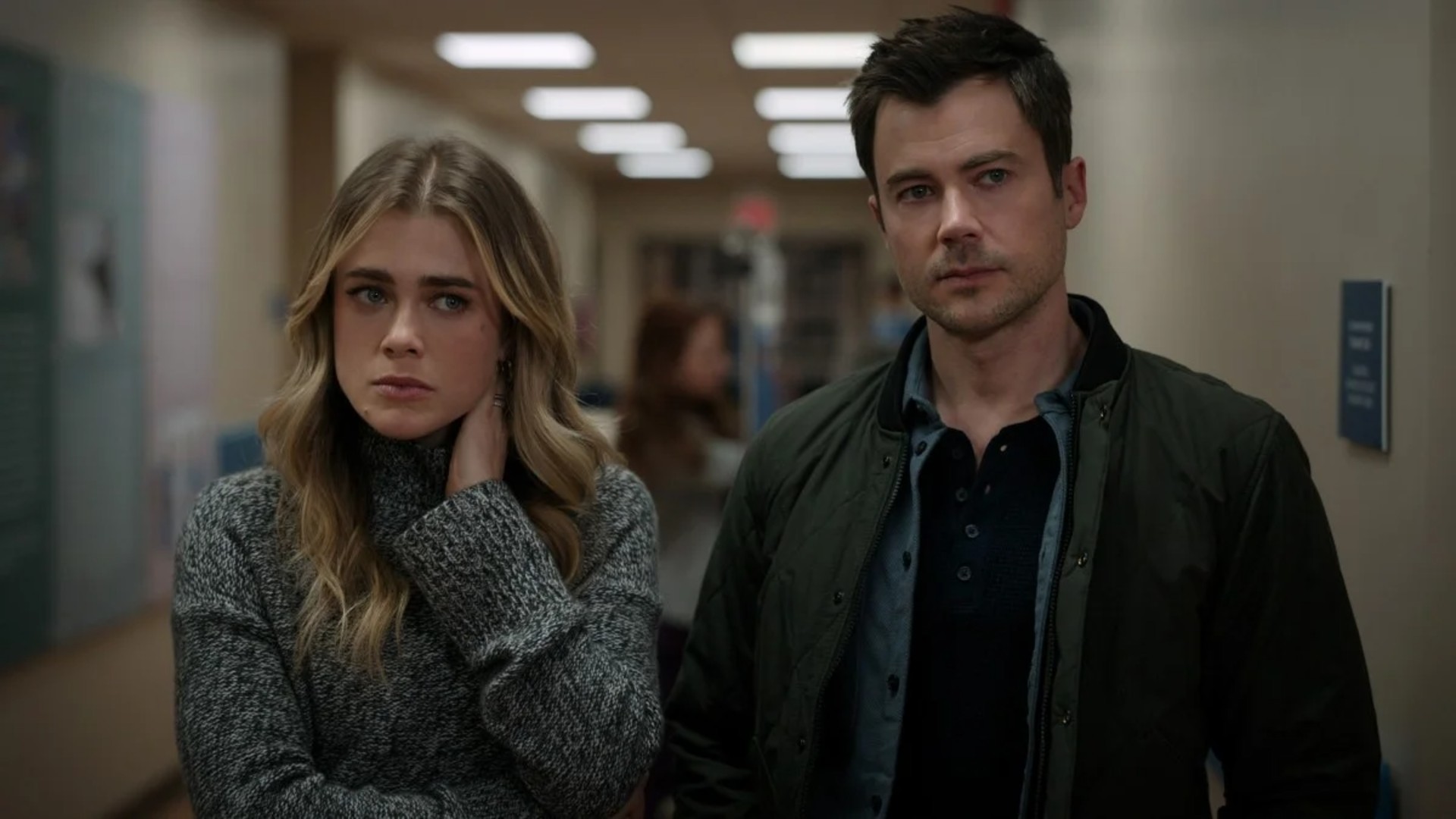
3. Manifest (Netflix era)
After Netflix revived it, anticipation surged. However, the later seasons divided audiences, with some finding the explanations overly complex, blending religious themes with speculative science in ways that didn’t fully satisfy. Despite this, the show consistently topped streaming charts, driven largely by viewers eager to see how the story concluded.
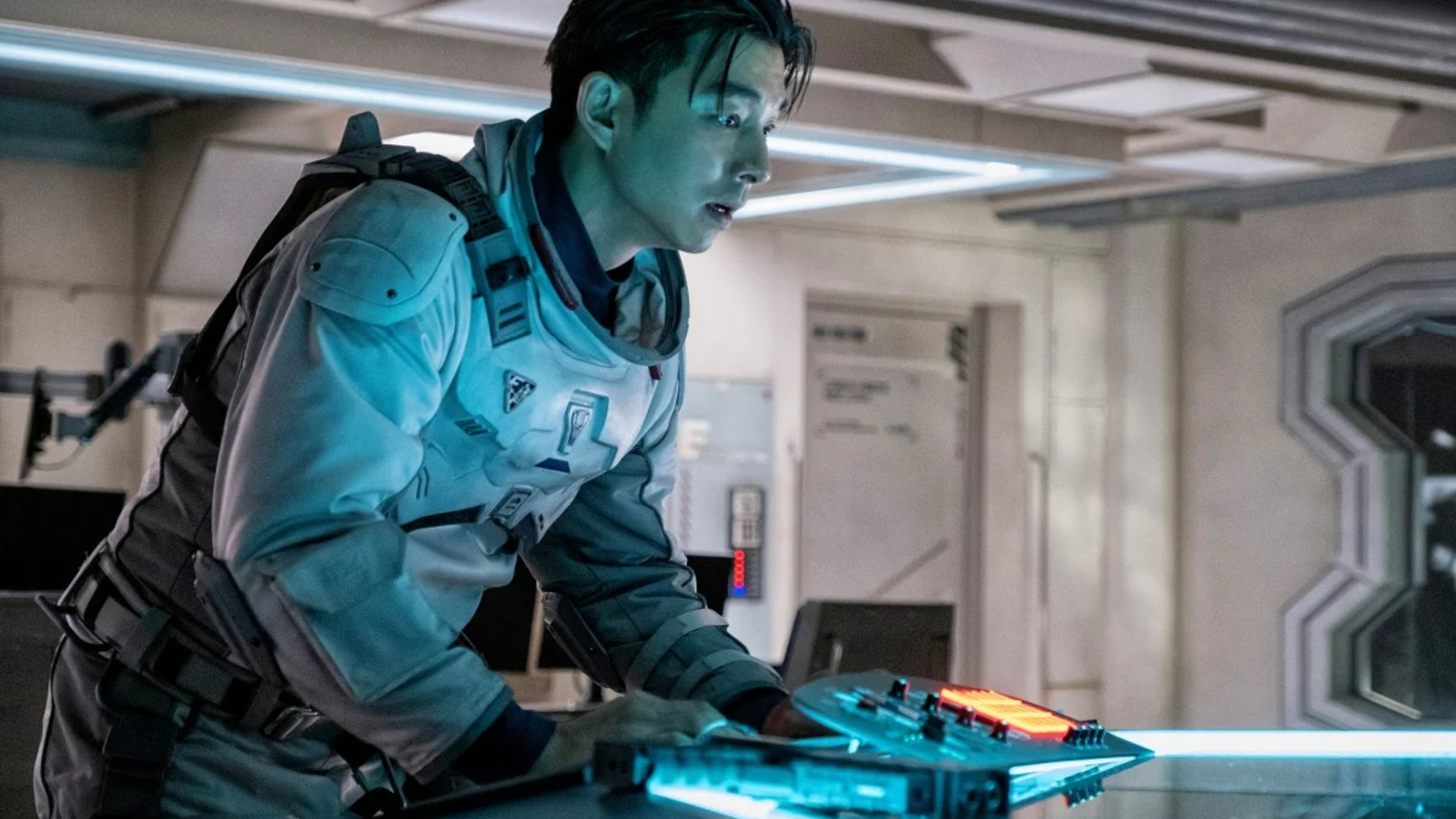
2. The Silent Sea (2021)
Following the global success of Squid Game, expectations were high for this sci-fi thriller. While the premise, searching for water on the moon, was compelling, the series struggled with slow pacing and questionable scientific logic. Visually impressive, it often felt like a feature-length concept stretched across multiple episodes, leaving some viewers wanting a tighter, more focused story.
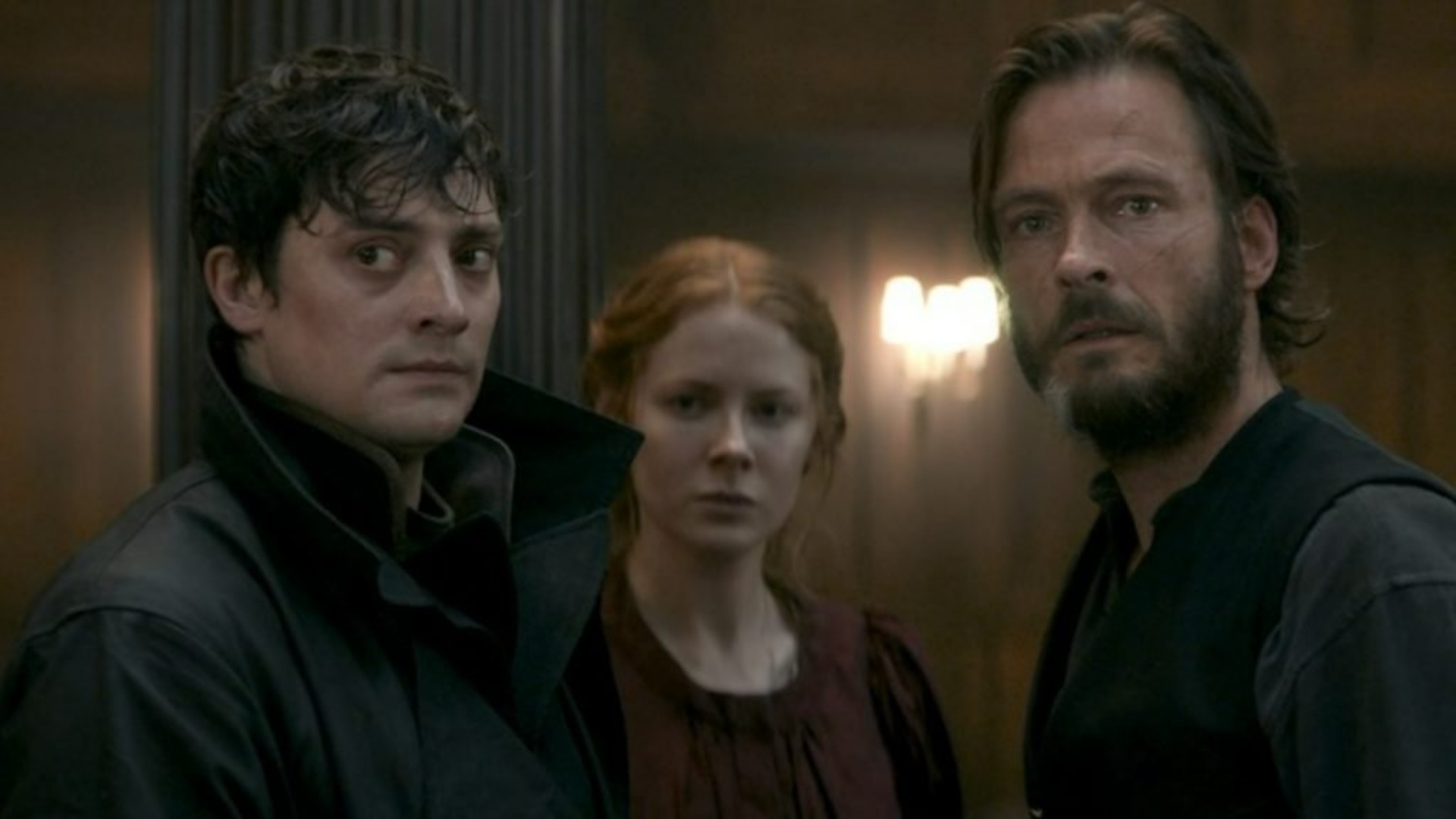
1. 1899 (2022)
From the creators of Dark, this was marketed as the next great mind-bending masterpiece. Instead, it became a prime example of a "mystery box" that kept adding layers without a clear payoff. While the production value and multilingual approach were impressive, the show often leaned on slow pacing and cryptic moments to stretch its runtime. The "simulation" twist in the finale felt underwhelming to many viewers, making earlier character arcs feel less impactful. Its divisive reception and high cost ultimately led to Netflix cancelling it before resolving its cliffhangers.